Blog

Pseudoangiomatous Stromal Hyperplasia (PASH)

  • Introduction:
    • PASH may be mistaken for mammary angiosarcoma:
      • But is not associated with an increased risk of developing:
        • Angiosarcoma
        • Invasive ductal carcinoma, or 
        • Other breast malignancies
    • There is no indication for genetic counseling or testing:
      • Based on a diagnosis of PASH
    • Excisional biopsy is not required:
      • With concordant and benign findings on mammography and core biopsy
  • Pseudoangiomatous stromal hyperplasia (PASH):
    • Is a benign proliferative breast disease that was first described by Vuitch et al.
    • This lesion is characterized by:
      • dense, collagenous proliferation of mammary stroma:
        • Forming inter-anastomosing capillary-like spaces
    • It is thought that hormonal factors play an important role in PASH:
      • According to Anderson et al:
        • This lesion represents an important hyper-response to progesterone and estrogen
    • PASH is a common histological finding in breast biopsy specimens and can also be found in a normal breast:
      • That is in association with proliferative or non-proliferative fibrocystic changes:
        • But it is rarely a symptomatic lesion
    • Clinically, PASH can presents as:
      • solitary firm, mobile, palpable lump 
      • As multifocal nodules:
        • In 60% of cases 
      • Can be discovered incidentally on imaging
    • PASH can be found in:
      • Teenage girls as well as in postmenopausal women with or without hormonal therapy replacement
    • It is important to recognize this entity because it can be easily confused with:
      • Other benign tumors, such as:
        • Fibroadenoma
        • Phyllode tumor
      • With malignant tumors, such as:
        • Angiosarcoma
    • Unfortunately, imaging features of PASH are non-specific:
      • On mammography:
        • The most common appearance described is:
          • well-defined, uncalcified mass, with regular borders
        • Spiculated borders, suspicious borders, and architectural distortion can also be seen:
          • But are uncommon
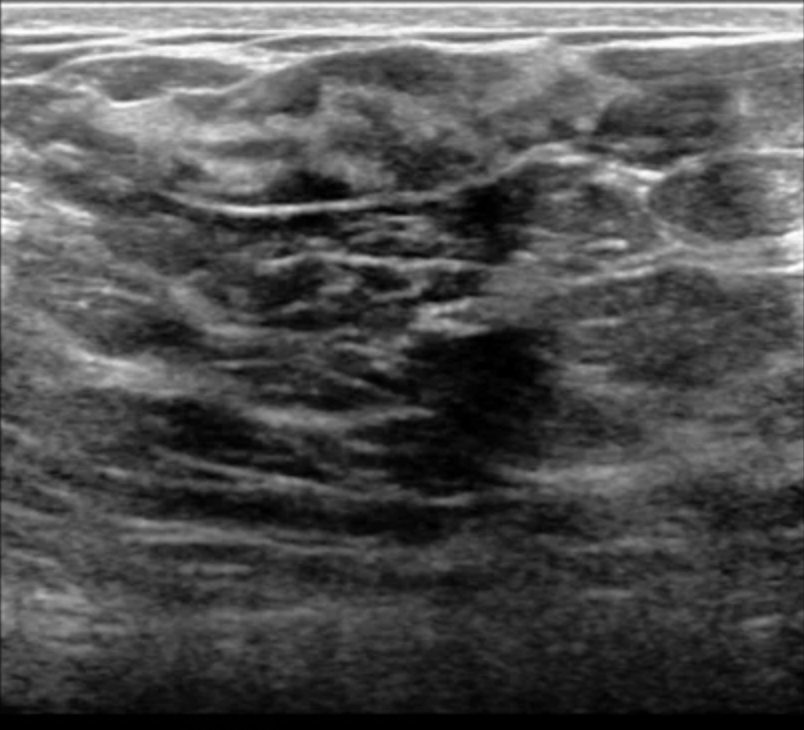
      • On ultrasound:
        • PASH tends to be:
          • An oval, round hypoechoic mass or 
          • Can presents as a heterogeneous mass with cystic areas 
      • According to Cohen et al:
        • When a focal lesion with well-defined borders, containing no calcifications on mammography or a well-defined hypoechoic mass on ultrasound is seen:
          • PASH can be considered and included in the differential diagnosis
    • Clinically and on imaging, the differential diagnosis include:
      • Fibroadenoma:
        • Especially in young patient
      • Phyllode tumor:
        • In older women
    • Histologically:
      • PASH can be very similar to low-grade angiosarcoma
      • Definitive diagnosis is based on histology:
        • But unlike low-grade angiosarcoma:
          • PASH has no invasive features and contains no necrosis, mitoses, and no destruction of mammary epithelial structures
    • Management of PASH depends on presentation:
      • When PASH is incidentally discovered or when it is asymptomatic:
        • It can be followed up yearly by ultrasound or mammography:
          • For a period of 36 months
      • Surgical procedures are indicated for:
        • Symptomatic lesion with mechanical complaints
        • Pain
        • Apprehension for an alternative malignant lesion 

Imaging: bilateral MLO and CC views of the breasts. There is an ovoid mass in the right lower, outer quadrant.
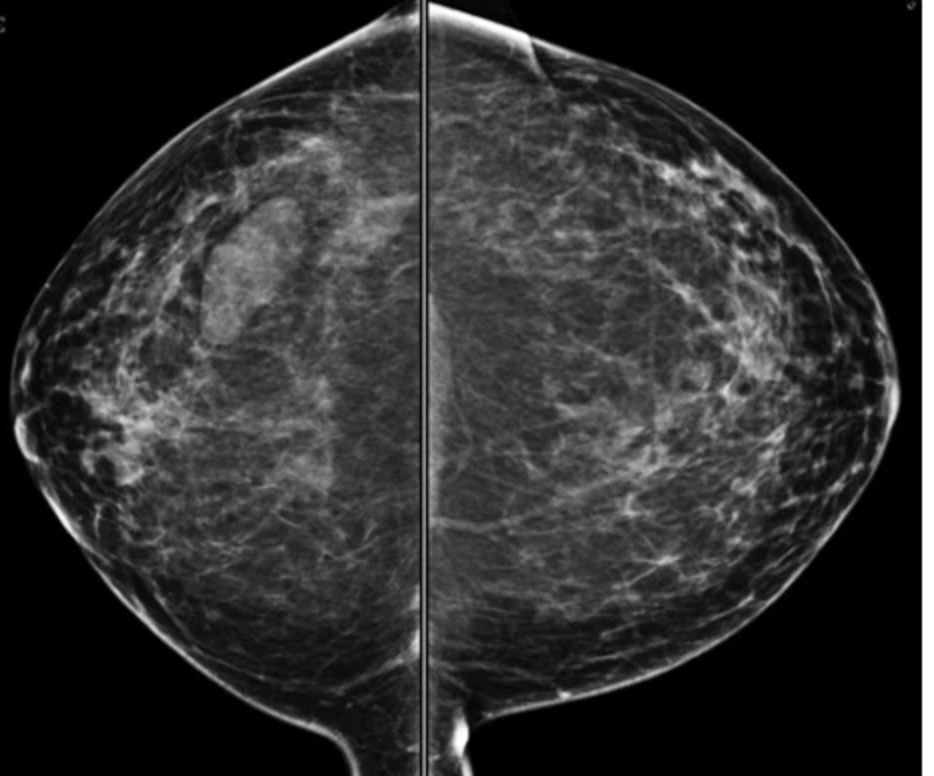
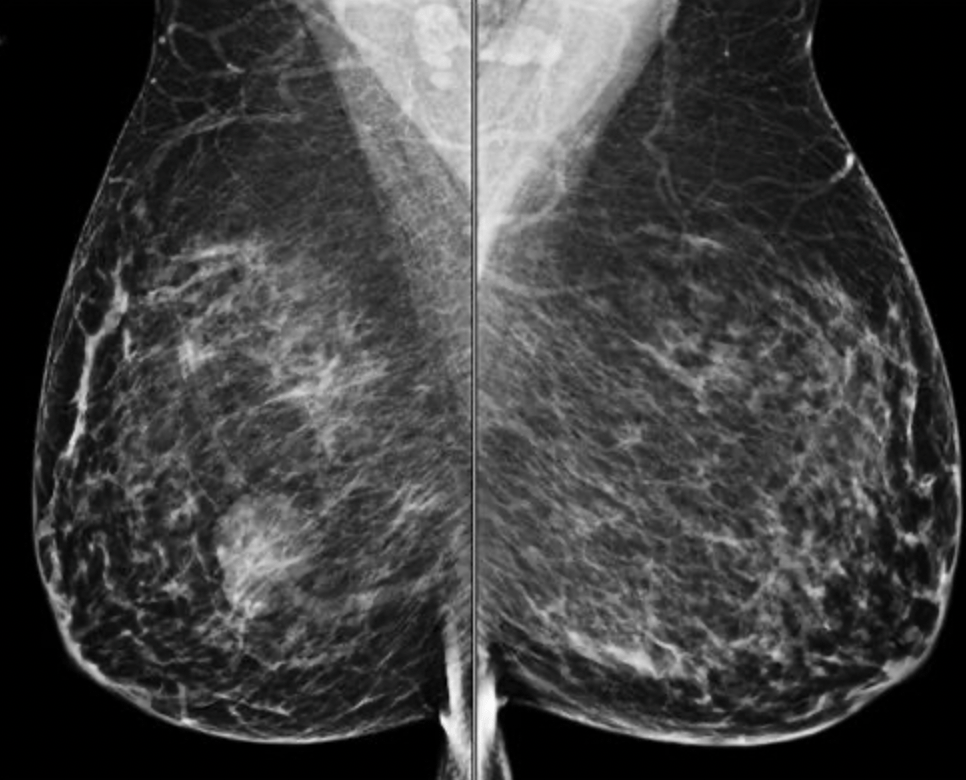
Mammogram at the time of presentation here demonstrated a new, lobulated, oval mass in the right lower outer quadrant measuring 5 cm x 4 cm. 
A heterogeneous, lobulated 4.6 cm mass was seen at the 8:00 position of the right breast.
  • References:
    • Celliers L, Wong DD, Bourke A. Pseudoangiomatous stromal hyperplasia: a study of the mammographic and sonographic features. Clin Radiol. 2010;65(2):145-149.
    • Guray M, Sahin AA. Benign breast diseases: classification, diagnosis, and management. Oncologist. 2006;11(5):435-439.
    • Hargaden GC, Yeh ED, Georgian-Smith D, Moore RH, Rafferty EA, et al. Analysis of the mammographic and sonographic features of pseudoangiomatous stromal hyperplasia. AJR Am J Roentgenol. 2008;191(2):359-363.
    • Salvador R, Lirola JL, Domínguez R, López M, Risueño N. Pseudo-angiomatous stromal hyperplasia presenting as a breast mass: imaging findings in three patients. Breast. 2004;13(5):431-435.

#Arrangoiz #BreastSurgeon #BreastCancer #CancerSurgeon #Teacher #SurgicalOncologist #Mexico #Miami #PASH #PseudoangiomatousStromalHyperplasia
SOFT TISSUE SARCOMAS PART 1

  • Sarcomas constitute a heterogeneous group of rare solid tumors of mesenchymal cell origin with distinct clinical and pathologic features:
    • They are usually divided into two broad categories:
      • Sarcomas of soft tissues:
        • Fat, muscle, nerve and nerve sheath, blood vessels, and other connective tissues
      • Sarcomas of bone
  • Sarcomas collectively account for:
    • Approximately 1% of all adult malignancies and 15% of pediatric malignancies
  • In 2021:
    • An estimated 13,460 people will be diagnosed with soft tissue sarcoma (STS) in the United States (0.7% of all malignancies), with approximately 5350 deaths (0.9% of all cancer deaths)
  • The true incidence of STS is underestimated:
    • Especially because a large proportion of patients with gastrointestinal stromal tumors (GISTs) may not have been included in tumor registry databases before 2001
  • Prior radiation therapy (RT):
    • To the affected area is a risk factor for the development of STS
  • More than 50 different histologic subtypes of STS have been identified
  • Common subtypes of STS include:
    • Undifferentiated pleomorphic sarcoma (UPS)
    • GIST
    • Liposarcoma (LPS)
    • Leiomyosarcoma (LMS)
  • The anatomic site of the primary disease:
    • Represents an important variable that influences treatment and outcome
  • The most common primary sites include:
    • Extremities (43%)
    • Visceral (19%)
    • Retroperitoneum (15%)
    • The trunk (10%)
    • Head and neck (9%)
  • STS most commonly metastasizes to:
    • The lungs
  • Tumors arising in the abdominal cavity:
    • More commonly metastasize to the liver and peritoneum
  • Rhabdomyosarcoma (RMS):
    • Is the most common STS of children and adolescents and is less common in adults
  • Prior to initiation of treatment:
    • All patients should be evaluated and managed by a multidisciplinary team with extensive expertise and experience in the treatment of STS:
    • Because STS is rare and often complex, adherence to evidence-based recommendations is particularly important:
      • Analysis of data from 15,957 patients with STS in the National Cancer Database (NCDB):
        • Showed that NCCN Guidelines-adherent treatment was associated with improved survival outcomes
  • Pathology of Soft Tissue Sarcomas – Biopsy
    • A pretreatment biopsy is highly preferred:
      • For the diagnosis and grading of STS
    • Biopsy should be performed by an experienced surgeon or radiologist:
      • Placed along the future resection axis:
        • With minimal dissection and careful attention to hemostasis
    • The goal of biopsy is to:
      • Establish the malignancy and provide a specific diagnosis where possible and a grade where appropriate or feasible
      • Recognizing that limited biopsy material may underestimate grade
      • It may be accomplished by open incisional or core needle technique:
        • Core needle biopsy is preferred
      • However, an open incisional biopsy may be considered by an experienced surgeon
      • In patients without a definitive diagnosis following initial biopsy due to limited sampling size:
        • Repeat image-guided core needle biopsy should be considered to make a diagnosis
      • Although fine-needle aspiration (FNA) is a convenient technique:
        • It can be difficult to make an accurate primary diagnosis with FNA alone due to small specimen size and is thus discouraged
        • FNA may be acceptable in select institutions with clinical and pathologic expertise
      • Endoscopic or needle biopsy may be indicated for deep thoracic, abdominal, or pelvic STS
  • Pathologists with expertise in STS should review the pathologic assessment of biopsies and resected specimens:
    • Especially for initial histopathologic classification
    • Margins must be thoroughly evaluated in these specimens
    • Morphologic assessment based on microscopic examination of histologic sections:
      • Remains the gold standard of sarcoma diagnosis
  • The differential diagnosis of a soft tissue mass includes:
    • Malignant lesions:
      • Such as primary or metastatic carcinoma, melanoma, or lymphoma
    • Desmoids
    • Benign lesions:
      • such as lipomas, lymphangiomas, leiomyomas, and neuromas
  • However, since the identification of the histopathologic type of a sarcoma is often difficult, several ancillary techniques have been used as an adjunct to morphologic diagnosis:
    • These techniques include conventional cytogenetics, IHC, electron microscopy, and molecular genetic testing
    • Pathologists should have access to optimal cytogenetic and molecular diagnostic techniques
    • The results of appropriate ancillary studies used as an adjunct to morphologic diagnosis should be included in the pathology report
  • The pathology report should include:
    • Specific details about the primary diagnosis (using standardized nomenclature according to the WHO Classification of STS tumor)
    • The organ and site of sarcoma
    • Depth, size, and histologic grade of the tumor
    • Presence or absence of necrosis
    • Status of excision margins and lymph nodes
    • Tumor, node, and metastasis (TNM) stage
    • Additional features such as:
      • Mitotic rate, presence or absence of vascular invasion and the type and extent of inflammatory infiltration

#Arrangoiz #CancerSurgeon #HeadandNeckSurgeon #SurgicalOncologist #Sarcomas #SoftTissueSarcomas #MountSinaiMedicalCenrter #Mexico #Miami

Gardner’s Syndrome

Gardner’s Syndrome

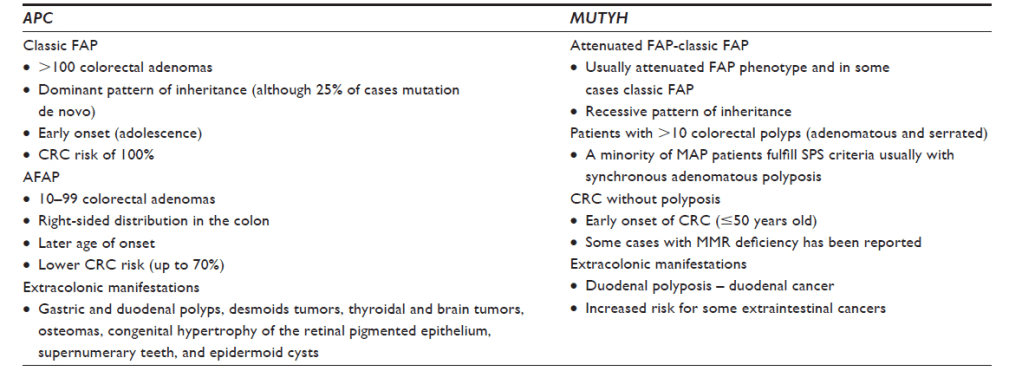
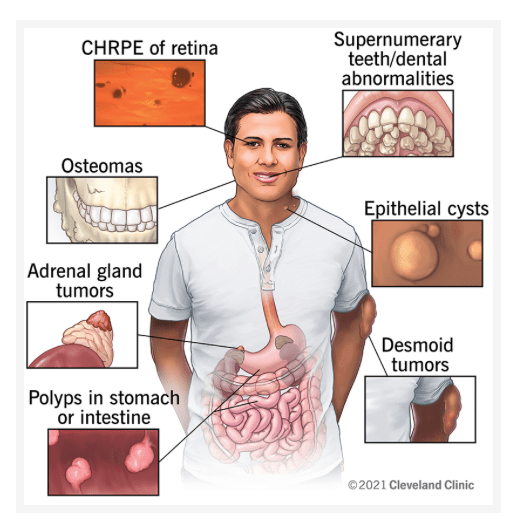
This is a variant of FAP that is associated with numerous extracolonic manifestationsincluding supernumerary teethdesmoids tumorshamartomas of the upper gastrointestinal tract, and thyroid tumors. Again, only 2% of patients will develop thyroid cancers with young women being at highest risk

#Arrangoiz # ThyroidSurgeon #HeadandNeckSurgeon #ThyroidExpert #CancerSurgeon #SurgicalOncologist #FamilialAdenomaousPolyposis #FAP #GardnerSyndrome #Miami #MountSinaiMedicalCenter

Familial Nonmedullary Thyroid Cancer

  • FNMTC is most accurately defined by the presence of three or more first-degree relativeswith well-differentiated thyroid cancer
  • In families with only two affected members:
    • 38% actually have FNMTC
  • In families with three or more affected persons in a family:
    • Translates into a 96% likelihood of having a hereditary form of thyroid cancer
  • The pattern of inheritance appears to be autosomal dominant with incomplete penetrance
  • Patients with FNMTC:
    • May have a more aggressive tumor than their sporadic counterparts, as they had a shorter disease-free survival in a recent multicenter retrospective study:
      • However, no studies have shown a difference in mortality from FNMTC cancer

#Arrangoiz #ThyroidCancer #ThyroidExpert #ThyroidSurgeon #HeadandNeckSurgeon #CancerSurgeon #SurgicalOncologist #FNMTC #FamilialNonmedullaryThyroidCancer #Miami #MountSinaiMedicalCenter

Oral Tongue Cancer

Introduction

  • In 2021, it is estimated that about 54, 010 new cases of oral cavity and pharyngeal cancer will develop:
    • Which represent approximately 2.8% of all cancers in the United States
  • During the same time period it is estimated that there will be approximately 10, 850 deaths:Which represent 1.8% of all cancer deaths in the USA
  • Incidence rates are more than twice as high in men as in women
  • From 2006 to 2010 incidence rates:Remained stable in men and have decreased by 0.9% per year in women
  • From 2005 to 2014, incidence rates:Decreased by more than 2% per year among blacks, but increased by about 1% per year among whites:Largely driven by rising rates for a subset of cancers associated with human papillomavirus (HPV) infection that arise in the oropharynx
  • Death rates have been decreasing over the past three decades:From 2006 to 2010, rates decreased by 1.2% per year in men and by 2.1% per year in women
  • In 2022, it is estimated that 17,960 new cases of oral tongue cancer will occur:13,040 will occur in men4920 will develop in women:One third of the cases will develop in women)
  • The estimated death rate from oral tongue cancer in 2021 is 2,870 deaths
  • Most head and neck cancers present with metastatic disease at the time of diagnosis:With regional nodal involvement and distant metastatic disease in 43% and 10% of the cases, respectively
  • Head and neck cancer patients often develop second primary tumors:This is because they share common risk factors
    • These second primary tumors develop at an annual rate of 3% to 7%:50% to 75% of these new cancers are located in upper aero digestive tract or lungs.

Surgical anatomy of the oral cavity

  • Boundaries of the oral cavity:Superior border-from the vermillion border to the junction of the hard and soft palates.Inferior border-from the vermillion border to the circumvallate papillae of the oral tongue.The lateral border-is the mucosa of the mouth up to the anterior tonsillar pillars.

early_stage_oral_cavity_cancer-fig_1-en

  • The oral cavity includes the lips, buccal mucosa, upper and lower alveolar ridges, gingiva, retromolar trigone, floor of mouth, hard palate and the anterior two thirds of the tongue (“oral tongue”).
  • The main lymphatic drainage is to level IA (submental triangle), IB (submandibular triangle) and II (upper deep jugular nodes).

https://www.oatext.com/pdf/CRR-2-153.pdf

cropped-18403652_10206829497335208_5004404657991480104_n1.jpg

  • What is Head and Neck Surgery?:
    • It is a surgical sub-specialty that deals mainly with benign and malignant tumors of the head and neck region, including:
      • The scalp, facial region, eyes, ears, nose, nasal fossae, paranasal sinuses, oral cavity, pharynx (nasopharynx, oropharynx, hypopharynx), larynx (supraglotic larynx, glottis larynx, subglotic larynx), thyroid gland, parathyroid gland, salivary glands (parotid glands, submandibular glands, sublingual glands, minor salivary glands), soft tissues of the neck, skin of the head and neck region.
        • The head and neck surgeon’s work area:Does not cover tumors or diseases of the brain and other areas of the central nervous system or those of the cervical spine:This is the neurosurgeon field.
    • Among the diagnostic procedures performed by the head and neck surgeon,  are the following:
      • Nasopharyngolaryngoscopy:
        • Performed to examine, evaluate and, possibly perform a biopsy, of oral cavity, pharyngeal and laryngeal lesions.
    • The surgeries most commonly performed by the head and neck surgeon are:
      • Total or near total thyroidectomies
      • Hemithryoidectomies (lobectomies)
      • Comprehensive neck dissections
      • Selective neck dissections
      • Maxillectomies:
        • Total maxillectomy
        • Subtotal maxillectomy
        • Infrastructure maxillectomy
        • Suprastructure maxillectomy
        • Medial maxillectomy
      • Mandibulectomy:
        • Segmental
        • Marginal
      • Tracheostomy
      • Salivary gland surgeries:
        • Parotid gland operations:
          • Limited superficial parotidectomy with identification and preservation of the facial nerve
          • Superficial parotidectomy with identification and preservation of the facial nerve
          • Near total parotidectomy with identification and preservation of the facial nerve
          • Total parotidectomy
        • Submandibular gland resection
        • Sublingual gland resection
      • Resection of tumors of the oral cavity:
        • Glossectomy
        • Resection of the floor of the mouth tumors
      • Resection of tumors of the pharynx
      • Resection of tumors of the larynx
      • Split-thickness skin grafts
      • Full-thickness skin grafts
      • Sentinel lymph node mapping and sentinel lymph node biopsy
      • Resection of malignant skin tumors (BCC, SCC, melanoma) of the head and neck region
  • The formation of the head and neck surgeon includes mastering the following subjects:
    • Surgical Anatomy
    • History and Basic Principles of Head and Neck Surgery
    • Epidemiology, Etiology, and Pathology of Head and Neck Diseases
    • Diagnostic Radiology of the Head and Neck Region
    • Tumors of the Scalp, Skin and Melanoma
    • Eyelids and Orbit
    • Nasal Cavity and Paranasal Sinuses
    • Skull Base and Temporal Bone
    • Lips and Oral Cavity
    • Pharynx and Esophagus
    • Larynx and Trachea
    • Cervical Lymph Nodes
    • Thyroid and Parathyroid Glands
    • Salivary Glands
    • Neurogenic Tumors and Paragangliomas
    • Soft Tissue Tumors
    • Bone Tumors and Odontogenic Lesions
    • Reconstructive Surgery
    • Oncologic Dentistry and Maxillofacial Prosthetics
    • Principles of Radiation Oncology
    • Principles of Chemotherapy
    • Molecular Oncology, Genomics and Immunology
    • Nutrition
    • Biostatistic


Rodrigo Arrangoiz MS, MD, FACS a head and neck surgeon / endocrine surgeon / surgical oncologist and is a member of Mount Sinai Medical Center:


prof_739_20190417135234

  • Rodrigo Arrangoiz MS, MD, FACS, FSSO:
    • Is a member of the American Head and Neck Society

img_4750

Training:

• General surgery:

• Michigan State University:

• 2004 al 2010

• Surgical Oncology / Head and Neck Surgery / Endocrine Surgery:

• Fox Chase Cancer Center (Filadelfia):

• 2010 al 2012

• Masters in Science (Clinical research for health professionals):

• Drexel University (Filadelfia):

• 2010 al 2012

• Surgical Oncology / Head and Neck Surgery / Endocrine Surgery:

• IFHNOS / Memorial Sloan Kettering Cancer Center:

• 2014 al 2016

#Arrangoiz

#Teacher

#Surgeon

#Cirujano

#ThyroidExpert

#ThyroidSurgeon

#CirujanodeTiroides

#ExpertoenTiroides

#ExpertoenParatiroides

#Paratiroides

#Hiperparatiroidismo

#CancerdeTiroides

#ThyroidCancer

#PapillaryThyroidCancer

#SurgicalOncologist

#CirujanoOncologo

#CancerSurgeon

#CirujanodeCancer

#HeadandNeckSurgeon

#CirugiaEndocrina

#CirujanodeTumoresdeCabezayCuello

#OralCavityCancer

#MountSinaiMedicalCenter

#Miami

Ketorolac for Postoperative Analgesia Following Mastectomy

  • Suppression of prostaglandin synthesis at sites of inflammation:
    • Is the primary mechanism behind the antinociceptive effects of nonsteroidal anti-inflammatory drugs (NSAIDs)
  • NSAIDs inhibit the activity of the cyclooxygenase isoforms 1 and 2, and their use can decrease opioid consumption
  • Opioids prescribed preoperatively can lead to long-term use
  • Risk factors for chronic opioid use after surgery among opioid-naive patients include:
    • Male gender
    • Age greater than 50 years
    • Preoperative use of benzodiazepines
    • Preoperative use of antidepressants
    • Depression history
    • Alcohol abuse history
    • Drug abuse history
  • A systematic review of the literature demonstrated that:
    • Co-administration of acetaminophen and NSAIDs:
      • Decreased 24-hour postoperative morphine consumption
  • Multimodal regimens are thought to have synergistic and opioid-sparing effects
  • Intravenous lidocaine is one such opioid-sparing agent:
    • It exerts its analgesic effect by blocking sodium channels responsible for neural transmission of pain impulses
  • N-methyl-D-aspartate receptor antagonism:
    • Describes the mechanism of ketamine, an opioid-sparing agent
  • Regional nerve blockade and neuraxial anesthesia is theorized to prevent persistent opioid use by preventative analgesia:
    • Directly blocking pain impulses preventing central sensitization
  • Inhibition at glutamatergic synapses:
    • Describes the antinociceptive mechanism of action of magnesium
  • References:
    • Brown, EN, Pavone KJ, Naranjo M. Multimodal general anesthesia: theory and practice. Anesth Analg. 2018;127(5):1246–1258.
    • Hah, JM, Bateman BT, Ratliff J, Curtin C, Sun E. Chronic opioid use after surgery: implications for perioperative management in the face of the opioid epidemic. Anesth Anal. 2017;125(5):1733–1740.
    • Dunn LK, Durieux ME. Perioperative use of intravenous lidocaine. Anesthesiology. 2017;126:729–737

#Arrangoiz #BreastSurgeon #CancerSurgeon #SurgicalOncologist #BreastCancer #PostoperativePain #Ketorolac #NSAID #Miami #Teacher #Surgeon #MountSinaiMedicalCenter

Familial Adenomatous Polyposis Syndrome (FAP) and Thyroid Cancer

  • FAP is an autosomal dominant disorder:
    • That results from a mutation in the APC tumor suppressor gene on chromosome 5q21
  • The syndrome is characterized by the development of:
    • Multiple adenomatous polyps with a high malignant potential throughout the gastrointestinal tract during early adulthood
    • PTC occurs in approximately 2% of patients with FAP:
      • Young women, however, are at highest risk of developing thyroid cancer:
        • Their chance of being affected is 160 times higher than it is for women without FAP
      • These tumors are frequently associated with a cribriform growth pattern on histologic examination

#Arrangoiz # ThyroidSurgeon #HeadandNeckSurgeon #ThyroidExpert #CancerSurgeon #SurgicalOncologist #FamilialAdenomaousPolyposis #FAP #Miami #MountSinaiMedicalCenter

Potential Complication of a Pectoral Nerve Block

  • The pectoral branch of the thoraco-acromial artery can be encountered during a pectoral nerve block, or pecs block [not thoracic paravertebral nerve block (PVBs)]:
    • As it is consistently located adjacent to the lateral pectoral nerve
  • The pecs block is a field block:
    • In which local anesthetic is injected in the interfacial plane between the pectoralis major and minor muscles.
  • In addition to the pecs II block:
    • A modification blocking the long thoracic and thoracodorsal nerves:
      • The pecs block is an alternative to the thoracic paravertebral block in a multimodal pain management technique:
        • Intrathecal spread, intra-pleural injection and pneumothorax, bradycardia, and hypotension resulting from a sympathectomy in the neuraxis:
          • Are all known complications of thoracic paravertebral blocks
  • References:
    • Blanco R. The ‘pecs block’: a novel technique for providing analgesia after breast surgery. Anesthesia 2011; 66:847–8.
    • S. Kulhari, et al. Efficacy of pectoral nerve block versus thoracic paravertebral block for postoperative analgesia after radical mastectomy: a randomized controlled trial. BrJ Anaesth. 2016;117(3):382–386.

#Arrangoiz #BreastSurgeon #CancerSurgeon #SurgicalOncologist #BreastCancer #PainManagement #Mastectomy #PectoralNerveBlock #Miami #Mexico #MountSinaiMedicalCenter

NSABP B-40 Trial

  • The National Surgical Adjuvant Breast and Bowel Project (NSABP) B-40 trial was designed to determine whether adding capecitabine (Xeloda) or gemcitabine (Gemzar) to docetaxel, doxorubicin, and cyclophosphamide would improve the rates of pathologic complete response (pCR) in the neoadjuvant setting:
    • The trial was also designed to determine whether adding bevacizumab (Avastin) to the chemotherapy regimens would further increase pCR rates
  • Recognizing that bevacizumab, capecitabine, and gemcitabine have been shown to improve outcomes when added to taxanes in patients with metastatic breast cancer:
    • The NSABP B-40 trial was designed to determine whether adding capecitabine or gemcitabine to docetaxel, followed by anthracycline doxorubicin and cyclophosphamide (AC):
      • Would improve the outcomes in patients with operable, HER2-negative breast cancer
  • The trial also sought to determine the effect of adding bevacizumab to these neoadjuvant chemotherapy regimens
  • Patients were divided into three groups:
    • Docetaxel followed by AC
    • Docetaxel and capecitabine followed by AC
    • Docetaxel plus gemcitabine followed by AC
  • Each of these three groups was then randomized to receive bevacizumab with the first 6 cycles of chemotherapy or not, for a total of 6 treatment arms
  • The addition of capecitabine or gemcitabine to docetaxel therapy, compared to docetaxel alone:
    • Did not significantly increase the rate of pCR:
      • 29.7% and 31.8%, respectively, vs 32.7%; P=0.69
  • Both capecitabine and gemcitabine were associated with increased toxic side effects such as:
    • Hand-foot syndrome, mucositis, and neutropenia
  • However, the addition of bevacizumab significantly increased the rate of pCR in the breast:
    • From 28.2% to 34.5% (P=0.02)
    • This effect was more pronounced in:
      • The hormone receptor-positive subset of patients:
        • 15.1% pCR without bevacizumab vs 23.2% with bevacizumab
    • However, the addition of bevacizumab also increased rates of:
      • Hypertension, left ventricular systolic dysfunction, hand-foot syndrome, and mucositis
  • References
    • Bear HD, Tang G, Rastogi P, Geyer Jr CE, Robidoux A, Atkins JN, et al. Bevacizumab added to neoadjuvant chemotherapy for breast cancer. N Engl J Med. 2012;366(4):310-320.
    • NSABP clinical trials overview. Protocol B-40. A randomized phase III trial of neoadjuvant therapy in patients with palpable and operable breast cancer evaluating the effect on pathologic complete response (pCR) of adding capecitabine or gemcitabine to docetaxel when administered before AC with or without bevacizumab and correlative science studies attempting to identify predictors of high likelihood for pCR with each of the regimens. National Surgical Adjuvant Breast and Bowel Project website. http://www.nsabp.pitt.edu/B-40.asp. Accessed May 15, 2020.

#Arrangoiz #BreastSurgeon #CancerSurgeon #BreastCancer #SurgicalOncologist #NSABPB40 #Teacher #Surgeon

NSABP B-14

  • The NSABP B14 trial was a randomized, double blind, placebo-controlled trial:
    • Of postoperative therapy with tamoxifen (10 mg BID) in 2644 patients with ER positive histologically node-negative breast cancers
    • Patients were administered the drug for at least 5 years
    • After 15 years of follow-up, compared with placebo:
      • Tamoxifen-treated patients were found to have benefited irrespective of age, menopausal status, or ER concentration for:
        • Recurrence free survival (RFS):
          • 78% tamoxifen vs. 65% placebo
        • Overall Survival (OS):
          • 71% tamoxifen vs. 65% placebo
    • A multivariate analysis indicated that all subgroups investigated showed benefit from tamoxifen treatment:
      • This included a:
        • Reduction in rate of treatment failure at local and distant sites
        • A reduction in rate of incidence of new tumors in the contralateral breast
        • A reduction in loco-regional recurrence after lumpectomy and breast irradiation
    • While NSABP B-14 is known for establishing tamoxifen as an effective adjuvant therapy in ER positive, node-negative patients:
      • Disease-free survival and OS were found to decrease over the 15-year follow-up in a subset of patients originally thought to have a favorable prognosis
      • These findings prompted researchers to find a way to optimize treatment in this group:
        • Thus, the NSABP conducted the B-20 trial to evaluate the value of adding chemotherapy to tamoxifen for treatment regimens in ER positive, node-negative patients:
          • Results from the B-20 trial after a 12-year follow-up demonstrated a significant improvement in disease-free survival with the addition of chemotherapy to tamoxifen when compared to tamoxifen alone
  • NSABP B-14:

    • Randomized patients after surgery to:

      • To five years of tamoxifen or 
5 years of placebo:
        • 
To determine if there was a:

          • Significant survival advantage with the addition of endocrine therapy to:
            • ER-positive tumors
    • After 10 years of follow-up:

      • A statistically significant DFS benefit was derived:

        • With the use of tamoxifen for 5 years:

          • 69% vs 57%
            • P<0.0001

      • With a 37% reduction:
        • 
In the rate of contralateral breast cancer (P=0.007)

    • The most recent update of this trial:

      • Continues to demonstrate this survival benefit at 15 years:
        • Irrespective of age
        • Menopausal status
        • Tumor ER concentration
    • A follow-up question to protocol B-14:

      • Asked the recommended duration of tamoxifen therapy beyond 5 years:

        • The same patient population was then re-randomized to:

          • Five additional years of tamoxifen or 
five years of placebo

            • There was a significant disadvantage in:

              • DFS:

                • 86% vs 92%, P= 0.003 and 

              • Distant DFS:

                • 90% vs 96%, P=0.01:

                  • For patients who continued tamoxifen for more than 5 years versus those who took it for only 5 years

                  • The lack of benefit with additional tamoxifen use was independent of patient age
  • References:
    • Fisher B, Costantino J, Redmond C, Poisson R, Bowman D, Couture J, et al. A randomized trial evaluating tamoxifen in the treatment of patients with node-negative breast cancer who have estrogen-receptor positive tumors. N Engl J Med. 1989;320(8):479-484.
    • Fisher B, Jeong JH, Bryant, Anderson S, Dignam J, Fisher ER, et al. Treatment of lymph-node-negative, oestrogen-receptor-positive breast cancer: long-term findings from National Surgical Adjuvant Breast and Bowel Project randomized clinical trials. Lancet. 2004;364(9437):858-868.
    • Newman LA, Mamounas EP. Review of breast cancer clinical trials conducted by the National Surgical Adjuvant Breast Project. Surg Clin N Am. 2007;87(2):279-305.