Thyroid-related articles published last week!


A prospective mixed-methods study of decision-making on surgery or active surveillance for low risk papillary thyroid cancer. Sawka AM, Ghai S, Yoannidis T, Rotstein L, Gullane PJ, Gilbert RW, Pasternak JD, Brown DH, Eskander A, de Almeida JR, Irish JC, Higgins KM, Enepekides DJ, Monteiro E, Banerjee A, Shah M, Gooden E, Zahedi A, Korman M, Ezzat S, Jones J, Rac V, Tomlinson G, Stanimirovic A, Gafni A, Baxter N, Goldstein DP. Thyroid. 2020 Mar 4. PMID: 32126932 https://www.ncbi.nlm.nih.gov/pubmed/32126932

Indeterminate thyroid nodules. The role of 18F-FDG PET/CT in the “era” of ultrasonography risk stratification systems and new thyroid cytology classifications. Piccardo A, Puntoni M, Dezzana M, Bottoni G, Foppiani L, Marugo A, Catrambone U, Ugolini M, Sola S, Gatto M, Treglia G, Giovanella L, Trimboli P. Endocrine. 2020 Mar 2. PMID: 32124261 https://www.ncbi.nlm.nih.gov/pubmed/32124261

Outcome of classical (CVPTC) and follicular (FVPTC) variants of papillary thyroid cancer: 15 years of follow-up. Giani C, Torregrossa L, Piaggi P, Matrone A, Viola D, Molinaro E, Agate L, Romei C, Ugolini C, De Napoli L, Materazzi G, Basolo F, Elisei R. Endocrine. 2020 Mar 2. PMID: 32124258 https://www.ncbi.nlm.nih.gov/pubmed/32124258

Post-thyroidectomy emergency room visits and readmissions: Assessment from the Collaborative Endocrine Surgery Quality Improvement Program (CESQIP). Taye A, Inabnet WB 3rd, Pan S, Carty SE, Cotton T, Czako P, Doherty G, Gauger P, Hanks J, McAneny D, Milas M, Perrier N, Rosen J, Schneider DF, Sharma J, Siperstein A, Sosa JA. Am J Surg. 2020 Feb 19. PMID: 32115176 https://www.ncbi.nlm.nih.gov/pubmed/32115176

#Arrangoiz #ThyroidSurgeon #ThyroidExpert #HeadandNeckSurgeon

http://www.cirugiatiroides.com

Check out this Parathyroid-related article published online or in print last week!


👉Influence of common clinical variables on intraoperative parathyroid hormone monitoring during surgery for primary hyperparathyroidism.

👉Shawky MS, Sakr MF, Nabawi AS, Abdel-Aziz TE, De Jong MC, García VR, Lam F, Soromani C, Smart J, Honour JW, Kurzawinski TR. J Endocrinol Invest. 2020 Mar 2. PMID: 32124267

👉https://www.ncbi.nlm.nih.gov/pubmed/32124267
American Association of Clinical Endocrinologists Endocrine Society

#Arrangoiz #ParathyroidSurgeon #ParathyroidExpert #Parathyroid

Breast Cancer Pathogenesis

  • Mechanisms / Pathophysiology of Breast Cancer:
    • The exact mechanism by which breast cancer is initiated:
      • Is unknown:
        • However, much effort has been made to molecularly characterize breast cancer and delineate its formation and progression
    • At the cell of origin level:
      • The clonal evolution model:
        • In which mutations accumulate
        • Epigenetic changes in tumor cells occur
        • The ‘fittest’ cells survive
      • The cancer stem cell model:
        • In which only the precursor cancer cells:
          • Initiate and sustain progression
            • Cancer stem cells may also evolve in a clonal fashion
    • At the morphological level:
      • There is a continuum of lesions and genetic modifications from normal glands to cancer
  • All breast cancers arise in the:
    • Terminal duct lobular units (the functional unit of the breast) of the collecting duct
  • The histological and molecular characteristics have:
    • Important implications for:
      • Therapy:
        • Several classifications on the basis of molecular and histological characteristics have been developed:
          • The most frequent histological subtypes of breast cancer include:
            • Invasive lesions:
              • Ductal carcinoma (now referred to as ‘no special type’ (NST))
              • Lobular carcinoma
            • Preinvasive counterparts are:
              • Ductal carcinoma in situ
              • Lobular carcinoma in situ (or lobular neoplasia)
  • The intrinsic subtypes of Perou and Sorlie:
    • Are based on:
      • A 50-gene expression signature:
        • PAM50
  • The surrogate intrinsic subtypes:
    • Are typically used clinically:
      • Are based on:
        • Histology
        • Immunohistochemistry:
          • Looking for the expression of key proteins:
            • Estrogen receptor (ER)
            • Progesterone receptor (PR)
            • Human epidermal growth factor receptor 2 (HER2)
            • The proliferation marker Ki67
      • Tumors expressing ER and / or PR are termed:
        • Hormone receptor-positive
      • Tumors not expressing ER, PR and HER2 are called:
        • Triple-negative
  • At the molecular level:
    • There is evidence showing that breast cancer evolves along two divergent molecular pathways of progression:
      • Mainly related to:
        • ER expression
        • Tumor grade
        • Proliferation:
          • These are described in the intrinsic classification
  • Intrinsic classification (Intrinsic Subtypes PAM50):
    • Basal-like:
      • TP-53 mutations
      • Genetic instability
      • BRCA mutations
      • Medullary-like histology
      • Poorly differentiatied tumors
    • Claudin- low:
      • Largely triple-negative
      • Metaplastic
  • HER2-enriched:
    • HER2 amplification
    • GRB7 amplification
    • PIK3CA mutations
    • TOPO2 and/or MYC amplification
    • NST, pleiomorphic lobular, and micro-papillary histology
  • Normal-like:
    • Artefact:
      • Expression of normal breast components due to low tumour cellularity
  • Luminal B:
    • PI3KCA mutations (40%)
    • ESR1 mutations (30% to 40%):
      • Induced by aromatase inhibitor targeted therapy
    • ERBB2 and ERBB3 mutations
    • NST, micropapillary and atypical lobular histology
  • Luminal A
    • Activation of ERS1GATA3FOXA1XBP1
    • NST, tubular, cribriform, and classic lobular histology
  • Surrogate intrinsic subtypes:
    • Triple-negative:
      • ER negative, PR negative, HER2 negative
      • High grade
      • High Ki67 index
      • NST histology
      • Special type histology:
        • Metaplastic
        • Adenoid cystic
        • Medullary-like
        • Secretory
      • Poor prognosis:
        • Except for some special types
    • HER2-enriched (non-luminal):
      • ER negative, PR negative, HER2 positive
      • High grade
      • High Ki67 index
      • NST histology
      • Aggressive disease:
        • But responds to targeted therapies
      • Intermediate prognosis
    • Luminal B-like HER2 positive:
      • ER positive:
        • But lower ER and PR expression than luminal A-like
      • HER2 positive
      • Higher grade
      • High Ki67 index
      • NST and pleiomorphic
      • Responds to targeted therapies
      • Intermediate prognosis
  • Luminal B-like HER2 Negative:
    • ER positive:
      • But ER and PR expression lower than in luminal A-like
      • HER2 negative
      • Higher grade
      • High Ki67 index
      • High-risk GES (gene expression signature)
      • NST, micropapillary and lobular pleiomorphic histology
      • Intermediate prognosis
    • Luminal A-like:
      • Strongly ER positive and PR positive
      • HER2 negative
      • Low proliferation rates
      • Typically low grade
      • Low Ki67 index
      • Low-risk GES (gene expression signature)
      • NST, tubular, cribriform, and classic lobular histology
      • Good prognosis
  • Rodrigo Arrangoiz MS, MD, FACS cirujano oncology y cirujano de mamá de Sociedad Quirúrgica S.C en el America British Cowdray Medical Center en la ciudad de Mexico:
    • Es experto en el manejo del cáncer de mama.

👉Es miembro de la American Society of Breast Surgeons:

Training:

• General surgery:

• Michigan State University:

• 2004 al 2010

• Surgical Oncology / Head and Neck Surgery / Endocrine Surgery:

• Fox Chase Cancer Center (Filadelfia):

• 2010 al 2012

• Masters in Science (Clinical research for health professionals):

• Drexel University (Filadelfia):

• 2010 al 2012

• Surgical Oncology / Head and Neck Surgery / Endocrine Surgery:

• IFHNOS / Memorial Sloan Kettering Cancer Center:

• 2014 al 2016

#Arrangoiz

#Surgeon

#Cirujano

#SurgicalOncologist

#CirujanoOncologo

#BreastSurgeon

#CirujanodeMama

#CancerSurgeon

#CirujanodeCancer

Recently published thyroid-related articles!


Increasing Use of Thyroidectomy as Definitive Treatment for Hyperthyroidism. Asban A, Anue A, Xie R, Chen H. J Surg Res. 2020 Feb;246:435-441. PMID: 31630881 https://www.ncbi.nlm.nih.gov/pubmed/31630881

Does microscopic positive tumor margin in papillary thyroid cancer really matter? Back K, Kim SK, Chai YJ, Kim JH, Choe JH, Kim JS. Surgery. 2019 Dec;166(6):1160-1167. PMID: 31582308 https://www.ncbi.nlm.nih.gov/pubmed/31582308
American Thyroid Association American Association of Clinical Endocrinologists Endocrine Society ThyCa, Inc. Graves’ Disease and Thyroid Foundation

#Arrangoiz #ThyroidSurgeon #ThyroidExpert

Hereditary Breast Cancer

  • Cancer family history:
    • Is the primary driver of genetic testing decisions:
      • But certain single individual phenotypes:
        • Should prompt consideration of genetic testing regardless of the family history, these include:
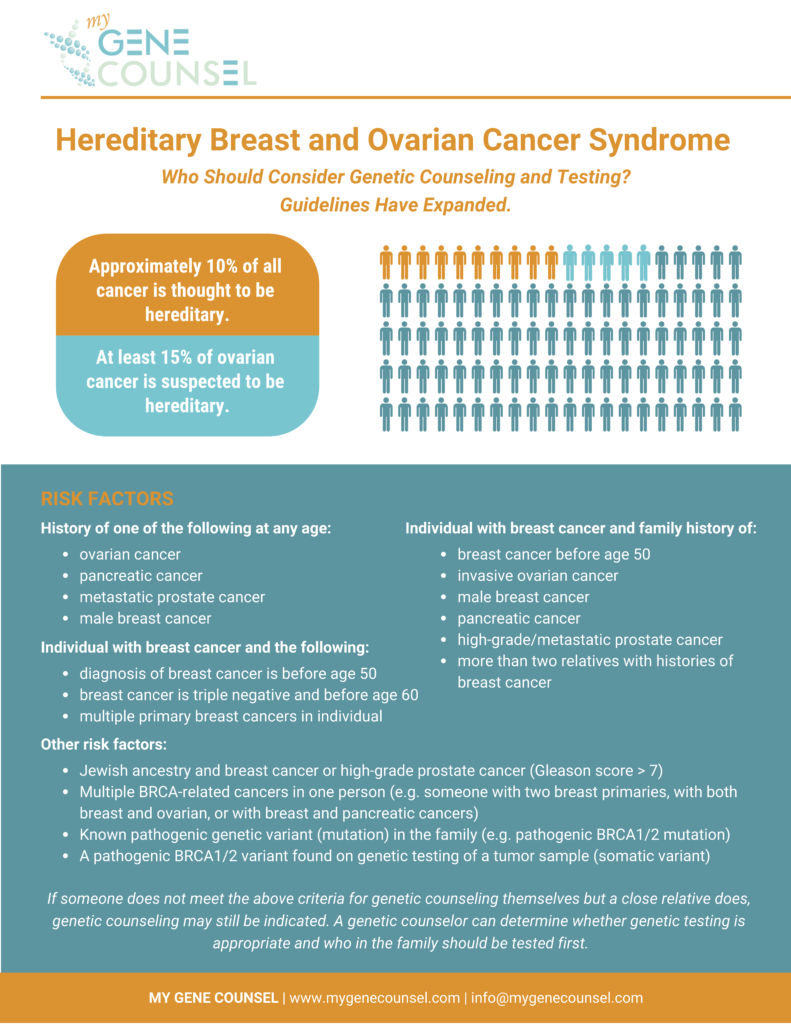
          • Breast cancer diagnosed before age 45 years (> 10% mutation probability)
          • Male breast cancer (~8% mutation probability)
          • Ovarian cancer (10% to 15% mutation probability)
          • Both primary breast and ovarian cancer (60% to 86% mutation probability)
          • Triple-negative breast cancer diagnosed by age 60 years (15% to 20% mutation probability)
  • Rodrigo Arrangoiz MS, MD, FACS cirujano oncology y cirujano de mamá de Sociedad Quirúrgica S.C en el America British Cowdray Medical Center en la ciudad de Mexico:
    • Es experto en el manejo del cáncer de mama.
This image has an empty alt attribute; its file name is 20d943b1-6f20-49c3-9754-2f3756051c93-e1549581617191.jpg

👉Es miembro de la American Society of Breast Surgeons:

This image has an empty alt attribute; its file name is img_4130-1.jpg

Training:

• General surgery:

• Michigan State University:

• 2004 al 2010

• Surgical Oncology / Head and Neck Surgery / Endocrine Surgery:

• Fox Chase Cancer Center (Filadelfia):

• 2010 al 2012

• Masters in Science (Clinical research for health professionals):

• Drexel University (Filadelfia):

• 2010 al 2012

• Surgical Oncology / Head and Neck Surgery / Endocrine Surgery:

• IFHNOS / Memorial Sloan Kettering Cancer Center:

• 2014 al 2016

This image has an empty alt attribute; its file name is image-42.jpg

#Arrangoiz

#Surgeon

#Cirujano

#SurgicalOncologist

#CirujanoOncologo

#BreastSurgeon

#CirujanodeMama

#CancerSurgeon

#CirujanodeCancer

NCCN Guidelines for Risk Management for Women with BRCA Mutations

Breast cancer screening:

  • Learning to be aware of changes in breasts:
    • Beginning at age 18
  • Clinical breast exam every 6 to 12 months:
    • Beginning at age 25
  • Annual breast MRI with contrast (or mammogram if MRI is unavailable):
    • Beginning at age 25 
  • Annual breast MRI with contrast and mammogram:
    • At ages 30 to 75
  • Consider 3D mammography if available
  • Screening after age 75 should be considered on an individual basis
  • Consider participation in an imaging or screening clinical trial

Breast cancer risk reduction:

  • Discussion of risk-reducing mastectomy
  • Consider medication to reduce breast cancer risk

Ovarian cancer risk management:

  • Risk-reducing removal of ovaries and fallopian tubes:
    • Between age 35 and 40
    • Upon completion of child bearing
  • Delaying risk-reducing removal of ovaries and fallopian tubes unti:
    • Age 40 to 45 is “reasonable” for BRCA2 mutation carriers:
      • Because the average age of ovarian cancer onset is 8 to 10 years later than in BRCA1 mutation carriers
  • Routine ovarian cancer screening using transvaginal ultrasound and a CA-125 blood test is “of uncertain benefit”:
    • But may be performed at the doctor’s discretion starting at age 30 to 35
  • Removal of Fallopian tubes only (salpingectomy) is not standard of care for ovarian cancer risk reduction:
    • There are ongoing clinical trials studying salpingectomy in women at high risk of ovarian cancer

Pancreatic cancer:

Pancreatic cancer screening is done using two types of medical procedures: 

  • Magnetic resonance cholangiopancreatography (MRCP)
  • Endoscopic ultrasound (EUS)

Experts guidelines say:

  • People with a mutation in BRCA1 or BRCA2 and those with a family history of pancreatic cancer, are encouraged to discuss the pros and cons of annual screening with their health care provider
  • Experts do not currently recommend pancreatic cancer screening for people with a BRCA1 or BRCA2 mutation who do not have a close family history of pancreatic cancer
  • For those who decide to undergo pancreatic cancer screening:
    • Consider beginning at age 50 or 10 years earlier than the earliest pancreatic cancer diagnosis in the family
  • Screening should begin with:
    • Annual MRCP and/or EUS (both ideally performed at a center with expertise)

People with a BRCA1 or BRCA2 mutation may also be eligible for pancreatic cancer screening clinical trials.

Melanoma screening:

  • Education regarding signs and symptoms of melanoma, especially those associated with BRCA gene pathogenic / likely pathogenic variants
  • General melanoma risk management is appropriate:
    • Such as annual full-body skin examination and minimizing sun exposure

Reproductive options:

  • For patients of reproductive age:
    • Advise about options for prenatal diagnosis and assisted reproduction including pre-implantation genetic diagnosis. 

Risk to relatives:

  • Advise about possible inherited cancer risk to relatives, options for risk assessment, and management
  • Recommend genetic counseling and consideration of genetic testing for at-risk relatives
  • Rodrigo Arrangoiz MS, MD, FACS cirujano oncology y cirujano de mamá de Sociedad Quirúrgica S.C en el America British Cowdray Medical Center en la ciudad de Mexico:
    • Es experto en el manejo del cáncer de mama.
This image has an empty alt attribute; its file name is 20d943b1-6f20-49c3-9754-2f3756051c93-e1549581617191.jpg

👉Es miembro de la American Society of Breast Surgeons:

This image has an empty alt attribute; its file name is img_4130-1.jpg

Training:

• General surgery:

• Michigan State University:

• 2004 al 2010

• Surgical Oncology / Head and Neck Surgery / Endocrine Surgery:

• Fox Chase Cancer Center (Filadelfia):

• 2010 al 2012

• Masters in Science (Clinical research for health professionals):

• Drexel University (Filadelfia):

• 2010 al 2012

• Surgical Oncology / Head and Neck Surgery / Endocrine Surgery:

• IFHNOS / Memorial Sloan Kettering Cancer Center:

• 2014 al 2016

This image has an empty alt attribute; its file name is image-42.jpg

#Arrangoiz

#Surgeon

#Cirujano

#SurgicalOncologist

#CirujanoOncologo

#BreastSurgeon

#CirujanodeMama

#CancerSurgeon

#CirujanodeCancer

Risk of Ovarian Cancer in a BRCA1 Mutation Carrier

hbco_cancer_risk

  • Cumulative lifetime risk of ovarian cancer:
    • In a BRCA1 mutation carrier by age 70:
      • Is 40% to 59%
  • Risk reducing salpingooforectomy (RRSO) is recommended at:
      • Completion of childbearing or by age 35 to 40 years:
      • These will reduce the risks of:
        • Ovarian cancer by 80%
        • Breast cancer by 50%
  • BRCA2 mutation carriers:
    • Should be counseled regarding the possibility of recessive inheritance of a Fanconi anemia / brain tumor syndrome in their children:
      • If both partners carry a BRCA2 mutation
  • Annual surveillance of BRCA carriers with:
    • Transvaginal pelvic ultrasound and CA 125:
      • Has not been proven effective in reducing risk of death from ovarian cancer
      • Has no impact on the risk of developing ovarian cancer:
        • However, National Comprehensive Cancer Network guidelines:
          • Still recommend these tests every 6 months:
            • Until recommended RRSO is performed in this high-risk patient population
  • Use of oral contraceptives:
    • Has been shown to be effective in reducing ovarian cancer risk in BRCA mutation carriers:
      • By 43% in a meta-analysis with no significant increase in breast cancer risk in case-control studies
brca-chart-2


REFERENCES

  1. Chen S, Parmigiani G. Meta-analysis of BRCA1 and BRCA2 penetrance. J Clin Oncol. 2007;25:1329-1333.
  2. Cibula D, Zikan M, Dusek L, et al. Oral contraceptives and risk of ovarian and breast cancer in BRCA mutation carriers: a meta-analysis. Expert Rev Anticancer Ther. 2011;11:1197-1207.
  3. Eisen A, Lubinski J, Klijn J, et al. Breast cancer risk following bilateral oophorectomy in BRCA1 and BRCA2 mutation carriers: an international case-control study. J Clin Oncol. 2005;23:7491-7496.
  4. Mavaddat N, Peock S, Frost D, et al; EMBRACE. Cancer risks for BRCA1 and BRCA2 mutation carriers: results from prospective analysis of EMBRACE. J Natl Cancer Inst. 2013;105:812-822.
  5. National Comprehensive Cancer Network. Genetic/familial high-risk assessment: breast and ovarian. V.2.2016. Available (with login) at: https://www.nccn.org/professionals/physician_gls/pdf/genetics_screening.pdf. Accessed June 25, 2016.
  6. Offit K, Levran O, Mullaney B, et al. Shared genetic susceptibility to breast cancer, brain tumors, and Fanconi anemia. J Natl Cancer Inst. 2003;95:1548-1551.
  7. Woodward ER, Sleightholme HV, Considine AM, et al. Annual surveillance by CA125 and transvaginal ultrasound for ovarian cancer in both high-risk and population risk women is ineffective. BJOG. 2007;114:1500-1509.
  • Rodrigo Arrangoiz MS, MD, FACS cirujano oncology y cirujano de mamá de Sociedad Quirúrgica S.C en el America British Cowdray Medical Center en la ciudad de Mexico:
    • Es experto en el manejo del cáncer de mama.
This image has an empty alt attribute; its file name is 20d943b1-6f20-49c3-9754-2f3756051c93-e1549581617191.jpg

👉Es miembro de la American Society of Breast Surgeons:

This image has an empty alt attribute; its file name is img_4130-1.jpg

Training:

• General surgery:

• Michigan State University:

• 2004 al 2010

• Surgical Oncology / Head and Neck Surgery / Endocrine Surgery:

• Fox Chase Cancer Center (Filadelfia):

• 2010 al 2012

• Masters in Science (Clinical research for health professionals):

• Drexel University (Filadelfia):

• 2010 al 2012

• Surgical Oncology / Head and Neck Surgery / Endocrine Surgery:

• IFHNOS / Memorial Sloan Kettering Cancer Center:

• 2014 al 2016

This image has an empty alt attribute; its file name is image-42.jpg

#Arrangoiz

#Surgeon

#Cirujano

#SurgicalOncologist

#CirujanoOncologo

#BreastSurgeon

#CirujanodeMama

#CancerSurgeon

#CirujanodeCancer

BRCAPRO for Breast Cancer Risk Assessment

br2

  • BRCAPRO calculates;
    • person’s probability of carrying a deleterious mutation of BRCA1, BRCA2, or both:
      • On the basis of the:
        • Person’s cancer status
        • The history of breast and ovarian cancer:
          • In first- and second-degree relatives
    • BRCAPRO is especially accurate in predicting testing results:
      • When the probability of the woman being a carrier of a deleterious mutation is less than 70%
    • BRCAPRO results can help patients:
      • Decide whether to undergo genetic testing:
        • Testing is generally most useful for women whose BRCAPRO results indicate:
          • That they have intermediate probability of being a BRCA carrier
        • If BRCAPRO results indicate that the patient’s probability of being a carrier is very low:
          • Genetic testing will almost certainly yield negative results 
        • For patients with a very high pretest probability of BRCA carriage:
          • Genetic testing results can help guide screening of other family members
      • Before using BRCAPRO:
        • The clinician should determine whether the patient is prepared to make decisions on the basis of her level of risk:
          • If she is not prepared to make lifestyle or healthcare changes to reduce moderate risk, or perhaps consider prophylactic surgery for extremely high risk, then the information provided by BRCAPRO has no value

F2.large

  • Rodrigo Arrangoiz MS, MD, FACS cirujano oncology y cirujano de mamá de Sociedad Quirúrgica S.C en el America British Cowdray Medical Center en la ciudad de Mexico:
    • Es experto en el manejo del cáncer de mama.

👉Es miembro de la American Society of Breast Surgeons:

Training:

• General surgery:

• Michigan State University:

• 2004 al 2010

• Surgical Oncology / Head and Neck Surgery / Endocrine Surgery:

• Fox Chase Cancer Center (Filadelfia):

• 2010 al 2012

• Masters in Science (Clinical research for health professionals):

• Drexel University (Filadelfia):

• 2010 al 2012

• Surgical Oncology / Head and Neck Surgery / Endocrine Surgery:

• IFHNOS / Memorial Sloan Kettering Cancer Center:

• 2014 al 2016

#Arrangoiz

#Surgeon

#Cirujano

#SurgicalOncologist

#CirujanoOncologo

#BreastSurgeon

#CirujanodeMama

#CancerSurgeon

#CirujanodeCancer

Gail Model

The-characteristics-of-breast-cancer-risk-assessment-model

  • The Gail Model:
    • Is a statistical breast cancer risk assessment algorithm:
      • That was developed in 1989 by Dr. Mitchell Gail and colleagues:
        • From the Biostatistics Branch of the National Cancer Institute’s Division of Cancer Epidemiology and Genetics
    • It was derived from a huge screening study of:
      • 280,000 women
      • 35 to 74 years of age
    • The Gail model has proved to be:
      • A reasonable tool for estimating breast cancer risk in white women,
      • Other researchers have subsequently supplemented the model to provide accurate risk assessments for African-American, Hispanic, and Asian women.
    • However, the Gail model:
      • Underestimates the breast cancer risk for women with:
        • A significant family history:
          • Consequently, it should not be used for women:
            • Suspected to have a hereditary syndrome associated with increased risk of breast cancer
    • The Gail Model looked at:
      • A woman’s personal medical history, familial history, and reproductive history:
        • These variables were then adjusted:
          • According to age and associated higher risk for older women
    • The Gail Model is a risk prediction tool that is designed to:
      • Derive individual risk estimates for the development of breast cancer over time
      • It was developed to estimate the probability of developing breast cancer over a defined age interval
      • It was also intended to improve screening guidelines
    • However, the Gail model did not take into account:
      • Racial or ethnic differences
      • The risk of women with atypical hyperplasia on a breast biopsy (atypia),
      • BRCA genetic variants
      • Tamoxifen use
    • In addition:
      • It excluded women who had already had a confirmed diagnosis of either:
        • Ductal or lobular breast carcinoma in situ
    • In 2008, the accuracy of the Gail Model for women with a history of atypia was reported:
      • Women with atypia were identified from the Mayo Benign Breast Disease (BBD) cohort (1967 to 1991)
      • Their risk factors for breast cancer were obtained, and the Gail Model was used to predict 5-year– and follow-up–specific risks for each woman. The predicted and observed numbers of breast cancers were compared, and the concordance between individual risk levels and outcomes was computed
      • Of the 9,376 women in the BBD cohort:
        • 331 women had atypia (3.5%)
      • At a mean follow-up of 13.7 years:
        • 58 of 331 (17.5%) patients had developed invasive breast cancer, 1.66 times more than the 34.9 predicted by the Gail model (95% confidence index [CI], 1.29 to 2.15; P < 0.001).
      • For individual women, the concordance between predicted and observed outcomes was low, with a concordance statistic of 0.50 (95% CI, 0.44 to 0.55):
        • The C-statistic (sometimes called the “concordance” statistic or C-index):
          • Is a measure of goodness of fit for binary outcomes in a logistic regression model
        • In clinical studies, the C-statistic gives the probability a randomly selected patient who experienced an event (eg, a disease or condition) had a higher risk score than a patient who had not experienced the event:
          • A concordance statistic of 0.5 means that the predication ability of the Gail Model was no better than chance for women with abnormal biopsy results in the past
    • However, the model was subsequently revised (Gail Model 2) and validated to predict risk of invasive breast cancer:
      • Including information on the history of first-degree affected family members
      • The Gail Model 2 has been used extensively in clinical practice and has served as the basis for eligibility for a number of the breast cancer prevention trials
    • The US Food and Drug Administration (FDA) guidelines:
      • Use the National Surgical Adjuvant Breast and Bowel Project’s (NSABP) modified Gail model:
        • As the basis for eligibility for the prophylactic use of tamoxifen
        • Tamoxifen, a selective estrogen receptor modulator (SERM):
          • Is approved for:
            • Women aged 35 years and older
            • Who have a 5-year modified Gail risk of breast cancer of:
              • 1.67% or more
    • The Gail Model 2 also forms the basis of the:;
    • The Gail Model 2 is most accurate for:
      • Non-Hispanic white women who receive annual mammograms:
        • But the model tends to overestimate risk in younger women who do not receive annual mammograms
      • The model also demonstrates reduced accuracy in populations with:
        • Demographics (ie, age, race, extent of screening) that differ from the population on which it was built
      • At the individual level:
        • The model lacks adequate discrimination in predicting risk and has been challenged on its generalizability across populations
      • The updated Gail Model Calculator (which incorporates information for women of other races and ethnicities):
      • To address concerns regarding applicability of the modified Gail model to black women:
        • Gail and colleagues derived a model using data from a large case-control study of black women participating in the Women’s Contraceptive and Reproductive Experiences (CARE) study
        • The CARE model demonstrated high concordance between the number of breast cancers predicted and the number of breast cancers observed among black women when validated in the WHI cohort
        • The CARE model better estimates the risk in black women (whereas the Gail model underestimates breast cancer risk in them) and can be additive to other factors (such as family history, genomics, and environmental factors) when assessing risk and providing counsel for black women


  • Rodrigo Arrangoiz MS, MD, FACS cirujano oncology y cirujano de mamá de Sociedad Quirúrgica S.C en el America British Cowdray Medical Center en la ciudad de Mexico:
    • Es experto en el manejo del cáncer de mama.

👉Es miembro de la American Society of Breast Surgeons:

Training:

• General surgery:

• Michigan State University:

• 2004 al 2010

• Surgical Oncology / Head and Neck Surgery / Endocrine Surgery:

• Fox Chase Cancer Center (Filadelfia):

• 2010 al 2012

• Masters in Science (Clinical research for health professionals):

• Drexel University (Filadelfia):

• 2010 al 2012

• Surgical Oncology / Head and Neck Surgery / Endocrine Surgery:

• IFHNOS / Memorial Sloan Kettering Cancer Center:

• 2014 al 2016

#Arrangoiz

#Surgeon

#Cirujano

#SurgicalOncologist

#CirujanoOncologo

#BreastSurgeon

#CirujanodeMama

#CancerSurgeon

#CirujanodeCancer

Diagnosis of Parathyroid Adenomas with New Ultrasound Imaging Modalities

18767357_298526467261639_5144883419579625143_n

  • Ultrasound technology:
    • Is becoming an integral part of diagnosing parathyroid adenomas
    • Careful ultrasound evaluation with:
      • B-mode
      • Shear wave elastography
      • Three-dimensional (3D) of parathyroid adenomas:
        • May improve localization and outcome
  • Introduction:
    • A 60-year-old woman was referred for the evaluation of hyperparathyroidism.
    • This patient gave her informed consent.
    • She had a history of hypothyroidism and thyroid nodules.
    • She was being treated with levothyroxine 50 mcg daily.
    • Routine testing revealed hypercalcemia:
      • The serum calcium was 11.2 (nL range 8.7–10.2 mg/dL), creatinine was 0.69 (nL range 0.57–1.00 mg/dL), intact parathyroid hormone (PTH) was 70 (nL range 15–65 pg/mL), phosphorus was 2.7 (nL range 2.5–4.5 mg/ dL), vitamin D was 38.7 (30–100 ng/mL), and 24 hours urine calcium was 362.9 (100–300 mg/24 hour).
    • The neck ultrasound showed:
      • Two lesions one superior/posterior and the other in the inferior/posterior aspect of the right thyroid lobe measuring 11.6 · 4.4 · 9.7 mm and 14.6 · 5.0 · 10.0 mm, respectively.
      • Both lesions resembled parathyroid adenomas.
      • Shear wave velocity (SWV) measurements for the superior and inferior lesions were 1.67 and 1.77 m/second, respectively.
      • For the adjacent thyroid tissue SWV was 2.3 m/second, significantly higher.
      • 3D ultrasound examination demonstrated a polar artery in both lesions.
    • A sestamibi scan showed a probable right parathyroid adenoma and she was referred for surgery.
    • She was found to have two right parathyroid adenomas in the superior and inferior poles corresponding with the ultrasound finding.
    • Intraoperative PTH level decreased from 139.9 to 17 pg/mL postresection.
    • Six weeks after surgery, her calcium and PTH were normal.
  • Materials and Methods:
    • This patient was evaluated with ultrasound imaging, including:
      • B- mode
      • Shear wave elastography (SWE)
      • 3D ultrasound

Parathyroid Adenoma Ultrasound

  • Discussion:
    • Most patients with primary hyperparathyroidism have a single parathyroid adenoma:
      • Other causes include:
        • Glandular hyperplasia
        • Multiple adenomas
        • Parathyroid carcinoma
    • The role of ultrasound in diagnosing parathyroid adenomas:
      • Is becoming more prominent because of:
        • Improved technology
        • Low cost
        • Noninvasive nature
    • SWE can be an added value to b-mode ultrasound in diagnosing parathyroid adenomas:
      • Previous publications have reported that SWV measurement of parathyroid adenomas:
        • May enhance other sonographic parameters to predict the diagnosis of parathyroid adenomas:
          • Parathyroid adenomas appear to have:
            • A more homogenous texture when compared with the thyroid gland
            • Lower tissue stiffness when compared with the thyroid gland
    • It can be challenging to differentiate:
      • Parathyroid adenomas from lymph nodes (LNs) and ectopic thyroid tissue at level VI, with b-mode ultrasound
      • A combination of 3D ultrasound images with 3D color Doppler (CD):
        • Might improve our ability to:
          • Identify the polar artery and enhance differentiation from LN
      • 3D technology might improve the view:
        • By adding coronal view to current b-mode that comprises of transverse and longitudinal views
  • Conclusion:
    • Combining multiple image modalities, including:
      • B-mode, shear wave elastography, and 3D technology:
        • May improve our ability to identify parathyroid adenomas.
    • Parathyroid adenomas have:
      • A lower SWV compared with thyroid tissue
    • 3D ultrasound technology may enhance view of the polar artery when adding 3D CD. 

#Arrangoiz

#ParathyroidExpert

#ParathyroidSurgeon

#Hiperparatiroidism #Hipercalcemia

#HeadandNeckSurgeon

#SociedadQuirurgica

#Hiperparatiroidismo

#ExpertoenParatiroides