Blog

Milan I Study: Breast Conserving Surgery

  • Milan I study:
    • Was a prospective randomized trial
    • Conducted by the Milan Cancer Institute:
      • From 1973 to 1980
  • Milan I study:
    • Played a critical role in the establishment of breast conserving surgery (BCT):
      • As a preferred mode of treatment for women with small breast cancers (≤ 2 cm)
    • For this study, 701 women with tumors ≤ 2 cm and clinically negative axillary examinations:
      • Were enrolled and randomized to radical mastectomy (n = 349) versus BCT (quadrantectomy and axillary node dissection) followed by radiotherapy (n = 352)
    • Results from Milan I:
      • Were concurrent with those from NSABP B-06 trial:
        • Showing no appreciable differences in long-term survival between the groups:
          • Despite a higher cumulative incidence of recurrence at 20 years in patients treated with BCT
            • Ipsilateral breast tumor recurrence rates after 20 years follow-up were:
              • 8.8% for the BCT group compared to a 2.3% rate of local recurrence for the radical mastectomy group (P<0.001)
          • Additionally, there were no significant differences between the two groups in the rates of contralateral breast cancer, distant metastases, or secondary primary cancers.
  • Overall, Milan I concluded that:
    • Long-term survival was the same for women who underwent radical mastectomy as those who received BCT:
      • Thus providing more evidence to support breast-conserving surgery as treatment for women with small cancers
  • References
    • Veronesi U, Cascinelli N, Mariani L, Greco M, Saccozzi R, Luini A, et al. Twenty-year follow-up of a randomized study comparing breast-conserving surgery with radical mastectomy for early breast cancer. N Engl J Med. 2002;347(16):1227-1232.
    • Julian TB, Venditti CA, Duggal S. Landmark clinical trials influencing surgical management of non-invasive and invasive breast cancer. Breast J. 2015:21(1);60-66.
#Arrangoiz #BreastSurgeon #CancerSurgeon #MilanStudy #MountSianiMedicalCenter #MSMC #Miami #Mexico

Prognosis of Tongue Carcinoma

  • Tumor thickness, the presence of perineural invasion, cervical metastasis, or dysplasia at the resection margins:
    • Have all been demonstrated to influence prognosis
  • Patients with tumors greater than 9 mm thick:
    • Have been shown to have a five-year survival of 66% compared to 100% for tumors less than 3 mm thick
#Arrangoiz #SurgicalOncologist #CancerSurgeon #HeadandNeckSurgeon #MountSinaiMedicalCenter #MSMC #Miami #Mexico

Clinical Presentation and Work-Up of SCC of the Oral Tongue

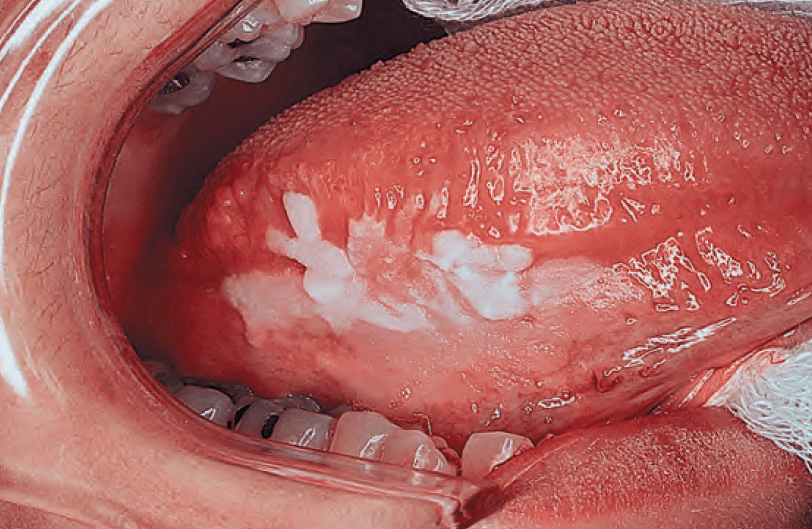
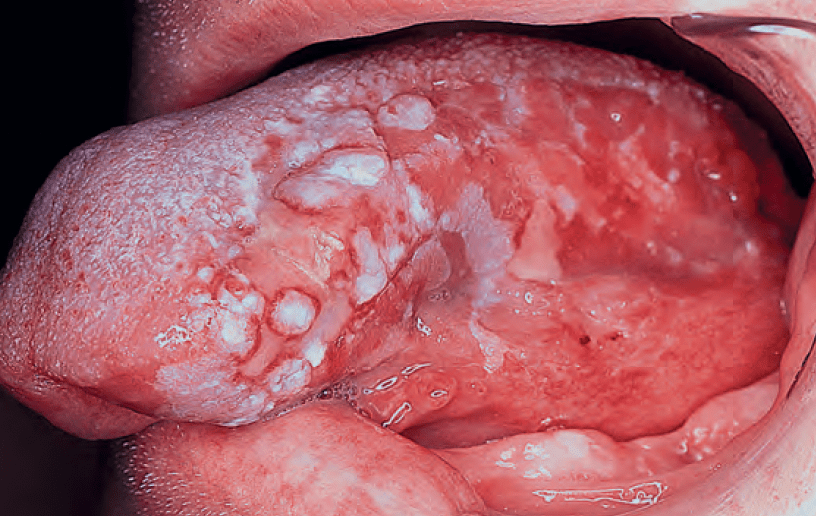
  • Clinical presentation of oral tongue cancer:
    • Patients with oral cancer may present with several symptoms notably:
    • Pain
    • Ulceration
    • A lump on the tongue
  • Lesions of the oral tongue:
    • Are more likely to be symptomatic than lesions of the base of the tongue:
      • Although despite this many patients still present with a four- to six-month history of symptoms prior to seeking medical advice
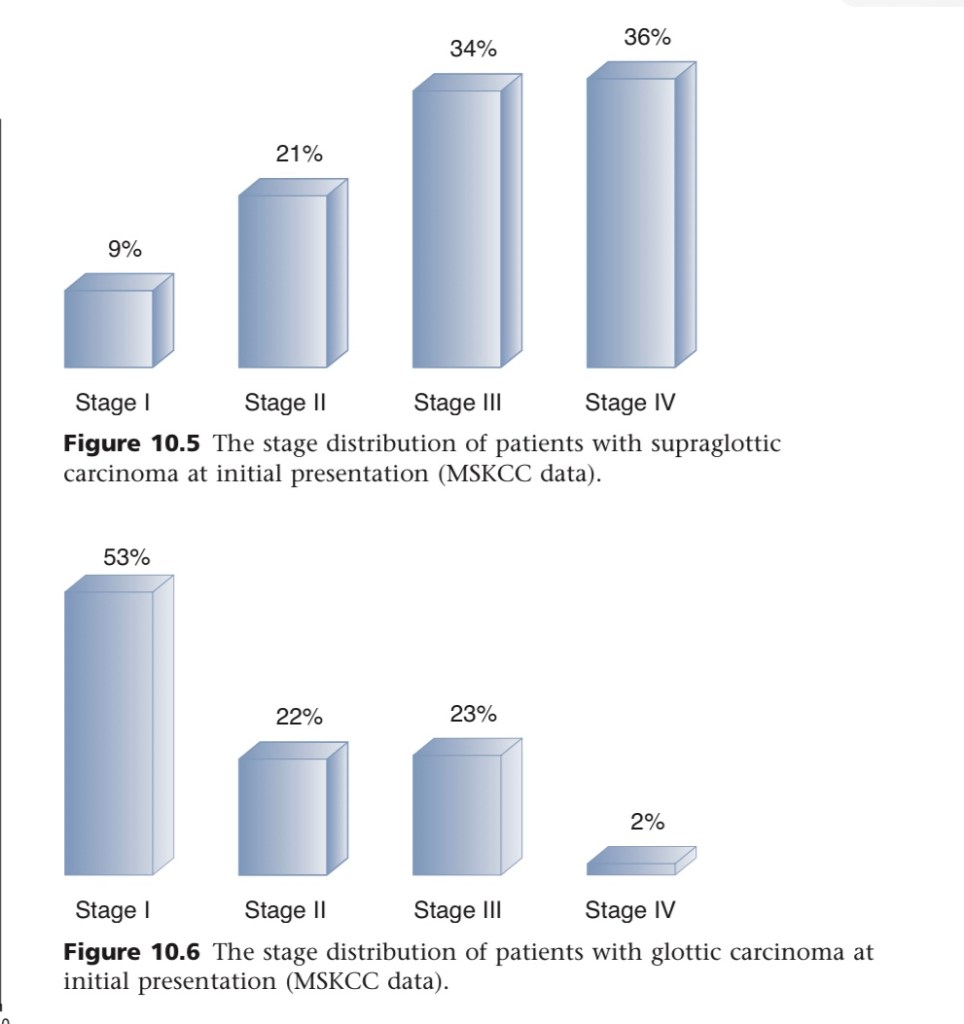
    • The majority of patients with cancer of the oral tongue present with stage I / II disease:
      • Which contrasts significantly with cancers of the base of the tongue that are usually stage III / IV at presentation
    • Clinically positive cervical lymphadenopathy at presentation:
      • Is in the region of 21% to 34%:
        • Occult cervical metastasis has been demonstrated in up to 53% of patients with tongue cancer:
          • Being related to tumor thickness
        • Tumors arising on the lateral aspect of the tongue tend to be thicker than those of the ventral aspect of the tongue:
          • Up to 4.5% may have occult cervical disease in the contralateral neck
        • Clinical examination, CT and MRI:
          • Have relatively poor sensitivity at determining cervical lymph-adenopathy
  • The majority of tongue tumors:
    • Are well to moderately differentiated on histological examination
  • Work up:
    • As with many sites, management of the neck is frequently determined by tumor thickness:
      • Tumor thickness can be assessed accurately with intraoral sonography, or immediate sonography of the resected tumor:
        • Prior to proceeding to a neck dissection if access to the neck is not required for reconstructive purposes
    • Biopsies should endeavour to include the deep margin of the tumor in addition to mucosa at the periphery of the tumor:
      • Deep biopsies may give an indication of tumor depth:
        • But also multifactorial histological malignancy grading of the most dysplastic areas of the invasive front may help in assessing the risk of cervical metastasis
#Arrangoiz #CancerSurgeon #HeadandNeckSurgeon #SurgicalOncology #TongueCancer #MountSiniaMedicalCenter #MSMC #Miami #Mexico

CALBG 9343 Trial

  • The CALGB 9343 study:
    • Enrolled 647 patients:
      • From 1994 until 1999
    • Long-term follow-up data were published in 2013:
      • With a median follow-up of 12.6 years
    • Women age 70 years or older with clinical stage I (T1N0M0) ER+ breast cancer treated by lumpectomy:
      • Were randomly assigned to receive tamoxifen plus radiation therapy (TamRT) or Tam alone
    • At 10 years:
      • 98% of women receiving TamRT were free from local and regional recurrences:
        • Compared to 91% of those receiving Tam
    • The 10-year estimates of overall survival (OS) were:
      • 67% (95% confidence interval [CI], 62–72%) in the TamRT group versus 66% (95% CI, 61%–71%) in the Tam group:
        • But the difference was not statistically significant
  • In addition to concluding that while RT (in addition to Tam) reduces locoregional recurrence:
    • The authors noted that “the impact of breast cancer in this select group of older women is much smaller than that of comorbid conditions:
      • Only 3% of women in study have died as a result of breast cancer:
        • Whereas 49% have died as a result of other causes
  • References:
    • Hughes KS, Schnaper LA, Bellon JR, Cirrincione CT, Berry DA, McCormick B, et al. Lumpectomy plus tamoxifen with or without irradiation in women age 70 years or older with early breast cancer: long-term follow-up of CALGB 9343. J Clin Oncol.2013;31(19):2382-2389.
    • Hughes KS, Schnaper LA, Bellon JR, et al. Lumpectomy plus tamoxifen with or without irradiation in women age 70 years or older with early breast cancer: long-term follow-up of CALGB 9343. J Clin Oncol. 2013;31:2382-2389.
#Arrangoiz #BreastSurgeon #CancerSurgeon #SurgicalOncologist #BreastCancer #OmittingRadiation #MountSinaiMedicalCenter #MSMC #Miami #Mexico

Recurrence Rate for Oral Tongue Carcinoma

  • Recurrence rates for oral tongue carcinoma are:
  • 10% to 50%:
    • Usually being locoregional
  • Similar to other sites:
    • Recurrence usually occurs within the first two years
  • Factors that influence local recurrence include:
    • Tumor thickness
    • The presence of perineural spread
  • It has been proposed that recurrence of thicker tumors:
    • Is related to difficulty in assessing deep clearance intraoperatively compared to assessing mucosal clearance
  • Patients younger than 40 years:
    • Have been demonstrated to be significantly more likely to develop locoregional failure:
      • Although this does not influence survival
  • 10% of patients who have developed a tongue tumor:
    • Will develop metachronous second tumors of the oral cavity
#Arrangoiz #CancerSurgeon #SurgicalOncologist #HeadandNeckSurgeon #HeadandNeckCancer #MountSinaiMedicalCenter #MSMC #Miami #Mexico

NSABP B-40 Trial

  • Recognizing that bevacizumab, capecitabine, and gemcitabine:
    • Have been shown to improve outcomes when added to taxanes in patients with metastatic breast cancer:
      • The NSABP B-40 trial:
        • Was designed to determine whether adding capecitabine or gemcitabine to docetaxel, followed by anthracycline doxorubicin and cyclophosphamide (AC):
          • Would improve the outcomes in patients with operable, HER2-negative breast cancer
      • The trial also sought to determine the effect of adding bevacizumab to these neoadjuvant chemotherapy regimens
      • Patients were divided into three groups:
        • Docetaxel followed by AC
        • Docetaxel and capecitabine followed by AC
        • Docetaxel plus gemcitabine followed by AC
        • Each of these three groups was then randomized to receive:
          • Bevacizumab with the first 6 cycles of chemotherapy or not, for a total of 6 treatment arm
        • The addition of capecitabine or gemcitabine to docetaxel therapy, compared to docetaxel alone:
          • Did not significantly increase the rate of pCR:
            • 29.7% and 31.8%, respectively, vs 32.7%; P=0.69
          • Both capecitabine and gemcitabine were associated with:
            • Increased toxic side effects such as hand-foot syndrome, mucositis, and neutropenia
        • However, the addition of bevacizumab significantly increased the rate of pCR in the breast:
          • From 28.2% to 34.5% (P=0.02):
            • This effect was more pronounced in the hormone receptor-positive subset of patients:
              • 15.1% pCR without bevacizumab vs 23.2% with bevacizumab:
                • However, the addition of bevacizumab also increased rates of hypertension, left ventricular systolic dysfunction, hand-foot syndrome, and mucositis
  • References:
    • Bear HD, Tang G, Rastogi P, Geyer Jr CE, Robidoux A, Atkins JN, et al. Bevacizumab added to neoadjuvant chemotherapy for breast cancer. N Engl J Med. 2012;366(4):310-320.
    • NSABP clinical trials overview. Protocol B-40. A randomized phase III trial of neoadjuvant therapy in patients with palpable and operable breast cancer evaluating the effect on pathologic complete response (pCR) of adding capecitabine or gemcitabine to docetaxel when administered before AC with or without bevacizumab and correlative science studies attempting to identify predictors of high likelihood for pCR with each of the regimens. National Surgical Adjuvant Breast and Bowel Project website. http://www.nsabp.pitt.edu/B-40.asp. Accessed May 15, 2020
#Arrangoiz #BreastSurgeon #CancerSurgeon #SurgicalOncologist #MountSinaiMedicalCenter #MSMC #Miami #Mexico

Postoperative Radiotherapy (PORT) for SCC of the Tongue

  • PORT has been advocated for:
    • Positive margins
    • Multiple cervical nodes
    • Extracapsular spread in the neck
    • Stage III / IV disease
    • Perineural spread
    • Tumors thicker than 9 mm to 10 mm even in the absence of other features
  • Based on involved margins, ECS of cervical nodes or multiple positive nodes:
    • 62% of patients receiving surgery as the primary treatment modality may require PORT
  • Local failure following PORT to tongue tumors has been demonstrated to be higher than comparable floor of mouth tumors:
    • Leading some to suggest higher doses of PORT should be considered for tongue tumors
#Arrangoiz #CancerSurgeon #SurgicalOncologist #HeadandNeckSurgeon #SCC #MountSinaiMedicalCenter #MSMC #Miami #Mexico

Epidemiology of SCC of the Oral Tongue

  • In populations where tobacco chewing is not endemic:
    • The oral tongue is one of the most common sites for oral cancer:
      • 22% to 39% of oral cancers developing at this site
  • Within the site:
    • Most tumors occur in the middle third of the tongue:
      • Commonly on the lateral aspect:
        • Followed by the ventral aspect of the tongue
    • Only 4% to 5 % of tongue carcinomas occur on the dorsum of the tongue
  • Tongue cancer:
    • Occurs slightly more frequently in males:
      • The age at diagnosis usually being in the sixth to eighth decades:
        • 90% of patients being greater than 40 years of age
      • The male-to-female ratio has decreased in recent years:
        • Possibly due to increased alcohol consumption by females
  • Smoking and alcohol consumption:
    • Is common among patients with tongue cancer:
      • Up to 70% describing significant tobacco and alcohol use
#Arrangoiz #CancerSurgeon #Miami #MountSinaiMedicalCenter #MSMC #Mexico #HeadandNeckSurgeon #TongueCancer

Management of the Neck for Tongue Cancer

  • Tumors of the tongue:
    • Initially metastasize to levels I and II:
      • Lateral tongue tumors frequently metastasizing directly to level II nodes
    • Involvement of level V nodes:
      • In the absence of positive nodes in levels I to IV is rare:
        • However it is not unusual for nodes in level IV to be involved:
          • Hence even in elective neck dissections levels I to IV should be dissected
  • Like floor of mouth tumors:
    • The presence of lingual lymph nodes should be considered and either an in-continuity resection with the neck specimen or clearance of tissue above the mylohyoid conducted
  • Bilateral neck dissections:
    • Should be considered in tumours that extend to or beyond the midline.
  • The management of the neck in larger primary tumors:
    • Is usually straightforward since the neck is accessed for microvascular or pedicled flap reconstruction of the primary site
    • Management difficulties arise with smaller tumors amenable to peroral resection and local closure
  • It has been proposed that the increased incidence of nodal metastasis associated with tongue carcinoma:
    • May be due to contraction of tongue muscles promoting entry of cancer cells into the lymphatics
    • It is thought that mechanism by which tumor thickness is related to cervical metastasis:
      • Is that thicker tumors have access to wider lymphatics:
        • In which tumor emboli can form more readily
    • Although tumors arising on the lateral aspect of the tongue tend to be thicker than those of the ventral aspect of the tongue:
      • This may not manifest as a greater risk of cervical metastasis, since the ‘critical thickness’ for tumors of the floor of mouth is less than other oral sites
  • Elective neck dissection or elective neck radiotherapy:
    • Should be considered for tumors thicker than 3 mm to 4 mm:
      • T2 or greater in dimension and T1 tumors that demonstrate poor histological features:
        • Poor differentiation
        • Double DNA aneuploidy
        • Degree of differentiation at the advancing front
  • Elective neck dissection:
    • Significantly improves loco-regional control:
      • It has been demonstrated that conducting an END reduces regional recurrence from 47% in ‘watch and wait’ patients to 9% if END is conducted
  • END has been shown by some to improve five-year survival:
    • The five-year survival of patients undergoing therapeutic neck dissection following a ‘watch and wait’ policy being 35% as opposed to 69% when an elective neck dissection is conducted
      • Others, however, have not demonstrated a survival advantage
#Arrangoiz #CancerSurgeon #MountSianiMedicalCenter #MSMC #Miami #Mexico

Surgical Anatomy of the Oral Tongue

  • The oral tongue:
    • Is the freely mobile anterior two-thirds of the tongue
  • The oral tongue is demarcated from the base of tongue by:
    • The circumvallate papillae posteriorly
  • The tongue may be subdivided into:
    • The tip, dorsum, lateral borders and ventral surface
  • The ventral and lateral surfaces:
    • Are in continuity with the floor of mouth:
      • Having a lining mucosa with nonkeratinizing stratified squamous epithelium
  • The dorsum and tip of tongue:
    • Are lined by specialized gustatory mucosa:
      • With a thick, primarily keratinized epithelium
  • The mucosa of the tongue:
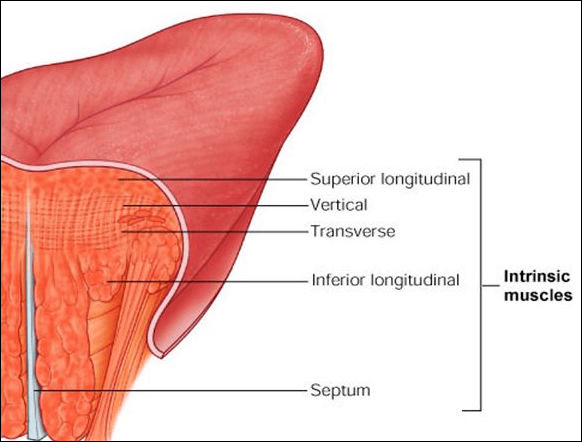
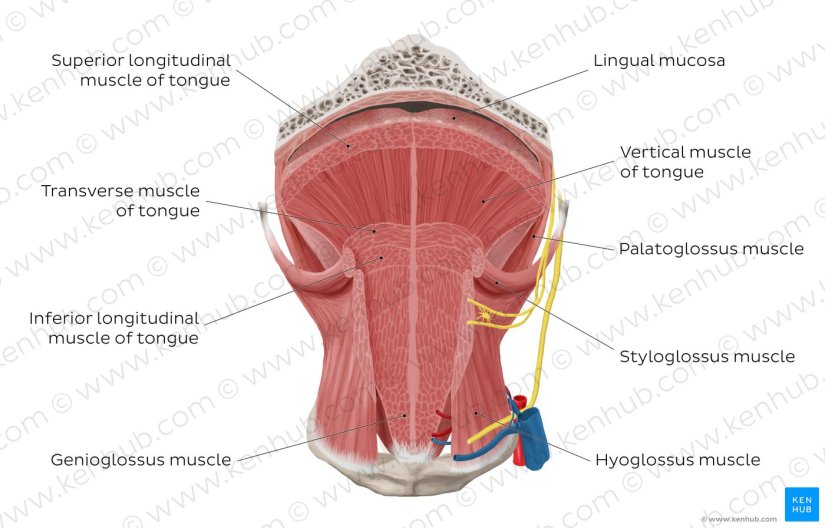
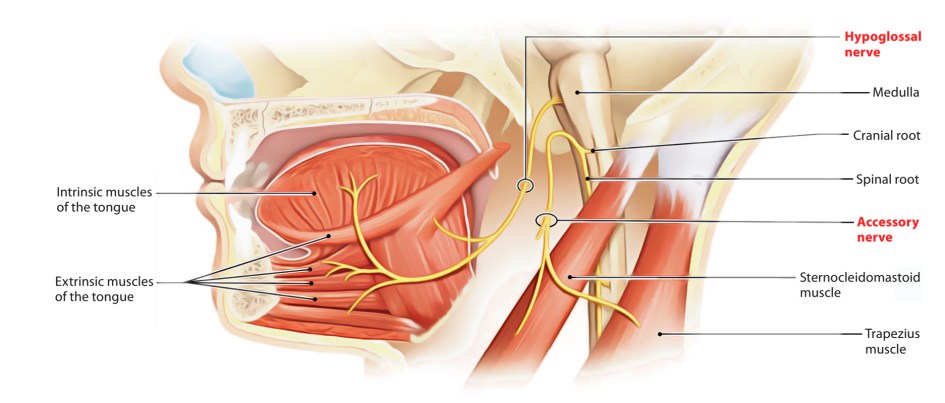
    • Overlies the intrinsic muscles of the tongue, in addition to the four paired extrinsic muscles of the tongue:
      • Genioglossus
      • Hyoglossus
      • Styloglossus
      • Palatoglossus
  • Motor innervation to muscles of the tongue:
    • Is via the hypoglossal nerve, except palatoglossus:
      • Which is supplied by the vagus nerve
  • Sensation of the tongue is supplied by the lingual nerve:
    • A branch of the mandibular division of the trigeminal nerve
  • Taste sensation of the oral tongue:
    • Is supplied by fibers of the facial nerve that run with the lingual nerve before passing to the chorda tympanic branch of the facial nerve
  • Lymphatic drainage of the lateral borders of the tongue:
    • Is to the ipsilateral cervical nodes
  • Drainage of the midline, tip and base of tongue:
    • Occurs bilaterally
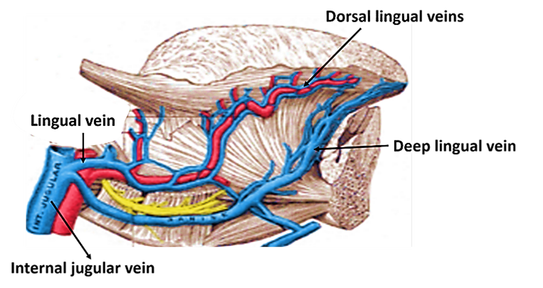
  • The blood supply to the tongue:
    • Is provided by the paired lingual arteries:
      • The third branches of the external carotid artery
  • During resection of posterior tongue lesions:
    • The contralateral vascular pedicle should be preserved if the tongue tip is to be maintained
  • The tongue is a complex structure with an important role in:
  • Mastication, deglutition and speech
#Arrangoiz #CancerSurgeon #MountSinaiMedicalCenter