Blog

What Is the Ideal Age Cutoff for Papillary and Follicular Thyroid Cancer Staging, and Should the Cutoffs Be Different?

  • Clin Thyroidol 2021;33:177–179.
  • Background:
    • The Union for International Cancer Control (UICC) and the American Joint Committee on Cancer (AJCC) tumor, node, metastasis (TNM) staging system:
      • Is designed to predict disease-specific survival
      • Differentiated thyroid cancer (DTC) is the only malignancy that includes an age cutoff in determining stage within this system
    • The previous AJCC 7th edition used an age cutoff of 45 years:
      • In which patients under the age of 45 could not be staged higher than stage II
    • While the updated 8th edition now uses 55 years:
      • As this threshold for both papillary thyroid cancer (PTC) and follicular thyroid cancer (FTC)
    • Multiple studies have shown age 55 years to be superior to 45 years as a cutoff for DTC, but questions remain on other potential age cutoffs for DTC
    • PTC and FTC are staged together as DTC, given their similar disease-specific survival:
      • Yet it has not been established whether PTC and FTC should have the same age cutoff, given that they can have different clinical courses:
        • PTC is more likely to have regional lymph node metastasis and FTC to have distant metastasis
    • The present study aims to investigate the optimal cutoff for the TNM staging the system for DTC, using the histopathologic criteria of the 8th edition, and also to examine optimal age cutoffs for both PTC and FTC
  • Methods
    • The current study is a retrospective analysis of two well-established databases from The Netherlands and Germany
    • Patients were age 18 years and above who were treated for either PTC or FTC between 2002 and 2016 (Erasmus Medical Center database) or between 1980 and 2015 (University of Würzburg database)
    • All patients underwent thyroid surgery and were treated according to standards at the time
    • Demographic, disease, treatment, and mortality data were obtained
    • Patients were reclassified using the histopathologic criteria from the TNM 8th edition with different age cutoffs
    • Age cutoffs were analyzed at 5-year increments from 20 up to 85 years and by 1-year increments between 35 and 55 years
    • Analysis was done for the combined DTC patient population and separately for PTC and FTC
    • Disease-specific survival was analyzed using the Kaplan–Meier method and compared across stages using the log-rank test
    • The concordance index (Harrell’s C-index), Akaike information criterion (AIC), and Bayesian information criterion (BIC) were used to assess the statistical model performance at different age cutoffs
    • The model with the highest C-index and lowest AIC and BIC was considered to be the best
  • Results
    • A total of 3074 patients were included (820 from Erasmus Medical Center and 2254 from University of Würzburg)
    • Of these patients, 2355 (77%) had PTC and 719 (23%) had FTC, with a median follow-up of 84 months
    • The mean age was 48.7 years, and 69.5% were female
    • Overall, 23.1% had lymph node metastasis and 8.8% had distant metastasis
    • When compared to patients with PTC, patients with FTC:
      • Were older (54.2 years vs. 47.1 years; P<0.001), more likely to be male (37.1% vs. 28.5%; P<0.001), less likely to have lymph node metastasis (9.2% vs. 27.3%; P<0.001), and more likely to have distant metastasis (18.2% vs. 6.0%; P<0.001)
    • Using the 8th edition’s age cutoff of 55 years, 2430 patients (79%) were classified as stage I, 384 (13%) as stage II, 88 (3%) as stage III, and 172 (6%) as stage IV
    • Lowering the age cutoff :
      • Lowered the number of patients in stage I
    • Increasing the age cutoff:
      • Increased the number of patients in stage
    • The 10-year disease-specific survival for DTC was 94.7% and was significantly higher for patients with PTC than for those with FTC (96.5% vs. 89.5%; P<0.001)
    • For DTC, PTC, and FTC, the majority of age cutoffs performed better in the statistical model than did no age cutoff
    • Using 5-year increments for the age cutoffs:
      • DTC and PTC had the best performance, with an age cutoff of 50 years
      • While FTC was 40 years
    • Using 1-year increments:
      • DTC performed best, at an age cutoff of 50 years, PTC at 48 years, and FTC at 41 years
  • Conclusions
    • When using the histopathologic criteria of the 8th edition TNM system:
      • The optimal age cutoff for DTC to predict disease-specific survival is 50 years, rather than 55 years as is currently in use
      • The optimal age cutoff for PTC is also 50 years
      • While the age cutoff for FTC should be 40 years:
        • Signifying that the age cutoffs for PTC and FTC should be different

#Arrangoiz #CancerSurgeon #ThyroidSurgeon #ThyroidExpert #ThyroidCancer #HeadandNeckSurgeon #CASO #CenterforAdvancedSurgicalOncology #ThyroidStaging

Can rhTSH (Thyrogen) be used as an alternative to thyroxine withdrawal for remnant ablation or adjuvant therapy in patients who have undergone near-total or total thyroidectomy?

  • In patients with American Thyroid Association (ATA) low-risk and ATA intermediate- risk DTC without extensive lymph node involvement (i.e., pT1 to pT3, cN0 / cNx/ pN1a, M0) in whom radioactive iodine (RAI) remnant ablation or adjuvant therapy is planned:
    • Preparation with rhTSH stimulation:
      • Is an acceptable alternative to thyroid hormone withdrawal for achieving remnant ablation:
        • Based on evidence of superior short-term quality of life, noninferiority of remnant ablation efficacy, and multiple consistent observations suggesting no significant difference in long-term outcomes
  • In patients with ATA intermediate-risk DTC who have extensive lymph node disease (multiple clinically involved LN) in the absence of distant metastases:
    • Preparation with rhTSH stimulation may be considered as an alternative to thyroid hormone withdrawal prior to adjuvant RAI treatment
  • In patients with ATA high-risk DTC with attendant higher risks of disease-related mortality and morbidity:
    • More controlled data from long-term outcome studies are needed before rhTSH preparation for RAI adjuvant treatment can be recommended
  • In patients with DTC of any risk level with significant comorbidity that may preclude thyroid hormone withdrawal prior to iodine RAI administration:
    • rhTSH preparation should be considered
      • Significant comorbidity may include:
        • A significant medical or psychiatric condition that could be acutely exacerbated with hypothyroidism, leading to a serious adverse event
        • Inability to mount an adequate endogenous TSH response with thyroid hormone withdrawal

#Arrangoiz #ThyroidExpert #ThyroidSurgeon #CancerSurgeon #SurgicalOncologist #HeadandNeckSurgeon #RadioactiveIodine #RAI #CASO #ThyroidCancer #CenterforAdvancedSurgicalOncology

How long does thyroid hormone need to be withdrawn in preparation for RAI remnant ablation / treatment or diagnostic scanning?

  • American Thyroid Association Recommendation # 53:
    • If thyroid hormone withdrawal is planned prior to radioactive iodine (RAI) therapy or diagnostic testing:
      • Levothyroxine (LT4) should be withdrawn for 3 to 4 weeks
      • Liothyronine (LT3) may be substituted for LT4 in the initial weeks if LT4 is withdrawn for 4 or more weeks:
        • In such circumstances, LT3 should be withdrawn for at least 2 weeks
    • Serum thyroid stimulating hormone (TSH) should be measured prior to radioisotope administration to evaluate the degree of TSH elevation:
      • A goal TSH of greater than 30 mIU/L has been generally adopted in preparation for RAI therapy or diagnostic testing:
        • But there is uncertainty relating to the optimum TSH level associated with improvement in long-term outcomes
      • Thyrotropin stimulation before RAI remnant ablation / therapy or scanning has been a long-established standard of care because early observational research suggested that:
        • A TSH greater than 30 mIU/L was required for incompletely resected thyroid tumors to significantly concentrate 131I
      • There have been two RCTs comparing various thyroid hormone withdrawal protocols prior to therapeutic or diagnostic iodine radioisotope administration:
        • Lee et al. reported on an open-label, single-center study, in which 291 patients with well-differentiated thyroid cancer (TNM stage T1 to T3, N0 / N1a, M0) were randomized to either with- drawal LT4 for 4 weeks (n = 89), or withdrawal of LT4 for 4 weeks with substitution of LT3 for the first 2 weeks (n = 133), or recombinant human TSH (rhTSH; with withdrawal of LT4 for a few days from the time of the first rhTSH injection to radioisotope administration) (n = 69):
          • In this trial, all patients received 30 mCi of 131I for remnant ablation and were prescribed a 2-week low-iodine diet (LID) pre-ablation
          • Although the randomization method was unclear, the baseline characteristics (including pre-ablation urinary iodine measurements) were well balanced among groups
          • Furthermore, the pre-ablation TSH was greater than 30 in all patients in all groups in this trial, with no significant difference in mean pre- ablation TSH levels
          • Moreover, the primary outcome, which was the rate of successful remnant ablation at 12 months:
            • Was not significantly different among groups:
              • Range 91.0% to 91.7% among groups
          • Upon administration of questionnaires in a double-blind fashion, there was no significant difference in quality of life during preparation for RAI ablation, between the LT4 withdrawal group and the LT4 withdrawal with LT3 substitution group:
            • However, quality of life in both withdrawal groups prior to remnant ablation was significantly worse than after rhTSH preparation
          • Long-term outcome data from this trial were not reported
        • In a single-center trial, Leboeuf et al. randomized 20 individuals with well-differentiated thyroid cancer awaiting RAI remnant ablation or diagnostic scanning to:
          • LT4 withdrawal and either substitution of LT3 for 21 days, followed by 2 weeks off LT3, or identical-appearing placebo for LT3 for 21 days
          • In both groups, either the LT3 or placebo was withdrawn for another 2 weeks, and weekly measurements were performed for serum TSH, free thyroxine, and free triiodothy- ronine
        • The primary outcome was the hypothyroidism symptom score (Billewicz scale), which was ascertained in a double-blind fashion at time of LT4 withdrawal and every 2 weeks until the end of the study
        • The randomization method was a computer-generated number sequence; the LT3 group was significantly older than the placebo group (mean age 64 compared to 46), suggesting imbalance in the randomization
        • Disease stage of participants was not reported
        • Approximately 15% of participants withdrew from this trial
      • Leboeuf et al. reported no significant differences between the two thyroid hormone withdrawal protocol groups for hypothyroid symptom scores at any time point in the trial in a protocol-based analysis
      • At the time of ablation or whole-body scanning, the mean TSH was not significantly different between groups
    • In summary, available evidence from recent RCTs suggests that either direct LT4 withdrawal or LT4 withdrawal with substitution of LT3 in initial weeks is associated with similar short-term quality of life and hypothyroidism symptom scores; moreover, the remnant abla- tion success rate appears comparable
  • There is some conflicting observational evidence on whether any specific pre-RAI administration TSH level is associated with success of remnant ablation:
    • For example, in a secondary analysis of a RAI remnant ablation activity RCT, Fallahi et al:
      • Reported that a pre-RAI TSH of greater than 25 following (LT4 and LT3) thyroid hormone withdrawal was significantly associated with increased likelihood of successful remnant ablation (odds ratio 2.36, [95% CI 1.28–4.35], p=0.006), after adjustment for RAI activity, baseline serum Tg, on-LT4 TSH level, sex, age, histology, baseline RAI up-take, and extent of surgery
    • In two retrospective studies, each including several hundred DTC patients who underwent thyroid hormone withdrawal, no significant association was observed between pre-RAI TSH and rate of successful remnant ablation, in respective multivariable analyses adjusted for relevant variables such as disease extent, 131I activity, and gender:
      • However, results of these two studies may not necessarily be extrapolated to TSH levels below 30 mU/L, given that patients with such TSH thresholds were not generally considered eligible for RAI ablation in these studies
    • Pre–RAI ablation TSH was not a significant predictor of becoming disease free without further treatment in a secondary subgroup analysis of 50 patients who underwent thyroid hormone with- drawal, but the small number of patients in this subgroup may have limited the statistical power for a multivariate analysis
  • In summary, there is some uncertainty on the optimal level pre–RAI treatment TSH following thyroid hormone withdrawal in considering long-term outcome effect

#Arrangoiz #ThyroidSurgeon #ThyroidCancer #RAI #CancerSurgeon #SurgicalOncologist #EndocrineSurgery #CASO #CenterforAdvancedSurgicalOncology #HeadandNeckSurgeon

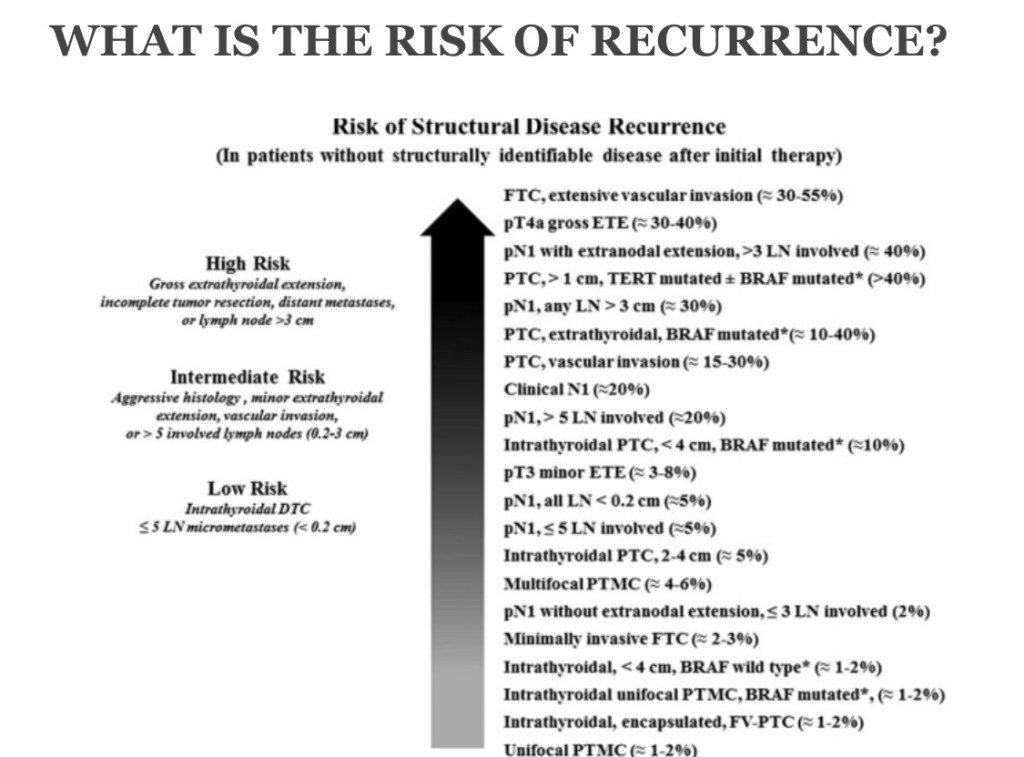
ATA Modified Risk of Structural Recurrence Classification – High Risk

  • A prospective multicenter study reported:
    • A significant improvement in:
      • Overall and disease-specific mortality, as well as disease-free survival:
        • In National Thyroid Cancer Cooperative Study Group (NTCTCSG):
          • Stage III and IV patients:
            • After statistical adjustment using multivariable and propensity stratified analyses
  • Furthermore, prospectively collected data from the SEER cancer registry:
    • Suggest that postsurgical RAI therapy is associated with improved overall survival:
      • In patients with PTC with distant metastases:
        • When distant metastases were combined with:
          • Age greater than 45 years
          • Tumor size greater than 2 cm
          • Positive lymph nodes at primary diagnosis
    • Data from the SEER database also suggest that overall survival:
      • In patients with FTC with distant metastases:
        • More than doubled in patients receiving postsurgical RAI treatment
  • Thus:
    • Routine postsurgical RAI treatment is re- commended in patients with ATA high-risk DTC

#Arrangoiz #CancerSurgeon #ThyroidSurgeon #ThyroidExpert #HeadandNeckSurgeon #RAI #ThryoidCancerTreatment #CASO #CenterforAdvancedSurgicalOncology

Primary Goal of Postoperative Radioactive Iodine in Thyroid Cancer

  • Depending on the postoperative risk stratification of the individual patient:
    • The primary goal of postoperative administration of RAI after total thyroidectomy may include:
      • RAI remnant ablation:
        • To facilitate detection of recurrent disease and initial staging by tests such as Tg measurements or whole-body RAI scans)
      • RAI adjuvant therapy:
        • Intended to improve disease-free survival by theoretically destroying suspected, but unproven residual disease, es- pecially in patients at increased risk of disease recurrence)
      • RAI therapy:
        • Intended to improve disease-specific and disease-free survival by treating persistent disease in higher risk patients)
    • Additional considerations in RAI decision-making may include:
      • Patient comorbidities (and the potential impact of therapeutic doses of RAI or preparation for the procedure)
      • Feasible or preferred disease surveillance procedures
      • Patient preferences:
        • The latter being particularly important when clear data on therapeutic efficacy are lacking), or others

#Arrangoiz #ThyroidSurgeon #CancerSurgeon #CASO #CenterforAdvancedSurgicalOncology

Indications for Radioactive Iodine in the Management of Thyroid Cancer

  • RECOMMENDATION 51 of the American Thyroid Association
    • RAI remnant ablation is not routinely recommended after thyroidectomy for ATA low-risk DTC patients:
      • Consideration of specific features of the individual patient that could modulate recurrence risk, disease follow-up implications, and patient preferences are relevant to RAI decision-making
    • RAI remnant ablation is not routinely recommended after lobectomy or total thyroidectomy for patients with unifocal papillary microcarcinoma, in the absence of other adverse features.
    • RAI remnant ablation is not routinely recommended after thyroidectomy for patients with multifocal papillary microcarcinoma in absence of other adverse features:
      • Consideration of specific features of the individual patient that could modulate recurrence risk, disease follow-up implications, and patient preferences are relevant to RAI decision-making
    • RAI adjuvant therapy should be considered after total thyroidectomy in ATA intermediate-risk level DTC patients
    • RAI adjuvant therapy is routinely recommended after total thyroidectomy for ATA high risk DTC patients

#Arrangoiz #CancerSurgeon #ThyroidSurgeon #ThyroidExpert #ThyroidCancer #HeadandNeckSurgeon #CASO #CenterforAdvancedSurgicalOncology

Who Needs Chemotherapy after Breast Cancer Surgery?

The benefit of chemotherapy among women with early-stage, hormone-receptor positive breast cancers has become largely determinant on the use of gene expression profiles, including Oncotype DX, MammaPrint, and PAM50. Oncotype DX score is a 21-gene assay that uses RT-PCR to calculate recurrence risk using a scoring system from 0 to 100, and categorizes women into low, intermediate, and high risk of recurrence based on pre-specified cut points. MammaPrint is a 70-gene assay performed with microarray, and classifies tumors as having good vs poor prognostic signatures. PAM50 tests 50 classifier genes and categorizes women by intrinsic subtypes including luminal A, luminal B, HER2-enriched, basal-like and normal-like. Adjuvant! Online is an online program that uses standard clinicopathologic variables to estimate survival for breast cancer patients treated by local therapy alone and the survival and disease-free survival benefit gained by the addition of systemic adjuvant therapy.

The 21-gene recurrence score assay (Oncotype DX)

  • The 21-gene recurrence score assay (Oncotype DX):
    • Is a reverse-transcriptase-polymerase-chain-reaction assay of:
      • 16 prospectively selected genes and 5 reference genes
    • Analysis is performed in:
      • Paraffin-embedded tumor tissue
    • This assay was developed from:
      • NSABP B-14 and validated with data and specimens from NSABP B-20
    • It estimates the 10-year risk of distant recurrence:
      • By categorizing results into:
        • Low-risk (RS< 18) group
        • Intermediate-risk (RS 18 to 30) group
        • High-risk (RS > 30) groups
    • A low recurrence score (RS < 18):
      • Predicts little benefit of chemotherapy
  • The 21-gene recurrence score assay:
    • Is proven to be prognostic for women with:
      • Node-negative
      • ER-positive breast cancer:
        • Treated with tamoxifen
  • Retrospective data obtained via optional tumor banking:
    • In accordance with the SWOG 8814 trial:
      • Which demonstrated postmenopausal women:
        • With node-positive, ER-positive tumors:
          • Achieved superior survival when:
            • Cyclophosphamide, doxorubicin, and fluorouracil:
              • Was given before tamoxifen
    • The SWOG 8814 trial:
      • Allowed for retrospective assessment of recurrence score on DFS by treatment group
      • Analysis demonstrated the recurrence score results:
        • To be both prognostic and predictive of benefit:
          • To adjuvant chemotherapy:
            • As there was no added benefit to adjuvant systemic chemotherapy:
              • In women with low recurrence scores and
              • There was an improvement of DFS:
                • In those with high recurrence scores
    • These hypothesis-generating results:
      • Serve as preliminary basis for the RxPonder trial:
        • Which is currently enrolling as a phase III trial
        • Randomizing women with hormone receptor-positive and HER2-negative breast cancer involving 1 to 3 lymph nodes and a 21-gene assay recurrence score of 25 or less to:
          • Endocrine therapy alone versus chemotherapy followed by endocrine therapy
    • The 21-gene recurrence score:
      • Is not used in patients with HER2-positive breast cancer
  • In women with hormone receptor positive (HR+), HER2-negative early breast cancer:
    • The 21-gene signature score provides prognostic information:
      • That is independent of clinical and pathological features
    • A high score (on a scale of 0 to 100):
      • Indicates a higher rate of distant recurrence
      • And is predictive of chemotherapy benefit
  • The prospective Trial Assigning Individualized Options for Treatment (TAILORx):
    • Showed that endocrine therapy alone was non-inferior to adjuvant chemotherapy plus endocrine (chemoendocrine) therapy:
      • In women with HR+, HER2-negative, axillary node-negative breast cancer and a 21-gene recurrence score of 11 to 25
      • An exploratory analysis indicated some benefit of chemotherapy in women 50 years of age or younger:
        • Who had a recurrence score of 16 to 25:
          • In this analysis there was a:
            • Small (~1.6%) chemotherapy benefit in distant disease-free survival for patients with recurrence score results from 16 to 20
            • Modest (~6.5%) chemotherapy benefit for patients with recurrence score results from 21 to 25
  • References:
    • Paik S, Shak S, Tang G, et al. A multigene assay to predict recurrence of tamoxifen-treated, node-negative breast cancer. N Engl J Med. 2004;351(27):2817-2826.
    • Paik S, Tang G, Shak S, et al. Gene expression and benefit of chemotherapy in women with node-negative, estrogen receptor-positive breast cancer. J Clin Oncol. 2006;24(23):3726-3734.
    • Albain KS, Barlow WE, Shak S, et al. Prognostic and predictive value of the 21-gene recurrence score assay in postmenopausal women with node-positive, oestrogen-receptor-positive breast cancer on chemotherapy: a retrospective analysis of a randomised trial. Lancet Oncol. 2010;11(1):55-65.
    • Ramsey SD, Barlow WE, Gonzalez-Angulo AM, et al. Integrating comparative effectiveness design elements and endpoints into a phase III, randomized clinical trial (SWOG S1007) evaluating oncotypeDX-guided management for women with breast cancer involving lymph nodes. Contemp Clin Trials. 2013;34(1):1-9.
    • Sparano JA, Gray RJ, Ravdin PM, Makower DF, Pritchard KI, Albain KS, et al. Clinical and genomic risk to guide the use of adjuvant therapy for breast cancer. New Engl J Med. 2019;380(25):2395-2405.
    • Sparano JA, Gray RJ, Makower DF, Pritchard KI, Albain KS, Hayes DF, et al. Adjuvant chemotherapy guided by a 21-gene expression assay in breast cancer. New Engl J Med. 2018;379(2):111-121.

#Arrangoiz #CancerSurgeon #BreastSurgeon #BreastCancer #SurgicalOncologist #OncotypeDx #CASO #CenterforAdvancedSurgicalOncology

LOBULAR BREAST CANCER

Epidemiology 

  • Invasive lobular carcinoma (ILC) is the second most common histologic form of breast cancer:Comprising 5% to 15% of invasive tumors.
  • ILC is pathologically distinct from the much more common invasive ductal carcinoma (IDC):With a unique clinical biology and pathogenesis and resultant implications for diagnosis and treatment.  
  • The mean age at diagnosis of ILC is 57 years.
  • Demonstrated risk factors include:Age at menarche (younger that 12 years)Age at first birth (older than 30 years)
    • Hormone therapy:Emphasizing the role of estrogen exposure in disease pathogenesis, which is also observed in most IDCs but shows a more pronounced association in ILC.
  • ILC also displays an increased propensity for multifocal / multicentric presentation.
  • The incidence of ILC in the Western world over the past decades has corresponded to trends in the use of hormone replacement therapies:With a sharp increase between 1975 and 2000 and a decline between 2000 and 2004:But now with an increasing incidence since 2005 with an unclear etiology.
  • Hereditary ILC is rare but may be seen as a secondary tumor in families with hereditary diffuse gastric cancer syndrome:Caused by a germline mutation in the tumor suppressor CDH1 gene.
  • ILC otherwise accounts for a small minority of the breast cancers associated with known breast cancer susceptibility genes:Comprising less than 5% of breast cancers in patients with BRCA1 or TP53 mutations and less than 10% of breast cancers in those with BRCA2 mutations.

Molecular Basics and Pathogenesis

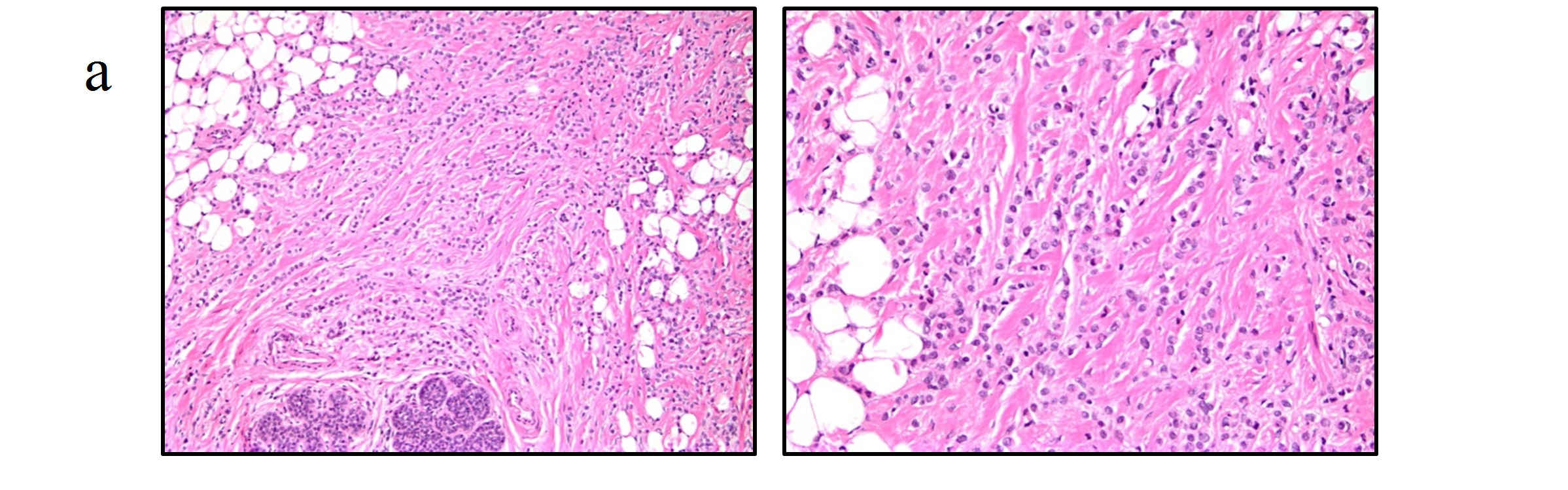
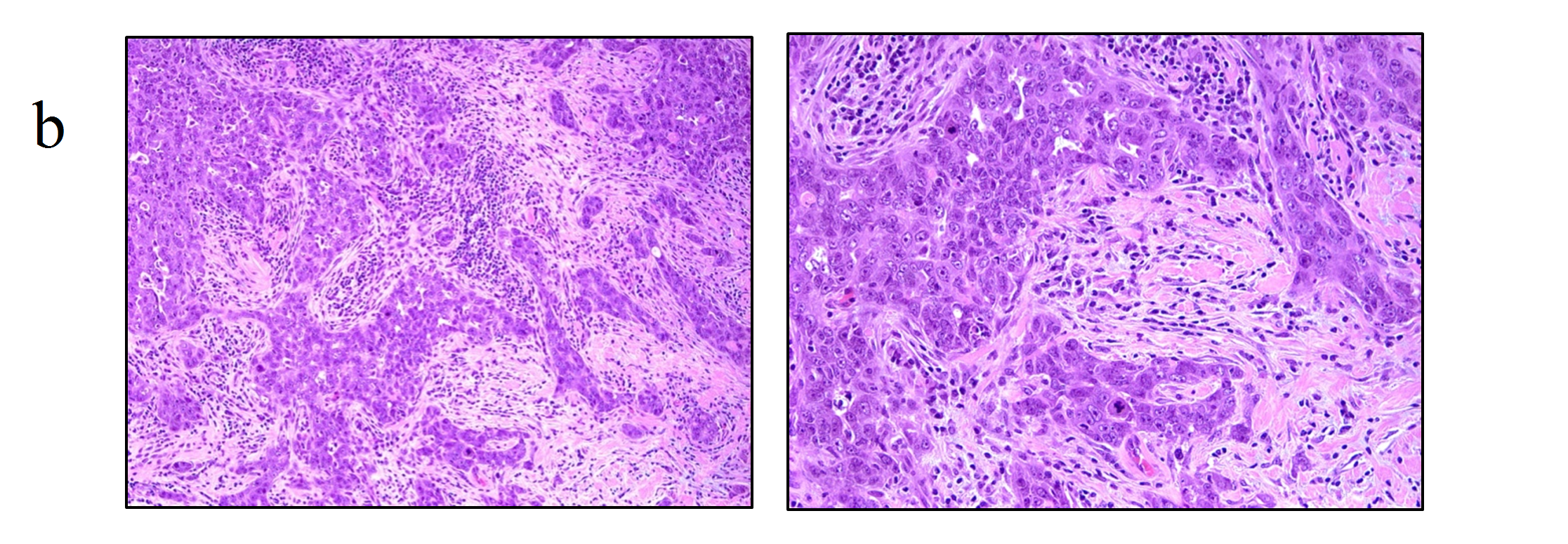
  • Classic ILC is characterized by discohesive cells that infiltrate the breast stroma in a distinctive single-file (Indian-file) pattern, with a limited host inflammatory response:

ILC
The classic “single-file” histologic appearance of invasive lobular carcinoma (ILC).

ILC
Histologic appearance of invasive ductal carcinoma.

  • Several variant (non-classic) forms of ILC have also been described, distinguished by:Morphology:Dispersed
      • Alveolar
      • Solid
      • Trabecular
      • Mixed
    • Cytology:PleomorphicApocrine
      • Histiocytoid
      • Signet ring
      • Tubulolobular
  • Over 90% of ILCs are estrogen receptor (ER) positive, and at the level of the transcriptome, the majority of ILCs are classified as luminal A:This proportion is observed to be slightly lower in more aggressive ILC variants.
  • HER-2 overexpression is rare:Seen in 3% to 5% of classic ILCs:Although it is more frequent in up to 10% of ILC variants:Particularly the pleomorphic subgroup, and recurrent ILCs: The more aggressive biology of the pleomorphic subgroup renders it a unique clinical entity, shown to present at a more advanced stage and more frequently metastasize.
  • The tumor biology of ILCs, as with all breast cancers, is of focal importance in both surgical and systemic treatment, as well as long-term outcomes.
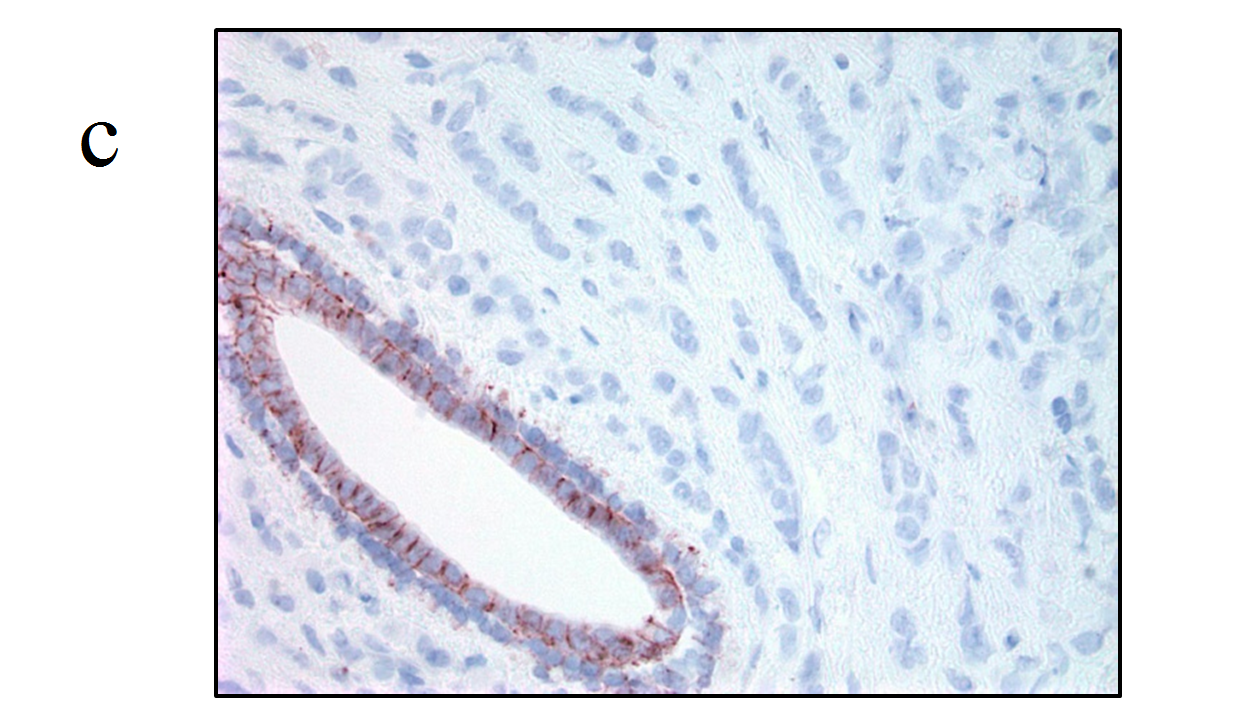
  • Loss of E-cadherin expression is the most consistently reported hallmark feature of ILC:Seen in 80% to 90% of cases, and is believed to play an early and important role in disease pathogenesis.

IDC
Characteristic loss of membranous E-cadherin in ILC seen by immunohistochemistry.

  • E-cadherin dysregulation originates from mutations in the CDH1 gene on chromosome 16q22.1:Reported to occur at a frequency ranging from 30% to 80% in ILC.
  • E-cadherin is a calcium-dependent transmembrane protein that forms a crucial component of adherens-type junctions between epithelial cells, the loss of which predisposes to neoplastic proliferation.2 However, E-cadherin positivity does not, by itself, exclude a lobular neoplasm, and not all ILCs harbor CDH1 gene mutations. Several other novel mutations have recently been identified as more frequent in ILC compared with IDC by comprehensive molecular profiling of 817 breast tumors in The Cancer Genome Analysis (TCGA) study, seen both when comparing all ILCs with IDCs and when limiting comparison with luminal A samples. When comparing all cancers, alterations more frequently seen in ILC included CDH1 (63% in ILC versus 2% in IDC), P1K3CA (48% versus 33%), FOXA1 (7% versus 2%), RUNX1 (10% versus 3%), and TBX3 (9% versus 2%), respectively. Conversely, GATA3 mutations were enriched in IDC (5% in ILC versus 13% in IDC). Importantly, when the analysis was limited to luminal A samples only, several alterations remained significantly more common among luminal A ILCs versus luminal A IDCs, as summarized here

Management of Triple Negative Breast Cancers who Only Achieve a Partial Response to Neoadjuvant Chemotherapy

  • Patients with triple negative breast cancer who only achieve a partial response to neoadjuvant chemotherapy (have residual disease):
    • Failure to achieve pathologic complete response (pCR):
      • Is associated with poorer prognosis, particularly for triple negative breast cancer
  • In the CREATE-X trial:
    • 910 patients with HER2-negative residual invasive breast cancer after neoadjuvant chemotherapy:
      • Were randomized to receive standard post surgical treatment with capecitabine or control
    • Adjuvant capecitabine resulted in:
      • Improved disease-free survival and overall survival;
        • With the bulk of the benefit seen only in the patients with triple negative disease
    • Based on this study:
      • Adjuvant capecitabine can be considered for patients with triple negative breast cancer and residual disease after neoadjuvant chemotherapy
  • References
    • Cortazar P, Zhang L, Untch M, Mehta K, Costantino JP, Wolmark N, et al. Pathological complete response and long-term clinical benefit in breast cancer: the CTNeoBC pooled analysis. Lancet. 2014;384(9938):164-172.
    • Masuda N, Lee S-J, Ohtani S, Im YH, Lee ES, Yokota I, et al. Adjuvant Capecitabine for breast cancer after preoperative chemotherapy. New Engl J Med. 2017;376(22):2147-2159.