The Usefulness of Core Needle Biopsy in the

  • Thyroid nodules are common in clinical practice, and although more than 90% of these are benign:
    • Thyroid cancer remains the most frequent endocrine cancer
  • Fine-needle aspiration biopsy (FNAB):
    • Is still considered the most critical tool in stratifying the risk of malignancy when evaluating thyroid nodules:
      • It is simple, effective, low-cost, and safe:
        • However, one of the most critical limitations of FNAB is the relatively high frequency of:
          • Unsatisfactory (non-diagnostic) samples or
          • Cytologically indeterminate results such as:
            • Atypia or follicular lesion of undetermined significance
        • These limitations have led some to consider other diagnostic tools, including:
          • Core-needle biopsy (CNB)
        • Even though CNB is considered controversial, many publications, especially from Asia:
          • Have reported it as an effective and safe sampling method for the diagnostic evaluation of thyroid nodules:
            • Especially for nodules with previously inadequate or indeterminate FNAB results
    • The current study, Clin Thyroidol 2021;33:487–489:
      • Aimed to compare the performance of CNB versus FNA:
        • As the first option in the evaluation of thyroid nodules
    • Methods:
      • This was a multicenter retrospective study that collected data regarding FNAB and CNB results of thyroid nodules from three institutions
      • In one institution, 705 patients underwent CNB by a single operator as the first evaluation of thyroid nodules that were given a high estimated likelihood of obtaining nondiagnostic cytologic results with FNAB:
        • Thyroid nodules that were heavily calcified
        • Were predominantly cystic
        • Were > 5 mm with suspicious ultrasound features
        • Had sonographic features suspicious for follicular neoplasms
        • Were candidates for radiofrequency ablation therapy
      • In the other two centers, FNAB was the initial diagnostic option in 583 patients
      • Ultrasound features of the thyroid nodules were categorized according to the Korean Thyroid Imaging Reporting and Data System (K-TIRADS)
      • The diagnosis of malignancy was determined by CNB or FNAB cytology or by histopathologic findings from surgical resection
      • The Bethesda System for Reporting Thyroid Cytopathology was used to categorize the CNB and FNAB results
      • The diagnosis of benign nodules was confirmed on at least two benign results via CNB or FNAB or on one benign report on CNB or FNAB in the absence of indeterminate or malignant results in the initial or repeat biopsy or in the final histologic surgical pathology report
      • The diagnostic performance of each aspiration method was evaluated based on sensitivity, specificity, accuracy, positive predictive value, negative predictive value (NPV), and area under the receiver-operating-characteristic (ROC) curve (AUC) values
    • Results:
      • The frequency of nondiagnostic, atypia/follicular lesion of undetermined significance (AUS/FLUS), and suspicious for malignancy lesions:
        • Were all significantly lower in the CNB group than in the FNAB group
      • The CNB group also showed a:
        • Significantly lower inconclusive diagnostic rate than the FNAB group
      • The frequencies of suspicious follicular neoplasms and malignant cytologies were:
        • Substantially higher in the CNB group than in the FNAB group
      • The sensitivity, NPV, and accuracy were significantly higher in the CNB group than in the FNAB group
      • On ROC analysis, the AUCs of CNB were markedly higher than those for FNAB
      • The FNAB group included a small number of false-negative FNAB results (two K-TIRADS 5 nodules: 2 of 244 nodules [0.8%]) and false-positive FNAB results (one K-TIRADS 3 or 4 nodule: 1 of 141 nodules [0.7%])
      • There were no false-negative or false-positive results in the CNB group
      • When comparing the diagnostic performance of CNB and FNAB according to ultrasound features:
        • The sensitivity, NPV, and accuracy of CNB were all significantly higher than those of the FNAB group
      • There were no complications in the FNAB group
      • In the CNB group,:
        • Five patients (0.7%) developed perithyroidal hemorrhage or intrathyroidal hemorrhage that was resolved by manual compression
  • Conclusions:
    • This study showed that CNB was superior to FNAB as the initial diagnostic aspiration tool for evaluating thyroid nodules, regardless of the ultrasound findings
    • The findings suggest that CNB is a reasonable option, as compared with FNAB, for the initial assessment of thyroid nodule cytology

  • FNAB is considered the gold standard in the stratification of malignancy risks when evaluaing thyroid nodules:
    • It is generally cost-effective, simple, safe, and accurate:
      • However, it has some limitations, including a:
        • Significant inconclusive rate
        • Some false-negative results
        • A relatively high incidence of nondiagnostic or indeterminate results:
          • Categories I, III, and IV of the Bethesda System for Reporting Thyroid Cytopathology
  • Since 2011, some papers from Asia and South Korea in particular have proposed using CNB as an efficient option for the evaluation of thyroid nodules and that in many ways it may be even better than FNAB
  • Other studies have also shown no differences in diagnostic performance between these two techniques:
    • However, using CNB as a standard initial tool for obtaining thyroid nodule cytology faces some problems:
      • CNB is more invasive than FNAB
      • It requires specific training
      • Rare complications have been reported, including:
        • Injury to the trachea and carotid artery
      • In order to avoid such complications, an experienced operator is mandatory
    • Some recent guidelines have proposed the use of CNB as a complementary exam in select cases with non-diagnostic or indeterminate results obtained by FNAB, which is very reasonable
    • The size of the nodule, ultrasound features, and cytologic findings of the FNAB:
      • Are all factors that showed consider when deciding to perform CNB instead of repeating FNAB
    • In addition, for some patients, CNB may avert the need to perform molecular tests
    • Over time, CNB has been increasingly accepted as an appropriate initial exam; it can yield good results when indicated in select patients and when performed by a trained professional

#Arrangoiz #ThyroidSurgeon #ThyroidExpert #ThyroidNodules #FNAB #CNB #ThyroidCancer #HeadandNeckSurgeon #Miami #Mexico
Poland Syndrome

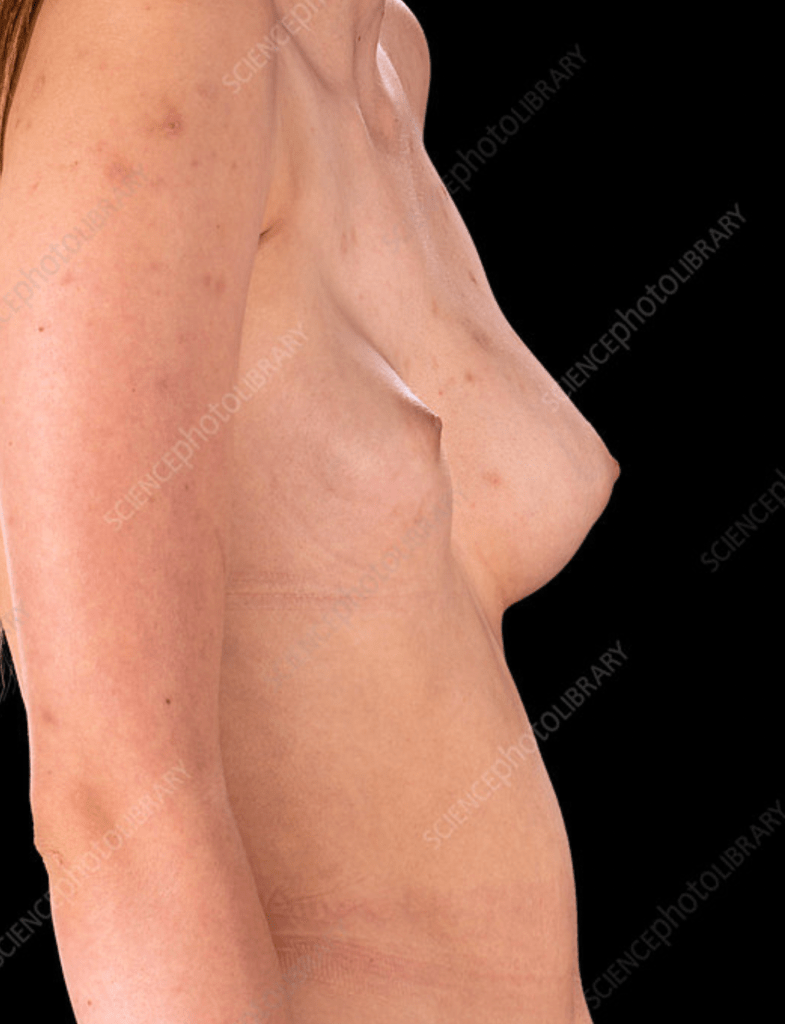
  • Poland Syndrome:
    • Is a rare chest wall deformity consisting of:
      • Unilateral chest wall hypoplasia and unilateral upper limb deformity
    • There can be:
      • Absence or hypoplasia of the breast
      • Absent pectoralis major or minor
      • Absent nipple
      • Absent costal cartilages
      • Rib abnormalities
      • Upper limb deformities including:
        • Syndactyly
        • Micromelia
        • Brachydactyly
    • This rare disease affects men three times more commonly than women
    • Poland syndrome is thought to occur due to:
      • An interruption of the embryonic blood supply to the subclavian artery:
        • At the 6th week of embryonic development
    • The defects can be corrected surgically:
      • Repair can include:
        • Reconstruction of anaplastic ribs:
          • Using bone grafts or prosthetic mesh
        • Muscle flaps such as latissimus dorsi flap to correct muscle hypoplasia
        • Breast implants or autologous fat grafting for breast hypoplasia
  • References:
    • Kulkarni D, Dixon JM. Congenital abnormalities of the breast. Women’s Health. 2012;8(1):75–88.
    • Baldelli I, Santi P, Dova L, Cardoni G, Ciliberti R, Franchelli S, Merlo DF, et al. Body image disorders and surgical timing in patients affected by Poland Syndrome: data analysis of 58 case studies. Plast Reconstr Surg. 2016;137(4):1273-1282.
    • Fokin AA, Robicsek F. Poland’s syndrome revisited. Ann Thorac Surg. 2002:74(6),2218–2225.

#Arrangoiz #BreastSurgeon #CancerSurgeon #SurgicalOncologist #PolandSyndrome

Mastalgia

  • In severe mastalgia:
    • Patients may require medications when other measures have failed
  • meta-analysis of randomized trials evaluating bromocriptine, danazol, evening primrose oil, and tamoxifen:
    • Found that only danazol and tamoxifen:
      • Conferred significant reductions in pain
  • Danazol:
    • gonadotropin secretion suppressor:
      • Is the only medication approved by the U.S. Food and Drug Administration for treatment of mastalgia:
        • However, it does have significant androgenic side effects:
          • Which often limits the duration of use
  • Tamoxifen:
    • Is a selective estrogen receptor modulator:
      • Which has been found to reduce severe breast pain:
        • But has an associated increased risk of endometrial cancer and deep venous thrombosis
  • When comparing the efficacy of each treatment and the relative side effects:
    • The meta-analysis concluded that tamoxifen is the treatment of choice:
      • It can be used as an off-label treatment as long as the patient understands the potential risks
  • Another study found that the most important factor associated with persistent breast pain:
    • More than 5 years after treatment for breast cancer:
      • Was the presence of lymphedema:
        • Referral to a lymphedema specialist is recommended for these women
  • References:
    • Srivastava A, Mansel RE, Arvind N, Prasad K, Dhar A, Chabra A. Evidence-based management of mastalgia: a meta-analysis of randomised trials. Breast. 2007;16(5):503- 512.
    • Bell RJ, Robinson PJ, Nazeem F, Panjari M, Fradkin P, Schwarz M, et al. Persistent breast pain 5 years after treatment of invasive breast cancer is largely unexplained by factors associated with treatment. J Cancer Surviv. 2014;8(1):1-8.

#Arrangoiz #BreastSurgeon #CancerSurgeon #SurgicalOncologist #BreastExpert #BreastPain #Mastalgia #SevereMalstalgia #Danazol #Tamoxifen

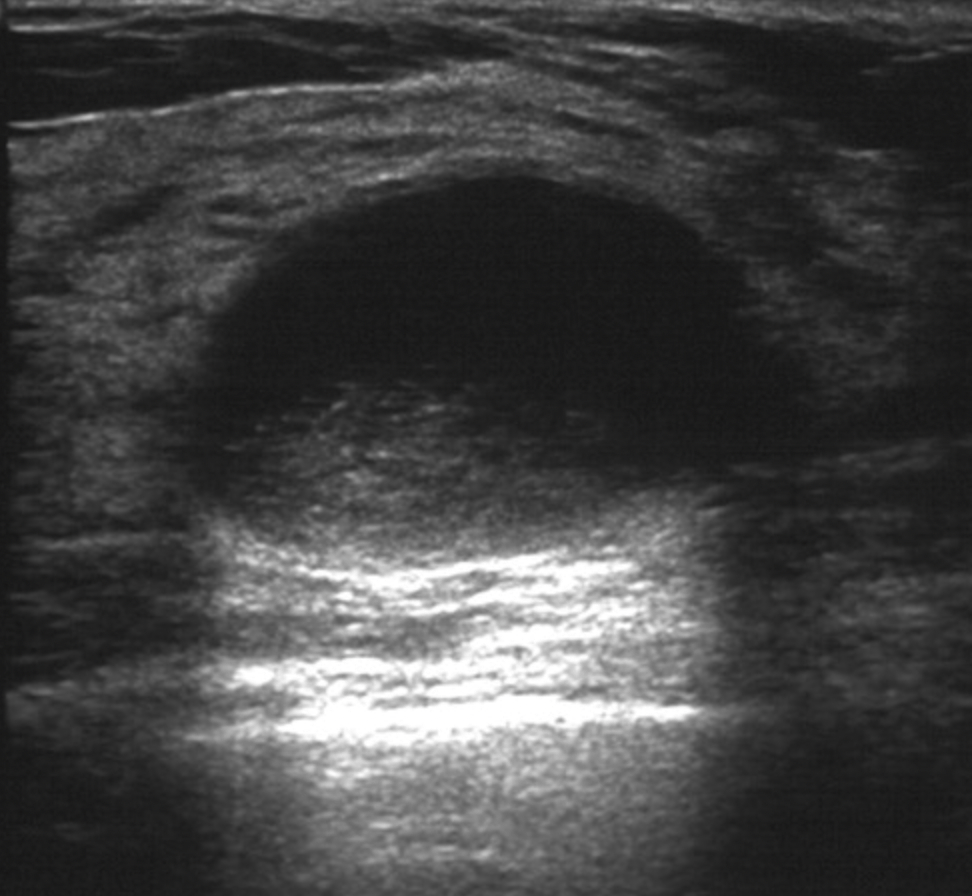
Complicated Cysts

Complicated Cysts

  • Complicated cysts are defined by ultrasound criteria as:
    • Lesions with homogeneous, low-level internal echoes:
      • Due to echogenic debris:
        • Without solid components, thick walls, or thick septa, and without vascular flow
    • The malignancy rate of complex cysts:
      • Which is 0.3%:
        • Is lower than that for lesions classified as “probably benign.”
    • These patients can be managed with:
      • Follow-up imaging studies
  • A complicated cyst noted on baseline examination or incidentally noted on ultrasonography:
    • Can be considered probably benign, BIRADS 3:
      • With 6-, 12-, and 24-month surveillance
  • If there are worrisome changes,:
    • Such as increase in size or development of solid components:
      • A diagnostic aspiration or biopsy should be performed
      • Complicated cysts are defined by ultrasound criteria as:
    • Lesions with homogeneous, low-level internal echoes:
      • Due to echogenic debris:
        • Without solid components, thick walls, or thick septa, and without vascular flow
    • The malignancy rate of complex cysts:
      • Which is 0.3%:
        • Is lower than that for lesions classified as “probably benign.”
    • These patients can be managed with:
      • Follow-up imaging studies
  • A complicated cyst noted on baseline examination or incidentally noted on ultrasonography:
    • Can be considered probably benign, BIRADS 3:
      • With 6-, 12-, and 24-month surveillance
  • If there are worrisome changes,:
    • Such as increase in size or development of solid components:
      • A diagnostic aspiration or biopsy should be performed

Diabetic Mastopathy, or Lymphocytic Lobulitis

  • Diabetic mastopathy, or lymphocytic lobulitis:
    • Is a benign condition found in premenopausal women:
      • With long-standing type 1 diabetes mellitus
    • Patients usually present with:
      • firm, painless, irregular, suspicious mass in one or both breasts
    • Mammograms often show:
      • Dense fibroglandular tissue but no discrete mass
    • Ultrasound usually shows:
      • An ill-defined hypoehoic area with shadowing
    • Core needle biopsy:
      • Is the preferred technique to make the diagnosis
    • The pathologic findings are typically:
      • Glandular atrophy
      • Lymphocytic / mononuclear perivascular inflammation:
        • Which is predominantly B-cell
      • Dense, often keloid-like fibrosis:
        • With or without epithelioid-like fibroblasts
    • If the lesion is well-sampled and the pathology is concordant with the imaging:
      • There is no need for excision because it is not a premalignant lesion
    • In fact, up to 60% of diabetic mastopathy recurs after excision:
      • Therefore, surgical excision is not recommended
    • The etiology may be:
      • An autoimmune reaction:
        • To accumulated matrix related to hyperglycemia
    • Once diagnosed:
      • Patients should be aware of changes in their breasts and have any new lumps evaluated
    • Well-controlled blood sugar:
      • Is advocated as diabetic mastopathy often presents in patients with other complications of diabetes such as:
        • Retinopathy
        • Neuropathy
        • Nephropathy
      • Otherwise, there is no known treatment
  • References:
    • Camuto PM, Zetrenne E, Ponn T. Diabetic mastopathy: a report of 5 cases and a review of the literature. Arch Surg. 2000;135(1):1190-1193.
    • Neetu G, Pathmanathan R, Weng NK. Diabetic mastopathy: a case report and literature review. Case Rep Oncol. 2010;3(2):245-251.
    • Thorncroft K, Forsyth L, Desmond S, Audisio RA. The diagnosis and management of diabetic mastopathy. Breast J. 2007;13(6):607-613.

#Arrangoiz #BreastSurgeon #CancerSurgeon #SurgicalOncologist #DiabeticMastopathy # LymphocyticLobulitis

Breast Hamartoma

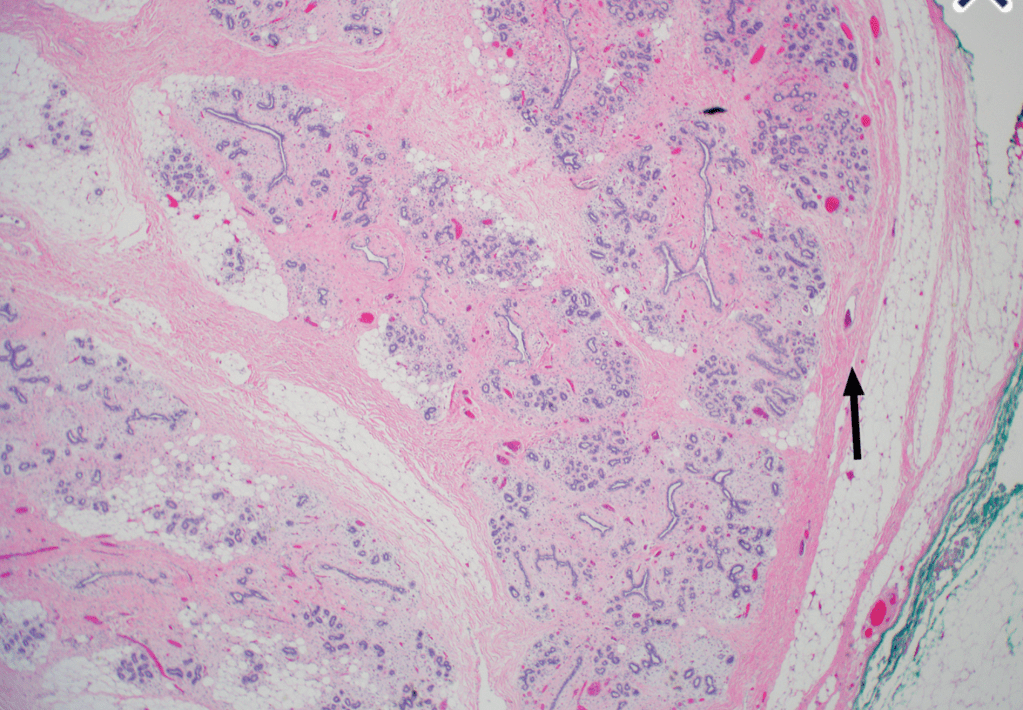
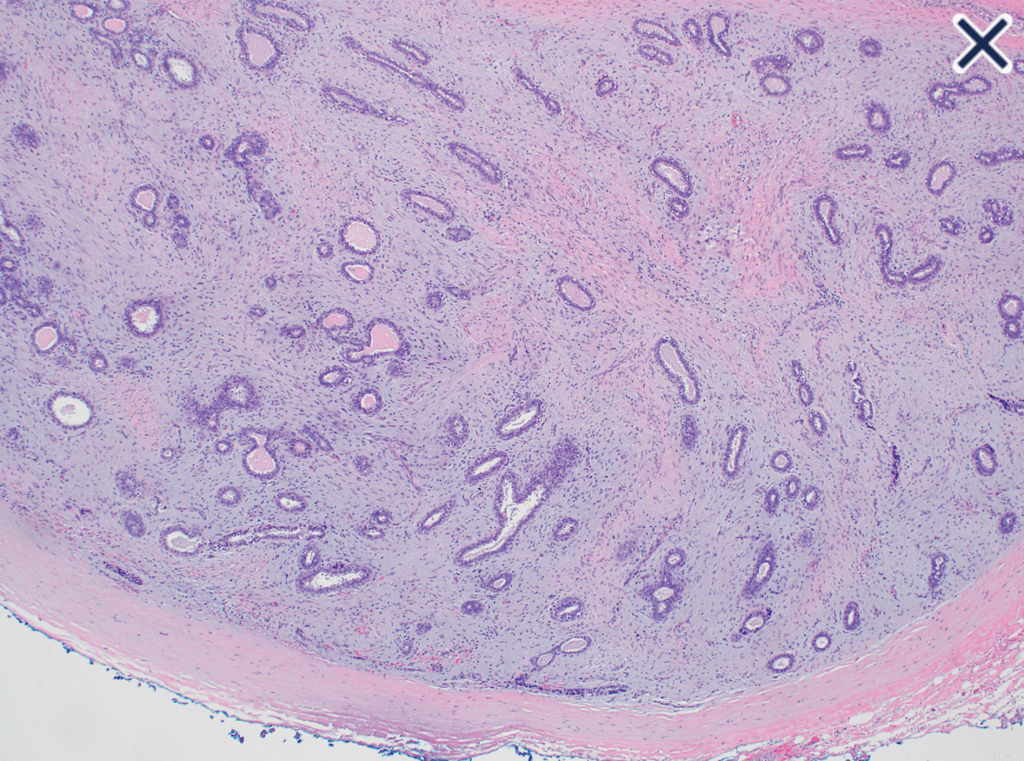
Pathologic sections of a 3 cm circumscribed mass. Arrow shows the thin capsule.
  • Histologic section shows non-atypical breast ducts and lobules scattered amongst fibrofatty stroma:
    • With a circumscribed border (arrow shows thin capsule):
      • These features are characteristic of mammary hamartoma:
        • Alternately termed:
        • Fibroadenolipoma
          • Adenolipoma)
  • Hamartomas:
    • Are characterized by normal breast elements in disordered distribution:
      • May harbor other benign findings such as:
        • Pseudoangiomatous stromal hyperplasia (PASH)
        • Apocrine metaplasia
    • The so-called “myoid hamartoma” includes”:
      • Smooth muscle
    • It may be very difficult to recognize and diagnose mammary hamartomas on core biopsy, given the normal constituents:
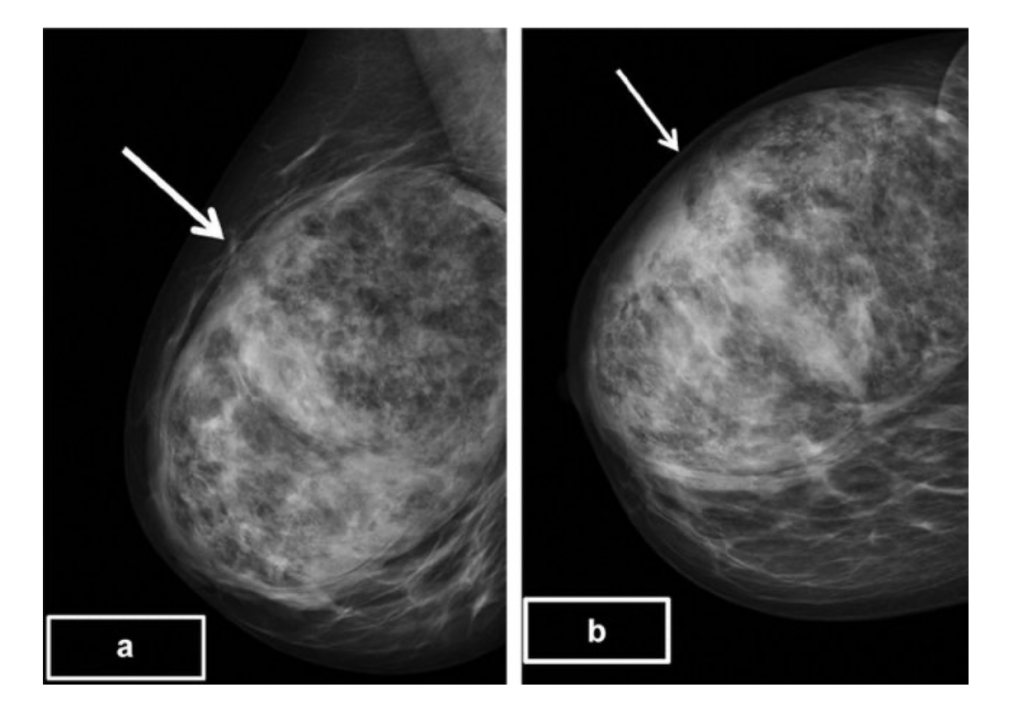
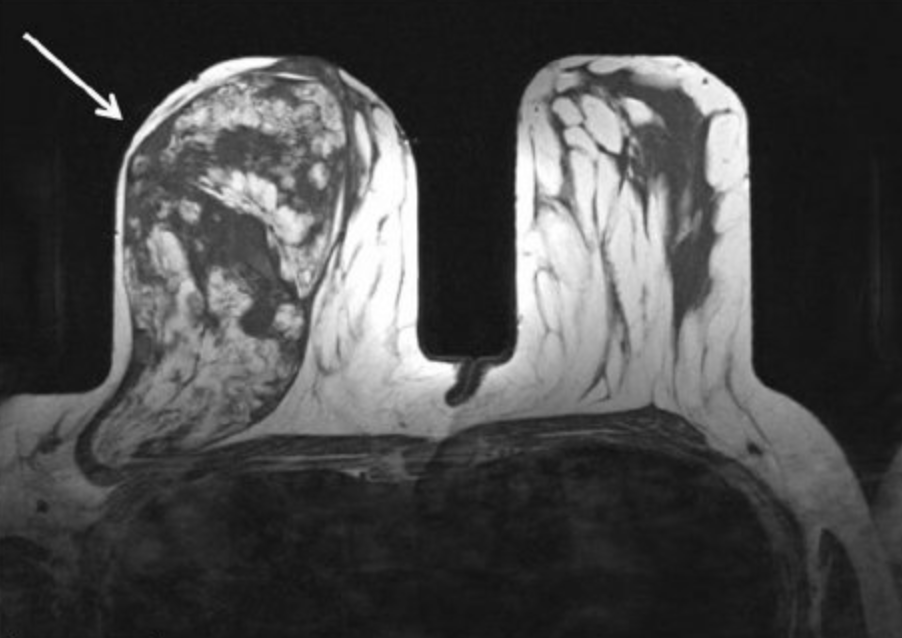
      • Yet the radiologic appearance of hamartoma is characteristic and is said to resemble “breast within breast”
(a) and (b) – Digital mammograms, medio-lateral oblique (MLO) and cranio-caudad (CC) projections of the right breast showing an large ovoid, encapsulated mass lesion with a ‘breast ] within a breast’ appearance. 
  • Hamartomas are benign breast lesions
  • References:
    • Schnitt SJ, Collins L. Biopsy Interpretation of the Breast. 3rd edition. Philadelphia, PA: Wolters Kluwer, 2018:196-198.
    • Tan PH, Tse G, Lee A, et al. Fibroepithelial tumours. In: Lakhani SR, Ellis IO, Schnit SJ, Tan PH, van de Vijver MJ. eds. WHO Classification of Tumours of the Breast. Lyon: IARC Press, 2012: 147.
    • Tse GM, Tan PH, Lui PC, Putti TC. Spindle cell lesions of the breast–the pathologic differential diagnosis. Breast Cancer Res Treat. 2008;109(2):199-207.
    • Amir RA, Sheikh SS. Breast hamartoma: a report of 14 cases of an under-recognized and under-reported entity. Int J Surg Case Rep. 2016;22:1-4.

Breast Fibromatosis

  • Breast fibromatosis:
    • May occur sporadically or:
      • Less commonly, in patients with a germline syndrome
    • Mutations in the beta-catenin gene (CTNNB1):
      • Are found in about 45% of fibromatosis:
        • Whereas mutations in other components of the same pathway, such as in:
          • The adenomatous polyposis coli gene (APC) or 5q loss occur in about 30%:
            • The APC mutation is associated with Gardner syndrome:
              • Desmoid tumors
              • Osteomas
              • Colon adenomas, and other tumors
            • Familial adenomatous polyposis (FAP1) syndromes
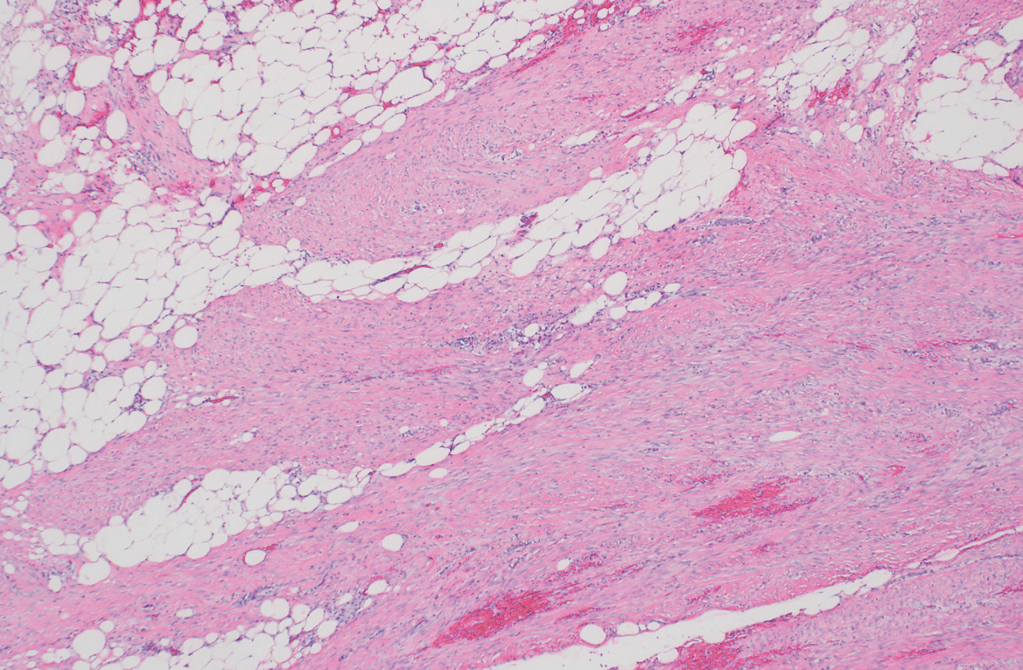
Core biopsy section showing spindle cell formation.
  • References
    • Lee A, Gobbi H. Desmoid type fibromatosis In: Lakhani SR, Ellis IO, Schnit SJ, Tan PH, van de Vijver MJ. eds. WHO Classification of Tumours of the Breast. Lyon: IARC Press, 2012:131-132.
    • Schnitt SJ, Collins L. Biopsy Interpretation of the Breast. 3rd edition. Philadelphia, PA: Wolters Kluwer, 2018: 412-416.
    • Kuba MG, Lester SC, Giess CS, Bertagnolli MM, Wieczorek TJ, Brock JE. Fibromatosis of the breast: diagnostic accuracy of core needle biopsy. Am J Clin Pathol. 2017;148(3):243-250.
    • Kim T, Jung EA, Song JY, Roh JH, Choi JS, Kwon JE, et al. Prevalence of the CTNNB1 mutation genotype in surgically resected fibromatosis of the breast. Histopathology. 2012;60(2):347-56.

Juvenile Fibroadenoma

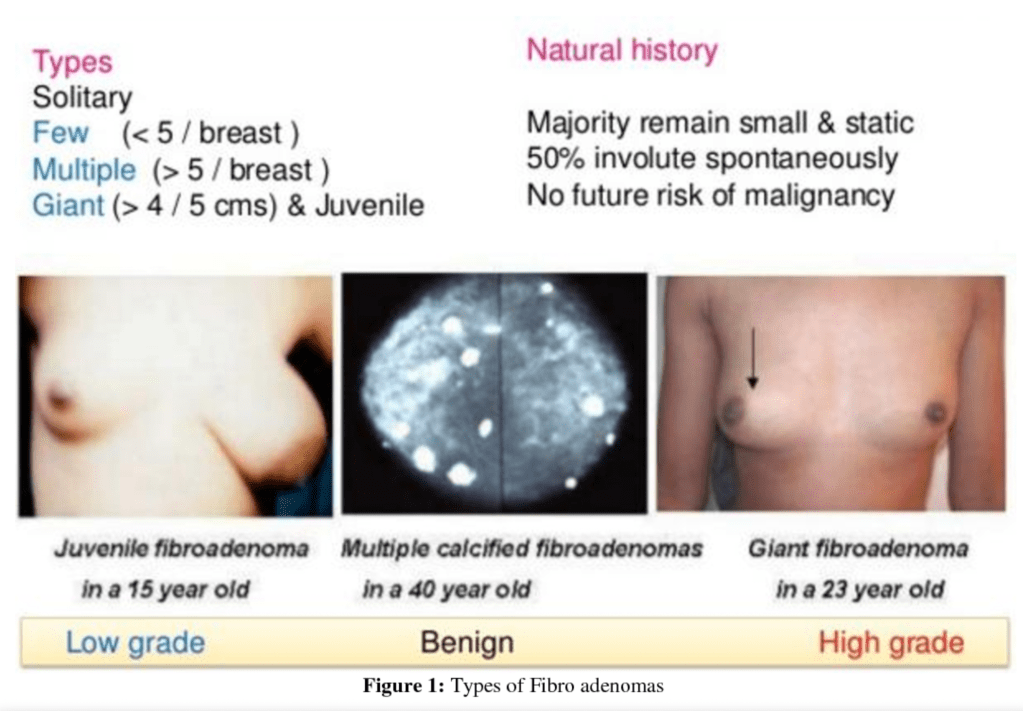
  • Is a fibroepithelial lesion with rapid growth in an adolescent:
    • The histologic features of:
      • Increased stromal cellularity with pericanalicular architecture:
        • Nodular stroma around non-compressed open duct-like structures)
      • So-called gynecomastoid hyperplasia:
        • Are characteristic of juvenile fibroadenomas
    • Gynecomastoid hyperplasia:
      • Refers to non-atypical epithelial proliferation with tufted architecture
  • Phyllodes tumors:
    • Comprise only about 5% of pediatric fibroepithelial neoplasms:
      • Can be difficult to distinguish from juvenile fibroadenomas
    • In the pediatric population:
      • Both juvenile fibroadenomas and phyllodes tumors:
        • May have increased stromal cellularity and rudimentary or focal leaf-like architecture
      • Tan et al:
        • Did not find that focal leaf-like architecture or stromal hypercellularity:
          • Correlated with recurrence in pediatric fibroepithelial lesions
      • Yet other studies suggested that:
        • Tumors with greater than two mitotic figures per 10 high power fields:
          • Have a greater recurrence rate
Histology section shows prominent pericanalicular growth pattern, mild stromal hypercellularity and epithelial proliferation, and a low mitotic rate, without leaf-like architecture.
  • Some have used the terms “juvenile” and “giant” fibroadenoma synonymously:
    • While others have used “giant”:
      • To describe particularly large fibroadenomas (> 5 cm)
  • References:
    • Tan PH, Tse G, Lee A, et al. Fibroepithelial tumours. In: Lakhani SR, Ellis IO, Schnit SJ, Tan PH, van de Vijver MJ,. eds. WHO Classification of Tumours of the Breast. Lyon: IARC Press, 2012:142-143.
    • Schnitt SJ, Collins L. Biopsy Interpretation of the Breast. 3rd edition. Philadelphia, PA: Wolters Kluwer, 2018: 180-193.
    • Tay TK, Chang KT, Thike AA, Tan PH. Paediatric fibroepithelial lesions revisited: pathological insights. J Clin Pathol. 2015;68(8):633-641.
    • Krings G, Bean GR, Chen YY. Fibroepithelial lesions; The WHO spectrum. Semin Diagn Pathol. 2017;34(5):438-452.

#Arrangoiz #BreastSurgeon #CancerSurgeon #SurgicalOncologist #JuvenileFibroadenomas #Fibroadenomas #Teacher #BreastCancer Miami #Mexico

Iliopectineal Arch

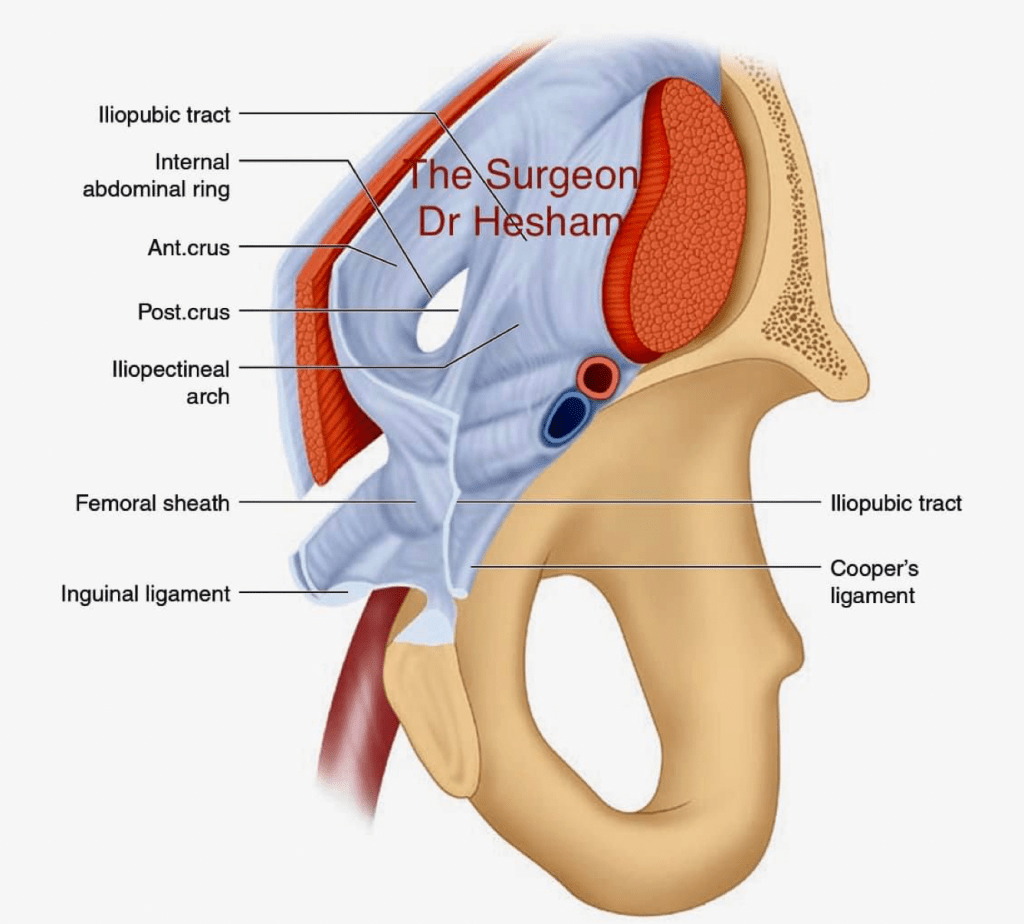
  • Iliopectineal Arch:
    • This is a medial thickening of the iliopsoas fascia:
      • Deep to the inguinal ligament
  • The surgeon does not directly use this arch:
    • But it is important as the junction of a number of structures of the groin
  • These structures are:
    • The insertion of fibers of the external oblique aponeurosis
    • The insertion of fibers of the inguinal ligament
    • The origin of part of the internal oblique muscle
    • The origin of part of the transversus abdominis muscle
    • Part of the lateral attachment of the iliopubic tract
    • It contributes also to the lateral wall of the femoral sheath

#Arrangoiz #Surgeon #Teacher

Tumor Volume Doubling Time as a Disease Predictor for Tumor Growth and Lymph Node Metastasis in Papillary Thyroid Microcarcinoma

  • Background:
    • Papillary thyroid micro-carcinomas (PTMCs):
      • Are well-differentiated tumors with an indolent nature and excellent outcome
    • The American Thyroid Association (ATA) guidelines:
      • Have endorsed active surveillance as a safe alternative to surgery for the management of PTMC
    • Data from the Kuma Hospital, Japan:
      • Have reported 5- and 10-year cumulative rates of:
        • Tumor enlargement:
          • Defined as a maximal tumor diameter increase of greater than 3 mm:
            • At 4.9% and 8.0%, respectively
        • Lymph node (LN) metastasis rates were:
          • 1.7% and 3.8%
      • Based on these findings, clinicians have used an:
        • Increase of greater than 3 mm in maximal tumor diameter or the presence of new cervical LN metastasis:
          • As a threshold for surgical intervention
        • However, there are limited data on clinical features that can reliably differentiate which PTMC patients will go on to develop clinically significant disease progression:
          • This would allow better risk stratification and tailoring of PTMC management
  • Methods:
    • Clin Thyroidol 2021;33:490–492:
      • Is multicenter, retrospective cohort study of patients with PTMCs undergoing active surveillance from three tertiary medical centers in Korea
    • All patients had uni-focal tumors measuring less than 10 mm, cytologically diagnosed as suspicious for malignancy or confirmed malignant
    • Physical exam and ultrasound follow-up were done every 6 to 12 months
    • Fine-needle aspiration and thyroglobulin needle washout:
      • Was performed on new suspicious LNs found during active surveillance
    • Exclusion criteria included:
      • Undergoing surgery instead of active surveillance and a follow-up duration of less than 3 years
    • The primary outcome of the study was disease progression during active surveillance:
      • Which was defined as:
        • An increase in maximal tumor diameter greater than 3 mm
        • Tumor volume (TV) increase of greater than 50%
        • Tumor volume doubling time (TVDT) < 5 years
        • Development of cervical LN metastasis
    • A Cox proportion-al-hazards model was used to evaluate risk factors for disease progression
  • Results:
    • The 326 patients included had a median follow-up of 4.9 years (IQR, 3.4–6.3)
    • Disease progression was confirmed in 26 patients (8.0%; 95% CI, 5.0–10.9):
      • 17 of whom (5.2%; 95% CI, 2.7–7.6) had a maximal tumor diameter increase of greater 3 mm after a median of 4.0 years of follow-up
        • Nine of whom (2.8%; 95% CI, 1.0–4.5) developed new LN metastasis after a median of 2.2 years of follow-up:
        • Lateral neck metastasis developed in two of the 9 patients who developed new LN metastasis
        • Seven had central neck LN metastasis
      • All patients with LN metastasis had an increase of tumor diameter greater than 3 mm
      • TV greater 50% was seen in:
        • 94 patients, with 3 (3.2%) developing new LN metastasis
          • The rate of new LN metastasis in TVDT less than 5 years:
            • Was 7.4%
    • Univariate and multi-variate analyses showed that TVDT less than 5 years was:
      • An independent risk factor for LN metastasis:
        • HR, 6.51; 95% CI, 1.73–24.50; P = 0.002
  • Conclusions:
    • TVDT less than 5 years:
      • Was an independent risk factor:
        • For PTMC tumor growth and development of new LN metastasis
  • Active surveillance for PTMC in appropriately selected patients is a safe and viable treatment method
  • The development of cervical LN metastasis:
    • Is an important clinical outcome that:
      • Requires conversion from an active surveillance approach to a surgical one
  • In this study Clin Thyroidol 2021;33:490–492:
    • The authors investigate several tumor kinetic parameters as markers to predict disease progression in PTMC
    • The authors concluded that TVDT less than 5 years:
      • May be a useful predictor for identifying patients who may be at risk for developing clinically significant disease progression
    • However, the application of these results in practice may require a better understanding of estimates of prediction
    • Using the study’s data about the association between TVDT and LN metastasis:
      • We can calculate that the accuracy of TVDT less than 5 years to predict LN metastasis:
        • Is low – sensitivity 56% / specificity 80%:
          • Which corresponds to a positive predictive value of 8%:
            • Of 100 patients followed with active surveillance for PTMC who experience TVDT < 5 years, only 8 will have LN metastasis
        • In practice, this means that for most patients who experience TVDT < 5 years:
          • The probability of finding LN metastasis is still low
    • Nevertheless, this information about the association of tumor kinetics with disease progression could help:
      • Recalibrate expectations, follow-up times, and informed decision-making with patients:
        • For instance, a patient considered ideal for active surveillance may be considered not ideal or appropriate if TVDT < 5 years occurs during the initial years of follow-up
    • This and other studies highlight the need for future research on the role of tumor kinetic parameters in active surveillance risk stratification
  • References:
    • Haugen BR, Alexander EK, Bible KC, Doherty GM, Mandel SJ, Nikiforov YE, Pacini F, Randolph GW, Sawka AM, Schlumber M, et al. 2016 2015 American Thyroid Association management guidelines for adult patients with thyroid nodules and differentiated thyroid cancer: The American Thyroid Association guidelines task force on thyroid nodules and differentiated thyroid cancer. Thyroid 26:1–131.
    • Jin M, Kim HI, Ha J, Min JJ, Kim WG, Lim DJ, Kim TY, Chung JH, Shong YK, Kim TH, Kim WB 2021 Tumor volume doubling time in active surveillance of papillary thyroid microcarcinoma: A multicenter cohort study in Korea. Thyroid. Epub 2021 Aug 3.
    • Ito Y, Uruno T, Nakano L, Takamura Y, Miya A, Kobayashi K, Yokozawa T, Matsukuza F, Kuma S, Kuma K, Miyauchi A 2003 An observation trial without surgical treatment in patients with papillary microcarcinoma of the thyroid. Thyroid 13:381–387.
    • Tuttle RM, Fagin JA, Minkowitz G, Wong RJ, Roman B, Patel S, Untch B, Ganly I, Shaha AR, Shah JP, et al. 2017 Natural history and tumor volume kinetics of papillary thyroid cancers during active surveillance. JAMA Otolaryngol Head Neck Surg 143:1015–1020.
    • Brito JP, Ito Y, Miyauchi A, Tuttle RM 2016 A clinical framework to facilitate risk stratification when considering an active surveillance alternative to immediate biopsy and surgery in papillary microcarcinoma. Thyroid 26:144–149.

#Arrangoiz #ThyroidSurgeon #ThyroidExpert #HeadandNeckSurgeon #CancerSurgeon #ActiveSurveillance #ThyroidCancer