Blog

Depth of Invasion (DOI) in Tongue and Floor of the Mouth Squamous Cell Carcinomas (SCC)

  • What DOI is (and why it matters):
    • Depth of invasion (DOI) is the vertical depth of tumor invasion:
      • Measured from the basement membrane of the adjacent normal mucosa to the deepest point of invasion:
        • It is not the same as “tumor thickness”
    • DOI is now a core determinant of T category in AJCC 8 for oral cavity SCC:
      • AJCC 8 DOI cut points (oral cavity):
        • T1:
          • ≤ 2 cm and DOI ≤ 5 mm
        • T2:
          • ≤ 2 cm with DOI > 5 to 10 mm OR > 2 to 4 cm with DOI ≤ 10 mm
        • T3:
          • DOI >10 mm (or tumor > 4 cm) 
    • Clinical implication:
      • A small “T1 by size” lesion can become T2 / T3 purely based on DOI:
        • Changing risk counseling and neck strategy
  • Risk of occult nodal metastasis vs DOI (tongue and floor of mouth):
    • Big picture (consistent across studies):
      • DOI is one of the strongest predictors of occult cervical lymph node metastasis (CLNM) in cN0 oral cavity SCC
      • A commonly used operative decision threshold is DOI ~ 3 to 4 mm:
        • But subsite matters, and FOM often carries higher nodal risk at the same DOI

Practical DOI “risk bands” used in tumor boards
  • Evidence supporting ≥ 4 mm as an elective neck dissection (END) trigger (early OCSCC):
    • Multiple analyses suggest DOI ≥ 4 mm is an effective cutoff where END improves regional control / survival compared with observation in early-stage OCSCC
    • Recent work continues to evaluate / validate a 4 mm threshold, acknowledging imperfect sensitivity / specificity
    • Meta-analytic evidence shows higher lymph node metastasis (LNM) risk when DOI > 4 mm (RR ~2.18 in one large study, alongside other adverse pathologic factors)
    • Floor of mouth nuance:
      • At the same DOI:
        • FOM cancers may metastasize more frequently than tongue cancers in some datasets:
          • Implying that a single universal DOI cutoff across all subsites can be overly simplistic 
  • Prognosis vs DOI (local control, survival, and upstaging):
    • DOI correlates with:
      • Higher probability of nodal metastasis:
        • Including occult disease
      • Worse disease-specific outcomes:
        • It is sufficiently prognostic that it was incorporated into AJCC 8 edition T staging 
        • DOI > 10 mm is particularly important because it upstages to pT3 (even if tumor is small in surface dimension):
          • Reflecting its association with advanced behavior
    • Key point for counseling:
      • DOI is not just a “neck decision tool”:
        • It is a global biologic aggressiveness marker and a staging variable
  • Elective neck management in cN0 tongue / FOM SCC:
    • Guideline-consistent approach:
      • NCCN guidance (summarized in literature):
        • Consider elective neck dissection (END) in early oral cavity SCC when DOI exceeds ~3 mm (often framed as “consider END”)
      • Many institutions operationalize:
        • Tongue:
          • END commonly at ≥ 4 mm
        • FOM:
          • Lower threshold and / or stronger lean toward END due to higher nodal propensity in several series 
  • END vs sentinel lymph node biopsy (SLNB) vs observation:
    • Elective Neck Dissection (END):
      • Typical for cN0 early tongue / FOM:
        • Selective neck dissection levels I to III ± IV based on institutional practice, DOI, and risk factors:
          • Benefit is maximizing regional control and avoiding “salvage neck failure” biology
    • Sentinel Lymph Node Biopsy (SLNB):
      • Valid alternative to END for T1 to T2 cN0 oral cavity SCC in experienced centers:
        • Especially when trying to reduce morbidity
      • Practical pearl:
        • SLNB is most attractive when DOI is low / intermediate and imaging is negative:
          • But your workflow must support reliable mapping / pathology
    • Observation:
      • Reasonable primarily for very thin lesions (e.g., ≤ 2 mm) without other high-risk features and with reliable follow-up
      • Remember:
        • DOI cutoffs have imperfect test characteristics:
          • A “thin” tumor can still metastasize
  • A pragmatic surgeon algorithm (tongue + floor of mouth, cN0):
    • Pre-op:
      • High-quality exam + imaging
      • Estimate DOI if possible:
        • US / MRI can help in some settings
      • If DOI likely > 10 mm (or bulky lesion):
        • Treat the neck (END)
      • If DOI 4 to 10 mm:
        • Strong default to END (levels I to III) or SLNB if program is robust
      • If DOI 2 to 4 mm:
        • Individualized:
          • Subsite matters – FOM pushes toward END; add PNI / LVI / grade / budding into decision
      • If DOI ≤ 2 mm:
        • Consider observation vs SLNB:
          • Depending on subsite / risk factors and follow-up reliability

Breast Cancer Subtypes

  • Breast cancer is a heterogeneous disease:
    • Comprising multiple biological entities, each with distinct pathology, features, and clinical implications
  • Gene expression profiling in breast cancer has identified four or five main molecular subtypes of breast cancer recognized as distinct biological entities:
    • Luminal A subtype:
      • ER positive [ER], progesterone receptor [PR] positive and HER-2 negative with low Ki-67 [< 14%]
    • Luminal B subtype:
      • ER positive, PR positive, and HER-2 negative with high Ki-67 [> 14%]
    • Basal-like / triple-negative subtype:
      • ER negative, PR negative, and HER-2 negative
    • HER-2-amplified subtype:
    • Which can be further divided by ER status into:
      • ER negative, HER-2 positive
      • ER positive, HER-2 positive
  • Classifying breast cancer into these subtypes has led to a paradigm shift in how patients are currently stratified and treated

Arterial Anatomy of the Breast

  • Arterial Anatomy of the Breast – A Practical Summary for Breast Surgeons
    • Understanding the arterial supply of the breast is essential for:
      • Oncologic resections
      • Reconstructive planning
      • Oncoplastic surgery
      • Complication avoidance
    • The breast receives a rich, redundant blood supply primarily from branches of the:
      • Subclavian and axillary arterial systems:
        • Which explains its generally good healing capacity:
          • But also the risk of bleeding if anatomy is not respected
  • Primary Arterial Sources:
    • Internal Mammary (Internal Thoracic) Artery:
      • Most important medial blood supply to the breast
      • Arises from the:
        • Subclavian artery
      • Gives rise to anterior intercostal perforators, especially:
        • 2nd to 4th intercostal perforators:
          • Dominant contributors
      • Supplies:
        • Medial breast
        • Retroareolar complex
      • Key surgical relevance:
        • Critical during medial lumpectomies
        • Important for nipple-areolar complex (NAC) viability
        • Used as recipient vessels in free flap breast reconstruction
    • Lateral Thoracic Artery:
      • Branch of the axillary artery
      • Runs along the lateral chest wall
      • Supplies:
        • Lateral breast
        • Skin and glandular tissue
      • Key surgical relevance:
        • At risk during axillary dissection
        • Important contributor in lateral oncoplastic flaps
    • Thoracoacromial Artery (Pectoral Branch):
      • Branch of the axillary artery
        Supplies:
        • Upper outer quadrant
        • Pectoralis major muscle
      • Key surgical relevance:
        • Important during subpectoral dissection:
        • Preservation helps reduce skin flap ischemia
    • Posterior Intercostal Arteries:
      • Arise directly from the thoracic aorta
      • Provide deep perforating branches
      • Supply:
        • Deep parenchyma
        • Chest wall interface
      • Key surgical relevance:
        • Contribute to deep tissue perfusion
        • Source of bleeding during deep resections
  • Perforator System and Anastomoses:
    • The breast has an extensive subdermal and intraparenchymal anastomotic network
    • Major perforators:
      • Medial (internal mammary)
      • Lateral (lateral thoracic)
    • Clinical implications:
      • Explains tolerance of wide local excisions
      • Allows for oncoplastic rearrangements
      • Supports skin- and nipple-sparing mastectomy when flaps are well designed
  • Surgical Implications for Breast Surgeons:
    • Breast-Conserving Surgery:
      • Medial tumors:
        • Respect internal mammary perforators
      • Lateral tumors:
        • Anticipate supply from lateral thoracic artery
    • Mastectomy (Skin- or Nipple-Sparing):
      • Preserve:
        • Subdermal plexus
        • Medial perforators
      • Excessive cautery near the NAC increases ischemia risk
    • Oncoplastic Surgery:
      • Knowledge of arterial territories guides:
        • Pedicle choice
        • Flap orientation
        • Central and medial pedicles rely heavily on internal mammary perforators
    • Reconstruction:
      • Internal mammary vessels are preferred recipient vessels for free flaps
      • Axillary system preservation is important in implant-based reconstruction
  • Key Take-Home Points:
    • Breast arterial supply is dual and redundant, centered on:
      • Internal mammary system (medial dominance)
      • Axillary system (lateral dominance)
      • 2nd to 4th internal mammary perforators are the most critical vessels
      • Surgical planning should always consider vascular territories, especially in:
        • Re-operations
        • Radiation-treated breasts
        • Large resections or complex oncoplastic cases
  • References:
    • Arterial Anatomy of the Breast
      • Cunningham L.The anatomy of the arteries and veins of the breast.
        J Surg Oncol. 1977;9(1):71–85.
        → Classic anatomic description of breast vascular supply.
      • Salmon RJ. Vascularization of the breast and implications for surgery.
        Surg Clin North Am. 1990;70(4):877–885.
        → Foundational surgical anatomy review.
      • Hall-Findlay EJ. Breast anatomy and vascular supply.
        Clin Plast Surg. 2002;29(3):371–384.
        → Highly cited reference for oncoplastic and reconstructive surgery.
      • Sappey M. Traité d’Anatomie Descriptive. Paris: Delahaye; 1874.
        → Early detailed descriptions of breast perforators (historical reference).
      • Taylor GI, Palmer JH. The vascular territories (angiosomes) of the body.
        Br J Plast Surg. 1987;40(2):113–141.
        → Angiosome concept applied to breast perfusion and flap design.
    • Internal Mammary & Perforator Anatomy:
      • Cormack GC, Lamberty BG. The arterial anatomy of skin flaps.
        Edinburgh: Churchill Livingstone; 1994.
        → Describes internal mammary perforators relevant to breast surgery.
      • Saint-Cyr M, Wong C, Schaverien M, et al. Perforator flaps: anatomy, technique, and clinical applications. Plast Reconstr Surg. 2009;124(1 Suppl):e1–e17.
        → Detailed perforator anatomy with relevance to NAC perfusion.
      • Hamdi M, Van Landuyt K, Monstrey S, Blondeel P. Pedicled perforator flaps in breast reconstruction. Semin Plast Surg. 2006;20(2):73–83.
    • Surgical & Oncoplastic Relevance:
      • Losken A, Hamdi M. Partial breast reconstruction: current perspectives. Plast Reconstr Surg. 2009;124(3):722–736.
        → Links vascular anatomy to oncoplastic pedicle choice.
      • Clough KB, Kaufman GJ, Nos C, Buccimazza I, Sarfati IM. Improving breast cancer surgery: a classification and quadrant-based approach. Plast Reconstr Surg. 2010;125(2):418–428.
      • Mast BA. Breast reduction and mastopexy: pedicle selection and vascular considerations. Clin Plast Surg. 1996;23(3):567–576.
    • Nipple–Areolar Complex (NAC) Perfusion
      • van Deventer PV, Graewe FR. Blood supply of the nipple–areolar complex. Plast Reconstr Surg. 1984;74(4):499–504.
      • Russo V, Della Corte A, et al. Nipple–areola complex vascular anatomy and surgical implications. Aesthetic Plast Surg. 2017;41(2):267–274.
    • Reconstruction-Focused References:
      • Blondeel PN, Morris SF, Hallock GG, Neligan PC. Perforator Flaps: Anatomy, Technique, and Clinical Applications. St. Louis: Quality Medical Publishing; 2006.
    • Nahabedian MY. Breast reconstruction and internal mammary vessels.
      Plast Reconstr Surg. 2012;130(4):883–891.

Depth of Invasion in Tongue and Floor of the Mouth Squamous Cell Carcinoma

  • The most important histologic feature of the primary tumor:
    • That affects selection of treatment and eventual prognosis:
      • Is its depth of invasion (DOI)
  • Thin and superficially invasive lesions:
    • Have a lower risk of regional lymph node metastasis
    • Are highly curable
    • Offer an excellent prognosis
  • Thicker lesions that deeply infiltrate the underlying soft tissues:
    • Have a significantly increased incidence of regional lymph node metastasis and an adverse impact on prognosis
  • The risk of lymph node metastasis and survival rates in relation to the DOI of the primary lesion for T1 and T2 squamous carcinomas of the oral tongue and floor of mouth are shown in Figure:
    • Although it would be ideal to know the exact DOI of the lesion before surgical intervention, having that information before surgical excision and histopathologic examination of the primary tumor is not possible
  • In general, however, estimate of DOI by assessing thickness of the lesion as appreciated by palpation:
    • Is a reasonably good indicator of deeply invasive lesions versus superficial lesions:
      • To estimate the extent of soft tissue and / or bone resection for the primary lesion and to decide on the need for elective dissection of the regional lymph nodes at risk in a clinically negative neck
Primary tumors of the oral cavity are categorized as thin, thick, and very thick by palpation
  • Several retrospective studies have identified DOI of the primary tumor:
    • As an important determinant of prognosis:
      • Thus DOI is now included in T staging of primary tumors of the oral cavity
The incidence of occult nodal metastasis in the clinically negative neck for patients and disease-specific survival for patients with T1 and T2 oral carcinoma in relation to depth of invasion (DOI).
(Memorial Sloan Kettering Cancer Center data, 1985 to 2015).
#Arrangoiz #CancerSurgeon #HeadandNeckSurgeon #HeadandNeckOncology #ThyroidSurgeon #ParathyroidSurgeon #SurgicalOncologist #Miami #Mexico #MountSinaiMedicalCenter #MSMC

Atypical Ductal Hyperplasia (ADH)

  • Atypical ductal hyperplasia (ADH):
    • Is a proliferative epithelial lesion of the terminal ductal lobular unit:
      • That typically demonstrates low-grade cytologic atypia and monomorphism combined with epithelial architectural complexity (i.e., cribriforming)
  • Histologically:
    • ADH and low-grade DCIS are virtually identical:
      • The distinction between them is based primarily on:
        • The quantity of atypia present
      • Currently, the consensus criteria recommend that a diagnosis of DCIS be reserved for:
        • Lesions that circumferentially involve two or more membrane-bound spaces (typically ducts) or that measure more than 2 mm in linear extent
      • A diagnosis of ADH is rendered for:
        • Morphologically identical lesions that fall short of these quantitative criteria
  • Atypical ductal hyperplasia (ADH):
    • Is identified in:
      • 8% to 17% of all core needle breast biopsy specimens
    • Because the distinction between ADH and DCIS relies on the quantity of atypia:
      • Sampling is an important concern for ADH
        diagnosed on CNB
  • Multiple studies of upgrade rates for
    excision of ADH on CNB, including recent studies with primarily large core biopsy techniques:
    • Show persistent upgrade rates of 10% to 30%:
      • Leading to a recommendation for
        excision as the standard of care
  • Surgical excision remains the standard of care after a core biopsy diagnosis of ADH:
    • However, given that the majority of ADH cases diagnosed by percutaneous biopsy are not upgraded to cancer:
      • Routine excision may represent
        overtreatment
      • Therefore, as has been done for other high-
        risk lesions identified on CNB, recent research efforts have attempted to identify factors associated with a low risk of cancer upgrade in order to define a favorable subgroup of
        women who may avoid surgical excision with minimal risk of a missed invasive carcinoma
  • Several groups have worked to identify features of
    women with ADH on CNB who have a very low risk (5%) of upgrade to cancer:
    • Nguyen et al. previously published criteria by which ADH lesions found on core biopsy could be triaged according to the risk of upgrade to
      an associated carcinoma:
      • In their series of 140 patients, a
        number of factors were significantly correlated with the rate of upgrade to carcinoma including:
        • Removal of less than 95% of calcifications in the absence of an associated mass
        • Involvement of two or more terminal duct-lobular units
        • The presence of significant cytologic atypia
        • The presence of necrosis
      • Use of these combined criteria led to:
        • An upgrade rate of 3% for the subset of women with low-risk features
    • Ko et al, also developed a scoring system to predict malignancy in patients with a diagnosis of ADH on CNB:
      • They found that age older than 50 year, micro-calcification on mammography, size on imaging greater than 15 mm, and a palpable lesion were independent predictors of malignancy
      • The presence of focal ADH was a negative predictor
    • Similar criteria also have been reported by Pena et al. from the Mayo Clinic:
      • In this series of 399 patients, the overall upgrade rate was:
        • 16.1%
      • The features on core biopsy most strongly associated with upgrade were:
        • Percentage of the lesion removed
        • Individual cell necrosis
        • Number of ADH foci in the core biopsy specimen
      • A low-risk subgroup was identified by:
        • The absence of individual cell necrosis
        • Either one focus of ADH with 50%
          removal or more / or more than one focus with 90% removal of the sample
      • Using these criteria, approximately one third
        of women were identified as low risk for upgrade, and the actual upgrade rate in this group was 4.9%
    • Individual cell necrosis:
      • Also has been suggested by prior studies showing its association with cancer upgrade
    • Pena et al. also evaluated the performance of the Ko et al. and Nguyen et al. criteria and found that both models successfully identified women with a low risk of upgrade:
      • However the proportion of women assessed to be at low risk was substantially smaller than with the Pena model
  • The long-term safety of prospectively omitting surgical excision was recently reported by Menen et al. for the low-risk subgroup of women defined by the criteria of Nguyen et al:
    • In this series of 175 patients, all meeting
      the low-risk criteria, 125 were observed, and 50 underwent excision
    • During a median follow-up period of 3 years, 14
      breast cancer events were noted:
      • In the surgery group, breast cancer developed in six women (12%), compared with seven cancers (5.6%) in the observed group
      • Notably, approximately 75% of the cancer events occurred in the ipsilateral breast, and the majority were outside the index site
    • These data suggest that observation rather than surgical excision after a core biopsy diagnosis of ADH may be a safe option for a select subgroup of patients meeting the low-risk radiologic and histologic criteria:
      • However, close monitoring and the use of chemoprevention still are indicated because ADH is a marker of increased risk for breast
        carcinoma
  • Caution with omitting surgical excision is further
    highlighted by the results reported by Deshaies et al:
    • In their large retrospective study of 422 ADH cases, the following six factors independently associated with cancer upgrade were identified:
      • Severe ADH
      • Mammography for ipsilateral symptoms
      • Mammographic lesions other than
        microcalcifications alone
      • Co-diagnosis of papilloma
      • Use of a 14-gauge needle
      • ADH diagnosis performed by
        pathologists with low volume
    • Of the 422 biopsies, 128 were judged to be low risk because they did not present any
      of these six characteristics, yet the upgrade frequency at surgery was substantial (17.2 vs 31.3% for the whole
      group):
      • Thus, these authors were unable to identify a
        subgroup of patients for whom excision could confidently be omitted with a low risk of upgrade
      • Notably, this study did not include the proportion of the lesion removed with
        needle biopsy, which appeared to be a key factor in the other aforementioned models that succeeded in identifying a low-risk subgroup
  • Despite recent research efforts to identify a low-risks group:
    • Surgical excision remains the standard of care after a CNB diagnosis of ADH:
      • Particularly in the presence of an associated mass lesion and radiologic-pathologic
        discordance
    • Although promising, the vast majority of
      these data have been in retrospective studies, with only one single-institution prospective study investigating a limited number of women:
      • Therefore, the standard approach remains surgical excision until further prospective studies confirm the validity of these criteria
    • For women with ADH diagnosed by CNB, surgical excision is not the only relevant clinical decision in patient management:
      • For these women, estimation of their long-
        term breast cancer risk is important so they can be advised on surveillance and prevention strategies
      • Unfortunately, commonly used breast cancer risk models, such as the Gail model and the Tyrer-Cuzick model:
        • Do not predict risk very accurately for individual women with atypical hyperplasia
    • For this reason, absolute risk estimation is recommended:
      • Based on data from the Mayo Clinic and Nashville Cohorts:
        • The risk is approximately 1% per year for women with ADH
      • The Partners Cohort has found a somewhat higher risk:
        • Approximately 1.7% per year, for women with ADH
      • In contrast, recent data from
        the Breast Cancer Surveillance Consortium found a lower annual average risk of breast cancer for women with ADH:
        • Only 0.6% per year, although these data included only invasive breast cancer events and excluded DCIS
      • Further work is ongoing to optimize accurate risk assessment for women with ADH
  • Another factor shown to stratify long-term risk for women with ADH is the number of ADH foci present within the benign breast biopsy
    specimen
    :
    • With increasing risk related to increasing foci of
      atypia, observed in both the Mayo Clinic and the Nashville Cohorts
    • This finding was challenged by the Nurses’
      Health Study, in which the number of ADH foci did not have a significant impact later on breast cancer risk
    • Risk estimation is relevant because a lifetime risk greater than 25% would indicate use of magnetic resonance imaging (MRI) for breast cancer screening, whereas risk below that threshold would not
  • Regardless of the means used to estimate long-term breast cancer risk for women with ADH, prevention therapy should be discussed:
    • For younger women with an anticipated long life expectancy and a long at-risk period
      for breast cancer:
      • Prevention therapy should be strongly
        recommended because their cumulative risk probably exceeds 25%
    • For older women with competing morbidity,
      prevention therapy is unlikely to have any impact on survival and minimal benefit for quality of life because most breast cancers that would develop are likely to be hormonally sensitive:
      • However, prevention therapy should be
        recommended for the majority of women with ADH because their long-term risk is substantial, and prevention medications result in a 70% reduction in breast cancer
        risk
  • Long-term counseling of women with ADH
    should include some discussion of long-term breast cancer risk, surveillance strategies, and options for prevention therapy

How Common Is Thyroid Cancer? (Putting Risk in Perspective)Thyroid Awareness Month – 

Thyroid Awareness Month

How Common Is Thyroid Cancer? (Putting Risk in Perspective)

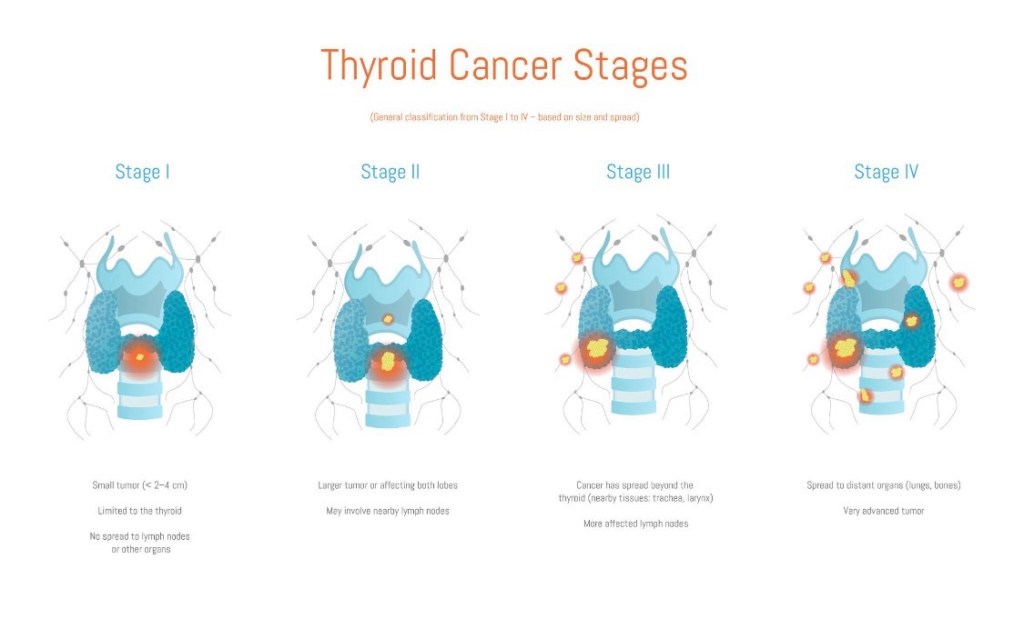
Hearing the word cancer is frightening—but it’s important to understand the actual risk.

📊 How common is thyroid cancer?

Thyroid cancer accounts for ~1–2% of all cancers Although diagnoses have increased (largely due to better imaging), most thyroid cancers are low-risk Survival rates are excellent, especially when detected early

🧠 What does this mean for patients?

Only 5–10% of thyroid nodules are cancer The most common type, papillary thyroid cancer, has a >95% long-term survival Many patients can be treated with limited surgery or even active surveillance

🔍 Why are we diagnosing more thyroid cancer?

Widespread use of high-resolution ultrasound Detection of small, clinically indolent tumors ➡️ This is why risk stratification and thoughtful management are critical—to avoid overtreatment.

🦋 The big picture

Thyroid cancer is:

✔️ Commonly curable

✔️ Often slow-growing

✔️ Best managed with individualized, evidence-based care

👨‍⚕️ Dr. Rodrigo Arrangoiz, MD

Surgical Oncologist – Thyroid, Head & Neck, Breast

Mount Sinai Medical Center

📌 Take-home message:

Most thyroid nodules are benign, and even when cancer is present, outcomes are overwhelmingly favorable when managed correctly.

📚 References

SEER Cancer Statistics Review Haugen BR et al. ATA Guidelines. Thyroid Brito JP et al. Overdiagnosis of Thyroid Cancer. BMJ

Thyroid Awareness Month What is a Thyroid Fine-Needle Aspiration Biopsy?

Thyroid Awareness Month

What Is a Thyroid Fine-Needle Aspiration (FNA) Biopsy?

A thyroid FNA biopsy is the standard, evidence-based test used to determine whether a thyroid nodule is benign or malignant—and it is far simpler than most patients expect.

🧪 How is the biopsy performed? (Step-by-step)

Ultrasound guidance precisely targets the nodule A very thin needle is used to collect cells Multiple passes may be taken to ensure accuracy The procedure takes 5–10 minutes You go home the same day and resume normal activities

✔️ No general anesthesia

✔️ Minimal discomfort

✔️ Very low risk of complications

🔬 What happens to the sample?

The cells are analyzed by an experienced cytopathologist and reported using the Bethesda System, which helps guide:

Observation Repeat biopsy Molecular testing (when appropriate) Surgery (only when necessary)

📊 Key facts for patients

Most biopsies come back benign FNA prevents unnecessary thyroid surgery Results allow for personalized, evidence-based care

🦋 Why this matters

A properly performed, ultrasound-guided FNA is:

Accurate Safe Essential for making the right treatment decision

👨‍⚕️ Dr. Rodrigo Arrangoiz, MD

Surgical Oncologist – Thyroid, Head & Neck, Breast

Mount Sinai Medical Center

📌 Take-home message:

A thyroid biopsy is not something to fear —

it is a tool that helps ensure you get the right care and avoid unnecessary treatment.

📚 References

Cibas ES, Ali SZ. The Bethesda System for Reporting Thyroid Cytopathology. Thyroid Haugen BR et al. ATA Guidelines for Thyroid Nodules. Thyroid Gharib H et al. Fine-Needle Aspiration of Thyroid Nodules. Endocrine Practice

Atypical Ductal Hyperplasia (ADH) Identified on Core Needle Biopsy – Upgrade Risk to Malignancy

  • Excisional biopsy:
    • Is recommended for most ADH lesions diagnosed on core needle breast biopsy (CNB)
  • The chance of upgrade at excision to:
    • Ductal carcinoma in situ (DCIS) or invasive carcinoma is generally in the:
      • 12% to 22% range in the literature
  • The need for routine excision of pure flat epithelial atypia (FEA) has been less clear:
    • Some authors have reported an upgrade rate of 9.6% following excision of lesions that show pure FEA without ADH when the vast majority of biopsies were done with a 14-gauge spring-loaded core biopsy device:
      • It is not clear that biopsy with a vacuum-assisted device would yield the same results:
        • In fact, in one study reporting biopsy of low-risk calcifications with a vacuum-assisted device, pure FEA never resulted in an upgrade to malignancy
      • An article from the Mayo Clinic:
        • Showed that FEA does not seem to convey an independent risk of breast cancer beyond that of associated proliferative disease without atypia or associated ADH
  • The risk of upgrade at surgical excision for ADH:
    • Has been reported to correlate with the number of ducts or terminal duct lobular units involved on vacuum-assisted core biopsy:
      • With two or fewer foci of involvement:
        • There was no upgrade on excision
      • With four or more foci of involvement:
        • There was a strong probability of upgrade to ductal carcinoma in situ or invasive carcinoma at excision
  • Work continues to try to define a low-risk group who could potentially avoid excisional biopsy:
    • Particularly those with small areas of calcifications completely removed with core needle biopsy and only focal ADH on pathology
  • Apocrine metaplasia, florid epithelial hyperplasia of the usual variety, and columnar cell change without atypia:
    • Do not confer a significant risk of upgrade and do not require excision
  • References
    • Eby PR, Ochsner JE, DeMartini WB, Allison KH, Peacock S, Lehman CD. Is surgical excision necessary for focal atypical ductal hyperplasia found at stereotactic vacuum-assisted breast biopsy? Ann Surg Oncol. 2008;15(11):3232-3238.
    • Ely KA, Carter BA, Jensen RA, Simpson JF, Page DL. Core biopsy of the breast with atypical ductal hyperplasia: a probabilistic approach to reporting. Am J Surg Pathol. 2001;25(8):1017-1021.
    • Khoumais NA, Scaranelo AM, Moshonov H, Kulkarni SR, Miller N, McCready DR, et al. Incidence of breast cancer in patients with pure flat epithelial atypia diagnosed at core-needle biopsy of the breast. Ann Surg Oncol. 2013;20(1):133-138.
    • Said SM, Visscher DW, Nassar A, Frank RD, Vierkant RA, Frost MH, et al. Flat epithelial atypia and risk of breast cancer: a Mayo cohort study. Cancer. 2015;121(10):1548-1555.
    • McGhan LJ, Pockaj BA, Wasif N, Giurescu ME, McCullough AE, Gray RJ. Atypical ductal hyperplasia on core biopsy: an automatic trigger for excisional biopsy? Ann Surg Oncol. 2012;19(10):3264-3269.

Microinvasion in Ductal Carcinoma In Situ (DCIS)

  • The eighth edition of the American Joint Committee on Cancer (AJCC) staging system:
    • Defines microinvasion as:
      • Invasion of breast cancer cells:
        • Through the basement membrane at one or more foci:
          • None of which exceeds a dimension of 1 mm
    • DCIS:
      • Is a Tis lesion:
        • Is classified as stage 0 cancer
    • DCIS with microinvasion is considered:
      • T1mi:
        • Upstages DCIS from stage 0 to stage I disease:
          • The earliest stage of invasive cancer:
            • In the AJCC staging system
  • By definition:
    • DCIS does not have the ability to metastasize to axillary lymph nodes or distant sites:
      • Whereas DCIS with microinvasion does
  • Axillary metastasis:
    • Has been reported in 0% to 20% (0% to 28% in some series) of patients:
      • With DCIS with microinvasion
  • The incidence of microinvasion in DCIS:
    • Varies according to:
      • The size and extent of the index lesion
    • Lagios et al. (1989):
      • Reported a 2% incidence of microinvasion in patients with DCIS:
        • Measuring ≤ 25 mm in diameter
      • Compared with a 29% incidence of microinvasion:
        • In those with lesions ≥ than 26 mm
    • The incidence of microinvasion is also higher in patients with:
      • High-grade or comedo-type DCIS with necrosis
      • In patients with DCIS who present with:
        • A palpable mass
        • Nipple discharge
  • Historically, patients with DCIS with microinvasion:
    • Have been observed to have a worse prognosis:
      • Compared with those who have DCIS alone
    • Mirza et al. (2000):
      • Reported the long-term results of breast-conserving therapy in patients with:
        • DCIS
        • DCIS with microinvasion
        • T1 invasive breast cancers
      • The 20-year disease-specific survival rates in patients with:
        • DCIS were better:
          • Than those among patients with DCIS with microinvasion or with T1 invasive tumors
        • Patients with microinvasion and those with T1 tumors:
          • Had similar survival rates
    • In a retrospective study of 1,248 serially sectioned DCIS tumors, de Mascarel et al. (2002):
      • Reported a 10.1% incidence of axillary metastases:
        • In cases of DCIS with microinvasion
      • Patients with DCIS had a better 10-year distant metastasis-free survival rate:
        • Than patients with DCIS with microinvasion:
          • 98% and 91%, respectively
      • The overall survival rate was also better in patients with DCIS compared to DCIS with microinvasion:
        • 96.5% vs. 88.4%
      • However, the metastasis-free and overall survival rates:
        • Were worse in patients with invasive ductal carcinoma compared with those with DCIS with microinvasion
      • These results suggest that DCIS with microinvasion:
        • Should be characterized as a small invasive tumor with a good outcome:
          • The therapeutic approach for these patients should be similar to that for patients with invasive cancer
  • However, more recent studies have pointed toward DCIS with microinvasion having a more similar natural history to pure DCIS than to early-stage invasive disease:
    • In a review of 393 patients treated at Yale between 1973 and 2004:
      • There was no statistically significant difference between patients with DCIS and those with DCIS with microinvasion with regard to the presence of axillary metastases (in those who had axillary staging) or the likelihood of recurrence (locoregional and distant) or overall survival (Parikh et al., 2012)
DCIS Histologic Classification

#Arrangoiz #CancerSurgeon #BreastSurgeon #SurgicalOncologist #BreastCancer #LCIS #DCIS #DuctalCarcinomaInsitu #LobularNeoplasia #LobularCarcinomaInsitu #Surgeon #Teacher #Miami #Mexico #MSMC #MountSinaiMedicalCenter

Ductal Carcinoma In Situ (DCIS) /Intraductal Carcinoma Pathology 1

  • Significant increase in incidence after mammography screening:
    • 17-fold increase from 1970’s to 2004:
      • 1 in 1300 mammograms
    • Represents 20% of all screen-detected breast neoplasias diagnosed annually
  • DCIS by it self:
    • Is not a risk to life
  • DCIS may progress to invasion and compromise survival:
    • If left untreated:
      • 1 in 6 DCIS patients:
        • Progress to invasive breast cancer (IBC):
          • 70% estimated to remain indolent
  • At this time we do not have any robust biomarkers:
    • That can quantify the risk of progression to IBC or
    • Help us separate indolent disease:
      • From the potentially dangerous lesions
  • Risk of overtreament:
    • The increase incidence of DCIS in mammographically detected cases:
      • Has not lead to a decrease in the incidence of IBC or reduction of IBC morality
  • Risk factors for progression / recurrence of DCIS:
    • The risk factors for IBC recurrence may be different from the risks factors for DCIS recurrence?
      • Risk of IBC recurrence:
        • African American race
        • Premenopausal status
        • Detection by palpation
        • Involved margins
        • High histologic grade
        • High p16 expression
      • Risk of IBC or DCIS recurrence:
        • DCIS size
        • Histology type
        • Comedo necrosis
        • Grade
        • Young age
        • Close margins or positive margins
    • Patients with DICIS that recur with an IBC:
      • Some patients with DCIS may develop:
        • Progression of there disease
        • Some will have a de novo invasive breast cancer
        • Some might have a missed invasive cancer?
    • Patient that have a DCIS recurrence:
      • Might be a true in situ recurrence
      • De novo DCIS
      • Residual disease?
    • Studies are describing observations of events:
      • Synchronous IBC
      • Subsequent ipsilateral or contralateral DCIS or IBC (often a mixture)
      • We have limited data on DCIS progression with paired molecular profiles
  • The most consistent biological feature of DCIS:
    • Heterogeneity:
      • In clinical presentation
      • Morphology
      • Protein expression:
        • Including receptor status
      • Gene expression
      • Genetic alterations
      • Epigenetic alterations
    • The heterogeneity is:
      • Between patients – within the lesion – and within cells in a single duct
  • Morphological features that help us predict progression is:
    • Histologic grading:
      • Combing the nuclear grade 1 to 3 and necrosis into a three tier system (the good, the bad, and the ugly):
        • Low / intermediate / high grade
        • Grade 1 to 3
        • Van Nuys Group 1 to 3
        • DIN 1 to 3
      • We all know that there is regression towards the mean and substantial interobserver variation
Morphologic Features Suggestive of Progression
  • Unclear prognostic value of the 3-tier system:
    • We suspect that:
      • Low to intermediate grade = low risk of progression
      • High grade system = high risk of progression or shorter time to progression
    • Maxwell, A.J. Eur.J.Surg.Oncol.,2018, Ryser, MD. J.Natl Cancer Inst., 2019:
      • Risk of ipsilateral recurrence (DCIS / IBC) at 10 years:
        • High grade 17.6% (95% CI=12.1-25.2%)
        • Non high grade 12.2 (95% CI=8.6-17.1%):
          • Including grade 2
      • There is overlap in the confidence intervals
    • Low grade DCIS are the lesions that might have:
      • Discontinuous growth and skip lesions that might lead to a:
        • Greater likelihood of residual disease and recurrence?
    • Heterogeneity of grade within a lesion
  • Histology subtype as a prognostic factor:
    • Subtype:
      • Cribriform is more often a grade 1 lesion
      • Comedo type is more often a grade 3 lesion
    • Usually histology subtype correlates with grade but:
      • There is often a mixture of growth patterns:
        • Compromising the use for prognostication
Can we use histology as a prognostic feature?
  • Tumor micro environment:
    • Could potentially be the most important morphologic feature suggestive of progression especially:
      • Circumferential periductal fibrosis and associated tumor infiltrating lymphocytes (TIL):
        • Indicating host reaction to the tumor cells
    • Tumor micro environment includes:
      • Myoepithelial cell layer
      • Tumor infiltrating lymphocytes (TIL)
      • Adipocytes
      • Fibroblasts
      • Matrix
The border around the myoepithelial layer might have prognostic value.
  • The myoepithelial layer acts as a gatekeeper:
    • Has tumor suppressive functions
    • The largest gene expression change from normal tissue to DCIS:
      • Occurs in the myoepithelial layer
    • DCIS associated myoepithelial loss:
      • That leads the decrease tumor suppressor functions
    • The myoepithelial layer is lost in IBC
Myoepithelial layer acts as a GATEKEEPER
  • Disruption of the myoepithelial defense:
IBC with DCIS
Brown color – myoepithelium
Arrows point to the disrupted myoepithelial layer (micro-invasion)
  • Conflicting data on prognostic value of TIL:
    • Some studies have reported no prognostic value of stromal TIL for subsequent recurrences:
      • Does the spatial location of the immune cells matter?
        • The TIL in direct contact with the DCIS might be more important that the TIL that are further away
    • Other studies have shown a correlation between higher levels of TIL and increased risk of subsequent IBC and a shorter (ipsilateral) recurrence-free survival