Blog

Recombinant Human Parathyroid Hormone 1-84 is Safe for Long-Term Use

Natpara_R_Logo_CMYK_US_FNL_D

Recombinant human parathyroid hormone 1-84 (rhPTH[1-84]) (Natpara):

  • New research has shown that Natpara is safe and effective:
    • Based on data were patients used Natpara for over 6 years of continuous use for the treatment of adults with chronic hypoparathyroidism:
      • Findings from the long-term, open-label RACE extension study were presented March 26, 2019 at ENDO 2019: The Endocrine Society Annual Meeting by:
        • John P. Bilezikian, MD, professor of medicine at Columbia University, New York City.
  • Hypoparathyroidism is a disorder of mineral homeostasis characterized by deficient or absent parathyroid hormone:
    • The associated clinical findings are:
      • Hypocalcemia, hyperphosphatemia, and reduced tubular reabsorption of calcium, often leading to hypercalciuria.
  • Conventional treatment with:
    • Oral calcium and activated vitamin D (calcitriol):
      • Doesn’t always maintain normal serum calcium levels and also doesn’t restore other physiologic actions of the missing parathyroid hormone.
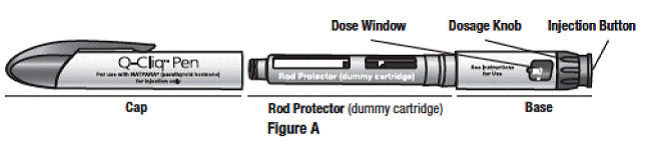
  • The once-daily subcutaneous injectable drug:
    • Was approved by the US Food and Drug Administration in 2015 and European Medicines Agency (Natpar) in 2017:
      • The new follow-up data is important because the original phase three trial lasted only 26 weeks:
        • These patients have a lifelong disease:
          • Physician who prescribe his drug like to have long-term safety and efficacy data:
            • It still continues to demonstrate efficacy and no safety concerns have surfaced since the original study.
      • One new finding did arise in the 6-year data that was not seen in the original phase 3 REPLACE trial:
        • Urine calcium levels eventually went down among the patients who received rhPTH(1-84):
          • Whereas those levels hadn’t previously changed significantly over 26 weeks:
            • One of the main shortfalls of conventional therapy is that you get hypercalciuria and that can be damaging to the kidneys:
              • So if this data indeed holds up that the urine calcium concentration will eventually fall, that will mean this is a good way to go in those individuals in whom you can’t control the urine calcium by conventional therapy and other adjunctive therapy that we use to try and bring the urine calcium down.

natpara4

  • Relentless Reduction in Urine Calcium Excretion Over 6-Years:
    • The RACE study, an open-label extension of REPLACE and another phase 3 trial:
      • Enrolled 49 patients from 12 US centers
        • 82% were women
        • Mean age 48 years
        • Hypoparathyroidism duration of about 16 years
      • Bilezikian reported findings for 34 of those patients who had completed 72 months of the study:
        • They were started on 25 or 50 µg/day of rhPTH(1-84) and titrated up or down to a maximum of 100 µg/day depending on serum calcium:
          • The goal was to maintain the albumin-corrected serum calcium between 8 mg/dl to 9 mg/dL.
          • Oral calcium and calcitriol supplementation doses were continued and also adjusted up or down to help achieve that target.   
        • The composite efficacy endpoint was:
          • The proportion of patients who achieved at least:
            • A 50% reduction from baseline in oral calcium dose (or calcium ≤ 500 mg/day) and at least a 50% reduction from baseline in calcitriol dose (or calcitriol ≤ 0.25 µg/day):
              • While normalizing or maintaining albumin-corrected serum calcium compared with baseline and not exceeding the upper limit of normal for the central laboratory.
        • After the first year:
          • 76% of patients had achieved the primary composite endpoint.
        • By 72 months:
          • 65% of the 34 patients who reached that timepoint met the primary endpoint:
            • Among the 34 patients, there was a 40% reduction in oral calcium supplementation doses and a 72% reduction in calcitriol dose, while albumin-corrected serum calcium levels were maintained within the target range (mean 8.4 mg/dL at baseline and 6 years).
        • And there was a “very interesting, progressive, if not relentless,” reduction in urinary calcium excretion:
          • From hypercalciuric values (mean 357 mg/24 hours) at baseline to normal levels (213 mg/24 hours) at 6 years.
        • At the same time, there were no significant changes in serum creatinine concentrations or estimated glomerular filtration rate.
      • Average serum phosphorus levels also declined rapidly and significantly:
        • From 4.8 mg/dL at baseline and was maintained at about 4.0 mg/dL through the 6 years.
      • Calcium phosphate product also dropped quickly:
        • By an average of 9.5 mg2/dL2 lower than baseline at 6 years.


  • No Unexpected Adverse Events: 
    • Adverse events were reported by most patients:
      • The most common drug-related adverse events were:
        • Nausea, hypercalcemia, and hypocalcemia.
    • A quarter of the patients experienced serious adverse events:
      • But none where believed to be because of the drug. 
  • Conclusions:
    • Continuous use of rhPTH(1-84) over 6 years resulted in a:
      • Favorable safety profil
      • Was effective
      • Improved key measurements of mineral homeostasis:
        • Notably normalization of urinary calcium.
  • ENDO 2019. Presented March 26, 2019. Abstract OR30-1.
 

20d943b1-6f20-49c3-9754-2f3756051c93.jpg

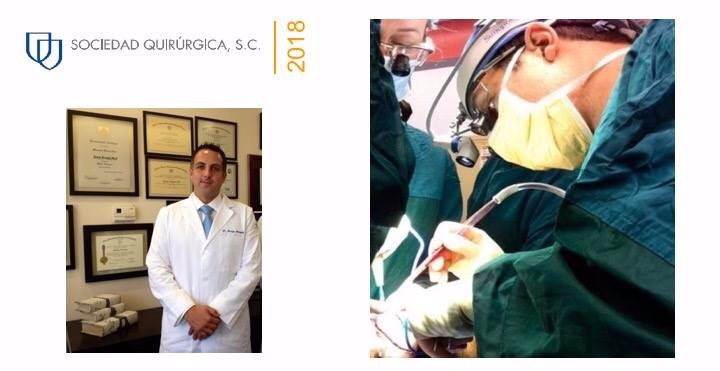
Rodrigo Arrangoiz MS, MD, FACS a head and neck surgeon / endocrine surgeon / surgical oncologist and is a member of Sociedad Quirúrgica S.C at the America British Cowdray Medical Center in Mexico City:

  • He is an expert in the management of hyperparathyroidism.

Training:

• General surgery:

• Michigan State University:

• 2004 al 2010

• Surgical Oncology / Head and Neck Surgery / Endocrine Surgery:

• Fox Chase Cancer Center (Filadelfia):

• 2010 al 2012

• Masters in Science (Clinical research for health professionals):

• Drexel University (Filadelfia):

• 2010 al 2012

• Surgical Oncology / Head and Neck Surgery / Endocrine Surgery:

• IFHNOS / Memorial Sloan Kettering Cancer Center:

• 2014 al 2016

#Arrangoiz

#Teacher

#Surgeon

#Cirujano

#SurgicalOncologist

#CirujanoOncologo

#CancerSurgeon

#CirujanodeCancer

#HeadandNeckSurgeon

#CirugiaEndocrina

#EndocrineSurgery

#CirujanodeCabezayCuello

#ParathyroidExpert

#ExpertoenParatiroides

#Hyperparathyroidismo

#Hiperparatiroidismo

#ThyroidExpert

#ExpertoenTiroides

http://www.cirugiatiroides.com

http://www.hiperparatiroidismo.info
http://www.sociedadquirurigca.com

Sociedad Quirúrgica S.C

Logo Sociedad Quirúrgica


En Sociedad Quirúrgica S.C. nuestra prioridad y único interés es el bienestar de nuestros pacientes.

  • Nuestros servicios brindan total dedicación al paciente para restablecer su estado de salud mediante el empleo de conocimientos médicos vigentes y técnicas de vanguardia cuya efectividad se ha demostrado científicamente. Más aún, correspondemos a la confianza depositada en nosotros al brindar tratamiento óptimo con ética y honestidad.

Sociedad Quirúrgica S.C. está integrada por un selecto grupo de cirujanos generales con varias subespecialidades en distintas áreas quirúrgicas que permiten optimizar el manejo multidisciplinario de nuestros pacientes mediante el trabajo en equipo:

  • Todo el Staff de Sociedad Quirúrgica ha tenido entrenamiento de posgrado en distinguidas instituciones del extranjero tales como: Mayo Clinic (Rochester, Minnesota); Michigan State University (Michigan); Fox Chase Cancer Center (Philadelphia); Drexel University (Philadephia), Univerity of Chicago (IL), University of Pittsburgh (PA), y   Darthmouth University (NH). 

​Además de nuestra práctica clínica, los cirujanos de Sociedad Quirúrgica S.C. estamos involucrados en actividades de docencia tanto de pregrado como posgrado a nivel institucional y privado:

  • Estamos involucrados en actividades académicas a través de nuestra participación en diferentes asociaciones médico-quirúrgicas tanto a nivel nacional como internacional y realizamos actividades de investigación clínica en las áreas que nos competen.

Estamos seguros que todas éstas actividades se complementan y resultan en beneficios tangibles para nuestros pacientes al permitirnos aplicar día a día las técnicas más avanzadas y eficaces para lograr diagnósticos certeros y tratamientos óptimos en nuestros pacientes.

En Sociedad Quirúrgica S.C. nos hemos dado a la tarea de satisfacer las demandas de salud de la población de Ciudad de México y sus alrededores ofreciendo servicios integrales de prevención y tratamiento contra las enfermedades:

  • Para lograr esto, contamos con la tecnología más avanzada en instalaciones y equipos, así como médicos profesionales especializados en diversas áreas de la medicina.

http://www.sociedadquirurgica.com

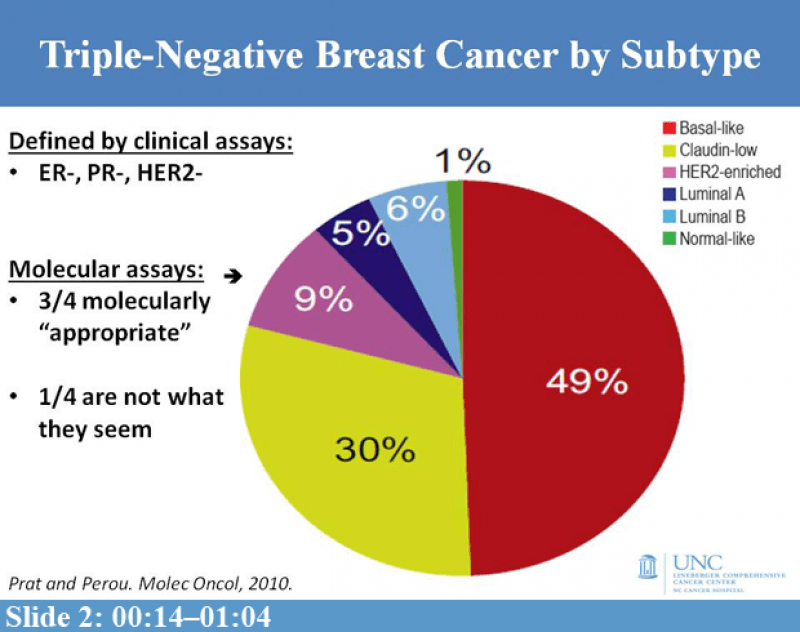
Triple-Negative Breast Cancers (TNBCs)

slide4

  • Triple-negative breast cancers (TNBCs):
    • Negative for estrogen receptor, progesterone receptor, and human epidermal growth factor receptor 2.
    • They account for approximately 15% to 20% of all female breast cancers.
    • TNBC is heterogeneous based on gene expression microarray, and identification of TNBC subtypes and their behavior has the potential to enable more targeted, neoadjuvant, and adjuvant interventions.
    • TNBCs usually are higher grade (Nottingham score 3) and are more common in younger, Hispanic, and African American women.
    • They are more aggressive, have an increased likelihood of distant disease and mortality.
    • They are larger at presentation, and are more likely to be associated with lymph node metastases.
    • Patients with TNBC are at a higher risk for visceral metastases early in the course of the disease.
    • Genetic risk evaluation is recommended for patients with TNBC diagnosed at or before 60 years of age.
    • Surgical management may be influenced by gene testing results.
    • Standard adjuvant chemotherapy is anthracycline or taxane based.

TNBC-slide2_0


tripple-neg


Rodrigo Arrangoiz MS, MD, FACS a surgical oncologist and is a member of Sociedad Quirúrgica S.C at the America British Cowdray Medical Center in Mexico City:

  • He is an expert in the management of breast cancer.

    • If you have any questions about the management of triple negative breast cancer patients please fill free to contact Dr. Arrangoiz.

20d943b1-6f20-49c3-9754-2f3756051c93

Training:

• General surgery:

• Michigan State University:

• 2004 al 2010

• Surgical Oncology / Head and Neck Surgery / Endocrine Surgery:

• Fox Chase Cancer Center (Filadelfia):

• 2010 al 2012

• Masters in Science (Clinical research for health professionals):

• Drexel University (Filadelfia):

• 2010 al 2012

• Surgical Oncology / Head and Neck Surgery / Endocrine Surgery:

• IFHNOS / Memorial Sloan Kettering Cancer Center:

• 2014 al 2016

#Arrangoiz

#Surgeon

#Cirujano

#SurgicalOncologist

#CirujanoOncologo

#BreastSurgeon

#CirujanodeMama

#CancerSurgeon

#CirujanodeCancer

http://www.sociedadquirurigca.com


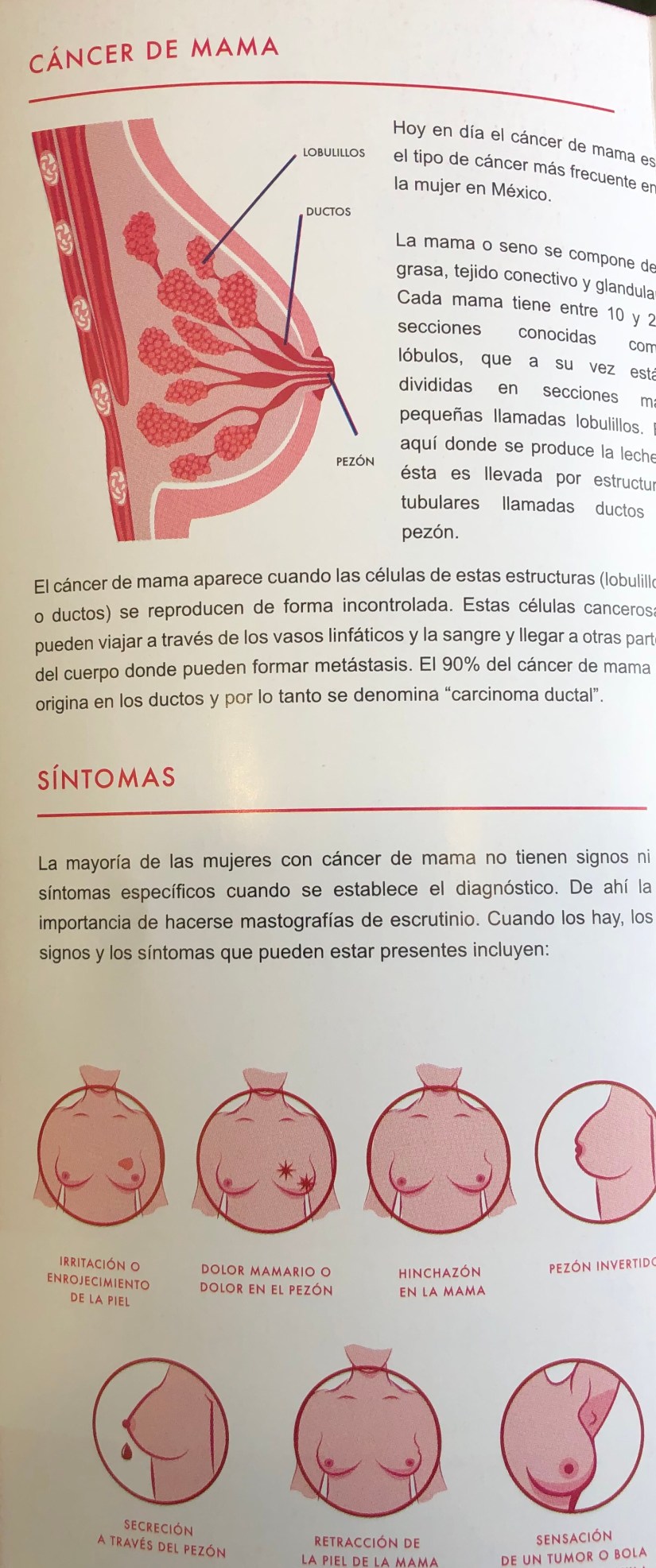
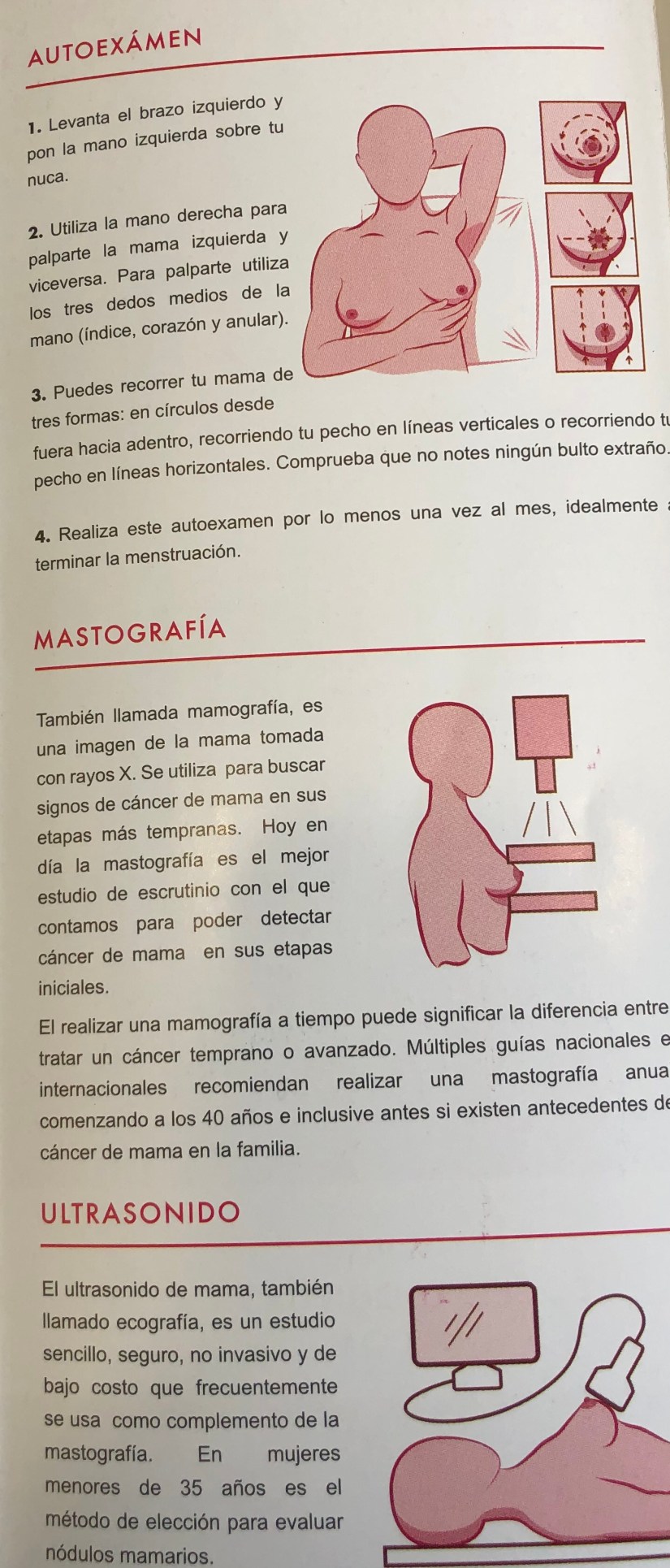
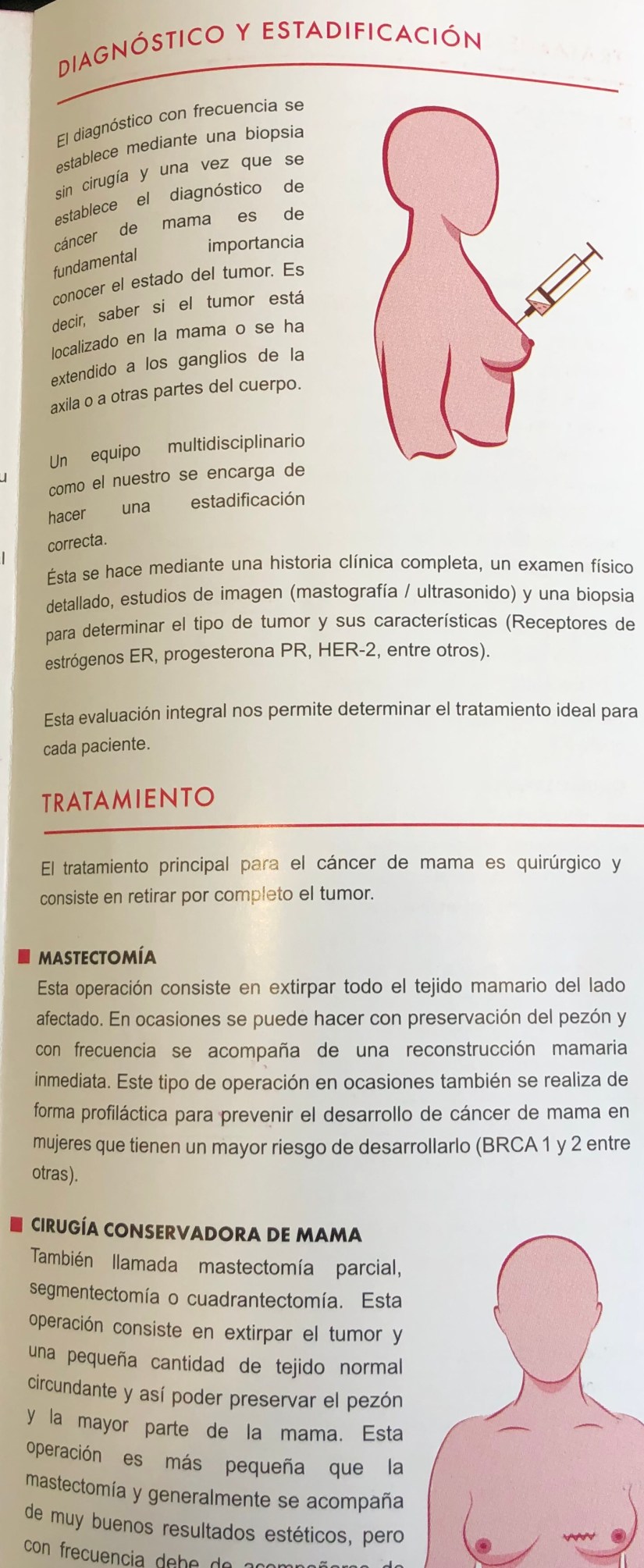
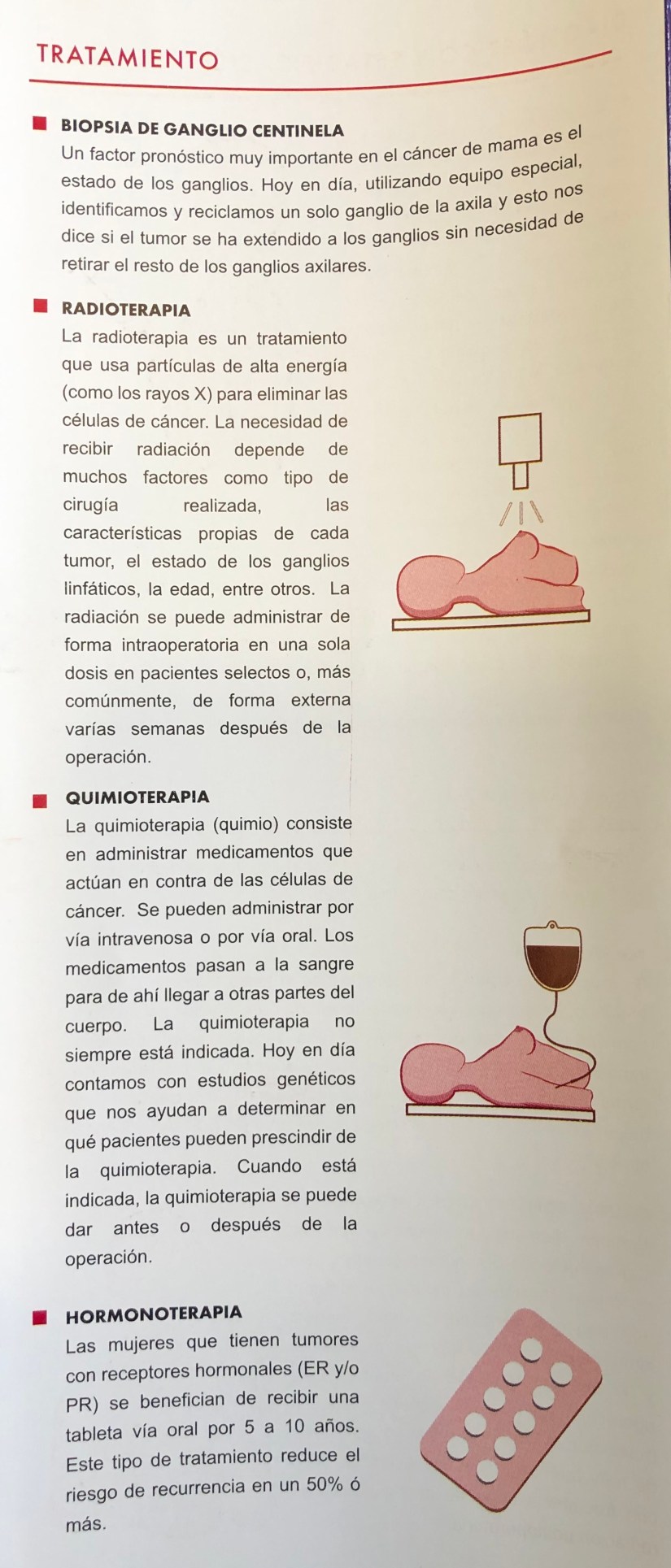
img_0832-2img_0833-2img_0834-2img_0835-2img_0836-2img_0837-2

Hashimoto’s Disease: Trial Puts Thyroidectomy Into Sharper Focus

Surgical intervention helped with persistent symptoms of Hashimoto’s disease, according to results of a randomized trial from Norway.

Among patients with euthyroid status on hormone replacement therapy, but who had persistent Hashimoto-related symptoms, total thyroidectomy significantly improved overall health 18 months after surgery compared with hormonal medical management (between-group difference: 29 points on Short Form-36 Health Survey, 95% CI 22-35 points), reported Ivar Guldvog, MD, PhD, of Telemark Hospital in Skien, and colleagues.

https://www.medpagetoday.com/endocrinology/thyroid/78497?vpass=1

#Arrangoiz

#HeadandNeckSurgeon

#EndocrineSurgery

#ThyroidExpert

#ThyroidCancer

#SurgicalOncologist

http://www.cirugiatiroides.com

Desmoplastic Melanoma (DM)

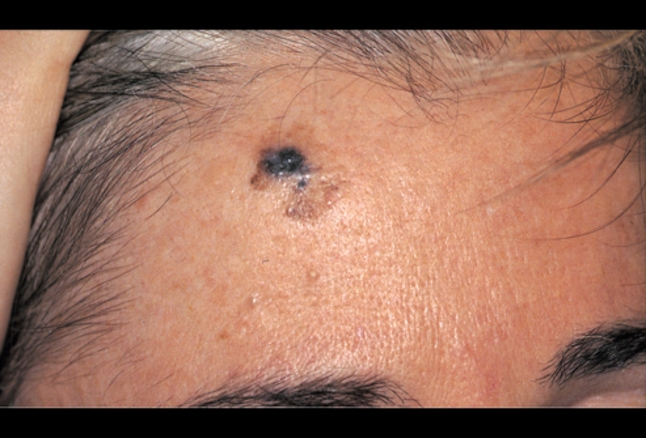
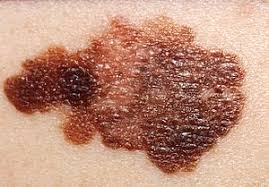
  • Desmoplastic melanoma (DM) is a rare, fibrosing subtype of melanoma:
    • It accounts for 1% to 4 % of all melanoma cases. 
  • It is seen typically in elderly patients:
    • Mean age at diagnosis:
      • 66 years 
    • Usually it is found in sun damaged patients:
      • Frequently located on:
        • The head and neck:
          • 53% of the cases
        • Extremities:
          • 26% of the cases
        • Trunk:
          • 20% of the cases
    • Men are reportedly two times more susceptible to DM as compared to women. 
  • Usually, DMs present as:
    • Non-pigmented, skin colored and scar-like indurated dermal papules, plaques or nodules:
      • Due to lack of prominent clinical features:
        • The tumors are detected late and most reach significant depth (reticular dermis or even deeper) at the time of diagnosis. 

Unknown-1


images


FCASCD_desmoplastic_melanoma

  • The differential diagnosis includes:
    • Neurofibroma
    • Spindle cell sarcoma
    • Schwannoma
    • Dermatofibroma
    • Blue nevus
    • Fibromatosis
    • Scar
  • DMs are sometimes associated with neurotropism with a tendency of perineural invasion:
    • In these cases the term ‘desmoplastic neurotrophic melanoma’ is used to describe the tumors.
  • Dermoscopic evaluation demonstrates that:
    • The majority of DMs lacked melanocytic pigmented structures.
    • All cases of DM had at least one melanoma-specific structure, like:
      • Atypical vascular structures
      • Peppering
      • Blue-white veil
      • Atypical globules
      • Crystalline structures
      • Atypical network
      • In some cases dense collagen fibrils
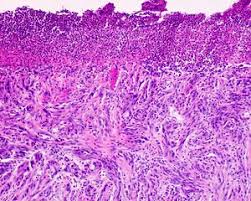
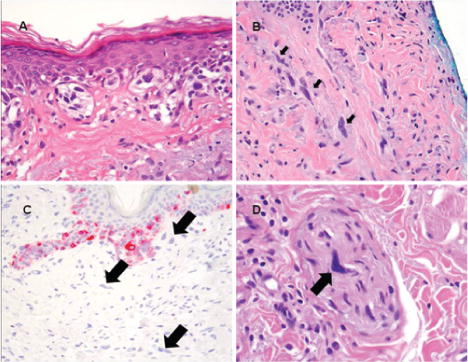
  • Histologically:
    • The lesions have dermal and subcutaneous spindle-shaped cells arranged as a single infiltrate or organized into fascicles.

Unknown


jns10913f4

  • DMs are subdivided into:
    • Pure DM (pDM):
      • Comprising of entirely or almost entirely desmoplastic components,
    • Combined DM (cDM):
      • Comprising of a desmoplastic component admixed with a non-desmoplastic component. 
  • Proteins are downstream of up regulated genes:
    • Identification of specific proteins associated with melanoma progression may provide prognostic indicators and therapeutic targets.
    • DM and superficial spreading melanoma (SSM) have variably expressed proteins:
      • Desmoglein 1 is one protein expressed higher during the development of DM than SSM.
      • Heat shock proteins (HSPs) are uniformly elevated in SSM in comparison with DM:
        • HSPs have been postulated to:
          • Protect tumor cells from destruction by innate immunity
          • Promote cell-cycle dysregulation
          • Promote invasion
          • Promote neovascularization
      • Immunohistochemically:
        • The tumor cells of DM often fail to react with many antibodies such as melan A:
          • But are usually positive for:
            • S100 protein
            • Nerve growth factor receptor
            • SOX10 gene.
      • Neurofibromin 1 is the gene most commonly mutated in DM:
        • 93% of the cases:
          • Usually resulting in non-functional proteins.
      • SOX10 protein is a transcription factor important for neural crest, peripheral nervous system, and melanocytic development:
        • SOX10 is highly specific and sensitive for malignant melanoma:
          • Including DM and spindle cell melanomas:
            • Being expressed 98% of the time
  • Surgical excision is the current treatment of choice:
    • Yet, there have not been established optimal margins:
      • Because of the depth of invasion at the time of diagnosis, achieving clear surgical margins upon extirpation becomes difficult.
        • This is especially true in large resections of aesthetically sensitive areas, such as the head and neck.
    • Low incidence of lymph node involvement:
      • Ranging from 4% to 14%:
        • This distinguishes it from other types of melanoma.
      • Low incidence of regional lymph node metastases suggests that elective lymph node dissection is not indicated.
    • There may be benefit to identifying, and histologically evaluating, nerves encountered during the resection.
    • In patients with positive surgical margins:
      • One study showed a local recurrence rate of 14% in radiotherapy patients as compared with 54% in those who did not:
        • Thus, evidence shows adjuvant radiotherapy should be the standard treatment of DM patients with:
          • Positive margins
          • Advanced Clark level
          • Breslow thickness 4 mm or greater
          • Recurrent DM
          • Inoperable DM
          • DM with neurotropism (DNM)
  • The type of DM was found to be associated with disease recurrence and patient survival:
    • Positive sentinel node biopsy was more frequently found in cDMs as compared to pDMs
    • cDM patients have a worse prognosis as compared to pDM patients


Rodrigo Arrangoiz MS, MD, FACS a head and neck / surgical oncologist and is a member of Sociedad Quirúrgica S.C at the America British Cowdray Medical Center in Mexico City:

20d943b1-6f20-49c3-9754-2f3756051c93

Training:

• General surgery:

• Michigan State University:

• 2004 al 2010

• Surgical Oncology / Head and Neck Surgery / Endocrine Surgery:

• Fox Chase Cancer Center (Filadelfia):

• 2010 al 2012

• Masters in Science (Clinical research for health professionals):

• Drexel University (Filadelfia):

• 2010 al 2012

• Surgical Oncology / Head and Neck Surgery / Endocrine Surgery:

• IFHNOS / Memorial Sloan Kettering Cancer Center:

• 2014 al 2016

#Arrangoiz

#Surgeon

#Cirujano

#SurgicalOncologist

#CirujanoOncologo

#HeadandNeckSurgeon

#CirujanodeTumoresdeCabezayCuello

#CancerSurgeon

#CirujanodeCancer

http://www.sociedadquirurigca.com

Melanoma Epidemiology

Unknown

  • Cutaneous malignancies constitute one of the most commonly diagnosed cancers in the United States of America (USA):
    • More than half of all cancers diagnosed each year.
  • In the USA, approximately 1.2 million to 1.4 million cases of skin cancer are diagnosed annually:
    • The most common skin cancer types are:
      • Basal cell carcinoma (BCC)
      • Squamous cell carcinoma (SCC)
      • Melanoma
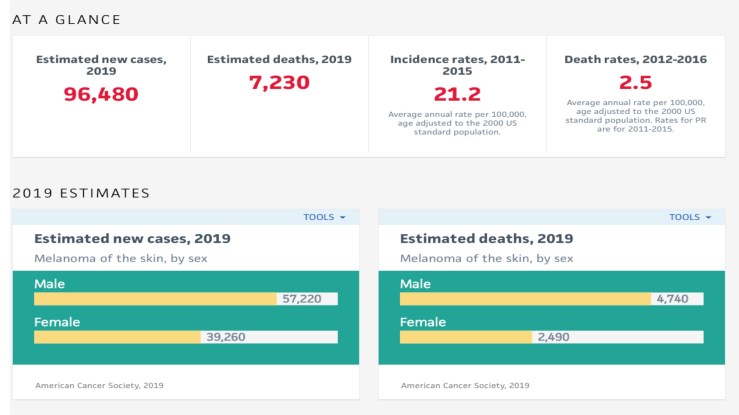
  • In the year 2019 an estimated:
    • 96, 480 new cases of melanoma will be diagnosed. 
    • 7230 deaths are estimated to occur in the year 2019 in the USA

Presentation1

  •  The incidence is increasing dramatically, at an overall rate of 33% for men and 23% for women from 2002 to 2006:
    • About 2.6% per year 
      • These estimates for new cases may represent a substantial underestimation because many superficial and in-situ melanomas treated in the outpatient setting are not reported. 
  • There will be approximately 7,230 deaths in the USA secondary to cutaneous melanoma in 2019:
    • Approximately 8000 patients will be found to have metastatic melanoma at the time of diagnosis. 
  •  Cutaneous melanoma accounts for 4% of all skin cancer diagnosis:
    • But accounts for 75% of skin cancer deaths. 
  • The age-adjusted incidence of invasive melanoma in the USA increased from approximately 4 per 100,000 to 18 per 100,000 in white males between 1973 and 1998:
    • The age-adjusted incidence of invasive melanoma in the USA increased to 21.1 per 100,000 in white males between 2011 and 2015. 
  • The incidence of melanoma continues to increase dramatically:
    • Melanoma is increasing in men more rapidly than any other malignancy and, in women more rapidly than any other malignancy except lung cancer. 
      • This disturbing increase can be ascribed to prevailing social attitudes toward sun exposure.


  • Risk Factors for Cutaneous Melanoma:
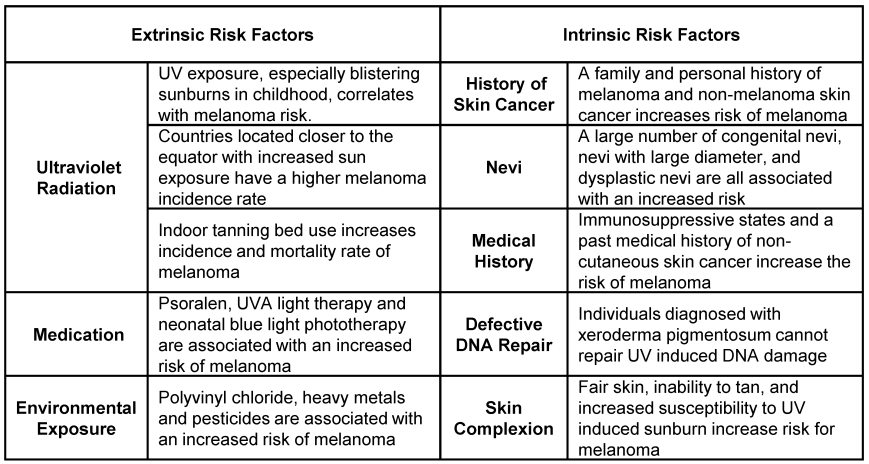
    • Risk factors for cutaneous melanoma are both genetic and environmental:
      • With interaction between the two playing a critical role.  
    • The majority (approximately 90%) of melanoma cases are sporadic.
    • The main environmental risk factor associated with cutaneous melanoma is exposure to UV radiation:
      • There is sufficient evidence that too much exposure to solar UV radiation is the main cause of both malignant melanoma and non-melanoma skin cancers in humans, according to the International Agency for Research on Cancer (IARC).
      • A history of more than ten severe and painful sunburns is associated with a two-fold greater risk of developing melanoma.
      • Intermittent sun exposure:
        • Defined as, sporadic and commonly associated with recreational activities, particularly among indoor workers who use weekend or vacation time to be outdoors and whose skin has not adapted to the sun:
          • Is the most important risk factor for melanoma:
            • Three systematic reviews have demonstrated similar estimates for the role of intermittent sun exposure in melanoma development (i.e., odds ratios [ORs] of 1.6 to 1.7).

image4

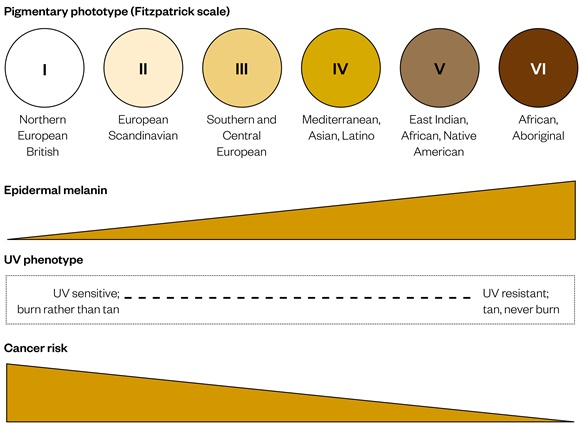
  • Pigment characteristics are important determinants of melanoma susceptibility:
    • There is an inverse correlation between melanoma risk and skin color that goes from lightest skin to darkest skin:
      • Melanoma occurs infrequently in skin of color:
        • Suggesting that skin pigment plays a protective role. 
    • Melanoma is 10 to 12 times more common in whites, and 6 to 7 times more common in Hispanics than in African Americans (AA). 
  • Fair complexion (Fitzpatrick skin photo-type I and II), blue or green eyes, blond or red hair, freckling are all risk factors for the development of melanoma:
    • A meta-analysis reported, that in contrast with people with Fitzpatrick skin photo-type IV:
      • Those with Fitzpatrick skin photo-type I are at more than double (2.27 times) the risk for developing malignant melanoma.
      • Those with Fitzpatrick skin photo-type II at double (1.99 times) the risk developing malignant melanoma.
      • Those with Fitzpatrick skin photo-type IIIa 35% increased risk for developing malignant melanoma. 

1073136_fitzpatrick-skin-type-classification-system-17

  • People with red / red – blonde hair have triple the malignant melanoma risk compared to dark-haired people. 
  • People with blond hair are at double the risk for developing malignant melanoma.
  • People with light brown hair are at 46% increased risk for developing malignant melanoma.
  • Individuals with freckles have double (1.99 times) the risk of malignant melanoma, as opposed to people without freckles:
    • These individuals with freckles have increased malignant melanoma risk, irrespective of the number of moles they have. 
  • Individuals with blue / green-blue /green-grey eyes are at increased risk of basal cell carcinoma (BCC), the risk for melanoma is less well known.


Rodrigo Arrangoiz MS, MD, FACS a head and neck / surgical oncologist and is a member of Sociedad Quirúrgica S.C at the America British Cowdray Medical Center in Mexico City:

20d943b1-6f20-49c3-9754-2f3756051c93

Training:

• General surgery:

• Michigan State University:

• 2004 al 2010

• Surgical Oncology / Head and Neck Surgery / Endocrine Surgery:

• Fox Chase Cancer Center (Filadelfia):

• 2010 al 2012

• Masters in Science (Clinical research for health professionals):

• Drexel University (Filadelfia):

• 2010 al 2012

• Surgical Oncology / Head and Neck Surgery / Endocrine Surgery:

• IFHNOS / Memorial Sloan Kettering Cancer Center:

• 2014 al 2016

#Arrangoiz

#Surgeon

#Cirujano

#SurgicalOncologist

#CirujanoOncologo

#HeadandNeckSurgeon

#CirujanodeTumoresdeCabezayCuello

#CancerSurgeon

#CirujanodeCancer

http://www.sociedadquirurigca.com

Management of Sentinel Lymph Node (SLN) Positive Breast Cancer Patients

ACOSOG+Z0011+TRIAL+Initially+published+in+2011+and+10+year+follow-up+published+Sept

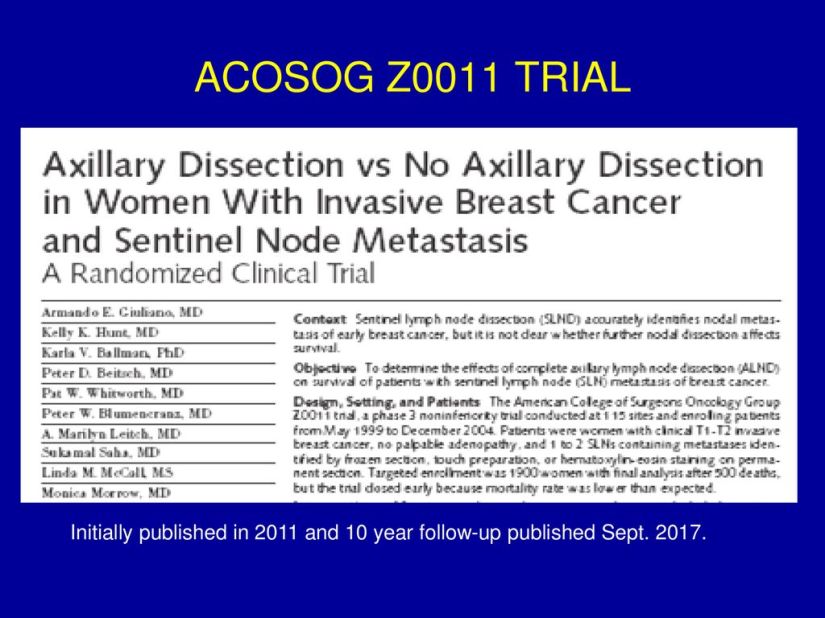
  • Traditionally, axillary lymph node dissection (ALND) was performed in the setting of a positive Sentinel Lymph Node (SLN):
    • A paradigm shift occurred in 2010 following results of the ACOSOG Z0011 trial which challenged the traditional approach:
      • This trial definitively changed the management of SLN positive axillary metastases in patients with early-stage clinically node-negative breast cancer.
    • The Z0011 trial enrolled patients with:
      • Clinically node-negative
      • T1 or T2 early-stage breast cancer undergoing breast conservation therapy (BCT) and SLN dissection
      • With three or fewer positive SLNs as detected by hematoxylin and eosin (H&E) staining.
    • Critically important to this study was the requirement that:
      • All patients received postoperative whole breast radiation and chemotherapy as indicated.
    • Patients were randomized to completion axillary dissection versus no further axillary surgery.
    • At a median follow-up of 6.3 years:
      • There was no difference in overall survival:
        • ALND 91.9% vs. 92.5% in SLN-only (P = 0.24)
      • There was no difference in disease free survival at 5 years:
        • ALND 82.2% vs. 83.8% in SLN-only (P = 0.13)
      • There was no significant difference in local recurrence:
        • 3.6% of the ALND group versus 1.8% of the SLND-only group.
      • After ALND alone:
        • Ipsilateral axillary recurrence was identified in 0.5% of patients 
      • After SLNB alone:
        • Ipsilateral axillary recurrence was identified in 0.9%
    • Although this study closed early due to poor accrual:
      • Results suggest that in clinically node-negative patients with early-stage breast cancer who will receive whole breast radiotherapy and systemic adjuvant therapy as indicated, ALND does not confer an improved survival advantage:
        • In this setting SLN dissection alone for appropriate staging with completed adjuvant therapy may offer excellent regional control with decreased morbidity.
    • Since the publication of these practice-changing results,:
      • The Z0011 findings have been rapidly and widely adopted and are now considered standard practice.
      • It is important to note that these findings are not applicable to all patients including:
        • Those with locally advanced (T3 or T4) disease
        • Those who received neoadjuvant chemotherapy
        • Those undergoing mastectomy

Rodrigo Arrangoiz MS, MD, FACS a surgical oncologist and is a member of Sociedad Quirúrgica S.C at the America British Cowdray Medical Center in Mexico City:

  • He is an expert in the management of breast cancer.

    • If you have any questions about the management of Sentinel Lymph Node (SLN) positive breast cancer patients please fill free to contact Dr. Arrangoiz.

20d943b1-6f20-49c3-9754-2f3756051c93

Training:

• General surgery:

• Michigan State University:

• 2004 al 2010

• Surgical Oncology / Head and Neck Surgery / Endocrine Surgery:

• Fox Chase Cancer Center (Filadelfia):

• 2010 al 2012

• Masters in Science (Clinical research for health professionals):

• Drexel University (Filadelfia):

• 2010 al 2012

• Surgical Oncology / Head and Neck Surgery / Endocrine Surgery:

• IFHNOS / Memorial Sloan Kettering Cancer Center:

• 2014 al 2016

#Arrangoiz

#Surgeon

#Cirujano

#SurgicalOncologist

#CirujanoOncologo

#BreastSurgeon

#CirujanodeMama

#CancerSurgeon

#CirujanodeCancer

http://www.sociedadquirurigca.com


img_0832img_0833img_0834img_0835img_0836img_0837