Blog

Breast Cancer during Pregnancy

  • Diagnosis of a breast cancer during pregnancy requires:
    • A complex treatment plan with multiple multidisciplinary providers:
      • From both oncology and obstetrics:
        • Coordinating the timing of cancer treatment and the delivery of a high-risk pregnancy
  • Gestational or pregnancy-associated breast cancer:
    • Refers to any breast cancer diagnosed:
      • During pregnancy or within the first year after childbirth
    • This is a rare diagnosis:
      • Yet remains the most common cancer in pregnant women:
        • Affecting approximately 15 to 35 per 100,000 deliveries:
          • Approximately 0.05%
    • The majority of pregnancy-associated breast cancers are:
      • Ductal in origin
      • More likely to be poorly-differentiated
      • ER negative or PR negative and HER2-positive compared to non-pregnant women
      • Present at advanced stages
    • Evaluation of a dominant breast mass should include:
      • Ultrasound and mammogram with fetal shielding, and core biopsy:
        • Interpretation of mammography can be difficult in the highly dense tissue of pregnant women
        • Use of MRI during pregnancy is both contraindicated and unhelpful:
          • Gadolinium contrast may cause fetal harm during the first trimester and is typically avoided
      • Although the majority (approximately 80%) of breast biopsies in pregnant women will be benign:
        • It is critical that malignancy be ruled out
      • Fine needle aspiration during pregnancy is associated with a higher rate of false positive and false negative results, without receipt of tumor markers:
        • Therefore core biopsy is recommended
      • Routine staging is not recommended:
        • In an asymptomatic patient with early-stage breast cancer
      • Routine staging if indicated:
        • Should be performed per National Comprehensive Cancer Network guidelines:
          • With consideration given to safety of both the patient and fetus
        • CT scans are not recommended due to excessive fetal radiation exposure

Early termination of pregnancy, is not thought to improve outcome in these patients

  • Staging should be performed in women with advanced disease, and in those with symptoms concerning for metastases:
    • This should include:
      • Chest radiograph with fetal shielding
      • Liver ultrasound or MRI without contrast
      •  “Low-dose” radionuclide bone scans
    • When possible, treatment of pregnancy-associated breast cancers:
      • Should follow similar guidelines to non-pregnant patients, and if at all possible, the pregnancy should be carried to term
    • Systemic treatment of breast cancer during pregnancy:
      • Involves special consideration of both the mother and baby
    • Surgery is safe at all stages
    • Chemotherapy can be delivered:
      • From 14 weeks of gestation following completion of organogenesis through 35 weeks,:
        • When it should be stopped to avoid leukopenia in preparation for delivery
    • Data from a single-institution prospective study indicates that:
      • FAC chemotherapy (5-FU, doxorubicin, and cyclophosphamide) is safe during the second and third trimesters:
        • With fetal malformations approximating 1%
    • Experience with taxanes remained limited:
      • There are insufficient safety data regarding the use of taxanes during pregnancy and as such they are not recommended for general use during pregnancy
        • But the National Comprehensive Cancer Network (NCCN) guidelines:
          • Recommend weekly paclitaxel if warranted
    • Methotrexates are contraindicated due to teratogenic side effects
    • Although 20% of pregnancy-associated breast cancers are HER2-positive:
      • Anti-HER2 therapy including trastuzumab has not been proven safe during pregnancy and is best delivered in the adjuvant setting
      • Anhydramnios has been reported with use of trastuzumab during pregnancy
      • MotHER, a prospective U.S. registry:
        • Is evaluating women exposed to trastuzumab +/- pertuzumab during pregnancy or within 6 months of conception and following pregnancy outcomes and infants for the first month of life:
          • Current recommendations suggest that targeted anti-HER2 therapy be delayed until after delivery
    • Breast conservation is not recommended:
      • If radiation would be timed during pregnancy because this is contraindicated:
        • However, it can be performed if radiation falls after delivery
    • Axillary lymph node dissection was previously recommended:
      • But sentinel lymph node biopsy is feasible and should be offered
    • Hormone therapy should be postponed until after childbirth
  • Chemotherapy during pregnancy can cause concerns for the fetus which depend on the timing of drug administration:
    • In the first trimester:
      • Congenital malformations can occur
    • In the second and third trimester the greatest concerns are :
      • Prematurity
      • Low birth weight
      • Myelosuppression
    • Among approved chemotherapy agents:
      • Long-term outcomes of children with in-utero exposure demonstrate normal development, cognition, and school performance when prematurity is controlled for
  • References
    • Brent RL. The effect of embryonic and fetal exposure to x-ray, microwaves, and ultrasound: counseling the pregnant and nonpregnant patient about these risks. Sem Oncol. 1989;16(5):347-368.
    • Meisel JL, Economy KE, Calvillo KZ, et al. Contemporary multidisciplinary treatment of pregnancy-associated breast cancer. Springerplus. 2013;2(1):297.
    • Pant S, Landon MB, Blumenfeld M, Farrar W, Shapiro CL. Treatment of breast cancer with trastuzumab during pregnancy. J Clin Oncol. 2008;26(9):1567-1569.
    • Yang WT, Dryden MJ, Gwyn K, Whitman GJ, Theriault R. Imaging of breast cancer diagnosed and treated with chemotherapy during pregnancy. Radiology. 2006;239(1):52-60.
    • Berry DL, Theriault RL, Holmes FA, et al. Management of breast cancer during pregnancy using a standardized protocol. J Clin Oncol. 1999;17(3):855-861.
    • Macdonald HR Pregnancy associated breast cancer. Breast J. 2020 Jan 14. doi: 10.1111/tbj.13714. [Epub ahead of print]
    • Goidescu I, Nemeti G, Caracostea G, Eniu DT, Chiorean A, Pintican R, Cruciat G, Muresan D. The role of imaging techniques in the diagnosis, staging and choice of therapeutic conduct in pregnancy associated breast cancer. Med Ultrason. 2019 Aug 31;21(3):336-343. doi: 10.11152/mu-1958. Review.
    • Alfasi A, et al. Breast Cancer during Pregnancy-Current Paradigms, Paths to Explore. Cancers. 2019; 11: 1669
    • Gooch JC1,2, Chun J1, Kaplowitz E1, Guth A1, Axelrod D1, Shapiro R1, Roses D1, Schnabel F1. Pregnancy-associated breast cancer in a contemporary cohort of newly diagnosed women Breast J. 2019 Aug 25. doi: 10.1111/tbj.13510. [Epub ahead of print]

#Arrangoiz #BreastSurgeon #CancerSurgeon #SurgicalOncologist #BreastCancer #PregnancyAssociatedBreastCancer #Miami #CASO #CenterforAdvancedSurgicalOncology

Surgery in Stage IV Breast Cancer

  • The role of locoregional treatment in the setting of de novo metastatic breast cancer:
    • Is controversial
  • Typically, surgery has been reserved for:
    • Palliation
  • A 2012 meta-analysis of 15 retrospective studies:
    • Showed resection of the primary tumor was associated with:
      • Increased overall survival:
        • OS; HR 0.69, 95% CI 0.63 to 0.77, P<0.00001
  • Unfortunately, recent prospective studies have shown conflicting results:
    • A Turkish study showed improved survival at a median of 40 months follow-up:
      • Especially in more indolent forms of breast cancer
    • In contrast, a U.S. study did not show improvement in survival associated with surgery
  • Determinants of improved survival:
    • Were related to response to therapy
  • An Italian study showed:
    • Improvement in survival:
      • In patients with HER2 positive disease after first-line trastuzumab-based therapy
  • In addition, an Indian study by Badwe et al:
    • Did not show a survival advantage with resection of the primary cancer:
      • At a median follow-up of 23 months:
        • The overall survival was 41.9% in the locoregional surgical arm vs. 43.0% in the non-locoregional treatment arm
  • Each of these studies has potential bias flaws:
    • But show potential benefit of resection:
      • In select patients with:
        • High functional status and good response to optimal systemic therapy
  • While awaiting the results of ECOG E2108 clinical trial:
    • Surgery in stage IV breast cancer:
      • Patients should be discussed in a multidisciplinary setting, taking into account:
        • Comorbidities, response to therapy, and tumor burden
  • References
    • Poggio F, Lambertini M, de Azambuja E. Controversies in oncology: Surgery of the primary tumour in patients presenting with de novo metastatic breast cancer: to do or not to do? ESMO Open 2018;3:e000324.
    • Wu SG, Zhang WW, Sun JY, et al. The survival benefits of local surgery in stage IV breast cancer are not affected by breast cancer subtypes: a population-based analysis. Oncotarget. 2017;8(40):67851-67860. Published 2017 Jun 29.
    • Soran A, Ozmen V, Ozbas S, et al. randomized trial comparing resection of primary tumor with no surgery in Stage IV breast cancer at presentation: Protocol MF07-01. Ann Surg Oncol. 2018;25(11): 3141-3149.
    • R Badwe, R Hawaldar, N Nair, et al.: Locoregional treatment versus no treatment of the primary tumour in metastatic breast cancer: an open-label randomised controlled trial. Lancet Oncol. 2015;16(13):1380-1388.

#Arrangoiz #BreastSurgeon #CancerSurgeon #SurgicalOncologist #BreastCancer #CASO #CenterforAdvancedSurgicalOncology #Miami

Risk Reducing Salpingo Oophorectomy (RRSO)

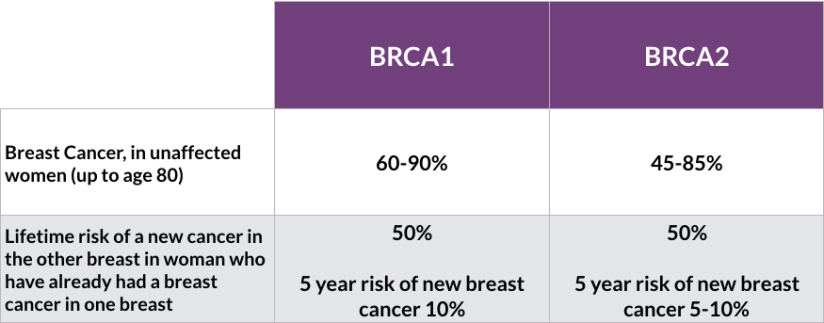
  • BRCA1 carriers are at increased risk of:
    • Breast cancer
    • Ovarian cancer
    • Prostate cancer
    • Pancreatic cancer
    • Melanoma
  • Typically, risk reducing salpingo oophorectomy (RRSO):
    • Is recommended between:
      • Ages 35 to 40 in BRCA1 carriers
      • Ages 40 to 45 in BRCA2 carriers, or
      • When done having children
  • RRSO has been shown to reduce the risk of breast cancer:
    • In premenopausal women by:
      • About 50%
  • RRSO has also been shown to reduce the risk of:
    • Ovarian cancer by:
      • 80%
  • In women who have not undergone RRSO:
    • Surveillance with CA 125 and pelvic ultrasound:
      • May be considered at the clinician’s discretion beginning ages 30 to 35
  • References:
    • Rebbeck TR, Kauff ND, Domchek SM. Meta-analysis of risk reduction estimates associated with risk-reducing salpingo-oophorectomy in BRCA1 or BRCA2 mutation carriers. J Natl Cancer Inst. 2009;101(2):80-87.

#Arrangoiz #BreastSurgeon #CancerSurgeon #SurgicalOncologist #BRCA #RRSO #CASO Miami #CenterforAdvancedSurgicalOncology

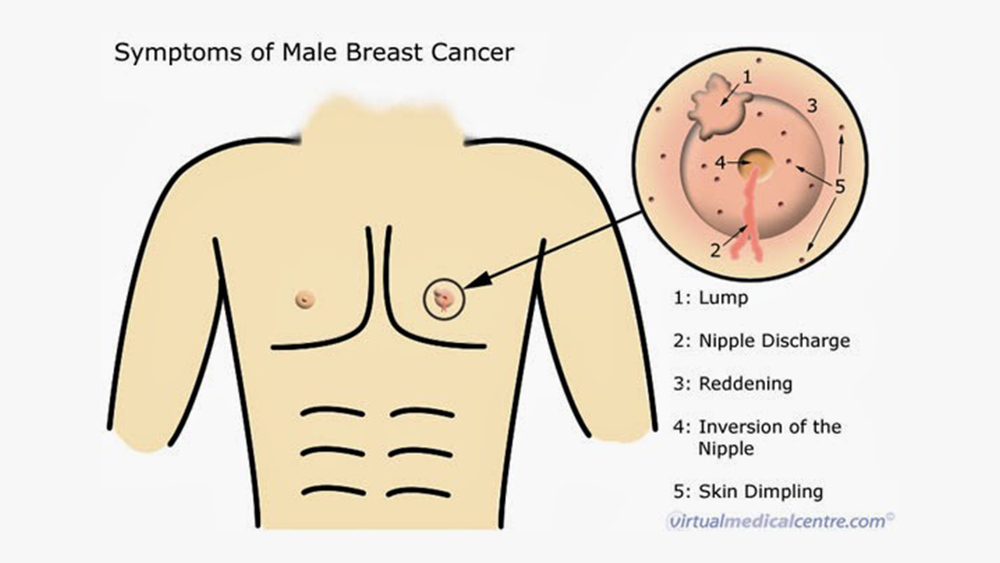
Male Breast Cancer

  • Male breast cancer accounts for less than 1% of all breast cancers:
    • There have been no randomized control trials for surgical management of breast cancer in men
  • Although breast conservation is increasing:
    • The current surgical management remains simple mastectomy with sentinel lymph node biopsy
    • Sentinel lymph node biopsy has been demonstrated to be accurate in men
  • There are no data to support staging studies:
    • Such as positron emission tomography (PET) or computed tomography (CT):
      • In early-stage breast cancer in either men or women
  • The role of the 21-gene signature assay is an emerging field in male breast cancer
  • Approximately 10% of male breast cancers are associated with genetic mutations:
    • BRCA2 is the most common among the mutations:
      • With a lifetime risk of 5% to 10% among BRCA2 carriers
  • Klinefelter’s is also associated with an increased risk of male breast cancer:
    • With an incidence between 3% and 7%
  • All male breast cancer patients should be referred for genetic counseling and testing
  • Endocrine therapy is indicated for ER+ breast cancer:
    • Aromatase inhibitors can be used but have not been well-studied in men
    • Tamoxifen is the best-studied drug for male breast cancer
    • The role of hormonal therapy in male breast cancer has not been evaluated by a prospective, randomized trial
      • Nevertheless, the rationale for estrogen blockade in male breast cancer is the same as that for female breast cancer:
        • With numerous prospective, randomized trials supporting the role of endocrine therapy:
          • To reduce risk of breast cancer recurrence and death
        • Anti-hormone therapy may also provide chemoprevention for the contralateral breast in men treated by ipsilateral mastectomy
  • The majority of male breast cancer is ER+ and thus eligible for targeted antiestrogen therapy
  • Men who have breast cancer:
    • Should not take testosterone therapy:
      • Because it may stimulate breast cancer growth by modulating increased estrogenic activity
      • The balance between estrogen and testosterone in men may have physiologic effects on breast tissue
  • References
    • Fentiman IS. Surgical options for male breast cancer. Breast Cancer Res Treat. 2018;172(3):539-544.
    • Gentilini O, Chagas E, Zurrida S, Intra M, De Cicco C, Gatti G, et al. Sentinel lymph node biopsy in male patients with early breast cancer. Oncologist. 2007;12(5):512-515.
    • Massarweh SA, Sledge GW, Miller DP, McCullough D, Petkov VI, Shak S. Molecular characterization and mortality from breast cancer in men. J Clin Oncol 2018;36:1396-1404.
    • Giordano SH. Breast cancer in men. N Engl J Med. 2018;378(24):2311–2320.
    • Korde LA, Zujewski JA, Kamin L, et al. Multidisciplinary meeting on male breast cancer: summary and research recommendations. J Clin Oncol. 2010;28(12):2114-2122.
    • Greif JM, Pezzi CM, Klimberg VS, Bailey L, Zuraek M. Gender differences in breast cancer: analysis of 13,000 breast cancers in men from the National Cancer Data Base. Ann Surg Oncol. 2012;19:3199-3204.
    • Kiluk JV, Lee MC, Park CK, Meade T, et al. Male breast cancer: management and follow-up recommendations. Breast J. 2011;17:503-509.

#Arrangoiz #BreastSurgeon #BreastCancer #MaleBreastCancer #SurgicalOncologist #CancerSurgeon #Miami #CASO #CenterforAdvancedSurgicalOncology
Localization Procedures to Assist Surgeons Performing Breast-Conserving Surgery

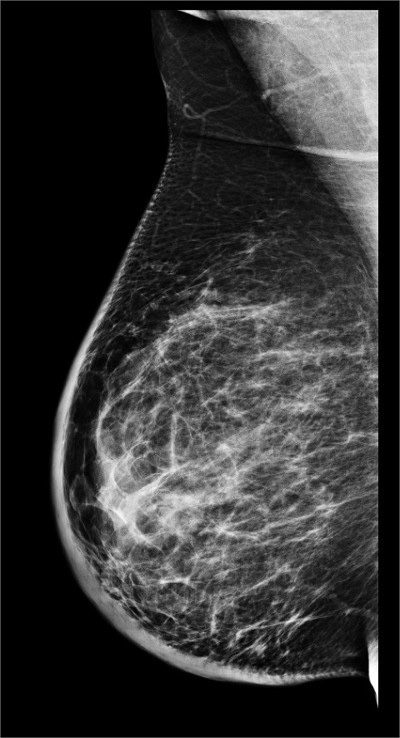
  • Patients with non-palpable breast cancers:
    • Require localization procedures (either with wires or other devices) to assist surgeons performing breast-conserving surgery
    • Documentation of removal is considered the standard of care:
      • Regardless of the method of localization:
        • This documentation can be accomplished with:
          • Specimen mammography and/or intraoperative ultrasound
    • Compression of the specimen does not result in improved accuracy of detection:
      • Leads to reduction in specimen volume and dimensions:
        • This can result in the “pancake phenomenon,”:
          • In which flattening of the specimen leads to the presence of ink within the crevices of the specimen:
            • Resulting in positive margins
              • This phenomenon is independent of age of the patient, breast density, and type of lesion (mass vs calcifications)
  • Reviews comparing accuracy of the specimen mammogram to predict the presence of negative margins:
    • Have shown poor results (32% negative predictive value):
      • However, tumor extending to the edge of the specimen on mammogram does correlate with histologic margins:
        • With 98% predictive value
  • References
  • Performance and practice guidelines for breast-conserving surgery/partial mastectomy. American Society of Breast Surgeons. Version 2.2015. https://www.breastsurgeons.org/statements/guidelines/PerformancePracticeGuidelines_Breast-ConservingSurgery-PartialMastectomy.pdf. Accessed September 19, 2019.
  • Mendez, JE, ter Meulen D, Padussis J, et al. Tissue compression is not necessary for needle-localized lesion identification. Amer J Surg. 2005;190(4):580-582.
  • Graham RA, Homer MJ, Katz J, Rothschild J, Safaii H, Supran S. The pancake phenomenon contributes to the inaccuracy of margin assessment in patients with breast cancer. Am J Surg. 2002;184(2):89-93.
  • Graham RA, Homer MJ, Sigler CJ et al. The efficacy of specimen radiography in evaluating the surgical margins of impalpable breast carcinoma. AJR Am J Roentgenol. 1994;162(1):33-36.

#Arrangoiz #BreastSurgeon #CancerSuregeon #SurgicalOncologist #BreastCancer #BreastSurgery #Miami #CASO #Miami #CenterforAdvancedSurgicalOncology
Sentinel Lymph Node Biopsy and Axillary Dissection in Early Breast Cancer

  • Sentinel lymph node biopsy (SLNB) has replaced axillary lymph node dissection (ALND):
    • As the primary method of axillary staging for patients with early stage breast cancer
  • Changes in patient presentation and advancements in systemic therapy:
    • Have led clinicians to question the utility of ALND even in the presence of involved nodes
  • The American College of Surgeons Oncology Group (ACOSOG) Z0011 trial:
    • Randomized women with T1 / T2 tumors undergoing breast conservation with one or two positive sentinel nodes to undergo ALND vs. no additional axillary surgery
    • Results showed no difference in local recurrence, disease-free survival (DFS), or overall survival (OS) between the groups
      • The authors concluded that ALND was not indicated in this setting
  • One of the major advantages of SLNB compared to ALND:
    • Is the ability to stage the axilla with reduced rates of lymphedema
  • A recent meta-analysis of five randomized controlled trials (including the Z0011 trial):
    • Reported a 70% reduction in risk of lymphedema with SLNB compared to ALND
  • Multi-gene assays such as the 21-gene recurrence score (RS):
    • Have provided prognostic information regarding risk of distant recurrence:
      • For patients with node-negative, ER+ breast cancers
    • Although evidence suggests that adding chemotherapy to endocrine therapy does result in improved DFS and OS for node-positive patients:
      • Exploratory data suggest that this may not be true for all patients
    • A retrospective analysis of the RS performed on 367 specimens from the SWOG 8814 trial:
      • Showed that RS was prognostic for DFS and OS in node-positive patients
    • The National Comprehensive Cancer Network:
      • Allows patients with 1 to 3 positive nodes to consider the 21-gene recurrence score to determine benefit from chemotherapy
  • References
    • Giuliano AE, Ballman K, McCall L, et al. Locoregional recurrence after sentinel lymph node dissection with or without axillary dissection in patients with sentinel lymph node metastases: long-term follow-up from the American College of Surgeons Oncology Group (Alliance) ACOSOG Z0011 randomized trial. Ann Surg. 2016; 264(3):413-420.
    • Glechner A, Wockel A, Gartlehner G, et al. Sentinel lymph node dissection only versus complete axillary lymph node dissection in early invasive breast cancer: a systematic review and meta-analysis. Eur J Cancer. 2013;49(4):812-825.
    • Albain KS, Barlow WE, Shak S, et al. Prognostic and predictive value of the 21-gene recurrence score assay in postmenopausal women with node-positive, estrogen-receptor-positive breast cancer on chemotherapy: a retrospective analysis of a randomised trial. Lancet Oncol. 2010;11(1):55-65.

#Arrangoiz #BreastSurgeon #CancerSurgeon #SurgicalOncologist #BreastCancer #CASO #Miami #CenterforAdvancedSurgicalOncology

Definitions of Resectability of Pancreatic Adenocarcinoma (PDAC)

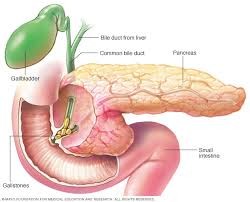
  • Several definitions of resectability of pancreatic adenocarcinoma (PDAC) have been approved for determining the possibility for complete clearance (R0 resection) by surgery:
    • Taking into account oncological and general aspects
  • Surgical resectability of PDAC is assessed by:
    • The evaluation of local tumor extension to vessels and distant metastases
  • Excluding tumor with distant metastases:
    • Which is defined as unresectable with metastases (UR‐M:
  • Local resectability is classified in three categories:
    • Resectable (R)
    • Borderline resectable (BR)
    • Unresectable (UR‐LA)
  • R PDAC shows:
    • No vascular infiltration to major vessels
    • Complete clearance of R tumor is required in standard pancreatectomy without combined vascular resection
  • BR PDAC is sub‐classified into two categories:
    • BR‐PV showing PV distortion or narrowing
    • BR‐A showing semi‐circumferential abutment with a major artery
      • There is a theoretical “borderline” between BR‐PV and BR‐A:
        • Whereas PV resection is currently recommended for achieving R0 resection:
          • Arterial resection remains controversial due to significantly increased rates of morbidity
    • From the surgical perspective, BR‐PV PDAC is borderline resectable:
      • Whereas BR‐A PDAC is borderline unresectable
    • Considering surgical feasibility:
      • R and BR‐PV PDAC should be considered as:
        • Candidates for “PDAC that is planned for resection (potentially resectable PDAC):
          • Potentially resectable PDAC has been treated by upfront surgery, although neoadjuvant for BR PDAC might be considered given the poor oncological outcomes

#Arrangoiz #CancerSurgeon #SurgicalOncology #CASO #CenterforAdvancedSurgicalOncology
The Need for Axillary Staging in the Context of Prophylactic Mastectomy

  • Multiple studies, including a meta-analysis of six studies:
    • Show significant benefit with use of bilateral prophylactic mastectomies (BPM) in BRCA carriers:
      • With up to 90% risk reduction
  • The need for axillary staging in the context of prophylactic mastectomy:
    • Pooled results from a meta-analysis and systematic review report similar findings:
      • The risk of occult disease at time of mastectomy:
        • Is low (less than 2%)
      • There is an extremely low risk of nodal involvement:
        • Less than 2%
      • Only 2.8% of cases have a change in management as a result of the SLNB
    • As a result, the routine use of SLNB is not recommended
  • Data have evolved that show the benefit of MRI screening in patients at highest risk for breast cancer development
    • McLaughlin and colleagues questioned whether preoperative breast MRI could be used to determine the need for SLNB at time of prophylactic mastectomy:
      • In their series of 178 patients with MRI and SLNB at time of prophylactic mastectomy:
        • Six occult cancers were found
        • All six patients had abnormal findings preoperatively on MRI, with negative predictive value of 100% for invasive disease
          • The researchers concluded that MRI could be utilized to select low-risk patients who may avoid SLNB at time of BPM
    • The study by McLaughlin et al. included BRCA mutation carriers, but only one study specifically evaluated the use of SLNB in BRCA carriers:
      • This trial reported similar results, with occult invasive disease detected in 2.5%
      • No patients in this cohort had node-positive disease, and there were no axillary recurrences at median 34-month followup
  • There are case reports of successful SLNB after mastectomy:
    • But currently the routine use is discouraged by the National Comprehensive Cancer Network guidelines
  • References
    • Zhou WB, Liu XA, Dai JC, Wang S. Meta-analysis of sentinel lymph node biopsy at the time of prophylactic mastectomy of the breast. Can J Surg 2011;54(5):300-306.
    • Nagaraja V, Edirimanne S, Eslick GD. Is sentinel lymph node biopsy necessary in patients undergoing prophylactic mastectomy? a systematic review and meta-analysis. Breast J. 2016;22(2):158-165.
    • Breast cancer risk reduction. National Comprehensive Cancer Network. Breast Cancer Risk Reduction. Version April 2018. https://www.nccn.org/professionals/physician_gls/pdf/breast_risk.pdf. Accessed September 14, 2018
    • McLaughlin SA, Stempel M, Morris EA, Liberman L, King TA. Can magnetic resonance imaging be used to select patients for sentinel lymph node biopsy in prophylactic mastectomy? Cancer. 2008;112(6):1214-1221.
    • Câmara S, Pereira D, André S, et al. The use of sentinel lymph node biopsy in brca1/2 mutation carriers undergoing prophylactic mastectomy: a retrospective consecutive case-series study. Int J Breast Cancer. 2018:1426369
    • Breast cancer. National Comprehensive Cancer Network. 2018. https://www.nccn.org/professionals/physician_gls/pdf/breast.pdf. Accessed September 14, 2018

#Arrangoiz #BreastSurgeon #CancerSurgeon #SurgicalOncologist #CASO #CenterforAdvancedSurgicalOncology #Miami

Neoadjuvant Chemotherapy in Breast Cancer

  • Neoadjuvant chemotherapy:
    • Does not prolong survival compared to adjuvant chemotherapy:
      • However, it does result in decreased disease burden, and can be beneficial at time of surgery:
        • Providing increased opportunity to perform breast-conserving surgery and reducing need for axillary lymph node dissection
  • A meta-analysis of 14 prospective randomized trials of neoadjuvant vs. adjuvant chemotherapy:
    • In 5,500 patients with breast cancer demonstrated that:
      • NAC was associated with an absolute decrease in the mastectomy rate of 16.6% (95% CI 15.1–18.1%)
      • Patients with ER– and HER2 positive breast cancers:
        • Are more likely to experience complete pathologic response than those with ER+ cancers
  • Patients with a clinically positive axilla after neoadjuvant chemotherapy:
    • Should undergo axillary dissection at the time of breast surgery
  • Patients with no residual adenopathy on clinical exam:
    • May be considered for sentinel lymph node biopsy (SLNB):
      • Accuracy of SLNB after NAC can be improved with:
        • Localization of previously-clipped nodes
        • Use of dual tracer
        • Increasing the number of sentinel nodes retrieved:
          • SLNB after NAC has a false-negative rate of less than 10% only when ≥ 3 sentinel nodes were identified
  • References
    • Mieog, JS, van der Hage JA, van de Velde CJ. Neoadjuvant chemotherapy for operable breast cancer. Br J Surg. 2007;94(1):1189-1200.
    • van der Hage JA, van de Velde CJH, Julien JP, Tubiana-Hulin M, Vandervelden C, Duchateau L. Preoperative chemotherapy in primary operable breast cancer: results from the European Organization for Research and Treatment of Cancer trial 10902. J Clin Oncol. 2001;19(22):4224-4237.
    • Fisher B, Brown A, Mamounas E, et al. Effect of preoperative chemotherapy on local-regional disease in women with operable breast cancer: findings from National Surgical Adjuvant Breast and Bowel Project B-18. J Clin Oncol. 1997;15(7):2483-2493.
    • Rouzier R, Perou CM, Symmans WF, et al. Breast cancer molecular subtypes respond differently to preoperative chemotherapy. Clin Cancer Res. 2005;11(16):5678-5685.
    • Boughey JC, Ballman KV, Le-Petross HT, et al. Identification and resection of clipped node decreases the false-negative rate of sentinel lymph node surgery in patients presenting with node-positive breast cancer (T0-T4, N1-N2) who receive neoadjuvant chemotherapy: results from ACOSOG Z1071 (Alliance). Ann Surg. 2016;263(4):802-807.
    • Boileau, JF, Poirier B, Basik M, et al. Sentinel node biopsy after neoadjuvant chemotherapy in biopsy-proven node-positive breast cancer: the SN FNAC study. J Clin Oncol. 2015;33(3):258-264.

#Arrangoiz #BreastCancer #BreastSurgeon #CancerSurgeon #SurgicalOncologist #CASO #CenterforAdvancedSurgicalOncology

Risk Reducing Mastectomy (RRM)

  • According to National Comprehensive Cancer Network (NCCN) guidelines:
    • Risk reducing mastectomy (RRM):
      • Should be routinely discussed with all of the following:
        • BRCA 1
        • BRCA 2
        • Li-Fraumeni syndrome
        • PTEN
        • History of mantle radiation prior to age 30
      • CHEK2 mutations do not require a RRM:
        • There is insufficient evidence in CHEK2 mutations to routinely recommend RRM
  • Risk-reducing mastectomy:
    • Has been shown to decrease the incidence of breast cancer by 90% or more in several studies
  • References
    • Hartmann LC, Lindor NM. The role of risk-reducing surgery in hereditary breast and ovarian cancer. N Engl J Med. 2016;374(5):454-468.
    • Rebbeck TR, Friebel T, Lynch HT, et al. Bilateral prophylactic mastectomy reduces breast cancer risk in BRCA1 and BRCA2 mutation carriers: the PROSE Study Group. J Clin Oncol. 2004;22(6):1055-1062.
    • Domchek SM, Friebel TM, Singer CF, et al. Association of risk-reducing surgery in BRCA1 or BRCA2 mutation carriers with cancer risk and mortality. JAMA 2010;304(9):967-975.

#Arrangoiz #BreastSurgeon #CancerSurgeon #SurgicalOncologist #CASO #Miami #CenterforAdvancedSurgicalOncology #BRCA #RRM #RiskReducingMastectomy