Blog

Rodrigo Arrangóiz

  • My name is Rodrigo Arrangoiz I went to medical school at the Anahuac University in Mexico City, which is one of the most prestigious medical schools in Mexico:
    • I graduated Suma Cum Laude from this medical school and was the president of the medical student council
  • My general surgery training was performed at Michigan State University:
    • Where I was named chief residentduring my fifth year of residency which was a great honor
  • My complex surgical oncology fellowship which included  head and neck training was performed at the Fox Chase Cancer Center in Philadelphia, Pennsylvania
  • At the same time, I undertook a Masters in Science (Clinical Research for Health Care Professionals) at Drexel University in Philadelphia, Pennsylvania
  • I performed a two-year global online fellowship in Head and Neck Surgery and Oncology with the International Federations of Head and Neck Societies / Memorial Sloan Kettering Cancer Center
  • I encountered patients with very complex problems, and the greatest lesson I learned was there are always treatment options, utilizing all different types of techniques including radiation, chemotherapy and surgery:
    • This comprehensive training has provided me with an extensive understanding of the multidisciplinary approach to treating patients with cancer
  • I have developed a particularly strong interest in the surgical and multimodal treatment of patients with breast cancer, head and neck cancer (including thyroid and parathyroid cancer), and endocrine diseases (benign and malignant thyroid and parathyroid diseases), using traditional surgery, regional therapies, and minimally invasive techniques
  • I am an expert in the treatment of thyroid cancer including; active surveillance for early, small papillary thyroid cancers, minimally invasive thyroid surgery, selective and comprehensive neck dissections
  • For the management of parathyroid disease, I offer a minimally invasive radio-guided technique called MIRP (minimally invasive radio-guided parathyroidectomy) through a 2 cm incision which will allow the patient to have a great cosmetic result and quick return to normal life after the operation
  • I am extremely aware of the impact that a breast cancer diagnosis has on a patient:
    • I do my best to promote a positive atmosphere in which to start my patients’ course of treatment and take the time to explain the pros and cons of each treatment option, so that they can make an informed decision
  • My management philosophy also includes, not just an emphasis on successful treatment, but also preserving a good cosmetic outcome:
    • I feel fortunate to be a fellowship trained, very highly specialized clinician, because this combination of factors allows me, and our treatment team to focus on one thing all day, every day, and do it well:
      • Curing cancer:
        • I think there is nothing more rewarding that I could do as a clinician
  • I hold my patients as my number one priority:
    • I will spend as much time as necessary educating, answering questions and providing guidance for each individual patient to help them throughout each stage of their management
    • I believe in honest discussions, where both the patients and family’s goals and expectations are openly communicated
    • We will work together as a team to put together an evidence based personalized treatment plan
    • My personal goal is to treat and care for every patient with the same compassion and honesty as if they were a friend or family member

Low-Risk Papillary Thyroid Cancer

  • Current therapeutic options for low-risk papillary thyroid carcinoma:
  • Most cases of thyroid carcinoma are classified as low risk:
    • These lesions can be treated with surgery, active surveillance, and percutaneous ablation:
      • However, there is lack of consensus and clear indications for a specific treatment selection
  • The objective of this study is to review the literature regarding the indications for management selection for low-risk carcinomas:
    • Systematic review exploring inclusion and exclusion criteria used to select patients with low-risk carcinomas for treatment approaches
      • The search found 69 studies
  • The inclusion criteria most reported were nodule diameter and histopathological confirmation of the tumor type
  • The most common exclusions were lymph node metastasis and extra-thyroidal extension
  • There was significant heterogeneity among inclusion and exclusion criteria according to the analyzed therapeutic approach
  • Alternative therapeutic approaches in low-risk carcinomas can be cautiously considered
  • Thyroidectomy remains the standard treatment against which all other approaches must be compared

#Arrangoiz #ThyroidSurgeon #ThyroidExpert #EndocrineSurgery #HeadandNeckSurgery #SurgicalOncology #ThyroidCancer #PapillaryThyroidCancer #LowRiskThyroidCancer #Miami #Mexico

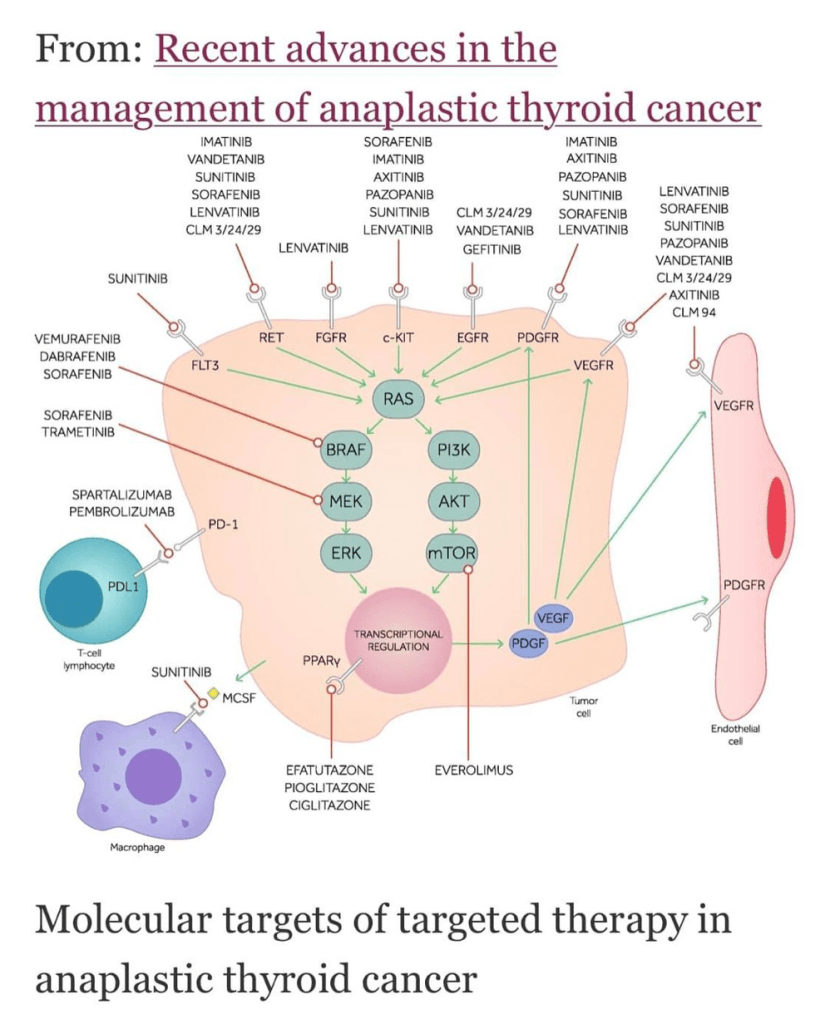
Anaplastic Thyroid Carcinoma

  • Anaplastic thyroid cancer is the least common type of thyroid cancer:
    • Roughly 1% to 2% of all thyroid malignancies
      • But represents greater than 50% of all thyroid-cancer mortalities
    • Unlike papillary thyroid cancer, it’s very aggressive:
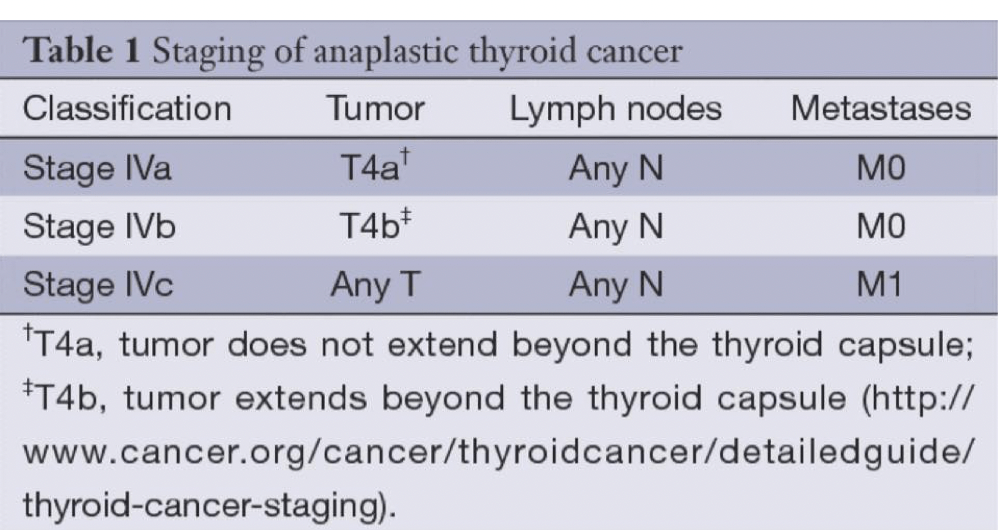
      • All new cases are considered Stage IV
  • Anaplastic thyroid cancer overall survival:
    • T4a:
      • 15.8 months
    • T4b:
      • 6.1 months
    • T4c:
    • 2.8 months
  • Reference:

#Arrangoiz #ThyroidSurgeon #ThyroidExpert #EndocrineSurgery #HeadandNeckSurgeon #CancerSurgeon #ThyroidCancer #AnaplasticThyroidCancer #Teacher #Miami #Mexico

A Possible Role for Serum Thyroglobulin to Predict Structural Recurrence of Papillary Thyroid Cancer After Thyroid Lobectomy

  • Papillary thyroid cancer (PTC):
    • Is the most common subtype of differentiated thyroid cancer (DTC)
  • In the 2015 DTC guidelines from the American Thyroid Association (ATA):
    • Thyroid lobectomy is recommended as a reliable therapeutic option for patients with low and intermediate risk intra-thyroidal DTC that is:
      • Less than 4 cm in size
      • No previous history of head and neck radiation
      • A strong family history of thyroid cancer
      • Ultrasound abnormalities in the contralateral lobe
  • Lobectomy has been shown to have therapeutic efficacy:
    • Similar to that of total thyroidectomy (TT) with lesser postsurgical complications
  • Serum thyroglobulin (Tg) and anti-thyroglobulin antibody (TgAb) levels:
    • Are used to monitor for persistent or recurrent disease after initial surgery:
      • But the precise postlobectomy Tg cutoffs are uncertain
  • This study, Clin Thyroidol 2021;33:497–499:
    • Aimed to evaluate the prognostic value of postlobectomy serum Tg and TgAb titers with structural recurrence of PTC
  • Methods:
    • This retrospective cohort study included patients with unilateral PTC who underwent lobectomy at a National Cancer Center in China between 2000 and 2014
    • Patients with preoperative evidence of distant metastasis, positive surgical margins, incomplete Tg or TgAb data, or serum thyrotropin (TSH) levels > 4 mIU/L during follow-up were excluded
    • Serum Tg / TgAb levels were measured semi-annually for the first 5 years and annually thereafter
    • TgAb titer positivity was defined as greater 60 IU/ml:
      • From which the cohort was stratified into TgAb-positive and TgAb-negative groups
    • The first, penultimate, and last Tg/TgAb levels were defined as those:
      • Measured in the initial period (6 to 12 months) after lobectomy, penultimate, and last follow-up, respectively
    • The primary end point was structural recurrence
    • The predictive classifier of recurrence was based on random forest analysis
    • Tg cutoff values were determined with receiver operating characteristic (ROC) curves
    • Recurrence-free survival (RFS) rates were analyzed with Kaplan–Meier curves and Cox proportional-hazards modeling was performed to examine the relationship between RFS and clinicopathologic variables
  • Results:
    • Of 1451 patients enrolled:
      • 66 of 1050 (6.3%) in the TgAb-negative group and 26 of 401 (6.5%) in the TgAb-positive group:
        • Developed recurrence over a median follow-up of 72 months
    • In the TgAb-negative group:
      • According to the classifier:
        • The last Tg level
        • The difference between the last and penultimate Tg levels
        • The proportion of the last to the penultimate Tg:
          • Had the best predictive values
      • The optimal cutoff values of the first and last Tg levels were determined to be:
        • 5.3 ng/ml and 11.0 ng/ml, respectively, by ROC analysis
      • Patients whose last Tg levels were ≥ 11 ng/ml:
        • Had higher recurrence rates than those with levels < 11 ng/ml:
          • 23.5% vs. 4.4%:
            • P<0.001
      • The overall trend in serum Tg was relatively stable and rose sharply before recurrence but decreased in those without recurrence
      • Patients with elevated first Tg levels (≥ 5.3 mg/ml):
        • Had worse RFS in both the low-risk and the intermediate-to high-risk subgroups (P<0.05 for both)
      • A multivariate analysis including gender, age, primary tumor size, gross extra-thyroidal extension, N stage and elevated first Tg levels indicated that:
        • Patients with elevated first Tg levels had double the risk of recurrence compared with those with normal first Tg levels:
          • Hazard ratio, 2.052, 95% CI, 1.231–3.421; P = 0.006
    • In the TgAb-positive group:
      • There was no significant difference between first TgAb and last TgAb levels in patients with or without recurrence
      • The established classifier of serum TgAb:
        • Did not show a favorable association with recurrence (AUC, 0.72; 95% CI, 0.53–0.91)
  • Conclusions:
    • Serum Tg has a predictive value for surveillance in patients with PTC after lobectomy
    • The proposed adverse threshold values of the:
      • Initial Tg levels in the first 6 to 12 months after lobectomy (greater than 5.3 ng/ml) and of the last Tg levels available in this cohort (greater than 11.0 ng/ml over a median of 72 months of follow-up):
        • Could identify patients at a higher risk of recurrence, despite the presence of an intact residual thyroid lobe
  • The expected reference range of serum Tg:
    • Arising from a normal, fully intact thyroid gland is:
      • 20 to 60 ng/ml
  • The predictive value of serum Tg levels for the recurrence of PTC after thyroid lobectomy has been uncertain
  • A retrospective cohort study by Ritter et al:
    • Showed that basal or trend of serum Tg levels during follow up of the patients did not predict disease recurrence
  • A historical cohort study by Park et al:
    • Also showed limited value of serial Tg measurements in predicting the recurrence of PTC after lobectomy, as serum Tg and Tg:TSH ratios:
      • Were found to be gradually increasing in both the groups with and those without disease recurrence
  • However, other studies have shown that Tg values increasing over time:
    • Is significantly more likely in patients with disease recurrence
  • A review paper that was cited in the 2015 ATA DTC guidelines:
    • Suggested that after thyroid lobectomy:
      • A stable, non-stimulated Tg cutoff value of less than 30 ng/ml:
        • Is a reasonable indicator for excellent response
      • Whereas non-stimulated Tg values greater than 30 ng/ml, an upward Tg trend over time, or increasing serum TgAb levels:
        • Would signify a biochemical incomplete response
  • This study by Xu et al., Clin Thyroidol 2021;33:497–499:
    • Using a large sample size, an innovative approach (random forest, machine earning), and adjustment of confounders found that:
      • Serum Tg levels, but not TgAb, was a significant predictor of structural disease recurrence in patients who have undergone thyroid lobectomy for PTC
    • The optimal adverse cutoff values of the first Tg and last Tg values were determined to be:
      • 5.3 ng/ml and 11.0 ng/ml, respectively
    • The overall trend in serum Tg levels sharply increased before disease recur-rence:
      • But it decreased in patients without recurrence
    • Limitations of the study include different intervals between serial Tg and TgAb measurements, as well as nonadjusted TSH influences on Tg levels when patients with normal-range TSH levels (<4 mIU/L) were included
    • The findings of this study are useful in clinical practice:
      • As they increase our confidence that serum Tg data, including their absolute values and trends, can guide us in identifying patients at high risk for DTC recurrence after thyroid lobectomy
    • Larger population studies are needed to further clarify our insight on this emerging topic, particularly as a more conservative surgical approach toward low- and some intermediate-risk DTCs is being adopted

#Arrangoiz #ThyroidSurgeon #ThyroidExpert #ThyroidCancer #Thyroglobulin #HeadandNeckSurgeon #Surgeon #Teacher #Miami #Mexico #SurgicalOncology


Glandular Polymastia

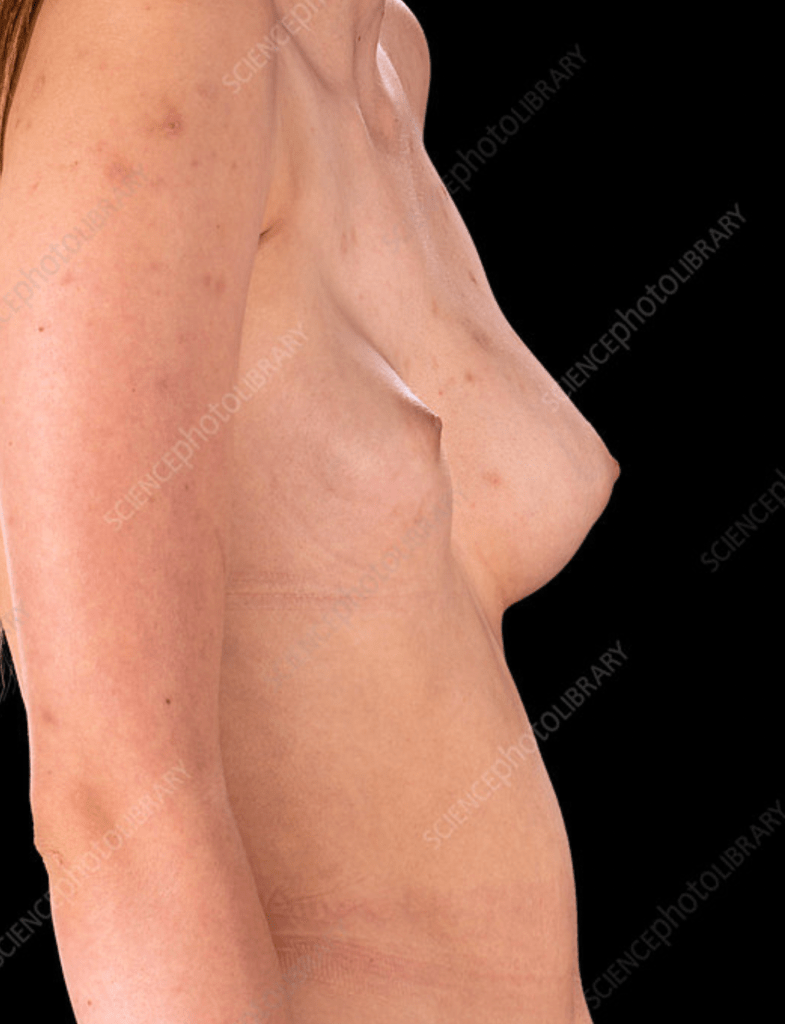
  • Glandular polymastia, or accessory breast tissue:
    • Is defined as an isolated parenchymal mass:
      • Without a nipple-areolar complex
    • The tissue is present:
      • From birth
    • Usually becomes symptomatic under the influence of hormones during:
      • Puberty
      • Pregnancy
      • Lactation
    • This condition occurs in 2% to 6% of women and 1% to 3% of men
    • Common symptoms are:
      • Swelling
      • Discomfort
      • Restricted movement
      • Cosmetic deformity
    • Symptoms usually vary with:
      • The menstrual cycle
    • Ultrasound is the most useful method of diagnosis:
      • Demonstrating normal appearing mammary tissue
    • Mammography:
      • Often cannot fully visualize the area
      • Cannot differentiate between:
        • Mammary tissue and lipoma or lipodystrophy
    • Ectopic mammary tissue:
      • Is at the same risk for both:
        • Benign (i.e., mastitis, fibroadenoma, hamartoma) and malignant changes as orthotopic breast tissue
    • Carcinoma can develop in accessory breast tissue:
      • Accounting for 0.3% of all breast cancers:
        • For this reason, accessory breast tissue should be included in regular screening examinations
    • American College of Radiology guidelines state that additional views may be required to visualize breast tissue more effectively:
      • Axillary breast tissue falls under that screening recommendation
  • References:
    • Patel PP, Ibrahim AMS, Zhang J, Nguyen JT, Lin SJ, Lee BT. Accessory breast tissue. Eplasty. 2012;12:ic5.
    • Kogut M, Bidier M, Enk A, Hassel JC. Axillary accessory breast tissue – case report and review of literature. J Dtsch Dermatol Ges. 2014:12;499-500.

#Arrangoiz #BreastSurgeon #CancerSurgeon #SurgicalOncologist #Polymastia #AccessoryBreastTissue #Miami #Mexico

Minimal Extrathyroidal Extension Does Not Predict Initial Treatment Response, but Is a Better Prognostic Factor when Combined with Tumor S

  • Background:
    • Minimal extrathyroidal extension (ETE):
      • Was recently removed from the TNM cancer staging system of the American Joint Committee on Cancer (AJCC):
        • Leaving only gross extra-thyroidal extension as part of the tumor staging:
          • This was done because only gross ETE impacts mortality, which is the primary focus of the TNM cancer staging system
    • Despite this change, minimal ETE remains clinically relevant:
      • As it is part of the 2015 American Thyroid Association (ATA) guidelines for thyroid nodules and thyroid cancer:
        • Minimal ETE:
          • Is associated with an intermediate risk for recurrence of papillary thyroid carcinoma (PTC)
          • Has been shown to be an independent risk factor for its recurrence
    • The decision to treat patients with radioactive iodine (RAI) ablation following thyroid surgery:
    • Is primarily based on the person’s risk of future disease recurrence:
      • The current ATA guidelines for differentiated thyroid cancer generally recommend RAI ablation in patients with:
        • Minimal ETE because of the associated risk of recurrent disease:
          • Despite having no impact on disease-related mortality
    • This study, Clin Thyroidol 2021;33:493–496:
      • Was done to assess the role of minimal ETE as a predictor of initial treatment response in PTC tumors and to evaluate the impact of RAI ablation in patients with minimal ETE
  • Methods:
    • This study was an analysis of the Italian Thyroid Cancer Observatory (ITCO):
      • A web-based database started in 2013, which includes 49 thyroid cancer centers that prospectively collected data on more than 9000 patients with thyroid cancer
    • Inclusion criteria for the present study were:
      • Histologic diagnosis of PTC and associated variants
      • pN0 and pNX PTC tumors
      • Availability of all information on the initial treatment and pathologic characteristics of the tumor required for ATA recurrence risk assessment
      • Availability of the results for the 1-year follow-up visit needed to classify the treatment response
    • Of the 7746 case records available for review,:
      • 2237 subjects met all inclusion criteria and were included in this study
    • Initial treatment was classified as thyroid lobectomy or total thyroidectomy and if RAI ablation was given following total thyroidectomy
    • Tumors diagnosed as tall-cell, columnar-cell, hobnail-cell, solid / trabecular, or diffuse sclerosing PTC variants:
      • Were classified as tumors with “aggressive PTC histology.”
    • Risk of recurrence was classified based on the 2015 ATA guidelines for thyroid nodules and differentiated thyroid cancer, and response to initial treatment was classified based on imaging and serum thyroglobulin and thyroglobulin antibody levels at the 1-year follow-up visit
  • Results:
    • There were 2237 subjects included in the analysis, including:
      • 1723 (77%) females and 514 (23%) males, with a median age of 51 years
    • Total thyroidectomy was performed in 2127 (95.1%) of patients, and 110 (4.9%) underwent near-total thyroidectomy
    • Central neck dissection was performed in 457 (20.4%), and the median tumor size was 10 mm
    • The cohort included 250 (11.2%) patients who were diagnosed with histologically aggressive variants
    • Minimal ETE was documented in 470 patients (21%), and 1153 patients (51.5%) received RAI ablation, with a median dose of 70 mCi 131I
    • Per the ATA risk stratification system:
      • 1632 (73%) were classified as low risk of recurrence and 605 (27%) as intermediate risk of recurrence
    • At the 1-year follow-up:
      • 1831 patients (81.9%) had an excellent response
      • 296 (13.2%) had an indeterminate response
      • 55 (2.5%) had a biochemical incomplete response
      • 55 (2.5%) had a structural incomplete response
    • There was no difference in initial therapy response rates between patients with and without minimal ETE (P = 0.54)
    • Treatment response was then evaluated as a binary variable (either excellent or incomplete response; indeterminate response was excluded) and multivariate analysis showed:
      • No significant difference with:
        • Minimal ETE (OR, 1.16; P = 0.65)
        • Tumor size > 2 cm (OR, 1.45; P = 0.34)
        • Aggressive PTC histology (OR, 0.55; P = 0.15)
        • Age at diagnosis (OR, 0.90; P = 0.32)
    • Combinations of minimal ETE, tumor size, and aggressive histology were evaluated, and the only combination with a significant finding was:
      • Minimal ETE and tumor size (OR, 5.27, 95% CI 1.39–19.91; P = 0.014)
    • Among the 470 patients with minimal ETE:
      • 370 had received RAI ablation:
        • Subjects who received RAI were more likely to have an excellent response at the 1-year evaluation than subjects who received surgery alone:
          • 84% vs. 77%; P = 0.005
    • To minimize selection bias, propensity-score matching based on known covariates and risk factors was performed:
      • After matching, the difference between subjects was no longer significant (84% vs. 77%; P = 0.06)
  • Conclusions:
    • Minimal ETE is not an independent prognostic marker in predicting the initial response to therapy in patients with PTC who do not have lymph node metastases
    • However, the combination of minimal ETE and tumor size >2 cm:
      • Is an independent prognostic factor for worse outcomes and could be helpful in PTC patients with low to intermediate risk of recurrent disease
  • This study failed to show the clinical significance of minimal ETE in patients with PTC and negative lymph nodes:
    • Which is contradictory to previous studies that show an increased risk of disease recurrence in patients with minimal ETE
    • This brings into question the general recommendation of whether or not to treat patients with minimal ETE with RAI ablation following thyroid surgery
    • Interestingly, this study strongly showed that a combination of minimal ETE and tumor > 2 cm:
      • Had a significant impact on disease status at 1-year follow-up, with an odds ratio of 5.27
    • ETE is a key surgical pathology finding, as it has been shown to be an independent risk factor for PTC recurrence
    • Gross ETE has a more pronounced impact on recurrence:
      • Yet minimal ETE also impacts recurrence
    • Because of this, some authorities recommend that patients with minimal ETE undergo RAI ablation following total thyroidectomy
    • Although this study suggests that patients with minimal ETE without lymph node metastasis may not benefit from RAI:
      • There was a trend toward benefit after propensity-score matching with a P value of 0.06:
        • Further studies with longer follow-up are needed
    • Given these findings, I would certainly continue to generally advocate for RAI ablation in patients with minimal ETE and a tumor size >2 cm:
      • But for patients with tumors less than 2 cm:
        • A more nuanced decision will be needed
    • A major strength of this study is the large size of the patient cohort, with over 2000 subjects included in the analysis
    • These patients also had negative lymph nodes, another strength in trying to isolate the effects of minimal ETE in a lower-risk cohort
    • The major limitation is the short duration of the study follow-up, which was only 1 year
    • While initial response to treatment is important, long-term outcomes are clinically more relevant, and as the authors state, this analysis is underway
    • Finally, despite propensity-score matching, there will still be inherent selection bias with this type of study design, as RAI treatment decisions were individually recommended by the treating physician and more detailed data are unavailable
    • Despite this, this study advances our understanding of minimal ETE and has the possibility to change the care of patients with DTC who have this histologic finding

#Arrangoiz #ThyroidSurgeon #ThyroidExpert #HeadandNeckSurgeon #CancerSurgeon #SurgicalOncologist #EndocrineSurgery #Miami #Mexico

The Usefulness of Core Needle Biopsy in the

  • Thyroid nodules are common in clinical practice, and although more than 90% of these are benign:
    • Thyroid cancer remains the most frequent endocrine cancer
  • Fine-needle aspiration biopsy (FNAB):
    • Is still considered the most critical tool in stratifying the risk of malignancy when evaluating thyroid nodules:
      • It is simple, effective, low-cost, and safe:
        • However, one of the most critical limitations of FNAB is the relatively high frequency of:
          • Unsatisfactory (non-diagnostic) samples or
          • Cytologically indeterminate results such as:
            • Atypia or follicular lesion of undetermined significance
        • These limitations have led some to consider other diagnostic tools, including:
          • Core-needle biopsy (CNB)
        • Even though CNB is considered controversial, many publications, especially from Asia:
          • Have reported it as an effective and safe sampling method for the diagnostic evaluation of thyroid nodules:
            • Especially for nodules with previously inadequate or indeterminate FNAB results
    • The current study, Clin Thyroidol 2021;33:487–489:
      • Aimed to compare the performance of CNB versus FNA:
        • As the first option in the evaluation of thyroid nodules
    • Methods:
      • This was a multicenter retrospective study that collected data regarding FNAB and CNB results of thyroid nodules from three institutions
      • In one institution, 705 patients underwent CNB by a single operator as the first evaluation of thyroid nodules that were given a high estimated likelihood of obtaining nondiagnostic cytologic results with FNAB:
        • Thyroid nodules that were heavily calcified
        • Were predominantly cystic
        • Were > 5 mm with suspicious ultrasound features
        • Had sonographic features suspicious for follicular neoplasms
        • Were candidates for radiofrequency ablation therapy
      • In the other two centers, FNAB was the initial diagnostic option in 583 patients
      • Ultrasound features of the thyroid nodules were categorized according to the Korean Thyroid Imaging Reporting and Data System (K-TIRADS)
      • The diagnosis of malignancy was determined by CNB or FNAB cytology or by histopathologic findings from surgical resection
      • The Bethesda System for Reporting Thyroid Cytopathology was used to categorize the CNB and FNAB results
      • The diagnosis of benign nodules was confirmed on at least two benign results via CNB or FNAB or on one benign report on CNB or FNAB in the absence of indeterminate or malignant results in the initial or repeat biopsy or in the final histologic surgical pathology report
      • The diagnostic performance of each aspiration method was evaluated based on sensitivity, specificity, accuracy, positive predictive value, negative predictive value (NPV), and area under the receiver-operating-characteristic (ROC) curve (AUC) values
    • Results:
      • The frequency of nondiagnostic, atypia/follicular lesion of undetermined significance (AUS/FLUS), and suspicious for malignancy lesions:
        • Were all significantly lower in the CNB group than in the FNAB group
      • The CNB group also showed a:
        • Significantly lower inconclusive diagnostic rate than the FNAB group
      • The frequencies of suspicious follicular neoplasms and malignant cytologies were:
        • Substantially higher in the CNB group than in the FNAB group
      • The sensitivity, NPV, and accuracy were significantly higher in the CNB group than in the FNAB group
      • On ROC analysis, the AUCs of CNB were markedly higher than those for FNAB
      • The FNAB group included a small number of false-negative FNAB results (two K-TIRADS 5 nodules: 2 of 244 nodules [0.8%]) and false-positive FNAB results (one K-TIRADS 3 or 4 nodule: 1 of 141 nodules [0.7%])
      • There were no false-negative or false-positive results in the CNB group
      • When comparing the diagnostic performance of CNB and FNAB according to ultrasound features:
        • The sensitivity, NPV, and accuracy of CNB were all significantly higher than those of the FNAB group
      • There were no complications in the FNAB group
      • In the CNB group,:
        • Five patients (0.7%) developed perithyroidal hemorrhage or intrathyroidal hemorrhage that was resolved by manual compression
  • Conclusions:
    • This study showed that CNB was superior to FNAB as the initial diagnostic aspiration tool for evaluating thyroid nodules, regardless of the ultrasound findings
    • The findings suggest that CNB is a reasonable option, as compared with FNAB, for the initial assessment of thyroid nodule cytology

  • FNAB is considered the gold standard in the stratification of malignancy risks when evaluaing thyroid nodules:
    • It is generally cost-effective, simple, safe, and accurate:
      • However, it has some limitations, including a:
        • Significant inconclusive rate
        • Some false-negative results
        • A relatively high incidence of nondiagnostic or indeterminate results:
          • Categories I, III, and IV of the Bethesda System for Reporting Thyroid Cytopathology
  • Since 2011, some papers from Asia and South Korea in particular have proposed using CNB as an efficient option for the evaluation of thyroid nodules and that in many ways it may be even better than FNAB
  • Other studies have also shown no differences in diagnostic performance between these two techniques:
    • However, using CNB as a standard initial tool for obtaining thyroid nodule cytology faces some problems:
      • CNB is more invasive than FNAB
      • It requires specific training
      • Rare complications have been reported, including:
        • Injury to the trachea and carotid artery
      • In order to avoid such complications, an experienced operator is mandatory
    • Some recent guidelines have proposed the use of CNB as a complementary exam in select cases with non-diagnostic or indeterminate results obtained by FNAB, which is very reasonable
    • The size of the nodule, ultrasound features, and cytologic findings of the FNAB:
      • Are all factors that showed consider when deciding to perform CNB instead of repeating FNAB
    • In addition, for some patients, CNB may avert the need to perform molecular tests
    • Over time, CNB has been increasingly accepted as an appropriate initial exam; it can yield good results when indicated in select patients and when performed by a trained professional

#Arrangoiz #ThyroidSurgeon #ThyroidExpert #ThyroidNodules #FNAB #CNB #ThyroidCancer #HeadandNeckSurgeon #Miami #Mexico

Poland Syndrome

  • Poland Syndrome:
    • Is a rare chest wall deformity consisting of:
      • Unilateral chest wall hypoplasia and unilateral upper limb deformity
    • There can be:
      • Absence or hypoplasia of the breast
      • Absent pectoralis major or minor
      • Absent nipple
      • Absent costal cartilages
      • Rib abnormalities
      • Upper limb deformities including:
        • Syndactyly
        • Micromelia
        • Brachydactyly
    • This rare disease affects men three times more commonly than women
    • Poland syndrome is thought to occur due to:
      • An interruption of the embryonic blood supply to the subclavian artery:
        • At the 6th week of embryonic development
    • The defects can be corrected surgically:
      • Repair can include:
        • Reconstruction of anaplastic ribs:
          • Using bone grafts or prosthetic mesh
        • Muscle flaps such as latissimus dorsi flap to correct muscle hypoplasia
        • Breast implants or autologous fat grafting for breast hypoplasia
  • References:
    • Kulkarni D, Dixon JM. Congenital abnormalities of the breast. Women’s Health. 2012;8(1):75–88.
    • Baldelli I, Santi P, Dova L, Cardoni G, Ciliberti R, Franchelli S, Merlo DF, et al. Body image disorders and surgical timing in patients affected by Poland Syndrome: data analysis of 58 case studies. Plast Reconstr Surg. 2016;137(4):1273-1282.
    • Fokin AA, Robicsek F. Poland’s syndrome revisited. Ann Thorac Surg. 2002:74(6),2218–2225.

#Arrangoiz #BreastSurgeon #CancerSurgeon #SurgicalOncologist #PolandSyndrome

Mastalgia

  • In severe mastalgia:
    • Patients may require medications when other measures have failed
  • meta-analysis of randomized trials evaluating bromocriptine, danazol, evening primrose oil, and tamoxifen:
    • Found that only danazol and tamoxifen:
      • Conferred significant reductions in pain
  • Danazol:
    • gonadotropin secretion suppressor:
      • Is the only medication approved by the U.S. Food and Drug Administration for treatment of mastalgia:
        • However, it does have significant androgenic side effects:
          • Which often limits the duration of use
  • Tamoxifen:
    • Is a selective estrogen receptor modulator:
      • Which has been found to reduce severe breast pain:
        • But has an associated increased risk of endometrial cancer and deep venous thrombosis
  • When comparing the efficacy of each treatment and the relative side effects:
    • The meta-analysis concluded that tamoxifen is the treatment of choice:
      • It can be used as an off-label treatment as long as the patient understands the potential risks
  • Another study found that the most important factor associated with persistent breast pain:
    • More than 5 years after treatment for breast cancer:
      • Was the presence of lymphedema:
        • Referral to a lymphedema specialist is recommended for these women
  • References:
    • Srivastava A, Mansel RE, Arvind N, Prasad K, Dhar A, Chabra A. Evidence-based management of mastalgia: a meta-analysis of randomised trials. Breast. 2007;16(5):503- 512.
    • Bell RJ, Robinson PJ, Nazeem F, Panjari M, Fradkin P, Schwarz M, et al. Persistent breast pain 5 years after treatment of invasive breast cancer is largely unexplained by factors associated with treatment. J Cancer Surviv. 2014;8(1):1-8.

#Arrangoiz #BreastSurgeon #CancerSurgeon #SurgicalOncologist #BreastExpert #BreastPain #Mastalgia #SevereMalstalgia #Danazol #Tamoxifen

Complicated Cysts

Complicated Cysts

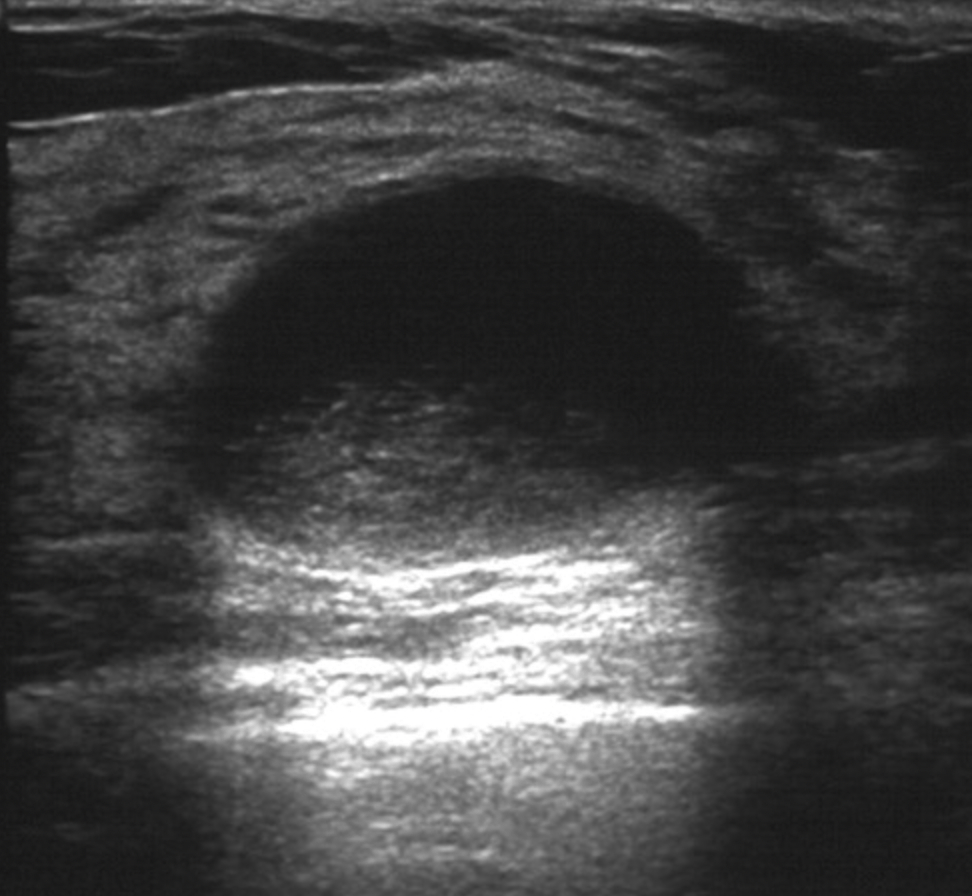
  • Complicated cysts are defined by ultrasound criteria as:
    • Lesions with homogeneous, low-level internal echoes:
      • Due to echogenic debris:
        • Without solid components, thick walls, or thick septa, and without vascular flow
    • The malignancy rate of complex cysts:
      • Which is 0.3%:
        • Is lower than that for lesions classified as “probably benign.”
    • These patients can be managed with:
      • Follow-up imaging studies
  • A complicated cyst noted on baseline examination or incidentally noted on ultrasonography:
    • Can be considered probably benign, BIRADS 3:
      • With 6-, 12-, and 24-month surveillance
  • If there are worrisome changes,:
    • Such as increase in size or development of solid components:
      • A diagnostic aspiration or biopsy should be performed
      • Complicated cysts are defined by ultrasound criteria as:
    • Lesions with homogeneous, low-level internal echoes:
      • Due to echogenic debris:
        • Without solid components, thick walls, or thick septa, and without vascular flow
    • The malignancy rate of complex cysts:
      • Which is 0.3%:
        • Is lower than that for lesions classified as “probably benign.”
    • These patients can be managed with:
      • Follow-up imaging studies
  • A complicated cyst noted on baseline examination or incidentally noted on ultrasonography:
    • Can be considered probably benign, BIRADS 3:
      • With 6-, 12-, and 24-month surveillance
  • If there are worrisome changes,:
    • Such as increase in size or development of solid components:
      • A diagnostic aspiration or biopsy should be performed