Ventilator Management

  • Two Strategies of Ventilation:
    • Injury:
      • This strategy is for patients with lung injury and those prone to lung injury
        • Essentially this means every intubated patient:
          • Except those with obstruction
    • Obstruction:
      • Use this strategy when patients are in the midst of an Asthma / COPD exacerbation
  • Injury Strategy:
    • Based on ARDSnet:
      • ARMA Study:
        • N Engl J Med 2000;342,1301-1308
    • Mode:
      • Assist Control (AC)-Volume
    • Tidal Volume (Vt):
      • Equals:
        • Protection
      • Start at 6 to 8 ml / kg:
        • Based on PBW
      • If ALI / ARDS:
        • The goal is to get down to 6 mo / kg:
          • Why?
            • Injured lungs are baby lungs
      • This setting should not be altered:
        • To fix ventilation
      • It only gets changed:
        • For lung protection/
          • To prevent:
            • Barotrauma / volutrauma
    • Flow Rate (IFR):
      • Equals:
        • Comfort
      • Start at 60 to 80 liters per minute (lpm)
      • This setting controls:
        • How quickly the air goes in
    • Rate (RR):
      • Equals:
        • Ventilation
      • Initially start at 16 to 18 breaths per minute (bpm):
        • Adjust based on:
          • CO2 and ventilatory needs
      • Alveolar gas volume (Va):
        • For maintaining normal CO2 when not intubated:
          • Is 60 ml /kg / min
        • We need to double that:
          • To 120 cc/kg/min:
            • When intubated because of:
              • Increased deadspace:
                • Need double that volume (240 ml /kg / min) to send CO2 from 40 to 30
        • Try to keep mildly hypercarbic
    • FiO2/PEEP:
      • Equals:
        • Oxygenation
      • Start at:
        • 100% FiO2 and PEEP of 5
      • Wait 5 minutes:
        • Then draw an ABG
      • Then set the FiO2 between 30% to 40%:
        • Start titrating:
          • Based on the ARDS Net protocol chart:
          • Go up every 5 to 10 minutes:
            • Quicker if low saturation
      • Oxygenation goal:
        • PaO2 between:
          • 55 mmHg to 80 mmHg
        • SpO2 between:
          • 88% to 95%
      • Use a minimum PEEP of:
        • 5 cm H2O
      • Consider use of incremental FiO2 / PEEP combinations such as shown below to achieve goal:
  • Check Plateau Pressure:
    • Check it after:
      • Initial settings and at regular intervals thereafter
    • Use the inspiratory hold button:
      • Hold for 0.5 seconds:
        • Look at pressure gauge
    • The peak pressure:
      • Is essentially meaningless
    • Plateau pressure:
      • Must be maintained less than 30 cm H20
    • Keep lowering the tidal volume (Vt):
      • Until Plat less than 30 cm H20:
        • You may need to go as low as 4 ml / kg
    • Disadvantages of this strategy:
      • It is not the most comfortable strategy of ventilation for awake, spontaneously breathing patients:
        • Use sedation / pain medications
      • Give enough flow:
        • If you see the patient sucking the straw:
          • Increase the IFR setting
  • Obstructive Strategy:
    • Goal is to:
      • Give as much expiratory time as possible
    • Mode:
      • Assist Control
    • Vt:
      • 8 ml / kg by PBW
    • IFR:
      • 80 to 100 lpm
    • PEEP:
      • 0 to 5 cmH20
    • FiO2:
      • Use whatever you need:
        • Most use 40%
    • RR:
      • Start at 8 to 10 bpm:
        • Look for:
          • I:E of 1:4 or 1:5:
            • Adjust the rate to achieve this
  • Permissive Hypercapnia:
    • Patients will need a lot of sedation / opioids
    • Keep pH above:
      • 7.1:
        • Rarely:
          • You may need a bicarbonate drip to accomplish this
  • AutoPEEP and Airtrapping:
    • They decrease venous return
    • Impede expiration
    • Impede spontaneous ventilation
  • Other Concerns:
    • Large Tubes:
      • At least size 8.0 ET whenever possible:
        • For both male and female patients.
      • Pulmonary toilet and ICU care:
        • Is miserable with small tubes
        • Biofilm forms:
          • Within the first two days reducing tube size dramatically
  • Ventilator Alarms:
    • Treat them like a code announcement:
      • The closest person should run to the patients bedside and assess the situation.

#Arrangoiz #Teacher #Surgeon

NSABP B-17, B-32, B-43 Trials

  • NSABP B-17:
    • A Phase III Randomized Study of Postoperative Radiotherapy Following Segmental Mastectomy and Axillary Dissection in Patients with Noninvasive Intraductal Adenocarcinoma of the Breast:
      • Compared:
        • Lumpectomy alone to
        • Lumpectomy plus breast radiation
      • 818 patients with localized ductal carcinoma in situ (DCIS)
      • This trial concluded that:
        • Radiotherapy significantly decreases the rate of invasive cancer and DCIS in the ipsilateral breast:
          • By approximately 50%
  • NSABP B-32:
    • Was a randomized controlled phase III trial conducted at 80 centers in Canada and the U.S:
      • 5611 women with invasive breast cancer were randomly assigned to either:
        • Sentinel lymph node (SLN) resection plus ALND (group 1) or
        • To SLN resection alone with ALND:
          • Only if the SLNs were positive (group 2)
      • In the 3986 SLN-negative patients:
        • 8-year estimates for:
          • Overall survival:
            • Were 91.8% (95% CI, 90.4%–93.3%) in the first group and
            • 90.3% (88.8%–91.8%) in the second group
          • Treatment comparisons for disease-free survival:
            • Yielded an unadjusted HR of 1.05 (95% CI, 0.90–1.22; P=0.54)
            • Disease-specific survival was:
              • 82.4% (80.5%–84.4%) in group 1 and
              • 81.5% (79.6%–83.4%) in group 2
          • There were eight regional node recurrences as first events in group 1 and 14 in group 2 (P=0.22)
      • Patients are continuing follow-up for long-term assessment of survival and regional control
  • NSABP protocol B-43:
    • Aims to evaluate the effect of trastuzumab in HER2-positive DCIS
    • Patients with HER2-positive DCIS treated with BCS were randomized to:
      • Breast radiation alone versus
      • Breast radiation plus two doses of trastuzumab:
        • Starting on day 1 of breast radiation and repeated 3 weeks later
      • The primary endpoint:
        • Is the development of any breast cancer

REFERENCES

  1. Fisher B, Anderson S, Bryant J, et al. Twenty-year follow-up of a randomized trial comparing total mastectomy, lumpectomy, and lumpectomy plus irradiation for the treatment of invasive breast cancer. N Engl J Med. 2002;347:1233-1241.
  2. Fisher B, Dignam J, Wolmark N, et al. Lumpectomy and radiation therapy for the treatment of intraductal breast cancer: findings from National Surgical Adjuvant Breast and Bowel Project B-17. J Clin Oncol. 1998;16:441-452.
  3. Fisher B, Montague E, Redmond C. Comparison of radical mastectomy with alternative treatments for primary breast cancer: a first report of results from a prospective randomized clinical trial. Cancer. 1977;39:2827-2839.
  4. Krag DN, Anderson SJ, Julian TB, et al. Sentinel-lymph-node resection compared with conventional axillary-lymph-node dissection in clinically node-negative patients with breast cancer: overall survival findings from the NSABP B-32 randomized phase 3 trial. Lancet Oncol. 2010;11:927-933.

#Arrangoiz #BreastSurgeon #BreastCancer #Cancer Surgeon #SurgicalOncologist

NSABP B-04 Trial

  • NSABP B-04:
    • A Protocol for the Evaluation of Radical Mastectomy (RM) and Total Mastectomy (TM) With and Without Radiation in the Primary Treatment of Cancer of the Female Breast:
      • Enrolled 1079 patients with clinically node-negative disease
      • And randomized them to:
        • RM
        • TM plus local-regional axillary radiation
        • TM alone
      • In parallel:
        • 586 patients with clinically node-positive disease:
          • Were randomized to:
            • RM
            • TM plus radiation
    • After 25 years of follow-up:
      • The study failed to demonstrate a significant difference:
        • In long-term outcome between:
          • Clinically node-negative patients:
            • Who received RM and those who received TM plus radiation, or
          • Between clinically node-positive patients:
            • Who received RM and those who received TM with nodal radiation

#Arrangoiz #BreastSurgeon #BreastCancer #CancerSurgeon #SurgicalOncologist

Ventilator Management of Patients with COVID-19 Infection

  • According to Brigham and Women’s Hospital COVID-19 Critical Care Clinical Guidelines:
    • Patients with COVID-19 generally present with respiratory symptoms:
      • More specifically:
        • Cough:
          • 46% to 82% of the cases
        • Shortness of breath:
          • 20% to 64% of the cases
        • Upper respiratory tract symptoms:
          • 5% to 25% of the cases:
            • Including nasal / sinus congestion
  • The Brigham and Women’s Hospital guidelines further state that:
    • Approximately 20% of those with COVID-19 develop ARDS
    • 2% to 25% have a respiratory viral co-infection
  • The most common cause of ICU admission for COVID-19 patients is:
    • Hypoxemic respiratory failure
  • Among those admitted:
    • Intubation is often required within 12 to 24 hours
  • Of COVID-19 patients who die:
    • About half die from respiratory failure
    • Third die from concomitant respiratory and heart failure
  • Many patients with COVID-19 are presenting with:
    • Hypoxemia disproportionate:
      • To their imaging findings
  • Hypoxemia arises in ARDS:
    • Through a mismatch of ventilation and perfusion:
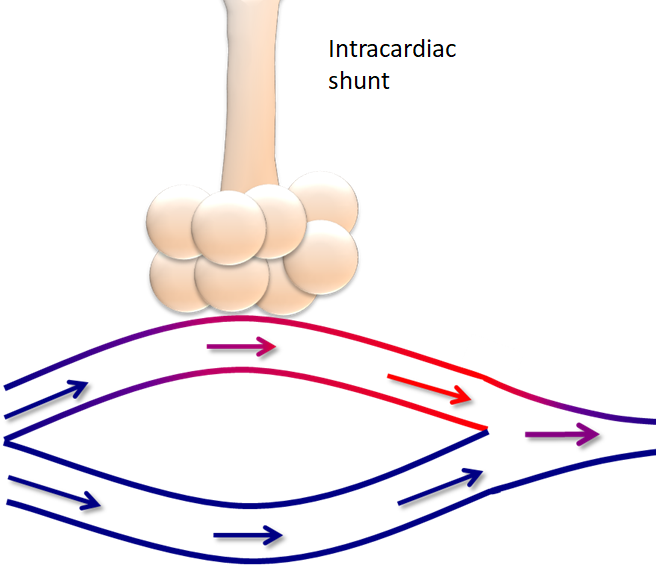
      • Predominantly due to shunt:
        • 1 to 3 with shunt fractions much greater than would be anticipated for their relatively compliant lungs
  • Patients with COVID-19 have:
    • Scattered, peripheral ground glass opacities on chest computed tomography scans:
      • Indicating ineffective lung units, and as such:
        • Shunt:
          • Appears to be a major cause of the hypoxemia
    • Dr. Gattioni and colleagues report:
      • Disproportionate blood flow to these areas:
        • Possibly accounting for the profound hypoxemia
      • They suggest at least two distinct phenotypes:
        • Low recruitability phenotype:
          • Presenting with:
            • Low elastance
            • High compliance
            • Low recruitability
              • But yet substantial hypoxemia:
                • They hypothesis that a mechanism for this profound hypoxemia could be:
                  • Loss of V/Q matching from:
                    • Pulmonary arterial vasoplegia
      • Later, patients progressed to the H phenotype:
        • High elastance
        • Low compliance
        • High recruitability
        • Need for higher PEEP
  • The CT scan below demonstrates the mild-moderate ground glass findings in COVID-19:
  • On presentation:
    • Patients are presenting with substantial hypoxemia:
      • With many having oxygen saturations in the 70s, 80s, 90s:
        • They deteriorate with any exertion
    • Chest x-ray imaging will vary substantially depending upon where the patient is in the course of their illness
  • The initial mode of treatment involves:
    • Providing supplemental oxygen immediately to improve the oxygen saturation
    • Although patients may or may not be complaining of dyspnea:
      • Nearly all hypoxemic patients are noted to be tachypneic:
        • Patients who are tachypneic:
          • Generate large tidal volumes:
            • Which can induce lung injury:
              • From generating large negative intrathoracic pressure and therefore a large transpulmonary pressure
        • As such, the hypoxemia should be treated to:
          • Decrease hypoxemic drive
  • The role of high-flow nasal cannula and non-invasive positive pressure ventilation:
    • Are controversial in COVID-19:
      • The concerns are for healthcare workers, as the risk of aerosolization has been noted with these modalities, especially non-invasive positive pressure ventilation
    • Although there are limited data regarding the use of HNFC in COVID-19:
      • A small study of patients with Influenza A showed that 45% avoided intubation:
        • Although all more severe patients were eventually intubated
  • Similarly, non-invasive positive pressure ventilation (NIPPV) is a common means of respiratory support in many patients:
    • But its use in COVID-19 should be limited
    • NIPPV failed in 57% to 85% of patients with Influenza A H1N1 associated ARDS:
      • With failing patients having a higher ICU mortality than those treated with invasive mechanical ventilation
      • Some component of this may be due to patients continuing to:
        • Generate those large tidal volumes
        • Continuing to induce self-inflicted lung injury
    • Subjects with SOFA score ≥ 5 had a higher risk of NIV failure (odds ratio = 3.3, 95% CI 2.4-4.5)
    • A small study of COVID-19 patients in Wuhan found that 76% failed NIPPV, and the mortality rates were similarly high for both groups
    • NIPPV also aerosolizes the virus:
      • Many recommend that it should be avoided in most circumstances:
        • However, there may well be a role for judicious use of non-invasive ventilation in COVID-19
        • Each institution is developing their own policies and procedures, with some adopting the process widely and others not using it at all
  • When the decision is made to intubate a patient:
    • The patient can have significant clinical deterioration with COVID-19
    • The patient arrives with a high work of breathing:
      • Generating substantial negative intrathoracic pressure:
        • To maintain minute ventilation and V/Q matching
    • When the patient is intubated:
      • The induction agents and paralytics are administered, the patient is laid in a recumbent position, and the patient will be derecruited
  • Recruiting the patient can be a substantial endeavor:
    • Typically, we use a bag method with a PEEP valve to recruit patients and prepare them to be placed on the ventilator immediately after intubation:
      • If this method is to be used, a HEPA filter must be placed between the endotracheal tube and the bag:
        • However, many institutions are now foregoing any bagging and instead placing the patient directly on the ventilator:
          • To reduce the risk of aerosolization
          • An advantage is:
            • That the patient does not receive any:
              • High tidal volume, high-pressure breaths from the bagging
          • The downside, however, is:
            • That recruitment may take longer, and these patients may be profoundly hypoxemic during that time period
  • Once the patient is placed on the ventilator, general principles of good ventilator management still apply:
    • The patient should be placed on:
      • Low tidal volume ventilation:
        • 4 ml/kg to 8 ml/kg of PBW:
          • Starting with a tidal volume of 6 ml/kg of predicted body weight
      • The plateau pressure should be checked and monitored:
        • Ensuring a value less than 30 cm of water
      • The driving pressure should be:
        • Less than 15 centimeters of water
      • These patients likely require a moderate PEEP at least:
        • We recommend starting with a PEEP of 8 and adjusting from there:
          • While PEEP can improve oxygenation:
            • Too much PEEP can be deleterious causing:
              • Increased intrathoracic pressure
              • Lung injury
              • Hemodynamic compromise if severe
  • For patients with COVID-19:
    • Who have a PaO2 / FiO2 ratio of less than a 150:
      • The next step should be placing the patient:
        • In a prone position:
        • Many institutions have protocols or guidelines for prone positioning
        • Prone positioning has been shown to improve mortality in patients with ARDS:
          • Authors are reporting good outcomes with proning in patients with COVID-19
        • Although a simple procedure, it requires a systems-based approach, with investment from nurses, respiratory therapists, and physicians alike
        • All attention must be on the patient’s endotracheal tube, invasive lines, and position during the turns
        • Additionally, close attention must be paid to patients in a prone position to ensure that their orbits and eyes are protected, that pressure points are well-supported, that medical equipment is not trapped under the body, possibly causing opportunity for injury or bedsores
        • Most protocols involve:
          • Leaving the patient in the prone position for 12 to 16 hours
        • The patient will be reproned as long as their PaO2/ Fi02 ratio remains:
          • Less than 150 while they are supine
        • When the patient’s PaO2/ FiO2 ratio starts to improve:
          • The patient no longer requires routine proning
  • For patients with persistent severe hypoxemia:
    • Inhaled pulmonary vasodilators:
      • Can be considered
      • Inhaled epoprostenol is an excellent pulmonary vasodilator:
        • However, it is not recommended in COVID-19 as it mandates frequent ventilator circuit changes
        • Therefore, if an inhaled pulmonary vasodilator is needed:
          • Inhaled nitric oxide is preferred:
            • We start at 20 parts per million and assess the patient for an improvement in SpO2
            • If the patient does not have at least a 20% improvement in the SpO2:
              • The inhaled pulmonary vasodilator is unlikely to be effective and should not be continued
            • If the patient is responsive, the pulmonary vasodilator can be continued with gradual weaning as a patient improves clinically over the next several days
  • Bacterial superinfection:
    • Has been noted in about 20% to 30% of patients with COVID-19, and as such:
      • Many patients will require antibiotics
    • Procalcitonin can be useful for assessing COVID-19 alone
  • Steroids are not routinely recommended for COVID-19 treatment:
    • However, patients who have another indication for steroids:
      • Such as asthma or adrenal insufficiency:
        • They should receive them
    • The surviving sepsis campaign recommends use of steroids in severe ARDS:
      • However, this is not a universal recommendation
  • The role of other medications including:
    • Hydroxychloroquine, azithromycin, and statins:
      • Are unclear
    • We encourage everyone to refer to local protocols for guidance on the use of these medications
    • Some medications, such as Remdesivir, are being evaluated in clinical trials
  • Although CT scans:
    • Have been shown to be fairly sensitive for the diagnosis of COVID-19:
      • Once the diagnosis is made:
        • We do not encourage the routine use of CT scans:
          • Not only does a CT scan pose risk to a critically ill patient, mandating travel with the associated risks of line pulls, hemodynamic instability, and hypoxemia, but this can lead to infection control issues mandating the cleaning of the scanners as well
  • Patients with COVID-19:
    • Have been noted to be fairly hypercoagulable:
      • With many authors reporting:
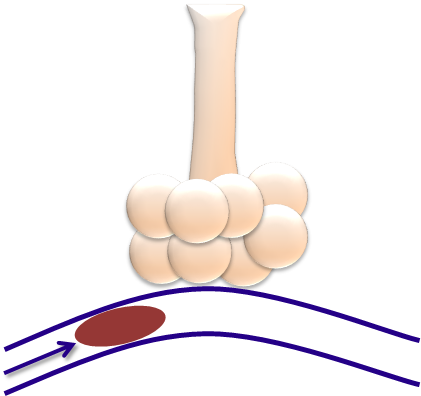
        • Thromboembolic disease, clotting of dialysis lines, and other clinical manifestations of hypercoagulability:
          • D-dimer levels can be quite elevated coming into the thousands
      • The best practices for initiation of therapeutic anticoagulation:
        • In the absence of a documented thromboembolism:
          • Are unclear at this time:
            • Some clinicians are using markedly elevated D-dimer levels:
              • Such as greater than 2000:
                • As an indication for anticoagulation, whereas others are basing it upon clotting of lines and other clinical markers
  • Bronchoscopy is an aerosolizing procedure and as such:
    • Should be minimized or avoided in patients with COVID-19
  • Additionally, suctioning can be aerosolizing and all healthcare workers in the room should be aware and in appropriate PPE before these procedures are performed

#Arrangoiz #Teacher #Surgeon

Ventilator Wave Form Analysis

  • In waveform analysis:
    • The scalars of interest are:
      • Volume vs time
      • Pressure vs time
      • Flow vs time
  • In volume assist control:
    • It is common to have a constant flow pattern:
      • Which will show up as straight in the flow scalar
    • Adding an inspiratory pause (when flow = 0):
      • Will indicate a plateau pressure in the pressure scalar
    • In volume assist control:
      • Effort will cause changes to the pressure waveform
  • In pressure assist control:
    • Pressure is held constant over time
    • The rise time:
      • Is the time it takes to reach the pressure provided during inspiration
    • To find the plateau pressure:
      • Use an inspiratory pause
    • In pressure assist control:
      • Effort by the patient will change the flow waveform
  • To understand patient behavior:
    • It is important to understand asynchrony, which includes:
      • Neurological timing and ventilator timing:
        • Is out of sync
    • Flow starvation:
      • The ventilator does not meet the demand of the patient
    • Patient is unable to meet the trigger criteria
  • In volume assist control:
    • You will see patient effort:
      • In the form of:
        • Negative scooping:
          • In the pressure waveform:
            • If flow demand is not entirely met for the patient
      • Patients with COVID-19:
        • Often have excessive efforts when they interact with the ventilator
          • As a result, it is important to monitor the occlusion pressure, or p0.1:
            • To ensure it is not too high and to watch for significant scooping in the pressure waveform
  • The figure above shows patient effort in volume assist control with:
    • A normal amount of scooping:
      • With a p0.1 of 2.35 cmH2O
  • The figure below indicates excessive effort:
    • Which many COVID-19 patients display when they begin to interact with the ventilator:
      • With p0.1 of 4.7
  • In pressure assist control:
    • Patient effort should change the:
      • Flow waveform
    • In this, it is important to check if the flow reaches 0 as pressure reaches 0:
      • During inspiration or
      • If there is dampening of the peak expiratory flow during exhalation:
        • To ensure the patient is not experiencing asynchrony with breath timing:
          • This can be adjusted by shortening or lengthening the inspiratory time
          • Similarly, p0.1 can be monitored to evaluate whether a patient is experiencing excessive effort:
            • In which increasing support should be done:
              • In an attempt to reduce respiratory drive:
                • Provided tidal volume is not excessive
          • PEEP can also be adjusted to attempt to improve the patient’s drive
    • In pressure support, it may be necessary to alter the % of peak inspiratory flow:
      • That causes cycling off to eliminate asynchrony
    • If the patient is demonstrating excessive effort:
      • Increasing the pressure support:
        • Will help decrease the patient’s drive:
          • However, if increasing pressure support does not decrease the p0.1:
            • Reducing the drive must be prioritized
      • PEEP can also be adjusted to attempt to improve the patient’s drive
  • Delayed cycling is another phenomena:
    • Where the patient wants to exhale:
      • But the machine has not cycled off yet
    • In pressure assist control:
      • If there is an increase in pressure at the end of inspiration with a subsequent rapid deceleration in the expiratory flow:
        • Then the patient is most likely experiencing delayed cycling
        • As a result, the inspiratory time should be shortened:
          • However, the time should be not shortened so much that it causes premature cycling:
            • In which the patient’s effort lasts longer than the ventilator’s cycle off criteria
            • This will manifest as a dampening in the peak expiratory flow
          • Premature cycling can also occur in pressure support:
            • When the cycling-off percentage is too high:
              • This flow scalar will look similar to that for premature cycling in pressure assist control
  • In the figures above, delayed cycling (top) and premature cycling (bottom) in pressure assist control:
    • Are noticeable by analyzing the flow scalar:
      • The inspiratory time:
        • Should be shortened for delayed cycling
        • Lengthened in premature cycling
  • Ineffective efforts are another form of asynchrony that generally occurs:
    • When patients are overassisted (too much pressure support) or have too high of airway resistance:
      • Delayed cycling is a common cause of ineffective efforts
  • Reverse triggering:
    • Is another form of asynchrony:
      • where the ventilator triggers a breath:
        • That then triggers an effort from the patient:
          • This can also lead to breath stacking
    • The first thing to check when noting reverse triggering:
      • Is to see if it is bad timing or reflex
        • To check this:
          • First reduce the respiratory rate
            • After reducing the respiratory rate:
              • If the patient is triggering the breaths, it was simply bad timing
          • However, if the reverse triggering still continues, a few steps should be taken:
            • Turn off sedation if possible
            • Increase tidal volume to a maximum of 8 mL / kg of IBW
            • Keep plateau pressure:
              • Less than or equal to 27 cmH2O
              • Less than 30cmH2O for COVID-19 patients:
                • Typical ARDS guidelines
            • If there is a known injurious pattern (breath stacking) and sedation cannot be stopped:
              • Consider NMB agents to protect the lung and minimize the possibility of barotrauma

#Arrangoiz #Surgeon #Teacher

Terms Used in the Physiology of the Ventilated Patient

  • Airway resistance:
    • Refers to the resistive forces encountered during the:
      • Mechanical respiratory cycle
    • The normal airway resistance is:
      • ≤ 5 cmH2O
  • Lung compliance:
    • Refers to the:
      • Elasticity of the lungs, or
        • The ease with which they stretch and expand:
          • To accommodate a change:
            • In volume or pressure
    • Lungs with a low compliance, or high elastic recoil:
      • Tend to have difficulty with the inhalation process, and are colloquially referred to as:
        • Stiff” lungs:
          • An example of poor compliance would be:
            • A patient with a restrictive lung disease, such as:
              • Pulmonary fibrosis
    • In contrast:
      • Highly compliant lungs, or lungs with a low elastic recoil:
        • Tend to have more difficulty during the exhalation process:
          • As seen in obstructive lung diseases
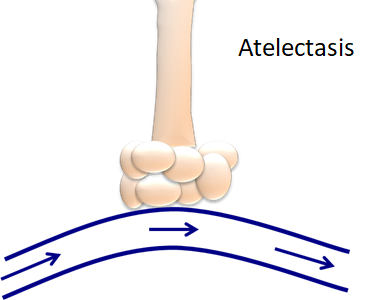
  • Atelectasis:
    • Is a complete or partial collapse:
      • Of the entire lung or area (lobe) of the lung:
        • It occurs when the tiny air sacs (alveoli) within the lung:
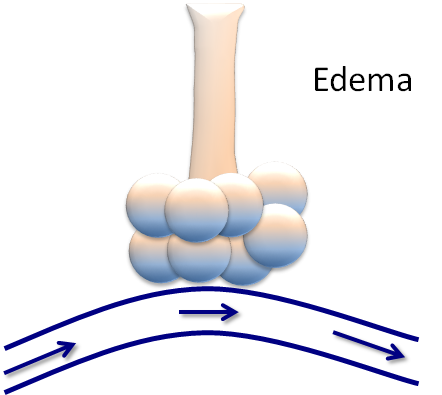
          • Become deflated or possibly filled with alveolar fluid
  • Derecruitment:
    • Is the loss of gas exchange surface area:
      • Due to atelectasis
    • Derecruitment is one of the most common causes of:
      • Gradual hypoxemia in intubated patients and can be minimized by:
      • Increasing PEEP
  • Recruitment:
    • Is the restoration of gas exchange surface area:
      • By applying pressure:
        • To reopen collapsed or atelectatic areas of the lung
  • Predicted Body Weight:
    • Is the weight that should be used in determining ventilator settings:
      • Never use actual body weight
    • Lung volumes are determined largely by:
      • Gender and height, and therefore, these two factors are used to determine predicted body weight:
        • The formula for men is:
          • PBW (kg) = 50 + 2.3 (height (in) – 60) and
        • The formula for women is:
          • PBW (kg) = 45.5 + 2.3 (height (in) – 60)

#Arrangoiz #Surgeon #Teacher

TAILORx Trial

  • The Oncotype DX recurrence score:
    • Is based on a 21-gene panel:
      • Developed to predict:
        • The risk of distant recurrence and the potential benefit of adjuvant chemotherapy
    • Retrospective analyses of tissue samples from prospective, randomized trials:
      • Showed that the score estimates:
        • The risk of distant recurrence and predicts the benefit from adjuvant chemotherapy
    • The TAILORx trial was designed to determine:;
      • Whether Oncotype DX could be used prospectively:
        • To guide decision making regarding the use of adjuvant chemotherapy:
          • In node-negative, hormone receptor-positive breast cancers:
            • With an intermediate recurrence score:
              • A group where the benefit of chemotherapy is less clear:
                • The intermediate score for purposes of the trial was defined as 11 to 25
      • All patients were treated with hormonal therapy
      • Patients with scores of less than 11:
        • Were treated with hormonal therapy alone
      • Those with scores above 25:
        • Were treated with chemotherapy plus hormonal therapy
      • Patients with intermediate scores (11 to 25):
        • Were randomized to receive chemotherapy or not
      • Primary endpoints of the trial:
        • Are disease-free survival and overall survival
  • Methods:
    • Eligibility criteria included:
      • Women 18 to 75 years of age
      • HR-positive
      • HER2-negative
      • Axillary node (AN)-negative breast cancer
      • Tumors 1.1 to 5.0 cm in size:
        • Or 0.6 to 1.0 cm and intermediate grade to high grade
      • Agreed to have chemotherapy assigned or randomized based on the RS
      • Women with a mid-range RS (11 to 25):
        • Were randomized to receive:
          • Endocrine therapy (ET) or
          • Chemotherapy and endocrine therapy (CET)
      • The primary endpoint was:
        • Invasive disease-free survival (iDFS),
      • The trial was designed to show non-inferiority for ET alone by not rejecting equality:
        • Hazard ratio [HR] margin up to 1.322 for omission of chemotherapy, 1-sided type I error rate 10%, type II error rate 5%
      • The target sample size was adjusted to compensate for non-adherence to randomized treatment, and the protocol-specified final analysis was triggered after 835 iDFS events
  • Results:
    • Of the 10,253 eligible women enrolled between 4/7/06-10/6/10:
      • 6711 (65.5%) had a:
        • RS of 11 to 25 and adequate information
    • There were 836 iDFS events at final analysis:
      • With amedian followup of 90 months
    • ET was non-inferior to CET for iDFS:
      • HR 1.08, 95% confidence intervals [CI] 0.94, 1.24, p=0.26) in the intention-to-treat (ITT) population
    • ET was also non-inferior for distant recurrence-free interval:
      • DRFI:
        • HR 1.03, p=0.80
    • ET was also non-inferior for recurrence-free interval:
      • RFI:
        • HR 1.12, p=0.28
    • ET was also non-inferior for overall survival:
      • OS:
        • HR 0.97, p=0.80
    • Nine year rates were similar for:
      • iDFS:
        • 83.3% vs. 84.3%
      • DRFI:
        • 94.5% vs. 95.0%
      • RFI:
        • 92.2% vs. 92.9%
      • OS:
        • 93.9% vs. 93.8%
    • Recurrence:
      • Accounted for 338 (41.6%) the first iDFS event:
        • Of which 199 (23.8%) were distant recurrences
    • Treatment interaction tests were significant for age (iDFS p=0.03; RFI p= 0.02), but not menopause, tumor size, grade, or RS (continuous or RS 11-15, 16-20, 21-25).
  • Conclusions:
    • In women with HR-positive, HER2-negative, AN-negative breast cancer and a RS of 11 to 25:

REFERENCES

  1. Solin LJ. The Eastern Cooperative Oncology (ECOG) experience. In: Kuerer HM, ed. Kuerer’s Breast Surgical Oncology. New York, NY: McGraw-Hill Companies; 2010:578-581.
  2. National Cancer Institute at the National Institutes of Health Web site. Featured Clinical Trials. Phase III Randomized Study of Adjuvant Combination Chemotherapy and Hormonal Therapy Versus Adjuvant Hormonal Therapy in Women with Previously Resected Axillary Node-Negative Breast Cancer with Various Levels of Risk for Recurrence (TAILORxTrial) (ECOG-PACCT-1). Available at: clinicaltrials.gov/ct2/show?term=TAILORx&rank=1.

#Arrangoiz #Surgeon #BreastSurgeon #CancerSurgeon #SurgicalOncologist #BreastCancer

NSABP B-06

  • NSABP B-06:
    • Phase III trial of Total Mastectomy/Axillary Dissection vs Segmental Mastectomy/Axillary Dissection with or without Radiotherapy for Potentially Curable Breast Carcinoma:
      • Compared lumpectomy and ALND with or without breast radiation with MRM:
        • In patients with tumors 4 cm or less in greatest diameter
    • This trial, along with other trials, was instrumental in establishing:
      • BCS plus radiation therapy:
      • As the preferred treatment of operable breast cancer:
        • As compared to mastectomy
    • After 20 years of follow-up:
      • There are no observed differences in:
        • Overall survival
        • Distant disease-free survival:
          • Between the MRM group and the groups treated with BCS, with or without radiation
      • The hazard ratio (HR) for death with BCS alone was:
        • 1.05 (95% confidence interval [CI] 0.90–1.23; P=0.51)
      • The HR for death with BCS plus radiation was:
        • 0.97 (95% CI, 0.83–1.14; P=0.74)
          • These are comparable to MRM

#Arrangoiz #BreastSurgeon #BreastCancer #Surgeon #Teacher #CancerSurgeon #SurgicalOncologist #

The European Organisation for Research and Treatment of Cancer (EORTC) After Mapping of the Axilla, Radiation or Surgery? (AMAROS) Trial

  • In the past, patients with positive sentinel nodes have generally been treated with:
    • Axillary lymph node dissection (ALND)
  • Side effects of ALND include:
    • Lymphedema:
      • In up to 40% of patients
  • The AMAROS trial:
    • Is a phase III prospective, multicenter non-inferiority study:
      • Comparing ALND with axillary radiotherapy (ART)
    • The primary objective of the trial:
      • Is to prove equivalent locoregional control:
      • With reduced morbidity for ART
    • The SN detection rate:
      • With radioactive tracer and blue dye combined:
        • Was 97%
    • The two treatment arms were comparable:
      • With regard to age, tumor type, tumor size, grade, and adjuvant therapy
    • Both ALND and ART after a positive sentinel node biopsy:
      • Provided excellent and comparable regional control
    • Median follow-up of 6.1 years
    • The 5-year axillary recurrence rate was:
      • 0.54% after ALND and
      • 1.03% after ART
    • The axillary recurrence rate:
      • After a negative sentinel node biopsy:
        • was 0.8%
    • There were no significant differences between treatment arms:
      • With respect to overall survival:
        • 93.27% ALND
        • 92.52% ART
          • P=0.3386
      • Disease-free survival:
        • 86.90% ALND
        • 82.65% ART
          • P=0.1788
    • Lymphedema:
      • Was found significantly more often after ALND than ART:
        • Patient perceived (subjective) lymphedema:
          • 23% versus 11%
        • Measured (objective):
          • 13% versus 6% after 5 years of follow-up
            • P<0.0001

REFERENCES

  1. Rutgers EJ, Donker M, Straver ME, et al. Radiotherapy or surgery of the axilla after a positive sentinel node in breast cancer patients: final analysis of the EORTC AMAROS trial (10981/22023). J Clin Oncol. 2013;31 (suppl; abstr LBA1001). http://meetinglibrary.asco.org/content/109779-132. Accessed November 7, 2013.
  2. Straver ME, Meijnen P, Tienhoven GV, et al. Sentinel node identification rate and nodal involvement in the EORTC 10981-22023 AMAROS trial. Ann Surg Oncol. 2010;17:1854-1861.

#Arrangoiz #BreastSurgeon #BreastCancer #Surgeon #CancerSurgeon #SurgicalOncologist #Teacher