Cost of Contralateral Prophylactic Mastectomy (CPM) Versus Surveillance

  • There is robust literature to support the use of CPM as a cost-effective strategy:
    • In patients with hereditary breast cancer syndromes
  • Anderson et al. demonstrated that the most cost-effective strategy:
    • With and without quality adjustment:
      • For women with BRCA1 or BRCA2 mutations was:
        • Prophylactic bilateral salpingo-oophorectomy with bilateral mastectomy
  • Simulation models analyzing costs for CPM versus surveillance in patients with sporadic breast cancer reveal disparate findings:
    • An initial Markov model study found that CPM was cost effective compared with surveillance for:
      • Patients younger than 70 years:
        • But this finding was highly dependent on the quality of life assumptions
    • A second study that included operative complications and breast reconstruction costs used a decision-tree model and concluded that:
      • Although CPM resulted in a cost savings over surveillance for women younger than 50 years:
        • It also reduced quality of life years
      • When MRI was inserted in the model as the primary method of screening:
        • The cost-effectiveness of CPM increased
      • Loss of quality of life years was largely attributed to complications from reconstructive procedures
    • The two models differ in the assumptions regarding quality of life:
      • If we assume an improvement in quality of life after CPM:
        • Then CPM could be cost effective
      • Alternatively, if quality of life is decreased,:
        • CPM would not be a cost-effective strategy
  • The available data on cost effectiveness for CPM is limited
  • Summary:
    • CPM is a cost-effective strategy for women with BRCA mutations
    • At this time, there is insufficient evidence to support the concept of superior cost effectiveness for CPM in women with sporadic breast cancer and the cost effectiveness is highly dependent on the quality of life assumptions
  • Reference:
    • Contralateral Prophylactic Mastectomy Consensus Statement from the American Society of Breast Surgeons: Additional Considerations and a Framework for Shared Decision Making. Ann Surg Oncol (2016) 23:3106–3111

#Arrangoiz #BreastSurgeon #BreastCancer #CancerSurgeon #SurgicalOncologist #ContralateralProphylacticMastectomy #Cost-effectiveness #Miami #CASO #CenterforAdvancedSurgicalOncology

  • Laboratory Evaluation:
    • Diagnosis is always established by the measurement of:
      • Sensitive TSH and thyroid hormone levels (free T3 and free T4)
    • Thyrotoxicosis caused by TNG or Graves’ disease is usually characterized by:
      • suppressed TSH level with either:
        • Normal (subclinical) or elevated (overt) free thyroid hormone levels
      • It is insufficient to rely on the measurement of TSH or free thyroid hormones:
        • Alone to diagnose TNG or Graves’ disease:
          • Because suppression of TSH or elevation of thyroid hormones can be associated with clinical conditions other than TNG and Graves’ disease
Low TSHHigh TSH
Secondary hypothyroidismTSH-secreting pituitary tumor
Non-thyroidal illnessThyroid hormone resistance
Glucocorticoid therapy
Amiodarone use
Excessive thyroid hormone therapy
  • Other serologic findings:
    • Such as antithyroid antibodiesantithyroid peroxidase and antithyroglobulin:
      • That support the diagnosis of autoimmune thyroid disease:
        • May be detected in patients with Graves’ disease:
          • However, serum TSHR-Ab:
            • Is occasionally helpful in the diagnosis of Graves’ disease:
              • Though there is no consensus regarding its routine measurement in Graves’ disease
  • Imaging:
    • Radionuclide Imaging:
      • Radionuclide scanning and radioactive iodine uptake (RAIU):
        • Are useful tests to elucidate the cause of hyperthyroidism
      • In toxic nodular goiter (TNG):
        • The radioactive iodine (RAIconcentration is in the nodule(s), and uptake is inhibited in the surrounding tissue:
          • Giving the appearance of “patchy uptake”
        • Consequently, the total RAIU may be either:
        • Slightly raised or at the upper limit of normal
      • In Graves’ disease:
        • Because of the diffuse thyroid involvement:
          • The RAIU is always intense and increased
      • Thyroid radionuclide imaging may not be necessary in every case:
        • When the diagnosis is obvious:
          • But it is helpful in the differentiation of other clinical conditions associated with hyperthyroidism but with low RAIU
Radionuclide scan of toxic nodular goiter demonstrating intense focal uptake of several hot nodules with different degrees of suppression of adjacent thyroid tissue (A) compared with the scan from a patient with non-toxic multi-nodular goiter, showing less intense patchy radioactive iodine uptake (B).
Radionuclide scan in Graves’ hyperthyroidism demonstrating the diffuse and homogeneous nature of increased uptake in both lobes of the thyroid.

Clinical Conditions Associated with Low Radioactive Iodine Uptake and Hyperthyroidism

Thyroiditis
Iodine-induced thyrotoxicosis
Exogenous thyrotoxicosis (factitia)
Ectopic functional thyroid tissue
  • Computed tomography scan:
    • In any patient with compressive or obstructive symptoms and an MNG:
      • Chest radiography and chest computed tomography (CT) are often informative
    • Chest CT is particularly valuable to define the size and extent of the goiter:
      • Especially into the mediastinum
    • Care to avoid iodinated contrast:
      • Until the patient’s thyroid functional status must be taken into account or the significant iodine load CT contrast agent may acutely induce or worsen hyperthyroidism
A, Chest radiography showing a huge solid goiter (horizontal arrow) displacing the trachea without compression (vertical arrow). B, Neck computed tomography of the same goiter (arrows). Thyroidectomy revealed a 290-g benign thyroid gland.
  • Associated metabolic abnormalities:
    • Altered glucose metabolism:
      • Reversible hyperglycemia
      • Elevated C-peptide
      • Elevated intact proinsulin
      • Insulin resistance
    • Increased bone turnover:
      • Elevated markers of bone formation and resorption
        • Are hallmarks of untreated hyperthyroidism
    • Untreated hyperthyroidism is associated with an elevated chromogranin A level:
      • That changes in parallel with thyroid status

Metabolic Abnormalities Associated with Hyperthyroidism

Mild hypercalcemia
Myopathy
Hypokalemic periodic paralysis
Pulmonary hypertension
Cholestatic jaundice

#Arrangoiz #CancerSurgeon #ThyroidSurgeon #ParathyroidSurgeon #HeadandNeckSurgeon #ThyroidExpert #SurgicalOncologist #EndocrineSurgery #CASO #Miami #ThyroidNodule #ToxicNodularGoiter #TNG #MultinodularGoiter #GravesDisease #Hyperthyroidism #Goiter #CenterforAdvancedSurgicalOncology

Sentinel Lymph Node Surgery for Contralateral Prophylactic Mastectomy (CPM) – American Society of Breast Surgeons (ASBrS) Evidence-Based Recommendations

  • The benefit of performing sentinel lymph node (SLN) surgery at the time of CPM is:
    • That the lymph nodes have been evaluated in the event that an occult malignancy is found
  • The downside is:
    • Increased surgical morbidity such as lymphedema
  • By meta-analysis:
    • The risk of lymphedema after SLN alone is:
      • 5.6 % (95 % CI 6.1–7.9 %) and increases with longer follow-up
    • The chance of finding occult invasive disease in a prophylactic mastectomy is:
      • 1.8 %
    • An additional small percent of CPM specimens harbor noninvasive disease:
      • That would not require nodal evaluation
    • The rate of nodal positivity in patients with occult malignancy in CPM is:
      • Only 1.3 %
    • Considering these data:
      • Routine SLN surgery at time of CPM:
        • Places more patients at risk of lymphedema:
          • Than would be expected from the 1% to 2 % of patients with occult disease undergoing axillary dissection
        • Therefore the consensus group:
          • Does not recommend routine SLN for CPM
  • Patients at higher risk of contralateral occult malignancy are:
    • Postmenopausal patients
    • Those with triple-negative
    • Locally advanced
    • Inflammatory breast cancer
    • Invasive lobular disease
  • MRI at the time of breast cancer diagnosis:
    • Identifies occult contralateral disease:
      • 2% to 4 % of the time
    • Suspicious lesions in the contralateral breast should be biopsied:
      • But if a biopsy is not done:
        • SLN surgery should be considered for highly suspicious lesions
  • Summary:
    • Sentinel lymph node surgery on the CPM side should not be routinely performed
  • References:
    • Contralateral Prophylactic Mastectomy Consensus Statement from the American Society of Breast Surgeons: Additional Considerations and a Framework for Shared Decision Making. Ann Surg Oncol (2016) 23:3106–3111

#Arrangoiz #BreastSurgeon #CancerSurgeon #Teacher #SurgicalOncology #CASO #Miami #CenterforAdvancedSurgicalOncology #BreastCancer #ProphylacticMastectomy #CPM #ContralateralProphylacticMastectomy

Lymph Node Staging in Breast Cancer in Patients Greater Than 70 Years of Age

  • Triple-negative breast cancer:
    • Is more responsive to preoperative chemotherapy compared to ER/PR+, HER2neu negative breast cancer:
      • Pathologic complete response is seen in approximately 30% to 40% of patients undergoing treatment with a third-generation regimen:
        • A pathologic complete response:
          • Is highly prognostic in this subset
  • While ER negative breast cancers:
    • Have a lower propensity for regional nodal metastasis compared to ER+ tumors:
      • The difference is relatively small (2% to 5%):
        • Therefore, nodal staging is still a standard practice recommendation
  • The Choosing Wisely guideline:
    • For omission of routine use of sentinel node biopsy in clinically node-negative women ≥ 70 years of age applies to hormone receptor positive breast cancer
  • Sentinel node biopsy may be successfully performed after neoadjuvant chemotherapy and should be performed patients with a clinically negative axilla
  • References
    • Cortazar P, Zhang L, Untch M, et al. Pathologic complete response and long term clinical benefit in breast cancer: the CTNeoBC pooled analysis. Lancet. 2014;384(9938):164-172.
    • Symmans WF, Peintinger F, Hatzis C, et al. Measurement of residual breast cancer burden to predict survival after neoadjuvant chemotherapy. J Clin Oncol. 2007;25(28):4414-4422.
    • von Minckwitz G, Untch M, Blohmer JU, et al. Definition and impact of pathologic complete response on prognosis after neoadjuvant chemotherapy in various intrinsic breast cancer subtypes. J Clin Oncol. 2012;30(15):1796-1804.
    • Viale G, Zurrida S, Maiorano E, et al. Predicting the status of axillary sentinel lymph nodes in 4351 patients with invasive breast carcinoma treated in a single institution. Cancer. 2005;103(3):492-500.
    • Hughes KS, Schnaper LA, Bellon JR, et al. Lumpectomy plus tamoxifen with or without irradiation in women age 70 years or older with early breast cancer: long-term follow-up of CALGB 9343. J Clin Oncol. 2013;31(19):2382-2387.

Bilateral Breast Cancer

  • Synchronous and metachronous bilateral breast cancers:
    • Appear in 1% to 20% of patients with breast cancer
  • Improvements in screening and the increased use of MRI:
    • Often diagnose more early-stage synchronous bilateral cancer
  • The role of MRI in the preoperative planning:
    • Is controversial and may be partly responsible for increasing mastectomy rates in the United States
  • MRI may identify additional lesions in both the ipsilateral and contralateral breast in many women diagnosed with unifocal breast cancer:
    • Many of these additional lesions are often found to be benign once additional diagnostic imaging is performed and biopsies are completed
    • Additional MRI findings should not prompt surgeons to recommend mastectomy:
      • Unless they are biopsy-proven to represent additional sites of malignancy not amenable to breast conservation, and/or the patient was inclined toward mastectomy prior to MRI findings
  • Retrospective studies evaluating the outcomes of synchronous bilateral breast cancer:
    • Are limited by small cohort sizes, differing definitions, and non-matched unilateral patients as controls
    • Most retrospective studies show no differences in local recurrence or survival for bilateral breast cancers:
      • Making bilateral breast-conserving treatment a safe option for early-stage synchronous cancers
  • References
    • Heron DE, Komarnicky LT, Hyslop T, Schwartz GF, Mansfield CM. Bilateral breast carcinoma: risk factors and outcomes for patients with synchronous and metachronous disease. Cancer. 2000;88(12):2739-2750.
    • Intra M, Rotmensz N, Viale G, et al. Clinicopathologic characteristics of 143 patients with synchronous bilateral invasive breast carcinomas treated in a single institution. Cancer. 2004;101(5):905-912.

Primary Lymphoma of the Breast

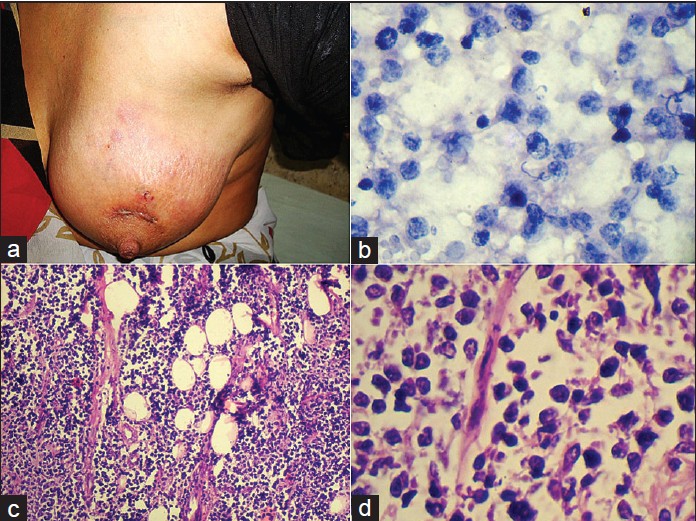
  • Current management strategies for primary breast lymphoma are largely based on:
    • Results published in small, single-institution series
  • Historically, primary breast lymphoma was treated with:
    • Modified radical mastectomy with or without adjuvant chemotherapy or radiotherapy:
      • Treatment strategies had focused on anthracycline-based chemotherapy with or without consolidative radiotherapy
  • Current treatment guidelines dictate:
    • That surgery should be reserved for
      • Obtaining adequate tissue for diagnosis, if needed, and:
        • Should not be regarded as a therapeutic modality in the treatment of this disease:
          • In several series, surgery has been associated with worse outcomes
      • Some histologies may be amenable to localized surgery so understanding the disease pathology is important in decision making
      • While axillary nodal status is an important prognosticator:
        • There are no definitive guidelines regarding how to stage the axilla:
          • In addition to CT scan, axillary ultrasound with percutaneous biopsy is frequently used
      • Sentinel lymph node biopsy has not been studied in this malignancy and currently has no role in its workup
  • References
    • Aviles A, Delgado S, Nambo MJ, Neri N, Murillo E, Cleto S. Primary breast lymphoma: results of a controlled clinical trial. Oncology. 2005;69(3):256-260.
    • Aviv A, Tadmor T, Polliack A. Primary diffuse large B-cell lymphoma of the breast: looking at pathogenesis, clinical issues and therapeutic options. Ann Oncol. 2013;24(9):2236-2244.
    • el-Ghazawy IM, Singletary SE. Surgical management of primary lymphoma of the breast. Ann Surg. 1991;214(6):724-726.
    • Jennings WC, Baker RS, Murray SS, et al. Primary breast lymphoma: the role of mastectomy and the importance of lymph node status. Ann Surg. 2007;245(5):784-789.

#Arrangoiz #BreastSurgeon #CancerSurgeon #BreastCancer #BreastLymphoma #PrimaryLymphomaoftheBreast #CASO #Miami #CenterforAdvancedSurgicalOncology

Metaplastic Carcinoma of the Breast

  • Metaplastic carcinoma of the breast:
    • Tends to present in patients age 60 years and older
      • Is rare in young or premenopausal women
    • Compared to IDC:
      • It has been shown to present in a higher proportion of African Americans and Hispanics
  • Metaplastic breast cancer (MBC):
    • Is more likely to be high grade but axillary node negative at presentation
    • The mean tumor size:
      •  Is about 4 cm
    • Patients with this diagnosis are also more likely to receive chemotherapy and undergo mastectomy
    • Recurrence tends to be locoregional or pulmonary:
      • And is associated with a high mortality rate
  • Future directions may include immunotherapies:
    • As MBC has a unique histology, demonstrating increased PDL-1:
      • Which may make it a good candidate for targeted therapy:
        • More research is needed on this unique tumor phenotype
  • References
  • Pezzi CM, Patel-Parekh L, Cole K, Frank J, Klimberg VS, Bland K. Characteristics and treatment of metaplastic breast cancer: analysis of 892 cases from the National Cancer Data Base. Ann Surg Oncol. 2006;14(1):166-173.
  • Schwartz T, Mogal H, Papageorgiou C, Veerapong J, Hsueh EC. Metaplastic breast cancer: histologic characteristics, prognostic factors and systemic treatment strategies. Exp Hematol Oncol. 2013;(1)2:31.
  • Haque W, Teh BS. Current practice and future directions for metaplastic breast cancer. Ann Surg Oncol. 2018;25(Suppl 3):630-631.

#Arrangoiz #BreastSurgeon #BreastCancer #MetaplasticBreastCancer #SurgicalOncology #CancerSurgeon #Miami #CASO #CenterforAdvancedSurgicalOncology

Radioactive Iodine Therapy Pre-Therapy Diet

👉Prior to RAI, a low iodine diet (< 50 mcg/day) is recommended for 2 weeks prior to treatment to increase the efficacy.

#Arrangoiz #ThyroidSurgeon #CASO #CenterforAdvancedSurgicalOncology #ThyroidLobectomy #ThyroidCancer #ThyroidNodules #HeadandNeckSurgeon #EndocrineSurgery

Evaluation of a Breast Nodule by Ultrasound

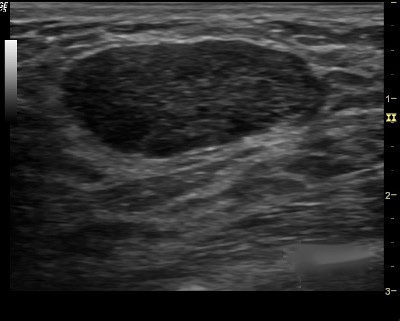
    You first evaluate the lesion for any of the 10 malignant signs:
  • Shadowing
  • Hypoechoic echotexture
  • Spiculation
  • Angular margins
  • Thick echogenic capsule
  • Taller than wider
  • Microlobulation
  • Duct extension
  • Branching pattern
  • Calcifications

2. Finding none, you move on to the second step in the evaluation process and specifically look for one of the three strictly defined benign signs, and if any of them is found, the lesion can be considered BI-RADS 3.

3. The three benign findings defined by Stavros are:

  • A purely hyperechoic lesion with no hypoechoic area larger than a normal duct or lobule.
  • Elliptical, wider than tall, well-circumscribed and thin echogenic capsule.
  • Gently lobulated, wider than tall, well-circumscribed and thin echogenic capsule.

– Combining the elliptical or gently lobulated shapes with the presence of a complete, thin echogenic capsule is necessary because many circumscribed carcinomas and most ductal carcinoma in situ are encompassed in a thin, echogenic capsule.

👉Rodrigo Arrangoiz MS, MD, FACS cirujano oncology y cirujano de mamá de Center for Advanced Surgical Oncology:

  • Es experto en el manejo del cáncer de mama.

 👉Es miembro de la American Society of Breast Surgeons:

Training:

• General surgery:

• Michigan State University:

• 2004 al 2010

• Surgical Oncology / Head and Neck Surgery / Endocrine Surgery:

• Fox Chase Cancer Center (Filadelfia):

• 2010 al 2012

• Masters in Science (Clinical research for health professionals):

• Drexel University (Filadelfia):

• 2010 al 2012

• Surgical Oncology / Head and Neck Surgery / Endocrine Surgery:

• IFHNOS / Memorial Sloan Kettering Cancer Center:

• 2014 al 2016

#Arrangoiz

#Surgeon

#Cirujano

#SurgicalOncologist

#CirujanoOncologo

#BreastSurgeon

#CirujanodeMama

#CancerSurgeon

#CirujanodeCancer

Thyroid Supplementation after Thyroid Surgery

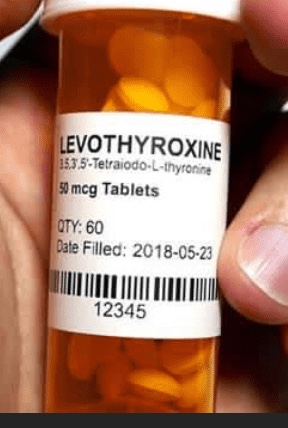
👉After removal of the entire thyroid for cancer, patients require lifelong thyroid hormone replacement with levothyroxine starting immediately.

👉TSH levels are checked in approximately 6 to 8 weeks to titrate the dose.

#Arrangoiz #ThyroidSurgeon #CASO #CenterforAdvancedSurgicalOncology #ThyroidLobectomy #ThyroidCancer #ThyroidNodules #HeadandNeckSurgeon #EndocrineSurgery