The Radiation Therapy Oncology Group 9804 Trial

• The Radiation Therapy Oncology Group 9804 trial:

•Which was closed early due to low accrual:

• Investigated outcomes of RT omission in the setting of low-risk DCIS

• Randomizing 636 patients with low-risk disease to either RT or observation after surgery

• In this study, low risk consisted of:

• Low- or intermediate-grade DCIS measuring less than 2.5 cm with resection to negative margins of ≥ 3 mm

• Median tumor size was 5 mm

• While recurrence rates were decreased with RT:

• The recurrence rate was also low in the control group

• With a median follow-up of seven years, RT resulted in:

• A reduced risk of a local recurrence compared with observation:

• 0.9% versus 6.7% (HR 0.11, 95% CI 0.03-0.47)

• A higher rate of mild to moderate (grade 1 or 2) toxicities (76% versus 30%):

• Although the rate of serious toxicities was similar in both arms (4%)

• Of patients treated with RT, grade 1, 2, or 3 late toxicities were seen in 30%, 5%, and 0.7%, respectively

No difference in either:

• Disease-free survival or

• Overall survival

• Results at longer follow-up:

• Also showed lower local recurrence rates with RT:

• 15-year ipsilateral breast recurrence rates of:

7.1% versus 15.1% without versus with RT, respectively (HR 0.36, 95% CI 0.20-0.66)

#Arrangoiz #BreastSurgeon #CancerSurgeon #RTOG9804 #DCIS #OmissionRadiation

Thyroid Function Recovery After Lobectomy for Low-Risk Papillary Thyroid Cancer

Dou Y, Chen Y, Hu D, Su X 2021 The recovery of thyroid function in low-risk papillary thyroid cancer after lobectomy: A 3-year follow-up study. Front Endocrinol (Lausanne) 11:619841. PMID: 33633689.

Background

The incidence of low-risk papillary thyroid cancer has been increasing, due in part to the early diagnosis of thyroid nodules and thyroid cancer. For these low-risk tumors, the outcomes for lobectomy are similar to those for total thyroidectomy; lobectomy also has the advantage of a lower risk of complications such as vocal-fold palsy and hypoparathyroidism and likely a lower need for thyroid hormone replacement.

However, many studies have begun to show that a significant proportion of patients who undergo lobectomy will need hormone supplementation owing to high levels of serum thyrotropin (TSH) (>2 mIU/L), in line with recommendations for postthyroidectomy thyroid cancer treatment. This study evaluated the factors related to the maintenance of thyroid function after lobectomy for patients with low-risk papillary thyroid cancer and the proportion of these patients who recovered thyroid function in the first year after surgery.

Methods

This is a retrospective study of 190 patients who underwent lobectomy for low-risk papillary thyroid cancer. The follow-up period ranged from 20 to 36 months. The clinicopathological variables analyzed were age, sex, tumor size, tumor location, body-mass index, thyroid lobe resected (left or right), Hashimoto’s thyroiditis, preoperative TSH, and postoperative TSH.

None of the patients received any thyroid hormone therapy in the immediate postoperative period; thyroid function was monitored. The authors evaluated thyroid function and related symptoms every 3 months in the first postoperative year and every 6 months in the second and third years. Patients with TSH levels >10 mlU/L or TSH levels > 5.9 mIU/L with marked signs of hypothyroidism were started on levothyroxine. Patients with subclinical hypothyroidism without symptoms were observed without hormone replacement until the subsequent follow-up visit. None of the patients showed any neck metastasis or disease recurrence in the remaining thyroid lobe during the follow-up period.

Results

Of all 190 subjects, 113 (47%) continued to have normal thyroid function, while 77 (53%) developed temporary or permanent hypothyroidism. The univariate analysis showed no difference in in the two groups regarding age, sex, tumor size or location, body-mass index, and serum thyroperoxidase (TPO) autoantibody positivity. Interestingly, the laterality of the resected lobe was significant in the development of postoperative hypothyroidism (70.1% of patients who underwent right lobectomy vs. 49.6% of patients who underwent left lobectomy).

High preoperative serum TSH levels (>2.62 mIU/L) was the most important independent risk factor for the development of postoperative hypothyroidism, followed by Hashimoto’s thyroiditis and right lobectomy.

High levels of serum thyroglobulin autoantibody were also associated with postoperative hypothyroidism, but not as an independent factor. Twenty-eight (36.4%) of the patients in the hypothyroidism group recovered normal thyroid function, and 49 (63.6%) remained hypothyroid. Only a high TSH preoperative level was associated with permanent hypothyroidism in this latter group. In the follow-up period, both the euthyroid and recovery groups maintained a relatively stable TSH level, in a range similar to that of the preoperative TSH level. An acute fluctuation in the TSH level was seen owing to initiation of or changes in levothyroxine therapy. The time to recover thyroid function varied from 3 to 9 months, and all patients who recovered normal thyroid function during this immediate period remained euthyroid during long-term follow-up.

Conclusions

In this cohort of patients who underwent thyroid lobectomy for low-risk thyroid cancer, higher levels of preoperative serum TSH (>2.62 mIU/L), Hashimoto’s thyroiditis, and right lobectomy were independent factors associated with postoperative hypothyroidism.

This study addresses a topic that is of great interest when caring for patients with low-risk papillary carcinoma who undergo partial thyroidectomies: anticipating the need for thyroid hormone replacement in the postoperative period.

The acceptance of thyroid lobectomy as an optimal surgical option for appropriate patients is expanding. This approach appears to have oncologic outcomes similar to those for total thyroidectomy, yet with a low level of complications such as recurrent laryngeal-nerve damage, hypoparathyroidism, and hypothyroidism. However, many lobectomy patients do develop transient or permanent hypothyroidism that requires hormone replacement. The factors that influence thyroid function after lobectomy remain unclear, as is the goal for serum thyroid function in this group of patients. Although the American Thyroid Association guidelines recommend the maintenance of TSH levels at <2.0 mlU/L, many studies suggest that in this group of patients, thyroid hormone replacement may not be a strong driver of preventing disease recurrence. Also, in some patients who develop hypothyroidism after lobectomy, thyroid function could still recover up to 1 year after surgery.

This study’s strength is its analysis of all the factors related to the increased incidence of postoperative hypothyroidism and those associated with the recovery of thyroid function. The study corroborates the findings by several other authors, who have reported that TSH levels slightly higher than those currently recommended did not increase the chance of recurrence of low-risk papillary cancers treated by lobectomy (1,2,7). Another important conclusion is that the most significant predictor of postoperative hypothyroidism is an elevated preoperative TSH, besides the presence of Hashimoto’s thyroiditis, which is similar to observations from our clinical practice. However, in contrast to the present study’s findings, we do not perceive a significative difference in serum thyroid function among patients who undergo a right or left lobectomy.

The overall message of the study is to show that in patients with low-risk papillary thyroid cancer who undergo lobectomy, waiting up to 1 year before starting hormone replacement, especially in patients with low preoperative TSH levels and no evidence of Hashimoto’s thyroiditis, may be reasonable. We have followed these principles in our daily practice as well, and have noted appropriate oncologic outcomes and good quality of life of our patients.

#Arrangoiz #ThyroidSurgeon

Vitamin D Synthesis

  • Vitamin D synthesis:
    • Begins in the:
      • Keratinocytes of the skin
    • Subsequently, hydroxylation occurs:
      • In the liver to yield 25-hydroxyvitamin D
    • The final step in the conversion of vitamin D to its active form occurs in the kidney:
      • Where a second hydroxylation reaction takes place:
        • To yield 1,25-dihydroxyvitamin D
  • Sun- light plays a key role:
    • In the initial synthesis step in the skin:
      • Persons who are not exposed to sunlight:
        • Require supplemental vitamin D through dietary intake
Synthesis and metabolism of vitamin D:
7-dehydrocholesterol (provitamin D3) in the skin absorbs ultraviolet B (UVB) radiation with wavelengths of 290 to 315 nm and is converted to pre-vitamin D3.
Pre-vitamin D3 undergoes thermal isomerization to vitamin D3
Continued exposure to UVB radiation can result in the breakdown of pre-vitamin D3 and vitamin D3 to inactive photoproducts
Dietary vitamin D2 (ergocalciferol) and vitamin D3 (cholecalciferol) are absorbed in the gastrointestinal tract, incorporated into chylomicrons, and transported via the lymphatic system into systemic circulation.
Vitamin D (vitamin D2 and vitamin D3) from the diet and skin enters the circulation bound to the vitamin D-binding protein.
As a fat-soluble molecule, it can be taken up by adipose tissue and stored for later use.
Circulating vitamin D is metabolized in the liver to 25-hydroxyvitamin D [25(OH)D] by the enzyme vitamin D-25-hydroxylase.
Vitamin D-25-hydroxylase activity is inhibited by 25(OH)D (negative feedback).
25(OH)D re-enters the circulation and is metabolized in the kidney and other tissues to the active metabolite 1,25-dihydroxyvitamin D [1,25(OH)2D] by 25(OH)D-1α-hydroxylase.
Renal production of 1,25(OH)2D is inhibited by elevated serum levels of phosphorus, calcium and fibroblast growth factor 23 (FGF-23).
Parathyroid hormone enhances renal production of 1,25(OH)2D.
Catabolism of 25(OH)D and 1,25(OH)2D into biologically-inactive molecules is primarily mediated by the cytochrome P-450 enzymes CYP24 and CYP3A4.

#Arrangoiz #ParathyroidSurgeon #ParathyroidExpert #CancerSurgeon #HeadandNeckSurgeon #EndocrineSurgery #Miami #VitaminDSynthesis #CalciumHemostasis #Hyperparathyroidism #MountSinaiMedicalCenter

Kidney Disease and Primary Hyperparathyroidism (PHPT)

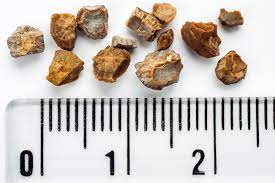
  • Approximately 80% of patients with PHPT:
    • Have some degree of renal dysfunction or symptoms / signs
  • Kidney stones were previously reported in up to 80% of patients with PHPT:
    • But now occur in roughly 15% to 20% of the cases PHPT:
      • The calculi are typically composed of:
        • Calcium oxalate or
        • Calcium phosphate
      • In contrast, PHPT is found to be the underlying disorder:
        • In only 3% to less than  5% of patients presenting with nephrolithiasis
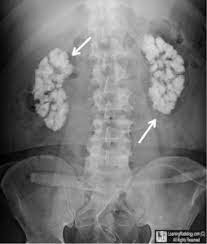
  • Nephrocalcinosis:
    • Which refers to renal parenchymal calcification:
      • Is found in less than 5% of patients with PHPT and is more likely to lead to renal dysfunction
  • Chronic hypercalcemia also can impair the concentrating ability of the kidney:
    • Thereby resulting in:
      • Polyuria
      • Polydipsia
      • Nocturia
  • The incidence of hypertension is variable but has been reported to occur:
    • In up to 50% of patients with PHPT:
      • Hypertension appears to be more common in:
        • Older patients and correlates with the magnitude of renal dysfunction:
          • In contrast to other symptoms:
            • It is least likely to improve after parathyroidectomy
  • Among normocalcemic patients with nephrolithiasis:
    • PHPT should be suspected if:
      • The serum calcium concentration is in the:
        • High-normal range:
          • Because the hypercalcemia may be intermittent and detected only by multiple measurements:
            • In one series of 48 patients with nephrolithiasis and PHPT:
              • 30 patients (63%) had:
                • Serum calcium concentrations between 10.2 and 11 mg/dL (2.55 and 2.75 mmol/L)
  • Most stones in patients with PHPT are composed of:
    • Calcium oxalate:
      • Although a slightly alkaline urine:
        • May favor the precipitation of calcium phosphate leading to calcium phosphate stones
    • A possible contributing factor for stone formation in PHPT:
      • Is hypercalciuria:
        • Although PTH directly stimulates the distal tubular reabsorption of calcium:
          • This effect is overshadowed by the increase in filtered calcium due to the hypercalcemia:
            • Leading to increased urinary calcium excretion:
              • In 35% to 40% of patients with PHPT
        • However, urinary calcium excretion per gram of creatinine:
          • Does not necessarily differentiate patients with or without stones:
            • This is likely due to the limited precision of a 24-hour urine calcium collection and to the complexity of factors that determine stone formation
        • Urinary calcium concentration:
          • Is only one of at least six urinary risk factors that determine the urine saturation of the calcium salts that lead to calcium stone formation:
            • It is for this reason that elevated levels of urinary calcium excretion are no longer, in and of itself, considered an indication for surgery in PHPT
    • A high serum calcitriol concentration:
      • Caused by PTH stimulation of renal hydroxylation of 25-hydroxyvitamin D:
        • May contribute to both hypercalciuria and stone formation:
          • This was illustrated in a report of 50 patients with PHPT:
            • In which 19 of the 30 patients who had:
              • High serum calcitriol concentrations, hypercalciuria, and increased dietary calcium absorption:
                • Had kidney stones
            • As compared with only 3 of 20 patients who had:
              • Normal to high-normal serum calcitriol concentrations and normal urinary calcium excretion and dietary calcium absorption
          • However, this distinction was not apparent in another series of 70 patients with mild PHPT, 18% of whom had kidney stones;
            • There was no difference in serum PTH, calcium, or calcitriol concentrations between patients with and without kidney stones, but more of the kidney stone group had hypercalciuria
    • In several studies, clinically silent kidney stones were reported in:
      • 7% to 21% of patients with PHPT:
        • Patients with undiagnosed (subclinical) nephrocalcinosis or calcium kidney stones are regarded as having symptomatic disease:
          • Regardless of the absence of symptoms:
            • Thus, these patients meet criteria for surgical intervention
  • For patients who do not have other overt indications for surgery:
    • Some UpToDate authors and editors obtain renal imaging (ultrasound, computed tomography [CT], or abdominal radiograph) to look for nephrocalcinosis or asymptomatic nephrolithiasis at the time of the original evaluation for PHPT:
      • Ultrasound is typically the imaging modality used

#Arrangoiz #ParathyroidSurgeon #ParathyroidExpert #Hyperparathyroidism #PrimaryHyperparathyroidism #CancerSurgeon #EndocrineSurgery #Teacher #Surgeon #HeadandNeckSurgeon #SurgicalOncologist #ParathyroidAdenoma #Hypercalcemia #ElevatedCalciumLevels #Miami #MountSinaiMedicalCenter #MSMC #Mexico #Hialeah

AMAROS Trial

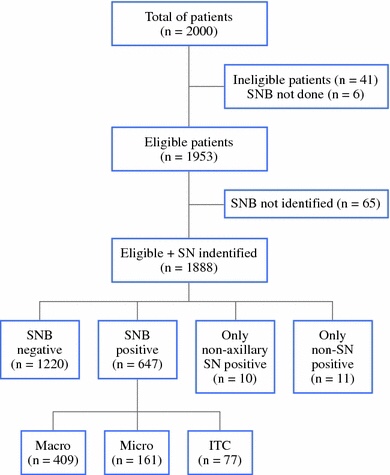
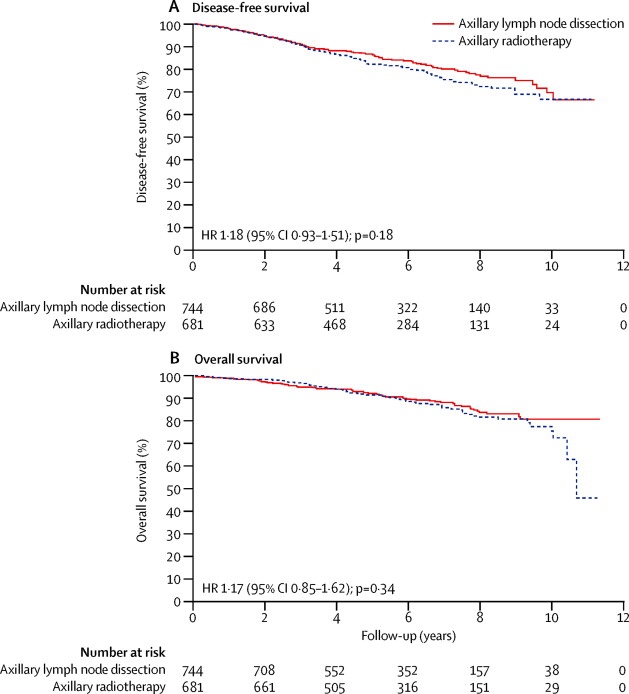
👉The AMAROS trial is a phase III non-inferiority study comparing ALND with axillary radiation therapy in patients with T1 to T2 clinically node-negative breast cancer patients with a positive sentinel node.

👉The primary endpoint was axillary recurrence.

👉The trial showed low 5-year rates of regional recurrence in the ALND and axillary radiation therapy groups (0.43% vs 1.19%, respectively), but the risk of patient perceived (subjective) or measured (objective) lymphedema was twice as high in the ALND arm compared to the radiation arm (subjective, 23% vs 11%; objective, 13% vs 5%) after 5 years of follow-up.

REFERENCES

  1. Rutgers EJ, Donker M, Straver ME. Radiotherapy or surgery of the axilla after a positive sentinel node in breast cancer patients: final analysis of the EORTC AMAROS trial (10981/22023). J Clin Oncol. 2013;31 (suppl; abstr LBA1001). Available at: http://meetinglibrary.asco.org/content/109779-132. Accessed November 7, 2013.
  2. Straver ME, Meijnen P, van Tienhoven G, et al. Sentinel node identification rate and nodal involvement in the EORTC 10981-22023 AMAROS trial. Ann Surg Oncol. 2010;17:1854-1861.

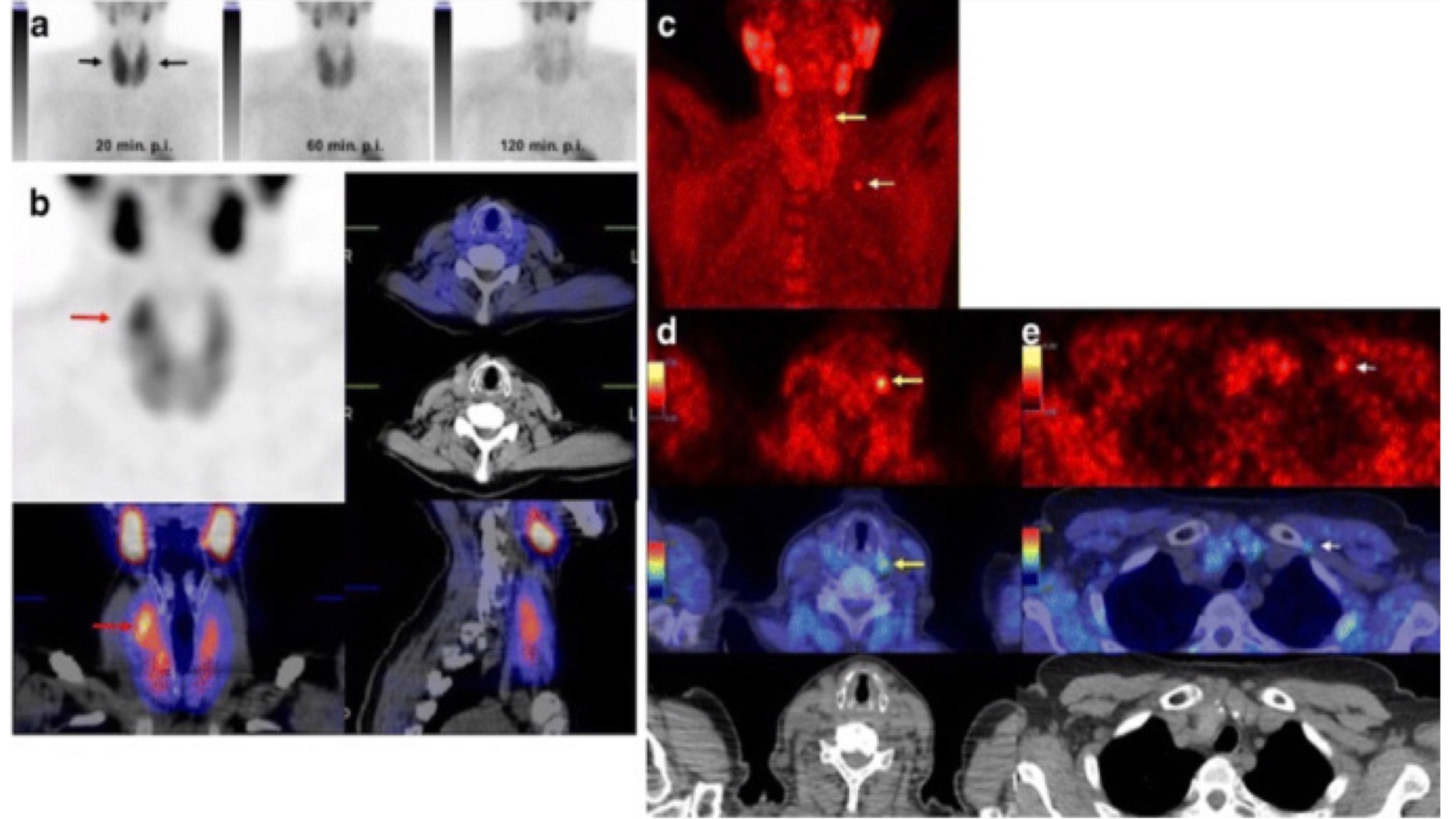
PETC/CT with 18F-Choline Localizes Hyperfunctioning Parathyroid Adenomas Equally well in Normocalcemic Hyperparathyroidism as in overt Hyperparathyroidism.

 PET

Abstract

PURPOSE:

  • Identification of pathologic parathyroid glands in primary hyperparathyroidism, traditionally based on neck ultrasound (US) and / or 99mTc-Sestamibi scintigraphy:
    • Can be challenging
  • PET / CT with 18F-Fluorocholine (18F-FCH):
    • Might improve the detection of pathologic parathyroid glands
  • The aim of this study was to compare the diagnostic performance of 18F-FCH-PET / CT with that of dual-phase dual-isotope parathyroid scintigraphy and neck US

METHODS:

  • Thirty-four consecutive patients with primary hyperparathyroidism were prospectively enrolled, seven had normocalcemic hyperparathyroidism, and 27 had classic hypercalcemic hyperparathyroidism.
  • All patients underwent:
    • High-resolution neck US
    • Dual-phase dual-isotope 99mTc-Pertechnetate / 99mTc-Sestamibi scintigraphy
    • 18F-FCH-PET / CT

RESULTS:

  • In the whole patients’ group, the detection rates of the abnormal parathyroid gland were:
    • 68% for neck US
    • 71% for 18F-FCH-PET / CT
    • 15% for 99mTc-Sestamibi scintigraphy
  • The corresponding figures in normocalcemic and hypercalcemic hyperparathyroidism were:
    • 57% and 70% for neck US
    • 70% and 71% for 18F-FCH-PET / CT
    • 0% and 18% for 99mTc-Sestamibi scintigraphy
  • In the 17 patients in whom the abnormal parathyroid gland was identified, either at surgery or at fine needle aspiration cytology / biochemistry:
    • The correct detection rate was:
      • 82% for neck US
      • 89% for 18F-FCH-PET / CT
      • 17% for 99mTc-Sestamibi scintigraphy

CONCLUSIONS:

  • 18F-FCH-PET / CT can be considered a first-line imaging technique for the identification of pathologic parathyroid glands in patients with normocalcemic and hypercalcemic hyperparathyroidism, even when the parathyroid volume is small
SUMMARY:

👉The diagnostic performance of 18F-FCH-PET / CT may be better than that of dual-phase dual-isotope parathyroid scintigraphy or neck US in normocalcemic or hypercalcemic primary hyperparathyroidism.

👉https://www.ncbi.nlm.nih.gov/pubmed/30094743/

#Arrangoiz #ParathyroidSurgeon #ParathyroidExpert #Hyperparathyroidism #PrimaryHyperparathyroidism #CancerSurgeon #EndocrineSurgery #Teacher #Surgeon #HeadandNeckSurgeon #SurgicalOncologist #ParathyroidAdenoma #Hypercalcemia #ElevatedCalciumLevels #Miami #MountSinaiMedicalCenter #MSMC #Mexico #Hialeah

Surgical Most Commons

  • What is the most common:
    • Type of melanoma?
      • Superficial spreading
    • Type of breast cancer?
      • Infiltrating ductal
    • Site of breast cancer?
      • Upper outer quadrant
    • Vessel involved with a bleeding duodenal ulcer?
      • Gastroduodenal artery
    • Cause of common bile duct obstruction?
      • Secondary Choledocholithiasis
    • Cause of small bowel obstruction (SBO) in adults in the United States?
      • Postoperative peritoneal adhesions
    • Cause of SBO in children?
      • Hernias
    • Cause of emergency abdominal surgery in the United States?
      • Acute appendicitis
    • Electrolyte deficiency causing ileus?
      • Hypokalemia
    • Cause of blood transfusion resulting in death?
      • Clerical error (wrong blood types)
    • Site of distant metastasis of sarcoma?
      • Lungs (hematogenous spread)
    • Position of anal fissure?
      • Posterior
    • Acute pancreatitis?
      • Biliary / Gallstones
    • Chronic pancreatitis?
      • Alcohol
    • Cause of large bowel obstruction?
      • Colon cancer
    • Cause of fever less than 48 postoperative hours?
      • Atelectasis
    • Bacterial cause of urinary tract infection (UTI)?
      • Escherichia coli
    • Abdominal organ injured in blunt abdominal trauma?
      • Liver
    • Benign tumor of the liver?
      • Hemangioma
    • Malignancy of the liver?
      • Metastasis
    • Pneumonia in the ICU?
      • Gram-negative bacteria
    • Cause of epidural hematoma?
      • Middle meningeal artery injury
    • Cause of lower GI bleeding?
      • Upper GI bleeding
    • Cancer in females?
      • Breast cancer
    • Cancer in males?
      • Prostate cancer
    • Type of cancer causing DEATH in males and females?
      • Lung cancer
    • Cause of free peritoneal air?
      • Perforated peptic ulcer disease
    • Cause of death ages 1 to 44?
      • Trauma

#Arrangoiz #Surgeon #Teacher #SurgicalOncologist #CancerSurgeon #ThyroidSurgeon #ParathyroidSurgeon #HeadandNeckSurgeon #MSMC #MountSinaiMedicalCenter #Miami #Mexico

Pearls for Identification of Parathyroid Glands

  • Aside from the classic description of a normal parathyroid gland being “London tan” in color and about the size of a grain of rice, there are a number of other subtle and less frequently described morphological features that aid in their identification:
    • Bloodless field:
      • A bloodless surgical field is of high importance when attempting to identify parathyroid glands:
        • As any blood staining impairs the ability to identify and assess the morphological features of the gland
    • Parathyroid glands are not palpable unless abnormal:
      • A normal parathyroid gland is soft and quite compressible on digital palpation:
        • This important feature can help to differentiate a normal gland from a small lymph node, which is normally rubbery and palpable
    • Fat pads (Figure 1):
      • The parathyroid glands are often encased in a “fat pad”:
        • Located in a region where the thymus “points” to the inferior pole of the thyroid gland (inferior gland)
        • Cranial to the ITA and generally posterior to the RLN (superior gland)
    • Vascular pedicle:
      • A small vascular pedicle can often be seen entering the parathyroid gland
    • Cope’s sign (Figure 2):
      • Bruising of the parathyroid gland that can occur with mobilization or dissection
    • “Kissing glands” (Figure 3):
      • This term is used to describe two parathyroid glands that are so close in position that they appear to a single, bilobed gland
      • Although uncommon, this possible configuration should be borne in mind when searching for a missing gland
      • Kissing glands can be differentiated from a true bilobar gland by identifying a cleavage plane between the capsules of the two glands
    • Slides under fascia:
      • The parathyroid glands are usually found within the thyroids pretracheal fascial capsule, but not adherent to it
      • This feature allows the gland to be gently slid or rolled under the fascia by a fine instrument such as a Crile
Fat pads. Visual inspection can yield many clues to aid in the identification of the parathyroid glands. Inspection should begin by looking for a fat pad located where the thymus points to the inferior pole of the thyroid gland for the inferior gland, and 1 to 2 cm cranial to the inferior thyroid artery on the posterior surface of the thyroid gland and anterior to the recurrent laryngeal nerve (as shown)
Cope’s sign. Mobilization in the area of the parathyroid gland can cause bruising and discoloration of the parathyroid gland. This sign is often subtle, but it can be an important visual cue to direct further dissection. This image shows a red-purple discoloration at the top of the thymus in the region of the inferior parathyroid gland. Further dissection allowed morphologic identification of a normal inferior gland
“Kissing” left upper and lower parathyroid glands. Parathyroid tissue was identified in a fat pad at the level of the inferior thyroid artery, which initially appeared to be a single, bilobed gland. Closer inspection revealed a cleavage plane between the lobes, which was carefully dissected, and separate upper and lower glands were able to be morphologically identified

#Arrangoiz #ParathyroidSurgeon #ParathyroidExpert #Hyperparathyroidism #Surgeon #HeadandNeckSurgeon #Teacher #MSMC #MountSinaiMedicalCenter #Miami #Mexico #EndocrineSurgery

Surgical Treatment of Ductal Carcinoma In Situ

  • The diagnosis of DCIS is followed by the surgical treatment with:
    • Breast-conserving surgery:
      • Also referred to as:
        • Segmental mastectomy
        • Partial mastectomy
        • Lumpectomy
        • Quadrantectomy
        • Wide local excision
    • Mastectomy:
      • Total or simple mastectomy
      • Skin sparing mastectomy
      • Nipple sparing mastectomy
  • Most patients who undergo breast-conserving surgery:
    • Receive postoperative radiation therapy:
      • To improve local control
  • Postoperative endocrine therapy:
    • With tamoxifen or an aromatase inhibitor:
      • Should also be considered for those patients whose tumors are:
        • Hormone (estrogen and / or progesterone) receptor positive
  • Mastectomy Versus Breast-conserving Therapy:
    • Historically:
      • DCIS was treated with mastectomy
    • The rationale for performing total mastectomy in patients with DCIS was:
      • Based on the high incidence of:
        • Multifocality
        • Multicentricity:
          • The reported incidence of multicentricity may depend on the extent of the pathologic review and therefore varies from 18% to 60%
        • As well as on the risk of occult invasion associated with the disease:
          • The incidence of microinvasion in DCIS varies according to the size and extent of the index lesion:
            • Lagios et al. (1989):
              • Reported a 2% incidence of microinvasion in patients with DCIS measuring less than 25 mm in diameter, compared with a 29% incidence of microinvasion in those with lesions larger than 26 mm
              • The incidence of microinvasion is also higher in patients with high-grade or comedo-type DCIS with necrosis and in patients with DCIS who present with a palpable mass or nipple discharge
    • Thus, mastectomy remains the standard with which other proposed therapeutic modalities are compared:
      • However, in patients with DCIS, there are no prospective trials comparing outcomes after mastectomy with those after breast-conserving surgery
    • A retrospective review by Balch et al. (1993):
      • Documented a:
        • Local relapse rate of 3.1% and a mortality rate of 2.3% after mastectomy for DCIS
    • The cancer-related mortality rate following mastectomy for DCIS was:
      • 1.7% in a series reported by Fowble (1989)
      • Ranged from 0% to 8% in a review by Vezeridis and Bland (1994)
  • In one of the largest studies comparing breast-conserving therapy with mastectomy, Silverstein et al. (1992):
    • Examined 227 cases of DCIS without microinvasion
    • In this nonrandomized study:
      • Patients with tumors smaller than 4 cm with microscopically clear margins:
        • Underwent breast-conserving surgery and radiation therapy
      • Whereas patients with tumors larger than 4 cm or with positive margins:
        • Underwent mastectomy
    • The rate of disease-free survival at 7 years was:
      • 98% in the mastectomy group compared with 84% in the breast-conserving surgery group (P = 0.038)
    • With no difference in overall survival rates
  • In a meta-analysis, Boyages et al. (1999):
    • Reported a recurrence rate of:
      • 22.5% – following breast-conserving surgery alone
      • 8.9% – following breast-conserving surgery with radiation therapy
      • 1.4% – mastectomy
    • In patients who underwent breast-conserving surgery alone:
      • Approximately 50% of the recurrences were invasive cancers
    • Although recurrence rates are higher in patients who undergo breast-conserving surgery than in patients who undergo mastectomy:
      • No survival advantage:
        • Has been shown for patients treated with mastectomy’s
  • Technique of Breast-conserving Surgery:
    • The goal of breast-conserving surgery is to:
      • Remove all suspicious calcifications and obtain negative surgical margins:
        • SSO / ASCO consensus guidelines recommend a 2 mm margin
    • Because DCIS is usually nonpalpable:
      • Breast-conserving surgery can be performed with mammographically or sonographically guided placement of a localizing wire or radioactive seed:
        • Seed localization of nonpalpable breast lesions is increasingly used in US and through multidisciplinary collaboration with surgeons, radiologists, and pathologists:
          • Has the advantage of allowing a less obtrusive marker to be placed at a time that is uncoupled from the time of surgery
        • At most centers where seed localization is performed:
          • An I-125 radioactive seed is placed by a radiologist within the area of disease:
            • In much the same way wire localization has historically been performed
        • The seed is localized intraoperatively using a gamma probe placed on the appropriate setting to detect radioactive decay for the seed’s isotope label, and the surrounding tissue is excised
        • Resection of the seed, lesion, and previously placed clip:
          • Are confirmed intraoperatively by pathologic and radiologic review
        • Nonradioactive methods of seed localization including ultrasound and magnetic seeds are also available
    • Intraoperative orientation of the specimen:
      • With two or more marking sutures is critical for margin analysis
      • In addition, specimen radiography is essential:
        • To confirm the removal of all microcalcifications
      • In patients with extensive calcifications:
        • Bracketing of the calcifications with two or more seeds or wires may assist in the excision of all suspicious calcifications
    • After whole-specimen radiography:
      • The specimen should be inked and then serially sectioned for pathologic examination to evaluate the margin status and extent of disease
    • Chagpar et al. (2003):
      • Demonstrated that intraoperative margin assessment with the use of sectioned-specimen radiography:
        • Enabled reexcisions to be performed at the same surgery if the microcalcifications extended to the cut edge of the specimen:
          • Minimizing the need for second procedures for margin control
      • After margins are deemed adequate intraoperatively:
        • The boundary of the resection cavity is marked with radiopaque clips to aid in the planning of postoperative radiation therapy and to facilitate mammographic follow-up
    • The goal of breast-conserving surgery is to:
      • Obtain tumor-free margins
    • A detailed pathologic study of DCIS, reported by Holland et al. (1990):
      • Demonstrated that up to 44% of lesions extended more than 2 cm further on histologic examination than that estimated by mammography:
        • However, in most women, a 1- to 2-cm margin around the lesion is not feasible since the cosmetic result would be poor
    • A new guideline put out by three national cancer organizations says that:
      • 2 mm (about one-eighth of an inch) clean margins should be the standard for women diagnosed with ductal carcinoma in situ (DCIS) treated with lumpectomy and whole-breast radiation
      • The guideline was published online on Aug. 15, 2016 by the:
        • Journal of Clinical Oncology. Read “Society of Surgical Oncology–American Society for Radiation Oncology–American Society of Clinical Oncology Consensus Guideline on Margins in Breast Conserving Surgery with Whole Breast Irradiation in Patients with DCIS
      • In 2015 a multidisciplinary panel was convened by the American Society of Clinical Oncology, the American Society for Radiation Oncology, and the Society of Surgical Oncology to review a meta-analysis and other literature concerning margin width and ipsilateral breast tumor recurrence (IBTR) in patients with DCIS undergoing breast-conserving therapy (Morrow, 2016):
        • The meta-analysis included 20 studies with 7,883 patients and 865 IBTRs with a median follow-up of 78.3 months
        • The panel reported that positive margins:
          • Were associated with a twofold increased risk of IBTR compared with patients who had negative margins
        • They also reported that margins of at least 2 mm were associated with a lower risk of IBTR compared with narrower margins
        • Patients treated with wide local excision alone without radiation therapy:
          • Had substantially higher rates of IBTR compared with patients undergoing wide local excision and whole breast irradiation regardless of the margin width
        • Rates of IBTR and contralateral breast cancer:
          • Were reduced in patients who received tamoxifen, however:
            • There was no significant impact on IBTR in patients with negative margins when compared with patients receiving placebo
        • The panel concluded that a 2-mm margin was adequate in patients undergoing breast-conserving surgery and whole breast irradiation for DCIS:
          • Clinical judgment should be utilized in deciding on the need for reexcision in patients with margins less than 2 mm.
    • The 2016 guidelines of the National Comprehensive Cancer Network (NCCN) dictate that close (less than 1 mm) margins are inadequate for DCIS and should be reexcised:
      • But for patients in whom the border of disease is the fibroglandular boundary (i.e., chest wall) or skin:
        • Radiation with a boost to the surgical scar is an acceptable alternative to reexcision

#Arrangoiz #CancerSurgeon #BreastSurgeon #SurgicalOncologist #BreastCancer #LCIS #DCIS #DuctalCarcinomaInsitu #LobularNeoplasia #LobularCarcinomaInsitu #Surgeon #Teacher #Miami #Mexico #MSMC #MountSinaiMedicalCenter

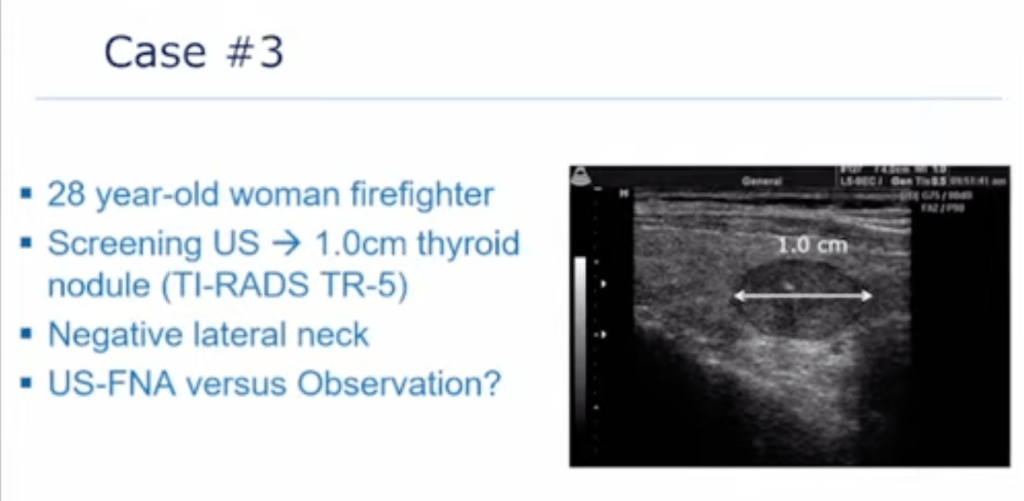
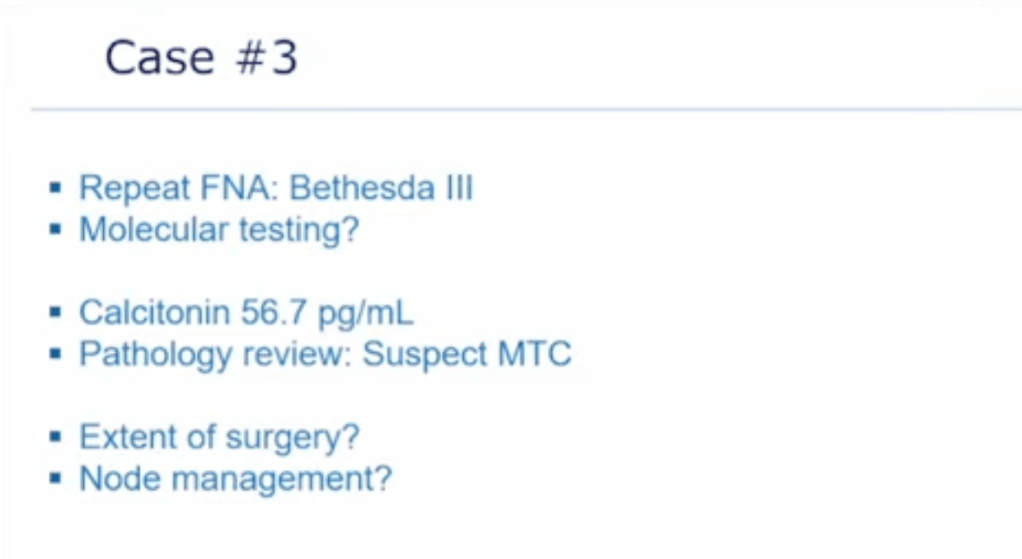
Thyroid Nodule Case

Repeat biopsy vs molecular testing?
Family history, pathologist stain for calcitonin, CEA, rule out MEN Type II, genetic testing and counseling (before or after surgery?), plan surgery (total thyroidectomy central neck compartment dissection)

#Arrangoiz #ThyroidSurgeon #CancerSurgeon #SurgicalOncologist #HeadandNeckSurgeon #EndocrineSurgery #ThyroidCancer #Miami #Mexico #MountSinaiMedicalCenter #Surgeon #Teacher #ThyroidNodules #RadioactiveIodine #RAI #PTC #MSMC