Blog

EPIDEMIOLOGY AND ETIOLOGY OF NON MELANOMA

  • Basal cell carcinoma (BCC) and squamous cell carcinoma (SCC) constitute the majority of nonmelanoma skin cancers (NMSCs):
    • Which are also referred to as “keratinocyte cancer
  • Keratinocyte cancer:
    • Represents about 95% of malignant skin tumors estimated at greater than 5.8 million cases annually
  • While BCC (3.6 million cases annually) is four to five times more common than SCC (1.8 million cases annually):
    • The incidence of both tumor types continues to rise despite growing awareness of the risk factors for these skin cancers
  • The overall incidence increases with age:
    • Is known to be higher in men than in women
  • Development of NMSC is multifactorial and is related to various genotypic, phenotypic, and environmental risk factors:
    • Ultraviolet (UV) solar radiation:
      • Is considered to be the dominant risk factor for the development of both BCC and SCC:
        • Supported by the fact that most of these tumors tend to present on sun-exposed areas of the body
      • The development of BCC is thought to arise from intense intermittent sun exposure:
        • Leading to burns
      • Whereas SCC appears to be linked to the cumulative dose of UV solar radiation over time
      • Sun exposure earlier in life appears to be more influential in skin cancer development than that received later in life
      • Markers of UV sensitivity (e.g., fair skin, light eyes, blond or red hair) and intensity of exposure (i.e., increased incidence for individuals living in proximity to the equator):
        • Are associated with increased NMSC risk as is additional UV exposure from recreational tanning booths and UV light therapy:
          • One case-controlled study demonstrated that the use of tanning devices was associated with an estimated twofold risk for both SCC (odds ratio = 2.5) and BCC (odds ratio = 1.5)
          • Karagas et al. reported that treatment of psoriasis with oral psoralen in combination with light treatment (PUVA therapy) resulted in an increased adjusted relative risk of 8.6 for SCC while the risk for BCC was much lower
          • UV-induced mutations in the p53 tumor suppressor gene is thought to be a common event in NMSC development
    • Another important risk factor for both BCC and SCC:
      • Is immunosuppression:
        • Long-term immunosuppression therapy such as that used for solid organ transplant has been shown to increase the risk of SCC over 100-fold and for BCC about 10-fold
        • SCC in immunosuppressed patients tend to be behave more aggressively and are associated with greater tumor depth, higher risk of recurrence, and more frequently associated with perineural or lymphovascular invasion:
          • However, BCCs have not been found to be more aggressive in solid organ transplant recipients than the general population
      • Patients with acquired immunodeficiency syndrome also have an increased incidence of NMSC, and factors such as persistent human papilloma virus (HPV) infection may act synergistically with UV exposure to increase risk:
        • Moreover, HPV infection, especially HPV 16 and 18, has been implicated in the development of anogenital SCC
    • Exposure to ionizing radiation:
      • Increases the risk of NMSC threefold and often presents decades after initial exposure
        • This risk has been shown to be dose dependent
    • Chemical exposures:
      • Such as arsenic, tar, soot, tobacco, asphalt, and mineral oil:
        • Have all been associated with an increased risk of SCC
    • SCC can also arise from areas of chronic inflammation and healing such as from:
      • Scars, burn sites, or ulcers:
        • This type of SCC is also known as a Marjolin ulcer
    • Patients with genetic syndromes including:
      • Xeroderma pigmentosum, albinism, Muir–Torre syndrome, dystrophic epidermolysis bullosa, Fanconi anemia, Werner syndrome, nevoid basal cell syndrome, and Li–Fraumeni syndrome have an increased incidence of NMSC:
        • Xeroderma pigmentosum:
          • Is a rare autosomal recessive disease characterized by:
            • Photophobia, severe sun sensitivity, and advanced sun damage:
              • Affected individuals have defective DNA excision repair, and when exposed to UV radiation, develop malignancies of the skin and eyes at a rate 1,000 times that of the general population
          • Aggressive sun protection in the form of full-body sun suits and regular skin examinations are critical for patients with xeroderma pigmentosum
          • Ideally, these patients should only go outside at night
      • Nevoid basal cell syndrome:
        • Is an autosomal dominant disorder characterized by the development of multiple BCCs:
          • BCCs in patients with nevoid basal cell syndrome are often quite small but can number in the hundreds on any given skin surface
        • The sonic hedgehog signaling pathway (PTCH1 gene, chromosome 9q):
          • Has been recognized as having a significant etiologic role in nevoid BCC syndrome, and is also present in 90% of sporadic BCC
        • These patients are exquisitely sensitive to radiation and should avoid excessive sun exposure and radiation therapy
      • Regular follow-up is important, as such tumors are difficult to monitor and treat
  • Similar to other tumor types, a previous diagnosis of cutaneous carcinoma:
    • Increases the risk of future NMSCs to as high as 35% at 3 years and 50% at 5 years

#Arrangoiz #CancerSurgeon #SurgicalOncologist #HeadandNeckSurgeon #SkinCancer #NonMelanomaSkinCancer #MountSinaiMedicalCenter #MSMC #Miami #Mexico

Pathology of Basal Cell Carcinomas (BCC)

  • BCC is the most common cancer in humans and the most common type of skin cancer
  • BCCs are believed to arise from hair follicle cells and are therefore found almost exclusively on hair-bearing skin
  • Most lesions are found on sun-exposed mask areas of the head and neck, but non–sun-exposed areas are also at risk
  • These tumors tend to grow slowly, but when untreated can lead to invasion of local structures including muscle, cartilage, and bone.
  • Although the biologic behavior of BCC is characterized by local and sometimes disfiguring invasiveness:
    • Metastasis is rare, occurring in less than 0.05% of cases
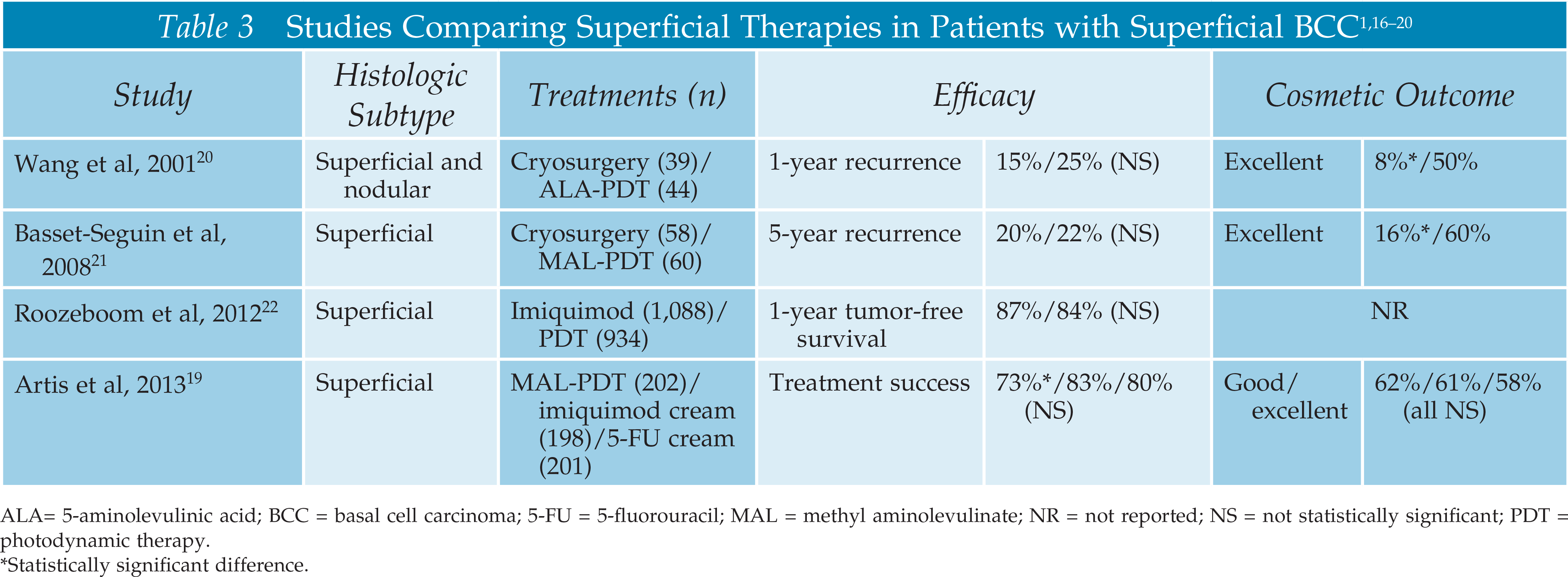
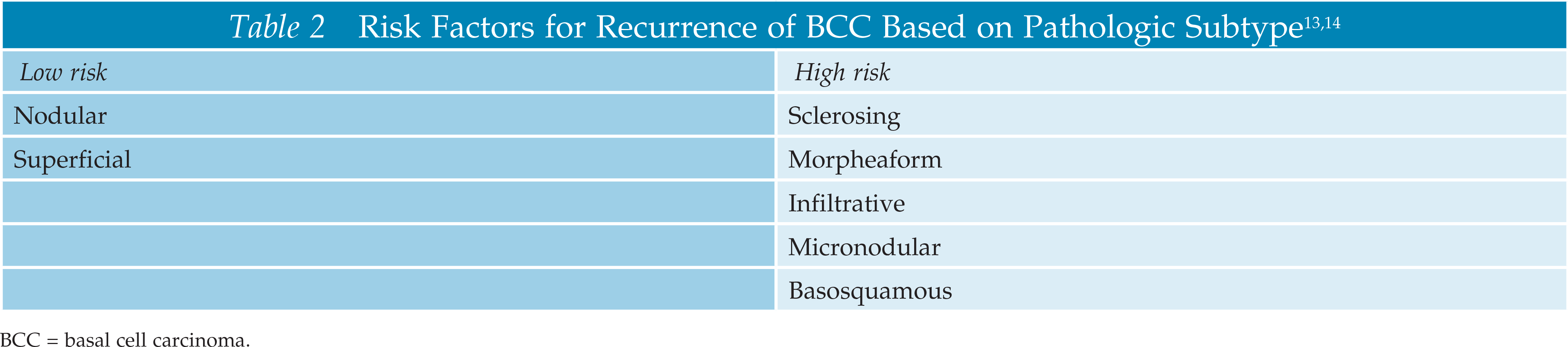
  • There are multiple histologic subtypes of BCC, and subtype is predictive of its behavior:
    • Less aggressive subtypes include:
      • Nodular BCC
      • Superficial BCC
      • Keratotic variant of BCC
      • Infundibulocystic variant of BCC
      • Fibroepithelioma of Pinkus
  • Higher-risk subtypes include:
    • Sclerosing variant of BCC
    • Infiltrating variant of BCC
    • Micronodular variant of BCC
    • Morpheaform (or desmoplastic) variant of BCC
    • Basosquamous carcinoma
  • The higher-risk subtypes tend to have subclinical extension exceeding the visible borders of the lesion:
    • Making treatment more difficult
  • Nodular BCC is the classic lesion of this type of non melanoma skin cancers (NMSC):
    • It appears as a pink translucent nodule with rolled edges and is often described as “pearly”:
      • In dark-skinned individuals, these tumors are often pigmented and can resemble melanoma
    • Overlying telangiectasias and ulceration are common:
      • They occur predominantly on the face
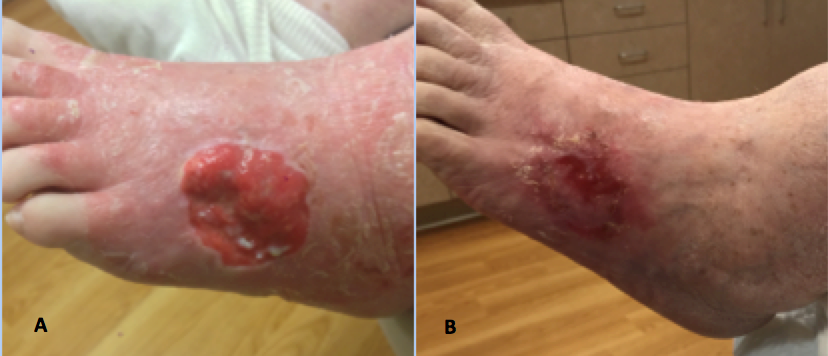
Nodular basal cell carcinoma
  • Superficial BCC:
    • Is a variant that is more common on the limbs and trunk, and on other areas with little or no sun exposure:
      • It presents as a slow-growing, scaly pink plaque and can easily be confused with psoriasis, superficial SCC or SCC in situ (Bowen disease):
        • Gentle traction on the periphery of the lesion:
          • Often demonstrates a shiny translucent surface characteristic of BCC which can assist with diagnosis
  • The histologic subtype of BCC:
    • Is highly predictive of its behavior
  • Less aggressive subtypes include:
    • Nodular BCC
    • Superficial BCC
    • Keratotic variant
    • Infundibulocystic variant BCC
    • Fibroepithelioma of Pinkus
  • Higher-risk subtypes include:
    • Sclerosing BCC
    • Morpheaform BCC
    • Infiltrative BCC
    • Micronodular BCC
    • Basosquamous carcinoma,
  • Nodular BCC:
    • Which represents approximately 60% of cases:
      • Is the most common type
    • It appears as a pink, translucent nodule with rolled edges:
      • Often described as “pearly”
    • Overlying telangiectasias and ulceration are common
    • BCCs:
      • Most commonly occur on the face (Head and Neck Region)
    • Histologically, nodular BCC consists of:
      • Peripheral palisading of cells and chaotic arrangement of cells in the central region
  • The sclerosing variant:
    • Has increased fibroblasts and the presence of fibrotic desmoplastic stroma
Table 2
#Arrangoiz #CancerSurgeon #SurgicalOncologist #HeadandNeckSurgeon #SkinCancer #BCC #SCC #Melanoma #MountSinaiMedicalCenter #MSMC #Miami #Mexico

Work-up and Diagnosis of Basal Cell Carcinoma of the Skin (BCC)

  • Workup begins with a history and physical examination:
    • For patients with a suspicious lesion
  • At the time of diagnosis, patients with BCC:
    • Should be given a full-body skin examination:
      • Because these individuals often have additional, concurrent cancers at other locations
    • A shave, punch, or excisional skin biopsy:
      • May be used for diagnosis of any suspicious lesion:
        • The biopsy should include deep reticular dermis:
          • Because infiltrative histology will often be present only at the deeper, advancing margins of a tumor
      • A punch biopsy:
        • Ranges in size from 2 to 8 mm and involves removing a cylinder of tissue to the level of the subcutaneous fat
      • A shave biopsy:
        • Involves injecting local anesthesia into the epidermis and upper dermis and performing a tangential sample at the base of the wheal
      • Excisional biopsy:
        • Involves removal of the entire lesion with a margin of clinically clear tissue
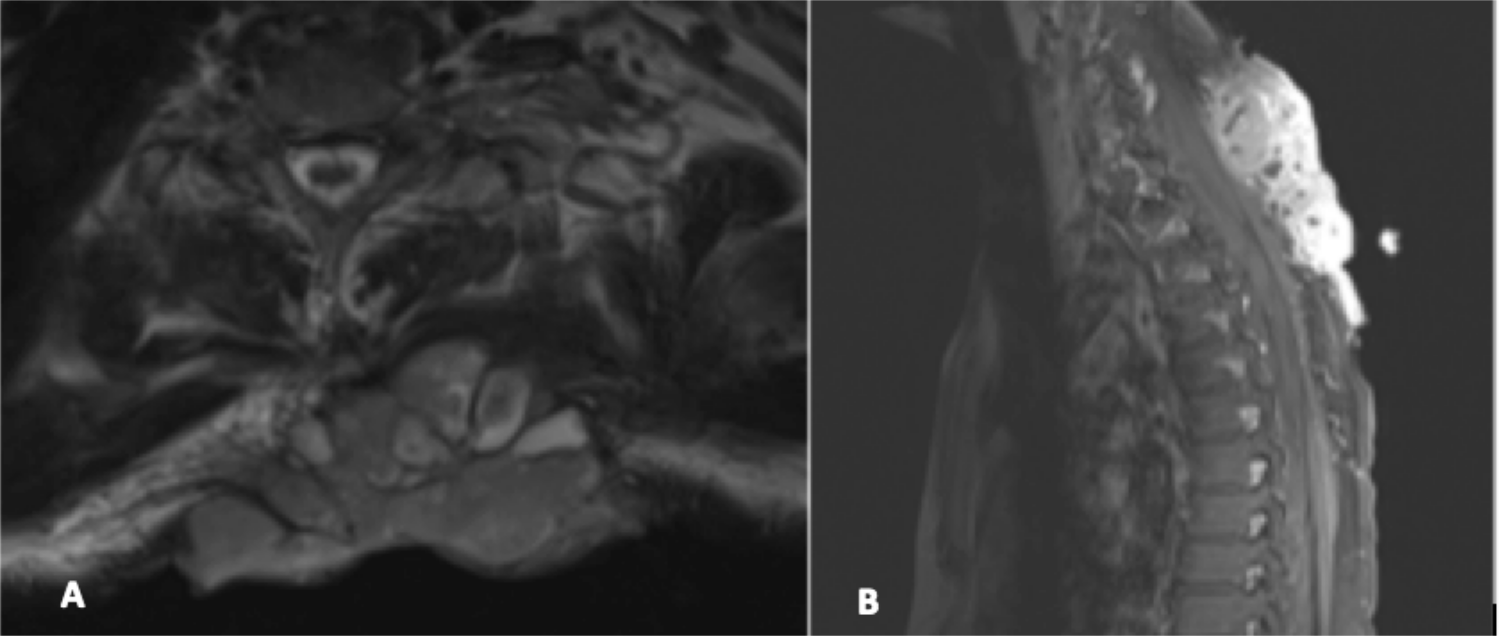
  • Imaging studies:
    • Should be performed when extensive disease:
      • Such as bone involvement, perineural invasion, or deep soft tissue involvement, is suspected
Figure 3
Magnetic resonance image of a patient with locally advanced basal cell carcinoma of the back
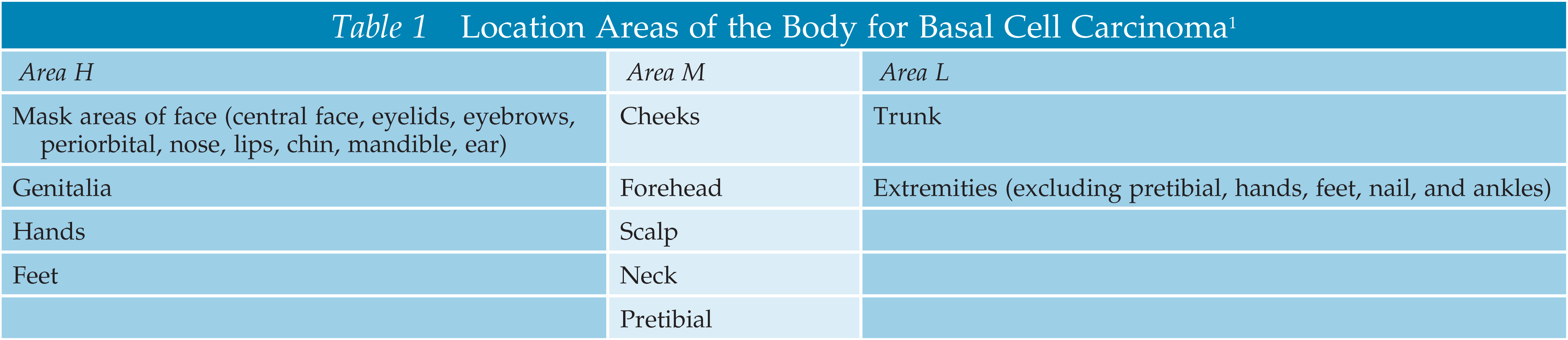
  • Location, independent of size, may constitute high risk, and these areas are defined as L, M, and H
Table 1
#Arrangoiz #CancerSurgeon #SurgicalOncologist #HeadandNeckSurgeon #MountSinaiMedicalCenter #MSMC #Miami #Mexico

Epidemiology of Basal Cell Carcinomas (BCC) of the Skin

  • BCCs are the most common cancer in the United States, and the incidence is rapidly rising
  • It is estimated that BCCs occur in 2 million Americans annually:
    • Exceeding the incidence of all other cancers
  • BCCs are at least two times more common than squamous cell carcinomas (SCCs):
    • The second most common type of skin cancer
  • The exact number of cases is difficult to estimate because these cases are not required to be reported to cancer registries
  • BCCs generally have a good prognosis due to the low rate of metastasis (0.05%)
  • In the U.S., more than 9,500 people are diagnosed with skin cancer every day
    • More than two people die of the disease every hour
  • More people are diagnosed with skin cancer each year in the U.S. than all other cancers combined
  • At least one in five Americans will develop skin cancer by the age of 70
  • Actinic keratosis is the most common precancer:
    • It affects more than 58 million Americans
  • Non-melanoma skin cancer:
    • The diagnosis and treatment of nonmelanoma skin cancers in the U.S:
      • Increased by 77% between 1994 and 2014
    • About 90% of nonmelanoma skin cancers are associated with exposure to ultraviolet (UV) radiation from the sun
    • Basal cell carcinoma (BCC):
      • Is the most common form of skin cancer:
        • An estimated 3.6 million cases of BCC are diagnosed in the U.S. each year
    • Squamous cell carcinoma (SCC):
      • Is the second most common form of skin cancer:
        • An estimated 1.8 million cases of SCC are diagnosed in the U.S. each year
    • More than 5,400 people worldwide die of nonmelanoma skin cancer every month
    • Organ transplant patients:
      • Are approximately 100 times more likely than the general public to develop squamous cell carcinoma
    • Regular daily use of an SPF 15 or higher sunscreen reduces the risk of developing squamous cell carcinoma:
      • By about 40%
#Arrangoiz #CancerSurgeon #SurgicalOncologist #SkinCancer #HeadandNeckSurgeon #MSMC #MountSinaiMedicalCenter #Miami #Mexico

Basal Cell Carcinoma of the Skin Generalities

Figure 1
Shoulder basal cell carcinoma
  • Basal cell carcinomas (BCCs) are believed to arise from the basal layer of epidermis and its appendages;
    • Since they arise from hair follicles:
      • Most lesions are found on sun-exposed areas of hair-bearing skin
  • These tumors tend to grow slowly:
    • But when left untreated can lead to invasion of local structures, including:
      • Muscle, cartilage, and bone
  • Although BCC is characterized by local and sometimes destructive invasiveness:
    • Metastasis is rare:
      • Occurring in less than 0.05% of cases
  • A number of risk factors are associated with the development of BCC:
    • Ultraviolet (UV) solar radiation is considered to be a significant risk factor:
      • Development is thought to arise from intense, intermittent sun exposure:
        • Leading to burns
      • BCC tends to occur in the head and neck area
    • BCC tends to occur in the treatment field of previous radiation therapy (RT):
      • Specially at a young age
    • Settings of immunosuppression, such as:
      • Organ transplantation, HIV infection, or long-term glucocorticoid:
        • Increase the incidence of BCC
  • Anatomic location within the high-risk “H zone” or “mask area” of the face and size are:
    • Risk factors for BCC recurrence and metastasis
Figure 2
Patient with locally advanced basal cell carcinoma of the back.
  • Extensive research has led to advances in understanding the genetics of BCC:
    • The sonic hedgehog pathway plays a crucial role in the pathogenesis of BCC:
      • Mutations in this pathway have been implicated in the development of disease
    • Mutations in the PTCH1 (patched 1) gene on chromosome 9q:
      • Which codes for the sonic hedgehog receptor:
        • Are present in 30% to 90% of sporadic BCCs
  • Patients with genetic syndromes, including:
    • Xeroderma pigmentosum, albinism, Muir-Torre syndrome, Fanconi anemia, nevoid basal cell carcinoma syndrome or Gorlin syndrome, and Li-Fraumeni syndrome:
      • Have an increased incidence of squamous cell carcinoma (SCC) and BCC

CDK 4 / CD6 Inhibitors in High Risk Early Hormone Receptor Positive, HER2 Negative Breast Cancer

  • Although many patients with hormone receptor–positive, human epidermal growth factor receptor 2 (HER2)-negative early breast cancer:
    • Can be successfully treated with endocrine therapy:
      • A proportion are at risk of disease recurrence and death
  • Novel, effective treatments are needed to improve outcomes in this patient population:
    • Particularly for those at high risk of recurrence
  • Inhibitors of cyclin-dependent kinases (CDK) 4 and 6:
    • Have become standard of care for the adjuvant treatment of high-risk hormone receptor–positive / HER2-negative breast cancer
  • More than 90% of patients with breast cancer are diagnosed with early-stage disease:
    • Approximately 70% of whom have hormone receptor–positive / HER2-negative tumors
  • Standard therapy for hormone receptor–positive / HER2-negative early breast cancer:
    • Consists of adjuvant endocrine therapy (ie, aromatase inhibitors and / or antiestrogens) with or without ovarian suppression:
      • Meta-analyses have indicated that up to 20% of such patients experience disease recurrence within the first 10 years of endocrine therapy:
        • Including some who present with distant metastases
      • Risk of relapse is especially great for those with high-risk clinical or pathologic features:
        • Clinicopathologic features predictive of relapse for hormone receptor–positive / HER2-negative early breast cancer include:
          • Tumor size, grade
          • Nodal status
          • Increased Ki-67 expression level
          • Residual cancer burden
          • Genomic signature
  • CDK4/6 as a Therapeutic Target:
    • CDK4 and CDK6 are involved in regulating cell cycle progression and controlling proliferation
    • CDK4/6 regulation is altered in many solid tumors
    • CDK4/6 is often overexpressed in hormone receptor–positive breast cancers
    • CDK4/6 inhibitors:
      • Target the ATP binding site of CDK4 and CDK6:
        • Blocking their phosphorylation of Rb and inducing cell cycle arrest and apoptosis
      • These compounds differ in their structure and affinity for the ATP binding pocket of CDK4 and CDK6:
        • CDK4/6 inhibitors act in concert with endocrine therapy to inhibit breast cancer growth:
          • Providing the clinical rationale for combination therapy
  • Three CDK4/6 inhibitors:
    • Palbociclib, ribociclib, and abemaciclib:
      • Have been approved by the U.S. Food and Drug Administration (FDA) for the treatment of hormone receptor–positive / HER2-negative advanced or metastatic breast cancer (Table)
    • In phase III trials, treatment with these CDK4/6 inhibitors in combination with endocrine therapy:
      • Demonstrated improved progression-free survival compared to endocrine therapy alone:
        • Leading to their approval in this setting
  • In light of their benefit in advanced breast cancer, CDK4/6 inhibitors combined with endocrine therapy:
    • Were subsequently evaluated as adjuvant therapy for hormone receptor–positive / HER2-negative early breast cancer
  • Adjuvant Clinical Trials of CDK4/6 Inhibitors for Hormone Receptor–Positive/HER2-Negative Early Breast Cancer:
    • Three CDK4/6 inhibitors have been evaluated in combination with endocrine therapy as adjuvant therapy for hormone receptor–positive / HER2-negative early breast cancer:
      • Palbociclib, ribociclib, and abemaciclib
    • To date, only abemaciclib has demonstrated a benefit in invasive disease–free survival compared with endocrine therapy alone and is the only CDK4/6 inhibitor currently approved as adjuvant therapy:
      • For patients with hormone receptor–positive / HER2–negative, node-positive early breast cancer who are at high risk of recurrence and have a Ki-67 level ≥ 20%
Phase III Trials of CDK4/6 Inhibitors for Hormone Receptor–Positive/HER2-Negative Early Breast Cancer
  • Palbociclib:
    • Palbociclib therapy for hormone receptor–positive / HER2-negative early breast cancer has been studied in two phase III trials:
      • Although neither demonstrated a significant benefit from the addition of palbociclib to endocrine therapy
    • In the PALLAS study:
      • Patients received 2 years of palbociclib plus endocrine therapy or endocrine therapy alone as adjuvant therapy for hormone receptor–positive / HER2-negative high-risk breast cancer (with risk based on anatomic stage)
      • No statistically significant benefit was seen with palbociclib for 4-year invasive disease–free survival or other survival endpoints (Table)
      • The most common adverse events with palbociclib plus endocrine therapy were:
        • Leukopenia, fatigue, thrombocytopenia, anemia, upper respiratory tract infection, and alopecia:
          • With a significantly higher rate of grade 3/4 neutropenia with palbociclib/endocrine therapy compared with endocrine therapy alone:
            • 61.3% vs 0.4%
      • Moreover, 42.2% of patients discontinued palbociclib prior to completion of the planned 2 years of therapy, mainly due to toxicity, based on protocol requirements
  • Palbociclib in combination with endocrine therapy:
    • Was also investigated in the PENELOPE-B trial in patients with hormone receptor–positive / HER2-negative breast cancer and residual invasive disease following resection and neoadjuvant chemotherapy who were at high risk of relapse (risk based on clinical pathologic staging–estrogen receptor grading)
      • At a median follow-up of nearly 43 months:
        • No significant increase was observed in estimated 3-year invasive disease–free survival or interim 3-year overall survival (Table 2)
      • The most common adverse events with palbociclib plus endocrine therapy were neutropenia, leukopenia, thrombocytopenia, anemia, hypocalcemia, fatigue, stomatitis, constipation, cough, and infection:
        • The incidence of grade 3/4 neutropenia (70% vs 1%) and leukopenia (56% vs 1%) was significantly increased on the palbociclib arm
MonarchE
  • Abemaciclib
    • The monarchE phase III trial compared treatment with abemaciclib plus endocrine therapy to endocrine therapy alone in patients with hormone receptor–positive / HER2-negative early breast cancer who were at high risk of recurrence (based on positive lymph node status, tumor size, histologic grade, and Ki-67 score ≥ 20%):
      • At the 27-month and 42-month follow-up analyses:
        • Patients had a clinically meaningful improvement in invasive disease–free survival with abemaciclib-based therapy compared with the control treatment (Table)
        • The abemaciclib regimen reduced the relative risk of recurrence by about 30%:
          • These were mostly distant recurrences:
            • With longer follow-up, we hope that it will also improve overall survival outcomes
  • The incidence of treatment-related adverse events was higher with abemaciclib (98.4% vs 88.8%):
    • The most common of which were diarrhea, infections, neutropenia, fatigue, leukopenia, nausea, anemia, and headache:
      • Grade 3/4 adverse events were also more frequent with abemaciclib (49.7% vs 16.3%), with a higher discontinuation rate during study treatment (18.5% vs 1.1%)
  • Results of the monarchE trial led to FDA approval of abemaciclib in combination with endocrine therapy as adjuvant therapy for high-risk patients with hormone receptor–positive / HER2-negative, node-positive early breast cancer and a Ki-67 score ≥ 20%
  • Both the American Society of Clinical Oncology (ASCO) and National Comprehensive Cancer Network® (NCCN) guidelines:
    • Indicate that abemaciclib plus endocrine therapy can be considered for treatment of patients with hormone receptor–positive / HER2-negative, node-positive early breast cancer with high risk of recurrence:
      • Since diarrhea (all grades) occurred in over 80% of patients on the abemaciclib arm in monarchE, patients should be educated on the risk of diarrhea and approaches for mitigation
    • Venous thromboembolism can also occur with abemaciclib therapy (2.3% incidence, all grades, in monarchE24):
      • Caution should be exerted when combining abemaciclib with tamoxifen because both agents can increase risk of thromboembolism:
        • If possible, an aromatase inhibitor with or without ovarian suppression should be used as the preferred endocrine partner with abemaciclib
  • Ribociclib
    • While proven effective for hormone receptor–positive / HER2-negative advanced or metastatic breast cancer:
      • Ribociclib has not yet conclusively demonstrated efficacy in hormone receptor–positive / HER2-negative early breast cancer, although several trials are ongoing
    • The phase II LEADER trial (ClinicalTrials.gov identifier NCT03285412) evaluated 1 year of continuous or intermittent ribociclib in this setting:
      • An interim safety analysis revealed that approximately one-third of patients discontinued ribociclib, largely within the first few months of treatment:
        • The most common grade ≥ 3 adverse events resulting in study discontinuation were neutropenia, alanine aminotransferase increase, and aspartate aminotransferase increase
      • Circulating tumor DNA (ctDNA) analysis:
        • Revealed a strong association between detectable ctDNA and disease recurrence
    • ADAPTcycle (NCT04055493) is a phase III trial:
      • Comparing ribociclib plus endocrine therapy to chemotherapy in patients with intermediate-risk hormone receptor–positive / HER2-negative early breast cancer (with risk determined by Oncotype DX score and response to 3 weeks of preoperative endocrine therapy)
    • Another phase III trial, NATALEE (NCT03701334):
      • Is evaluating adjuvant ribociclib and anastrozole in patients with hormone receptor–positive / HER2-negative early breast cancer
  • It should be noted that approved dosing differs for these three CDK4 / 6 inhibitors:
    • The shorter half-life of abemaciclib (18.3 hours vs 29.0–32.0 hours for palbociclib and ribociclib):
      • Requires twice-daily dosing to maintain steady-state concentrations:
        • Whereas palbociclib and ribociclib are administered daily for 3 weeks followed by 1-week rest
        • Dosing for palbociclib and ribociclib is based on trials in advanced or metastatic breast cancer since they are not currently approved for early breast cancer
  • Ki-67 Expression
    • Expression of the nuclear protein Ki-67 is strongly correlated with breast cancer cell proliferation
    • In patients with hormone receptor–positive / HER2-negative early breast cancer:
      • Ki-67 expression was prognostic for survival:
        • With higher expression levels predicting lower 5-year disease-free survival rates
    • Two large meta-analyses reported Ki-67 cutoffs of 19% and 25% as prognostic for poor survival:
      • Leading to consideration of a cutoff of ≥ 20% as prognostic for survival in patients with hormone receptor–positive breast cancer
    • In monarchE:
      • Patients with high (≥ 20%) Ki-67 expression had a clinically meaningful increased risk of developing invasive disease within 2 years compared with those with low Ki-67, with 2-year invasive disease–free survival rates of 86.1% (95% confidence interval [CI] = 83.1%–88.7%) and 92.0% (95% CI = 89.7%–93.9%), respectively
      • Because approval of abemaciclib as adjuvant therapy for hormone receptor–positive / HER2-negative early breast cancer was based in part on a Ki-67 score ≥ 20%:
        • Tumor Ki-67 expression level should be assessed when considering use of abemaciclib in this setting
        • Ki-67 expression should be measured using an FDA-approved test based on either immunohistochemistry (MIB-1 pharmDx) or molecular profiling (Oncotype DX 21-gene recurrence score)
    • Since benefit for abemaciclib was seen in patients with tumors having either low or high Ki-67:
      • ASCO and NCCN guidelines (in contrast to the FDA indication) suggest that adjuvant abemaciclib may be considered for all patients with hormone receptor–positive / HER2-negative early breast cancer:
        • Based on monarchE intent-to-treat results (which included patients with low and high Ki-67 expression)
      • This is based in part, based on the fact that laboratory assessment of Ki-67 can be quite variable because of differences in immunohistochemistry procedures and interpretation of scoring relative to the 20% cutoff level, which could result in some otherwise eligible patients being denied treatment
#Arrangoiz #CancerSurgeon #SurgicalOncologist #BreastSurgeon #BreastCancer #CDK4/CDK6Inhibitors #MountSinaiMedicalCenter #MSMC #Miami #Mexico

𝗣𝗮𝘀𝘀𝗮𝗿𝗼’𝘀 𝗧𝗿𝗶𝗮𝗻𝗴𝗹𝗲

“Passaro’s Triangle or Gastrinoma Triangle”

  • Edward Peter Passaro (1930-2017) was an American GI surgeon, who described his eponymous triangle in 1984.

👉Gastrinomas secrete supra-physiologic levels of the hormone gastrin, resulting in a clinical syndrome (Zollinger-Ellison syndrome [ZES]), whereby the hypersecretion of gastric acid results in peptic ulcer disease & diarrhea. Common locations for gastrinomas are in the pancreatic head & duodenum, although extra-anatomic tumors may arise in 5% to 15% of cases.

👉The gastrinoma triangle, defined by the junctions of the
(1) cystic duct and common bile duct
(2) neck & body of the pancreas, and
(3) second & third portions of the duodenum, therefore encompasses the majority of gastrinomas

👉Pancreatic gastrinomas comprise 25% of all gastrinomas, & most (50% to 88%) arise in the duodenum, most often in the first portion of the duodenum. There is a predilection for males with ZES; approximately 20% of cases occur in association with MEN-1, and the remaining 80% are sporadic.

𝗥𝗲𝗳: Mastery of surgery 7th ed.

#Arrangoiz #Surgeon #Teacher #CancerSurgeon

Multicenter Selective Lymphadenectomy Trial 2 (MSLT-2)

  • The Multicenter Selective Lymphadenectomy Trial 2 (MSLT-2):
    • Was recently published in June 2017:
      • Which evaluated completion lymphadenectomy versus observation following positive sentinel lymph node biopsies for metastatic melanoma
    • There was no significant difference:
      • In disease-specific survival among the two treatment groups
    • Key limitations to the study were:
      • That it mostly included patients with a low burden of disease (% nodal involvement, largest metastatic focus, and number of positive nodes) in their sentinel lymph nodes
      • The study has limited median follow-up:
        • 43 months
      • Furthermore, it is important to note that there was a significant difference in disease-free survival between groups and that subjects in the study did not receive contemporary systemic therapy
    • Debate remains for which subset of patients would benefit most from completion lymphadenectomy:
      • However, it is reasonable for most of these patients to be observed closely with:
        • Nodal ultrasounds:
          • Every 4 months for the first 2 years
          • Every 6 months for years 3 to 5
          • Then annually.
  • References:
    • Faries MB, Thompson JF, Cochran AJ, et al. Completion Dissection or Observation for Sentinel-Node Metastasis in Melanoma. N Engl J Med. 2017; 376(23): 2211-2222.

Aromatase Inhibitors for DCIS

  • The NSABP B35 trial:
    • Was a phase 3 clinical trial that randomized postmenopausal women with ER+ DCIS (n = 3,104) to either 5 years of anastrozole or tamoxifen following breast-conserving surgery and radiation
    • The trial sought to determine how effective anastrozole was compared to tamoxifen in preventing a breast cancer occurrence
    • With a median follow-up of 9 years:
      • Investigators found significantly fewer breast cancer events in the anastrozole group (n = 90) than in the tamoxifen group (n = 122)
    • The 10-year breast cancer event rate was lower among women randomized to anastrozole compared to tamoxifen:
      • 6.9% [anastrozole] vs. 10.9% [tamoxifen], HR 0.73, p=0.02:
        • This recorded difference in breast cancer events was attributable almost entirely to younger postmenopausal women less than 60 years of age who received tamoxifen:
          • Women less than 60 receiving tamoxifen had nearly twice the events as those receiving anastrozole:
            • Events on tamoxifen: 63 vs events on anastrozole: 34, HR 0.53 (0.35-0.80), p=0.0026
        • Interestingly, the difference between treatments did not become apparent until after 5 years of follow-up, likely due to the low number of events in both groups
      • There was no difference in overall survival (OS) between the two treatment groups:
        • The 10-year estimates for overall survival were 92.1% for the tamoxifen group and 92.5% for the anastrozole group (p=0.38)
  • In B-35, anastrozole was found to further significantly reduce the rate of contralateral invasive cancer compared with tamoxifen
  • Based on this trial and others:
    • Aromatase inhibitors are the preferred adjuvant hormonal therapy for ER+ disease in post-menopausal women with either DCIS or invasive breast cancer, provided they have no contraindications to taking an aromatase inhibitor
  • References
    • Margolese RG, Cecchini RS, Julian TB, Ganz PA, Constantino JP, Vallow LA, et al. Anastrozole versus tamoxifen in postmenopausal women with ductal carcinoma in situ undergoing lumpectomy plus radiotherapy (NSABP B-35): a randomised, double-blind, phase 3 clinical trial. Lancet. 2016;387(10021):849-856
    • M Baum, AU Budzar, J Cuzick, et al., ATAC Trialists’ Group. Anastrozole alone or in combination with tamoxifen versus tamoxifen alone for adjuvant treatment of postmenopausal women with early breast cancer: first results of the ATAC randomized trial. Lancet. 2002;359(9324):2131-2139.