Blog

Elective Management of Clinically N0 Neck in Head and Neck Cancer

  • The basis and need for elective nodal treatment in head and neck cancer:
    • Have been based largely on surgical series evaluating pathologic nodal involvement found on elective neck dissection in patients with clinically negative necks
  • In a consecutive series of 1,081 head and neck cancer patients undergoing radical neck dissection:
    • The incidence of pathologic node involvement:
      • Was 33% among those undergoing elective neck surgery
    • The pathologic findings identified the nodal stations at risk by tumor site:
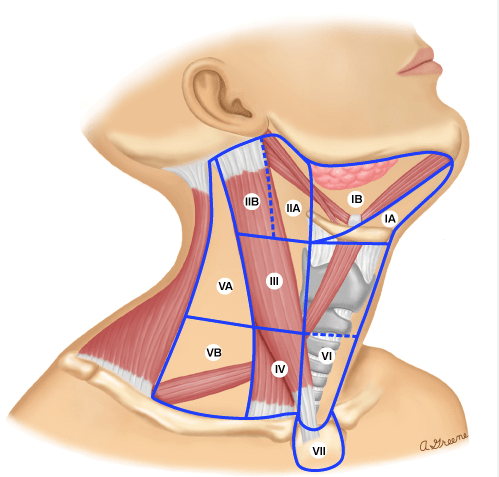
      • To establish the rationale for selective neck dissection (SND) as the elective surgical procedure
  • Several reports have summarized the risk for metastases and nodal stations at risk
  • Some general observations from such data can be made:
    • Regarding larynx cancers:
      • Candela reported the Memorial Sloan Kettering Cancer Center (MSKCC) experience in determining the patterns of cervical nodal metastases in 247 larynx cancer patients undergoing radical neck dissections:
        • Seventy-eight underwent elective radical neck dissection whereas 118 underwent immediate radical dissection for clinically node-positive disease
        • The majority of patients (n = 189) were supraglottic larynx and 58 were glottic
        • Pathologic nodal involvement:
          • Was found in 37% undergoing elective neck dissection
        • It is noted that cervical nodes spread in a similar fashion whether the patients are clinically node negative or positive:
          • With predominant involvement of:
            • Level II and III jugular nodes
        • In clinically node-negative patients:
          • The incidence of involvement of level I and V:
            • Is less than 5% with less than 10% involvement of level IV
        • In node-positive patients:
          • The incidence of level IV node increases from 15% to 31% with greater involvement of levels II and III
        • In clinically node-positive patients:
          • Very rarely did patients present with isolated level I nodal metastases without involvement of the jugular nodes
  • Shah and Candela reported that among oropharynx or hypopharynx cancers:
    • Treated with elective radical neck dissection:
      • Occult metastases are found in 26%
    • Level I and V were involved in only 1.4%:
      • Always in association with nodal disease at level II to IV
    • No skip metastases were reported
    • Among oropharynx patients:
      • Levels II to IV were predominantly involved
    • Among hypopharynx lesions:
      • The primary levels involved were levels II and III
    • In patients clinically node positive undergoing therapeutic neck dissection:
      • The incidence of level I and V involvement increased to about 10% to 15%:
        • However, levels II to IV were predominantly involved
      • Level V involvement:
        • Only occurred in association with nodal involvement at levels II to IV
      • Whereas the incidence isolated level I involvement without levels II to IV involvement (“skip metastasis”):
        • Occurred in 0.4%:
          • Thus, based on these studies, elective treatment of the neck in oropharynx or hypopharynx can be directed at levels II to IV
  • Among oral cavity patients:
    • The incidence of nodal disease was 34% on elective evaluation
    • The majority of metastatic nodes involved:
      • Levels I to III:
        • With only 1.5% incidence of skip metastasis to level IV
    • Level V involvement:
      • Is found in only 0.5% with occult disease simultaneously involving other levels
    • Among those undergoing therapeutic neck dissections:
      • The incidence of level IV involvement increased to 20%
      • Level V was 4% always restricted to lower gum or floor of mouth primary sites
  • The need for elective treatment not only relates to the estimated probability of nodal involvement and usually is implemented when the risk is 20% or greater but also relates to the morbidity of such treatment as well as the adequacy of coverage

Thyroid Awareness Month – Thyroid Staging

Thyroid Cancer Staging (Simplified for Patients)

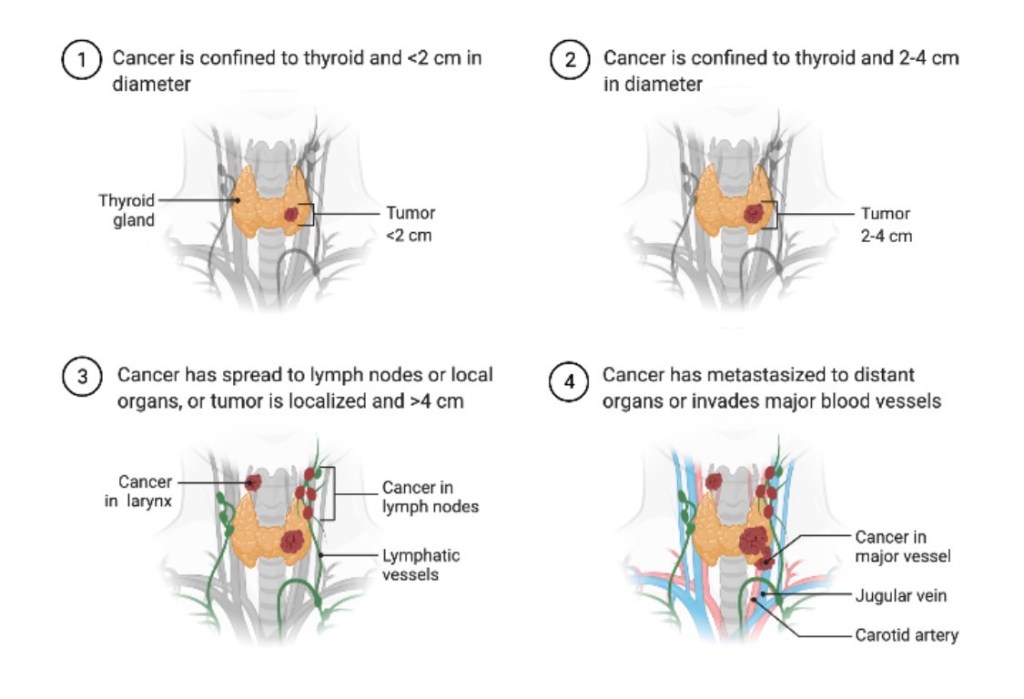
Staging describes how far a cancer has spread. In thyroid cancer, staging helps guide treatment intensity and follow-up, but it’s important to know that most patients do very well regardless of stage.

🧠 What factors are used to stage thyroid cancer?

The AJCC staging system considers:

Tumor size and whether it extends beyond the thyroid Lymph node involvement in the neck Distant spread (lungs or bones—uncommon) Age (patients under 55 are staged differently and typically have an excellent prognosis)

📊 What do the stages mean?

Stage I–II: ✔️ Most common ✔️ Often confined to the thyroid or nearby lymph nodes ✔️ Excellent long-term survival Stage III–IV: ✔️ Less common ✔️ More extensive local disease or distant spread ✔️ Still often highly treatable with modern, multidisciplinary care

⚖️ A key clarification for patients

Stage is not the same as risk of recurrence.

We also use ATA risk stratification to estimate the chance of the cancer returning and to tailor:

Extent of surgery Use of radioactive iodine Intensity of follow-up

🦋 Why this matters

Staging helps us:

Avoid overtreatment in low-risk patients Focus resources on patients who truly need more intensive therapy Provide accurate reassurance and individualized care

👨‍⚕️ Dr. Rodrigo Arrangoiz, MD

Surgical Oncologist – Thyroid, Head & Neck, Breast

Mount Sinai Medical Center

📌 Take-home message:

In thyroid cancer, stage helps guide care—but prognosis is excellent for the vast majority of patients.

📚 References

AJCC Cancer Staging Manual, 8th Edition Haugen BR et al. ATA Guidelines for Differentiated Thyroid Cancer. Thyroid Tuttle RM et al. Risk-adapted management of thyroid cancer. Lancet Diabetes Endocrinol

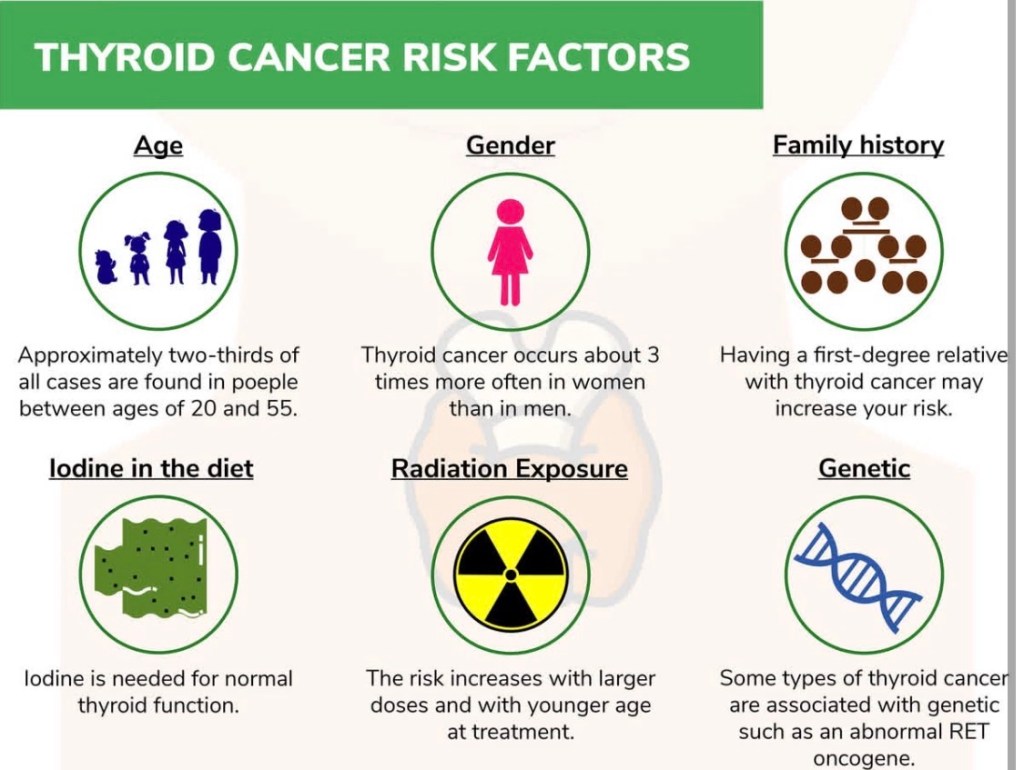
Thyroid Awareness Month – Risk Factors for Thyroid Cancer

Most thyroid nodules are benign, and most people with thyroid nodules will never develop thyroid cancer.

Still, certain factors are associated with a higher risk and deserve closer evaluation.

☢️ Strongly Associated Risk Factors

Radiation exposure to the head and neck, especially during childhood or adolescence Prior therapeutic radiation for benign or malignant conditions Family history of thyroid cancer (especially first-degree relatives)

🧬 Genetic & Medical Factors

Certain inherited syndromes (rare, but important) Medullary thyroid cancer associated with RET mutations Autoimmune thyroid disease (e.g., Hashimoto’s thyroiditis) increases nodule prevalence; cancer risk remains low but evaluation is important

👥 Demographic Factors

Female sex (thyroid cancer is more common in women) Age (extremes of age can influence behavior and management)

🧠 Important clarification for patients

Having risk factors does NOT mean you have cancer.

➡️ Most patients with thyroid cancer have no identifiable risk factors.

➡️ Risk factors help guide how carefully we evaluate, not whether we panic.

🔍 What matters most?

High-quality ultrasound Appropriate biopsy when indicated Expert interpretation and risk-adapted management

👨‍⚕️ Dr. Rodrigo Arrangoiz, MD

Surgical Oncologist – Thyroid, Head & Neck, Breast

Mount Sinai Medical Center

📌 Take-home message:

Risk factors inform evaluation — ultrasound and pathology drive decisions.

📚 References

Haugen BR et al. ATA Guidelines for Thyroid Nodules and Differentiated Thyroid Cancer. Thyroid Schneider AB et al. Radiation exposure and thyroid cancer. J Clin Endocrinol Metab SEER Cancer Statistics Review

Frequency and Therapeutic Implications of “Skip Metastases” in the Neck from Squamous Carcinoma of the Oral Tongue

Byers RM, Weber RS, Andrews T, McGill D, Kare R, Wolf P. Frequency and therapeutic implications of “skip metastases” in the neck from squamous carcinoma of the oral tongue. Head Neck. 1997 Jan;19(1):14-9. doi: 10.1002/(sici)1097-0347(199701)19:1<14::aid-hed3>3.0.co;2-y. PMID: 9030939.

  • Background: 
    • Supraomohyoid neck dissection (Levels I, II, III):
    • Is an adequate operation for the elective treatment of the neck for patients with oral cavity cancer
  • Squamous cell carcinoma of the oral tongue:
    • Metastasize to clinically negative nodes:
      • In 20% to 30% of patients:
        • These nodes usually are located in:
          • Levels I to III
  • Methods:
    • The medical records of 277 previously untreated patients with squamous cell carcinoma of the oral tongue were reviewed between the years 1970 and 1990
    • All patients had a glossectomy and neck dissection as part of their initial treatment
    • Patients were evaluated as to the findings in their neck
    • The following group of patients were included:
      • Patients who had level III nodes positive, without disease in levels I and II
      • Patients with disease in level IV
      • Patients with disease in level IIB or IIIB
      • Patients who were electively dissected and whose neck did not demonstrate any pathologically involved nodes:
        • But level IV was not included in the dissection and the patient subsequently developed pathologically positive nodes in level IV
  • Results: 
    • Of all patients:
      • 15.8% had either level IV metastasis as the only manifestation of disease in the neck or the level III node was the only node present without disease in level I to II
  • Conclusion: 
    • The usual supraomohyoid neck dissection is inadequate for a complete pathologic evaluation of all the nodes at risk for patients with squamous carcinoma of the oral tongue
    • This may create a dilemma in determining whether postoperative radiotherapy is necessary
    • Consequently, all patients with squamous cell carcinoma of the oral tongue should have levels I to IV nodes (Extended Supraomohyoid Neck Dissection) removed if an elective neck dissection is part of their initial therapy

Extended Endocrine Therapy in Very Young (≤40) Node-Positive HR+ Early Breast Cancer

Extended Endocrine Therapy in Very Young (≤40) Node-Positive HR+ Early Breast Cancer

Very young, node-positive, hormone receptor–positive (HR+) early breast cancer patients represent a uniquely high-risk subgroup, largely driven by persistent ovarian function and aggressive tumor biology. Emerging long-term data suggest that patients who remain premenopausal after completing 5 years of ovarian function suppression (LHRHa)–based endocrine therapy may derive clinically meaningful benefit from extended endocrine treatment.

In this population, extended endocrine therapy was associated with:

Improved invasive breast cancer–free survival (IBCFS) • 5-year IBCFS: 85% vs 78% • Hazard ratio (HR): 0.63, indicating a 37% relative risk reduction Improved distant recurrence–free survival (DRFS) • 5-year DRFS: 91% vs 83% • HR: 0.49, corresponding to a 51% relative reduction in distant relapse

Importantly, these efficacy gains were achieved without a major increase in long-term toxicity. Rates of fractures and cardiovascular events remained low (~1%), reinforcing the favorable therapeutic index of prolonged endocrine therapy in carefully selected young patients.

Clinical Implications

Chronologic age ≤40 years, node-positive disease, and persistent premenopausal status after 5 years identify a subgroup with sustained estrogen-driven recurrence risk. Extended endocrine therapy should be actively discussed in this setting, with shared decision-making that incorporates: Residual recurrence risk Tolerance of prior endocrine therapy Bone health and cardiovascular risk monitoring These data further support a risk-adapted, biologically driven approach to endocrine duration rather than a fixed 5-year strategy in very young patients.

Key References

Pagani O, et al. Long-term outcomes of adjuvant endocrine therapy in premenopausal women with hormone receptor–positive breast cancer. New England Journal of Medicine. 2014;371:107–118. Francis PA, et al. Tailoring adjuvant endocrine therapy for premenopausal breast cancer. New England Journal of Medicine. 2018;379:122–137. Regan MM, et al. Extended follow-up of the SOFT and TEXT trials: recurrence patterns and long-term toxicity. Journal of Clinical Oncology. 2022;40:3697–3708. Burstein HJ, et al. Endocrine therapy for hormone receptor–positive breast cancer: ASCO guideline update. Journal of Clinical Oncology. 2023.

Thyroid Awareness Month – Why Are Thyroid Cancer Outcomes So Good?

Thyroid cancer is one of the most treatable cancers—and outcomes are excellent for the vast majority of patients.

📈 Survival in perspective

Overall 5-year survival >98% for most differentiated thyroid cancers Papillary thyroid cancer (the most common type) has >95% long-term survival Many patients live normal, full lives after treatment

🧠 What drives these excellent outcomes?

Several factors work in patients’ favor:

Slow tumor growth for most thyroid cancers Early detection with high-resolution ultrasound Accurate risk stratification (ATA / TI-RADS) Highly effective surgery when indicated Selective use of radioactive iodine and tailored follow-up

⚖️ Modern management matters

Today, thyroid cancer care focuses on:

✔️ Avoiding overtreatment for low-risk disease

✔️ Escalating treatment only when biology and risk justify it

✔️ Preserving quality of life without compromising cure

🦋 What this means for patients

A thyroid cancer diagnosis is serious—but not all thyroid cancers are the same.

The key is individualized, evidence-based care by an experienced team.

👨‍⚕️ Dr. Rodrigo Arrangoiz, MD

Surgical Oncologist – Thyroid, Head & Neck, Breast

Mount Sinai Medical Center

📌 Take-home message:

With proper evaluation and treatment, most patients with thyroid cancer do extremely well.

📚 References

SEER Cancer Statistics Review Haugen BR et al. ATA Guidelines for Differentiated Thyroid Cancer. Thyroid Tuttle RM et al. Risk-Adapted Management of Thyroid Cancer. Lancet Diabetes Endocrinol

High Risk Breast Lesion – Atypical Ductal Hyperplasia (ADH)

  • Surgical excision of an area of atypical duct hyperplasia (ADH) found on core needle biopsy:
    • Is recommended to rule out underlying occult breast cancer:
      • Which can be found in 15% to 30% of patients
  • Studies consistently show higher rates of upgrade to DCIS (2/3 of the cases) compared to invasive carcinoma (1/3 of the cases)
  • A multivariable model assessing predictors for risk of upgrade at the time of excision of ADH found that:
    • Lesions that were less than 50% removed by core biopsy, compared to those with greater than 90% removed:
      • Had a significantly higher risk of upgrade (OR 3.8)
    • Similarly, ADH with individual cell necrosis (OR 4.3) and with multiple foci of atypia on core biopsy (OR 2-3 foci 2.1; OR >3 foci 3.6 compared to 1 foci) were more likely to have a subsequent upgrade
  • ADH is associated with an increased risk of future development of breast cancer when identified on a core needle biopsy or at time of surgery:
    • With a relative risk of approximately 4
  • Increasing number of foci of atypia:
    • Has also been reported to be associated with increasing future breast cancer risk
  • A study by Degnim and colleagues combined outcomes for women with a history of atypical hyperplasia from the Mayo Clinic and the Nashville Cohort:
    • In the combined analysis, among women with ADH, the relative risk of breast cancer was 2.65 with 1 foci, 5.19 with 2 foci, and 8.94 with >3 foci, p<.001
  • As the vast majority of subsequent cancers in this population are estrogen positive:
    • Patients with ADH may benefit from chemoprevention as demonstrated in the NSABP P-1 study:
      • Which demonstrated a 49% reduction in the development of invasive breast cancer in high-risk patients with the use of tamoxifen compared to placebo (p<0.00001), with the greatest benefit seen in women with atypical hyperplasia or lobular carcinoma in situ:
        • However, tamoxifen did not effect overall survival
  • References
    • Mooney K, Bassett LW, Apple SK. Upgrade rates of high-risk breast lesions diagnosed on core needle biopsy: a single-institution and literature review. Modern Pathol. 2016;29(12):1471-1484.
    • Pena A, Shah SS, Fazzio RT, Hoskin TL, Brahmbhatt RD1, Hieken TJ, at al. Multivariate model to identify women at low risk of cancer upgrade after a core needle biopsy diagnosis of atypical ductal hyperplasia. Breast Cancer Res Treat.2017;164(2):295-304.
    • Hartmann LC, Degnim AC, Santen RJ, Dupont WD, Ghosh K. Atypical hyperplasia of the breast – risk assessment and management options. NEJM. 2015;372(1):78-89.
    • Degnim AC, Dupont WD, Radisky DC, et al. Extent of atypical hyperplasia stratifies breast cancer risk in 2 independent cohorts of women. Cancer. 2016;122(19):2971-2978.
#Arrangoiz #Doctor #Surgeon #CancerSurgeon #SurgicalOncologist #BreastSurgeon #MountSiniaMedicalCenter #MSMC #Miami #Mexico #BreastCancer

Warthin’s Tumor

diagnosis-of-the-calculation-of-the-salivary-gland

  • Warthin’s tumors most commonly present as an asymptomatic, slowly growing round or oval mass usually affecting men in the 5th and 6th decade:
    • The male to female ratio ranges from 2.6:1 to 10:1
    • They occur rarely in patients of  African American origin
    • The average size of Warthin’s tumor at diagnosis is about 2.5 centimeters
    • The great majority of these tumors are located in the lower pole of the parotid gland:
      • Tail of the parotid.
    • In about 10% to 12% of cases, there is bilateral tumor development:
      • Which is commonly synchronous
    • In about 6% of cases:
      • Multiple Warthin’s tumors may be observed in one parotid gland
    • They may occur simultaneously with pleomorphic adenomas, various types of carcinoma and malignant lymphomas
    • In large registries, Warthin’s tumors located outside of the parotid gland account for about 8% of the cases:
      • Case reports concern particularly cervical lymph nodes, the submandibular gland, and the larynx:
        • The author assume that more attention is paid to these rather rare locations than to the numerous Warthin’s tumors located in the parotid gland which are extirpated worldwide

wthisto

  • These tumors are well encapsulated lesions with cystic and solid areas:
    • These tumors consist of an oncocytic epithelial cell component arranged in double layers:
      • Which develops cysts and papillary projections, and a variable amount of lymphoid tissue often with germinal centers:
        • The immunoprofile of the lymphocyte subsets is similar to that in normal or reactive lymph nodes.
    • A few Warthin’s tumors (about 8%) show areas of squamous cell metaplasia and regressive changes

imageswarthin-tumor-parotid-[1-pa003-1]

  • Several studies showed that a significant number of patients suffering from Warthin’s tumor are smokers, in contrast to patients with other salivary gland tumors:
    • The great majority of patients with Warthin’s tumor had a history of over 20 years of smoking:
      • The odds ratio for the incidence of Warthin’s tumor among current smokers compared with never smokers was 8.3
      • Compared with never smokers, clearly higher odds of Warthin’s tumor was observed in heavy smokers (more than 30 pack-years) (odds ratio=24.1) than patients who smoked less than 30 pack-years (odds ratio=4.9)

37d0c754213d1c1ecd29b1a3f34cef1c1-s2.0-s2210261214001047-gr1

  • Warthin’s tumor consists of oncocytic cells containing numerous mitochondria frequently showing structural abnormalities and reduced metabolic function:
    • Smoking can lead to damage to mitochondrial DNA due to the development of numerous reactive oxygen species
    • In this context, a high rate of deleted mitochondrial DNA has been detected in the oncocytic cells of Warthin’s tumor
  • The role of hormones in the etiology of this disease has also been discussed:
    • In some malignant salivary gland diseases and even in Warthin’s tumor progesterone receptors have been found
    • A correlation with sex hormones could possibly play an important role in the development of those tumors and provide an explanation for the dominance of the male gender
    • However, it must be considered that more males than females used to smoke so that the role of the individual factors remains unclear and the intrinsic factor stimulating the development of Warthin’s tumor is still unknown

Rodrigo Arrangoiz MS, MD, FACS a head and neck surgeon / surgical oncologist and is a member of Mount Sinai Medical Center in Miami, Florida:

  • He is an expert in the management of salivary gland neoplasms:

    • If you have any questions about salivary gland neoplasms  please fill free to ask Dr. Arrangoiz

Training:

• General surgery:

• Michigan State University:

• 2004 al 2010

• Surgical Oncology / Head and Neck Surgery / Endocrine Surgery:

• Fox Chase Cancer Center (Filadelfia):

• 2010 al 2012

• Masters in Science (Clinical research for health professionals):

• Drexel University (Filadelfia):

• 2010 al 2012

• Surgical Oncology / Head and Neck Surgery / Endocrine Surgery:

• IFHNOS / Memorial Sloan Kettering Cancer Center:

• 2014 al 2016


#Arrangoiz

#HeadandNeckSurgeon

#SurgicalOncologist

#Surgeon

#CancerSurgeon

#CirujanodeCabezayCuello

#CirujanoOncologo

Atypical Ductal Hyperplasia (ADH)

  • Excisional biopsy:
    • Is recommended for most ADH lesions diagnosed on core needle breast biopsy (CNB)
  • The chance of upgrade at excision to ductal carcinoma in situ (DCIS) or invasive carcinoma:
    • Is generally in the 12% to 22% range in the literature
  • The need for routine excision of pure flat epithelial atypia (FEA) has been less clear:
    • Some authors have reported an upgrade rate of 9.6% following excision of lesions that show pure FEA without ADH when the vast majority of biopsies were done with a 14-gauge spring-loaded core biopsy device
    • It is not clear that biopsy with a vacuum-assisted device would yield the same results
    • In fact, in one study reporting biopsy of low-risk calcifications with a vacuum-assisted device, pure FEA never resulted in an upgrade to malignancy
    • An article from the Mayo Clinic showed that FEA does not seem to convey an independent risk of breast cancer beyond that of associated proliferative disease without atypia or associated ADH
  • The risk of upgrade at surgical excision for ADH:
    • Has been reported to correlate with the number of ducts or terminal duct lobular units involved on vacuum-assisted core biopsy;
      • With 2 or fewer foci of involvement:
        • There was no upgrade on excision
      • With 4 or more foci of involvement:
        • There was a strong probability of upgrade to ductal carcinoma in situ or invasive carcinoma at excision
  • Work continues to try to define a low-risk group who could potentially avoid excisional biopsy:
    • Particularly those with small areas of calcifications completely removed with core needle biopsy and only focal ADH on pathology
  • Apocrine metaplasia, florid epithelial hyperplasia of the usual variety, and columnar cell change without atypia:
    • Do not confer a significant risk of upgrade and do not require excision
  • References
    • Eby PR, Ochsner JE, DeMartini WB, Allison KH, Peacock S, Lehman CD. Is surgical excision necessary for focal atypical ductal hyperplasia found at stereotactic vacuum-assisted breast biopsy? Ann Surg Oncol. 2008;15(11):3232-3238.
    • Ely KA, Carter BA, Jensen RA, Simpson JF, Page DL. Core biopsy of the breast with atypical ductal hyperplasia: a probabilistic approach to reporting. Am J Surg Pathol. 2001;25(8):1017-1021.
    • Khoumais NA, Scaranelo AM, Moshonov H, Kulkarni SR, Miller N, McCready DR, et al. Incidence of breast cancer in patients with pure flat epithelial atypia diagnosed at core-needle biopsy of the breast. Ann Surg Oncol. 2013;20(1):133-138.
    • Said SM, Visscher DW, Nassar A, Frank RD, Vierkant RA, Frost MH, et al. Flat epithelial atypia and risk of breast cancer: a Mayo cohort study. Cancer. 2015;121(10):1548-1555.
    • McGhan LJ, Pockaj BA, Wasif N, Giurescu ME, McCullough AE, Gray RJ. Atypical ductal hyperplasia on core biopsy: an automatic trigger for excisional biopsy? Ann Surg Oncol. 2012;19(10):3264-3269.

Warthin Tumor

  • Generalities:
    • Warthin tumor (WT) is the second most common benign parotid gland tumor:
      • After pleomorphic adenoma
    • Almost exclusively arises in the parotid gland:
      • Classically in the tail (inferior pole)
    • Distinctive for its strong association with smoking and for being bilateral or multifocal:
      • More often than any other salivary gland neoplasm
    • Malignant transformation:
      • Is exceedingly rare (< 1%)
    • Growth is usually slow and indolent:
      • Many tumors are discovered incidentally on imaging
  • Epidemiology:
    • Accounts for 5% to 15% of all parotid tumors
      • Account for 10% to 30% of benign parotid neoplasms, depending on population
  • Peak incidence:
    • 6th to 7th decades of life
    • Historically showed strong male predominance (≈ 5:1):
      • Now closer to 1.5 to 2:1:
        • Reflecting increased smoking prevalence among women
    • Bilateral tumors:
      • ~ 7% to 10%
    • Multifocal within the same gland:
      • Up to 12% to 20%
  • Risk Factors
    • Established:
      • Cigarette smoking:
        • Strongest known risk factor
        • Smokers have a 7 to 8× increased risk compared with non-smokers:
          • Risk correlates with duration and intensity of exposure
    • Possible / Associated Risk Factors:
      • Older age
      • Male gender (historically)
      • Prior radiation exposure:
        • Weak association:
          • Far less than pleomorphic adenoma
      • Chronic inflammatory or immune-related processes (hypothesized, not proven)
  • Pathology:
    • Gross Pathology:
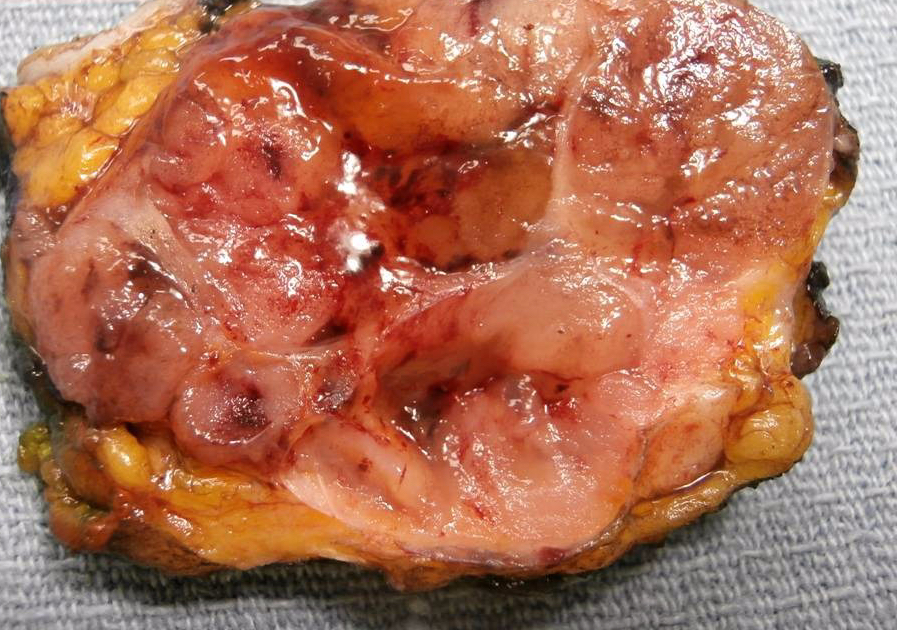
      • Well-circumscribed, encapsulated, soft mass
      • Frequently cystic, often containing brown, turbid (“motor oil”) fluid
    • Histopathology (defining features):
      • Biphasic tumor composed of:
        • Epithelial component
          • Papillary and cystic architecture
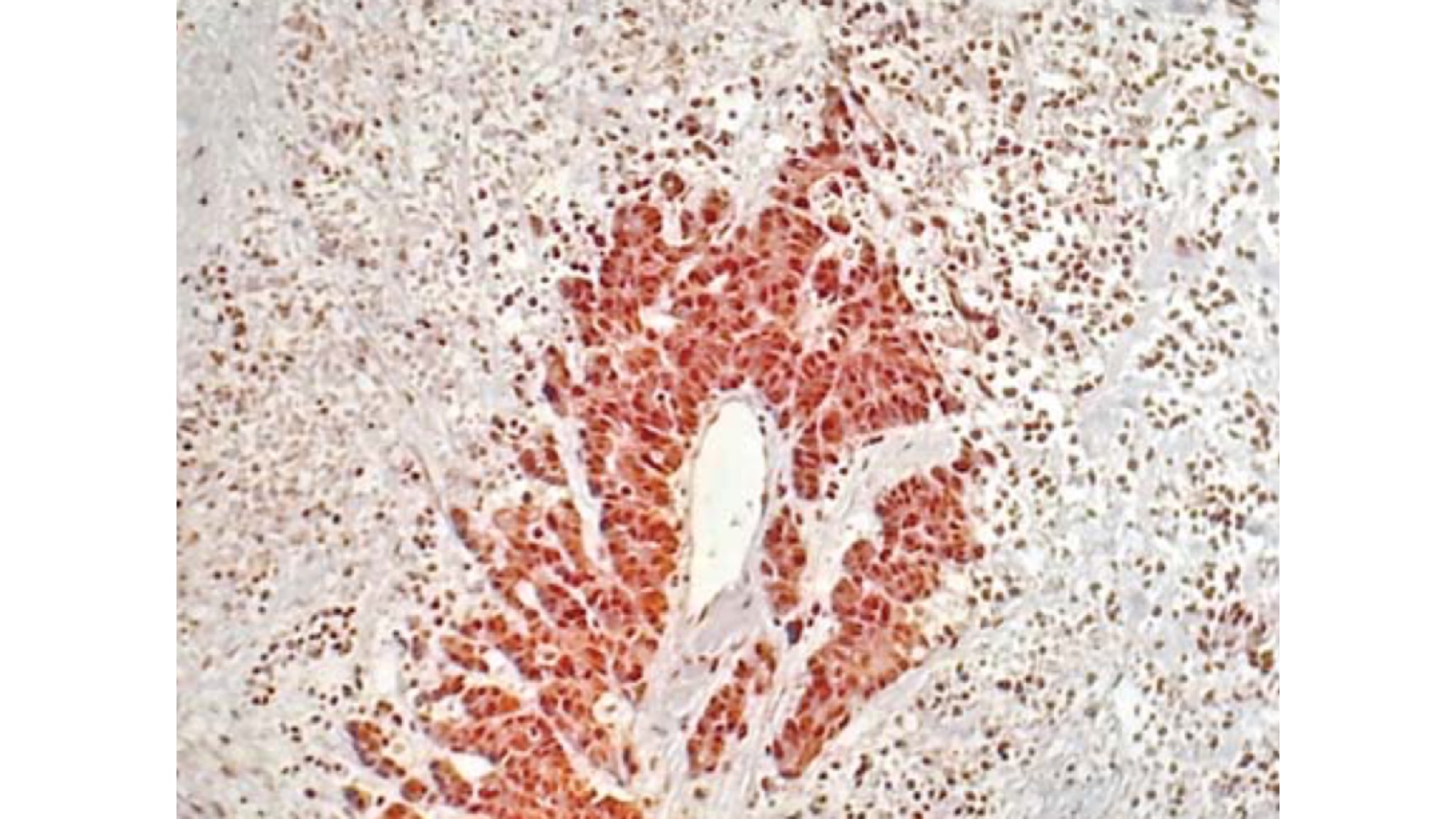
          • Bilayered oncocytic epithelium – luminal columnar oncocytic cells, basal cuboidal cells
        • Lymphoid stroma:
          • Dense lymphoid tissue with germinal centers
      • No true myoepithelial component
      • Mitoses and atypia are absent in classic WT
  • Molecular Features:
    • Unlike pleomorphic adenoma, lacks recurrent driver translocations
    • Mitochondrial DNA mutations described (consistent with oncocytic phenotype)
    • Increasing evidence suggests WT may represent a tumor-like reactive process rather than a true neoplasm
  • Clinical Presentation:
    • Painless, slow-growing preauricular or infra-auricular mass
    • Often fluctuant due to cystic nature
    • Facial nerve dysfunction is exceptional and should raise concern for alternative diagnoses
    • Bilateral or synchronous contralateral lesions strongly suggest WT
  • Imaging Characteristics (supportive, not diagnostic):
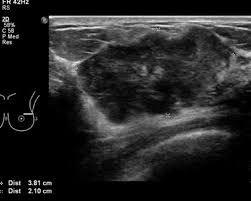
    • Ultrasound:
      • Well-defined, hypoechoic, often cystic with internal septations
    • CT:
      • Well-circumscribed, cystic or cystic-solid lesion, tail of parotid
    • MRI:
      • T1: low–intermediate signal
      • T2: heterogeneous, often high signal
    • Characteristically shows high uptake on Tc-99m pertechnetate scans (classic but rarely used today)
  • Diagnosis:
    • Fine-needle aspiration (FNA) is usually sufficient:
      • Typical findings:
        • Oncocytic epithelial cells + lymphoid background
      • Diagnostic accuracy is high when classic features are present
    • Core needle biopsy rarely needed
    • Important to correlate with imaging and clinical setting (older smoker, tail of parotid)
  • Management:
    • Observation:
      • Appropriate in selected patients when:
        • Diagnosis is secure:
          • Concordant clinical + imaging + FNA
        • Asymptomatic or minimally symptomatic
        • No cosmetic concern
        • No facial nerve dysfunction
        • Patient preference supports surveillance
      • Rationale:
        • Benign behavior
        • Very low malignant transformation risk
        • Many tumors grow minimally or plateau
    • Surgical Management:
      • Indications:
        • Diagnostic uncertainty
        • Symptomatic tumor:
          • Pain, rapid growth, infection
        • Cosmetic deformity
        • Patient anxiety or preference
        • Very large lesions
      • Surgical options:
        • Partial superficial parotidectomy
        • Extracapsular dissection (ECD) in well-selected cases
        • Facial nerve preservation is standard
        • Total parotidectomy rarely required
        • Neck dissection:
          • Not indicated
      • Adjuvant therapy:
        • None
  • Prognosis:
    • Excellent
    • Recurrence is uncommon and usually reflects:
      • Multifocal disease
      • Development of a new metachronous WT
    • Long-term survival equivalent to general population
  • Key Teaching Points for Surgeons:
    • Tail of parotid + smoker + cystic mass = think Warthin
    • Bilaterality strongly favors WT
    • Observation is acceptable and evidence-based in selected patients
    • Avoid overtreatment:
      • Facial nerve morbidity must be weighed against benign biology
  • Key References:
    • Barnes L, Eveson JW, Reichart P, Sidransky D. WHO Classification of Tumours of the Head and Neck. IARC Press; 2017 / 2022 (5th ed.).
    • Ellis GL, Auclair PL. Tumors of the Salivary Glands. AFIP Atlas of Tumor Pathology.
      Seifert G, Donath K. The Warthin tumor: a multifocal disease. Virchows Arch A Pathol Anat Histopathol. 1996.
    • Eveson JW, Cawson RA. Warthin’s tumour (cystadenolymphoma) of salivary glands: a study of 78 cases. Oral Surg Oral Med Oral Pathol.
    • Schwalje AT, Uzelac A, Ryan WR. Growth rate characteristics of Warthin tumors. Otolaryngol Head Neck Surg. 2015.
    • Quer M, et al. ESMO–EURACAN Clinical Practice Guidelines for salivary gland cancer. Ann Oncol. 2022.
    • Witt RL, et al. Observation of Warthin tumors: a safe alternative to surgery. Otolaryngol Head Neck Surg.