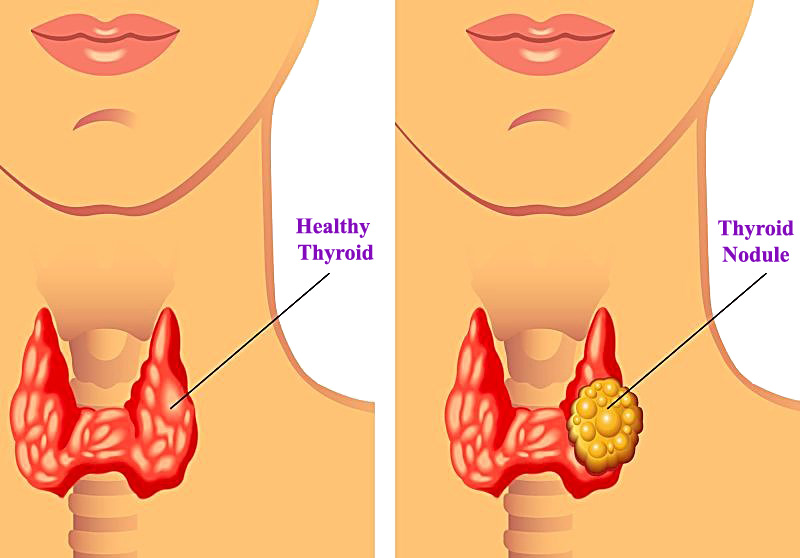
- Clin Thyroidol 2022;34:75–77.
- Background:
- The incidence of papillary thyroid cancer (PTC) is increasing at a rapid rate:
- Probably related to thyroid nodules being detected incidentally by more frequent radiologic studies being performed, and
- Also likely due to a change in the molecular oncogenes:
- Driving its development and progression
- The standard initial treatments include:
- Thyroidectomy and, in some instances, radioactive iodine therapy
- The factors that assist in the decision for a particular treatment are multiple, but include:
- Patient age
- Gender
- Histologic characteristics
- Findings on radiologic and nuclear medicine studies
- Postoperative serum thyroglobulin levels
- One particular histologic finding:
- Minor extra-thyroidal invasion:
- Has been controversial regarding its relevance to recurrence and prognosis
- Diker-Cohen et al performed a meta-analysis and noted that:
- Minimal extrathyroidal extension:
- Did increase the risk of recurrence, but not of mortality
- Minimal extrathyroidal extension:
- Castagna et al also reported:
- An increased risk of recurrence in patients with minimal extrathyroidal extension when compared to intrathyroidal tumors
- In contrast, Ahmaddy et al and Raruenrom et al:
- Did not find that minimal extrathyroidal extension was associated with a worse prognosis
- Minor extra-thyroidal invasion:
- In the current study, Forleo et al have investigated this issue, adding further understanding to the interpretation of minimal extrathyroidal invasion in patients with PTC
- The incidence of papillary thyroid cancer (PTC) is increasing at a rapid rate:
- Methods:
- The authors used the Italian Thyroid Cancer Observatory database to identify patients with PTC with minimal extrathyroidal extension and excluded patients who had local lymph node involvement with cancer
- This database includes patient information prospectively collected from multiple medical centers
- The authors identified 2,237 patients who fulfilled the study eligibility criteria and had at least 1 year of follow up
- Multiple factors were evaluated, including the type of initial thyroid surgery, histologic variants of PTC, tumor diameter, risk stratification using the American Thyroid Association system, use and dose of radioactive iodine therapy and disease response
- Results:
- There were 1831 patients (81.8%) who had an excellent response, 296 (13.2%) an indeterminate response, 55 (2.5%) a biochemically incomplete response, and 55 (2.5%) a structurally incomplete response
- Detailed evaluation indicate that, as individual factors:
- Minimal extrathyroidal extension, tumor size larger than 2 cm, aggressive PTC histology, and age at diagnosis:
- Were not found to be associated with a worse initial therapy response:
- However, the combination of:
- Minimal extrathyroidal extension and tumor size greater than 2 cm:
- Was associated with a significantly worse outcome
- Minimal extrathyroidal extension and tumor size greater than 2 cm:
- However, the combination of:
- Were not found to be associated with a worse initial therapy response:
- Radioactive iodine therapy did not appear to improve prognosis
- Minimal extrathyroidal extension, tumor size larger than 2 cm, aggressive PTC histology, and age at diagnosis:
- Conclusions:
- Minimal extrathyroidal extension alone did not predict a worse prognosis in PTC patients who did not have cervical lymph node involvement in a large study cohort
- However, it appears that the combination of tumor diameter larger than 2 cm and the presence of minimal extrathyroidal extension:
- May help predict low-to-intermediate risk of recurrent or persistent disease
- This study by Forleo et al helps further our understanding of the possible role of minimal extrathyroidal extension in PTC in predicting recurrent or persistent disease
- The study has the attributes of analyzing a large group of patients, obtaining data from multiple medical centers at the time of initial surgery, of examining patients with no known cervical lymphadenopathy, and they used the ATA risk stratification system
- However, there are also several aspects that should also be noted
- There were multiple surgeons and pathologists, and there was not an independent pathologic review board that analyzed all of the samples
- The study analyzed only the response at 1 year, but is apparently monitoring these patients over a longer duration
- The definition of minimal extrathyroidal extension and its application in every case is not substantiated
- In summary, I think it clinically relevant that this analysis of a large cohort of PTC patients found that minimal extrathyroidal extension alone is not a significant risk factor for recurrence, but when it is combined with tumor size > 2 cm, there appears to be a higher risk of recurrence
- Radioactive iodine therapy did not seem to be beneficial, although there was a relatively low percentage of patients who received radioactive iodine and the statistical evaluation of this treatment was complex
- I think it reasonable to consider all relevant laboratory, histology, radiologic and clinical factors on an individual basis to help decide whether radioactive iodine therapy may be warranted
- In addition, performing a radioactive iodine scan with baseline and stimulated serum thyroglobulin levels may help in making this decision
- References
- Diker-Cohen T, Hirsch D, Shimon I, Bachar G, Akirov A, Duskin-Bitan H, Robenshtok E 2018 Impact of minimal extra-thyroid extension in differentiated thyroid cancer: systematic review and meta-analysis. J Clin Endocrinol Metab 103:2100–2106.
- Castagna MG, Forleo R, Maino F, Fralassi N, Barbato F, Palmitesta P, Pilli T, Capezzone M, Brilli L, Ciuoli C, Cantara S, Formichi C, Pacini F 2018 Small papillary thyroid carcinoma with minimal extrathyroidal extension should be managed as ATA low-risk tumor. J Endocrinol Invest 41:1029–1035.
Blog
Predisposition to and Prognosis of Thyroid Cancer May Not Be Affected by Graves’ Disease, But Some Questions Still Remain
- Clin Thyroidol 2022;34:59–62
- Background:
- Graves’ disease (GD) is an autoimmune thyroid disorder that is the leading cause of hyperthyroidism
- Understanding whether GD predisposes patients to thyroid cancer has been of interest for a long time
- Previous research on the link between GD and the risk of concurrent thyroid cancer was based mostly on surgically treated GD patients, and the results were inconsistent
- Furthermore, there are still controversies about the impact of GD on the clinical features and outcomes of thyroid cancer
- Therefore, in the current study, Yoon and colleagues aimed to investigate the overall prevalence of thyroid cancer in patients with GD, as well as the clinicopathologic characteristics, prognosis, and predictive factors of its development
- Methods:
- This retrospective multicenter study collected data on all patients with GD treated at three tertiary referral hospitals in South Korea between January 2010 and December 2019
- During their follow-up for GD, all participants in the study underwent at least one high-resolution neck ultrasound
- All included patients were followed-up for at least one year
- Demographic information, status of GD, antithyroid medications for the treatment of GD, as well as clinicopathologic characteristics, surgical and postoperative management, and prevalence and clinical outcomes of concomitant thyroid cancer in patients with GD were described
- In the subgroup analysis, patients were divided into nodular GD and non-nodular GD groups based on the presence of thyroid nodules other than the primary thyroid cancer lesion(s)
- Clinicopathologic features and thyroid cancer prognosis were compared between the two subgroups
- Using binary logistic-regression analysis, risk factors for thyroid cancer recurrence / persistence were further investigated
- Results:
- The current study was composed of 15,159 patients with GD, including 262 (1.7%) with coexisting thyroid cancer
- The majority of the patients (251 [95.8%]) had undergone cytologic assessment of thyroid tissue prior to surgery, while the remaining patients (11 [4.2%]) were diagnosed with occult thyroid cancer after thyroid surgery was performed for other indications, such as compression symptoms caused by a large goiter and / or uncontrolled hyperthyroidism
- In 245 (93.5%) and 17 (6.5%) of the patients, total thyroidectomy and lobectomy, respectively, were performed
- Micro–thyroid carcinomas were found in 182 GD patients (69.5%), which was comparable to the proportion of those in without GD (19,397 of 30,231 [64.2%])
- The mean (±SD) age of patients with GD and coexisting thyroid cancer was 55.1±13.9 years
- Active GD, defined as newly diagnosed GD or the use of anti-thyroid drugs, was found in 229 patients (87.4%)
- Papillary thyroid cancer (PTC) accounted for nearly all (260 [99.2%]) of the histologic thyroid cancer subtypes
- Extrathyroidal extension and lymph node metastases were identified in 65 (24.8%) and 89 (34.0%) of the patients, respectively
- None of the patients had distant metastases
- In 113 (43.1%) of the patients, radioiodine ablation was administered after surgery
- There was no evidence of thyroid cancer in 242 (92.4%) of patients at a median follow-up of 59.1 months, while 20 (7.6%) had recurrent / persistent thyroid cancer
- In the subgroup analysis, thyroid cancer patients with nodular GD were older (61.9±12.8 vs. 52.1±13.3 years, P = 0.001) and more were female (86.3% vs. 75.3%, P = 0.046) than those with non-nodular GD
- There was no difference in thyroid cancer aggressiveness, according to preoperative cytologic and ultrasonographic assessments, between the groups
- However, there was a substantial difference in the non-classic PTC subtypes between the two groups: patients in the nodular GD group had only follicular variant PTC, whereas the non-nodular GD group had seven patients with non–follicular variant, non-classic PTC subtypes
- Although thyroid cancer recurrence was detected only in patients with non-nodular GD, the difference was not considered to be significant
- Furthermore, multivariate analysis revealed that only lymph node metastasis (odd ratio, 4.359; 95% confidential interval, 1.267–14.944; P = 0.020) was independently associated with recurrent / persistent thyroid cancer
- Conclusions:
- This multicenter retrospective study of GD patients, including those without surgical intervention for GD, showed that the proportion of coexisting thyroid cancer was substantially lower than previously reported
- The small proportion of thyroid cancer patients with concomitant GD had a generally favorable prognosis for their thyroid cancer, but those with lymph node metastases may need to be monitored more closely
- The possible association between thyroid cancer and autoimmune thyroid diseases, mainly GD and Hashimoto’s thyroiditis (HT):
- Has been of considerable interest for a long time
- Although an underlying autoimmune pathology exists in both conditions, HT features chronic inflammatory infiltration in the thyroid gland, whereas GD involves the critical presence of thyroid stimulating antibody (TSAb)
- As growing evidence suggests that there is an increased risk of thyroid cancer in patients with HT, interest has also focused on the role of GD in the development and prognosis of thyroid cancer
- However, data from available studies have provided conflicting information
- A large-scale cohort study conducted in Taiwan has suggested a higher risk of thyroid cancer in GD patients:
- In 5025 newly diagnosed GD patients, 52 thyroid cancer events were identified (1.0%), as compared with 20 events recorded in 20,100 non-GD subjects (0.1%)
- However, there was little information on how these thyroid cancers were diagnosed
- Given that patients with GD are more likely to undergo thyroid examination, including ultrasonography, than those without GD, we should not easily attribute a possible increased prevalence of thyroid cancers to GD per se, but rather to the attentive surveillance of the thyroid provided to GD patients
- The current study was based on all ultrasound-screened GD patients, including nonsurgically treated patients, in contrast to many previous studies in which only surgery-treated patients were included
- Hence, this study avoided selection bias generated from indications toward surgical management
- The rate of coexisting thyroid cancer in GD patients was higher than that in the above-mentioned Taiwan cohort (1.7% vs. 1.0%, P<0.001).;
- Again, this suggests that routinely performing ultrasound screening leads to more cancer cases being found
- Although the authors could not directly compare the prevalence of thyroid cancer between GD patients and non-GD patients in their study, another population-based study performed at Health Promotion Center of Asan Medical Center, South Korea, provides some insight:
- In 15,000 subjects who were ultrasound-screened and underwent fine-needle aspiration of suspicious thyroid nodules, 267 patients (1.8%) were identified with a coexisting thyroid cancer
- Here, we notice that once ultrasound screening is uniformly applied on the population level, the prevalence of thyroid cancer in the general population and in GD patients is comparable
- Taken together, these studies suggest that GD may not increase the risk for thyroid cancer
- To avoid overdiagnosis of thyroid cancer, universal screening for thyroid cancer among GD patients should not be encouraged
- The current study also reported favorable thyroid cancer outcomes in patients with coexisting GD and thyroid cancer, although a comparison could not be made directly with non-GD patients
- There remain some questions to be answered;
- First, in vitro studies have linked TSAb to mitogenic, antiapoptotic and angiogenic effects probably mediated through its binding to the TSH receptor and stimulation of various signaling pathways:
- Would changing TSAb status over time (e.g., persistently high titers vs. rapidly declining titers) impact the clinical features and prognosis of thyroid cancer in GD patients differently?
- Second, nearly 70% of the thyroid cancer patients found in this cohort had papillary microcarcinomas (<1 cm), which is the most indolent type of thyroid cancer:
- Is it possible that the effects of GD on thyroid cancer outcomes might be more pronounced in more clinically relevant cases (i.e., larger or more aggressive thyroid cancers)?
- This hypothesis is supported by a multicenter study in Italy, which indicated that GD was associated with a worse outcome of coexisting thyroid cancer only if the cancer was larger than 1 cm
- Third, for patients with GD who have surgical indications, current American Thyroid Association guidelines recommend near-total or total thyroidectomy:
- However, for GD patients whose thyroid function and TSAb titers are well controlled by antithyroid drugs, yet elect to have their coexisting low-risk PTC resected, what would be the optimal procedure to avoid overtreatment of these two diagnoses?
- These important questions await further investigation
- First, in vitro studies have linked TSAb to mitogenic, antiapoptotic and angiogenic effects probably mediated through its binding to the TSH receptor and stimulation of various signaling pathways:
#Arrangoiz #ThyroidSurgeon #CancerSurgeon #HeadandNeckSurgeon #ThyroidExpert #EndocrineSurgery #PapillaryThyroidCancer #GravesDisease
Pre-ablation Stimulated Thyroglobulin as a Predictor of Persistent / Recurrent Differentiated Thyroid Cancer
- Clin Thyroidol 2022;34:71–74.
- Background:
- In the period immediately following thyroidectomy for differentiated thyroid cancer, there is a need to determine the extent of persistent disease and the likelihood of cancer recurrence
- Predicting the mortality from thyroid cancer is performed using the AJCC/UICC TNM system
- In order to assess the risk for disease persistence and recurrence, the American Thyroid Association (ATA) guidelines for differentiated thyroid cancer use a variety of indicators that are determined primarily from the surgical pathology
- In the initial postoperative assessment, the ATA guidelines state that postoperative thyroglobulin (Tg) values suggestive of distant metastases are considered high risk, though the levels that are useful to guide risk determination are not entirely clear
- The current study is a single-center, retrospective analysis aimed at determining the prognostic significance of pre-ablation stimulated Tg (ps-Tg) levels on prediction of disease persistence / recurrence and its use as a component of the ATA risk-stratification system
- Methods:
- Electronic records were collected from 2006 to 2018 at a tertiary care center in China
- Patients were included in this analysis if they had undergone total thyroidectomy with postoperative radioactive iodine (RAI) ablation therapy and if their surgical pathology results were available
- All patients were prepared for RAI using thyroid hormone withdrawal
- Serum thyroid stimulating hormone (TSH), Tg, and thyroglobulin antibody (TgAb) levels were determined immediately prior to RAI administration
- Patients with TgAb levels greater than 40 IU/ml were excluded
- Patients were followed for an average of 5 years
- The initial interaction was 6 to 12 months following RAI therapy
- Patients with an excellent response to initial therapy (defined using criteria from the 2015 ATA differentiated thyroid cancer guidelines) were seen annually and followed with Tg measurements while taking levothyroxine (LT4) and with neck ultrasonography
- Additional imaging studies were used if Tg levels were > 1 ng/ml
- Anything other than an excellent response to initial therapy was counted as disease persistence
- A receiver operating characteristic (ROC) curve was used to determine the most sensitive and specific levels of ps-Tg that predicted persistent/recurrent disease versus long-term remission
- Results:
- Of the 2524 patients included in this analysis, over 26% were classified as high risk for recurrence by ATA criteria, indicating a cohort that included many patients with advanced disease
- Of the 2524 patients, 69% were women and over 96% had classic variant papillary thyroid cancer (PTC)
- The average primary tumor size was 1.4 cm, and 85% of patients had documented lymph node metastases
- Approximately 85% of patients had an excellent response and 15% had persistent or recurrent disease at the end of the study
- The median ps-Tg level was 2.42 ng/ml (1.87 for those with excellent response and 35.66 for those with persistent/recurrent disease). Based on ROC analysis, a ps-Tg level of 10.1 ng/ml correlated with a sensitivity of 76% and a specificity of 88%, yielding a positive predictive value (PPV) of 53% and a negative predictive value (NPV) of 95%. This NPV remained >90% in all ATA risk categories.When analyzed by ATA risk categories, a ps-Tg cutoff of 10.1 ng/ml was predictive of outcomes. When below this cutoff, the risk of persistent disease decreased from 9.9% to 4.1% in intermediate-risk patients and from 33.1% to 8.5% in high-risk patients. Similarly, a value above the cutoff significantly increased the risk of persistent/recurrent disease even in low-risk patients (3.5–26.7%). The risk increased in high-risk patients, from 33.1% to 69.5%.ConclusionsIn this retrospective institutional analysis, a single preablation stimulated Tg cutoff level of 10.1 ng/ml significantly improved the prediction of disease recurrence/persistence in differentiated thyroid cancer. The use of this cutoff significantly enhanced prediction when incorporated into the 2015 ATA risk stratification model for differentiated thyroid cancer.COMMENTARYAssessing the likelihood of disease persistence and recurrence is extremely important to patients and providers after a diagnosis of cancer. Notwithstand-ing a recent cancer diagnosis, there is a significant amount of anxiety for patients receiving RAI, as many of those selected to receive it typically have lymph node involvement or larger tumor sizes.Disease predictors lack predictive power in the immediate postoperative assessment of intermedi-ate- and high-risk scenarios based on the surgical pathology alone. Several studies have reported that delayed evaluation (i.e., up to a year following RAI ablation) utilizing biomarkers and neck ultrasonog-raphy have better prognostic capabilities (3-5). For a patient, waiting this long can be nerve-wracking. A test to improve the ability to predict recurrence earlier in the postoperative period is desirable.Often, we measure stimulated Tg prior to giving RAI, though there is no clear guidance as to the value above which higher risk for disease persistence is indicated. Moreover, where does this information fit in regard to what is already estimated based on the risk stratification from the 2015 ATA guide-lines? This study was based on a large sample size and used ROC curve analysis to identify 10.1 ng/ml as a preablation Tg level with an NPV of >90%. This study adds to the literature identifying a preablation stimulated Tg <10 ng/ml as a predictor of excellent response to initial treatment (i.e., surgery and RAI ablation) in intermediate- to high-risk patients (6). This is helpful, as prior studies have investigated lower-risk patients or used various Tg cutoff values (7-9). Additionally, the authors determined that the use of preablation Tg values helped to “refine” recurrence estimates within risk categories. Inter-THYROID CANCER Preablation Stimulated Thyroglobulin as a A l e x Te s s n owPredictor of Persistent/Recurrent Differentiated Thyroid Cancer
The Extent of Thyroid Surgery in Differentiated Thyroid Cancer Patients with Low and Intermediate Risks of Recurrence
- Background:
- Thyroid nodules and thyroid cancer are common clinical problems
- The primary initial treatment of thyroid cancer is surgery:
- Either thyroid lobectomy or total thyroidectomy
- Experts have debated the extent of thyroid surgery and its impact on patient outcomes for many years
- The 2015 ATA guidelines:
- Endorsed thyroid lobectomy for low-risk differentiated thyroid cancers (DTCs):
- Measuring 1 to 4 cm without extra-thyroidal extension (ETE) and clinical lymph node metastasis, in the absence of a family history of thyroid cancer and a personal history of radiation exposure to the head and neck
- Endorsed thyroid lobectomy for low-risk differentiated thyroid cancers (DTCs):
- Subsequent literature has suggested that there has been a significant shift away from more extensive thyroid surgeries:
- In managing benign and malignant thyroid disease
- One study showed that the use of thyroid lobectomy in patients with thyroid cancer:
- Increased from 17% in 2015 to 28% by the end of 2018
- The current study was performed to further understand this surgical trend in patients with low-risk DTCs
- Methods:
- This was a retrospective study of patients with well-differentiated thyroid cancer who underwent thyroid surgery at Memorial Sloan Kettering Cancer Center between 1986 and 2015
- Patients were staged according to the American Joint Committee on Cancer 8th edition and classified as being at low, intermediate, or high risk for recurrence according to the 2015 ATA guidelines
- The 2015 ATA dynamic risk-stratification system was used to assess the initial response to therapy within the first year
- Patients with distant metastases; positive lymph nodes; stage T3, T4, or Tx; and ATA high risk of recurrence and who had undergone surgery other than total thyroidectomy (TT) or thyroid lobectomy (TL) were excluded
- Propensity matching to create matched sets of TL and TT patients was used
- Age, sex, histology, I-131 therapy, ATA risk, and pathologic T and N stage were used as propensity-matching criteria
- Pearson’s test or Fisher’s exact test and the t-test were used to compare categorical and continuous variables, respectively
- After propensity matching, multivariate analysis of the cohort using Cox proportional-hazards regression was performed
- The primary outcomes were overall survival (OS), disease-specific survival (DSS), and recurrence-free survival (RFS)
- The Kaplan–Meier method was used to compare the primary outcome, and a log-rank test was used to compare the two groups
- Results:
- A total of 3756 patients were included in the initial cohort (943 TL and 2813 TT)
- The cohort used for analysis was then restricted to 1836 patients (918 patients in each group after propensity matching)
- There were no differences in age, sex, histology, T stage, and ATA risk classification
- The mean follow-up periods for TL and TT patients were 56.34 and 56.85 months, respectively
- When comparing TL with TT, overall survival (10-year OS, 92.2% vs. 91.3%; P = 0.967), disease-specific survival (10-year DSS, 100% vs. 99.1%; P = 0.197), and recurrence-free survival (10-year RFS, 99.5% vs. 98.3%; P = 0.079) were not significantly different
- Multivariate analysis showed that between variables of age, vascular invasion, microscopic ETE, margins, and extent of surgery, only age greater than 55 years was a predictor of OS (HR, 5.773; P<0.0001)
- There were 67 and 45 deaths in the TL and TT groups, respectively:
- Only 1 death was related to thyroid cancer, and it was in the TT group
- There were 15 patients with recurrence, 10 (1.08%) in the TT group and 5 (0.05%) in the TL group
- The median times from surgery to recurrence were 44.2 and 44.1 months for the TL and TT groups, respectively
- There was no statistical difference between the two groups regarding the site of recurrence
- Conclusions:
- Thyroid lobectomy is associated with mortality outcomes similar to those for total thyroidectomy in selected DTC patients with ATA low and intermediate risk for recurrence
- It is reasonable to consider lobectomy in patients with:
- Intrathyroidal DTCs less than 4 cm, no nodules in the contralateral lobe, and no suspicious lymph nodes on either preoperative imaging or intraoperative palpation
- Thyroid lobectomy is associated with fewer complications such as hypoparathyroidism, recurrent laryngeal nerve injury, and hypothyroidism
- However, the extent of thyroid surgery remains the subject of debate between experts despite the reported excellent outcomes in patients with low-risk thyroid cancers <4 cm treated with thyroid lobectomy
- This study also supports findings from these other studies in examining the extent of thyroid surgery on the long-term mortality outcomes of patients with low-risk thyroid cancer
- Also included in this study were 402 patients with ATA intermediate risk of recurrence:
- There were 212 total thyroidectomies and 190 thyroid lobectomies, and no significant differences were identified between the two groups regarding overall survival, disease-specific survival, and recurrence-free survival
- Because intermediate-risk features on histology are identified only postoperatively, these patients would usually be advised to undergo completion thyroidectomy
- The likelihood of requiring completion thyroidectomy based on intermediate-risk disease has been reported to be around 30% to 60%
- However, it has not been proven that completion thyroidectomy has a survival advantage over thyroid lobectomy in all patients with an intermediate risk of recurrence
- A study of 341 patients with papillary thyroid cancer (PTC) and intermediate risk of recurrence showed no benefit of total thyroidectomy in recurrence-free survival and disease-specific survival, as compared with thyroid lobectomy
- Another study of 129 patients with unilateral micro-PTC and ipsilateral lateral lymph node metastases without gross ETE showed non statistically significant recurrence-free survival between the group of patients treated with thyroid lobectomy plus lymph node dissection and that treated with total thyroidectomy plus lymph node dissection, with 60 months of follow-up
- The current study also concludes that thyroid lobectomy has an outcome equivalent to that for total thyroidectomy in selected patients with intermediate risk of recurrence
- Additional studies and long-term follow-up are warranted to examine the extent of thyroid surgery in thyroid cancer patients with an intermediate risk of recurrence
- It is essential to remember that many of these studies were carried out in a tertiary care center with experienced sonographers and experienced thyroid surgeons
- This recommendation may not translate to institutions where there is lower surgical volume and where radiologists may have less expertise in identifying suspicious findings related to thyroid cancer
- Patients’ preferences and financial status and ability to attend follow-up visits are also essential factors to consider
- Thus, the findings of this study are reassuring to show that selected patients even in this latter group (intermediate risk DTC patients) have similar long-term outcomes after thyroid lobectomy
- References
- Haugen BR, Alexander EK, Bible KC, Doherty GM, Mandel SJ, Nikiforov YE, et al. 2016 2015 American Thyroid Association management guidelines for adult patients with thyroid nodules and differentiated thyroid cancer: The American Thyroid Association guidelines task force on thyroid nodules and differentiated thyroid cancer. Thyroid 26:1–133.
- Toumi A, DiGennaro C, Vahdat V, Jalali MS, Gazelle GS, Chhatwal J, Kelz RR, Lubitz CC 2021 Trends in thyroid surgery and guideline-concordant care in the United States, 2007-2018. Thyroid 31:941–949.
- Matsuura D, Yuan A, Harries V, Shaha AR, Tuttle RM, Patel SG, Shah JP, Ganly I 2021 Surgical management of low-/intermediate-risk node negative thyroid cancer: A single-institution study using propensity matching analysis to compare thyroid lobectomy and total thyroidectomy. Thyroid 32:28-36.
#Arrangoiz #ThyroidSurgeon #CancerSurgeon #HeadandNeckSurgeon #SurgicalOncologist #PTC ThyroidLobectomy
The Question of an Optimal TSH Goal After Lobectomy for Papillary Thyroid Cance
- The American Thyroid Association (ATA) guidelines recommend that:
- Thyroid lobectomy is sufficient:
- In low-risk patients with differentiated thyroid cancer (DTC):
- However, the corresponding optimal serum TSH level, and thus whether replacement therapy with levothyroxine (LT4) might be advised, in low-risk patients after lobectomy is still a controversial issue
- In low-risk patients with differentiated thyroid cancer (DTC):
- Thyroid lobectomy is sufficient:
- In this study Clin Thyroidol 2022;34:67–70, Xu and coworkers:
- Examined the association between post-surgical TSH levels in patients with papillary thyroid carcinoma (PTC):
- Who were given LT4 therapy after lobectomy and their risk of structural recurrence
- Examined the association between post-surgical TSH levels in patients with papillary thyroid carcinoma (PTC):
- Methods:
- This study included adult patients (ages 18 to 75) who underwent thyroid lobectomy for PTC:
- At the National Cancer Institute and Hospital at the Chinese Academy of Medical Sciences from January 2000 to December 2014
- Patients without advanced tumors or preoperative evidence of distant metastasis, high-risk aggressive variants, and positive surgical margins were included
- Staging was assigned according to the American Joint Committee on Cancer staging system (8th edition)
- The post-surgical risk stratification was assessed according to the 2015 ATA differentiated thyroid cancer guidelines
- All included patients received thyroid hormone replacement therapy as LT4:
- Targeting an optimal serum TSH range of 0.5 to 1 mU/L
- Serum TSH concentrations were determined by electrochemiluminescence immunoassay with a functional sensitivity of at least 0.01 mU/L and a reference range of 0.5 to 4.0 mU/L
- Physical examination, neck ultrasonography, computed tomography or chest radiography, and serum thyroid tests (TSH, thyroglobulin, and antithyroglobulin antibodies) were assessed every 6 months during the first 5 years and every 12 months thereafter
- Recurrence-free survival was estimated from the time of surgery for PTC until there was evidence of a structural recurrence
- The association of mean TSH and structural recurrence was assessed using univar-iate and multivariate Cox regression models with restricted cubic spline
- This study included adult patients (ages 18 to 75) who underwent thyroid lobectomy for PTC:
- Results:
- The study sample included 2297 patients (median age, 42 years; 76.2% women)
- The mean (±SD) tumor size was 1.23 ±0.98 cm, with 59.2% of patients having a tumor < 1 cm
- Central neck dissection was performed in 70.9% and lateral neck dissection in 22.6%, respectively
- At the initial evaluation, 41.2% patients had low-risk of recurrence, 42.4% had intermediate-risk, and 16.4% high-risk of recurrence, according to the 2015 ATA risk stratification guidelines
- The mean post-surgical TSH level in the cohort was 1.456 ± 2.224 mIU/L
- Serum TSH values were 0.5 mU/L in 29.1%, in the lower half of the reference range (0.5 to < 2) in 50.6%, in the upper half of the reference range (2.1 to ≤4) in 15%, and above the reference range (>4) in 5.3%
- During a median follow-up period of 70 months:
- 167 (7.3%) patients had structural recurrences and 26 died (11 from PTC)
- Local or regional recurrences developed in 84.4% of patients (37 local, 66 regional, and 38 both), whereas distant metastases developed in 26 (isolated in 12 cases and combined with local or regional recurrences in 14)
- Recurrences were detected in the:
- Residual lobe (n = 71)
- Thyroid bed (n = 6)
- Central neck (n = 60)
- Lateral neck (n = 90)
- Recurrence-free survival rates at 5 and 10 years were 94.7% and 84.7%, respectively
- 81.4% of the recurrences occurred in patients in the intermediate-to-high-risk group
- No associations were observed between mean TSH levels and recurrence-free survival in the combined cohort of low-risk and intermediate-to-high-risk groups
- The only recurrence-free survival difference observed in the stratified univariate analysis was between patients with mean TSH levels in the lower half of the reference range (0.6–2 mU/L, n = 659) versus those above the reference range (>4 mU/L, n = 68) in the intermediate-to-high-risk group (10-year recurrence-free survival by Kaplan–Meier analysis, 84.4% vs. 69.4%, log-rank P = 0.011)
- Conclusions:
- In this retrospective cohort study, no associations were observed between the mean postoperative serum TSH levels and tumor recurrence among PTC patients who underwent thyroid lobectomy
- The recurrence-free survival rates were similar between patients whose TSH levels were within the reference range and those with suppressed TSH levels
- Optimal management of DTC includes:
- The avoidance of overdiagnosis and overtreatment in patients with a low risk of disease recurrence
- Papillary micro-carcinoma represents a very-low-risk tumor and one for which the ATA supports the possibility of active surveillance as a management option
- Furthermore, the ATA recommends thyroid lobectomy for differentiated thyroid cancer:
- Greater than 1 cm and less than 4 cm with unifocal and intrathyroidal carcinoma without extra-thyroidal extension and clinical evidence of any lymph-node metastases (cN0), in the absence of prior head and neck radiation, familial thyroid carcinoma or clinically detectable cervical node metastases
- This approach has been associated with a favorable outcome and had no negative impact on overall survival according to a systematic literature review
- The advantages of lobectomy include:
- Fewer surgical complications (less risk of hypocalcemia and recurrent laryngeal-nerve injury) and a lower risk of postoperative hypothyroidism:
- A large meta-analasis of 32 studies reported an estimated risk of 12% for subclinical hypothyroidism and 4% for clinical hypothyroidism in patients who undergo lobectomy
- Fewer surgical complications (less risk of hypocalcemia and recurrent laryngeal-nerve injury) and a lower risk of postoperative hypothyroidism:
- For patients with DTC, the ATA guidelines recommend a postoperative TSH level in the mid to lower reference range (0.5–2 mU/L):
- Therefore, treatment with LT4 in this group is not necessary when the postoperative serum TSH remains below 2 mIU/L
- It should be noted that patients with high pre-operative TSH levels and positive for antithyroid peroxidase antibodies:
- Might have an increased risk of developing hypothyroidism after lobectomy
- In addition, high postoperative TSH levels (after 1 year):
- May identify patients with persistent postoperative hypothyroidism after lobectomy
- The disadvantage of lobectomy is:
- The need for completion thyroidectomy in patients with:
- A high risk for recurrence, worrisome histologic features, malignant new nodules in the contralateral lobe, or evidence of structural disease on imaging during follow-up
- The need for completion thyroidectomy in patients with:
- In this large retrospective study by Xu et al. that included 2297 patients who underwent lobectomy for thyroid cancer, the surgical pathology revealed that 42.4% of patients had an intermediate risk and 16.4% a high risk for recurrence (defined by the 2015 ATA DTC guidelines), despite the preoperative exclusion of high-risk variants, distant metastases, and positive surgical margins
- The fact that a relatively large proportion of patients were at intermediate or high risk and yet did not undergo completion thyroidectomy could explain why structural recurrence developed in 7.3% and thyroid cancer–specific mortality was observed in 11 patients over a follow-up of 70 months
- However, despite the inclusion of these patients, serum TSH levels were not associated with recurrence risks, even in the adjusted model restricted to patients with intermediate or high risk for recurrent disease
- The risk of thyroid malignancy increases with serum TSH, and higher TSH values (even within the normal range), have been associated with a higher frequency of thyroid cancer in patients with nodular thyroid disease
- However, there are conflicting data in the literature concerning the potential role of postsurgical TSH levels regarding the prognosis of low-risk DTC patients
- In a retrospective, propensity score–matched cohort study by Park et al:
- TSH suppression did not improve clinical outcomes, and serum TSH levels were not associated with recurrence in patients with low-risk DTC who underwent lobectomy
- In addition, no difference in the rate of recurrences was reported among patients with TSH values ranging from less than 0.5 to 4.5 mIU/L in a study by Lee et al:
- Their analysis showed that there were no differences in recurrence when comparing those with and those without thyroid hormone replacement therapy
- These results suggest the necessity of large prospective studies with rigorous criteria to determine the optimal range of serum TSH levels in low-risk DTC patients, including those who undergo lobectomy:
- These future studies should consider the risks and benefits of LT4 therapy with regard to thyroid cancer recurrence risks, survival and quality of life measures
- The results of these studies could be of significant clinical and psychological importance when recommending the extent of surgery in patients with low-risk DTC
- References:
- Haugen BR, Alexander EK, Bible KC, Doherty GM, Mandel SJ, Nikiforov YE, et al. 2016 2015 American Thyroid Association management guidelines for adult patients with thyroid nodules and differentiated thyroid cancer: The American Thyroid Association guidelines task force on thyroid nodules and differentiated thyroid cancer. Thyroid 26:1–133
- Xu S, Huang Y, Huang H, Zhang X, Qian J, Wang X, Xu Z, Liu S, Liu J 2021 Optimal serum thyroid-stimulating hormone level for patients with papillary thyroid carcinoma after lobectomy. Thyroid. Epub 2021 Dec 31.
- Merten MM, Foster T, Lyden M, Henry M, Castro MR 2021 Favorable early outcomes with thyroid lobectomy for low-risk papillary thyroid cancer: the Mayo Clinic experience. Am Surg 87:1374–1378.
- Vargas-Pinto S, Romeri-Arenas MA 2019 Lobectomy compared to total thyroidectomy for low-risk papillary thyroid cancer: A systematic review J Surg Res 242:244–251.
- Verloop M, Louwerens M, Schoones JW, Kievit SJ, Smit JWA, Dekkers OM 2012 Risk of hypothyroidism following hemithyroidectomy: Systematic review and meta-analysis of prognostic studies. J Clin Endocrinol Metab 97:2243–2455.
- Park S, Jeon MJ, Song E, Oh H-S, Kim M, Kwon H, et al. 2017 Clinical features of early and late postoperative hypothyroidism after lobectomy. J Clin Endocrinol Metab 102:1317–1324.7. Fiore E, Vitti P 2012 Serum TSH and risk of papillary thyroid cancer in nodular thyroid disease J Clin Endocrinol Metab 97:1134–1145.
- Park JH, Lee YM, Lee YH, Hong SJ, Yoon JH 2018 The prognostic value of serum thyroid-stimulating hormone level post-lobectomy in low- and intermediate-risk papillary thyroid carcinoma. J Surg Oncol 118:390–396.
- Park S, Kim WG, Han M, Jeon MJ, Kwon H, Kim M, et al. 2017 Thyrotropin suppressive therapy for low-risk small thyroid cancer: A propensity score-matched cohort study. Thyroid 27:1164–1170.
- Lee MC, Kim MJ, Choi HS, Cho SW, Lee GH, Park YJ, Park DJ 2019 Postoperative thyroid-stimulating hormone levels did not affect recurrence after thyroid lobectomy in patients with papillary thyroid cancer. Endocrinol Metab (Seoul) 34:150–157.
#Arrangoiz #ThyroidSurgeon #ThyroidExpert #CancerSurgeon #SurgicalOncologist #HeadandNeckSurgeon #ThyroidCancer #PTC #Levothyroixine
Goiter Workup
- In the workup of patients presenting with a goiter, the clinician most address the following three important issues:
- The existence or the potential development of airway compression
- The risk of malignancy
- The presence of hyperthyroidism
- The presence of preoperative shortness of breath:
- Correlates with goiter size:
- But it is of limited value as a screening tool for tracheal abnormalities
- Correlates with goiter size:
- Dysphagia correlates with radiographic findings of esophageal deviation and compression:
- In the absence of dysphagia:
- Patients do not require further esophageal imaging
- In the absence of dysphagia:
- Symptomatic assessment of voice:
- Does not predict objective findings in patients with goiter and should not replace the laryngeal exam
- Flow volume loop studies most accurately document airway obstruction in the setting of significant airway compression:
- However, they correlate poorly with goiter weight and upper airway symptoms:
- I do not recommend flow volume loop studies as part of the routine work-up for patients with goiter
- Thus, symptomatic flow volume loop and plain film assessment of goiter is insensitive, in distinction to axial CT scanning
- The finding of tracheal compression on axial CT scanning correlates significantly with the presence of shortness of breath:
- CT scan tracheal compression to be an appropriate surgical indication given its symptomatic respiratory correlate
- However, they correlate poorly with goiter weight and upper airway symptoms:
- Work up of benign goiter:
- History and physical examination:
- Symptomatic
- Massive goiter
- Bilateral circumferential goiter
- Suspect substernal goiter
- Suspect cancer (vocal cord paralysis, lymphadenopathy)
- History and physical examination:
- Thyroid function tests
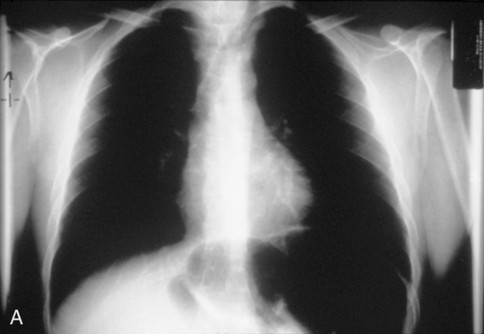
- Chest radiograph if suspect cancer:
- Chest radiograph showing airway deviation → axial CT or MRI

#Arrangoiz #ThyroidSurgeon #CancerSurgeon #ThyroidExpert #EndocrineSurgery #HeadandNeckSurgery #MultinodularGoiter #Goiter #SubsternalGoiter #MountSinaiMedicalCenter
Goiter Surgery
- Extent of Surgery
- Decisions regarding the extent of surgery:
- Relate to the balance between operative complications and the risk of recurrence
- Some suggest total thyroidectomy for goiter:
- Others recommend a more conservative initial surgical plan
- Some, such as Kraimps, support a selectively aggressive surgical treatment plan based on extent of disease
- Decisions regarding the extent of surgery:
- Complication rates must be kept extremely low in the setting of treatment of benign thyroid disease:
- Therefore, I suggest a conservative philosophy:
- Tailoring the extent of surgery to the initial disease with the minimum procedure being:
- A total unilateral lobar resection:
- Reserving bilateral surgery for significant bilateral goiter
- A total unilateral lobar resection:
- Tailoring the extent of surgery to the initial disease with the minimum procedure being:
- Therefore, I suggest a conservative philosophy:
- Studies looking at the extent of surgery and benign multinodular goiter recurrence are confounded by several factors:
- Variability in the initial extent of thyroid gland nodularity
- Variability in the extent of recognition of contralateral nodularity at first surgery
- Insufficient follow-up periods in many studies
- Variable definitions of recurrence:
- Some studies, for example, diagnose recurrence based on an asymptomatic, ultrasonographic identification of thyroid nodularity
- A more reasonable definition of recurrence is the development of:
- Clinical, palpable thyroid enlargement:
- Which again meets surgical criteria for goiter treatment
- Clinical, palpable thyroid enlargement:
- The question is, can less than total thyroidectomy and even hemithyroidectomy:
- Be performed if anodular normal tissue is left?
- Complication rates of bilateral surgery are expected to be higher than unilateral
- Conservative initial surgery also allows a patient to avoid a lifetime of replacement therapy
- However, long-term studies show the overall recurrence rate after surgery for goiter:
- Is in the range of 15% to 42%
- When recurrence occurs and requires revision goiter surgery:
- The complication rates are significantly higher than for first-time surgery:
- With RLN rates of paralysis ranging from:
- 3% to 18%
- Permanent hyperparathyroidism ranging from:
- 0% to 25%
- With RLN rates of paralysis ranging from:
- The complication rates are significantly higher than for first-time surgery:
- The literature offers conflicting conclusions on factors associated with recurrence of goiter:
- The duration of postoperative follow-up is important to consider when examining recurrence of goiter
- The data offered by Delbridge, Guinea, and Reeve suggest recurrences:
- May require 10 to 13 years to manifest
- Rojdmark and Jarhult found that the overall recurrence rate rose to:
- 42% with 30-year postoperative follow-up
- Bistrup et al., in a randomized, prospective, non-placebo, controlled study, showed rates of recurrence for nontoxic goiter between:
- 14% and 22%
- They found the extent of surgery did not relate to the likelihood of recurrence
- Hegedus, Nygaard, and Hansen found that the weight of thyroid tissue resected was actually greater in those patients who developed subsequent recurrence
- However, Berghout et al., with a 7-year follow-up:
- Found that unilateral surgery was associated with higher recurrence rates than bilateral surgery
- Australian workers have shown that in patients with unilateral disease:
- Hemithyroidectomy results in a 12% recurrence rate in the contralateral lobe
- Other workers have supported a philosophy of total thyroidectomy or bilateral subtotal thyroidectomy in most patients with goiter
- Subtotal thyroidectomy is defined as:
- Total lobectomy with a contralateral remnant approximately equivalent to a small normal lobe
- Near total thyroidectomy is defined as:
- A remnant of several grams is maintained in the contralateral bed typically adjacent to the RLN entry point
- Subtotal thyroidectomy is defined as:
- In patients who require bilateral surgery:
- The technique of subtotal lobectomy has been both recommended and condemned:
- Cohen-Kerem, in a study of 124 patients with a follow-up of 7.6 years, noted that with bilateral subtotal technique:
- Only 4% of patients required additional surgery
- Pappalardo found similar rates of recurrence in 69 patients treated for benign goiter randomized to total versus subtotal procedures
- Reeve et al., however, found subtotal thyroidectomy was associated with a 23% recurrence rate
- Cohen-Kerem, in a study of 124 patients with a follow-up of 7.6 years, noted that with bilateral subtotal technique:
- The technique of subtotal lobectomy has been both recommended and condemned:
- Clearly, less than lobectomy as a minimum procedure is unwise:
- Cohen-Kerem et al. found a recurrence rate after unilateral subtotal resection was 60%
- Kocher noted an 18% recurrence rate with nodule enucleation
- Kraimps, using a selectively aggressive surgical treatment plan based on the extent of disease, noted very low recurrence rates of 1% with lobectomy and 3% with bilateral surgery:
- Others have supported such a selectively aggressive approach to surgery based on extent of disease
- Modern series show that in skilled hands:
- Total thyroidectomy for goiter can be performed without significant complications, given the work of Reeve et al., Netterville et al., and others
- Delbridge, Guinea, and Reeve noted that for patients with bilateral multinodular goiter, total thyroidectomy:
- Can be associated with permanent paralysis of the RLN in 0.5% and permanent hypoparathyroidism in 0.4%
- They believe the policy of autotransplantation of at least one parathyroid during each total thyroidectomy is in part responsible for the low rate of hypoparathyroidism
- Grant, in his commentary of this article, wrote, “to consider total thyroidectomy as the only acceptable alternative would probably risk causing more cases of troublesome hypoparathyroidism than it would prevent cases of goiter recurrence:
- Moreover, it seems difficult to assert total thyroidectomy as the only option for benign disease when many surgical authorities strongly disagree with its use, even in thyroid cancer
- Some workers have suggested that the likelihood of identifying cancer in goiter specimens justifies total thyroidectomy:
- Most studies document an incidence of malignancy in such specimens of between 3% and 17%:
- Most are small, occult, incidentally noted malignancies within otherwise benign multinodular goiters and would not normally justify an aggressive surgical approach
- Most studies document an incidence of malignancy in such specimens of between 3% and 17%:
- Berghout et al., has suggested a greater likelihood of recurrence in females and in patients with a positive family history of thyroid disease:
- Overall, females were found to be three times more likely to require revision surgery
- Those with a positive family history of thyroid disease were six times more likely to require revision surgery:
- Others have found no such increased risk in these populations
- I tend to be more aggressive in females and in those with a positive family history:
- Especially if they are young
- Others have found no such increased risk in these populations
- Summary of the extent of Surgery for Goiter:
- Complication rates must be low in the setting of surgery for benign thyroid disease
- Less than unilateral lobectomy leads to extremely high recurrence rates and difficult reoperations and is to be condemned
- The extent of surgery should be rationally tailored to the extent of initial disease
- Dominant goitrous enlargement should be treated with total lobectomy on that side
- Preoperative assessment with imaging will help to document the extent of surgery necessary on the contralateral side:
- With clear-cut unilateral disease, total lobectomy is appropriate
- With clear-cut evidence of bilateral goiter, bilateral surgery is appropriate
- Consideration should be given for more aggressive surgery in young females and in patients with a positive family history of thyroid disease who may have a higher recurrence rate
- In patients who have required multiple thyroid surgeries for benign recurrence and still have some remnant tissue remaining after the last revision surgery, radioactive iodine ablation can be considered
- Hashimoto’s Thyroiditis:
- Other variables important during surgery are:
- The degree of capsular blood vessel engorgement and friability, and goiter consistency
- Goiters that are soft and compressible are more easily manipulated during surgery, whereas those that are firm can be challenging even when of small size
- Generally, glands affected by Hashimoto’s thyroiditis are more difficult to work on than the more typical benign adenomatous goiter
- Hashimoto’s glands, especially those resulting from the fibrotic variant of Hashimoto’s thyroiditis:
- Can be firm and less compressible and have a friable, “sticky” surface, which bleeds easily
- Such goiters can be associated with multiple perithyroidal lymph nodes that can sometimes make a surgeon consider papillary carcinoma
- Such nodes also make parathyroid identification more challenging
- The rare fibrous variant of Hashimoto’s thyroiditis is an especially firm variant:
- Which makes the performance of less than total lobectomy challenging
- Other variables important during surgery are:

#Arrangoiz #ThyroidSurgeon #CancerSurgeon #ThyroidExpert #HeadandNeckSurgeon #SurgicalOncologist #MultinodularGoiter #Goiter #SubsternalGoiter #CASO #CenterforAdvancedSurgicalOncology
American College of Surgeons Oncology Group (ACOSOG) Z1071 Trial
- The ACOSOG Z1071 trial:
- Was designed to determine the false negative rate (FNR) of sentinel lymph node biopsy (SLNB) after neoadjuvant chemotherapy (NAC) in women initially presenting with cN1 disease
- The trial enrolled women from 136 institutions who had:
- Clinical T0 through T4, N1 through N2, M0 breast cancer who received neoadjuvant chemotherapy
- Patients enrolled had pre-chemotherapy axillary nodal disease confirmed by fine-needle aspiration or core needle biopsy
- Following NAC:
- Patients underwent both SLNB, followed by a back-up axillary lymph node dissection
- SLNB with dual tracer using both blue dye (isosulfan blue or methylene blue) and a radiolabeled colloid mapping agent was encouraged
- Rates of detection of at least one SLN were 92.9% in patients with cN1 disease and 89.5% in patients with cN2 disease
- Overall, the FNR of SLNB after NAC was 12.6%
- Bivariable analyses found that the likelihood of a false-negative SLN finding was significantly decreased when:
- The mapping was performed with the combination of blue dye and radiolabeled colloid:
- P=.05; FNR, 10.8% combination vs 20.3% single agent
- By removal of at least 3 SLNs:
- P=.007; FNR, 9.1% for ≥ 3 SLNs vs 21.1% for two
- The mapping was performed with the combination of blue dye and radiolabeled colloid:
- A clip was placed at initial node biopsy prior to NAC in 203 patients:
- In the 170 (83.7%) patients with cN1 disease and at least two SLNs resected, clip location was confirmed in 141 cases
- In 107 (75.9%) patients where the clipped node was within the SLN specimen, the FNR was 6.8% (confidence interval [CI]: 1.9%-16.5%)
- If the clipped node was found in the ALND specimen, the FNR was 19.0% (CI: 5.4%-41.9%)
- In cases where a clip was not placed (n = 355) and in those where the clipped node location was not confirmed at surgery (n = 29):
- The FNR was 13.4% and 14.3%, respectively
- While the FNR overall exceeded the 10% threshold considered to be clinically acceptable:
- The authors concluded that with modifications to the SLN technique (i.e., dual tracer mapping and retrieval of at least 3 negative SLNs), to the FNR was < 10% and supported the use of SLN surgery as an alternative to axillary lymph node dissection in this patient population
- Subsequently, Caudle et al have reported a separate registry of 191 patients and showed that removing the clipped positive node in addition to SLN:
- Had an FNR as low as 2.0%
- References
- Boughey JC, Suman VJ, Mittendorf EA, Ahrendt GM, Wilke LG, Taback B, et al.; Alliance for Clinical Trials in Oncology. Sentinel lymph node surgery after neoadjuvant chemotherapy in patients with node-positive breast cancer: the ACOSOG Z1071 (Alliance) clinical trial. JAMA. 2013;310(14):1455-1461.
- Boughey JC, Ballman KV, Le-Petross HT, McCall LM, Mittendorf EA, Ahrendt GM, et al. Identification and resection of clipped node decreases the false-negative rate of sentinel lymph node surgery in patients presenting with node-positive breast cancer (T0-T4, N1-N2) who receive neoadjuvant chemotherapy: results from ACOSOG Z1071 (Alliance). Ann Surg. 2016;263(4):802-807.
- Caudle AS, Yang WT, Krishnamurthy S, Mittendorf EA, Black DM, Gilcrease MZ, et al. Improved axillary evaluation following neoadjuvant therapy for patients with node-positive breast cancer using selective evaluation of clipped nodes: implementation of targeted axillary dissection. J Clin Oncol. 2016;34(10):1072-1078.
- The presence of goiter was originally determined from autopsy studies that weighed the thyroid gland, but this was superseded by the use of ultrasound by which a goiter is diagnosed if:
- The size of the thyroid gland is greater than three standard deviations of the median:
- Volume 18 ml for women and 25 ml for men
- The size of the thyroid gland is greater than three standard deviations of the median:
- Goiter is more common in iodine-deficient regions of the world:
- Where endemic goitre affects 10% of the population
- In Framingham:
- Clinically apparent nodules (palpation) were present in:
- 6.4% of women and 1.5% of men:
- The presence of single thyroid nodules was 3%, and multinodular goiter was 1%
- 6.4% of women and 1.5% of men:
- Clinically apparent nodules (palpation) were present in:
- In an autopsy study in 1955:
- 50% of people had thyroid nodules and the majority were multiple
- Like autopsy, imaging frequently reveals subclinical thyroid nodules and, when ultrasound is used in epidemiological studies:
- The estimate of goiter prevalence is 19% to 67%
- Incidental thyroid nodules are seen in up to:
- 25% of contrast-enhanced chest CT scans
- 16% to 18% of CT and MR scans of the neck
- 1% to 2% PET scans
- In patients under 40 years:
- The goiter is typically a solitary nodule,
- Whereas diffuse goitrer is more common over the age of 65 years
- The female to male ratio is:
- 4:1

Clinical Presentation of Euthyroid Goiter
- Patients present with a painless lump and are often unsure as to its duration:
- The increased size of the goiter can lead to symptoms related to pressure effects on adjacent structures such as:
- Dysphagia (from pharyngeal and/or esophageal compression)
- Globus sensation
- Hoarseness (from laryngeal or recurrent laryngeal nerve compression)
- Shortness of breath (from tracheal deviation and compression)
- The increased size of the goiter can lead to symptoms related to pressure effects on adjacent structures such as:
- An incidental thyroid nodule (ITN) is one of the most common incidental findings on imaging studies that include the neck:
- Guidelines have been developed to assist the medical provider in deciding when and how to investigate ITN