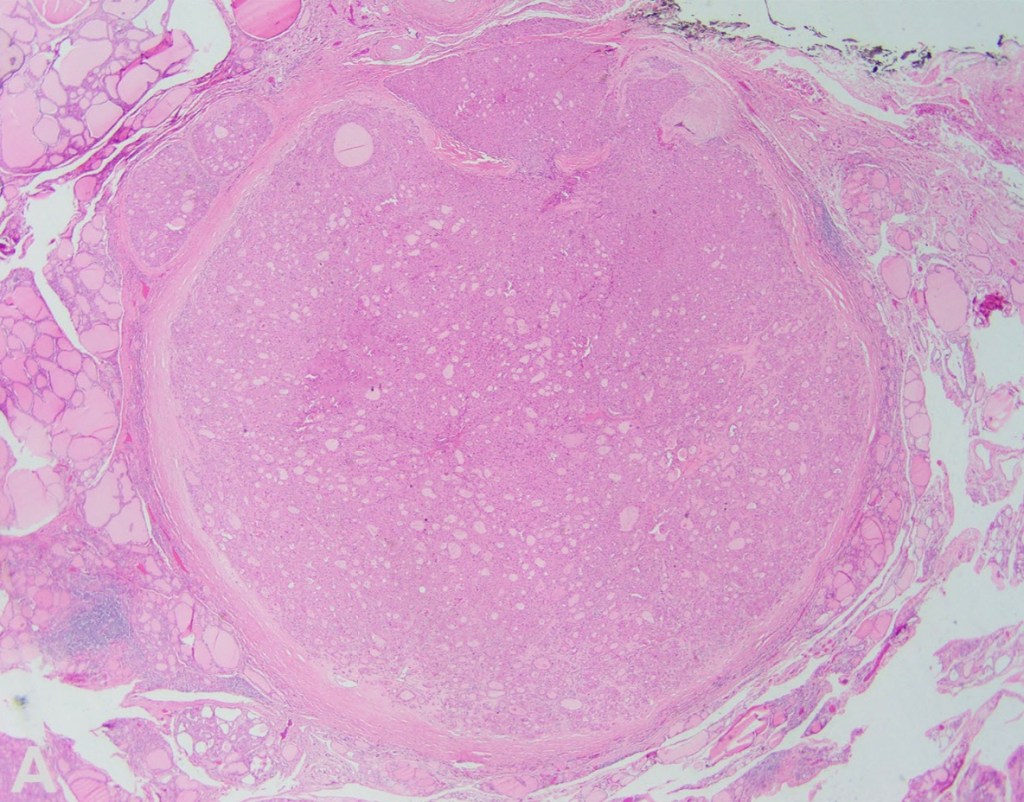
Pathology of Triple Negative Breast Cancer Part 3

  • Adenoid cystic carcinoma:
    • 0.1% to 1% of all breast cancers
    • Low aggressive malignant potential
    • Myoepithelial differentiation
    • Exhibit tubular, trabecular, cribriform, and / or solid patterns
    • Cribriform is the classic pattern
    • Characterized by MYB-NFIB t(6;9)(q22-23;p23-24)
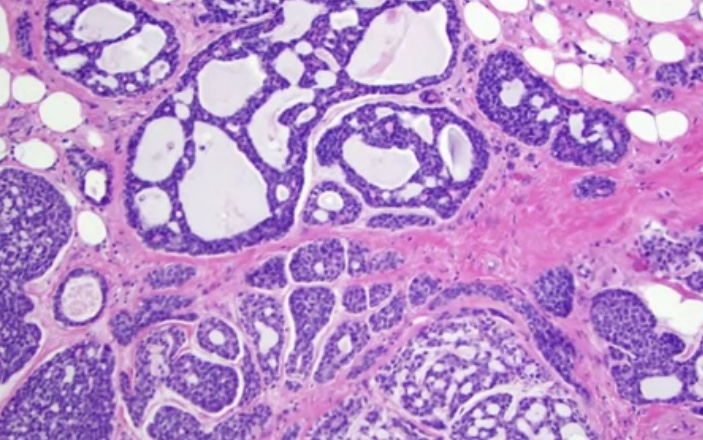
Adenoid Cystic Carcinoma of the Breast
Tumor Infiltrating Lymphocytes (TIL)
  • Tumor infiltrating lymphocytes (TIL):
    • Recommendations for assessing TILS in breast cancer:
      • Evaluated for the stromal component (% of stromal TIL)
      • Evaluated with the borders of the invasive tumor
      • Exclude TILs outside of the tumor border, around DCIS and normal lobules
      • Lymphocytes and plasma cells, exclude neutrophils
      • Full sections are preferred over biopsies:
        • Cores can be used in the pre therapeutic neoadjuvant setting
      • Average TILs in the tumor area (do not focus on hotspots)
      • The number of TILS correlate with complete pathologic response in the neoadjuvant setting
      • No formal recommendations for a clinically relevant TILS threshold(s) can be given at this stage
  • PD-L1 and Breast Cancer:
    • The PD-L1 on tumor cells, when combined with its PD-1 on immune cells:
      • Causes an inhibition of immune response mediated by CD8+ T cells
    • Breast tumor that have PD-L1 tend to have high number of TILs, and the majority are of the triple negative type
  • Tumors arising in BRCA 1 carriers:
    • BRCA 1 is involved in:
      • DNA repair
      • Cell cycle regulation
      • Transcriptional regulation
      • Chromatin remodeling
    • Loss of BRCA 1 leads to:
      • Deficiency in repair of DNA doble-strand breaks
    • 75% of all tumors developing in BRCA 1 germ line mutation carriers are TNBC:
      • High histologic grade
      • High proliferation rate
  • Residual cancer burden after neoadjuvant chemotherapy (NAC):
    • Parameters required to calculate residual cancer burden (RCB):
      • Submission of the entire area of the tumor bed
      • Tumor dimensions (at least in two dimensions)
      • Percentage invasive carcinoma in the tumor bed
      • Percentage of the in situ carcinoma in the tumor bed
      • The number of positive lymph nodes
      • The largest diameter of nodal metastasis
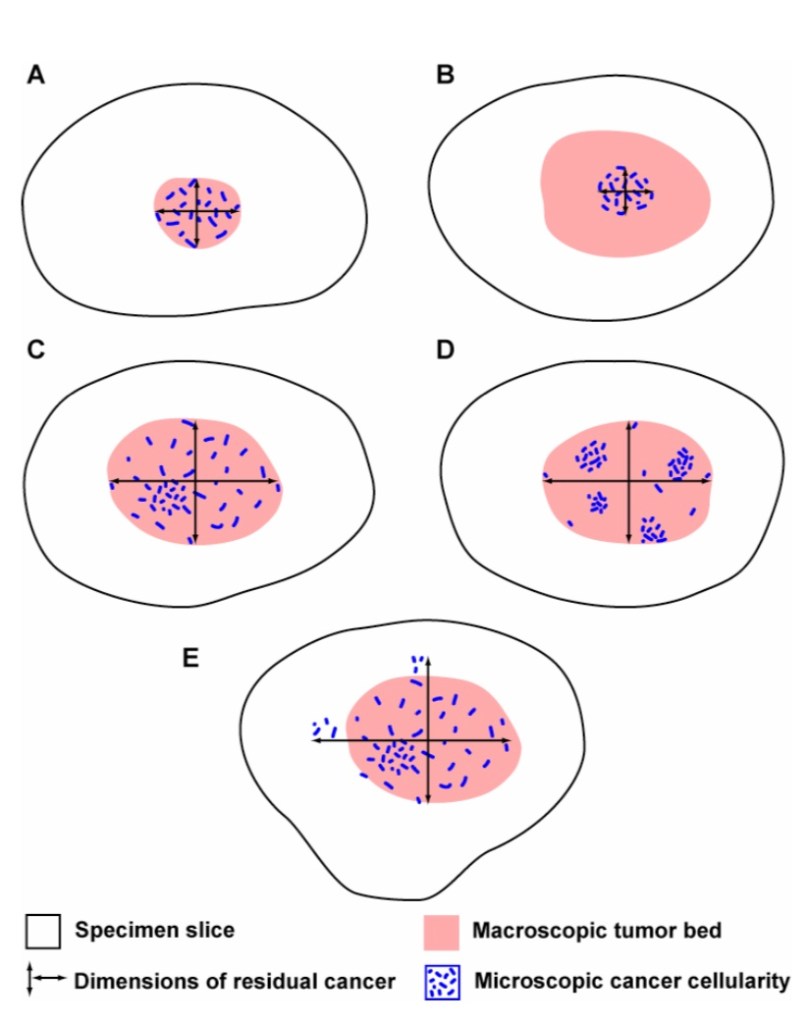
In these diagrams, the macroscopic tumor bed dimensions in examples A, C, D also define the final dimensions of the residual tumor bed after microscopic review. However, the macroscopic tumor bed dimensions in example B overestimate the extent of residual cancer, and so the dimensions of the residual tumor bed (d1 and d2) would be revised after microscopic evaluation of the extent of residual cancer in the corresponding slides from the gross tumor bed. In a different example (E), microscopic residual cancer extends beyond the confines of the macroscopic tumor bed. Again, the dimensions of the residual tumor bed (d1 and d2) would be revised after microscopic evaluation of the recognizable extent of residual cancer beyond the macroscopic tumor bed.
This approach accounts for differences in the concentration and distribution of residual cancer within a tumor bed. In the illustration above, the estimated % CA in example A would be high (in a small area), whereas the estimated % CA for examples C and D would be lower (in a larger area). In examples C and D, the estimated % CA would likely be similar, even though the distribution of cancer within the residual tumor bed is different in those two examples.
A practical way to estimate % CA in a slide is to encircle with ink dots the tumor bed on each slide from the grossly defined residual tumor bed (e.g., slides A1-A5 in the example above). Then use the microscope to estimate the cellularity in each microscopic field across the area of tumor bed. In each microscopic field, % CA can be estimated by comparing the proportion of residual tumor bed area containing cancer (invasive or in situ). Estimate an average of the readings for % CA in the cross-sectional area. The same can be done for in situ component (% CIS). Estimates are to the nearest 10%, but include 0%, 1%, and 5% for areas with low cellularity. The average cellularity within the tumor bed from each slide across the tumor bed can then be estimated (illustrated above).
  • It is recommended to repeat ER, PR, and HER2 on invasive TNBC after neoadjuvant therapy
  • Distant metastasis in patient with residual disease after NAC:
    • Factors associated with increased distant metastatic rate:
      • Positive pathologic LN status
      • Lymphovascular space invasion (LVSI)
      • Increasing clinical T and N stage
      • Multifocality
      • Extranodal extension

Pathology of Triple Negative Breast Cancer Part 2

  • Basal-like breast cancer:
    • Express genes of basal epithelium and demonstrate low expression of ER and HER2 related genes
    • Often (80%) ER negative, PR negative, and HER2 negative, EGFR positive, CK 5/6 positive
    • Most TNBC are basal-like and the reverse is true
  • Clinical presentation:
    • 6% to 27% of all breast cancers are basal-like
    • 1/5 of the cases are seen in younger patients:
      • 20% in patients less than 40 years
    • Often aggressive with poor prognosis
  • Pathology:
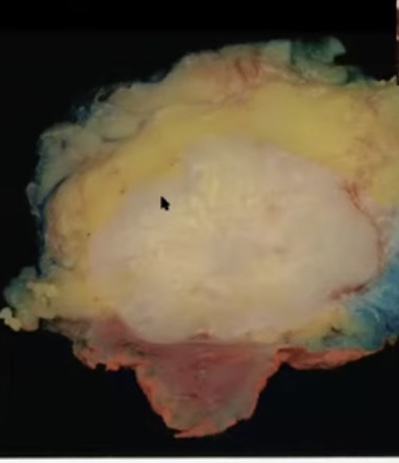
    • Macroscopic appearance:
      • Mostly well circumscribed masses
      • Geographic necrosis is common
  • Pathology:
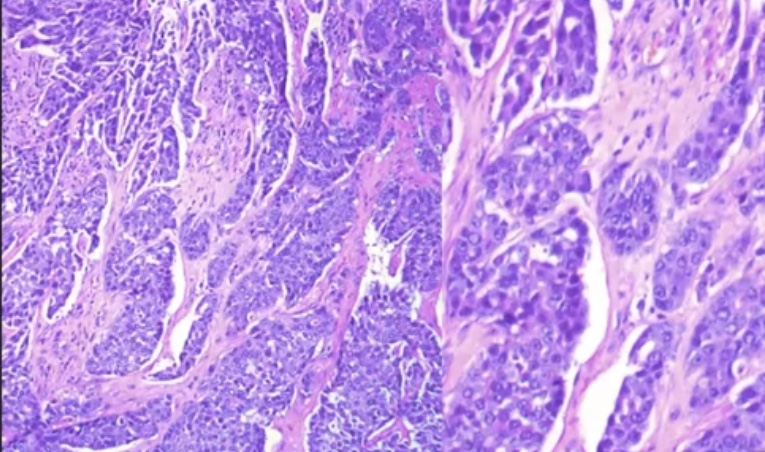
    • Invasive carcinoma NST with Medullary pattern
    • Solid architecture:
      • No tubule formation
    • High grade and high proliferation:
      • Ki-67 greater than 90%
    • High cell denisty and scant stroma
    • Pushing borders
    • Lymphocytic infiltrate at the tumor edge
    • Geographic or central necrosis
    • Syncytial arrangement, less cytoplasm, basaloid features, nuclei with coarse or vesicular chromatin and prominent nucleoli
Basal-like TNBC
Basal-Like TNBC
Immune Profile
  • Molecular Pathology in TNBC and Basal-Like:
    • High degree of genetic instability
    • Heterogeneity of gene copy number aberrations
    • 15% to 20% highly express genes of basal epithelium and demonstrate low expression of ER-related gene and HER2
    • TP53 (87%), PTEN mutation / loss (35%), RB1 mutation / loss (20%), Cyclin D1 amplification (58%), and CDK gain (25%)
    • P-cadherin, fatty acid-binding protein 7, c-kit, matrix metal lo-retina se 7, caveolin 1 and 2, metallothionein IX, TFG-beta receptor II
  • Histologic types of TNBC:
    • Metaplastic carcinomas
    • Adenoid cystic carcinoma
    • Secretory carcinoma
    • Triple negative tumors of luminal androgen receptor type (AR)
  • Metaplastic Carcinoma (MC):
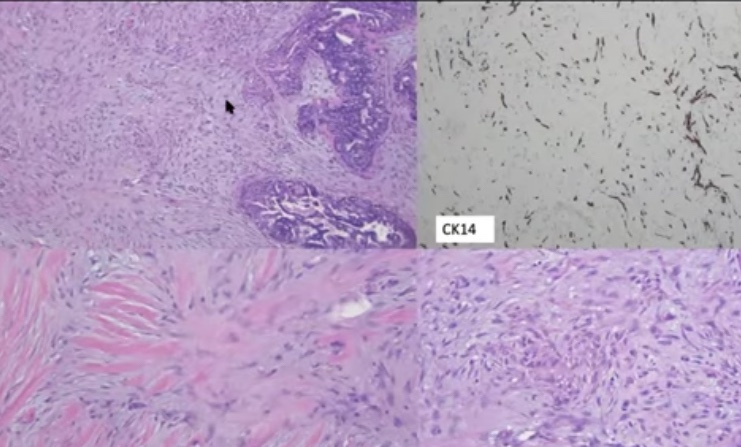
    • A heterogenous group of invasive breast cancer
    • Components, including pindle cells, squamous cells , and matrix production:
      • Low-grade adenosquamous carcinoma
      • Fibromatosis-like metaplastic carcinoma
      • Spindle cell carcinoma
      • Squamous cell carcinoma
      • MC with heterozygous mesenchymal differentiation
      • Mixed metaplastic carcinoma
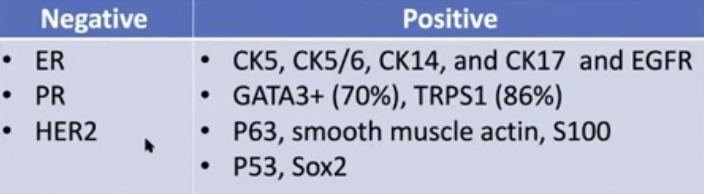
    • Immunohistochemical profile of MC
      • Positive:
        • AE1/AE3, 34BE12, CK5/6, CK14, p63, CK8/18, CK7, and CK19
      • Negative:
        • CD34, desmin, and SMMHC
TNBC – Metaplastic Carcinoma Spindle Cell Type
  • Secretory Carcinoma:
    • Rare low-grade type of breast cancer (< 0.1%) in adolescents
    • Partially circumscribed
    • Three histologic patterns:
      • Solid
      • Micro cystic (cysts simulating thyroid follicles)
      • Tubular
    • Neoplastic cells are uniform, round to polygonal, finely granular or vacuolated cytoplasm containing dense eosinophilia secretion
    • Characterized by fusion gene NTRK-ETV6 t(12;15)(p13;q25)
Secretory Carcinoma

Pathology of Triple Negative Breast Cancer Part 1

  • Definition:
    • Triple negative breast cancer (TNBC) is a subtype of breast tumor lacking hormone receptors expression and HER2 gene amplification:
      • Represents 24 % of newly diagnosed breast neoplasms
    • TNBC is usually characterized by poor prognosis and lack of wide choice therapeutic agents due to the absence of targetable hormone receptors and HER2 expression:
      • Therefore is considered a very interesting and challenging topic for breast cancer research
    • TNBC is a functional term that defines a wide spectrum of entities:
      • With different biology and clinical behavior, with marked genetic, transcriptional, histologic and clinical differences
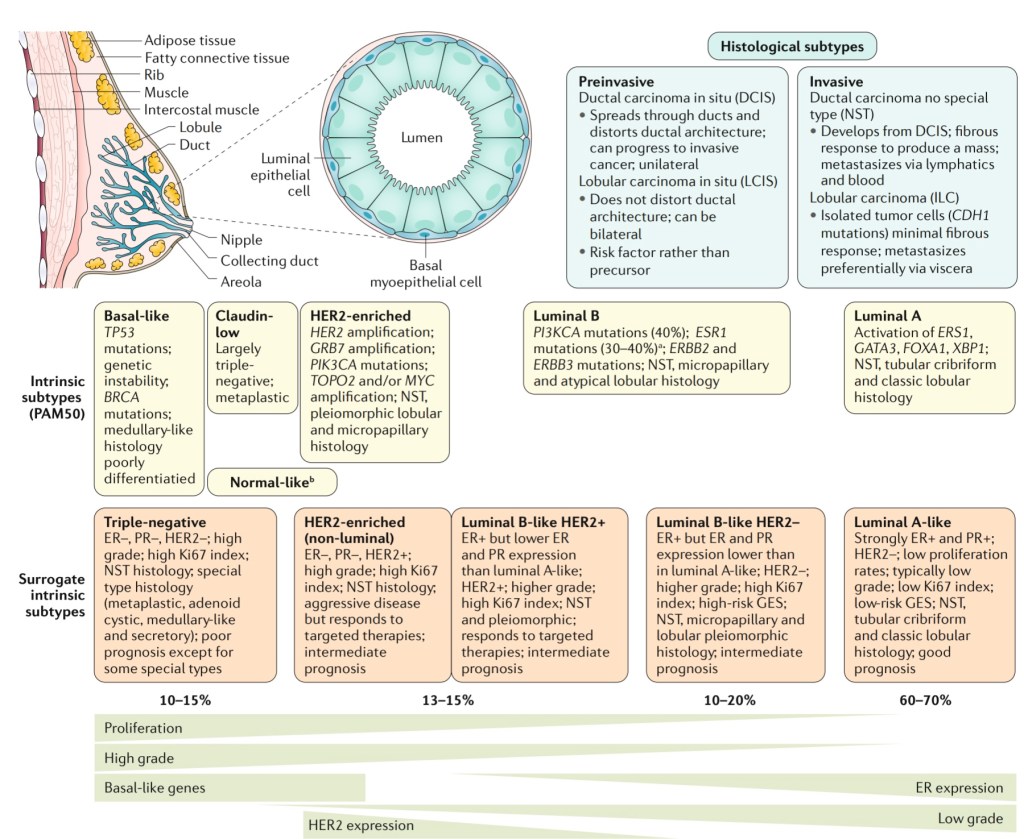
    • The definition of a new classification for breast cancer based on its gene expression pattern divided breast tumors into four “intrinsic subtypes”:
      • Luminal subtype:
        • Divided in Luminal A and Luminal B:
          • Characterized by estrogen receptor gene expression
      • The HER2 subtype:
        • Characterized by HER2 gene amplification
      • The so-called basal-like subtype:
        • A particular breast cancer showing positivity for basal and myoepithelial markers and lack of hormone receptors and HER2 gene amplification
      • “Normal breast-like” subtype:
        • With triple-negative phenotype but cellular derivation typical of normal breast epithelium
      • Notably, both the basal-like and normal breast-like subtypes were already recognized as triple negative
  • All breast cancers arise in the terminal duct lobular units (the functional unit of the breast) of the collecting duct
  • The histological and molecular characteristics:
    • Have important implications for therapy:
      • Several classifications on the basis of molecular and histological characteristics have been developed
  • The histological subtypes described here (Figure) are the
    most frequent subtypes of breast cancer:
    • Ductal carcinoma (now referred to
      as ‘no special type’ (NST)
      ) and lobular carcinoma:
      • Are the invasive lesions
    • Their pre-invasive counterparts are:
      • Ductal carcinoma in situ and lobular carcinoma in situ (or lobular neoplasia), respectively
        • The intrinsic subtypes of Perou and Sorlie:
          • Are based on a 50-gene expression signature (PAM50)
        • The surrogate intrinsic subtypes are typically used clinically and are based on histology and
          immunohistochemistry expression of key proteins
          :
          • Estrogen receptor (ER), progesterone receptor (PR), human epidermal growth factor receptor 2
            (HER2) and the proliferation marker Ki-67
        • Tumors expressing ER and / or PR are termed ‘hormone receptor-positive’
        • Tumors not expressing ER, PR and HER2 are called ‘triple-negative’
  • The normal breast terminal duct lobular unit:
    • It is formed by two layers:
      • Inner or luminal layer (epithelial cell layer)
      • Outer or basal layer (myoepithelial cell layer)
Cancer can arise from both of this layers
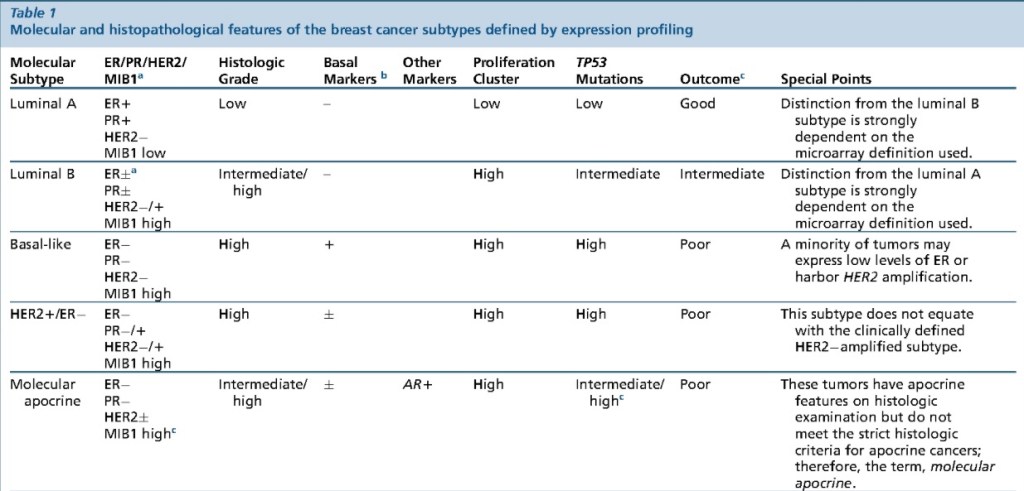
  • Molecular subtypes that are triple negative:
    • Basal-like:
      • TP53 mutations
      • Genetic Instability
      • BRCA mutations
      • Medullary-like histology
      • Poorly differentiated
    • Claudin-low:
      • Largely triple negative
      • Metaplastic
    • Normal breast-like
    • Molecular apocrine
    • Interferon rich
We can classify TNBC according to the grade of the tumor. Representative micrographs of low-grade and high- grade variants of TNBC.
Histologic Types of TNBCs and their key genetic features/potential therapeutic targets.
  • TNBC can be classified into:
    • Low-grade and high-grade histologic types
  • Several histologic types of low-grade TNBC, including:
    • Salivary gland-like tumors of the breast and solid papillary carcinoma with reverse polarity:
      • Are underpinned by specific / pathognomonic genetic alterations
    • In contrast, acinic cell carcinoma and high-grade variants of TNBC have somatic genomic landscape similar to those of conventional TNBC
    • Low- grade variants of metaplastic breast carcinomas (MBCs) are unlikely to be underpinned by specific genetic alterations; however, the genetic analyses performed to date included only a few or single cases
    • Progression to high-grade TNBC has been described in most low-grade forms of TNBC:
      • However, it occurs at a different rate
    • Whereas fairly common in acinic cell carcinoma, it is a rare event in the salivary gland-like tumors of the breast and solid papillary carcinoma with reverse polarity
    • It should be noted that evidence for the presence of PRKD1 E710D mutations or PRKD1/2/3 rearrangements in polymorphous carcinoma of the breast remains to be documented
#Arrangoiz #BreastSurgeon #CancerSurgeon #SurgicalOncologist #Surgeon #Doctor #MountSinaiMedicalCenter #MSMC #Miami #Me

Lobular Carcinoma In Situ

  • Chemoprevention:
    • With a selective estrogen receptor modulator:
      • Such as tamoxifen:
        • Substantially reduces the risk of developing invasive breast cancer in patients with lobular carcinoma in situ (LCIS) and should be offered
  • Negative margins are generally not required for classic LCIS:
    • Whereas they are recommended for:
      • Pleomorphic LCIS
  • The patient’s future risk of developing breast cancer is:
    • Approximately 1% annually
  • Bilateral prophylactic mastectomy:
    • Is generally considered to be more invasive than is required in this setting and, although it could be discussed as an option, should not be routinely recommended
  • References:
    • Page DL, Kidd TE Jr, Dupont WD, Simpson JF, Rogers LW. Lobular neoplasia of the breast: higher risk for subsequent invasive cancer predicted by more extensive disease. Hum Pathol. 1991;22(12):1232-1239.
    • Andersen JA. Lobular carcinoma in situ of the breast. An approach to rational treatment. Cancer. 1977;39(6):2597-2602.
    • Akashi-Tanaka S, Fukutomi T, Nanasawa T, Matsuo K, Hasegawa T, Tsuda H. Treatment of noninvasive carcinoma: fifteen-year results at the National Cancer Center Hospital in Tokyo. Breast Cancer. 2000;7(4):341-344.
    • Walt AJ, Simon M, Swanson GM. The continuing dilemma of lobular carcinoma in situ. Arch Surg. 1992;127(8):904-907.
    • Haagensen CD, Bodian C, Haagensen DE. Neoplasia (lobular carcinoma in situ). In Breast Carcinoma: Risk and Detection. Philadelphia, PA: WB Saunders, 1981.
    • Wong SM, King T, Boileau JF, Barry WT, Golshan M. Population-based analysis of breast cancer incidence and survival outcomes in women diagnosed with lobular carcinoma in situ. Ann Surg Oncol. 2017;24(9):2509-2517.
    • Fisher ER, Land SR, Fisher B, Mamounas E, Gilarski L, Wolmark N. Pathologic findings from the National Surgical Adjuvant Breast and Bowel Project: twelve-year observations concerning lobular carcinoma in situ. Cancer. 2004;100(2):238-234.

#Arrangoiz #BreastSurgeon #CancerSurgeon #SurgicalOncologist #LCIS #LobularCarcinomaInsitu #Miami #Mexico

Ductal Carcinoma In Situ (DCIS) Radiation Oncology Perspective Part 3

  • Radiation techniques for DCIS – Hypofractionation
    • ASTRO evidence-based guideline from 2018:
      • Stage (including DCIS vs invasive breast cancer):
        • Statement KQ1G:
          • Hypofractionation whole breast irradiation (WBI) may be used as an alternative to conventional fractionation (CF) CF-WBE in patients with DCIS
            • Recommendation strength: conditional
            • Quality of evidence: Moderate
            • Consensus: 86%
      • Age, grade, and margins for DCIS:
        • Statement KQ2D:
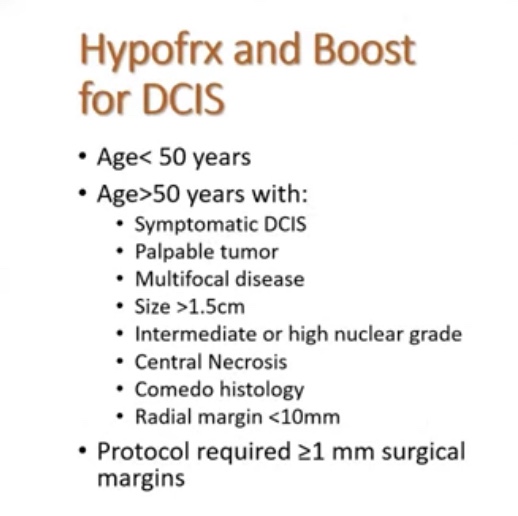
          • A tumor boost may be used for patients with DCIS who meet any of the following criteria:
            • Age =/< 50 years
            • High grade
            • Close (< 2 mm) or positive margins
          • Recommendation strength: conditional
          • Quality of evidence: Moderate
          • Consensus: 92%
  • This two statements from ASTRO rely of data from two randomized trials:
    • The DBCG Hypo Trial:
      • Entry criteria:
        • > 40 years of age
        • BCS for node-negative breast cancer
        • DCIS (13% of the cohort)
      • Primary endpoint:
        • Grade 2 to 3 breast induration assuming no inferiority regarding locoregional recurrence
      • Median follow-up of 7.26 years
The local control were the same between hypofractionation vs conventional fractionation.
Grade 2 to 3 induration rates were similar between hypofractionation vs conventional fractionation.
BIG 3-07 / TROG 07.01 Trial
  • BIG 3-07 / TROG 07.01:
    • Background:
      • Whole breast irradiation (WBI) after conservative surgery for ductal carcinoma in situ (DCIS) reduces local recurrence.
      • They investigated whether a tumor bed boost after WBI improved outcomes, and examined radiation dose fractionation sensitivity for non-low-risk DCIS.
    • Methods:
      • The study was an international, randomized, unmasked, phase 3 trial involving 136 participating centres of six clinical trials organisations in 11 countries (Australia, New Zealand, Singapore, Canada, the Netherlands, Belgium, France, Switzerland, Italy, Ireland, and the UK).
      • Eligible patients were women aged 18 years or older with unilateral, histologically proven, non-low-risk DCIS treated by breast-conserving surgery with at least 1 mm of clear radial resection margins.
      • They were assigned to one of four groups (1:1:1:1) of no tumour bed boost versus boost after conventional versus hypofractionated WBI, or randomly assigned to one of two groups (1:1) of no boost versus boost after each center prespecified conventional or hypofractionated WBI.
      • The conventional WBI used was 50 Gy in 25 fractions, and hypofractionated WBI was 42.5 Gy in 16 fractions. A boost dose of 16 Gy in eight fractions, if allocated, was delivered after WBI.
      • Patients and clinicians were not masked to treatment allocation. The primary endpoint was time to local recurrence.
    • Findings:
      • Between June 25, 2007, and June 30, 2014, 1608 patients were randomly assigned to have no boost (805 patients) or boost (803 patients).
      • Conventional WBI was given to 831 patients, and hypofractionated WBI was given to 777 patients.
      • Median follow-up was 6.6 years.
      • The 5-year free-from-local-recurrence rates were 92.7% (95% CI 90·6-94·4%) in the no-boost group and 97.1% (95·6-98·1%) in the boost group (hazard ratio 0·47; 0·31-0·72; p<0·001).
      • The boost group had higher rates of grade 2 or higher breast pain (10% [8-12%] vs 14% [12-17%], p=0·003) and induration (6% [5-8%] vs 14% [11-16%], p<0·001).
    • Interpretation:
      • In patients with resected non-low-risk DCIS, a tumor bed boost after WBI reduced local recurrence with an increase in grade 2 or greater toxicity.
      • The results provide the first randomised trial data to support the use of boost radiation after postoperative WBI in these patients to improve local control.
      • The international scale of the study supports the generalizability of the results.
  • Radiation Techniques for DCIS:
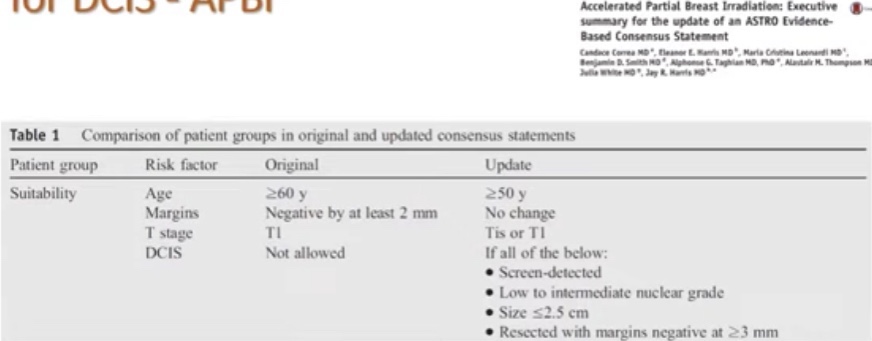
    • Accelerated partial breast irradiation:
ASTRO Evidence Based Consensus Statement
  • Summary:
    • Moderately hypo-fractionation WBI is a standard treatment
    • Consider boost for:
      • High grade DCIS
      • > 2 cm tumors
      • Positive or < 2 mm margins
      • Pre-menopausal patients
      • Patients less than 50 years of age
    • APBI in DCIS is safe and effective option in ASTRO “suitable”candidates
      • Not all techniques (just validated with external beam radiation)
    • Consider hormone therapy in aggressively minded patients or those wishing to decrease risk of contralateral breast cancer
    • Consider genomic assay assistance to aid in radiation decisions in select patients:
      • Postmenopausal patients with otherwise low-risk disease
#Arrangoiz #BreastSurgeon #CancerSurgeon #SurgicalOncologist #Doctor # Surgeon #MountSinaiMedicalCenter #MSMC #Miami #Mexico BreastCancer #BreastCancerAwareness

Ductal Carcinoma In Situ (DCIS) Radiation Oncology Perspective Part 2

  • The second generation trials in DCIS:
    • Started to think if there is a sub group of patients that we can omit radiation therapy
  • This trials looked into high risk factors for local regional recurrence (LRR) in DCIS:
    • Prognostic factors associated with increased locoregional recurrence:
      • Age less than 50 years
      • Size > than 2 cm
      • Grade 3
      • Positive of close < margins
    • Additional risk factors:
      • Symptomatic:
        • Palpable / bloody discharge
      • Comedo, solid types of DCIS
      • Black race
      • ER and / or PR negative
  • What is the optimal surgical margin in DCIS?
  • The use of a 2-mm margin as the standard for an adequate margin in DCIS treated with whole-breast irra- diation is associated with lower rates of IBTR and has the potential to decrease re-excision rates, improve cosmetic outcomes, and decrease health care costs:
    • Clinical judg- ment should be used in determining the need for further surgery in patients with negative margins narrower than 2 mm.
  • The second generation DCIS trials:
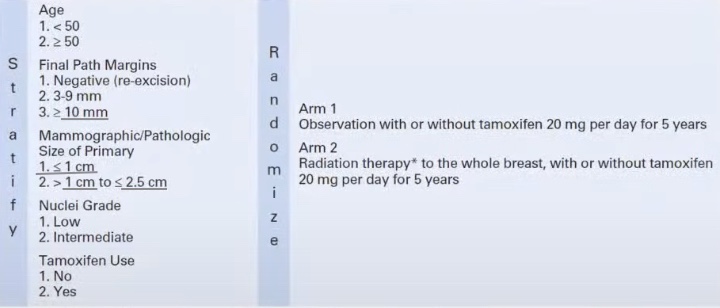
    • RTOG 9804:
      • They included:
        • Mammographically detected DCIS
        • Low to intermediate-grade DCIS
        • Less than 2.5 cm
        • Margins =/> than 3 mm
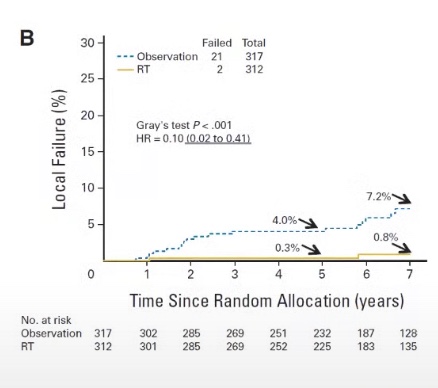
      • This study has two different perspectives:
        • Although the results are significant:
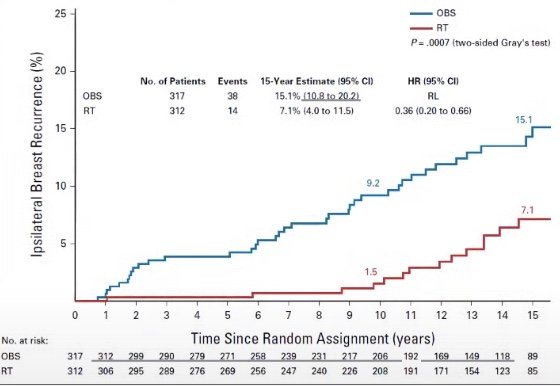
          • Local recurrence (LR) rates without RT are less than 10%
Longer follow-up of the RTOG 9804 trial: LR rates were as high as 15.1% in omitted radiation arm
  • The second generation DCIS trials:
    • ECOG E5194:
      • From 1997 to 2022:
        • Has only one arm
      • Inclusion criteria:
        • Non-palpable DCIS
        • Cohort 1:
          • Low to intermediate grade DCIS < than 2 cm
        • Cohort 2:
          • High grade DCIS < than 1 cm
        • > 3 mm margins / no residual calcifications on postoperative mammogram
        • Lumpectomy alone:
          • NO radiation
        • Starting in the year 2000:
          • Patients could take tamoxifen
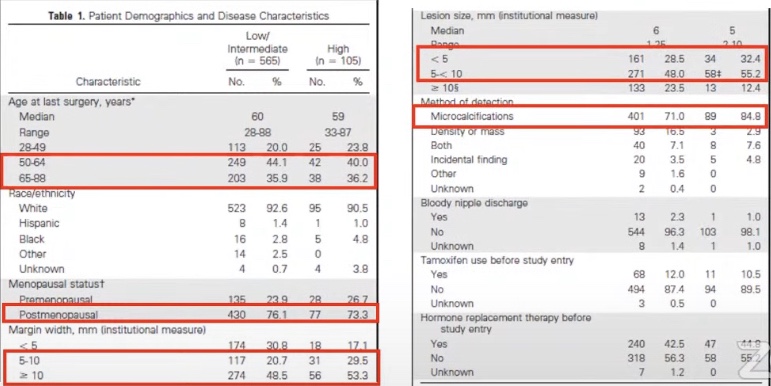
Like in the RTOG 9804 trial patients in the ECOG E5194 trial tended to be older, postmenopausal, have wider margins of resection, and had smaller tumors (detected on mammogram).
With long-term follow-up in the ECOG E5194 the LR rates in high risk DCIS were almost 25% and in lower risk DCIS was 14.4%, but local control rates were still high and these data should be taken into account in share decision making.
  • What can we use to help us determine risk of recurrence in DCIS?
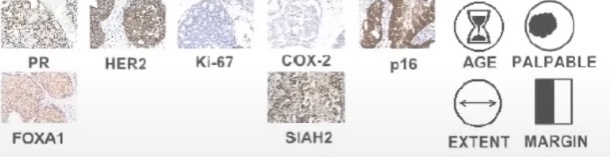
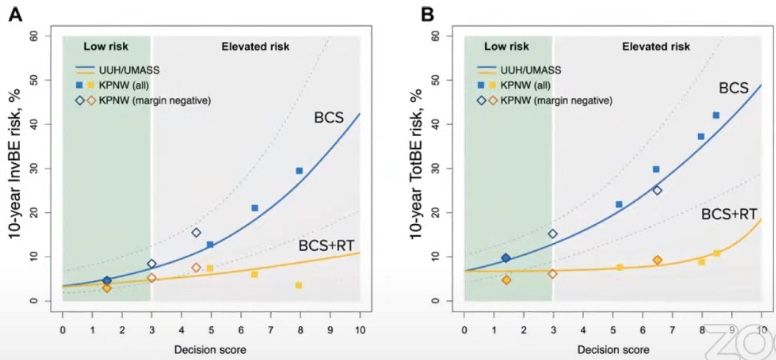
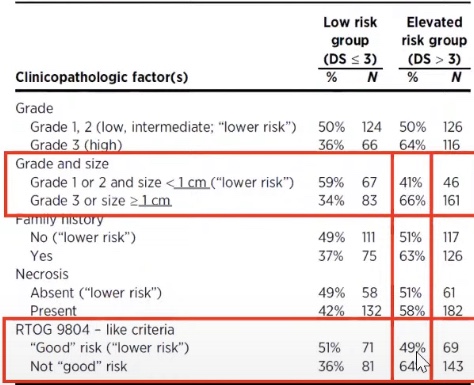
    • Genomic Assays – DCISion RT (Prelude DX):
      • Seven gene biological risk signature developed from three cohorts:
        • UCSF (n=324)
        • Uppsala Univeristy Hospital, Sweden (n=458)
        • University of Massachusetts (n=300)
      • Decision score 0 to 10:
        • Low risk 0 to 3
        • High risk score > 3 to 10
      • This biological signature was validated in a retrospective cohort

The patients that were defined as low risk by clinical and pathological factors were could actually be higher risk patients based on genetic analysis in 41% to 49% of the cases. 34% to 36% of high risk DCIS patients were found to be low risk by DCISion RT.
  • This tool is available but it has not be validated in a prospective clinical trial

Ductal Carcinoma In Situ (DCIS) Radiation Oncology Perspective Part 1

  • Goals of radiation for DCIS:
    • Prevent local recurrence:
      • Both DCIS and invasive
    • Avoid mastectomy
    • Minimum toxicity
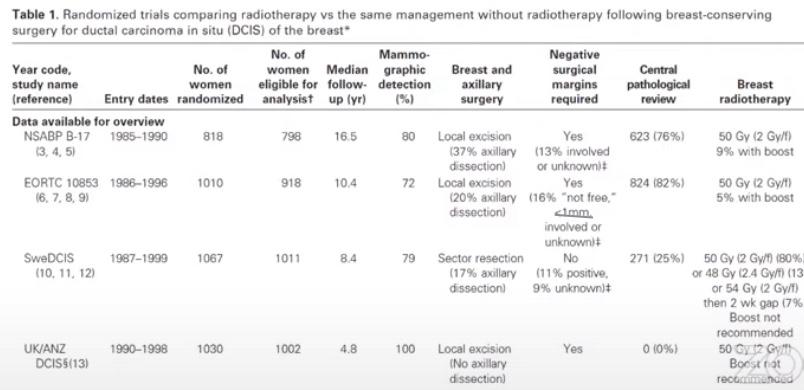
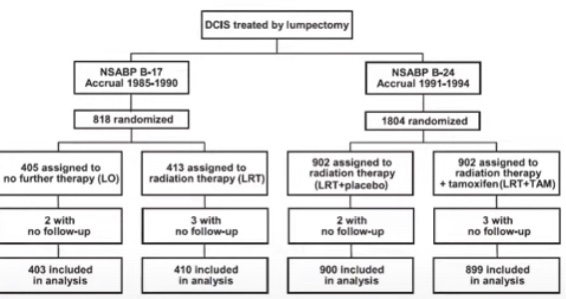
  • Seminal first generation trials of radiation therapy after breast conserving surgery (BCS) for DCIS:
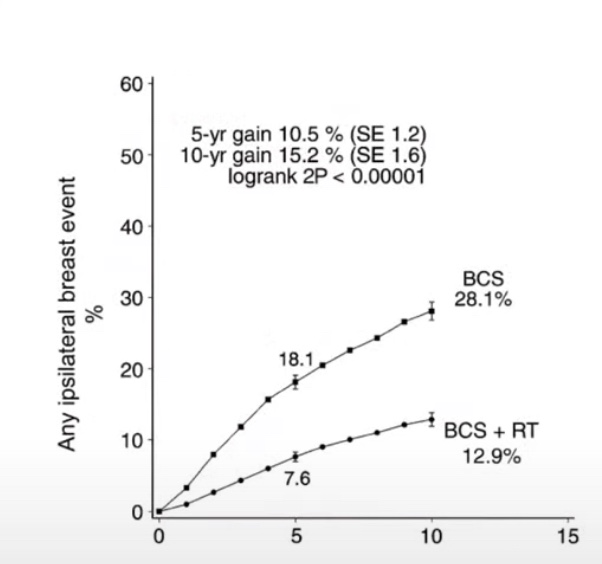
Meta-Analysis of DCIS Trials. These trials showed that radiation therapy in DICS significantly decreased local recurrence rates of both DCIS and IBC.
  • Radiation therapy is associated with a roughly 50% relative risk reduction in local recurrence and absolute risk reduction of 15%:
    • In these studies most patients did not receive tamoxifen
  • The first generation seminal trials:
    • Were conducted in the 1980’s and 1990’s
      • Many patients had symptomatic DCIS:
        • With palpable tumors of bloody nipple discharge:
          • Screening mammogram was uncommon
      • 10% to 20% of patients had a positive or close margins
      • Greater than 1/3 of the patients had high grade DCIS
  • The DCIS patients that we see in our clinics today are:
    • Smaller, low grade, and are diagnosed earlier:
      • Because of the screening mammograms
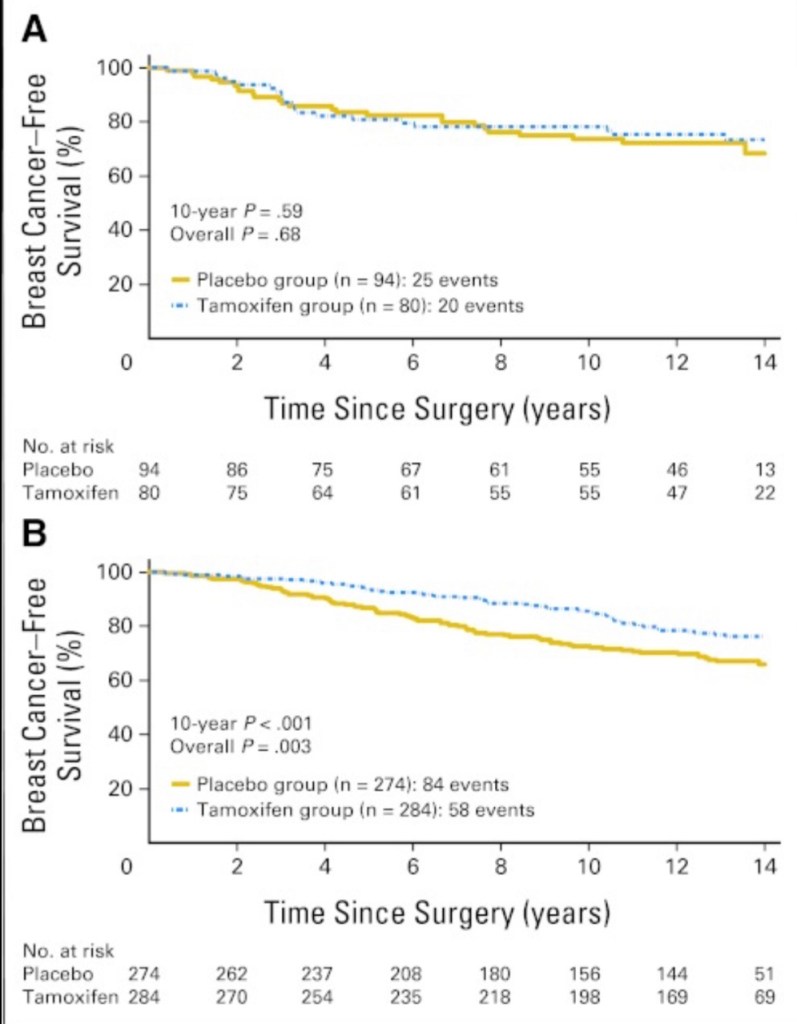
  • The effect of tamoxifen on local control:
NSABP B 24. Lumpectomy + RT vs. Lumpectomy + RT + Tamoxifen. A. Estrogen receptor negative patients B. Estrogen receptor positive patients
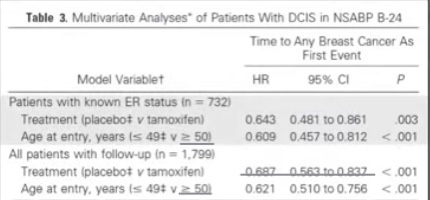
  • In the NSABP B 24 trial in multivariable analysis:
    • Young age and no tamoxifen were adverse prognostic factors
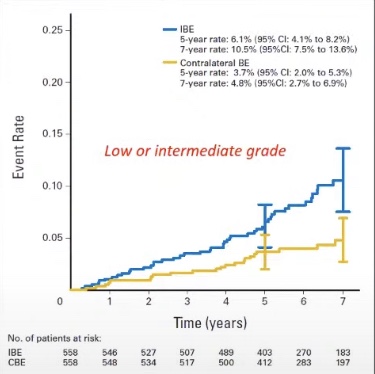
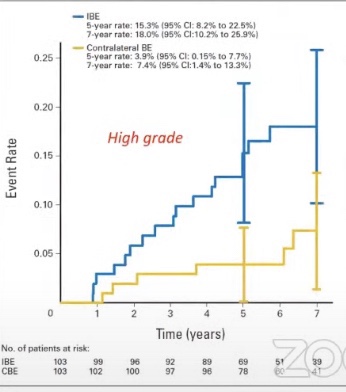
  • Long-term outcomes of invasive ipsilateral breast cancer recurrences after lumpectomy in the NSABP B-17 and B-24 randomized trials for DCIS:
The cumulative analysis of these trials showed that radiation therapy has a relatively greater impact on preventing local recurrence than tamoxifen. Tamoxifen plays a role in significantly decreasing the risk of contralateral breast cancer.
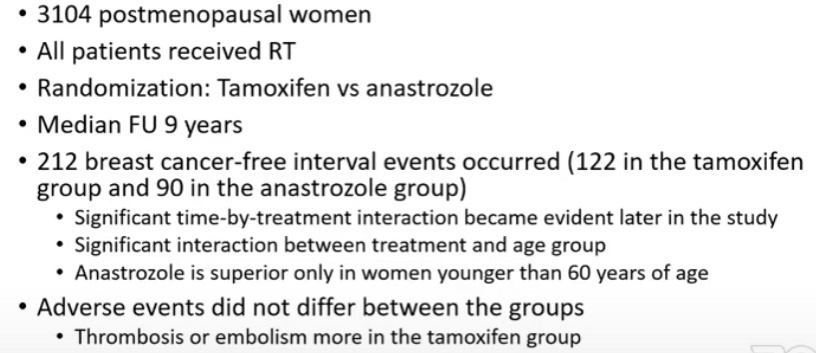
  • Anastrozole vs Tamoxifen in DCIS (IBIS-II DCIS Trial):
    • 2980 postmenopausal women
    • 71% of the patients received radiation therapy
    • Randomization:
      • Anastrozole vs tamoxifen
    • Median follow-up:
      • 7.2 years
    • 144 breast cancer recurrences
    • The non-inferiority of anastrozole was established:
      • But its superiority to tamoxifen was not
    • Adverse effects:
      • Anastrozole:
        • More fractures, musculoskeletal events, hypercholesterolemia, and strokes
      • Tamoxifen:
        • More muscle spasms, gynecological cancers and symptoms, vasomotor symptoms, and deep vein thromboses
  • NSABP B-35 Trial
  • Summary of radiation therapy in DCIS:
    • If prevention of ipsilateral breast tumor recurrence (IBTR) is the primary goal:
      • Tamoxifen cannot replace the impact of radiation therapy on local control after BCS
    • Tamoxifen may further decrease local regional recurrence risk after BCS therapy with radiation and significantly reduce contralateral breast cancer
    • In postmenopausal women less than 60 years of age:
      • Anastrozole may be more effective than tamoxifen

Reversing the Dilemma of Sentinel Lymph Node Biopsy in Ductal Carcinoma In Situ (DCIS)

  • Instead of trying to identify patients with underlying invasion:
    • Let’s find a way to mark the sentinel lymph node (SLN) in advance
  • Senti nel Lymph Node Dissection in DCIS and how to
  • Not to do it
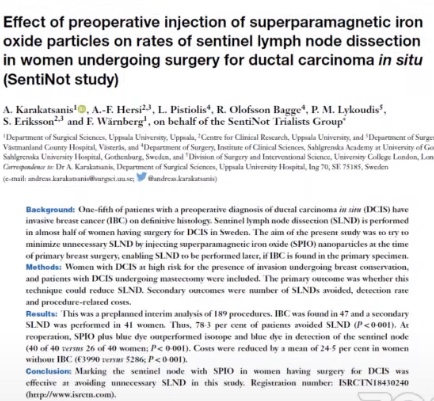
  • The SentiNot Trial
    • Concept:
      • Inject supraparamagnetic iron oxide particles (SPIO) at the primary operation:
        • Mark the SLN but do not remove it
      • If pathology report shows invasion:
        • Then we can go back and perform the SLNB
    • A multicenter cohort study:
      • Has been completed
    • Multicenter randomized trial:
      • Is ongoing
Inclusion criteria: Grade 2, > 20 mm, any grade 3, mass forming DCIS, Andy DCIS planned for mastectomy
The detection rate in the WLE were not different but in the setting of OPBCT and mastectomy the detection rate was inferior to standard technique
The procedure was not accurate in any setting others than WLE
  • Conclusion of SentiNot:
    • 77.2% of patients avoided upfront DCIS
    • Higher detection rate, nodal yield and accuracy
    • Incremental cost containment
#Arrangoiz #Doctor #Surgeon #CancerSurgeon #SurgicalOncologist #BreastCancer #DCIS #MountSinaiMedicalCenter #MSMC #Miami #Mexico

Management of Lactation Complications – Nipple Blebs

  • Myth:
    • Nipple blebs are caused by trauma from shallow infant latch
  • Science:
    • Blebs appear as:
      • Small white, yellow, or red blisterlike lesions on the surface of a nipple
    • They are inflammatory lesions that may occlude a nipple orifice:
      • They reflect underlying ductal inflammation and microbiome disruption with biofilm formation
    • Blebs are associated with:
      • Hyperlactation (oversupply)
      • Pumping (which alters the breast microbiome)
      • C-section births (which also alter the breast microbiome),
      • Other characteristics of individual variation in microbiome expression
    • Blebs are not related to infant trauma or latch in any way
    • Because blebs are very painful:
      • Moms often believe the infant has a poor latch or otherwise has contributed to the problem:
        • However, this represents an association rather than causation
  • Treatment:
    • Asymptomatic blebs do not require any specific treatment
    • Blebs causing milk obstruction warrant treatment:
      • To reduce underlying ductal inflammation and decrease the viscosity of milk
    • Sunflower lecithin by mouth:
      • Is effective for breastmilk emulsification and can help to both treat and prevent blebs
    • Therapeutic ultrasound can also be used to reduce breast inflammation
    • Symptomatic blebs occluding an orifice:
      • Should be treated with oral lecithin as well as a topical medium-potency steroid:
        • Such as 0.1% triamcinolone cream
    • Blebs should not be routinely unroofed with a sterile needle or other means:
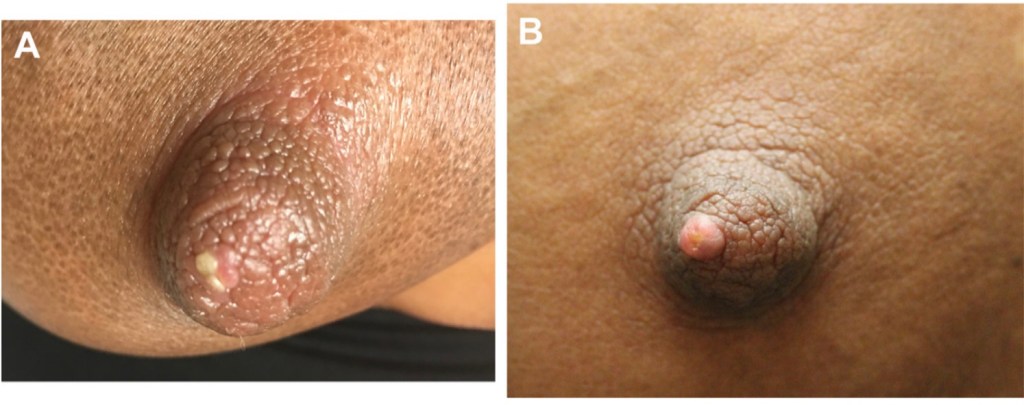
      • As this may transiently relieve milk obstruction in an associated ductal orifice but will also cause local tissue trauma and can lead to scarring (Figure):
      • This scarring can result in permanent occlusion of the nipple orifice
    • Patients should be instructed not to attempt to squeeze out a bleb or pick at it with their fingernails, as this can cause bleeding and further trauma
Nipple bleb at presentation (A) and after chronic tissue trauma from frequent un- roofing (B).

#Arrangoiz #Doctor #Surgeon #CancerSurgeon #BreastSurgeon #SurgicalOncologist #MountSinaiMedicalCenter #MSMC #Miami #Mexico #BreastCancer #MilkBlebs

What Are the Clinicopathological Correlates of Oncocytic Thyroid Carcinomas?

  • Oncocytic follicular cell–derived thyroid carcinomas as a group can include many different entities:
    • Oncocytic papillary thyroid carcinomas (PTC)
    • Oncocytic encapsulated follicular subtype of PTC
    • Oncocytic poorly differentiated carcinoma
    • Oncocytic medullary thyroid carcinoma
  • The term “oncocytic carcinoma of the thyroid”:
    • Is used in the new World Health Organization (WHO) to refer to:
      • Invasive malignant follicular cell neoplasms:
        • Composed of at least 75% oncocytic cells:
          • In which the nuclear features of PTC and high-grade features are absent
    • This term replaces Hürthle cell carcinoma:
      • A misnomer given that Hürthle actually described parafollicular C cells
    • Oncocytic cells:
      • Have abundant granular eosinophilic cytoplasm:
        • Secondary to a marked accumulation of dysfunctional mitochondria
    • Oncocytic carcinoma of the thyroid (OCA):
      • Represents the malignant counterpart of oncocytic adenoma
      • Accounts for approaching 2% to 5% of differentiated thyroid carcinomas in the USA
      • Can occur anywhere in the thyroid
      • Usually presents as a slowly enlarging painless solitary thyroid nodule
      • Thyroid ultrasound cannot distinguish between oncocytic adenoma and OCA:
        • Though larger tumors have a higher rate of malignancy
      • There are no known risk factors for developing OCA
      • The mean age at diagnosis is approaching 60 years:
        • Which is roughly 10 years later than the mean age of diagnosis for patient with follicular thyroid carcinoma
      • OCA, although more common in women (with a 1.6 to 1 female-to-male ratio):
        • Has a lower female-to-male ratio than is seen with follicular thyroid carcinoma
      • Histologically:
        • OCAs are encapsulated tumors with capsular and / or vascular invasion and at least 75% oncocytic cells (Figures)
      • OCAs are subclassified into:
        • Minimally invasive:
          • Those with capsular invasion only
        • Encapsulated angioinvasive
        • Widely invasive:
          • Those with gross invasion through the gland
      • When evaluating OCA, it is important not only to document extent of invasion, but also to evaluate for progression to oncocytic poorly differentiated thyroid carcinoma:
        • Thus, all tumors should be assessed for increased mitotic activity (3 or more mitoses per 10 high-power fields / ~ 2 mm2) and tumor necrosis
      • OCA can metastasize to lymph nodes:
        • However, some authors have shown that most of the so-called lymph nodes metastasis of OCA represent tumor plugs in veins in the neck and not lymph nodes involved by tumor
        • The important clue is the almost perfect roundness of these tumor plugs compared to oval or somewhat irregular outline for nodal metastases
      • OCA (like follicular thyroid carcinoma) usually spreads to distant sites via blood vessels:
        • Distant metastasis at presentation are seen in 15% to 27% of patients with OCA:
          • In up to 40% of tumors with extensive vascular invasion
    • Prognostic parameters for OCA include:
      • Patient age, tumor size, vascular invasion, extrathyroidal extension, and the presence of distant metastases:
      • Distant metastases at diagnosis are the most important prognostic factor for OCA
    • For OCA, the 5-year overall survival has been reported to be 85%:
      • But only 24% among patients with distant metastases at diagnosis compared to 91% for patients with M0 disease at diagnosis
    • Although it is not clear that OCA is more aggressive than follicular thyroid carcinoma after adjusting for variables such as patient age, gender, and tumor stage:
      • Due to decreased efficacy of radioactive iodine with OCA compared to follicular thyroid carcinoma:
        • Treating OCA is currently more difficult once there is disease recurrence
    • Benign and malignant oncocytic thyroid tumors:
      • Have both been shown to harbor homoplasmic or highly heteroplasmic (> 70%) mitochondrial DNA mutations in complex I subunit genes of the electron transport chain
      • Additionally, OCAs demonstrate widespread chromosome losses that result in near-genome-wide haploidization with or without subsequent genome endoreduplication:
        • Chromosomal changes have been found to be associated with extent of invasion:
          • Most OCAs with capsular invasion only or focal vascular invasion have been shown to be diploid
          • Whereas tumors with extensive vascular invasion and widely invasive tumors:
            • Are usually polysomic and nearly always demonstrate chromosome 7 amplification
            • Additionally, the near-haploid state has been shown to be maintained in metastases, implying selection during tumor evolution
          • OCAs have also been shown to have recurrent DNA mutations, including RAS mutations (though at a lower rate than is seen with follicular thyroid carcinoma), EIF1AX, TERT, TP53, NF1, and CDKN1A, among others
Oncocytic carcinoma of the thyroid – Invasive growth through the capsule is evident at low power
Oncocytic carcinoma of the thyroid – At high power, the cells have abundant granular cytoplasm and prominent nucleoli

#Arrangoiz #Doctor #Surgeon #CancerSurgeon #HeadandNeckSurgeon #ThyroidSurgeon #SurgicalOncologist #ThyroidAwarenessMonth #ThyroidCancer #MountSinaiMedicalCenter #MSMC #Miami