Nipple Discharge

👉Pathologic nipple discharge usually is unilateral, presents from a single duct, and is spontaneous, bloody, or serous.

👉Physiologic nipple discharge can be green or white, bilateral, from multiple ducts, or present only with manual expression of the breast.

👉When pathologic discharge is present, the most common etiology remains a benign intraductal papilloma.

👉Mammography in this setting is limited by its low sensitivity for intraductal lesions.

👉Ultrasound in conjunction with mammography can improve sensitivity for intraductal masses but imaging alone cannot reliably distinguish benign from malignant lesions.

👉When imaging identifies an abnormal finding in the setting of nipple discharge, needle biopsy is helpful to determine etiology and guide future excision.

👉When imaging work-up is otherwise negative, investigators have attempted to identify patients with nipple discharge in whom operation can be avoided.

👉One study showed 192 patients with unilateral, single duct, spontaneous, bloody, or serous nipple discharge and a normal mammogram had a less than 3% chance of malignancy. When they had a normal subareolar ultrasound as well, no patient had a cancer, but the numbers were small.

👉On the other hand, a separate study found conflicting results as researchers identified cancer in 10% of patients who had normal physical examination, mammography, and ultrasound. The same group found that when additional evaluation was done with cytology, ductography, or MRI, 7% (19/287) of patients were still diagnosed with cancer on duct excision.

👉Ductogram is a challenging technique that requires breast imaging expertise. It is often helpful in localizing an intraductal lesion and guiding percutaneous vacuum-assisted or surgical removal, but it does not reliably exclude a malignant lesion.

👉Negative imaging does not obviate the need for surgical excision in a woman with spontaneous, single duct, bloody nipple discharge.

👉The standard management for unilateral bloody nipple discharge that is without an imaging abnormality therefore remains duct excision that is selective of the offending duct or as a major duct excision.

👉When a retroareolar imaging abnormality is identified in the setting of nipple discharge it should be localized and removed.

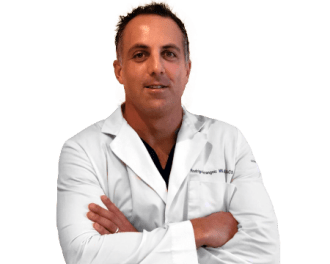
👉Starting in October (Breast Cancer Awareness Month) Rodrigo Arrangoiz MS, MD, FACS member of Sociedad Quirúrgica S.C. will be writing daily post on breast diseases.

Rodrigo Arrangoiz MS, MD, FACS is surgical oncologist / breast cancer specialist and is a member of Sociedad Quirúrgica S.C at the America British Cowdray Medical Center in Mexico City:

Training:

• General surgery:

• Michigan State University:

• 2004 al 2010

• Surgical Oncology / Head and Neck Surgery / Endocrine Surgery:

• Fox Chase Cancer Center (Filadelfia):

• 2010 al 2012

• Masters in Science (Clinical research for health professionals):

• Drexel University (Filadelfia):

• 2010 al 2012

• Surgical Oncology / Head and Neck Surgery / Endocrine Surgery:

• IFHNOS / Memorial Sloan Kettering Cancer Center:

• 2014 al 2016

For more information visit: http://www.cirugiatiroides.com

#Arrangoiz

#Teacher

#Surgeon

#Cirujano

#BreastExpert

#BreastSurgeon

#CirujanodeMama

#ExpertoenCancerdeMama

#CancerdeMama

#SurgicalOncologist

#CirujanoOncologo

#CancerSurgeon

Octubre Mes De Concientización Sobre Nódulos Tiroides – Arrangoiz

👉Ciertos hallazgos ultrasonográficos están asociados con un mayor riesgo de cáncer de tiroides.

👉Estos incluyen tener un tono más oscuro (“hipoecoico”), pequeños depósitos de calcio (“microcalcificaciones”), aumento del flujo sanguíneo a través del nódulo (hipervascularidad) y bordes irregulares.

prof_739_20190417135234

  • Rodrigo Arrangoiz MS, MD, FACS miembro de Sociedad Quirúrgica S.C. es experto en el manejo de la patología de la glándula tiroides:
    • El Dr. Arrangoiz tiene entrenamiento en:
      • Cirugía de tumores de cabeza y cuello, cirugía endocrina, y cirugía oncológica.
  • Es pionero en México de la:
    • Cirugia tiroidea minimamente invasiva
    • La cirugia minimamente invasiva radio-guiada de paratiroides
  •  Su entrenamiento es el siguiente:
    • Tumores de Cabeza y Cuello / Cirugía Endocrina – Fox Chase Cancer Center

image-49

  • Tumores de Cabeza y Cuello / Cirugía Endocrina – IFHNOS / Memorial Sloan Kettering Cancer Center
  • Cirugía Oncológica Compleja – Fox Chase Cancer Center

image-39


  • Cirugia General y Gastrointestinal:
    • Michigan State University

images

  • Maestría en Ciencias de InvestigaciónDrexel University

image-40

  • El Dr. Arrangoiz esta certificado por:
    • El Colegio Americano de Cirugía

Unknown


  • Es fellow de la Sociedad de Cirugia Oncológica:

Unknown

  • Miembro de la American Thyroid Association:

Unknown

Sociedad Quirúrgica S.C.
Hospital ABC Santa Fé
Av. Carlos Graef Fernández #154
Consultorio 515
Col. Tlaxala, Delg. Cuajimalpa
México, D.F. 05300
Tel: 1103 – 1600 Ext 4515 a la 4517
Fax:1664 – 7164
rodrigo.arrangoiz@gmail.com

Octubre Mes de Concientización Sobre los Nódulos Tiroideos

16d408b6-e189-4f5e-97fb-b195e9e67b6f


Rodrigo Arrangoiz MS, MD, FACS cirujano de tumores de cabeza y cuello y cirugía endocrina de Sociedad Quirúrgica S.C. es experto en el manejo de nódulos tiroides y del cáncer de tiroides.

Articulo publicado por el Dr. Arrangoiz sobre el manejo de nódulos tiroides:

https://file.scirp.org/pdf/IJOHNS_2018072717023407.pdf

Es pionero en México:

  • Cirugia tiroidea minimamente invasiva
  • La cirugia minimamente invasiva radio-guiada de paratiroides

Su entrenamiento fue el siguiente:

• Cirugia general y gastrointestinal:
• Michigan State University:
• 2004 al 2010image-48• Cirugia oncológica / tumores de cabeza y cuello / cirugia endocrina:

• Fox Chase Cancer Center (Filadelfia):
• 2010 al 2012image-39• Maestria en ciencias (Clinical research for healthprofessionals):
• Drexel University (Filadelfia):
• 2010 al 2012image-50• Cirugia de tumores de cabeza y cuello / cirugiaendocrina
• IFHNOS / Memorial Sloan Kettering Cancer Center:
• 2014 al 2016

image-6image-51 

http://www.sociedadquirurgica.com

http://www.hiperparatiroidismo.info

http://www.cirugiatiroides.com

#Arrangoiz

#CirugiadeTumoresdeCabezayCuello

#CirugiaEndocrina

#CirugiaOncologica

#HeadandNeckSurgery

#EndocrineSurgery

#SurgicalOncology


16d408b6-e189-4f5e-97fb-b195e9e67b6f


Radiotherapy or Surgery of the Axilla after a Positive Sentinel Node in Breast Cancer


img_3761

  • The AMAROS trial:
    • Randomized 4806 clinically node-negative women with T1 to T2 tumors to:
      • Completion axillary lymph node dissection (ALND) or axillary radiation (AR) if they had positive nodes
    • Of the 1425 patients with positive sentinel nodes:
      • 744 had been randomly assigned to ALND
      • 681 to AR
    • Initially:
      • Patients with tumors 3 cm or smaller were eligible, but the protocol was later modified to include:
        • Tumors up to 5 cm, multifocal tumors, or both
    • In the AR arm:
      •  21% of patients had T2 lesions
    • There were no age limits for eligibility:
      • Patients ranged from age 48 to 64 years.
    • In the AR arm:
      • 42% of women were premenopausal
    • Patients who had either partial or total mastectomy were enrolled in the trial:
      • 18% of women had mastectomy
    • There was no limit on the number of positive nodes for the radiation arm:
      • But the majority of patients had 1 or 2 positive nodes:
        • 95% of patients having only 1 to 2 positive sentinel nodes
    • Crossover was allowed for patients:
      • With extensive axillary disease from the radiation arm to the dissection arm
      • And in the dissection arm who had 4 or more positive nodes were allowed to have axillary radiation
    • Four percent of patients who stayed in the radiation arm:
      • Had 3 positive nodes
    • One percent of patients who stayed in the radiation arm:
      • Had 4 or more positive nodes
    • Importantly:
      • In the axillary dissection arm 25% of patients had an additional 1 to 3 positive nodes (in addition to the positive sentinel nodes) at dissection, and 8% had 4 or more additional positive nodes:
        • Since it was a randomized trial:
          • We can assume the same numbers were present in the radiation arm:
            • So these patients did not necessarily have low-volume axillary disease.
    • Axillary radiotherapy (RT) included:
      • The contents of all three levels of the axilla and the medial part of the supraclavicular fossa
      • The prescribed dose was:
        • 25 fractions of 2 Gy each
    • For patients in the AR arm who had mastectomy:
      • Radiation to the chest wall in addition to the axilla was optional but not mandatory
    • There were no significant differences in 5-year overall survival or disease-free survival between the two arms
    • At 6.1 years of follow-up:
      • There was no significant difference in the rate of axillary failure:
        • 0.43% ALND vs 1.19% RT
    • At 5-year follow-up there was a significant difference in:
      • Clinical signs of lymphedema between the groups:
        • 23% in ALND vs. 11% in AR
          • There was greater than a 10% difference in arm size compared to the contralateral arm in:
            • 13% of the ALND arm and 5% of the AR arm
  • The AMAROS study findings would suggest that axillary RT is an appropriate alternative to ALND in patients with a positive sentinel node:
    • However, the clinical characteristics of the AMAROS cohort are remarkably similar to the American College of Surgeons Oncology Group (ACOSOG) Z0011 cohort:
      • With 80% of AMAROS patients having a tumor less than 2 cm
      • 90% patients receiving any systemic therapy
      • 95% of patients having only 1 to 2 positive sentinel nodes
    • Patients in ACOSOG Z0011 treated with sentinel lymph node biopsy only demonstrated similar 5-year rates of regional recurrence as the AMAROS patients receiving axillary RT:
      • 0.9% [ACOSOG Z0011] vs 1.19% [AMAROS – AR Arm]
    • Thus, while AMAROS indicates that sentinel node biopsy and nodal RT is an alternative to ALND:
      • It does not demonstrate that RT is necessary in all patients with a positive sentinel node, particularly in those treated with breast-conserving surgery.
      • The decision to include axillary RT in patients with 1 to 2 positive sentinel nodes should be tailored to the individual taking into account other clinical factors which may place the patient at higher risk for locoregional recurrence

img_3754

👉Rodrigo Arrangoiz MS, MD, FACS es cirujano oncólogo experto en mamá y es miembro de la Sociedad Quirúrgica S.C en el Hospital ABC en la Ciudad de México: 


👉Es un experto en el manejo del cáncer de seno. 


👉Si tiene alguna pregunta sobre el examen de detección de cáncer de seno, no dude en comunicarse con el Dr. Arrangoiz.


👉Rodrigo Arrangoiz MS, MD, FACS a surgical oncologist and is a member of Sociedad Quirúrgica S.C at the America British Cowdray Medical Center in Mexico City:

👉He is an expert in the management of breast cancer.

👉If you have any questions about the screening for breast cancer please fill free to contact Dr. Arrangoiz.


Training:

• General surgery:

• Michigan State University:

• 2004 al 2010

• Surgical Oncology / Head and Neck Surgery / Endocrine Surgery:

• Fox Chase Cancer Center (Filadelfia):

• 2010 al 2012

• Masters in Science (Clinical research for health professionals):

• Drexel University (Filadelfia):

• 2010 al 2012

• Surgical Oncology / Head and Neck Surgery / Endocrine Surgery:

• IFHNOS / Memorial Sloan Kettering Cancer Center:

• 2014 al 2016

image-6

#Arrangoiz

#Surgeon

#Cirujano

#SurgicalOncologist

#CirujanoOncologo

#BreastSurgeon

#CirujanodeMama

#CancerSurgeon

#CirujanodeCancer

http://www.sociedadquirurigca.com


Ameloblastoma Part 1

  • Ameloblastoma is an aggressive odontogenic tumor:
    • That forms from odontogenic epitheliumwithin a mature fibrous stroma devoid of odontogenic ectomesenchyme.
  • Although classified as a benign tumor:
    • Ameloblastoma is also the most common odontogenic tumor of epithelial origin with severe clinical implications.
  • Ameloblastoma has a locally aggressive growth pattern:
    • About 70% of cases undergo malignant transformation
    • Up to 2% metastasize to other sites
  • Ameloblastoma:
    • Constitutes about 14% of all jaw tumors and cysts
    • It is the most prevalent odontogenic tumors in developing countries
    • The global incidence of ameloblastoma is:
      • 0.5 cases per million persons per year:
        • It is a the most common odontogenic tumor in:
          • Africa and China
        • In the Western hemisphere:
          • Ameloblastoma is second to odontoma as the most common odontogenic tumor:
            • But the African American population is five times more likely to develop ameloblastoma compared to the Caucasian population.
    • Most patients with ameloblastoma:
      • Are between ages 30 and 60 years:
        • But average age at time of diagnosis varies from continent to continent estimated to be approximately:
          • 42.3 and 30.4 years in Europe and Africa, respectively.
    • Only 10% to 15% of ameloblastoma cases occur in the pediatric population:
      • But this can be as high as 25% in Africa and Asia
  • Ameloblastoma histologically:
    • Resembles the enamel organ of a developing tooth that has no intention of forming dental hard tissues:
      • Because the stroma lacks the properties of dental mesenchyme.
    • Despite the similarities:
      • It is intriguing that ameloblastoma still displays a distinctive clinically invasive and aggressive growth pattern
  • Due to naivety and limited healthcare facilities, ameloblastoma patients in developing countries often present with massively grown lesions before seeking care

Presentation1

Rodrigo Arrangoiz MS, MD, FACS miembro de Sociedad Quirúrgica S.C. realiza cirugía de cabeza y cuello / cirugía endocrina / cirugía oncológica en el America British Cowdray Medical Center en Mexico:
 

prof_739_20190417135234

Entrenamiento:

• General surgery:

• Michigan State University:

• 2004 al 2010

• Surgical Oncology / Head and Neck Surgery / Endocrine Surgery:

• Fox Chase Cancer Center (Filadelfia):

• 2010 al 2012

• Masters in Science (Clinical research for health professionals):

• Drexel University (Filadelfia):

• 2010 al 2012

• Surgical Oncology / Head and Neck Surgery / Endocrine Surgery:

• IFHNOS / Memorial Sloan Kettering Cancer Center:

• 2014 al 2016

#Arrangoiz

#Teacher

#Surgeon

#Cirujano

#ThyroidExpert

#ThyroidSurgeon

#CirujanodeTiroides

#ExpertoenTiroides

#ExpertoenParatiroides

#Paratiroides

#Hiperparatiroidismo

#CancerdeTiroides

#ThyroidCancer

#PapillaryThyroidCancer

#SurgicalOncologist

#CirujanoOncologo

#CancerSurgeon

#CirujanodeCancer

#HeadandNeckSurgeon

#CirugiaEndocrina

#CirujanodeTumoresdeCabezayCuello

#OralCavityCancer

#Melanoma

¿Quién debe de realizar su cirugía de tiroides?

16d408b6-e189-4f5e-97fb-b195e9e67b6f

  • El entrenamiento y el volumen del cirujano son factores críticos para obtener el mejor resultado con las menores complicaciones en la cirugía de tiroides.

Presentation1


  • Ashok Shaha MD, FACS cirujano de cabeza y cuello de Memorial Sloan Kettering Cancer Center experto en tiroides durante su plática inaugural de la American Head and Neck Society nos habla de quien debe estar realizando cirugía de tiroides.


Rodrigo Arrangoiz MS, MD, FACS cirujano de tumores de cabeza y cuello y cirugía endocrina de Sociedad Quirúrgica S.C. cumple con los requisitos determinados por el Dr. Saha para realizar cirugía de tiroides.

Su entrenamiento fue el siguiente:

• Cirugia general y gastrointestinal:
• Michigan State University:
• 2004 al 2010image-48• Cirugia oncológica / tumores de cabeza y cuello / cirugia endocrina:
• Fox Chase Cancer Center (Filadelfia):
• 2010 al 2012image-39• Maestria en ciencias (Clinical research for healthprofessionals):
• Drexel University (Filadelfia):
• 2010 al 2012image-50• Cirugia de tumores de cabeza y cuello / cirugiaendocrina
• IFHNOS / Memorial Sloan Kettering Cancer Center:
• 2014 al 2016image-51 

http://www.sociedadquirurgica.com

http://www.hiperparatiroidismo.info

http://www.cirugiatiroides.com

#Arrangoiz

#CirugiadeTumoresdeCabezayCuello

#CirugiaEndocrina

#CirugiaOncologica

#HeadandNeckSurgery

#EndocrineSurgery

#SurgicalOncology

Thyroid-related articles

16d408b6-e189-4f5e-97fb-b195e9e67b6f

  • Check out these Thyroid-related articles published online or in print last week!
    Inhibition of Cancer Stem-Like Phenotype by Curcumin and Deguelin in CAL-62 Anaplastic Thyroid Cancer Cells. Kocdor MA, Cengiz H, Ates H, Kocdor H. Anticancer Agents Med Chem. 2019 Oct 4. PMID: 31584382 https://www.ncbi.nlm.nih.gov/pubmed/31584382


  • Preoperative Computed Tomography Changes Surgical Management for Clinically Low-Risk Well-Differentiated Thyroid Cancer. Bongers PJ, Verzijl R, Dzingala M, Vriens MR, Yu E, Pasternak JD, Rotstein LE. Ann Surg Oncol. 2019 Oct 3. PMID: 31583547 https://www.ncbi.nlm.nih.gov/pubmed/31583547


  • Rodrigo Arrangoiz MS, MD, FACS miembro de Sociedad Quirúrgica S.C. experto en el manejo de la patología de la glándula tiroides:

image-1

    • El Dr. Arrangoiz tiene entrenamiento en:
      • Cirugía de tumores de cabeza y cuello, cirugía endocrina, y cirugía oncológica.
  • Es pionero en México de la:
    • Cirugia tiroidea minimamente invasiva
    • La cirugia minimamente invasiva radio-guiada de paratiroides
  •  Su entrenamiento es el siguiente:
    • Tumores de Cabeza y Cuello / Cirugía Endocrina – Fox Chase Cancer Center

image-49

  • Tumores de Cabeza y Cuello / Cirugía Endocrina – IFHNOS / Memorial Sloan Kettering Cancer Center
  • Cirugía Oncológica Compleja – Fox Chase Cancer Center

image-39


  • Cirugia General y Gastrointestinal:
    • Michigan State University

images

  • Maestría en Ciencias de InvestigaciónDrexel University

image-40

  • El Dr. Arrangoiz esta certificado por:
    • El Colegio Americano de Cirugía

Unknown


  • Es fellow de la Sociedad de Cirugia Oncológica:

Unknown

  • Miembro de la American Thyroid Association:

Unknown

Sociedad Quirúrgica S.C.
Hospital ABC Santa Fé
Av. Carlos Graef Fernández #154
Consultorio 515
Col. Tlaxala, Delg. Cuajimalpa
México, D.F. 05300
Tel: 1103 – 1600 Ext 4515 a la 4517
Fax:1664 – 7164
rodrigo.arrangoiz@gmail.com

Adjuvant Radiotherapy after Surgical Treatment of Breast Cancer

img_0033

  • Following breast-conserving surgery (lumpectomy, partial mastectomy):
    • Adjuvant radiotherapy is recommended due to benefits in:
      • Local control
      • Potentially breast cancer mortality
    • The Early Breast Cancer Trialists’ Collaborative Group (EBCTCG) meta-analysis found:
      • That for patients undergoing breast-conserving surgery that are N0:
        • Radiation reduced the risk of any recurrence (16% vs 31%) and reduced breast cancer mortality (17% vs 21%)
  • The EBCTCG also found that for patients undergoing mastectomy with 1 to 3 positive nodes radiotherapy was associated with:
    • A reduction in:
      • Locoregional recurrence (LRR):
        • 4% vs 20%
      • Breast cancer mortality:
        • 42% vs 50%
    • Although many have interpreted the EBCTCG findings to mean all post-mastectomy patients with 1 to 3 positive nodes should have post-mastectomy radiation therapy (PMRT):
      • The patients enrolled in the trials in that meta-analysis were from a different era:
        • And it is difficult to know how relevant the findings are to patients who are diagnosed and treated by current standards
      • The patients were enrolled between 1964 and 1986:
        • Many of them did not receive systemic therapy (36%):
          • The 64% who received chemotherapy were treated with cyclophosphamide, methotrexate, and fluorouracil:
            • Which is inferior to modern regimens
        • Only 24% of patients were treated with tamoxifen, and no patients received an aromatase inhibitor.
      • The benefit of PMRT diminishes as the risk of LRR diminishes.
      • Patients with 1 to 3 positive nodes in the meta-analysis who were not treated with PMRT had a 20% rate of LRR:
        • But recurrence is significantly lower with modern systemic treatment
  • Sharma et al. retrospectively reviewed patients who had mastectomies between 1997 and 2002 and did not receive PMRT:
    • The 10-year rate of LRR in patients with 1 to 3 positive nodes was only 4.3% (compared to 20% in the meta-analysis).
  • Another study of patients with 1 to 3 positive nodes compared the risk of LRR between two different eras, before and after the routine use of sentinel node biopsy, taxane therapy, and aromatase inhibitors:
    • Use of PMRT reduced the 15-year rate of LRR in the first era from 14.5% to 6.1%.
    • PMRT did not appear to benefit patients treated in the second era:
      • With 5-year LRR rates of 2.8% without PMRT and 4.2% with PMRT
  • The NSABP B-28 study randomized node-positive patients to:
    • Doxorubicin and cyclophosphamide versus doxorubicin and cyclophosphamide plus paclitaxel
    • Use of PMRT was not allowed in patients who were treated with mastectomy, so the trial gives a good view of the risk of LRR for node-positive patients who are treated with mastectomy and relatively modern systemic therapy
    • For patients with 1 to 3 positive nodes:
      • LRR at 10 years was 6% for patients with high-risk, 4.1% with intermediate-risk, and 2.4% with low-risk Oncotype DX recurrence scores
    • Additionally, Lai et al. recently reviewed 293 mastectomy patients with T1 to T2 breast cancer and 1 to 3 positive lymph nodes:
      • All received anthracycline or taxane based chemotherapy and none received PMRT
      • After stratifying patients according to luminal A and B, luminal HER2, HER2, and triple-negative subtypes:
        • They found patients with triple-negative breast cancer to have the highest 5-year LRR when compared to all other subtypes (10.6% vs 4.2%, P=0.05).
          • Multivariate analysis found that:
            • Patients younger than age 40 years
            • Tumors larger than 3 cm
            • The presence of extensive intraductal components significantly increased the risk of LRR.
        • The authors concluded that:
          • Administering modern systemic therapy to early breast cancer patients not receiving PMRT significantly reduces the rate of LRR
        • In view of the fact that:
          • PMRT significantly increased overall mortality in node-negative patients in the EBCTCG (47.6% vs 41.6%; rate ratio 1.23):
            • Caution should be taken in extrapolating the results to all patients with 1 to 3 positive nodes in the modern era
  • The American Society of Clinical Oncology, the American Society for Radiation Oncology, and the Society of Surgical Oncology recently released an updated consensus statement regarding the role of PMRT in women with 1 to 3 positive lymph nodes:
    • The consensus panel unanimously agreed that PMRT in this subset of patients reduces local-regional failure, any recurrence, and breast cancer mortality in patients with T1 to T2 breast cancer with 1 to 3 positive lymph nodes
    • They agreed that the decision for PMRT should be made in a multidisciplinary setting and with the involvement of the patient and her wishes after she is presented with all available data
    • The panel went on to acknowledge that in some subsets of patients, the risk of local-regional failure may be so low that the absolute benefit of PMRT is outweighed by its toxicities
    • Further, even if axillary lymph node dissection is omitted in the setting of a positive lymph node, PMRT should only be used if there is already significant evidence justifying the benefit of PMRT without knowing the status of any additional axillary nodes
    • When given, PMRT should include the internal mammary, supraclavicular, and apical axillary nodes and the chest wall or reconstructed breast
    • All patients with a positive axillary node after receipt of neoadjuvant chemotherapy should receive PMRT

REFERENCES

    • Early Breast Cancer Trialists’ Collaborative Group, Darby S, McGale P, Correa C, et al. Effect of radiotherapy after breast-conserving surgery on 10-year recurrence and 15-year breast cancer death: meta-analysis of individual patient data for 10,801 women in 17 randomised trials. Lancet. 2011;378:1707-1716.
    • Early Breast Cancer Trialists’ Collaborative Group, McGale P, Taylor C, Correa C, et al. Effect of radiotherapy after mastectomy on 10-year recurrence and 20-year breast cancer mortality: meta-analysis of individual patient data for 8135 women in 22 randomised trials. Lancet. 2014;383:2127-2135.
    • Kuerer HM reviewing EBCTCG (Early Breast Cancer Trialists’ Collaborative Group). Postmastectomy radiotherapy for breast cancer patients with one to three positive nodes? NEJM Journal Watch. April 18, 2014. http://www.jwatch.org/na34112/2014/04/18/postmastectomy-radiotherapy-breast-cancer-patients-with. Accessed February 28, 2016.
    • Lai SF, Chen YH, Kuo WH, et al. Locoregional recurrence risk for postmastectomy breast cancer patients with T1-2 and one to three positive lymph nodes receiving modern systemic treatment without radiotherapy. Ann Surg Oncol. 2016;23:3860-3869.
    • Mamounas EP, et al. The 21-gene recurrence score (RS) predicts risk of loco-regional recurrence (LRR) in node (+), ER (+) breast cancer (BC) after adjuvant chemotherapy and tamoxifen: results from NSABP B-28. Presented at: Society of Surgical Oncology Annual Meeting; March 6-9, 2013; National Harbor, MD.
    • Mamounas EP, Tang G, Paik S, et al. The 21-gene recurrence score (RS) predicts risk of loco-regional recurrence (LRR) in node (+), ER (+) breast cancer (BC) after adjuvant chemotherapy and tamoxifen: results from NSABP B-28. Ann Surg Oncol. 2013;20:S6 (Abstract 2).
    • McBride A, Allen P, Woodward W, et al. Locoregional recurrence risk for patients with T1,2 breast cancer with 1-3 positive lymph nodes treated with mastectomy and systemic treatment. Int J Radiat Oncol Biol Phys. 2014;89:392–398.
    • Recht A, Comen EA, Fine RE, et al. Postmastectomy radiotherapy: an American Society of Clinical Oncology, American Society for Radiation Oncology, and Society of Surgical Oncology focused guideline update. Ann Surg Oncol. 2016. [Epub ahead of print].
    • Sharma R, Bedrosian I, Lucci A, et al. Present-day locoregional control in patients with T1 or T2 breast cancer with 0 or 1 to 3 positive lymph nodes after mastectomy without radiotherapy. Ann Surg Oncol. 2010;17:2899-2908.

img_3753


👉Rodrigo Arrangoiz MS, MD, FACS es cirujano oncólogo experto en mamá y es miembro de la Sociedad Quirúrgica S.C en el Hospital ABC en la Ciudad de México: 


👉Es un experto en el manejo del cáncer de seno. 


👉Si tiene alguna pregunta sobre el examen de detección de cáncer de seno, no dude en comunicarse con el Dr. Arrangoiz.


👉Rodrigo Arrangoiz MS, MD, FACS a surgical oncologist and is a member of Sociedad Quirúrgica S.C at the America British Cowdray Medical Center in Mexico City:

👉He is an expert in the management of breast cancer.

👉If you have any questions about the screening for breast cancer please fill free to contact Dr. Arrangoiz.


Signos de Cáncer de Mamá / Clinical Signs of Breast Cancer

Rodrigo Arrangoiz MS, MD, FACS es cirujano oncólogo experto en mamá y es miembro de la Sociedad Quirúrgica S.C en el Hospital ABC en la Ciudad de México: 
Es un experto en el manejo del cáncer de seno. 

Si tiene alguna pregunta sobre el examen de detección de cáncer de seno, no dude en comunicarse con el Dr. Arrangoiz.


👉Rodrigo Arrangoiz MS, MD, FACS a surgical oncologist and is a member of Sociedad Quirúrgica S.C at the America British Cowdray Medical Center in Mexico City:

👉He is an expert in the management of breast cancer.

👉If you have any questions about the screening for breast cancer please fill free to contact Dr. Arrangoiz.

New diagnostic tool for thyroid cancer

👉Thyroid cancer diagnoses have risen in the last thirty years from 6 per 100,000 to more than 14 per 100,000.

👉That’s according to the Surveillance, Epidemiology, and End Results (SEER) Program of the National Cancer Institute (NCI), which also reports that in 2016, 822,242 people in the US had thyroid cancer. However, new research published in PNAS provides hope in light of these grim numbers.

👉The diagnostic process for thyroid cancer involves taking a biopsy using a fine needle aspiration (FNA); however, because FNA biopsies are inconclusive 1 out of 5 times at identifying cancer, doctors may often recommend surgery to remove part or all of the thyroid to play it safe.

👉The problem with this is that those patients who receive surgery on their thyroids are required to take hormone replacement therapy for the entirety of their lives to be able to regulate metabolism, heart rate, body temperature, and blood pressure.

👉The study details how the Eberlin and fellow researchers used mass spectrometry imaging to develop a molecular fingerprint for thyroid cancer based on the molecular profiles from tissues of 178 people with or without thyroid cancer.

👉Using this new molecular fingerprint proved to be successful in cutting the number of false-positive results from FNA procedures.

👉As compared to the current FNA procedure, the new fingerprint test produced false-positive results in only 1 in 10 cases approximately.

👉To put that into clearer human numbers, this could keep 17 people from undergoing unnecessary surgery.

https://www.labroots.com/trending/cancer/15866/diagnostic-tool-thyroid-cancer

  • Rodrigo Arrangoiz MS, MD, FACS miembro de Sociedad Quirúrgica S.C. es experto en el manejo de la patología de la glándula tiroides:

image-1

    • El Dr. Arrangoiz tiene entrenamiento en:
      • Cirugía de tumores de cabeza y cuello, cirugía endocrina, y cirugía oncológica.
  • Es pionero en México de la:
    • Cirugia tiroidea minimamente invasiva
    • La cirugia minimamente invasiva radio-guiada de paratiroides
  •  Su entrenamiento es el siguiente:
    • Tumores de Cabeza y Cuello / Cirugía Endocrina – Fox Chase Cancer Center

image-49

  • Tumores de Cabeza y Cuello / Cirugía Endocrina – IFHNOS / Memorial Sloan Kettering Cancer Center
  • Cirugía Oncológica Compleja – Fox Chase Cancer Center

image-39


  • Cirugia General y Gastrointestinal:
    • Michigan State University

images

  • Maestría en Ciencias de InvestigaciónDrexel University

image-40

  • El Dr. Arrangoiz esta certificado por:
    • El Colegio Americano de Cirugía

Unknown


  • Es fellow de la Sociedad de Cirugia Oncológica:

Unknown

  • Miembro de la American Thyroid Association:

Unknown

Sociedad Quirúrgica S.C.
Hospital ABC Santa Fé
Av. Carlos Graef Fernández #154
Consultorio 515
Col. Tlaxala, Delg. Cuajimalpa
México, D.F. 05300
Tel: 1103 – 1600 Ext 4515 a la 4517
Fax:1664 – 7164
rodrigo.arrangoiz@gmail.com