Tipos de Biopsia de Mama

img_3753

  • ¿Qué es una biopsia de mama?
    • Una biopsia de mama es la extracción de una muestra de tejido mamario para que pueda analizarse en busca de cáncer de seno.
    • Esto se puede hacer de varias maneras:
      • Con una biopsia con aguja gruesa, se puede usar una guía de ultrasonido o resonancia magnética
      • Con un procedimiento abierto, se puede recomendar cirugía estereotáctica o localización de alambre para asegurarse de que la biopsia muestrea la anormalidad
      • En general:
        • Del 70% al 80% de las biopsias serán negativas para el cáncer, pero pueden revelar enfermedades o afecciones benignas de los senos que lo predisponen al cáncer de seno.

breastbiopsies-5ba93cc946e0fb0025fb357f

  • Una biopsia de mama se puede hacer de una de varias maneras:
    • Aspiración con aguja fina:
      • Esto implica insertar una aguja delgada a través de la piel para recolectar una muestra de células.
      • Es particularmente útil para distinguir quistes llenos de líquido de masas sólidas
    • Biopsia con aguja gruesa:
      • Esto requiere el uso de una aguja más grande que una biopsia con aguja fina y elimina un núcleo de tejido, en lugar de una colección de células.
      • A menudo se realiza mediante ultrasonido o resonancia magnética como guía.
    • Biopsia abierta (quirúrgica):
      • Una biopsia abierta puede ser incisional (implicando la eliminación de parte de la anormalidad) o escisional (eliminando toda la anormalidad)

biopsy-types-breasth9991639_001headlineImage.adapt.1460.high.Biopsy_breast_031815.1426691250882

Rodrigo Arrangoiz MS, MD, FACS cirujano oncology y miembro de Sociedad Quirúrgica S.C en el America British Cowdray Medical Center en la ciudad de Mexico:

  • Es experto en el manejo del cáncer de mama.

Training:

• General surgery:

• Michigan State University:

• 2004 al 2010

• Surgical Oncology / Head and Neck Surgery / Endocrine Surgery:

• Fox Chase Cancer Center (Filadelfia):

• 2010 al 2012

• Masters in Science (Clinical research for health professionals):

• Drexel University (Filadelfia):

• 2010 al 2012

• Surgical Oncology / Head and Neck Surgery / Endocrine Surgery:

• IFHNOS / Memorial Sloan Kettering Cancer Center:

• 2014 al 2016

#Arrangoiz

#Surgeon

#Cirujano

#SurgicalOncologist

#CirujanoOncologo

#BreastSurgeon

#CirujanodeMama

#CancerSurgeon

#CirujanodeCancer

http://www.sociedadquirurigca.com


img_3768

Types of Breast Biopsy

  • What is a breast biopsy:
    • A breast biopsy is the removal of a sample of breast tissue so that it can be tested for breast cancer.
    • This can be done in a few ways>
      • With a core needle biopsy, ultrasound or MRI guidance may be used
      • With an open procedure, stereotactic surgery or wire localization may be recommended to make sure the biopsy samples the abnormality
    • Overall:
      • 70% to 80% of biopsies will be negative for cancer, but they may reveal benign breast diseases or conditions that predispose you to breast cancer.


  • A breast biopsy may be done in one of several ways:
    • Fine needle aspiration:
      • This involves inserting a thin needle through the skin in order to collect a sample of cells. It is particularly helpful in distinguishing fluid-filled cysts from solid masses
    • Core needle biopsy:
      • This requires the use of a larger needle than a fine needle biopsy and removes a core of tissue, rather than a collection of cells. It is often done using ultrasound or MRI for guidance
    • Open (surgical) biopsy:
      • An open biopsy may be incisional (involving the removal of part of the abnormality) or excisional (removing all of the abnormality)


breastbiopsies-5ba93cc946e0fb0025fb357f


  • Ultrasound guided fine needle aspiration biopsy or core needle biopsy:

biopsy-types-breast

  • Stereotactic core needle biopsy>

h9991639_001headlineImage.adapt.1460.high.Biopsy_breast_031815.1426691250882

Rodrigo Arrangoiz MS, MD, FACS cirujano oncology y miembro de Sociedad Quirúrgica S.C en el America British Cowdray Medical Center en la ciudad de Mexico:

  • Es experto en el manejo del cáncer de mama.

Training:

• General surgery:

• Michigan State University:

• 2004 al 2010

• Surgical Oncology / Head and Neck Surgery / Endocrine Surgery:

• Fox Chase Cancer Center (Filadelfia):

• 2010 al 2012

• Masters in Science (Clinical research for health professionals):

• Drexel University (Filadelfia):

• 2010 al 2012

• Surgical Oncology / Head and Neck Surgery / Endocrine Surgery:

• IFHNOS / Memorial Sloan Kettering Cancer Center:

• 2014 al 2016
#Arrangoiz

#Surgeon

#Cirujano

#SurgicalOncologist

#CirujanoOncologo

#BreastSurgeon

#CirujanodeMama

#CancerSurgeon

#CirujanodeCancer

http://www.sociedadquirurigca.com

Dr. Fisher

👉Sociedad Quirurgica SC expresses heartfelt condolences to the family of Dr. Bernard Fisher.

👉Dr. Fisher received the 2018 SSO Distinguished Service Award for his contributions to research and his work with the National Surgical Adjuvant Breast and Bowel Project.

👉His work has transformed treatment of breast and other cancers and has led to improvement in both survival rate and quality of life.

👉Read more about Dr. Fisher’s contributions to the field. http://ow.ly/Y8xj50wQmz8

#Arrangoiz

#BreastCancer

#Teacher

#BreastSurgeon

Heridas Después de Cirugía de Tiroides y Paratiroides

No se preocupe por el bulto que se desarrolla debajo de la incisión después de la cirugía paratiroidea. Es normal y desaparecerá. Una cicatriz tarda aproximadamente un año en tomar su forma final después de la cirugía. Masajea la cicatriz y usa bloqueador solar para ayudar a optimizar la apariencia. El tipo de piel y cicatriz de cada paciente es diferente.

prof_739_20190417135234

  • Rodrigo Arrangoiz MS, MD, FACS miembro de Sociedad Quirúrgica S.C. es experto en el manejo de la patología de la glándula tiroides:
    • El Dr. Arrangoiz tiene entrenamiento en:
      • Cirugía de tumores de cabeza y cuello, cirugía endocrina, y cirugía oncológica.
  • Es pionero en México de la:
    • Cirugia tiroidea minimamente invasiva
    • La cirugia minimamente invasiva radio-guiada de paratiroides
  •  Su entrenamiento es el siguiente:
    • Tumores de Cabeza y Cuello / Cirugía Endocrina – Fox Chase Cancer Center

image-49

  • Tumores de Cabeza y Cuello / Cirugía Endocrina – IFHNOS / Memorial Sloan Kettering Cancer Center
  • Cirugía Oncológica Compleja – Fox Chase Cancer Center

image-39


  • Cirugia General y Gastrointestinal:
    • Michigan State University

images

  • Maestría en Ciencias de InvestigaciónDrexel University

image-40

  • El Dr. Arrangoiz esta certificado por:
    • El Colegio Americano de Cirugía

Unknown


  • Es fellow de la Sociedad de Cirugia Oncológica:

Unknown

  • Miembro de la American Thyroid Association:

Unknown

Sociedad Quirúrgica S.C.
Hospital ABC Santa Fé
Av. Carlos Graef Fernández #154
Consultorio 515
Col. Tlaxala, Delg. Cuajimalpa
México, D.F. 05300
Tel: 1103 – 1600 Ext 4515 a la 4517
Fax:1664 – 7164
rodrigo.arrangoiz@gmail.com

Cáncer de Mama Inflamatorio

  • El cáncer de mama inflamatorio es una forma rara pero altamente agresiva de cáncer de mama:Se considera una entidad distinta con características clínico-patológicas únicas.
  • Los síntomas de eritema y aumento del tamaño de los senos generalmente se desarrollan en el transcurso de unas pocas semanas:Los signos clínicos son el resultado de una embolia tumoral linfovascular, que es patognomónica para el cáncer de mama inflamatorio.
  • El diagnóstico oportuno puede ser difícil, ya que el cáncer de mama inflamatorio puede simular una enfermedad infecciosa como la mastitis o un absceso mamario:Sin embargo, el diagnóstico y el tratamiento oportuno son muy importantes para proporcionar una intervención multidisciplinaria lo antes posible. Se debe realizar estudios de estratificación para descartar metástasis a distancia en el momento del diagnóstico.
  • Una combinación de terapia sistémica neoadyuvante, mastectomía radical modificada y radioterapia adyuvante es un tratamiento estándar para el cáncer de mama inflamatorio.

Rodrigo Arrangoiz MS, MD, FACS cirujano oncology y miembro de Sociedad Quirúrgica S.C en el America British Cowdray Medical Center en la ciudad de Mexico:

  • Es experto en el manejo del cáncer de mama.

Training:

• General surgery:

• Michigan State University:

• 2004 al 2010

• Surgical Oncology / Head and Neck Surgery / Endocrine Surgery:

• Fox Chase Cancer Center (Filadelfia):

• 2010 al 2012

• Masters in Science (Clinical research for health professionals):

• Drexel University (Filadelfia):

• 2010 al 2012

• Surgical Oncology / Head and Neck Surgery / Endocrine Surgery:

• IFHNOS / Memorial Sloan Kettering Cancer Center:

• 2014 al 2016
#Arrangoiz

#Surgeon

#Cirujano

#SurgicalOncologist

#CirujanoOncologo

#BreastSurgeon

#CirujanodeMama

#CancerSurgeon

#CirujanodeCancer

http://www.sociedadquirurigca.com


Adjuvant Systemic Therapy Trials in Early Breast Cancer

  • Data from the Early Breast Cancer Trialists’ Collaborative Group meta-analysis of adjuvant systemic therapy trials begun in or before 1995 show:A 30% relative reduction in breast cancer-related mortality associated with adjuvant hormonal therapy and with adjuvant chemotherapy. Reduced rates of:Ipsilateral local recurrenceContralateral cancers
      • Distant metastasesThese suggests there is eradication of occult residual disease in many patients.
    • The absolute survival benefit of adjuvant therapy is greater in node-positive than in node-negative patients.
    • The absolute survival benefit of chemotherapy is greater for younger (<50 years of age) than for older women (50 to 69 years of age).

img_0832-2img_0833-2img_0834-2img_0835-2img_0836-2img_0837-2

Rodrigo Arrangoiz MS, MD, FACS a surgical oncologist and is a member of Sociedad Quirúrgica S.C at the America British Cowdray Medical Center in Mexico City:

  • He is an expert in the management of breast cancer.

    • If you have any questions about the screening for breast cancer please fill free to contact Dr. Arrangoiz.

Training:

• General surgery:

• Michigan State University:

• 2004 al 2010

• Surgical Oncology / Head and Neck Surgery / Endocrine Surgery:

• Fox Chase Cancer Center (Filadelfia):

• 2010 al 2012

• Masters in Science (Clinical research for health professionals):

• Drexel University (Filadelfia):

• 2010 al 2012

• Surgical Oncology / Head and Neck Surgery / Endocrine Surgery:

• IFHNOS / Memorial Sloan Kettering Cancer Center:

• 2014 al 2016
#Arrangoiz

#Surgeon

#Cirujano

#SurgicalOncologist

#CirujanoOncologo

#BreastSurgeon

#CirujanodeMama

#CancerSurgeon

#CirujanodeCancer

http://www.sociedadquirurigca.com

Check out these Thyroid-related articles published online or in print last week!

Thyroid hormone therapy in differentiated thyroid cancer. Grani G, Ramundo V, Verrienti A, Sponziello M, Durante C. Endocrine. 2019 Oct;66(1):43-50. PMID: 31617165 https://www.ncbi.nlm.nih.gov/pubmed/31617165

Surgical Management of Diffuse Sclerosing Variant of Papillary Thyroid Carcinoma. Experience in 25 Patients. Spinelli C, Strambi S, Bakkar S, Nosiglia A, Elia G, Bertocchini A, Calani C, Leoni M, Morganti R, Materazzi G. World J Surg. 2019 Oct 11. PMID: 31605177 https://www.ncbi.nlm.nih.gov/pubmed/31605177

A novel therapeutic approach for anaplastic thyroid cancer through inhibition of LAT1. Enomoto K, Sato F, Tamagawa S, Gunduz M, Onoda N, Uchino S, Muragaki Y, Hotomi M. Sci Rep. 2019 Oct 10;9(1):14616. PMID: 31601917 https://www.ncbi.nlm.nih.gov/pubmed/31601917

American Thyroid Association American Association of Clinical Endocrinologists Endocrine Society ThyCa, Inc. Graves’ Disease and Thyroid Foundation

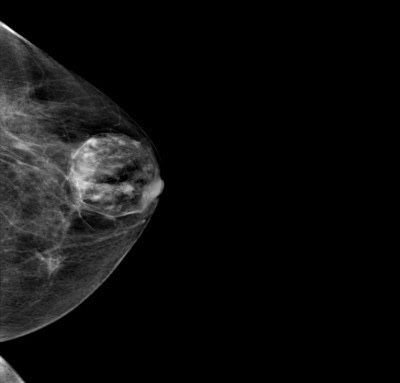
La Importancia de la Mastografía

Rodrigo Arrangoiz MS, MD, FACS es cirujano oncólogo experto en mamá y es miembro de la Sociedad Quirúrgica S.C en el Hospital ABC en la Ciudad de México: 

Es un experto en el manejo del cáncer de seno. 

Si tiene alguna pregunta sobre el examen de detección de cáncer de seno, no dude en comunicarse con el Dr. Arrangoiz.


👉Rodrigo Arrangoiz MS, MD, FACS a surgical oncologist and is a member of Sociedad Quirúrgica S.C at the America British Cowdray Medical Center in Mexico City:

👉He is an expert in the management of breast cancer.

👉If you have any questions about the screening for breast cancer please fill free to contact Dr. Arrangoiz.

Parathyroid Articles

Check out these Parathyroid-related articles published online or in print last week!

Short-term medical treatment of hypercalcaemia in primary hyperparathyroidism predicts symptomatic response after parathyroidectomy. Koman A, Ohlsson S, Bränström R, Pernow Y, Bränström R, Nilsson IL. Br J Surg. 2019 Oct 9. PMID: 31595982 https://www.ncbi.nlm.nih.gov/pubmed/31595982

Parathyroid surgery: an evidence-based volume-outcomes analysis : European Society of Endocrine Surgeons (ESES) positional statement. Iacobone M, Scerrino G, Palazzo FF. Langenbecks Arch Surg. 2019 Oct 8. PMID: 31595330 https://www.ncbi.nlm.nih.gov/pubmed/31595330

Risk factors for vertebral fracture in primary hyperparathyroidism. Liu M, Williams J, Kuo J, Lee JA, Silverberg SJ, Walker MD. Endocrine. 2019 Oct 3. PMID: 31583576 https://www.ncbi.nlm.nih.gov/pubmed/31583576

American Association of Clinical Endocrinologists Endocrine Society

Angiosarcoma of the Breast

  • Angiosarcoma (AS) of the breast is rare:
  • Accounting for far less than 1% of all soft tissue breast tumors.
  • It presents as a primary tumor of the breast or as a secondary lesion most commonly associated with previous radiotherapy:
  • Primary AS has been observed in women ages 30 to 50 years presenting with poorly defined masses.
  • It accounts for less than 0.04% of malignant neoplasms.
  • Typically arises in the parenchyma of the breast, and has occasional skin involvement.
    • Women with primary AS usually present with a palpable mass, fullness or swelling in the breast:
    • Which at times can be rapidly growing.
  • In contrast, secondary AS presents in older women (median age 67 to 71 years) following a median of 10.5 years after radiotherapy for breast cancer:
  • The median latency to presentation after radiotherapy in 7 series ranges from 5 to 10 years.
  • Although a causal relationship between radiation exposure and AS has not been established, multiple case reports support the increased risk for AS following adjuvant radiotherapy:
  • It has been proposed that at radiation doses greater than 50 Gy, apoptosis occurs while at less than 50 Gy DNA damage and instability result.
  • Sarcomas frequently occur at the edge of radiation fields where doses and tumor necrosis may be heterogeneous.
    • When associated with chronic lymphedema and located outside a radiated field:
    • AS in an edematous limb after mastectomy and radiotherapy is referred to as Stewart–Treves syndrome.
    • Secondary AS presents as painless bruising that is frequently multifocal but can present with a mass:
    • It is often neglected because of its seemingly innocent appearance.
    • There are other varied descriptions of the presenting signs including :
    • Purplish discoloration, eczematous rash, hematoma-like swelling, and diffuse breast swelling.

4.31.1.item

  • Kasabach–Merritt syndrome, also known as hemangioma with thrombocytopenia, is a rare disease in which vascular tumors lead to platelet sequestration and hemorrhage:Although it occurs primarily in infants with hemangioma, rarely has it been reported in angiosarcomas.
  • On histopathological analysis the lesions are notable for irregular vascular formations with hyperchromatic and irregular nuclei (Figure ):

4.31.1.critique

  • The diagnosis can be clarified by immunohistologic staining for the endothelial marker CD31 as in this case which determines the tumor is of endothelial origin:CD31 is the most sensitive and specific indicator of angiogenic proliferation; however, the lesions will also stain positive for the vascular markers:Factor VIII, and Fli1, and will usually at least be weakly positive for CD34.


Rodrigo Arrangoiz MS, MD, FACS a surgical oncologist and is a member of Sociedad Quirúrgica S.C at the America British Cowdray Medical Center in Mexico City:

  • He is an expert in the management of breast cancer.

    • If you have any questions about angiosarcoma of the breast cancer  please fill free to contact Dr. Arrangoiz.

Training:

• General surgery:

• Michigan State University:

• 2004 al 2010

• Surgical Oncology / Head and Neck Surgery / Endocrine Surgery:

• Fox Chase Cancer Center (Filadelfia):

• 2010 al 2012

• Masters in Science (Clinical research for health professionals):

• Drexel University (Filadelfia):

• 2010 al 2012

• Surgical Oncology / Head and Neck Surgery / Endocrine Surgery:

• IFHNOS / Memorial Sloan Kettering Cancer Center:

• 2014 al 2016

#Arrangoiz

#Surgeon

#Cirujano

#SurgicalOncologist

#CirujanoOncologo

#BreastSurgeon

#CirujanodeMama

#CancerSurgeon

#CirujanodeCancer

http://www.sociedadquirúrgica.com