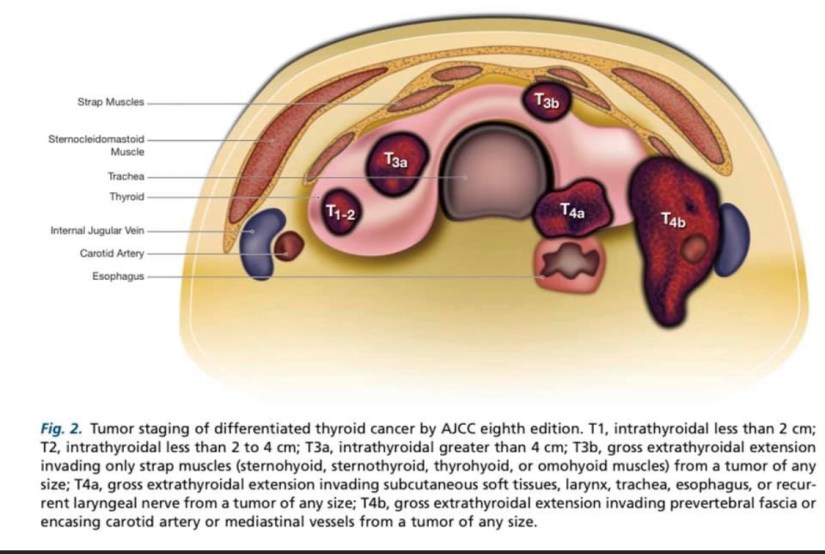
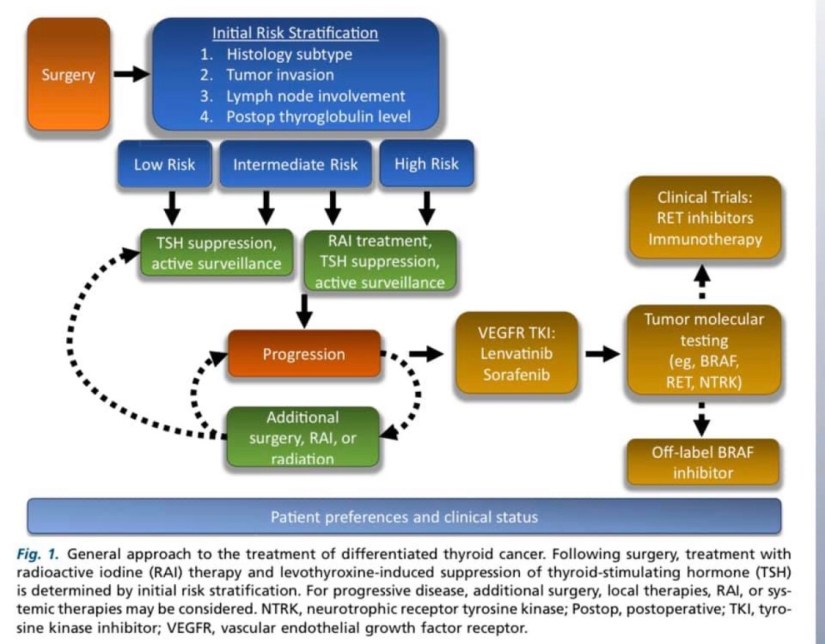
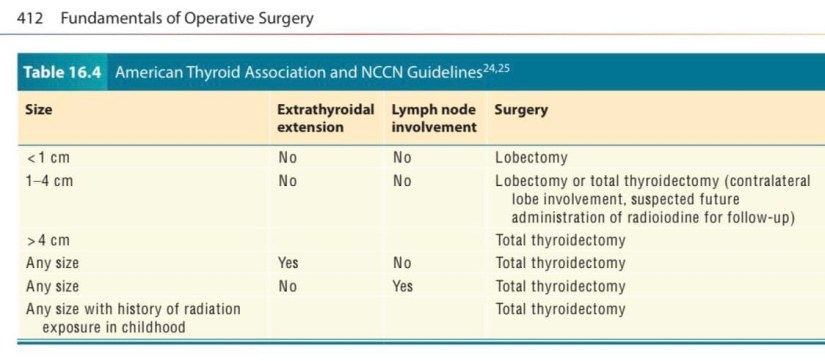
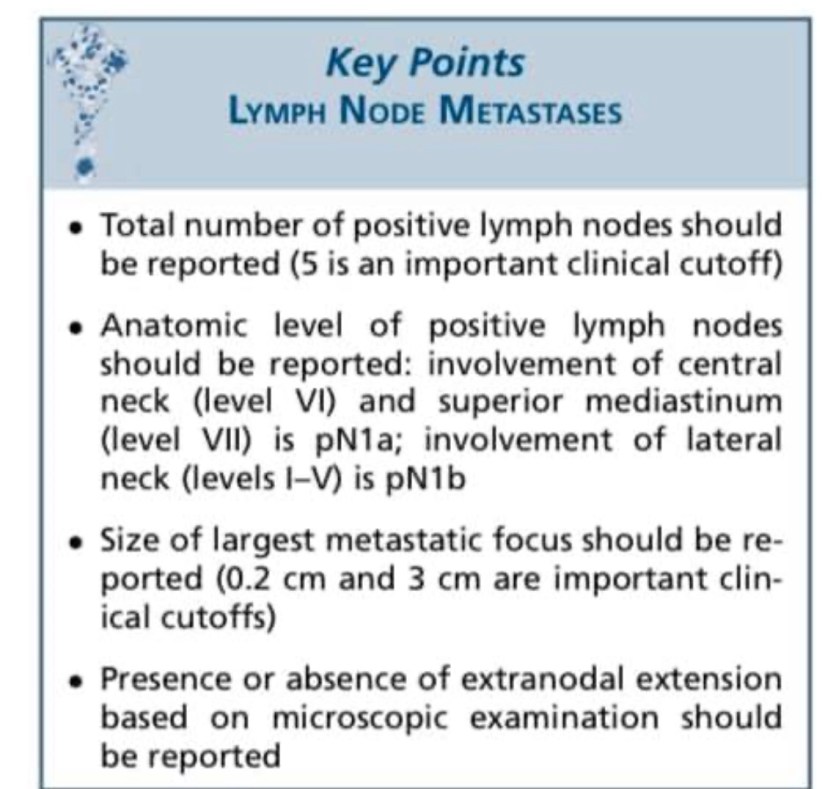
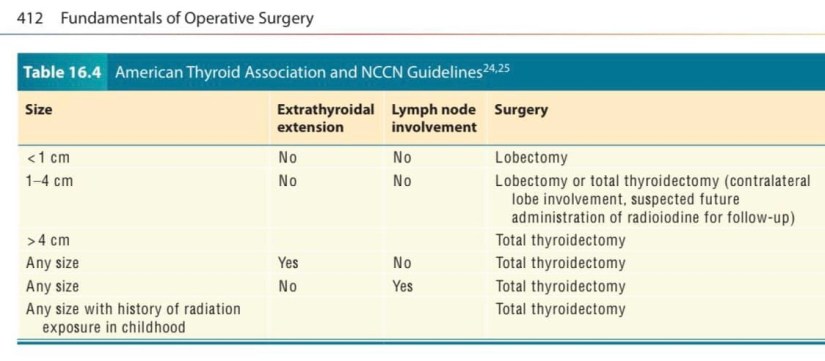
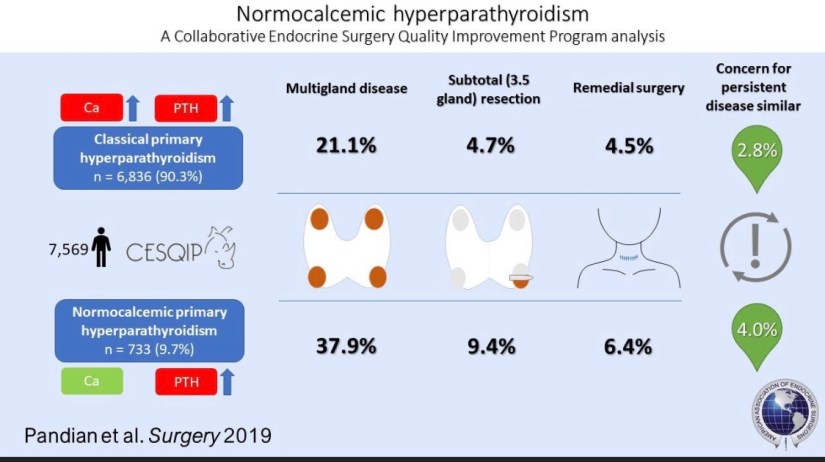
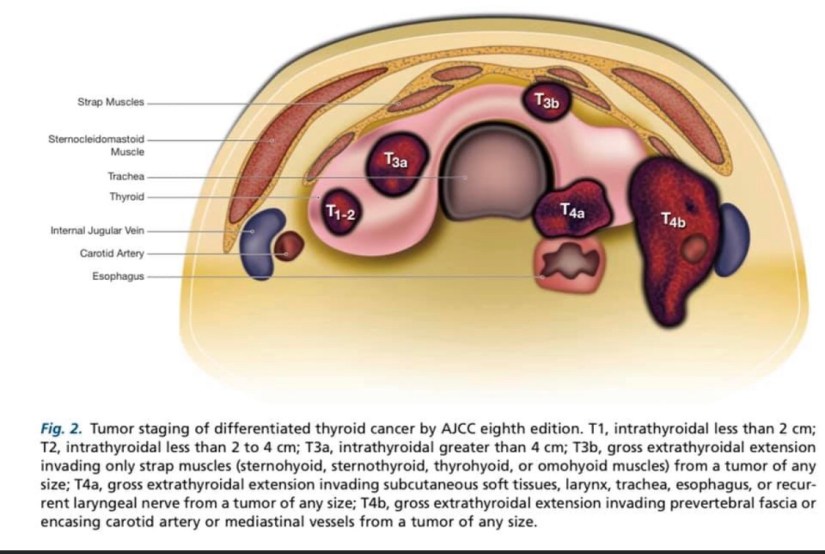
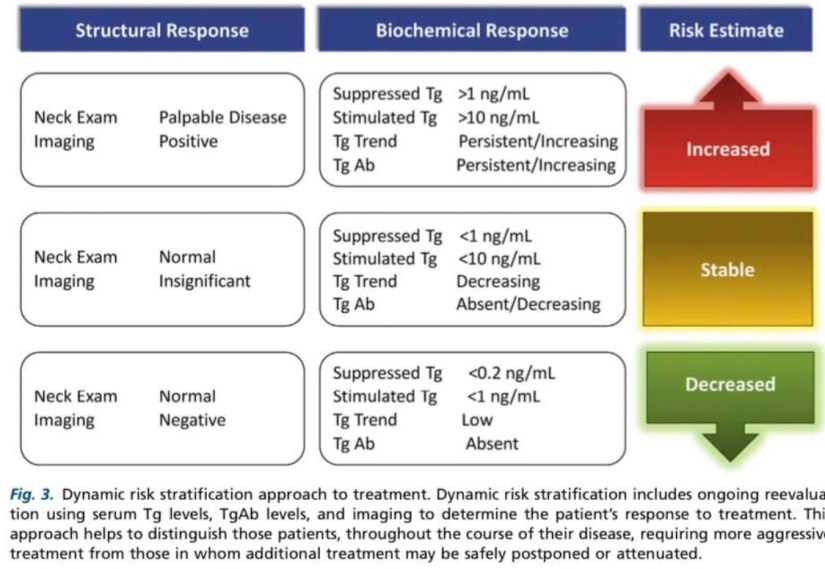
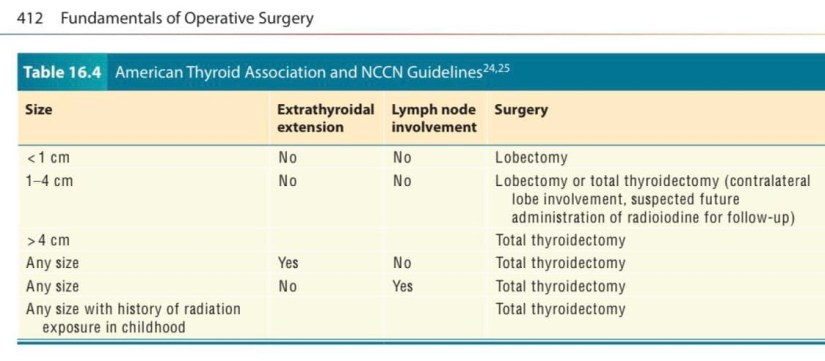
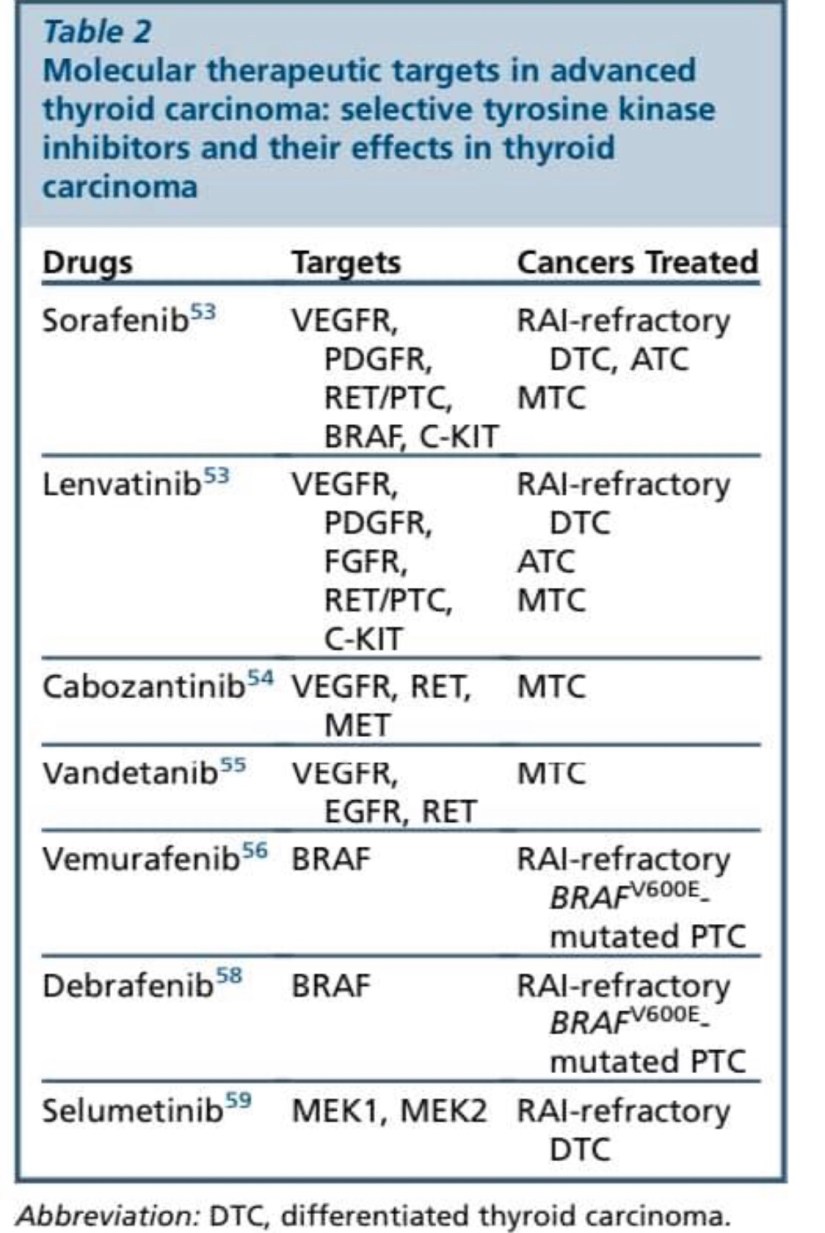
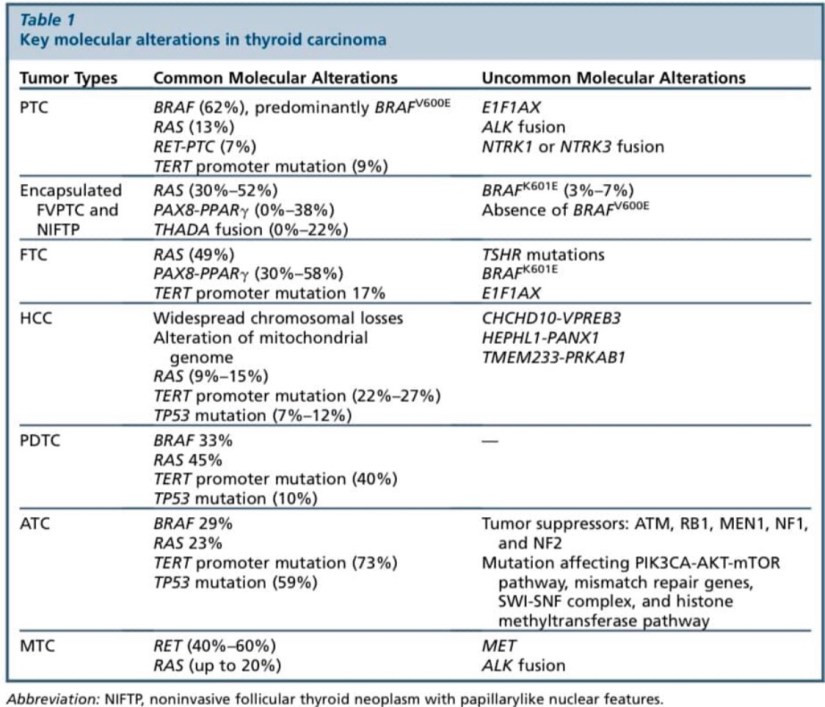
The Six W´s of Surgical Thyroidology

W ho (should have thyroid surgery)?

W hat (operation should be performed)?

W here (should the surgery be performed)?

W hen (to intervene)?

W hy (should be operate or not)?

How (innovations in surgical technique)

👉Rodrigo Arrangoiz MS, MD, FACS cirujano de tumores de cabeza y cuello y cirugía endocrina de Sociedad Quirúrgica S.C. es experto en el manejo de nódulos tiroides y del cáncer de tiroides.

👉Articulo publicado por el Dr. Arrangoiz sobre el manejo de nódulos tiroides:

https://file.scirp.org/pdf/IJOHNS_2018072717023407.pdf

👉Es pionero en México:

  • Cirugia tiroidea minimamente invasiva
  • La cirugia minimamente invasiva radio-guiada de paratiroides

👉Su entrenamiento fue el siguiente:

• Cirugia general y gastrointestinal:
• Michigan State University:
• 2004 al 2010image-48• Cirugia oncológica / tumores de cabeza y cuello / cirugia endocrina:
• Fox Chase Cancer Center (Filadelfia):
• 2010 al 2012image-39• Maestria en ciencias (Clinical research for healthprofessionals):
• Drexel University (Filadelfia):
• 2010 al 2012image-50• Cirugia de tumores de cabeza y cuello / cirugiaendocrina
• IFHNOS / Memorial Sloan Kettering Cancer Center:
• 2014 al 2016

image-6image-51 

http://www.sociedadquirurgica.com

http://www.hiperparatiroidismo.info

http://www.cirugiatiroides.com

#Arrangoiz

#CirugiadeTumoresdeCabezayCuello

#CirugiaEndocrina

#CirugiaOncologica

#HeadandNeckSurgery

#EndocrineSurgery

#SurgicalOncology


Primary Lymphoma of the Breast

👉Primary lymphoma of the breast is a rare, non-epithelial neoplasm that represents less than 0.5% of breast malignancies.
👉It most commonly presents in women over the age of 40 years.
👉Though a variety of histologic types may be seen, most primary breast lymphomas are non-Hodgkin lymphomas of the diffuse large B-cell type.
👉There has been a recent association between breast implants and anaplastic large cell lymphoma, a T-cell lymphoma subtype.
👉About 10% of patients will report constitutional B symptoms (ie, fever, night sweats, weight loss).
👉Wiseman and Liao described four criteria defining primary breast lymphomas in 1972:
👉All of the following must be met for this diagnosis:
👉First, the breast is the clinical site of presentation.
👉Second, there is no history of lymphoma or evidence of widespread disease.
👉Third, there is lymphoma in close association with breast parenchyma on pathologic evaluation.
👉Fourth, ipsilateral nodal involvement, if present, developed simultaneously with the breast tumor.
👉Lymphomas of the breast that do not meet these criteria qualify as secondary tumors.
👉Primary breast lymphoma is either stage IE—localized to the breast or stage IIE—involving both the breast and the ipsilateral axillary lymph nodes.
👉Concurrent axillary nodal involvement is seen in about 30% of patients. 

Rodrigo Arrangoiz MS, MD, FACScirujano oncology y miembro de Sociedad Quirúrgica S.C en el America British Cowdray Medical Center en la ciudad de Mexico:

  • Es experto en el manejo del cáncer de mama.

Training:

• General surgery:

• Michigan State University:

• 2004 al 2010

• Surgical Oncology / Head and Neck Surgery / Endocrine Surgery:

• Fox Chase Cancer Center (Filadelfia):

• 2010 al 2012

• Masters in Science (Clinical research for health professionals):

• Drexel University (Filadelfia):

• 2010 al 2012

• Surgical Oncology / Head and Neck Surgery / Endocrine Surgery:

• IFHNOS / Memorial Sloan Kettering Cancer Center:

• 2014 al 2016

#Arrangoiz

#Surgeon

#Cirujano

#SurgicalOncologist

#CirujanoOncologo

#BreastSurgeon

#CirujanodeMama

#CancerSurgeon

#CirujanodeCancer

REFERENCES

  1. Aviles A, Delgado S, Nambo MJ, Neri N, Murillo E, Cleto S. Primary breast lymphoma: results of a controlled clinical trial. Oncology. 2005;69:256-260. [PubMed: 16166814]. http://www.ncbi.nlm.nih.gov/pubmed/16166814
  2. Aviv A, Tadmor T, Polliack A. Primary diffuse large B-cell lymphoma of the breast: looking at pathogenesis, clinical issues and therapeutic options. Ann Oncol. 2013;24:2236-2244. [PubMed: 23712546]. http://www.ncbi.nlm.nih.gov/pubmed/?term=23712546
  3. el-Ghazawy IM, Singletary SE. Surgical management of primary lymphoma of the breast. Ann Surg. 1991;214:724-726. [PubMed: 1741653]. http://www.ncbi.nlm.nih.gov/pubmed/?term=1741653
  4. Jennings WC, Baker RS, Murray SS, et al. Primary breast lymphoma: the role of mastectomy and the importance of lymph node status. Ann Surg. 2007;245:784-789. [PubMed: 17457172] http://www.ncbi.nlm.nih.gov/pubmed/?term=17457172
  5. Miranda RN, Aladily TN, Prince HM, et al. Breast implant-associated anaplastic large-cell lymphoma: long-term follow-up of 60 patients. J Clin Oncol. 2013;32:114-120. [PubMed: 25254804]. https://www.ncbi.nlm.nih.gov/pubmed/24323027
  6. Ryan G, Martinelli G, Kuper-Hommel M, et al; International Extranodal Lymphoma Study Group. Primary diffuse large B-cell lymphoma of the breast: prognostic factors and outcomes of a study by the International Extranodal Lymphoma Study Group. Ann Oncol. 2008;19:233-241. [PubMed: 17932394]. https://www.ncbi.nlm.nih.gov/pubmed/17932394
  7. Wiseman C, Liao KT. Primary lymphoma of the breast. Cancer. 1972;29:1705-1712. [PubMed: 4555557]. http://www.ncbi.nlm.nih.gov/pubmed/4555557

Radial Scar High Risk Breast Lesion

👉Radial scar, a complex sclerosing ductal lesion of the breast, is a common high-risk lesion, noted to occur in 28% of women at autopsy.

👉This lesion, which can be multicentric in 44% of cases, often presents as suspicious lesions on standard imaging, mimicking invasive cancer.

👉These can be confused histologically with scirrhous or tubular carcinomas of the breast, but there is greater reproducibility in its diagnosis by pathologists when compared with other high-risk epithelial lesions.

👉Meanwhile, molecular assessment so far has not provided much practical insight.

👉It has long been known that a substantial proportion of radial scar lesions detected on needle biopsy will be upgraded to cancer.

👉Numerous series have found an association with either DCIS or invasive breast cancer on excision and demonstrate a likelihood of finding malignancy in approximately 9% to 40% of cases.

👉There has been much controversy over the association between radial scar and the presence or development of breast cancer.

👉In a case-control study from a single institution of 1,396 women from whom radial scars were identified in 99 individuals, the risk of breast cancer development was 1.8 times that of controls, whereas the presence of radial scar in association with other lesions, such as proliferative disease without and with atypia, increased a woman’s risk three- to sixfold.

👉In a second series of 9,556 women, among whom 880 (9.2%) had radial scar, the risk of breast cancer was 7.0% over 20.4 years of follow-up compared with 5.5% of controls.

👉In one recent study of 292 core biopsies showing radial scar, 75% were a pure radial scar, and only one had DCIS.

👉Six other patients had a malignancy, but these were found in association with ADH or lobular neoplasia, suggesting that not all radial scars require excision.

👉Multiple other studies have similarly suggested that in the absence of concurrent high-risk lesions, radial scar may not require excision, although radial scar is only rarely found without concurrent proliferative disease present.

👉Nevertheless, standard practice at this time still remains excision to rule out malignancy at the site of a radial scar found on core biopsy.

👉This is most likely out of an abundance of caution because predictors of malignancy are still being investigated, and observational series remain small, with little follow-up.

👉Rodrigo Arrangoiz MS, MD, FACScirujano oncology y miembro de Sociedad Quirúrgica S.C en el America British Cowdray Medical Center en la ciudad de Mexico:

  • Es experto en el manejo del cáncer de mama.

Training:

• General surgery:

• Michigan State University:

• 2004 al 2010

• Surgical Oncology / Head and Neck Surgery / Endocrine Surgery:

• Fox Chase Cancer Center (Filadelfia):

• 2010 al 2012

• Masters in Science (Clinical research for health professionals):

• Drexel University (Filadelfia):

• 2010 al 2012

• Surgical Oncology / Head and Neck Surgery / Endocrine Surgery:

• IFHNOS / Memorial Sloan Kettering Cancer Center:

• 2014 al 2016
#Arrangoiz

#Surgeon

#Cirujano

#SurgicalOncologist

#CirujanoOncologo

#BreastSurgeon

#CirujanodeMama

#CancerSurgeon

#CirujanodeCancer

A Positive Sentinel Lymph Node Biopsy (SLNB) Mean Axillary Lymph Node Dissection (ALND)

img_3754

  • A patient with early breast cancer diagnosis who underwent breast conserving surgery and had one out of two SLN positive for metastatic disease but without extra-capsular extension:
    • Should this patient undergo ALND?
      • The risk of finding additional lymph node metastases in this clinical scenario:
        • Is approximately 27%
    • The standard approach has been to recommend ALND when sentinel nodes are positive:
      • However, the results from ACOSOG Z0011 have changed this practice in node-positive women with T1 to T2 breast cancer treated with breast conservation:
        • This study randomized patients found to have 1 to 2 histologically positive SLNs to no further axillary surgery versus ALND
        • Most patients received whole-breast radiotherapy and systemic therapy
        • At a median follow-up of 6.3 years:
          • The investigators found no significant difference in:
            • Local regional control, overall survival, or disease-free survival between those who received ALND and those who did not
        • Regional recurrence rates were less than 1% in both groups
    • The results of ACOSOG Z0011 were practice changing:
      • As the study emphasized that effective systemic therapy and radiation therapy coupled with less-extensive surgery provided equivalent local control and survival to aggressive axillary surgery in clinically node-negative patients with metastases in 1 or 2 SLNs
    • There is no evidence that removal of additional lymph nodes is beneficial
  • A positive sentinel node:
    • Is no longer an indication for ALND in the setting of breast conservation when no more than 2 nodes are involved

cancer-of-the-vulva-38-638bc-3650984-001-8colsentinel-lymph-node-concept-in-early-breast-cancer-by-prof-r-wasike-19-638

👉Rodrigo Arrangoiz MS, MD, FACS cirujano oncology y miembro de Sociedad Quirúrgica S.C en el America British Cowdray Medical Center en la ciudad de Mexico:

  • Es experto en el manejo del cáncer de mama.

Training:

• General surgery:

• Michigan State University:

• 2004 al 2010

• Surgical Oncology / Head and Neck Surgery / Endocrine Surgery:

• Fox Chase Cancer Center (Filadelfia):

• 2010 al 2012

• Masters in Science (Clinical research for health professionals):

• Drexel University (Filadelfia):

• 2010 al 2012

• Surgical Oncology / Head and Neck Surgery / Endocrine Surgery:

• IFHNOS / Memorial Sloan Kettering Cancer Center:

• 2014 al 2016

#Arrangoiz

#Surgeon

#Cirujano

#SurgicalOncologist

#CirujanoOncologo

#BreastSurgeon

#CirujanodeMama

#CancerSurgeon

#CirujanodeCancer

http://www.sociedadquirurigca.com

Clinical Features of Pregnancy Associated Breast Cancer (PABC)

img_3754

CGSO_16206-figure1

img_3808-1

👉Rodrigo Arrangoiz MS, MD, FACS cirujano oncology y miembro de Sociedad Quirúrgica S.C en el America British Cowdray Medical Center en la ciudad de Mexico:

  • Es experto en el manejo del cáncer de mama.

Training:

• General surgery:

• Michigan State University:

• 2004 al 2010

• Surgical Oncology / Head and Neck Surgery / Endocrine Surgery:

• Fox Chase Cancer Center (Filadelfia):

• 2010 al 2012

• Masters in Science (Clinical research for health professionals):

• Drexel University (Filadelfia):

• 2010 al 2012

• Surgical Oncology / Head and Neck Surgery / Endocrine Surgery:

• IFHNOS / Memorial Sloan Kettering Cancer Center:

• 2014 al 2016

#Arrangoiz

#Surgeon

#Cirujano

#SurgicalOncologist

#CirujanoOncologo

#BreastSurgeon

#CirujanodeMama

#CancerSurgeon

#CirujanodeCancer

http://www.sociedadquirurigca.com

Isthmus Thyroid Cancer

👉The thyroid gland is shaped like a butterfly with two wings or lobes on either side of the windpipe that are joined together by a bridge of tissue, called the isthmus, which crosses over the front of the windpipe.

👉Most thyroid cancers are found in the lobes and only 2% to 9% of cancers are located in the isthmus.

👉Investigators have reported that cancers in isthmus are more likely to spread outside of the thyroid.

👉While overall prognosis of papillary thyroid cancer is good, the prognosis of patients with cancer spreading out of the thyroid is less favorable.

👉Specific ultrasound features of nodules that are suspicious of cancer are: taller-than-wide shape, an irregular margin, markedly dark appearance and microcalcifications.

👉However, these findings are based on cancers located in the thyroid lobes and so far there are no reports on characteristics of suspicious nodules located in the isthmus.

👉Hahn SY et al. Published the following study:

– Ultrasound findings of papillary thyroid carcinoma originating in the isthmus: comparison with lobe originating papillary thyroid carcinoma. AJR Am J Roentgenol 2014;203:637-42.

👉At total of 48 patients with papillary thyroid cancer located in the isthmus and 96 patients with papillary thyroid cancer located in lobes were identified between 2007 and 2008.

👉All the patients had undergone preoperative ultrasound of the neck, total thyroidectomy with bilateral central-lymph-node dissection and postoperative follow-up for at least 2 years.

👉The cancers located in the isthmus showed a higher frequency of the cancer spreading outside of the thyroid as compared with cancers located in the lobe (83% vs. 66%).

👉Both groups showed no differences in term of other prognostic factors.

👉Ultrasound imaging showed that cancers located in the isthmus were associated with a higher incidence of the following features than tumors located in the lobes: wider-than-tall shape (91.7% vs. 56.3%) and ultrasound findings suspicious for tumor spreading outside the thyroid (93.8% vs. 53.1%).

👉In addition, in the group of patients with spread of the cancer to the lymph nodes, cancers located in the lobe tended to associate with lymph node spread at the same side of the cancer (84.6%), whereas patients with isthmus cancers tended to have lymph node involvement on the both sides of the neck (50%).

👉The results of this study suggest that papillary thyroid cancers located in the isthmus are more likely to spread outside of the thyroid than cancers located in the lobes.

👉Because of these findings, a biopsy should be performed in all isthmus nodules with suspicious findings by ultrasound and special attention should be paid to search for abnormal lymph nodes on both sides of the neck – Rodrigo Arrangoiz MS, MD, FACS

Rodrigo Arrangoiz MS, MD, FACS cirujano de tumores de cabeza y cuello y cirugía endocrina de Sociedad Quirúrgica S.C. es experto en el manejo de nódulos tiroides y del cáncer de tiroides.

Articulo publicado por el Dr. Arrangoiz sobre el manejo de nódulos tiroides:

https://file.scirp.org/pdf/IJOHNS_2018072717023407.pdf

Es pionero en México:

  • Cirugia tiroidea minimamente invasiva
  • La cirugia minimamente invasiva radio-guiada de paratiroides

Su entrenamiento fue el siguiente:

• Cirugia general y gastrointestinal:
• Michigan State University:
• 2004 al 2010image-48• Cirugia oncológica / tumores de cabeza y cuello / cirugia endocrina:
• Fox Chase Cancer Center (Filadelfia):
• 2010 al 2012image-39• Maestria en ciencias (Clinical research for healthprofessionals):
• Drexel University (Filadelfia):
• 2010 al 2012image-50• Cirugia de tumores de cabeza y cuello / cirugiaendocrina
• IFHNOS / Memorial Sloan Kettering Cancer Center:
• 2014 al 2016

image-6image-51 

http://www.sociedadquirurgica.com

http://www.hiperparatiroidismo.info

http://www.cirugiatiroides.com

#Arrangoiz

#CirugiadeTumoresdeCabezayCuello

#CirugiaEndocrina

#CirugiaOncologica

#HeadandNeckSurgery

#EndocrineSurgery

#SurgicalOncology


16d408b6-e189-4f5e-97fb-b195e9e67b6f

Pregnancy-Associated Breast Cancer (PABC)

👉Pregnancy-associated breast cancer (PABC) is defined as breast cancer diagnosed during pregnancy or in the first postpartum year.

👉Breast cancer is the second most common malignancy affecting pregnant women.

👉It is estimated that one in 3,000 pregnant women is diagnosed with breast cancer and that up to 3% of all breast cancers are associated with pregnancy.

👉In general, breast cancer in young women is rare; the estimated incidence of breast cancer in women younger than 40 years of age was less than 4% in 2015 in the United States.

👉However, by definition, PABC occurs in women of reproductive age, and the average age of women with PABC is between 32 and 38 years of age.

👉The birth rate for women age 30 to 44 years has been steadily increasing in the past few decades, and as more women are delaying childbearing for various reasons, the incidence of PABC has risen and is expected to continue to rise.

👉As in non-PABC, the risk of PABC seems to be age related.

👉A large Canadian population cohort study using birth data from a national registry reported that PABC appeared to be more common among women with a first-term pregnancy occurring after the age of 35

👉Rodrigo Arrangoiz MS, MD, FACS cirujano oncology y miembro de Sociedad Quirúrgica S.C en el America British Cowdray Medical Center en la ciudad de Mexico:

  • Es experto en el manejo del cáncer de mama.

Training:

• General surgery:

• Michigan State University:

• 2004 al 2010

• Surgical Oncology / Head and Neck Surgery / Endocrine Surgery:

• Fox Chase Cancer Center (Filadelfia):

• 2010 al 2012

• Masters in Science (Clinical research for health professionals):

• Drexel University (Filadelfia):

• 2010 al 2012

• Surgical Oncology / Head and Neck Surgery / Endocrine Surgery:

• IFHNOS / Memorial Sloan Kettering Cancer Center:

• 2014 al 2016

#Arrangoiz

#Surgeon

#Cirujano

#SurgicalOncologist

#CirujanoOncologo

#BreastSurgeon

#CirujanodeMama

#CancerSurgeon

#CirujanodeCancer

http://www.sociedadquirurigca.com

Meta-analysis Reveals: The Suture You Choose Can Impact Surgical Site Infection Rates, Regardless of Wound Type

👉Meta-analysis demonstrates a 28% reduction in surgical site infection (SSI) risk with the use of triclosan-coated sutures.

👉In a meta-analysis that included 21 RCTs, 6462 patients, 95% CI: (14, 40%), P<0.001.

👉All triclosan-coated sutures in these RCTs were Ethicon Plus Antibacterial Sutures (MONOCRYL Plus Antibacterial (poliglecaprone 25) Suture, Coated VICRYL Plus Antibacterial (polyglactin 910) Suture, and PDS Plus Antibacterial (polydioxanone) Suture).

👉Four globally recognized health authorities recommend the use of triclosan-coated sutures for SSI prevention

👉CDC, WHO, NICE, and ACS/SIS guidelines on reducing the risk of surgical site infections are general to triclosan-coated sutures and are not specific to any one brand.

👉Sutures—like all implanted materials—can be a nidus for infection, because they lower the infective threshold; ie, they decrease the amount of bacteria needed to cause an SSI.

👉In fact, 67% of all SSIs are confined to the incision.

👉Plus Sutures have been shown in vitro to inhibit bacterial colonization of the suture for 7 days or more, for protection against the most common organisms associated with SSI.

👉Determining the ability of triclosan-coated sutures to help reduce the risk of SSI is the subject of 11 meta-analyses of 28 randomized controlled trials (RCTs) involving over 7,000 patients.

👉Prospectively planned meta-analyses of RCTs performed on the use of suture containing triclosan to lower SSI rates

👉Plus Sutures are available in barbed and non‑barbed designs and handle and perform just like non‑antibacterial sutures.

References:

1. de Jonge SW, Atema JJ, Solomkin JS, Boermeester MA. Meta-analysis and trial sequential analysis of triclosan-coated sutures for the prevention of surgical-site infection. Br J Surg. 2017;104(2):e118-e133. 

2. Berríos-Torres SI, Umscheid CA, Bratzler DW, et al. Centers for Disease Control and Prevention Guideline for the Prevention of Surgical Site Infection. JAMA Surg. 2017;152(8):784-791. doi:10.1001/jamasurg.2017.0904 

3. WHO Global Guidelines for the Prevention of Surgical Site Infection, 2016. 

4. Ban KA, Minei JP, Laronga C, et al. American College of Surgeons and Surgical Infection Society: Surgical Site Infection Guidelines, 2016 Update. J Am Coll Surg.2016;224:59-74. 

5. National Institute for Health and Care Excellence (2019) Surgical site infections: prevention and treatment (NICE Guideline 33). Available at: https://www.nice.org.uk/guidance/ng125/chapter/Recommendations#intraoperative-phase. Accessed 1 July 2019. 

6. Mangram J, Horan TC, Pearson ML, Silver LC, Jarvis WR. Guideline for Prevention of Surgical Site Infection, 1999. Centers for Disease Control Prevention (CDC) Hospital Infection Control Practices Advisory Committee. Am J Infect Control. 1999;27(2):97-132. 

7. WHO Guidelines for Safe Surgery 2009: Safe Surgery Saves Lives. Geneva: World Health Organization; 2009. 

8. Hendley JO, Ashe KM. Effect of topical antimicrobial treatment on aerobic bacteria in the stratum corneum of human skin. Antimicrob Agents Chemother. 1991;35(4):627-631. 

9. Ward KH, Olson ME, Lam K, Costerton JW. Mechanism of persistent infection associated with peritoneal implants. J Med Microbiol.1992;36(6):406-413. 

10. Kathju S, Nistico L, Hall-Stoodley L, et al. Chronic surgical site infection due to suture-associated polymicrobial biofilm. Surg Infect (Larchmt). 2009;10(5):457-461. 

11.Rothenburger S, Spangler D, Bhende S, Burkely D. In vitro antimicrobial evaluation of Coated VICRYL* Plus Antibacterial Suture (coated polyglactin 910 with triclosan) using zone of inhibition assays. Surg Infect (Larchmt).2002;3(Suppl 1):S79-S87. 

12. Ming X, Rothenburger S, Yang D. In vitro antibacterial efficacy of MONOCRYL plus antibacterial suture (poliglecaprone 25 with triclosan). Surg Infect (Larchmt). 2007;8(2):201-207. 

13. Ming X, Rothenburger S, Nichols M. In vivo and in vitro antibacterial efficacy of PDS plus (polidioxanone with triclosan) suture. Surg Infect (Larchmt).2008;9(4):451-457. 

14. Leaper DJ, Edmiston CE Jr, Holy CE. Meta-analysis of the potential economic impact following introduction of absorbable antimicrobial sutures. Br J Surg.2017;104(2):e134-e144. 

15. Apisarnthanarak A, Singh N, Bandong AN, et al. Triclosan-Coated Sutures Reduce the Risk of Surgical Site Infections: A Systematic Review and Meta-Analysis. Infect Control Hosp Epidemiol.2015;36:169-179. 

16. Chang WK, Srinivasa S, Morton R, et al. Triclosan-Impregnated Sutures to Decrease Surgical Site Infections: Systematic Review and Meta-Analysis of Randomized Trials. Ann Surg. 2012;255:854-859. 

17. Daoud FC, Edmiston CE Jr, Leaper D. Meta-analysis of prevention of surgical site infections following incision closure with triclosan-coated sutures: Robustness to new evidence. Surg Infect (Larchmt). 2014;15:165-181. 

18. Daoud FC. Systematic Literature Review Update of the PROUD Trial: Potential Usefulness of a Collaborative Database. Surg Infect (Larchmt).2014;15:857-858. 

19. Edmiston CE, Daoud FC, Leaper D. Is there an evidence-based argument for embracing an antimicrobial (triclosan)-coated suture technology to reduce the risk for surgical-site infections?: A meta-analysis. Surgery. 2013;154:89-100. 

20. Guo J, Pan LH, Li YX, et al. Efficacy of triclosan-coated sutures for reducing risk of surgical site infection in adults: a meta-analysis of randomized clinical trials. J Surg Res. 2016;201:105-117. 21. Sajid MS, Craciunas L, Sains P, et al. Use of antibacterial sutures for skin closure in controlling surgical site infections: a systematic review of published randomized, controlled trials. Gastroenterol Rep.2013;1:42-50. 

22. Sandini M, Mattavelli I, Nespoli L, Uggeri F, Gianotti L. Systematic review and meta-analysis of sutures coated with triclosan for the prevention of surgical site infection after elective colorectal surgery according to the PRISMA statement. Medicine (Baltimore).2016;95(35):e40-57 

23. Wang ZX, Jiang CP, Cao Y, et al. Systematic review and meta-analysis of triclosan-coated sutures for the prevention of surgical-site infection. Brit J Surg. 2013;100:465-473. 

24. Wu X, Kubilay NZ, Ren J, et al. Antimicrobial-coated sutures to decrease surgical site infections: a systematic review and meta-analysis. Eur J Clin Microbiol Infect Dis.2017;36(1):19-32. doi: 10.1007/s10096-016-2765-y. 

25. Ford HR, Jones P, Gaines B, Reblock K, Simpkins DL. Intraoperative Handling and Wound Healing: Controlled Clinical Trial Comparing Coated VICRYL Plus Antibacterial Suture (Coated Polyglactin 910 Suture with Triclosan) with Coated VICRYL Suture (Coated Polyglactin 910 Suture). Surg Infect (Larchmt).2005;6(3):313-321.

When to perform risk reducing surgery if BRCA positive patients?

👉The risk for ovarian cancer in BRCA1 mutation carriers ranges from 36% to 63%.
👉In a prospective multicenter cohort study of women with BRCA1 or BRCA2 mutations, women who underwent risk-reducing salpingo-oophorectomy had a lower risk of ovarian cancer, including those with or without prior breast cancer, and a lower risk of first diagnosis of breast cancer.
👉Undergoing a risk-reducing salpingo-oophorectomy was also associated with a lower all-cause mortality, breast cancer specific mortality, and ovarian cancer specific mortality.

👉Computer modeling has found that performing a prophylactic oophorectomy at age 40 years and prophylactic mastectomy at age 25 years, is the most effective combination strategy to obtain a 26% survival gain by age 70 years compared with no interventions.

👉However, performing a prophylactic oophorectomy early in life can limit reproductive options and cause early menopause and its accompanying health risks. 

👉In a recent study of 5783 BRCA1 and BRCA2 mutation carriers from a prospective international registry, preventive oophorectomy was associated with an 80% reduction in the risk of ovarian, fallopian tube, or peritoneal cancer and a 77% reduction in all-cause mortality.

👉The authors also concluded that the data support the recommendation for BRCA1 mutation carriers to undergo oophorectomy at age 35 years.

👉After this age, the risk of ovarian cancer increases. 

Rodrigo Arrangoiz MS, MD, FACS cirujano oncology y miembro de Sociedad Quirúrgica S.C en el America British Cowdray Medical Center en la ciudad de Mexico:

  • Es experto en el manejo del cáncer de mama.

Training:

• General surgery:

• Michigan State University:

• 2004 al 2010

• Surgical Oncology / Head and Neck Surgery / Endocrine Surgery:

• Fox Chase Cancer Center (Filadelfia):

• 2010 al 2012

• Masters in Science (Clinical research for health professionals):

• Drexel University (Filadelfia):

• 2010 al 2012

• Surgical Oncology / Head and Neck Surgery / Endocrine Surgery:

• IFHNOS / Memorial Sloan Kettering Cancer Center:

• 2014 al 2016

#Arrangoiz

#Surgeon

#Cirujano

#SurgicalOncologist

#CirujanoOncologo

#BreastSurgeon

#CirujanodeMama

#CancerSurgeon

#CirujanodeCancer

http://www.sociedadquirurigca.com

REFERENCES

  1. Domchek S, Friebel TM, Singer CF, et al. Association of risk-reducing surgery in BRCA1 and BRCA2 mutation carriers with cancer risk and mortality. JAMA. 2010;9:967-975. http://www.ncbi.nlm.nih.gov/pubmed/20810374
  2. Finch AP, Lubinski J, Møller P, et al. Impact of oophorectomy on cancer incidence and mortality in women with a BRCA1 or BRCA2 mutation. J Clin Oncol. 2014;32:1547-1553. http://www.ncbi.nlm.nih.gov/pubmed/24567435
  3. Guillem JG, Wood WC, Moley JF, et al; ASCO; SSO. ASCO/SSO review of current role of risk-reducing surgery in common hereditary cancer syndromes. J Clin Oncol. 2006;24:4642-4660. http://www.ncbi.nlm.nih.gov/pubmed/17008706
  4. Kurian AW, Sigal BM, Plevritis SK. Survival analysis of cancer risk reduction strategies for BRCA1/2 mutation carriers. J Clin Oncol. 2010;28:222-230. http://www.ncbi.nlm.nih.gov/pubmed/19996031

Intraoperative Radiation for Breast Cancer – Is it Ready for Prime Time?

👉Conventional whole-breast external beam radiation therapy (EBRT) over 6 weeks is burdensome for many patients, and hypofractionated whole-breast irradiation and accelerated partial breast radiation (APBI) have gained increasing acceptance and appeal as an alternative to EBRT for select groups of patients.
👉In 2016, the American Society for Radiation Oncology (ASTRO) published an updated APBI consensus statement of guidelines regarding which categories of patients are suitable for APBI based on low-risk clinical and tumor characteristics.
👉Patients deemed suitable for APBI were those age 50 years and older with tumors that were T1 (equal or less than 20 mm?, ER-positive, node-negative.
👉Intraoperative radiation therapy is a form of partial breast irradiation that is different from APBI but generally should not be grouped with other APBI modalities.
👉Intraoperative radiation therapy technique differs from APBI and thus has significant differences in terms of outcomes and toxicities.
👉Current guidelines suggest electron IORT may be reasonable in suitable APBI patients while low-energy IORT is recommended on protocol or registry.
👉Two randomized controlled trials of IORT have now been published, the ELIOT trial (which used electrons) and the TARGIT-A trial (which used 50-kV x-rays).
👉With a median follow-up of 5.8 years, the 5-year in-breast recurrence rate in the ELIOT trial was significantly higher in the IORT versus the EBRT group (4.4 vs 0.4%, P=0.001).
👉Similarly, in the TARGIT-A trial, with median 29 months follow-up, in-breast recurrence rate was significantly higher in the IORT versus the EBRT group (3.3 vs 1.3%, P=0.042).

👉Although observed 5-year recurrence rates were lower among a subset of low-risk patients commensurate with ASTRO “suitable” APBI guidelines (1.5%, ELIOT trial), this subset was small and follow-up short.

👉Therefore, recent critical analyses of both the ELIOT and TARGIT trials concluded that IORT should only be offered as part of a strict institutional research protocol and is not yet standard of care for adjuvant post-lumpectomy radiation. 

REFERENCES

  1. Shah C, Vicini F, Wazer D, et al. The American Brachytherapy Society consensus statement for accelerated partial breast irradiation. Brachytherapy. 2013;12:267-277.
  2. Silverstein MJ, Fastner G, Maluta S, et al. Intraoperative radiation therapy: a critical analysis of the ELIOT and TARGIT trials. Part 1–ELIOT. Ann Surg Oncol. 2014;21:3787-3792.
  3. Silverstein MJ, Fastner G, Maluta S, et al. Intraoperative radiation therapy: a critical analysis of the ELIOT and TARGIT trials. Part 2–TARGIT. Ann Surg Oncol. 2014;21:3793-3799.
  4. Smith BD, Arthur DW, Buchholz TA, et al. Accelerated partial breast irradiation consensus statement from the American Society for Radiation Oncology (ASTRO). Int J Radiat Oncol Biol Phys. 2009; 74:987-1001.
  5. Vaidya JS, Wenz F, Bulsara M, et al; TARGIT Trialists’ Group. Risk-adapted targeted intraoperative radiotherapy versus whole-breast radiotherapy for breast cancer: 5-year results for local control and overall survival from the TARGIT-A randomised trial. Lancet. 2014;383:603-613.
  6. Veronesi U, Orecchia R, Maisonneuve P, et al. Intraoperative radiotherapy versus external radiotherapy for early breast cancer (ELIOT): a randomised controlled equivalence trial. Lancet Oncol. 2013;14:1269-1277.

Rodrigo Arrangoiz MS, MD, FACScirujano oncology y miembro de Sociedad Quirúrgica S.C en el America British Cowdray Medical Center en la ciudad de Mexico:

  • Es experto en el manejo del cáncer de mama.

Training:

• General surgery:

• Michigan State University:

• 2004 al 2010

• Surgical Oncology / Head and Neck Surgery / Endocrine Surgery:

• Fox Chase Cancer Center (Filadelfia):

• 2010 al 2012

• Masters in Science (Clinical research for health professionals):

• Drexel University (Filadelfia):

• 2010 al 2012

• Surgical Oncology / Head and Neck Surgery / Endocrine Surgery:

• IFHNOS / Memorial Sloan Kettering Cancer Center:

• 2014 al 2016

#Arrangoiz

#Surgeon

#Cirujano

#SurgicalOncologist

#CirujanoOncologo

#BreastSurgeon

#CirujanodeMama

#CancerSurgeon

#CirujanodeCancer

http://www.sociedadquirurigca.com