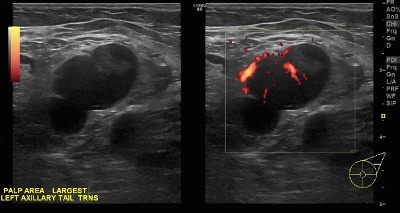
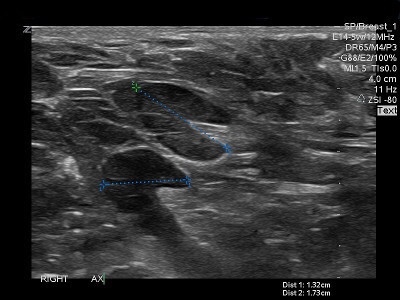
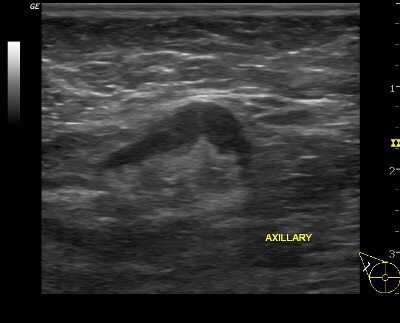
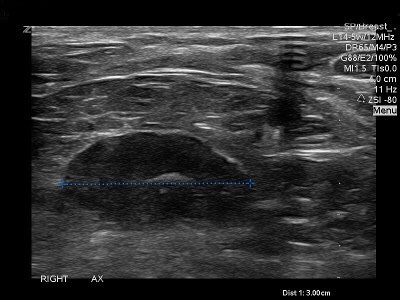
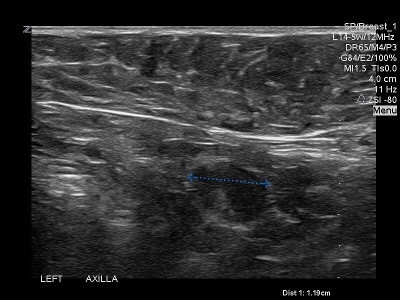
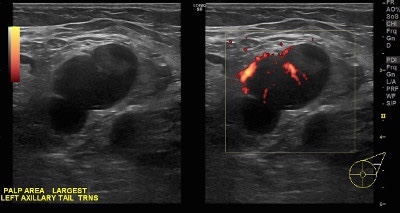
Management of the Axilla in Clinically Node-Positive Patients Following Neoadjuvant Chemotherapy (NAC)

cancer-of-the-vulva-38-638

  • Management of the axilla in clinically node-positive (cN1) patients following neoadjuvant chemotherapy (NAC) has evolved significantly over the past several years:
    • Historically:
      • The use of sentinel lymph node biopsy (SLNB) in initially node-positive patients after NAC was avoided because available data demonstrated :
        • False-negative rates approaching 25%:
          • Therefore, all patients were treated with axillary lymph node dissection post-NAC regardless of response to treatment.
    • Three recently published prospective studies evaluated the accuracy of sentinel node biopsy following NAC in patients presenting with node-positive disease:
      • Among 525 patients enrolled in the ACOSOG Z1071 trial with at least two sentinel nodes removed:
        • The false-negative rate was 12.6%>
          • However:
            • The false-negative rate was reduced to:
              • 10.8% when the SNB was performed with dual mapping (radioactive tracer and blue dye)
              • 9.1% when 3 or more sentinel nodes were removed.
      • Similarly, the overall false-negative rate among 226 clinically node-positive patients enrolled in the SENTinel NeoAdjuvant (SENTINA) prospective study:
        • Was 14.2%:
          • Which decreased to 8.6% with the use of dual mapping
          • 7.3% when 3 or more sentinel nodes were retrieved.
      • Although a false-negative rate of less than 10% is acceptable in the adjuvant setting:
        • Additional methods to decrease false-negative rates in this population are of clinical interest:
          • As the long-term consequences of leaving behind potentially “chemotherapy-resistant” cells are unknown:
            • One method to potentially improve the accuracy of SNB in this setting is:
              • To clip the cN1 positive node:
                • Then post-NAC localize the node and ensure removal of the clipped positive node at the time of SNB.
                • In a subset analysis of patients enrolled in the ACOSOG Z1071 trial with cN1 disease and at least two sentinel nodes removed, the false-negative rate of sentinel node biopsy was 6.8% when the clipped node was one of the sentinel nodes, 19% when the clipped node was found in the axillary dissection specimen, and identified, compared to 14.3% when the clip was placed but location was unknown.
                • The false-negative rate was 13.4% when no clip was placed.
        • Caudle et al. recently reviewed their experience with SNB and retrieval of the clipped node, also known as targeted axillary dissection, in clinically node-positive patients receiving NAC:
          • Among 85 patients who underwent targeted axillary dissection followed by axillary lymph node dissection, the false-negative rate was 2.0% compared to 10.6% for SNB alone in this cohort (p=0.13).
          • Importantly however, the mean number of sentinel lymph nodes removed in this cohort was 2.7 and dual tracer mapping was only used in 55% of the patients.
            • Further study of this technique is ongoing.
        • Other methods to minimize false-negative rates include documentation of treatment effect in the node:
          • Which may also serve as a surrogate that the original positive node(s) has/have been retrieved.
        • Although controversy exists as to the best method to evaluate the axilla post-NAC in patients presenting with node-positive disease:
          • SNB with localization of the clipped node and/or SNB with dual mapping and retrieval of 3 or more sentinel nodes are both acceptable approaches to the axilla following NAC.

REFERENCES

  1. Boileau JF, Poirier B, Basik M, et al. Sentinel node biopsy after neoadjuvant chemotherapy in biopsy-proven node-positive breast cancer: the SN FNAC study. J Clin Oncol. 2015:20;33:258-264. http://www.ncbi.nlm.nih.gov/pubmed/25452445
  2. Boughey JC, Suman VJ, Mittendorf EA, et al; Alliance for Clinical Trials in Oncology. Factors affecting sentinel lymph node identification rate after neoadjuvant chemotherapy for breast cancer patients enrolled in ACOSOG Z1071 (Alliance). Ann Surg. 2015;261:547-552. https://www.ncbi.nlm.nih.gov/pubmed/25664534
  3. Boughey JC, Suman VJ, Mittendorf EA, et al; Alliance for Clinical Trials in Oncology. Sentinel lymph node surgery after neoadjuvant chemotherapy in patients with node-positive breast cancer: the ACOSOG Z1071 (Alliance) clinical trial. JAMA. 2013;310:1455-1461. http://www.ncbi.nlm.nih.gov/pubmed/24101169
  4. Caudle AS, Yang WT, Krishnaumurthy S, et al. Improved axillary evaluation following neoadjuvant therapy for patients with node-positive breast cancer using selective evaluation of clipped nodes: implementation of targeted axillary dissection. J Clin Oncol. 2016;34:1072-1078. https://www.ncbi.nlm.nih.gov/pubmed/26811528
  5. Kuehn T, Bauerfeind I, Fehm T, et al. Sentinel-lymph-node biopsy in patients with breast cancer before and after neoadjuvant chemotherapy (SENTINA): a prospective, multicentre cohort study. Lancet Oncol. 2013;14:609-618. http://www.ncbi.nlm.nih.gov/pubmed/23683750
  6. Shen J, Gilcrease MZ, Babiera GV, et al. Feasibility and accuracy of sentinel node biopsy after preoperative chemotherapy in breast cancer patients with documented axillary metastases. Cancer. 2007;109:1255-1263. https://www.ncbi.nlm.nih.gov/pubmed/17330229

👉Rodrigo Arrangoiz MS, MD, FACS cirujano oncology y cirujano de mamá de Sociedad Quirúrgica S.C en el America British Cowdray Medical Center en la ciudad de Mexico:

  • Es experto en el manejo del cáncer de mama.

👉Es miembro de la American Society of Breast Surgeons:

Training:

• General surgery:

• Michigan State University:

• 2004 al 2010

• Surgical Oncology / Head and Neck Surgery / Endocrine Surgery:

• Fox Chase Cancer Center (Filadelfia):

• 2010 al 2012

• Masters in Science (Clinical research for health professionals):

• Drexel University (Filadelfia):

• 2010 al 2012

• Surgical Oncology / Head and Neck Surgery / Endocrine Surgery:

• IFHNOS / Memorial Sloan Kettering Cancer Center:

• 2014 al 2016

#Arrangoiz

#Surgeon

#Cirujano

#SurgicalOncologist

#CirujanoOncologo

#BreastSurgeon

#CirujanodeMama

#CancerSurgeon

#CirujanodeCancer

Decision Making – The Science Behind Been a Surgeon

👉Rodrigo Arrangoiz MS, MD, FACS cirujano oncology y cirujano de mamá de Sociedad Quirúrgica S.C en el America British Cowdray Medical Center en la ciudad de Mexico:

  • Es experto en el manejo del cáncer de mama.

👉Es miembro de la American Society of Breast Surgeons:

Training:

• General surgery:

• Michigan State University:

• 2004 al 2010

• Surgical Oncology / Head and Neck Surgery / Endocrine Surgery:

• Fox Chase Cancer Center (Filadelfia):

• 2010 al 2012

• Masters in Science (Clinical research for health professionals):

• Drexel University (Filadelfia):

• 2010 al 2012

• Surgical Oncology / Head and Neck Surgery / Endocrine Surgery:

• IFHNOS / Memorial Sloan Kettering Cancer Center:

• 2014 al 2016

#Arrangoiz

#Surgeon

#Cirujano

#SurgicalOncologist

#CirujanoOncologo

#BreastSurgeon

#CirujanodeMama

#CancerSurgeon

#CirujanodeCancer

Tumor Biology Correlates with Rates of Breast-Conserving Surgery (BCS) and Pathologic Complete Response (PCR) after Neoadjuvant Chemotherapy for Breast Cancer: Findings from the ACOSOG Z1071 (Alliance) Prospective Multicenter Clinical Trial

img_3761

  • Tumor biology correlates with rates of breast-conserving surgery and pathologic complete response after neoadjuvant chemotherapy for breast cancer: findings from the ACOSOG Z1071 (Alliance) prospective multicenter clinical trial
    • Judy C. Boughey, M.D.1, Linda M. McCall, M.S.2, Karla V. Ballman, Ph.D.3, Elizabeth A. Mittendorf, M.D., Ph.D.4, Gretchen M. Ahrendt, M.D.5, Lee G. Wilke, M.D.6, Bret Taback, M.D.7, A. Marilyn Leitch, M.D.8, Teresa Flippo-Morton, M.D.9, and Kelly K. Hunt, M.D.4 1Department of Surgery, Mayo Clinic, Rochester, Minnesota
      • Abstract:
        • Objective:
          • To determine the impact of tumor biology on rates of breast-conserving surgery and pathologic complete response (pCR) after neoadjuvant chemotherapy.
        • Summary Background Data:
          • The impact of tumor biology on the rate of breast-conserving surgery after neoadjuvant chemotherapy has not been well studied.
        • Methods:
          • They used data from ACOSOG Z1071, a prospective, multicenter study assessing sentinel node surgery after neoadjuvant chemotherapy in patients presenting with node-positive breast cancer from 2009 through 2011, to determine rates of breast-conserving surgery and pCR after chemotherapy by approximated biologic subtype.
        • Results:
          • Of the 756 patients enrolled on Z1071, 694 had findings available from pathologic review of breast and axillary specimens from surgery after chemotherapy.
          • Approximated subtype was triple-negative in 170 (24.5%) patients, HER2-positive in 207 (29.8%), and hormone- receptor-positive, HER2-negative in 317 (45.7%).
          • Patient age and clinical tumor and nodal stage at presentation did not differ across subtypes.
          • Rates of breast-conserving surgery were significantly higher in patients with triple-negative (46.8%) and HER2-positive tumors (43.0%) than in those with hormone-receptor-positive, HER2-negative tumors (34.5%) (P = 0.019).
          • Rates of pCR in both the breast and axilla were 38.2% in triple-negative, 45.4% in HER2-positive, and 11.4% in hormone-receptor-positive, HER2-negative disease (P < 0.0001).
          • Rates of pCR in the breast only and the axilla only exhibited similar differences across tumor subtypes.
        • Conclusions:
          • Patients with triple-negative and HER2-positive breast cancers have the highest rates of breast-conserving surgery and pCR after neoadjuvant chemotherapy:
            • Patients with these subtypes are most likely to be candidates for less invasive surgical approaches after chemotherapy.

👉Rodrigo Arrangoiz MS, MD, FACS cirujano oncology y cirujano de mamá de Sociedad Quirúrgica S.C en el America British Cowdray Medical Center en la ciudad de Mexico:

  • Es experto en el manejo del cáncer de mama.

👉Es miembro de la American Society of Breast Surgeons:

Training:

• General surgery:

• Michigan State University:

• 2004 al 2010

• Surgical Oncology / Head and Neck Surgery / Endocrine Surgery:

• Fox Chase Cancer Center (Filadelfia):

• 2010 al 2012

• Masters in Science (Clinical research for health professionals):

• Drexel University (Filadelfia):

• 2010 al 2012

• Surgical Oncology / Head and Neck Surgery / Endocrine Surgery:

• IFHNOS / Memorial Sloan Kettering Cancer Center:

• 2014 al 2016

#Arrangoiz

#Surgeon

#Cirujano

#SurgicalOncologist

#CirujanoOncologo

#BreastSurgeon

#CirujanodeMama

#CancerSurgeon

#CirujanodeCancer

👉Plática del Dr. Arrangoiz sobre el cáncer de mama:

Does microscopic positive tumor margin in papillary thyroid cancer really matter?

Does microscopic positive tumor margin in papillary thyroid cancer really matter?

Kyorim Back, Seo Ki Kim, Young Jun Chai, Jung-Han Kim, Jun-Ho Choe, Jee Soo Kim

https://doi.org/10.1016/j.surg.2019.07.021

Background

The clinical impact of microscopically positive tumor margin in papillary thyroid cancer is not well studied. The aim of this study is to evaluate the clinical importance of a microscopically positive margin for recurrence in papillary thyroid cancer patients and to examine whether recurrence and recurrence-free survival were affected by the location of the positive margin—anterior or posterior.

Methods

We conducted a retrospective cohort study at a single institution. From January 1997 to June 2015,6,293 papillary thyroid cancer patients who underwent total thyroidectomy with or without neck dissection (central and/or lateral) at the Thyroid Cancer Center of Samsung Medical Center (Seoul, South Korea) were included in the analyses.

Results

Of the 6,293 papillary thyroid cancer patients, an operative margin was microscopically involved in 313 (5.0%) on final pathologic report. The mean follow-up time was 77.5 months, and locoregional recurrence was observed in 244 (3.9%) patients. The presence of a microscopically positive margin did not increase the risk of locoregional recurrence (adjusted hazard ratio = 1.079, P = .140) after adjustment for other statistically significant factors in the Cox proportional hazard model. In addition, posterior positive margin was not a risk factor for locoregional recurrence as well (adjusted hazard ratio = 1.24, P = .672). In a propensity score–matching analysis, a microscopically positive margin did not increase the risk of locoregional recurrence.

Conclusion

Microscopic involvement of the operative margin in papillary thyroid cancer patients, whether anteriorly or posteriorly, does not appear be an independent prognostic factor in recurrence-free survival rates.

👉👉Rodrigo Arrangoiz MS, MD, FACS cirujano de tumores de cabeza y cuello y cirugía endocrina de Sociedad Quirúrgica S.C. es experto en el manejo de nódulos tiroides y del cáncer de tiroides.

👉Articulo publicado por el Dr. Arrangoiz sobre el manejo de nódulos tiroides:

https://file.scirp.org/pdf/IJOHNS_2018072717023407.pdf

👉Es pionero en México:

  • Cirugia tiroidea minimamente invasiva
  • La cirugia minimamente invasiva radio-guiada de paratiroides

👉Su entrenamiento fue el siguiente:

• Cirugia general y gastrointestinal:
• Michigan State University:
• 2004 al 2010image-48• Cirugia oncológica / tumores de cabeza y cuello / cirugia endocrina:
• Fox Chase Cancer Center (Filadelfia):
• 2010 al 2012image-39• Maestria en ciencias (Clinical research for healthprofessionals):
• Drexel University (Filadelfia):
• 2010 al 2012image-50• Cirugia de tumores de cabeza y cuello / cirugiaendocrina
• IFHNOS / Memorial Sloan Kettering Cancer Center:
• 2014 al 2016

image-6image-51 

http://www.sociedadquirurgica.com

http://www.hiperparatiroidismo.info

http://www.cirugiatiroides.com

#Arrangoiz

#CirugiadeTumoresdeCabezayCuello

#CirugiaEndocrina

#CirugiaOncologica

#HeadandNeckSurgery

#EndocrineSurgery

#SurgicalOncology

👉Artículo publicado por el Dr. ARRANGOIZ sobre el cáncer de tiroides:

https://www.scirp.org/pdf/IJOHNS_2019111315113453.pdf

cropped-18403652_10206829497335208_5004404657991480104_n1.jpg

  • What is Head and Neck Surgery?:
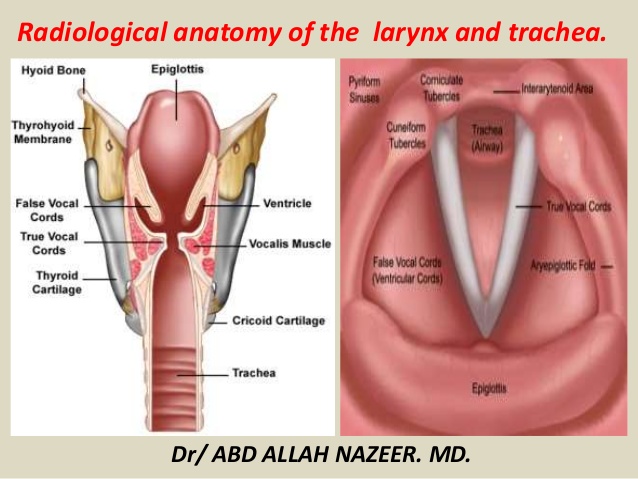
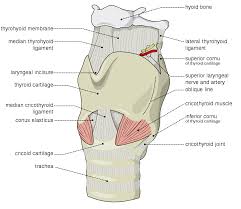
    • It is a surgical sub-specialty that deals mainly with benign and malignant tumors of the head and neck region, including:The scalp, facial region, eyes, ears, nose, nasal fossae, paranasal sinuses, oral cavity, pharynx (nasopharynx, oropharynx, hypopharynx), larynx (supraglotic larynx, glottis larynx, subglotic larynx), thyroid gland, parathyroid gland, salivary glands (parotid glands, submandibular glands, sublingual glands, minor salivary glands), soft tissues of the neck, skin of the head and neck region.The head and neck surgeon’s work area:Does not cover tumors or diseases of the brain and other areas of the central nervous system or those of the cervical spine:This is the neurosurgeon field.
    • Among the diagnostic procedures performed by the head and neck surgeon,  are the following:
      • Nasopharyngolaryngoscopy:Performed to examine, evaluate and, possibly perform a biopsy, of oral cavity, pharyngeal and laryngeal lesions.
    • The surgeries most commonly performed by the head and neck surgeon are:Total or near total thyroidectomiesHemithryoidectomies (lobectomies)
      • Comprehensive neck dissections
      • Selective neck dissections
      • Maxillectomies:Total maxillectomySubtotal maxillectomy
        • Infrastructure maxillectomy
        • Suprastructure maxillectomy
        • Medial maxillectomy
      • Mandibulectomy:
        • Segmental
        • Marginal
      • Tracheostomy
      • Salivary gland surgeries:Parotid gland operations:Limited superficial parotidectomy with identification and preservation of the facial nerve
          • Superficial parotidectomy with identification and preservation of the facial nerve
          • Near total parotidectomy with identification and preservation of the facial nerve
          • Total parotidectomy
        • Submandibular gland resection
        • Sublingual gland resection
      • Resection of tumors of the oral cavity:Glossectomy
        • Resection of the floor of the mouth tumors
      • Resection of tumors of the pharynx
      • Resection of tumors of the larynx
      • Split-thickness skin grafts
      • Full-thickness skin grafts
      • Sentinel lymph node mapping and sentinel lymph node biopsy
      • Resection of malignant skin tumors (BCC, SCC, melanoma) of the head and neck region
  • The formation of the head and neck surgeon includes mastering the following subjects: Surgical Anatomy
    • History and Basic Principles of Head and Neck Surgery
    • Epidemiology, Etiology, and Pathology of Head and Neck Diseases
    • Diagnostic Radiology of the Head and Neck Region
    • Tumors of the Scalp, Skin and Melanoma
    • Eyelids and Orbit
    • Nasal Cavity and Paranasal Sinuses
    • Skull Base and Temporal Bone
    • Lips and Oral Cavity
    • Pharynx and Esophagus
    • Larynx and Trachea
    • Cervical Lymph Nodes
    • Thyroid and Parathyroid Glands
    • Salivary Glands
    • Neurogenic Tumors and Paragangliomas
    • Soft Tissue Tumors
    • Bone Tumors and Odontogenic Lesions
    • Reconstructive Surgery
    • Oncologic Dentistry and Maxillofacial Prosthetics
    • Principles of Radiation Oncology
    • Principles of Chemotherapy
    • Molecular Oncology, Genomics and Immunology
    • Nutrition
    • Biostatistic


Rodrigo Arrangoiz MS, MD, FACS a head and neck surgeon / endocrine surgeon / surgical oncologist and is a member of Sociedad Quirúrgica S.C at the America British Cowdray Medical Center in Mexico City:


prof_739_20190417135234

Training:

• General surgery:

• Michigan State University:

• 2004 al 2010

• Surgical Oncology / Head and Neck Surgery / Endocrine Surgery:

• Fox Chase Cancer Center (Filadelfia):

• 2010 al 2012

• Masters in Science (Clinical research for health professionals):

• Drexel University (Filadelfia):

• 2010 al 2012

• Surgical Oncology / Head and Neck Surgery / Endocrine Surgery:

• IFHNOS / Memorial Sloan Kettering Cancer Center:

• 2014 al 2016

#Arrangoiz

#Teacher

#Surgeon

Rodrigo ARRANGOIZ MS, MD, FACS Nos Habla Sobre el Cancer de Tiroides

👉El cáncer de tiroides diferenciado es un diagnóstico frecuente e incluye tumores malignos con un comportamiento clínico diverso.

👉Aunque el pronóstico en general es excelente, el tratamiento conlleva riesgos sustanciales de morbilidad.

👉La estratificación del riesgo, basada en la patología, la biología del tumor, las evaluaciones bioquímicas y de imagen continuas, y las comorbilidades del paciente, ahora forman la base esencial del manejo del cáncer de tiroides diferenciado con un imperativo para proporcionar atención individualizada y apropiada para la enfermedad.

👉Rodrigo Arrangoiz MS, MD, FACS cirujano de tumores de cabeza y cuello y cirugía endocrina de Sociedad Quirúrgica S.C. es experto en el manejo de nódulos tiroides y del cáncer de tiroides.

👉Articulo publicado por el Dr. Arrangoiz sobre el manejo de nódulos tiroides:

https://file.scirp.org/pdf/IJOHNS_2018072717023407.pdf

👉Es pionero en México:

  • Cirugia tiroidea minimamente invasiva
  • La cirugia minimamente invasiva radio-guiada de paratiroides

👉Su entrenamiento fue el siguiente:

• Cirugia general y gastrointestinal:
• Michigan State University:
• 2004 al 2010image-48• Cirugia oncológica / tumores de cabeza y cuello / cirugia endocrina:
• Fox Chase Cancer Center (Filadelfia):
• 2010 al 2012image-39• Maestria en ciencias (Clinical research for healthprofessionals):
• Drexel University (Filadelfia):
• 2010 al 2012image-50• Cirugia de tumores de cabeza y cuello / cirugiaendocrina
• IFHNOS / Memorial Sloan Kettering Cancer Center:
• 2014 al 2016

image-6image-51 

http://www.sociedadquirurgica.com

http://www.hiperparatiroidismo.info

http://www.cirugiatiroides.com

#Arrangoiz

#CirugiadeTumoresdeCabezayCuello

#CirugiaEndocrina

#CirugiaOncologica

#HeadandNeckSurgery

#EndocrineSurgery

#SurgicalOncology

👉Artículo publicado por el Dr. ARRANGOIZ sobre el cáncer de tiroides:

https://www.scirp.org/pdf/IJOHNS_2019111315113453.pdf

Rodrigo ARRANGOIZ MS, MD, FACS Thyroid Surgeon Talks About Differentiated Thyroid Cancer

👉Differentiated thyroid cancer is a frequent diagnosis and includes malignancies with diverse clinical behavior. Although overall prognosis is excellent, treatment carries substantial morbidity risks. Stratification of risk, based on pathology, tumor biology, ongoing biochemical and imaging assessments, and patient comorbidities, now forms the essential basis of DTC management with an imperative to provide care that is individualized and disease appropriate.

👉Rodrigo Arrangoiz MS, MD, FACS a head and neck surgeon / endocrine surgeon / breast surgeon / surgical oncologist and is a member of Sociedad Quirúrgica S.C at the America British Cowdray Medical Center in Mexico City

👉He just publishes a manuscript summarizing the management of thyroid cancer:

https://www.scirp.org/pdf/IJOHNS_2019111315113453.pdf

prof_739_20190417135234

👉Training:

• General surgery:

• Michigan State University:

• 2004 al 2010

• Surgical Oncology / Head and Neck Surgery / Endocrine Surgery:

• Fox Chase Cancer Center (Filadelfia):

• 2010 al 2012

• Masters in Science (Clinical research for health professionals):

• Drexel University (Filadelfia):

• 2010 al 2012

• Surgical Oncology / Head and Neck Surgery / Endocrine Surgery:

• IFHNOS / Memorial Sloan Kettering Cancer Center:

• 2014 al 2016

For more information visit: http://www.cirugiatiroides.com

#Arrangoiz

#Teacher

#Surgeon

#Cirujano

#ThyroidExpert

#ThyroidSurgeon

#CirujanodeTiroides

#ExpertoenTiroides

#ExpertoenParatiroides

#Paratiroides

#Hiperparatiroidismo

#CancerdeTiroides

#ThyroidCancer

#PapillaryThyroidCancer

#SurgicalOncologist

#CirujanoOncologo

#CancerSurgeon

#CirujanodeCancer

#HeadandNeckSurgeon

#CirugiaEndocrina

#CirujanodeTumoresdeCabezayCuello

#OralCavityCancer

https://www.scirp.org/pdf/IJOHNS_2019111315113453.pdf

American Thyroid Association and NCCN Guidelines

👉Rodrigo Arrangoiz MS, MD, FACS a head and neck surgeon / endocrine surgeon / surgical oncologist and is a member of Sociedad Quirúrgica S.C at the America British Cowdray Medical Center in Mexico City

prof_739_20190417135234

Training:

• General surgery:

• Michigan State University:

• 2004 al 2010

• Surgical Oncology / Head and Neck Surgery / Endocrine Surgery:

• Fox Chase Cancer Center (Filadelfia):

• 2010 al 2012

• Masters in Science (Clinical research for health professionals):

• Drexel University (Filadelfia):

• 2010 al 2012

• Surgical Oncology / Head and Neck Surgery / Endocrine Surgery:

• IFHNOS / Memorial Sloan Kettering Cancer Center:

• 2014 al 2016

For more information visit: http://www.cirugiatiroides.com

#Arrangoiz

#Teacher

#Surgeon

#Cirujano

#ThyroidExpert

#ThyroidSurgeon

#CirujanodeTiroides

#ExpertoenTiroides

#ExpertoenParatiroides

#Paratiroides

#Hiperparatiroidismo

#CancerdeTiroides

#ThyroidCancer

#PapillaryThyroidCancer

#SurgicalOncologist

#CirujanoOncologo

#CancerSurgeon

#CirujanodeCancer

#HeadandNeckSurgeon

#CirugiaEndocrina

#CirujanodeTumoresdeCabezayCuello

#OralCavityCancer

Molecular Alterations in Thyroid Cancer

👉Rodrigo Arrangoiz MS, MD, FACS a head and neck surgeon / endocrine surgeon / surgical oncologist and is a member of Sociedad Quirúrgica S.C at the America British Cowdray Medical Center in Mexico City:

prof_739_20190417135234

Training:

• General surgery:

• Michigan State University:

• 2004 al 2010

• Surgical Oncology / Head and Neck Surgery / Endocrine Surgery:

• Fox Chase Cancer Center (Filadelfia):

• 2010 al 2012

• Masters in Science (Clinical research for health professionals):

• Drexel University (Filadelfia):

• 2010 al 2012

• Surgical Oncology / Head and Neck Surgery / Endocrine Surgery:

• IFHNOS / Memorial Sloan Kettering Cancer Center:

• 2014 al 2016

For more information visit: http://www.cirugiatiroides.com

#Arrangoiz

#Teacher

#Surgeon

#Cirujano

#ThyroidExpert

#ThyroidSurgeon

#CirujanodeTiroides

#ExpertoenTiroides

#ExpertoenParatiroides

#Paratiroides

#Hiperparatiroidismo

#CancerdeTiroides

#ThyroidCancer

#PapillaryThyroidCancer

#SurgicalOncologist

#CirujanoOncologo

#CancerSurgeon

#CirujanodeCancer

#HeadandNeckSurgeon

#CirugiaEndocrina

#CirujanodeTumoresdeCabezayCuello

#OralCavityCancer

Thyroid Cancer

👉Thyroid cancer is typically found as a lump in the thyroid.

👉Sometimes found by yourself, your doctor, or by imaging.

👉Most patients have no symptoms.

👉Some may have trouble swallowing or breathing, voice changes, or discomfort.

👉Nodules are common, but most of the time NOT cancer.

👉Rodrigo Arrangoiz MS, MD, FACS a head and neck surgeon / endocrine surgeon / surgical oncologist and is a member of Sociedad Quirúrgica S.C at the America British Cowdray Medical Center in Mexico City:

prof_739_20190417135234

Training:

• General surgery:

• Michigan State University:

• 2004 al 2010

• Surgical Oncology / Head and Neck Surgery / Endocrine Surgery:

• Fox Chase Cancer Center (Filadelfia):

• 2010 al 2012

• Masters in Science (Clinical research for health professionals):

• Drexel University (Filadelfia):

• 2010 al 2012

• Surgical Oncology / Head and Neck Surgery / Endocrine Surgery:

• IFHNOS / Memorial Sloan Kettering Cancer Center:

• 2014 al 2016

For more information visit: http://www.cirugiatiroides.com

#Arrangoiz

#Teacher

#Surgeon

#Cirujano

#ThyroidExpert

#ThyroidSurgeon

#CirujanodeTiroides

#ExpertoenTiroides

#ExpertoenParatiroides

#Paratiroides

#Hiperparatiroidismo

#CancerdeTiroides

#ThyroidCancer

#PapillaryThyroidCancer

#SurgicalOncologist

#CirujanoOncologo

#CancerSurgeon

#CirujanodeCancer

#HeadandNeckSurgeon

#CirugiaEndocrina

#CirujanodeTumoresdeCabezayCuello

#OralCavityCancer