Robert Graves

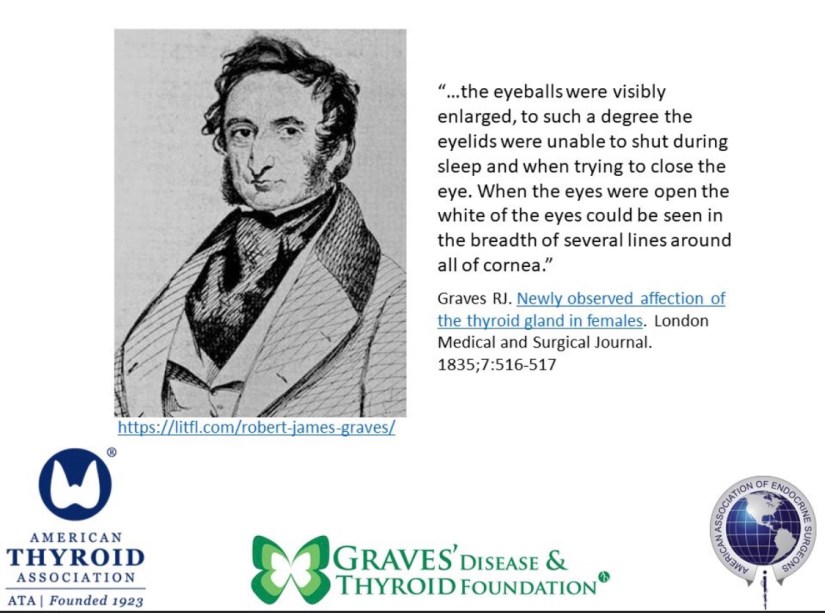
👉Robert Graves, FRCS (1796 –1853) was an eminent Irish surgeon after whom Graves’ disease takes its name; however, Caleb Parry observed “exophthalmic goiter” in 1786 but his findings were not published until after his death. (https://www.eurothyroid.com/about/met/graves.html)

#ThyroidExpert

#ThyroidSurgeon

#ThyroidCancer

#GravesDisease

#HeadandNeckSurgeon

#EndocrineSurgery

#Arrangoiz

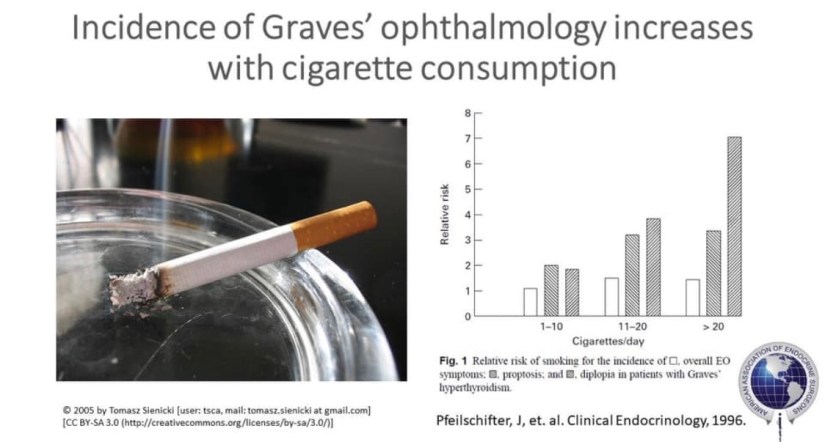
Smoking and Graves Disease

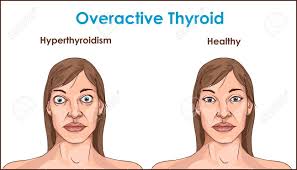
👉Another reason to quit smoking. Cigarette smoking increases the incidence of Graves’ eye disease in a dose-dependent manner.

#Arrangoiz

#ThyroidExpert

#ThyroidSurgeon

#Treacher

Open Conservation Surgery for Glottic Cancer

  • A vertical partial laryngectomy is indicated for primary tumors of the vocal cords that:
    • Extend to involve the supra-glottic larynx or the anterior commissure or that have significant sub-glottic extension (greater than 5 mm).
    • Patients with reduced mobility of the involved vocal cord.
    • Those who have failed to respond to previous radiation therapy for a locally advanced lesion that still remains confined to one side of the larynx.
    • Select patients with fixed vocal cord lesions also are considered for a vertical partial laryngectomy.
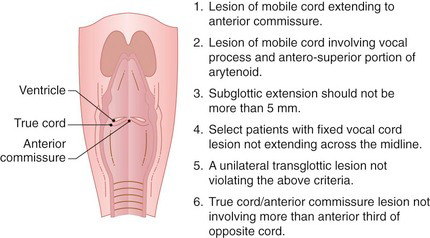
  • Certain criteria pertaining to the tumor must  be met before a patient is considered suitable for a vertical partial laryngectomy:
    • These criteria, shown in Figure:
B978032305589500010X_f010-071-9780323055895
Criteria for the selection of a lesion suitable for a vertical partial laryngectomy.
      • However:
        • These criteria are not absolute, and the indications for a partial laryngectomy may be extended.

images-1


What is Head and Neck Surgery?

    • It is a surgical sub-specialty that deals mainly with benign and malignant tumors of the head and neck region, including:
      • The scalp, facial region, eyes, ears, nose, nasal fossae, paranasal sinuses, oral cavity, pharynx (nasopharynx, oropharynx, hypopharynx), larynx (supraglotic larynx, glottis larynx, subglotic larynx), thyroid gland, parathyroid gland, salivary glands (parotid glands, submandibular glands, sublingual glands, minor salivary glands), soft tissues of the neck, skin of the head and neck region.
        • The head and neck surgeon’s work area:
          • Does not cover tumors or diseases of the brain and other areas of the central nervous system or those of the cervical spine:
            • This is the neurosurgeon field.
    • Among the diagnostic procedures performed by the head and neck surgeon,  are the following:
      • Nasopharyngolaryngoscopy:
        • Performed to examine, evaluate and, possibly perform a biopsy, of oral cavity, pharyngeal and laryngeal lesions.
    • The surgeries most commonly performed by the head and neck surgeon are:
      • Total or near total thyroidectomies
      • Hemithryoidectomies (lobectomies)
      • Comprehensive neck dissections
      • Selective neck dissections
      • Maxillectomies:
        • Total maxillectomy
        • Subtotal maxillectomy
        • Infrastructure maxillectomy
        • Suprastructure maxillectomy
        • Medial maxillectomy
      • Mandibulectomy:
        • Segmental
        • Marginal
      • Tracheostomy
      • Salivary gland surgeries:
        • Parotid gland operations:
          • Limited superficial parotidectomy with identification and preservation of the facial nerve
          • Superficial parotidectomy with identification and preservation of the facial nerve
          • Near total parotidectomy with identification and preservation of the facial nerve
          • Total parotidectomy
        • Submandibular gland resection
        • Sublingual gland resection
      • Resection of tumors of the oral cavity:
        • Glossectomy
        • Resection of the floor of the mouth tumors
      • Resection of tumors of the pharynx
      • Resection of tumors of the larynx
      • Split-thickness skin grafts
      • Full-thickness skin grafts
      • Sentinel lymph node mapping and sentinel lymph node biopsy
      • Resection of malignant skin tumors (BCC, SCC, melanoma) of the head and neck region
  • The formation of the head and neck surgeon includes mastering the following subjects: 
    • Surgical Anatomy
    • History and Basic Principles of Head and Neck Surgery
    • Epidemiology, Etiology, and Pathology of Head and Neck Diseases
    • Diagnostic Radiology of the Head and Neck Region
    • Tumors of the Scalp, Skin and Melanoma
    • Eyelids and Orbit
    • Nasal Cavity and Paranasal Sinuses
    • Skull Base and Temporal Bone
    • Lips and Oral Cavity
    • Pharynx and Esophagus
    • Larynx and Trachea
    • Cervical Lymph Nodes
    • Thyroid and Parathyroid Glands
    • Salivary Glands
    • Neurogenic Tumors and Paragangliomas
    • Soft Tissue Tumors
    • Bone Tumors and Odontogenic Lesions
    • Reconstructive Surgery
    • Oncologic Dentistry and Maxillofacial Prosthetics
    • Principles of Radiation Oncology
    • Principles of Chemotherapy
    • Molecular Oncology, Genomics and Immunology
    • Nutrition
    • Biostatistic


  • Rodrigo Arrangoiz MS, MD, FACS a head and neck surgeon / endocrine surgeon / surgical oncologist and is a member of Sociedad Quirúrgica S.C at the America British Cowdray Medical Center in Mexico City:

prof_739_20190417135234

Training:

• General surgery:

• Michigan State University:

• 2004 al 2010

• Surgical Oncology / Head and Neck Surgery / Endocrine Surgery:

• Fox Chase Cancer Center (Filadelfia):

• 2010 al 2012

• Masters in Science (Clinical research for health professionals):

• Drexel University (Filadelfia):

• 2010 al 2012

• Surgical Oncology / Head and Neck Surgery / Endocrine Surgery:

• IFHNOS / Memorial Sloan Kettering Cancer Center:

• 2014 al 2016

#Arrangoiz

#Teacher

#Surgeon

#Cirujano

#ThyroidExpert

#ThyroidSurgeon

#CirujanodeTiroides

#ExpertoenTiroides

#ExpertoenParatiroides

#Paratiroides

#Hiperparatiroidismo

#CancerdeTiroides

#ThyroidCancer

#PapillaryThyroidCancer

#SurgicalOncologist

#CirujanoOncologo

#CancerSurgeon

#CirujanodeCancer

#HeadandNeckSurgeon

#CirugiaEndocrina

#CirujanodeTumoresdeCabezayCuello

#OralCavityCancer

#Melanoma

Graves Disease

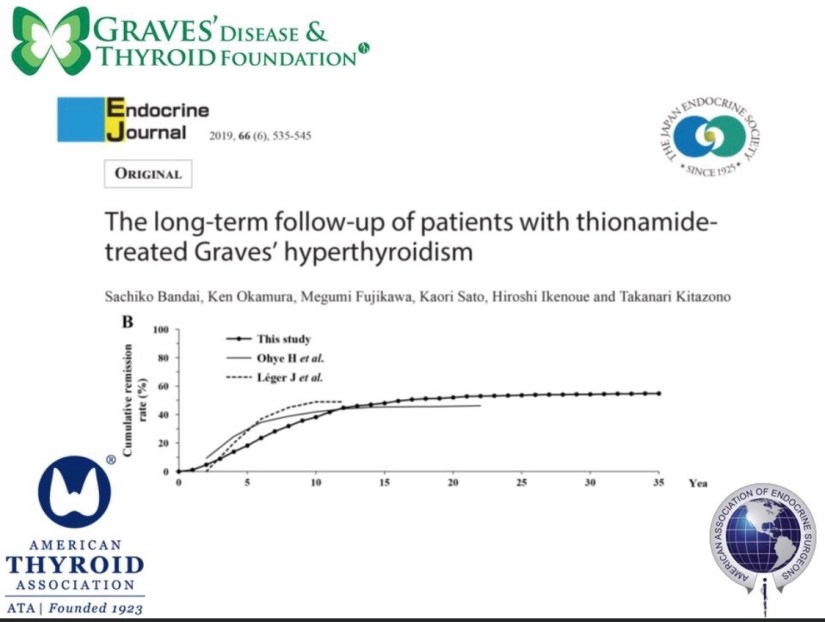
👉Remissions in Graves’ disease patients continue to be achieved after many years (>5–10) of continuous antithyroid drug therapy (ATD). Thus, long-term ATD may be viable option for patients who wish to avoid permanent hypothyroidism or potential complications of ablative therapy.

#Arrangoiz

#ThyroidExpert

#ThyroidSurgeon

#Teacher

#GravesDisease

PARATHYOID PRESERVATION

images

  • For many years:
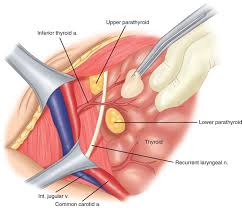
    • The fundamental principle of parathyroid preservation during thyroid surgery had been to maintain all the parathyroids in situ on a vascularized pedicle:
      • In addition there was a belief that any parathyroid apparently preserved, which maintained a tan colour, was viable and could thus be left intact.
  • Although the incidence of permanent hypoparathyroidism has always been acceptably low it still occurs in 1% to 2% of cases:
    • Presumably because of late or unrecognized ischaemia of the preserved parathyroid glands.
  • It is now recognized that:
    • Not only is dissection of parathyroid glands on a vascularized pedicle a very time consuming process, especially for those situated high on the thyroid surface:
      • But it does not necessarily guarantee their preservation.
    • Many a parathyroid gland that has been painstakingly dissected on a long pedicle simply infarcts later as a result of thrombosis of the tenuous vascular supply, or as a result of edema and swelling of the gland within its dissected capsule.
  • Rodrigo Arrangoiz MS, MD, FACS cirujano de tumores de cabeza y cuello / cirugia endocrina es experto en el manejo del hiperparatiroidismo primario:
    • Introdujo a nuestro país la técnica de exploración bilateral de cuello con valoración de la funcionalidad de las glándulas paratiroides con paratiroidectomia radioguiada:

https://m.youtube.com/watch?v=AgvQmtz1gnA&time_continue=127

👉Su entrenamiento fue el siguiente:

• Cirugia general y gastrointestinal:
• Michigan State University:
• 2004 al 2010image-48• Cirugia oncológica / tumores de cabeza y cuello / cirugia endocrina:
• Fox Chase Cancer Center (Filadelfia):
• 2010 al 2012image-39• Maestria en ciencias (Clinical research for healthprofessionals):
• Drexel University (Filadelfia):
• 2010 al 2012image-50• Cirugia de tumores de cabeza y cuello / cirugiaendocrina
• IFHNOS / Memorial Sloan Kettering Cancer Center:
• 2014 al 2016image-51

http://www.sociedadquirurgica.com

http://www.hiperparatiroidismo.info

#Arrangoiz

#CirugiadeTumoresdeCabezayCuello

#CirugiaEndocrina

#CirugiaOncologica

#HeadandNeckSurgery

#EndocrineSurgery

#SurgicalOncology

#Hyperparathyroidism

#Hiperparatiroidismo

Graves Disease

Personalize the treatment for your Graves’ disease patients

#Arrangoiz

#ThyoidSurgeon

#ThyroidExpert

#Teacher

Preoperative Potassium Iodine in Patients with Grave Disease

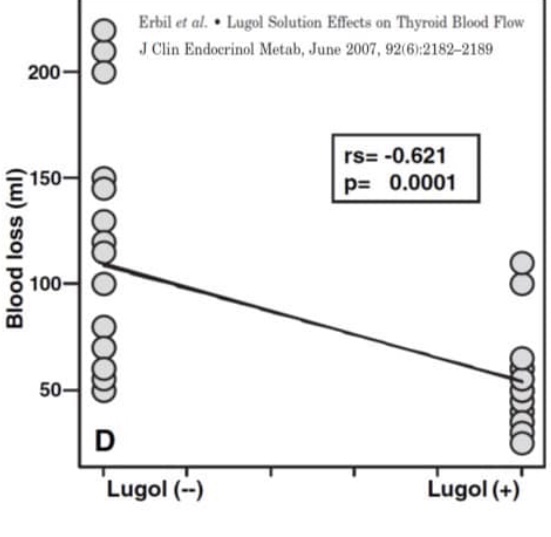
👉Preoperative potassium iodine (e.g., Lugol’s) treatment prior to thyroidectomy for Graves’ disease decreases thyroid vascularity and intraop blood loss which may allow better visualization and preservation of the surrounding nerves, vasculature, and parathyroid glands.

#Arrangoiz

#Teacher

#Surgeon

#Thyroid

#ThyroidSurgeon

#ThyroidExpert

#HeadandNexkSurgeon

#GravesDisease

Surgery for Graves Disease

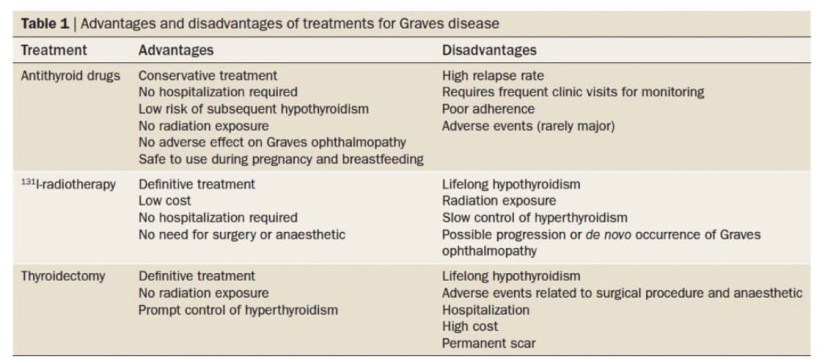
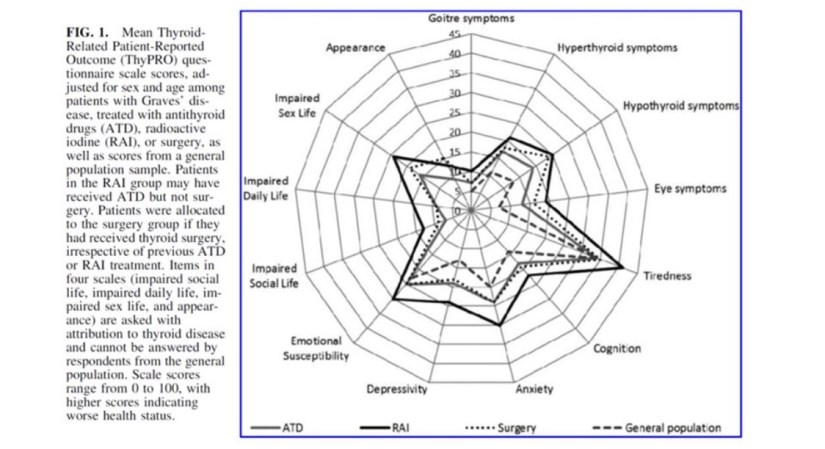
A recent study of 1186 Swedish patients with Graves’ disease found that quality of life was worse at 6-10 years after radioactive iodine therapy when compared with treatment via antithyroid drugs or surgery. (Torring, O, et al Thyroid 2019)

#Arrangoiz

#ThyroidSurgeon

#ThyroidExpert

#HeadandNeckSurgeon

SABCS 2019: 10-Year Follow-up of Adjuvant Accelerated Partial-Breast Irradiation vs Adjuvant Whole-Breast Irradiation

👉A 10-year follow-up study of patients with breast cancer who had been treated with accelerated partial-breast irradiation (APBI) after surgery showed that their rates of disease recurrence were similar to those of patients who had received whole-breast irradiation (WBI), according to data presented by Meattini et al at the 2019 San Antonio Breast Cancer Symposium (Abstract GS4-06).

👉The study results suggest that the less invasive partial-breast procedure may be an acceptable choice for patients with early breast cancer.

👉Many patients diagnosed with early breast cancer undergo lumpectomy followed by a course of radiation.

👉Postoperative radiation still represents a mainstay of adjuvant treatment for breast cancer, able to significantly reduce the local relapse occurrence rate, explained the study’s lead author, Icro Meattini, MD, of the University of Florence, in a statement.

👉In recent years, researchers have sought to determine whether APBI might be as effective as WBI in preventing recurrence.

Study Methods

👉Dr. Meattini’s study examined 10-year follow-up data for women enrolled in the APBI IMRT trial, a randomized phase III trial. 

👉The 5-year follow-up from the trial showed no significant difference in tumor recurrence or survival rates.

👉The APBI IMRT trial enrolled 520 women over age 40 who had either stage I or II breast cancer.

👉Between 2005 and 2013, the patients were randomly assigned 1:1 to receive either APBI or WBI.

👉The patients in the APBI arm received a total of 30 Gy of radiation to the tumor bed in five daily fractions, whereas those in the WBI arm received a total of 50 Gy in 25 daily fractions to the whole breast, plus a boost of 10 Gy to the tumor bed in five daily fractions.

👉Both treatment arms were comparable in terms of age, tumor size, tumor type, and adjuvant endocrine treatment, and both achieved a median 10-year follow-up.

👉The majority of the patients had hormone receptor–positive, HER2-negative breast cancer, and most were over age 50.

KEY POINTS

  • After 10 years, 3.3% of patients in the APBI group had experienced a recurrence of breast cancer compared to 2.6% in the group that received WBI.
  • Overall survival at the 10-year mark was similar between the two groups: 92.7% for the women who had received APBI and 93.3% for the women who received WBI.
  • The authors mentioned that APBI may also be less likely to cause cosmetic changes and is less expensive to administer than WBI.

10-Year Follow-up

👉The study showed that after 10 years, 3.3% of patients in the APBI group had experienced a recurrence of breast cancer compared to 2.6% in the group that received WBI.

👉These results were comparable to the 5-year results, in which the group that received APBI had a 2.4% recurrence rate, and the group that received WBI had a 1.2% recurrence rate.

👉Neither difference was statistically significant.

👉Overall survival at the 10-year mark was also very similar between the two groups: 92.7% for the women who had received APBI and 93.3% for the women who received WBI.

👉Breast cancer–specific survival was 97.6% for those who received APBI and 97.5% for those who received WBI.

👉The distant metastasis-free survival rate was 96.9% both for the women who received APBI and for those who received WBI.

👉These results reinforce the initial promising results from the previous study,” said Dr. Meattini.

👉APBI can produce excellent disease control.

👉The study’s chief limitation is its relatively small size.

👉In well-selected cases, there is no difference in patients’ outcomes whether they are treated with APBI or WBI.

👉A once-daily regimen of external APBI might also produce an improved quality of life with less toxicity, and can potentially reduce the overall treatment time.

👉Dr. Meattini added that APBI may also be less likely to cause cosmetic changes and is less expensive to administer than WBI.

👉Partial-breast irradiation is one of the primary examples of effective deescalation of treatment in breast oncology.

👉For many patients, partial-breast irradiation may be an optimal choice that is cost-effective, safe, and efficacious.
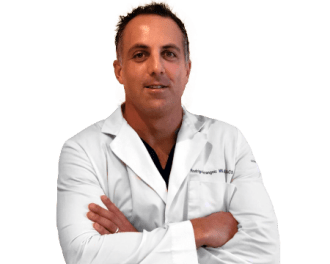
👉Rodrigo Arrangoiz MS, MD, FACS cirujano oncology y cirujano de mamá de Sociedad Quirúrgica S.C en el America British Cowdray Medical Center en la ciudad de Mexico:

  • Es experto en el manejo del cáncer de mama.

 👉Es miembro de la American Society of Breast Surgeons:
Training:

• General surgery:

• Michigan State University:

• 2004 al 2010

• Surgical Oncology / Head and Neck Surgery / Endocrine Surgery:

• Fox Chase Cancer Center (Filadelfia):

• 2010 al 2012

• Masters in Science (Clinical research for health professionals):

• Drexel University (Filadelfia):

• 2010 al 2012

• Surgical Oncology / Head and Neck Surgery / Endocrine Surgery:

• IFHNOS / Memorial Sloan Kettering Cancer Center:

• 2014 al 2016

#Arrangoiz

#Surgeon

#Cirujano

#SurgicalOncologist

#CirujanoOncologo

#BreastSurgeon

#CirujanodeMama

#CancerSurgeon

#CirujanodeCancer

Histological structure of the vocal fold

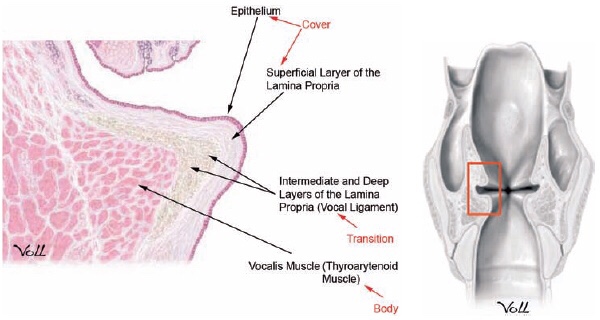
👉The histological structure of the vocal fold can be separated into five or six tissues, depending on the source:

– Which can then be grouped into three sections as the: the cover, the transition, and the body.

Vocal fold histologic section demonstrating structural layers.

👉The cover is composed of the epithelium (mucosa), basal lamina (or basement membrane zone), and the superficial layer of the lamina propria.

👉The transition is composed of the intermediate and deep layers of the lamina propria.

👉The body is composed of the thyroarytenoid muscle.

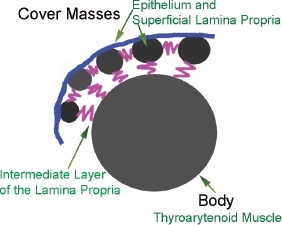
– This layered structure of tissues is very important for vibration of the true vocal folds.

Body-cover theory of vibration.

👉The free edge of the vibratory portion of the vocal fold, the anterior glottis, is covered with stratified squamous epithelium.

– This epithelium is five to twenty-five cells thick with the most superficial layer consisting of one to three cells that are lost to abrasion of the vocal folds during the closed phase of vibration.

👉The posterior glottis is covered with pseudostratified ciliated epithelium.

– On the surfaces of the epithelial cells are microridges and microvilli.

– Lubrication of the vocal folds through adequate hydration is essential for normal phonation to avoid excessive abrasion, and the microridges and microvilli help to spread and retain a mucous coat on the epithelium.

  • What is Head and Neck Surgery?:
    • It is a surgical sub-specialty that deals mainly with benign and malignant tumors of the head and neck region, including:
      • The scalp, facial region, eyes, ears, nose, nasal fossae, paranasal sinuses, oral cavity, pharynx (nasopharynx, oropharynx, hypopharynx), larynx (supraglotic larynx, glottis larynx, subglotic larynx), thyroid gland, parathyroid gland, salivary glands (parotid glands, submandibular glands, sublingual glands, minor salivary glands), soft tissues of the neck, skin of the head and neck region.
        • The head and neck surgeon’s work area:
          • Does not cover tumors or diseases of the brain and other areas of the central nervous system or those of the cervical spine:
            • This is the neurosurgeon field.
    • Among the diagnostic procedures performed by the head and neck surgeon,  are the following:
      • Nasopharyngolaryngoscopy:
        • Performed to examine, evaluate and, possibly perform a biopsy, of oral cavity, pharyngeal and laryngeal lesions.
    • The surgeries most commonly performed by the head and neck surgeon are:
      • Total or near total thyroidectomies
      • Hemithryoidectomies (lobectomies)
      • Comprehensive neck dissections
      • Selective neck dissections
      • Maxillectomies:
        • Total maxillectomy
        • Subtotal maxillectomy
        • Infrastructure maxillectomy
        • Suprastructure maxillectomy
        • Medial maxillectomy
      • Mandibulectomy:
        • Segmental
        • Marginal
      • Tracheostomy
      • Salivary gland surgeries:
        • Parotid gland operations:
          • Limited superficial parotidectomy with identification and preservation of the facial nerve
          • Superficial parotidectomy with identification and preservation of the facial nerve
          • Near total parotidectomy with identification and preservation of the facial nerve
          • Total parotidectomy
        • Submandibular gland resection
        • Sublingual gland resection
      • Resection of tumors of the oral cavity:
        • Glossectomy
        • Resection of the floor of the mouth tumors
      • Resection of tumors of the pharynx
      • Resection of tumors of the larynx
      • Split-thickness skin grafts
      • Full-thickness skin grafts
      • Sentinel lymph node mapping and sentinel lymph node biopsy
      • Resection of malignant skin tumors (BCC, SCC, melanoma) of the head and neck region
  • The formation of the head and neck surgeon includes mastering the following subjects: 
    • Surgical Anatomy
    • History and Basic Principles of Head and Neck Surgery
    • Epidemiology, Etiology, and Pathology of Head and Neck Diseases
    • Diagnostic Radiology of the Head and Neck Region
    • Tumors of the Scalp, Skin and Melanoma
    • Eyelids and Orbit
    • Nasal Cavity and Paranasal Sinuses
    • Skull Base and Temporal Bone
    • Lips and Oral Cavity
    • Pharynx and Esophagus
    • Larynx and Trachea
    • Cervical Lymph Nodes
    • Thyroid and Parathyroid Glands
    • Salivary Glands
    • Neurogenic Tumors and Paragangliomas
    • Soft Tissue Tumors
    • Bone Tumors and Odontogenic Lesions
    • Reconstructive Surgery
    • Oncologic Dentistry and Maxillofacial Prosthetics
    • Principles of Radiation Oncology
    • Principles of Chemotherapy
    • Molecular Oncology, Genomics and Immunology
    • Nutrition
    • Biostatistic

Rodrigo Arrangoiz MS, MD, FACS a head and neck surgeon / endocrine surgeon / surgical oncologist and is a member of Sociedad Quirúrgica S.C at the America British Cowdray Medical Center in Mexico City:

prof_739_20190417135234

Training:

• General surgery:

• Michigan State University:

• 2004 al 2010

• Surgical Oncology / Head and Neck Surgery / Endocrine Surgery:

• Fox Chase Cancer Center (Filadelfia):

• 2010 al 2012

• Masters in Science (Clinical research for health professionals):

• Drexel University (Filadelfia):

• 2010 al 2012

• Surgical Oncology / Head and Neck Surgery / Endocrine Surgery:

• IFHNOS / Memorial Sloan Kettering Cancer Center:

• 2014 al 2016
#Arrangoiz

#Teacher

#Surgeon

#Cirujano

#ThyroidExpert

#ThyroidSurgeon

#CirujanodeTiroides

#ExpertoenTiroides

#ExpertoenParatiroides

#Paratiroides

#Hiperparatiroidismo

#CancerdeTiroides

#ThyroidCancer

#PapillaryThyroidCancer

#SurgicalOncologist

#CirujanoOncologo

#CancerSurgeon

#CirujanodeCancer

#HeadandNeckSurgeon

#CirugiaEndocrina

#CirujanodeTumoresdeCabezayCuello

#OralCavityCancer