SABCS 2019: 10-Year Follow-up of Adjuvant Accelerated Partial-Breast Irradiation vs Adjuvant Whole-Breast Irradiation

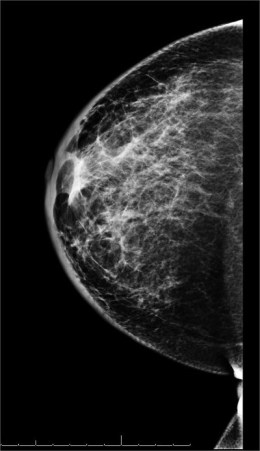
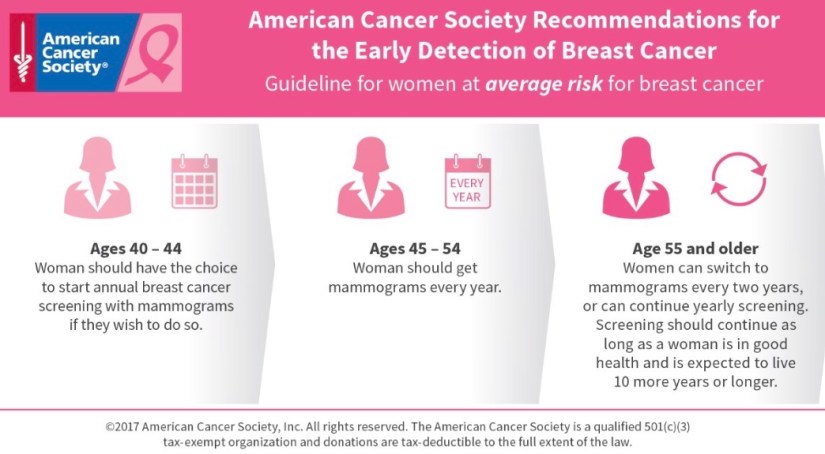
👉A 10-year follow-up study of patients with breast cancer who had been treated with accelerated partial-breast irradiation (APBI) after surgery showed that their rates of disease recurrence were similar to those of patients who had received whole-breast irradiation (WBI), according to data presented by Meattini et al at the 2019 San Antonio Breast Cancer Symposium (Abstract GS4-06).

👉The study results suggest that the less invasive partial-breast procedure may be an acceptable choice for patients with early breast cancer.

👉Many patients diagnosed with early breast cancer undergo lumpectomy followed by a course of radiation.

👉Postoperative radiation still represents a mainstay of adjuvant treatment for breast cancer, able to significantly reduce the local relapse occurrence rate, explained the study’s lead author, Icro Meattini, MD, of the University of Florence, in a statement.

👉In recent years, researchers have sought to determine whether APBI might be as effective as WBI in preventing recurrence.

Study Methods

👉Dr. Meattini’s study examined 10-year follow-up data for women enrolled in the APBI IMRT trial, a randomized phase III trial. 

👉The 5-year follow-up from the trial showed no significant difference in tumor recurrence or survival rates.

👉The APBI IMRT trial enrolled 520 women over age 40 who had either stage I or II breast cancer.

👉Between 2005 and 2013, the patients were randomly assigned 1:1 to receive either APBI or WBI.

👉The patients in the APBI arm received a total of 30 Gy of radiation to the tumor bed in five daily fractions, whereas those in the WBI arm received a total of 50 Gy in 25 daily fractions to the whole breast, plus a boost of 10 Gy to the tumor bed in five daily fractions.

👉Both treatment arms were comparable in terms of age, tumor size, tumor type, and adjuvant endocrine treatment, and both achieved a median 10-year follow-up.

👉The majority of the patients had hormone receptor–positive, HER2-negative breast cancer, and most were over age 50.

KEY POINTS

  • After 10 years, 3.3% of patients in the APBI group had experienced a recurrence of breast cancer compared to 2.6% in the group that received WBI.
  • Overall survival at the 10-year mark was similar between the two groups: 92.7% for the women who had received APBI and 93.3% for the women who received WBI.
  • The authors mentioned that APBI may also be less likely to cause cosmetic changes and is less expensive to administer than WBI.

10-Year Follow-up

👉The study showed that after 10 years, 3.3% of patients in the APBI group had experienced a recurrence of breast cancer compared to 2.6% in the group that received WBI.

👉These results were comparable to the 5-year results, in which the group that received APBI had a 2.4% recurrence rate, and the group that received WBI had a 1.2% recurrence rate.

👉Neither difference was statistically significant.

👉Overall survival at the 10-year mark was also very similar between the two groups: 92.7% for the women who had received APBI and 93.3% for the women who received WBI.

👉Breast cancer–specific survival was 97.6% for those who received APBI and 97.5% for those who received WBI.

👉The distant metastasis-free survival rate was 96.9% both for the women who received APBI and for those who received WBI.

👉These results reinforce the initial promising results from the previous study,” said Dr. Meattini.

👉APBI can produce excellent disease control.

👉The study’s chief limitation is its relatively small size.

👉In well-selected cases, there is no difference in patients’ outcomes whether they are treated with APBI or WBI.

👉A once-daily regimen of external APBI might also produce an improved quality of life with less toxicity, and can potentially reduce the overall treatment time.

👉Dr. Meattini added that APBI may also be less likely to cause cosmetic changes and is less expensive to administer than WBI.

👉Partial-breast irradiation is one of the primary examples of effective deescalation of treatment in breast oncology.

👉For many patients, partial-breast irradiation may be an optimal choice that is cost-effective, safe, and efficacious.

👉Rodrigo Arrangoiz MS, MD, FACS cirujano oncology y cirujano de mamá de Sociedad Quirúrgica S.C en el America British Cowdray Medical Center en la ciudad de Mexico:
  • Es experto en el manejo del cáncer de mama.

 👉Es miembro de la American Society of Breast Surgeons:

Training:

• General surgery:

• Michigan State University:

• 2004 al 2010

• Surgical Oncology / Head and Neck Surgery / Endocrine Surgery:

• Fox Chase Cancer Center (Filadelfia):

• 2010 al 2012

• Masters in Science (Clinical research for health professionals):

• Drexel University (Filadelfia):

• 2010 al 2012

• Surgical Oncology / Head and Neck Surgery / Endocrine Surgery:

• IFHNOS / Memorial Sloan Kettering Cancer Center:

• 2014 al 2016

#Arrangoiz

#Surgeon

#Cirujano

#SurgicalOncologist

#CirujanoOncologo

#BreastSurgeon

#CirujanodeMama

#CancerSurgeon

#CirujanodeCancer

Histological structure of the vocal fold

👉The histological structure of the vocal fold can be separated into five or six tissues, depending on the source:

– Which can then be grouped into three sections as the: the cover, the transition, and the body.

Vocal fold histologic section demonstrating structural layers.

👉The cover is composed of the epithelium (mucosa), basal lamina (or basement membrane zone), and the superficial layer of the lamina propria.

👉The transition is composed of the intermediate and deep layers of the lamina propria.

👉The body is composed of the thyroarytenoid muscle.

– This layered structure of tissues is very important for vibration of the true vocal folds.

Body-cover theory of vibration.

👉The free edge of the vibratory portion of the vocal fold, the anterior glottis, is covered with stratified squamous epithelium.

– This epithelium is five to twenty-five cells thick with the most superficial layer consisting of one to three cells that are lost to abrasion of the vocal folds during the closed phase of vibration.

👉The posterior glottis is covered with pseudostratified ciliated epithelium.

– On the surfaces of the epithelial cells are microridges and microvilli.

– Lubrication of the vocal folds through adequate hydration is essential for normal phonation to avoid excessive abrasion, and the microridges and microvilli help to spread and retain a mucous coat on the epithelium.

  • What is Head and Neck Surgery?:
    • It is a surgical sub-specialty that deals mainly with benign and malignant tumors of the head and neck region, including:
      • The scalp, facial region, eyes, ears, nose, nasal fossae, paranasal sinuses, oral cavity, pharynx (nasopharynx, oropharynx, hypopharynx), larynx (supraglotic larynx, glottis larynx, subglotic larynx), thyroid gland, parathyroid gland, salivary glands (parotid glands, submandibular glands, sublingual glands, minor salivary glands), soft tissues of the neck, skin of the head and neck region.
        • The head and neck surgeon’s work area:
          • Does not cover tumors or diseases of the brain and other areas of the central nervous system or those of the cervical spine:
            • This is the neurosurgeon field.
    • Among the diagnostic procedures performed by the head and neck surgeon,  are the following:
      • Nasopharyngolaryngoscopy:
        • Performed to examine, evaluate and, possibly perform a biopsy, of oral cavity, pharyngeal and laryngeal lesions.
    • The surgeries most commonly performed by the head and neck surgeon are:
      • Total or near total thyroidectomies
      • Hemithryoidectomies (lobectomies)
      • Comprehensive neck dissections
      • Selective neck dissections
      • Maxillectomies:
        • Total maxillectomy
        • Subtotal maxillectomy
        • Infrastructure maxillectomy
        • Suprastructure maxillectomy
        • Medial maxillectomy
      • Mandibulectomy:
        • Segmental
        • Marginal
      • Tracheostomy
      • Salivary gland surgeries:
        • Parotid gland operations:
          • Limited superficial parotidectomy with identification and preservation of the facial nerve
          • Superficial parotidectomy with identification and preservation of the facial nerve
          • Near total parotidectomy with identification and preservation of the facial nerve
          • Total parotidectomy
        • Submandibular gland resection
        • Sublingual gland resection
      • Resection of tumors of the oral cavity:
        • Glossectomy
        • Resection of the floor of the mouth tumors
      • Resection of tumors of the pharynx
      • Resection of tumors of the larynx
      • Split-thickness skin grafts
      • Full-thickness skin grafts
      • Sentinel lymph node mapping and sentinel lymph node biopsy
      • Resection of malignant skin tumors (BCC, SCC, melanoma) of the head and neck region
  • The formation of the head and neck surgeon includes mastering the following subjects: 
    • Surgical Anatomy
    • History and Basic Principles of Head and Neck Surgery
    • Epidemiology, Etiology, and Pathology of Head and Neck Diseases
    • Diagnostic Radiology of the Head and Neck Region
    • Tumors of the Scalp, Skin and Melanoma
    • Eyelids and Orbit
    • Nasal Cavity and Paranasal Sinuses
    • Skull Base and Temporal Bone
    • Lips and Oral Cavity
    • Pharynx and Esophagus
    • Larynx and Trachea
    • Cervical Lymph Nodes
    • Thyroid and Parathyroid Glands
    • Salivary Glands
    • Neurogenic Tumors and Paragangliomas
    • Soft Tissue Tumors
    • Bone Tumors and Odontogenic Lesions
    • Reconstructive Surgery
    • Oncologic Dentistry and Maxillofacial Prosthetics
    • Principles of Radiation Oncology
    • Principles of Chemotherapy
    • Molecular Oncology, Genomics and Immunology
    • Nutrition
    • Biostatistic

Rodrigo Arrangoiz MS, MD, FACS a head and neck surgeon / endocrine surgeon / surgical oncologist and is a member of Sociedad Quirúrgica S.C at the America British Cowdray Medical Center in Mexico City:

prof_739_20190417135234

Training:

• General surgery:

• Michigan State University:

• 2004 al 2010

• Surgical Oncology / Head and Neck Surgery / Endocrine Surgery:

• Fox Chase Cancer Center (Filadelfia):

• 2010 al 2012

• Masters in Science (Clinical research for health professionals):

• Drexel University (Filadelfia):

• 2010 al 2012

• Surgical Oncology / Head and Neck Surgery / Endocrine Surgery:

• IFHNOS / Memorial Sloan Kettering Cancer Center:

• 2014 al 2016

#Arrangoiz

#Teacher

#Surgeon

#Cirujano

#ThyroidExpert

#ThyroidSurgeon

#CirujanodeTiroides

#ExpertoenTiroides

#ExpertoenParatiroides

#Paratiroides

#Hiperparatiroidismo

#CancerdeTiroides

#ThyroidCancer

#PapillaryThyroidCancer

#SurgicalOncologist

#CirujanoOncologo

#CancerSurgeon

#CirujanodeCancer

#HeadandNeckSurgeon

#CirugiaEndocrina

#CirujanodeTumoresdeCabezayCuello

#OralCavityCancer

Ductal Calcifications in Breast Mammograms

👉Ductal calcifications have a wide variety of presentations depending upon the underlying process that created them.

👉When coarse rod-like ductal calcifications are diffuse, bilateral, and not confined to a single lobe, they can be confidently assumed to result from plasma cell mastitis, and they do not require further evaluation or biopsy.

Coarse rod-like ductal calcifications

👉The process is called secretory disease because there is a stagnant, viscous fluid that eventually petrifies and results in the smooth contoured calcifications.

👉Some of them are branching and look like malignant casting type calcifications, but the key distinguishing feature is the diffuse, multilobe, bilateral nature of the process.

👉Calcifications become much more worrisome when they are confined to a single lobe.

👉The most frequent malignant, ductal “casting type” calcifications are fragmented, linear, and branching, and they are the most reliable mammographic sign of malignancy.

Ductal “casting type” calcifications

👉The presence of fragmented and/or dotted casting type calcifications on the mammogram restricted to one lobe is a pathognomonic sign of a diffuse, grade 3 breast cancer subtype that originates in the major ducts and usually has a solid or micropapillary pattern.

👉Traditionally, this subtype has been called “comedo carcinoma.”

👉The cancer cells either produce a viscous, proteinaceous fluid which gradually concentrates and eventually calcifies, or they undergo necrosis (apoptosis) followed by calcification.

👉In both instances the intraluminal pressure increases, distending the ducts considerably.

👉Dotted casting type calcifications have been referred to as “snake skin-like calcifications” and they accumulate in the fluid produced by either micropapillary or solid cancer cell growth patterns.

Dotted casting type calcifications

👉The tips of the micropapillary growths may become detached and eventually calcify, contributing to the intraluminal calcifications.

The micropapillary growths break off and calcify in the lumen, resulting in the individual dots of calcification (the dark, almost black stained structures).

👉Rodrigo Arrangoiz MS, MD, FACS cirujano oncology y cirujano de mamá de Sociedad Quirúrgica S.C en el America British Cowdray Medical Center en la ciudad de Mexico:

  • Es experto en el manejo del cáncer de mama.

 👉Es miembro de la American Society of Breast Surgeons:

Training:

• General surgery:

• Michigan State University:

• 2004 al 2010

• Surgical Oncology / Head and Neck Surgery / Endocrine Surgery:

• Fox Chase Cancer Center (Filadelfia):

• 2010 al 2012

• Masters in Science (Clinical research for health professionals):

• Drexel University (Filadelfia):

• 2010 al 2012

• Surgical Oncology / Head and Neck Surgery / Endocrine Surgery:

• IFHNOS / Memorial Sloan Kettering Cancer Center:

• 2014 al 2016

#Arrangoiz

#Surgeon

#Cirujano

#SurgicalOncologist

#CirujanoOncologo

#BreastSurgeon

#CirujanodeMama

#CancerSurgeon

#CirujanodeCancer

SABCS 2019: 6-Year Analysis of the Addition of Pertuzumab to Trastuzumab Plus Chemotherapy as Adjuvant Therapy

👉Data from the 6-year analysis of the APHINITY trial showed that adding pertuzumab to the previous standard treatment of trastuzumab plus chemotherapy after surgery continued to reduce the risk of recurrence and death in patients with HER2-positive early breast cancer, according to findings presented by Piccart et al at the 2019 San Antonio Breast Cancer Symposium (Abstract GS1-04).

👉Fewer deaths were seen in patients treated with pertuzumab, although the survival benefit was not statistically significant at this time.

👉The addition of trastuzumab to chemotherapy after surgery has revolutionized treatment outcomes for patients with HER2-positive early breast cancer, yet roughly 30% of patients will still experience recurrence of their disease, a condition for which effective treatments are now available but cure is no longer possible.

👉By adding a different yet complementary HER2 inhibitor—pertuzumab—to this treatment regimen, the researchers hope to further reduce the risk of recurrence and advanced disease in this patient poo population.

👉Earlier results from the phase III APHINITY trial comparing pertuzumab vs placebo added to adjuvant chemotherapy plus trastuzumab in patients with operable HER2-positive early breast cancer have been previously reported in The New England Journal of Medicine.

👉They showed that patients treated with pertuzumab had improved rates of estimated 3-year invasive disease–free survival compared with those in the placebo arm (94.1% vs 93.2%, respectively).

👉The addition of pertuzumab reduced the relative risk of recurrence by 19%—a statistically significant finding.

👉The overall survival did not significantly differ between the two arms in the earlier analysis.

👉The current study reports on the 6-year interim analysis of overall survival, and an updated descriptive analysis of invasive disease–free survival and cardiac safety.

👉Between November 2011 and August 2013, the APHINITY trial randomly assigned 2,400 patients to the pertuzumab arm and 2,405 patients to the placebo arm.

👉The data cutoff for this updated overall survival analysis was June 19, 2019, corresponding to a median follow-up time of 74.1 months.

👉After 6 years of follow-up, Dr. Piccart and colleagues found that patients in the pertuzumab arm had a 24% reduced relative risk of breast cancer recurrence or death compared with those in the placebo arm.

KEY POINTS

  • After 6 years of follow-up, patients in the pertuzumab arm had a 24% reduced relative risk of breast cancer recurrence or death compared with those in the placebo arm.
  • Among patients with node-positive disease, the invasive disease–free survival in the pertuzumab arm was 87.9%, while the invasive disease–free survival in the placebo arm was 83.4%.
  • In this updated analysis, one additional primary cardiac event was reported in the pertuzumab arm and one additional secondary cardiac event was reported in each arm; no new cardiac safety concerns emerged.

👉Similar to their previous findings, the researchers found that patients whose cancer had spread to their lymph nodes continued to derive greatest clinical benefit with the addition of pertuzumab to standard treatments.

👉In the 6-year updated analysis, the researchers found that among patients with node-positive disease, the invasive disease–free survival in the pertuzumab arm was 87.9%, while the invasive disease–free survival in the placebo arm was 83.4%. 

👉The addition of pertuzumab to trastuzumab and chemotherapy after surgery translated to a reduced relative risk of recurrence by 28%.

👉In this updated analysis, one additional primary cardiac event was reported in the pertuzumab arm and one additional secondary cardiac event was reported in each arm; no new cardiac safety concerns emerged.

👉Incidence of primary cardiac events remains less than 1% in both arms (0.8% in the pertuzumab arm vs 0.3% in the placebo arm), providing further evidence that adding pertuzumab to trastuzumab and chemotherapy is safe in the long term.

👉Following this interim analysis, the evidence is now even stronger that adding pertuzumab to the previous standard of care reduces the risk of disease recurrence for patients with HER2-positive breast cancer.

👉Altogether, the clinical benefit of pertuzumab, which is exemplified by its treatment effect against breast cancer and its lack of additional significant side effects, is enhanced for women at high risk of breast cancer recurrence in this curative setting.

👉A main limitation of APHINITY is that although we have seen fewer deaths among the patients who received treatment with pertuzumab, our data is still immature and have not shown definitive improvement in overall survival.

👉A longer follow-up is needed to see any significant survival benefit.

👉The next interim analysis is scheduled to take place in 2022.

👉Ongoing research using the biological specimens and clinical data collected from this very large study would help in refining the characteristics of the patients who will most benefit from pertuzumab, particularly among those considered to be at lower risk of recurrence only on the basis of absence of lymph node disease.

#Arrangoiz

#BreastSurgeon

#BreastCancer

#CancerSurgeon

#SurgicalOncologist

#Teacher

#Surgeon

Laryngeal Cancer Statistics

presentation1pptx-radiological-anatomy-of-the-larynx-and-trachea-1-638

  • Number of New Cases and Deaths per 100,000:
    • The number of new cases of laryngeal cancer was 3.0 per 100,000 men and women per year.
    • The number of deaths was 1.0 per 100,000 men and women per year.
      • These rates are age-adjusted and based on 2012 to 2016 cases and deaths.
  • Lifetime Risk of Developing Cancer:
    • Approximately 0.3% of men and women will be diagnosed with laryngeal cancer at some point during their lifetime:
      • Based on 2014 to 2016 data.
  • Prevalence of This Cancer:
    • In 2016, there were an estimated 96,351 people living with laryngeal cancer in the United States.

How Many People Survive 5-Years Or More after Being Diagnosed with Laryngeal Cancer?

  • Relative survival statistics:
    • Compare the survival of patients diagnosed with cancer with the survival of people in the general population who are the same age, race, and sex and who have not been diagnosed with cancer.
  • Because survival statistics are based on large groups of people, they cannot be used to predict exactly what will happen to an individual patient:
    • No two patients are entirely alike, and treatment and responses to treatment can vary greatly.

Survival by Stage

  • Cancer stage at diagnosis:
    • Which refers to extent of a cancer in the body, determines treatment options and has a strong influence on the length of survival:
      • In general, if the cancer is found only in the part of the body where it started it is:
        • Localized (sometimes referred to as stage 1).
      • If it has spread to a different part of the body, the stage is:
        • Regional or distant.
    • The earlier laryngeal cancer is caught, the better chance a person has of surviving five years after being diagnosed.
    • For laryngeal cancer:
      • 54.0% are diagnosed at the local stage:
        • The 5-year survival for localized laryngeal cancer is 77.4%.

How Common Is This Cancer?

Compared to other cancers, laryngeal cancer is rare.

  • In 2019:
    • It is estimated that there will be 12,410 new cases of laryngeal cancer
    • Estimated 3,760 people will die of this disease.

Who Gets This Cancer?

  • Laryngeal cancer becomes more common with age.
  • Is more common in men than in women.
  • Smoking is a major risk factor for this cancer, and reduction smoking rates in recent years has led to a downturn in both incidence and mortality.
  • The number of new cases of laryngeal cancer was:
    • 3.0 per 100,000 men and women per year:
      • Based on 2012 to 2016 cases.

Who Dies From This Cancer?

  • The number of deaths was:
    • 1.0 per 100,000 men and women per year:
      • Based on 2012 to 2016 deaths.

  • What is Head and Neck Surgery?:
    • It is a surgical sub-specialty that deals mainly with benign and malignant tumors of the head and neck region, including:
      • The scalp, facial region, eyes, ears, nose, nasal fossae, paranasal sinuses, oral cavity, pharynx (nasopharynx, oropharynx, hypopharynx), larynx (supraglotic larynx, glottis larynx, subglotic larynx), thyroid gland, parathyroid gland, salivary glands (parotid glands, submandibular glands, sublingual glands, minor salivary glands), soft tissues of the neck, skin of the head and neck region.
        • The head and neck surgeon’s work area:
          • Does not cover tumors or diseases of the brain and other areas of the central nervous system or those of the cervical spine:
            • This is the neurosurgeon field.
    • Among the diagnostic procedures performed by the head and neck surgeon,  are the following:
      • Nasopharyngolaryngoscopy:
        • Performed to examine, evaluate and, possibly perform a biopsy, of oral cavity, pharyngeal and laryngeal lesions.
    • The surgeries most commonly performed by the head and neck surgeon are:
      • Total or near total thyroidectomies
      • Hemithryoidectomies (lobectomies)
      • Comprehensive neck dissections
      • Selective neck dissections
      • Maxillectomies:
        • Total maxillectomy
        • Subtotal maxillectomy
        • Infrastructure maxillectomy
        • Suprastructure maxillectomy
        • Medial maxillectomy
      • Mandibulectomy:
        • Segmental
        • Marginal
      • Tracheostomy
      • Salivary gland surgeries:
        • Parotid gland operations:
          • Limited superficial parotidectomy with identification and preservation of the facial nerve
          • Superficial parotidectomy with identification and preservation of the facial nerve
          • Near total parotidectomy with identification and preservation of the facial nerve
          • Total parotidectomy
        • Submandibular gland resection
        • Sublingual gland resection
      • Resection of tumors of the oral cavity:
        • Glossectomy
        • Resection of the floor of the mouth tumors
      • Resection of tumors of the pharynx
      • Resection of tumors of the larynx
      • Split-thickness skin grafts
      • Full-thickness skin grafts
      • Sentinel lymph node mapping and sentinel lymph node biopsy
      • Resection of malignant skin tumors (BCC, SCC, melanoma) of the head and neck region
  • The formation of the head and neck surgeon includes mastering the following subjects: 
    • Surgical Anatomy
    • History and Basic Principles of Head and Neck Surgery
    • Epidemiology, Etiology, and Pathology of Head and Neck Diseases
    • Diagnostic Radiology of the Head and Neck Region
    • Tumors of the Scalp, Skin and Melanoma
    • Eyelids and Orbit
    • Nasal Cavity and Paranasal Sinuses
    • Skull Base and Temporal Bone
    • Lips and Oral Cavity
    • Pharynx and Esophagus
    • Larynx and Trachea
    • Cervical Lymph Nodes
    • Thyroid and Parathyroid Glands
    • Salivary Glands
    • Neurogenic Tumors and Paragangliomas
    • Soft Tissue Tumors
    • Bone Tumors and Odontogenic Lesions
    • Reconstructive Surgery
    • Oncologic Dentistry and Maxillofacial Prosthetics
    • Principles of Radiation Oncology
    • Principles of Chemotherapy
    • Molecular Oncology, Genomics and Immunology
    • Nutrition
    • Biostatistic

Rodrigo Arrangoiz MS, MD, FACS a head and neck surgeon / endocrine surgeon / surgical oncologist and is a member of Sociedad Quirúrgica S.C at the America British Cowdray Medical Center in Mexico City:

prof_739_20190417135234

Training:

• General surgery:

• Michigan State University:

• 2004 al 2010

• Surgical Oncology / Head and Neck Surgery / Endocrine Surgery:

• Fox Chase Cancer Center (Filadelfia):

• 2010 al 2012

• Masters in Science (Clinical research for health professionals):

• Drexel University (Filadelfia):

• 2010 al 2012

• Surgical Oncology / Head and Neck Surgery / Endocrine Surgery:

• IFHNOS / Memorial Sloan Kettering Cancer Center:

• 2014 al 2016

#Arrangoiz

#Teacher

#Surgeon

#Cirujano

#ThyroidExpert

#ThyroidSurgeon

#CirujanodeTiroides

#ExpertoenTiroides

#ExpertoenParatiroides

#Paratiroides

#Hiperparatiroidismo

#CancerdeTiroides

#ThyroidCancer

#PapillaryThyroidCancer

#SurgicalOncologist

#CirujanoOncologo

#CancerSurgeon

#CirujanodeCancer

#HeadandNeckSurgeon

#CirugiaEndocrina

#CirujanodeTumoresdeCabezayCuello

#OralCavityCancer

#Melanoma

Thyroseq Cost Savings in Managing Indeterminate Thyroid Nodules

👉Cost savings from incorporating ThyroSetesting into the management of patients with thyroid nodules with indeterminate cytology is based on the avoidance of unnecessary surgeries and selection of optimal extent for the initial surgery thereby minimizing the two-step surgeries, i.e. lobectomy followed by completion of thyroidectomy. 

👉The results of a prospective, double-blind, multicenter study of ThyroSeq v3 (Steward DL et al. JAMA Oncol. 2018.) allow to estimate the impact of ThyroSeq on avoiding unneeded diagnostic thyroid surgeries, as show on the figure below.

👉In a series of 100 patients with Bethesda III and IV thyroid nodules and with the expected cancer/NIFTP prevalence of 28%, 61 tests will be reported as Negative and 39 as Positive. Among test-negative nodules only two cancers will be missed (those are expected to be low-risk, intrathyroidal cancers).

👉Among test-positive nodules, 23 (67%) will be diagnosed as cancer or NIFTP on surgery, and the majority of remaining nodules are expected to be neoplasms, likely with some malignant potential.

👉Overall, 61% of thyroid surgeries will be avoided, with their costs and complications.

Nicholson KJ, et al. Molecular Testing of Bethesda III/IV Thyroid Nodules: A Cost-Effectiveness Analysis. Thyroid. 2019. doi.org/10.1089/thy.2018.0779

👉This study modeled a decision tree from the payor perspective, comparing the cost-effectiveness of diagnostic lobectomy, ThyroSeq v3, and Afirma GSC for indeterminate (Bethesda III/IV) thyroid nodules.

👉Based on the model, the cost per correct diagnosis was $14,277 for ThyroSeq v3, $17,873 for Afirma GSC, and $38,408 for diagnostic lobectomy.

👉One-way sensitivity analysis found that ThyroSeq v3 had robustly lower cost per correct diagnosis than Afirma GSC.

👉Two-way sensitivity analysis varying costs of ThyroSeq v3 and Afirma GSC demonstrated that ThyroSeq was still the preferred strategy.

👉The study stated that in no range of tested cost variations was diagnostic lobectomy the preferred strategy over molecular testing.

👉The study concluded that either Afirma GSC or ThyroSeq v3 was considerably more cost-effective than diagnostic lobectomy and that ThyroSeq v3 was more likely to be cost-effective than Afirma GSC.

Rivas AM, et al. ThyroSeq V2.0 Molecular Testing: A Cost-Effective Approach for the Evaluation of Indeterminate Thyroid Nodules. Endocr Pract. 2018 Sept; 24(9):780-788

👉This study evaluated cost effectiveness of ThyroSeq utilized for managing patients with Bethesda III-IV cytology nodules at Mayo Clinic Florida, where the test is used in routine clinical practice since January 2015.

👉The study showed that the cost of treatment per patient with Bethesda III category nodules was $54,000 when no molecular testing was used and $44,570 after ThyroSeq introduction.

👉Three patients with negative ThyroSeq results were able to avoid surgery resulting in cost saving of $67,500 per patient.

👉For patients with Bethesda IV category nodules, the cost of treatment was $29,000 and $43,200 using and not using ThyroSeq, respectively.

👉Twelve patients with Bethesda IV nodules were negative by ThyroSeq, of which 11 did not have surgery, resulting in cost saving of $84,000 per patient.

👉The authors of this independent study performed at a high volume thyroid medical center concluded that ThyroSeq is a cost effective tool to diagnose thyroid cancer compared to thyroidectomy without molecular testing in patients with nodules categorized as Bethesda III and IV. 

Yip L, et al. Comprehensive cost analysis of available molecular tests for thyroid nodules with follicular neoplasm cytology 2015 15th International Thyroid Congress, A-381

👉This study evaluated the costs associates with management of patients with Bethesda IV cytology nodule using ThyroSeq as compared to standard of care (SC) patient management without molecular testing, using Afirma®GEC, and using 7-gene mutational panel.

👉The study demonstrated that the ThyroSeq-guided care was associated with a substantially lower cost (average per patient $7,683, range $7,174-$8,333) as compared to the average per patient cost of standard of care ($11,505, range $10,676-$12,347) and of care utilizing Afirma®GEC ($13,027, range $12,373-$13,666) or 7-gene mutational panel ($12,029, range $11,254-$12,823). The study estimated that due to high test sensitivity (90%) and specificity (93%), ThyroSeq GC-guided algorithm for Bethesda IV nodules should result in 30% reduction in the average per patient cost of management of patients with these nodules.

  • What is Head and Neck Surgery?:
    • It is a surgical sub-specialty that deals mainly with benign and malignant tumors of the head and neck region, including:
      • The scalp, facial region, eyes, ears, nose, nasal fossae, paranasal sinuses, oral cavity, pharynx (nasopharynx, oropharynx, hypopharynx), larynx (supraglotic larynx, glottis larynx, subglotic larynx), thyroid gland, parathyroid gland, salivary glands (parotid glands, submandibular glands, sublingual glands, minor salivary glands), soft tissues of the neck, skin of the head and neck region.
        • The head and neck surgeon’s work area:
          • Does not cover tumors or diseases of the brain and other areas of the central nervous system or those of the cervical spine:
            • This is the neurosurgeon field.
    • Among the diagnostic procedures performed by the head and neck surgeon,  are the following:
      • Nasopharyngolaryngoscopy:
        • Performed to examine, evaluate and, possibly perform a biopsy, of oral cavity, pharyngeal and laryngeal lesions.
    • The surgeries most commonly performed by the head and neck surgeon are:
      • Total or near total thyroidectomies
      • Hemithryoidectomies (lobectomies)
      • Comprehensive neck dissections
      • Selective neck dissections
      • Maxillectomies:
        • Total maxillectomy
        • Subtotal maxillectomy
        • Infrastructure maxillectomy
        • Suprastructure maxillectomy
        • Medial maxillectomy
      • Mandibulectomy:
        • Segmental
        • Marginal
      • Tracheostomy
      • Salivary gland surgeries:
        • Parotid gland operations:
          • Limited superficial parotidectomy with identification and preservation of the facial nerve
          • Superficial parotidectomy with identification and preservation of the facial nerve
          • Near total parotidectomy with identification and preservation of the facial nerve
          • Total parotidectomy
        • Submandibular gland resection
        • Sublingual gland resection
      • Resection of tumors of the oral cavity:
        • Glossectomy
        • Resection of the floor of the mouth tumors
      • Resection of tumors of the pharynx
      • Resection of tumors of the larynx
      • Split-thickness skin grafts
      • Full-thickness skin grafts
      • Sentinel lymph node mapping and sentinel lymph node biopsy
      • Resection of malignant skin tumors (BCC, SCC, melanoma) of the head and neck region
  • The formation of the head and neck surgeon includes mastering the following subjects: 
    • Surgical Anatomy
    • History and Basic Principles of Head and Neck Surgery
    • Epidemiology, Etiology, and Pathology of Head and Neck Diseases
    • Diagnostic Radiology of the Head and Neck Region
    • Tumors of the Scalp, Skin and Melanoma
    • Eyelids and Orbit
    • Nasal Cavity and Paranasal Sinuses
    • Skull Base and Temporal Bone
    • Lips and Oral Cavity
    • Pharynx and Esophagus
    • Larynx and Trachea
    • Cervical Lymph Nodes
    • Thyroid and Parathyroid Glands
    • Salivary Glands
    • Neurogenic Tumors and Paragangliomas
    • Soft Tissue Tumors
    • Bone Tumors and Odontogenic Lesions
    • Reconstructive Surgery
    • Oncologic Dentistry and Maxillofacial Prosthetics
    • Principles of Radiation Oncology
    • Principles of Chemotherapy
    • Molecular Oncology, Genomics and Immunology
    • Nutrition
    • Biostatistic


Rodrigo Arrangoiz MS, MD, FACS a head and neck surgeon / endocrine surgeon / surgical oncologist and is a member of Sociedad Quirúrgica S.C at the America British Cowdray Medical Center in Mexico City:


prof_739_20190417135234


Training:

• General surgery:

• Michigan State University:

• 2004 al 2010

• Surgical Oncology / Head and Neck Surgery / Endocrine Surgery:

• Fox Chase Cancer Center (Filadelfia):

• 2010 al 2012

• Masters in Science (Clinical research for health professionals):

• Drexel University (Filadelfia):

• 2010 al 2012

• Surgical Oncology / Head and Neck Surgery / Endocrine Surgery:

• IFHNOS / Memorial Sloan Kettering Cancer Center:

• 2014 al 2016


#Arrangoiz

#Teacher

#Surgeon

#Cirujano

#ThyroidExpert

#ThyroidSurgeon

#CirujanodeTiroides

#ExpertoenTiroides

#ExpertoenParatiroides

#Paratiroides

#Hiperparatiroidismo

#CancerdeTiroides

#ThyroidCancer

#PapillaryThyroidCancer

#SurgicalOncologist

#CirujanoOncologo

#CancerSurgeon

#CirujanodeCancer

#HeadandNeckSurgeon

#CirugiaEndocrina

#CirujanodeTumoresdeCabezayCuello

#OralCavityCancer

#Melanoma

Anatomy of the Larynx II

👉The larynx (voice box) is an organ located in the anterior neck.

👉It is a component of the respiratory tract, and has several important functions, including phonation, the cough reflex, and protection of the lower respiratory tract.

👉The muscles of the larynx can be divided into two groups; the external muscles and the internal muscles.

👉The external muscles act to elevate or depress the larynx during swallowing.

👉In contrast, the internal muscles act to move the individual components of the larynx, playing a vital role in breathing and phonation.

👉In this article, we shall review the anatomy of the laryngeal muscles, their attachments, innervation and blood supply.

Extrinsic Muscles

👉The extrinsic muscles act to move the larynx superiorly and inferiorly.

👉They are comprised of the suprahyoid and infrahyoid groups, and the stylopharyngeus (a muscle of the pharynx).

👉The suprahyoid and infrahyoid muscle groups attach to the hyoid bone.

👉This, in turn, is bound to the larynx by strong ligaments; allowing the whole of the larynx to be moved as one unit.

👉As a general rule, the suprahyoid muscles and the stylopharyngeus elevate the larynx, whilst the infrahyoid muscles depress the larynx.

Suprahyoid Muscles
Infrahyoid Muscles

Intrinsic Muscles

👉The intrinsic laryngeal muscles act on the individual components of the larynx.

👉They control the shape of the rima glottidis (opening between the vocal folds and the arytenoid cartilages), and the length and tension of the vocal folds.

👉All the intrinsic muscles of the larynx (except the cricothyroid) are innervated by the inferior laryngeal nerve, the terminal branch of the recurrent laryngeal nerve, itself a branch of the vagus nerve. 

👉The cricothyroid is innervated by the external branch of the superior laryngeal nerve, again derived from the vagus nerve.

Cricothyroid

👉The cricothyroid muscle stretches and tenses the vocal ligaments, and so is important for the creation of forceful speech.

👉It also has a role in altering the tone of voice (along with the thyroarytenoid muscle), hence its colloquial name ‘singer’s muscle’.

  • Attachments: Originates from the anterolateral aspect of the cricoid cartilage, and attaches to the inferior margin and inferior horn of the thyroid cartilage.
  • Actions: Stretches and tenses the vocal ligament.
  • Innervation: External laryngeal nerve (branch of superior laryngeal).

Thyroarytenoid

👉The thyroarytenoid muscle acts to relax the vocal ligament, allowing for a softer voice.

  • Attachments: Originates from the inferoposterior aspect of the angle of the thyroid cartilage, and attaches to the anterolateral part of the arytenoid cartilage.
  • Actions: Relaxes the vocal ligament.
  • Innervation: Inferior laryngeal nerve (branch of recurrent laryngeal).
Intrinsic Laryngeal Muscles

Posterior cricoarytenoid

👉The posterior cricoarytenoid muscles are the sole abductors of the vocal folds, and thus the only muscle capable of widening the rima glottidis.

  • Attachments: Originates from the posterior surface of the cricoid cartilage, and attaches to the muscular process of the arytenoid cartilage.
  • Actions: Abducts vocal folds.
  • Innervation: Inferior laryngeal nerve (branch of recurrent laryngeal).

Lateral cricoarytenoid

👉The lateral cricoarytenoid muscles are the major adductors of the vocal folds.

👉This narrows the rima glottidis, modulating the tone and volume of speech.

  • Attachments: Originates from the arch of the cricoid cartilage, and attaches to the muscular process of the arytenoid cartilage.
  • Actions: Adducts the vocal folds.
  • Innervation: Inferior laryngeal nerve (branch of recurrent laryngeal).

Transverse and Oblique Arytenoids

👉The transverse and oblique arytenoids muscles adduct the arytenoid cartilages, closing the posterior portion of rima glottidis.

👉This narrows the laryngeal inlet.

  • Attachments: Spans from one arytenoid cartilage to the opposite arytenoid.
  • Actions: Adducts the arytenoid cartilages.
  • Innervation: Inferior laryngeal nerve (branch of recurrent laryngeal).

prof_739_20190417135234

  • Rodrigo Arrangoiz MS, MD, FACS es especialista en Cirugía de Tumores de Cabeza y Cuello / Cirugía Endocrina y Cirugía Oncológica compleja:Fue egresado como Médico General de la Universidad Anahuac:Graduado Suma Cum Laude. Es miembro de Sociedad Quirúrgica S.C.:Que es el único grupo quirúrgico en México en donde todos los socios se entrenaron en las mejores instituciones académicas de los Estados Unidos de América. 
    • El Doctor Arrangoiz es experto en el manejo del: Cáncer de Tiroides:Cáncer papilar de tiroides
        • Cáncer folicular de tiroides
        • Cáncer medular de tiroides
        • Cáncer anaplásico de tiroides
      • Patología Quirúrgica de Tiroides:Bocio multi nodular no toxico sintomático  Bocio multi nodular toxico
        • Hipertiroidismo 
      • Hiperparatiroidismo:Hiperparatiroidismo primarioHiperparatiroidismo secundario
        • Hiperparatiroidismo terciario
      • Tumores de Cabeza y Cuello:Cancer de la cavidad oral
        • Cáncer de faringe:
          • Nasofaringe
          • Orofaringe
          • Hipofaringe
        • Cáncer Laringeo:
          • Cáncer supraglótico
          • Cáncer glótico
          • Cancer subglótico
        • Cáncer de glándulas salivales:
          • Glándula Parótida
          • Glándula submandibular
          • Glándula sublingual
          • Glándulas salivales menores
        • Cáncer de piel de la cabeza y cuello:
          • Melanoma
          • Carcinoma basocelular
          • Carcinoma epidermoide
          • Carcinoma de Merkel
          • Dermatofibrosacroma Protuberans
        • Cáncer de Mama. 
        • Cáncer de piel:
          • Melanoma
          • Carcinoma basocelular
          • Carcinoma epidermoide
          • Carcinoma de Merkel
          • Dermatofibrosacroma Protuberans
    • Fue entrenado en las mejores instituciones académicas de los Estados Unidos.
    • Mantiene certificaciones por los Consejos de Cirugía General y Cirugía Oncológica en México y en los Estados Unidos de América
       
  • Su entrenamiento incluyó:Cirugía General y Gastrointestinal:Michigan State University (2004 – 2010)

image-48


  • Cirugía Oncológica / Tumores de Cabeza y Cuello / Cirugía Endocrina:Fox Chase Cancer Center en Filadelfia (2010 al 2012)

image-44


  • Maestría en Ciencias (Clinical Research for Health Professionals):Drexel University (Filadelfia) (2010 – 2012)

image-35


  • Cirugía de Tumores de Cabeza y Cuello / Cirugía Endocrina (2014 al 2016):IFHNOS / Memorial Sloan Kettering Cancer Center


  • Ha participado en múltiples cursos y congresos como Conferencista y Profesor Invitado, así mismo ha realizado diversas publicaciones y artículos sobre temas relacionados con su especialidad.
  • Es pionero en México de la:
    • Cirugía minimamente invasive radioguida de paratiroides.
  • Se encuentra certificado por el Consejo Mexicano de Cirugía General y el Consejo Mexicano de Oncología así como es de los pocos mexicanos certificado por, el AMERICAN BOARD OF SURGERY,  el cuál le faculta como cirujano con licencia en los EU. 
  • Es miembro de diversas asociaciones médicas como el:American College of Surgeons, American Thyroid Association, American Society of Endocrine Surgeons, American Medical Association, American Society of Clinical Oncology, Association of Academic Surgeons, Society of Surgical Oncology,  The Society of Surgery of the Alimentary Tract, Society of American Gastrointestinal Endoscopic Surgeons, y la American Society of Breast Surgeons, entre otras.
  • Gracias a esto el Dr. Rodrigo Arrangoiz es reconocido como uno de los mejores especialistas en Cirugía de Tumores de Cabeza y Cuello / Cirugía Endocrina y Cirugía Oncológica en México, además de ser galardonado como uno de los 50 mejores médicos de México en los Top Doctors Awards 2018.

#Arrangoiz

#Teacher

#Surgeon

#Cirujano

#ThyroidExpert

#ThyroidSurgeon

#CirujanodeTiroides

#ExpertoenTiroides

#ExpertoenParatiroides

#Paratiroides

#Hiperparatiroidismo

#CancerdeTiroides

#ThyroidCancer

#PapillaryThyroidCancer

#SurgicalOncologist

#CirujanoOncologo

#CancerSurgeon

#CirujanodeCancer

#HeadandNeckSurgeon

#CirugiaEndocrina

#CirujanodeTumoresdeCabezayCuello

#OralCavityCancer

#Melanoma

Intrinsic Laryngeal Muscles

Arco of Riolan

Arc of Riolan:

The arc of Riolan (AOR) is also known as the meandering mesenteric artery or central anastomotic mesenteric artery.

It is an inconstant artery that connects the proximal superior mesenteric artery (SMA) or one of its primary branches to the proximal inferior mesenteric artery (IMA) or one of its primary branches. It is classically described as connecting the middle colic branch of the SMA with the left colic branch of the IMA. It forms a short loop that runs close to the root of the mesentery.

When present, the AOR is an important connection between the SMA and IMA in the setting of arterial occlusion or significant stenosis. It provide collateral circulation.

#Arrangoiz

#Surgeon

#Teacher

American Thyroid Association Live Chat Session

#surgeon #thyroid #medicine #oncology #cancer #research #sociedadquirurgica #cirugiadetumoresdecabdzaycuello #thyroidnodules

Graves Disease

👉Graves’ disease is the most common cause of hyperthyroidism and is usually associated with an enlarged thyroid.

👉Other causes include toxic nodules, multinodular goiter and thyroiditis.

👉It results in elevated levels of thyroid hormone and a suppressed TSH.

#Arrangoiz

#ThyroidExpert

#ThyroidSurgeon

#Hyperthyroidism