Women Who Receive Thoracic (i.e., Mantle) Radiation and Breast Cancer Risk

  • Women who receiveĀ thoracic (i.e., mantle) radiationĀ prior to age 30:
    • Are atĀ increased risk of breast cancer:
      • Although standardized incidence ratios vary fromĀ 13 to 55:
        • Based on:
          • Patient factors
          • Disease factors
          • Treatment factors
    • In the Late Effects Study Group trial:
      • The relative risk of breast cancer varied by follow-up interval:
        • And was greatest atĀ 15 to 19 years after radiation exposure
  • Screening guidelinesĀ for those under age 25Ā include:
    • AnĀ annual clinical exam beginning 10 years after the radiation exposure
  • Screening guidelines for thoseĀ over age 25Ā include:
    • AnĀ annual clinical exam beginning 8 to 10 yearsĀ after the radiation exposure:
      • With the addition of:
        • Annual screening mammogram for patients ≄ age 30
        • Annual MRIĀ is recommended for patients ≄ age 25
  • Recent studies reporting theĀ persistence of gadolinium deposits in the brain:
    • Following serial contrast MRI scans:
      • Have led to a relatedĀ FDA safety alert:
        • However, deposition is associated withĀ only some gadolinium based contrast agents, and there is no clinical data that this results in detrimental long-term cognitive effects
  • There is currentlyĀ no evidence that:
    • Ā Biannual MRIĀ is more valuable than annual MRI for screening
  • References:
    • Henderson TO, Amsterdam A, Bhatia S, Hudson MM, Meadows AT, Neglia JP, et al. Systematic review: surveillance for breast cancer in women treated with chest radiation for childhood, adolescent, or young adult cancer.Ā Ann Intern Med.Ā 2010;152(7):444-454.
    • van Leeuwen FE, Klokman WJ, Stovall M, Dahler EC, van’t Veer MB, Noordijk EM, et al. Roles of radiation dose, chemotherapy, and hormonal factors in breast cancer following Hodgkin’s disease. J Natl Cancer Inst.Ā 2003;95(13):971-980.
    • Ramalho J, Ramalho M, Jay M, Burke LM, Semelka RC. Gadolinium toxicity and treatment.Ā Magn Reson Imaging.Ā 2016;34(10):1394-1398.
    • Stojanov D, Aracki-Trenkic A, Benedeto-Stojanov D. Gadolinium deposition within the dentate nucleus and globus pallidus after repeated administrations of gadolinium-based contrast agents-current status.Ā Neuroradiology. 2016;58(5):433-441.
    • Olchowy C, Cebulski K, Lasecki M, et al. The presence of the gadolinium-based contrast agent depositions in the brain and symptoms of gadolinium neurotoxicity – A systematic review.Ā PLoS One.Ā 2017;12(2):e0171704.

#Arrangoiz #BreastSurgeon #CancerSurgeon #SurgicalOncologist #BreastCancer #CASO #CenterforAdvancedSurgicalOncology #PalmettoGeneralHospital

Hormonal Replacement Therapy after Breast Cancer

  • Two randomized clinical trials wereĀ initiated and terminated early:
    • Due to anĀ increase in breast cancer events:
      • In patients in theĀ hormone replacement therapy (HRT) arm:
        • With a personal history of breast cancer
    • The HABITS (Hormonal Replacement Therapy after Breast Cancer – Is It Safe?) trial:
      • RandomizedĀ 442 patients:
        • With aĀ personal history of breast cancerĀ to HRT withĀ estradiol with or without progesteroneĀ (based on the presence of aĀ uterus) vs. nonhormonal symptom management:
          • More women in the HRT armĀ than the non-HRT arm hadĀ hormone receptor-positive breast cancer:
            • 62.3% vs 54.5%:
              • ApproximatelyĀ half of patientsĀ in each group had taken HRT before their diagnosis of breast cancer
        • At median follow-up of 4 years:
          • New breast cancer eventsĀ occurredĀ twice as frequentlyĀ in the HRT group (hazard ratio [HR] 2.4) compared to the nonhormonal symptom management group
    • A similar trial in Stockholm:
      • FoundĀ no difference in breast cancer recurrence:
        • In patients randomized to HRT vs. no HRT at 11 years of follow-up:
          • But reported anĀ increased risk of contralateral breast cancerĀ in those receiving HRT (HR 3.6, p=0.013)
  • Estrogen aloneĀ can be used to reduce symptoms:
    • ForĀ postmenopausal women:
      • Without a personal history of breast cancer
      • Who have had a hysterectomy
    • Was associated with aĀ nonsignificant lower risk of breast cancerĀ in the Women’s Health Initiative trial at 13 years of follow-up (HR 0.79):
      • However, the WHI cohort didĀ not include women with a personal history of breast cancer,Ā and therefore these data cannot be extrapolated to this population
  • Expert guidelines recommend:
    • The use ofĀ topical low-dose vaginal estrogen therapyĀ for women withĀ bothersome genitourinary symptomsĀ andĀ contraindications to the use of systemic HRT:
      • This is aĀ reasonable strategy in breast cancer survivors:
        • Due to the local nature of vaginal estrogen and its low systemic absorption
  • References
    • Holmberg L, Iversen OE, Rudenstam CM, Hammar M, Kumpulainen E, Jaskiewicz J, et al. Increased risk of recurrence after hormone replacement therapy in breast cancer survivors.Ā J Natl Cancer Inst.Ā 2008;100(7):475-482.
    • FahlĆ©n M, Fornander T, Johansson H, Johansson U, Rutqvist LE, Wilking N, et al. Hormone replacement therapy after breast cancer: 10 year follow up of the Stockholm randomised trial.Ā Eur J Cancer.Ā 2013;49(1):52-59.
    • Manson JE, Chlebowski RT, Stefanick ML, Aragaki AK, Rossouw JE, Prentice RL, et al. Menopausal hormone therapy and health outcomes during the intervention and extended post-stopping phases of the Women’s Health Initiative randomized trials. JAMA.Ā 2013;310(13):1353-1368.
    • The NAMS 2017 Hormone Therapy Position Statement Advisory Panel. The 2017 hormone therapy position statement of The North American Menopause Society.Ā Menopause. 2017;24(7):728-753.

#Arrangoiz #BreastCancer #BreastSurgeon #CancerSurgeon #CASO #CenterforAdvancedSurgicalOncology #PalmettoGeneralHospital

Magnetic Resonance Imaging (MRI) of the Breast

  • Magnetic resonance imaging (MRI) of the breast uses a powerful magnetic field, radio waves and a computer to produce detailed pictures of the structures within the breast. It is primarily used as a supplemental tool to breast screening with mammography or ultrasound. It may be used to screen women at high risk for breast cancer, evaluate the extent of cancer following diagnosis, or further evaluate abnormalities seen on mammography. Breast MRI does not use ionizing radiation, and it is the best method for determining whether silicone breast implants have ruptured.
  • The magnetic field is not harmful, but it may cause some medical devices to malfunction. Most orthopedic implants pose no risk, but you should always tell the technologist if you have any devices or metal in your body. Guidelines about eating and drinking before your exam vary between facilities. Unless you are told otherwise, take your regular medications as usual. Leave jewelry at home and wear loose, comfortable clothing. You may be asked to wear a gown. If you have claustrophobia or anxiety, you may want to ask your doctor for a mild sedative prior to the exam.Ā 

What is MRI of the Breast?

  • Magnetic resonance imaging (MRI) is a noninvasive test used to diagnose medical conditions.
  • MRI uses a powerful magnetic field, radio waves and a computer to produce detailed pictures of internal body structures. MRI does not use radiation (x-rays).
  • Detailed MR images allow doctors to examine the body and detect disease. The images can be reviewed on a computer monitor. They may also be sent electronically, printed or copied to a CD, or uploaded to a digital cloud server.
  • MRI of the breast offers valuable information about many breast conditions that cannot be obtained by other imaging modalities, such as mammography or ultrasound.

What are some common uses of the procedure?

  • MRI of the breast is not a replacement for mammography or ultrasound imaging but rather a supplemental tool that has many important uses, including:
  • Screening in women at high risk for breast cancer:
    • For women at high risk for breast cancer, typically because of a strong family history, MRI may be an appropriate tool to screen for breast cancer. A strong family history is usually a mother or sister who has had breast cancer before age 50. It can also be aunts or cousins, including those on your father’s side. Relatives who have had ovarian cancer also increase your risk. Your radiologist or primary care doctor can look at your family history and determine if screening MRI may be appropriate for you. Depending on your family history, genetic counseling may also be recommended.
  • Determining the extent of cancer after a new diagnosis of breast cancerĀ :
    • After being diagnosed with breast cancer, a breast MRI may be performed to determine:Ā 
      • how large the cancer is and whether it involves the underlying muscle.
      • if there are other cancers in the same breast and whether there is an unsuspected cancer in the opposite breast.
      • if there are any abnormally large lymph nodes in the armpit, which can be a sign the cancer has spread to that site.
  • Further evaluating hard-to-assess abnormalities seen on mammography:
    • Sometimes an abnormality seen on a mammogram cannot be adequately evaluated by additional mammography and ultrasound alone. In these rare cases, MRI can be used to definitively determine if the abnormality needsĀ biopsyĀ or can safely be left alone.
  • EvaluatingĀ lumpectomyĀ sites in the years following breast cancer treatment:
    • Scarring and recurrent cancer can look identical on mammography and ultrasound. If a change in a lumpectomy scar is detected by either mammography or a physical exam, MRI can help determine whether the change is normal maturation of the scar or a recurrence of the cancer.
  • FollowingĀ chemotherapyĀ treatment in patients receiving neoadjuvant chemotherapy:
    • In some cases, breast cancer will be treated with chemotherapy before it has been removed by surgery. This is called neoadjuvant chemotherapy. In these cases, MRI is often used to monitor how well the chemotherapy is working and to reevaluate the amount ofĀ tumorĀ still present before the surgery is performed.
  • Evaluating breast implants:
    • MRI is the best test for determining whether silicone implants have ruptured.

#Arrangoiz #CancerSurgeon #BreastSurgeon #SurgicalOncologist #BreastMRI #BreastCancer #CASO #CenterforAdvancedSurgicalOncology #PalmettoGeneralHospital
What is a Mammogram ?

A mammogram is an X-ray picture of the breast. Doctors use a mammogram to look for early signs of breast cancer. Regular mammograms are the best tests doctors have to find breast cancer early, sometimes up to three years before it can be felt.

How is a mammogram done?

You will stand in front of a special X-ray machine. A technologist will place your breast on a plastic plate. Another plate will firmly press your breast from above. The plates will flatten the breast, holding it still while the X-ray is being taken. You will feel some pressure. The steps are repeated to make a side view of the breast. The other breast will be X-rayed in the same way. You will then wait while the technologist checks the four X-rays to make sure the pictures do not need to be re-done. Keep in mind that the technologist cannot tell you the results of your mammogram. Each woman’s mammogram may look a little different because all breasts are a little different.

What does having a mammogram feel like?

Having a mammogram is uncomfortable for most women. Some women find it painful. A mammogram takes only a few moments, though, and the discomfort is over soon. What you feel depends on the skill of the technologist, the size of your breasts, and how much they need to be pressed. Your breasts may be more sensitive if you are about to get or have your period. A doctor with special training, called a radiologist, will read the mammogram. He or she will look at the X-ray for early signs of breast cancer or other problems.Tips for Getting a Mammogram

  • Try not to have your mammogram the week before you get your period or during your period. Your breasts may be tender or swollen then.
  • On the day of your mammogram, don’t wear deodorant, perfume, or powder. These products can show up as white spots on the X-ray.
  • Some women prefer to wear a top with a skirt or pants, instead of a dress. You will need to undress from your waist up for the mammogram.

When will I get the results of my mammogram?

You will usually get the results within a few weeks, although it depends on the facility. A radiologist reads your mammogram and then reports the results to you and your doctor. If there is a concern, you will hear from the mammography facility earlier. Contact your health care provider or the mammography facility if you do not receive a report of your results within 30 days.

An example of a normal mammogram. Each woman’s mammogram may look a little different because all breasts are a little different.

What happens if my mammogram is normal?

Continue to get mammograms according to recommended time intervals. Mammograms work best when they can be compared with previous ones. This allows the radiologist to compare them to look for changes in your breasts.

What happens if my mammogram is abnormal?

An abnormal mammogram does not always mean that there is cancer. But you will need to have additional mammograms, tests, or exams before the doctor can tell for sure. You may also be referred to a breast specialist or a surgeon. It does not necessarily mean you have cancer or need surgery. These doctors are experts in diagnosing breast problems. Doctors will do follow-up tests to diagnose breast cancer or to find that there is no cancer.

#Arrangoiz #BreastSurgeon #BreastCancerExpert #CancerSurgeon #CASO #CenterforAdvancedSurgicalOncology #PalmettoGeneralHospital
Breast Screening

Breast cancer screening means checking a woman’s breasts for cancer before there are signs or symptoms of the disease. All women need to be informed by their health care provider about the best screening options for them. When you are told about the benefits and risks of screening and decide with your health care provider whether screening is right for you—and if so, when to have it—this is called informed and shared decision-making.

Although breast cancer screening cannot prevent breast cancer, it can help find breast cancer early, when it is easier to treat. Talk to your doctor about which breast cancer screening tests are right for you, and when you should have them.

Breast Cancer Screening Recommendations

The United States Preventive Services Task Forceexternal icon (USPSTF) is an organization made up of doctors and disease experts who look at research on the best way to prevent diseases and make recommendations on how doctors can help patients avoid diseases or find them early.

The USPSTF recommends that women who are 50 to 74 years old and are at average risk for breast cancer get a mammogram every two years. Women who are 40 to 49 years old should talk to their doctor or other health care professional about when to start and how often to get a mammogram. Women should weigh the benefits and risks of screening tests when deciding whether to begin getting mammograms before age 50.

The Breast Cancer Screening Guidelines for Women compares recommendations from several leading organizations.

Breast Cancer Screening Tests

Where Can I Go to Get Screened?

You can get screened for breast cancer at a clinic, hospital, or doctor’s office. If you want to be screened for breast cancer, call your doctor’s office. They can help you schedule an appointment.

Most health insurance plans are required to cover screening mammograms every one to two years for women beginning at age 40 with no out-of-pocket cost (like a co-pay, deductible, or co-insurance).

Mammogram

mammogram is an X-ray of the breast. For many women, mammograms are the best way to find breast cancer early, when it is easier to treat and before it is big enough to feel or cause symptoms. Having regular mammograms can lower the risk of dying from breast cancer. At this time, a mammogram is the best way to find breast cancer for most women.

Breast Magnetic Resonance Imaging (MRI)

A breast MRI uses magnets and radio waves to take pictures of the breast. MRI is used along with mammograms to screen women who are at high risk for getting breast cancer. Because breast MRIs may appear abnormal even when there is no cancer, they are not used for women at average risk.

Other Exams

Clinical Breast Exam

clinical breast exam is an examination by a doctor or nurse, who uses his or her hands to feel for lumps or other changes.

Breast Self-Awareness

Being familiar with how your breasts look and feel can help you notice symptoms such as lumps, pain, or changes in size that may be of concern. These could include changes found during a breast self-exam.You should report any changes that you notice to your doctor or health care provider.

Having a clinical breast exam or doing a breast self-exam has not been found to lower the risk of dying from breast cancer.

Benefits and Risks of Screening

Every screening test has benefits and risks, which is why it’s important to talk to your doctor before getting any screening test, like a mammogram.

Benefit of Screening

The benefit of screening is finding cancer early, when it’s easier to treat.

Risks of Screening

Harms can include false positive test results, when a doctor sees something that looks like cancer but is not. This can lead to more tests, which can be expensive, invasive, time-consuming, and may cause anxiety.

Tests also can lead to overdiagnosis,when doctors find a cancer that would not have gone on to cause symptoms or problems, or even may go away on its own. Treatment of these cancers is called overtreatment. Overtreatment can include treatments recommended for breast cancer, such as surgery or radiation therapy. These can cause unnecessary and unwanted side effects. Other potential harms from breast cancer screening include pain during the procedure and radiation exposure from the mammogram test itself. While the amount of radiation in a mammogram is small, there may be risks with having repeated X-rays.

#Arrangoiz #BreastSurgeon

Breast Conserving Surgery (BCS) after Neoadjuvant Chemotherapy

  • Neoadjuvant chemotherapy:
    • Usually has been administered in cases of:
      • Inoperable or locally advanced breast cancer:
        • To downsize the primary tumor and nodal disease:
          • To facilitate local-regional therapy:
            • With surgery and / or radiation
    • Given the success of this approach in locally advanced disease:
      • Combined with the known benefits of adjuvant systemic therapy:
        • Neoadjuvant chemotherapy has also been assessed for the management of patients with operable breast cancer
  • A well-recognized role of neoadjuvant chemotherapy:
    • Is the ability to improve surgical options for patients by:
      • Downsizing tumors and increasing the chances for breast conservationĀ 
  • In the landmark National Surgical Adjuvant Breast and Bowel Project (NSABP) B-18 trial:
    • 1523 patients with primary operable breast cancer
    • Were randomized to either preoperative or postoperative systemic therapy with:
      • Four cycles of standard doxorubicin (60 mg/m2) plus cyclophosphamide (600 mg/m2) (AC) given every three weeks
    • The administration of preoperative therapy in this trial:
      • Increased the proportion of patients able to receive breast conservation surgery by 12%:
        • The breast conservation therapy rate increased from:
          • 60% to 68%
    • This result has been confirmed in other studies:
      • Suggesting that neoadjuvant chemotherapy can:
        • Enable downsizing of tumors and reduce mastectomy rates in favor of breast conservation therapy
    • Critical to the success and widespread adoption of this approach was:
      • The demonstration of comparable distant disease control with neoadjuvant chemotherapy vs adjuvant chemotherapy
    • In the NSABP B-18 trial:
      • At a mean of 9.5 years of follow-up:
        • No significant differences were seen in:
          • Disease-free and overall survival rates between the two randomized groups:
            • 69% vs 70%, P = .80; 55% vs 53%, P = .50, respectively
    • Similar results have been observed in other randomized studies, and a recent pooled meta-analysis demonstrated that:
      • Both approaches provide equivalent survival outcomes for patients:
        • Consequently, neoadjuvant chemotherapy is a safe alternative to adjuvant therapy, especially in patients in whom breast conservation therapy is desired
  • Data from multiple studies has shown that when the same regimens are utilized:
    • No survival advantage has been identified between neoadjuvant and adjuvant chemotherapy
  • The two landmark trials that established that there is no survival advantage between neoadjuvant and adjuvant chemotherapy were the:
    • NSABP B-18:
      • Roughly 1500 patients treated with adriamycin and cyclophosphamide, 16 years follow-up
    • NSABP B-27:
      • Approximately 2300 patients treated with adriamycin, cyclophosphamide, and a taxanes, 8.5 years follow-up
  • Evolving evidence is demonstrating that:
    • The degree of pathologic response:
      • Correlates with both disease-free survival (DFS) and overall survival (OS) outcomes
      • These has been shown to be breast cancer subtype dependent:
        • With the more aggressive subtypes, like triple negative breast cancers (TNBC) and HER2 positive breast cancers:
          • Having a much higher pathologic response rates compared to hormone receptor positive cancers
        • TNBC have a pathologic complete response (pCR) rate of :
          • 34%
        • HER2 positive hormone receptor negative cancers have a pCR rate of:
          • 50%
        • HER2 positive hormone receptor positive cancers have a pCR rate of:
          • 30%
        • Hormone receptor positive cancers have a pCR rate of:
          • 7% to 16%
      • This data will help refine adjuvant therapy options in patients with TNBC and HER2 positive breast cancers
  • An advantage of neoadjuvant chemotherapy is that:
    • It allows for down-staging of the disease making breast conservation surgery (BCS) a possible option in patients with large tumors and it reduces the need for axillary node dissection (Table 1):
      • In these trials tumor shrinkage was seen in 79% of patients with 36% have a clinical complete response rate (cCR) and 43% having a clinical partial response rate (cPR
      • The NSABP B-18 identified that the patients who had the largest tumors (5 cm or greater):
        • Had the best benefit of neoadjuvant therapy in terms of BCTĀ (Table 2)
  • Multiple studies have shown:
    • That BCT after neoadjuvant chemotherapy is safe and did not result in higher rates of local or regional recurrence:
      • The long-term results of NSABP B-18 and B-27 showed no difference in local and regional recurrence after neoadjuvant chemotherapy by surgery type (Table 3)
    • More recent data from MD Anderson Cancer Center, in a series of 751 patients (between 2005 to 2012) in which all participants received appropriate preoperative Taxane based chemotherapy and appropriate HER2 targeted therapy:
      • All women undergoing BCT had excellent outcomes across all molecular subtypes with 5-year local and regional recurrence free survival between 93% and 97% (Table 4)
      • The highest pCR rate (72.4%) was seen in patients whose tumors where hormone receptor negative / HER2 positive and the lowest pCR (16.5%) was seen in patients whose tumors where hormone receptor positive / HER2 negative
      • One important point to note from the study is that:
        • Not achieving a pCR in the hormone receptor positive / HER2 negative patients was not associated with an inferior outcome however:
          • In the high-risk hormone receptor negative subtypes not achieving a pCR does result in higher rates of local and regional failure (Table 4), something that will also occur if the patients would have undergone mastectomy instead of BCT
  • A study from the National Cancer Data Base (NCDB) from 2006 to 2011 of 354,202 patients with stage I to stage III breast cancer (47.8% of the study population underwent BCT) shows:
    • That the use of neoadjuvant chemotherapy in patients undergoing BCT is gradually increasing, from approximately 14% in 2006 to approximately 20% in 2018:
      • The use of neoadjuvant chemotherapy requires a multi-disciplinary approach

Table 1. Neoadjuvant Therapy and Breast Conservation Therapy (BCT)

Trial% BCT Neoadjuvant Therapy% BCT Surgery First
Royal MarsdenĀ 89%78%
Institut Curie82%77%
NSABP B-18Ā 67%60%
EORTC37%21%

Table 2: NSABP B-18 Breast Conservation Therapy (BCT) in Neoadjuvant Therapy

Tumor SizePlanned LumpectomyLumpectomy Performed
All Patients65%67%
Equal or Less than 2 cm89%81%
2.1 cm to 5 cm68%71%
Equal or Greater than 5 cm3%22%

Table 3: Combined Analysis of the NSAB B-18 / 27

Surgery10-Year Incidence of Local or Regional RecurrenceLocalRegional
Mastectomy12.3%8.9%3.4%
Breast Conservation Surgery10.3%8.1%2.2%

Table 4: Neoadjuvant Chemotherapy and BCT – pCR and LRR by Subtype

VariableHR+/HER2- (n=369)HR+/HER2+ (n=105)HR-/HER2+ (n=58)HR-/HER2- (n=219)
pCR Rate16.5%45.7%72.4%42.0%
5-yr LRR-Free Survival:
pCR
No pCR
Ā 
100%
95.3%
Ā 
100%
94.6%
Ā 
97.4%
86.7%
Ā 
98.6%
89.9%
5-yr LRR-Free Survival97.2%96.1%94.4%93.4%

#Arrangoiz #BreastSurgeon #CancerSurgeon #SurgicalOncology #BreastCancer #CASO #CenterforAdvancedSurgicalOncology #PalmettoGeneralHospital

LOBULAR NEOPLASIA

  • Lobular carcinoma in situ (LCIS) was first described by:
    • Foote and Stewart in 1941
  • The term ā€˜ā€˜lobular neoplasia,’’ encompassing both atypical lobular hyperplasia (ALH) and LCIS:
    • Was later coined in 1978 by Haagensen et al
  • Both ALH and LCIS are composed of an:
    • Atypical monomorphic epithelial proliferation:
      • Arising within the terminal ductal lobular unit
    • Characteristically, the atypical cells are:
      • Small and dyshesive:
        • Often have intracytoplasmic vacuoles
    • In both ALH and classic LCIS, the atypical cells:
      • Fill and distend the acini:
        • At times, the ducts within one or more terminal ductal lobular unit
  • The pathologic distinction between ALH and classic LCIS is made:
    • Primarily on the quantity of atypia:
      • Lobular carcinoma in situ is defined as:
        • The filling and distension of more than 50% of the acini in a terminal ductal lobular unit
        • Whereas ALH is used to denote lesions that fail to meet this criterion
  • Lobular neoplasia:
    • Is associated with increased relative risk of carcinoma development including both ductal carcinoma in situ (DCIS) and invasive cancer:
      • 8- or 9-fold increased risk for LCIS
      • 4- or 5-fold increased risk for ALH:
        • In either breast
    • Recent estimates of absolute risk suggest:
      • 1% to 2% per year for ALH
      • 2% per year for LCIS
  • Usually, ALH is an incidental finding identified on a CNB performed for another reason:
    • Is identified in less than 1% of CNBs performed
  • Similarly, LCIS is identified in:
    • Approximately 1% of CNBs performed after screening mammography
  • Initial reports on rates for upgrade of lobular neoplasia on CNB to invasive cancer or DCIS at surgical excision:
    • Ranged from 0% to 50%:
      • However, many earlier studies lacked radiologic-pathologic correlation to exclude discordant cases, and often ALH and LCIS cases were not differentiated
  • A few recent studies have provided increased clarity on upgrade risk for ALH and LCIS diagnosed by CNB:
    • In a large retrospective review of 32,960 breast core biopsies by Chang Sen et al:
      • 13 447 were found to have ALH or classic LCIS with no other associated high-risk lesions:
        • Among the 447 lesions:
          • 22 (4.9%) were malignant at excision:
            • 10 cases of invasive cancer and 12 cases of DCIS
        • The upgrade rate was:
          • 8.4% for LCIS
          • 2.4% for ALH
            • The authors concluded that surveillance at 6, 12, and 24 months could be performed in lieu of excision for ALH:
              • After biopsy of calcifications, that are well sampled with concordant benign results
              • Excision still was recommended for LCIS
  • These findings are further supported by a prospective study of 79 patients with a CNB diagnosis of pure lobular neoplasia:
    • In this study, the upgrade rate was 3% by local pathology and 1% by central pathology review:
      • Demonstrating that routine excision is not indicated for patients with pure lobular neoplasia on CNB and concordant imaging findings
  • Furthermore, studies reporting on ALH and LCIS diagnosed on CNB with clinical radiologic follow-up evaluation:
    • Indicate that the likelihood of carcinoma developing at the core biopsy site within 3 to 5 years (some of which may represent carcinoma missed at the time of the original CNB):
      • Is 2% or less:
        • Thus, for incidental lobular neoplasia (either ALH or classic LCIS) on CNB in cases that lack other indications for excision and with radiologic-pathologic concordance:
          • Observation may be appropriate

#Arrangoiz #BreastSurgeon #CancerSurgeon #SurgicalOncologist #BreastCancer #LobularNeoplasia #CASO #CenterforAdvancedSurgicalOncology #PalmettoGeneralHospital
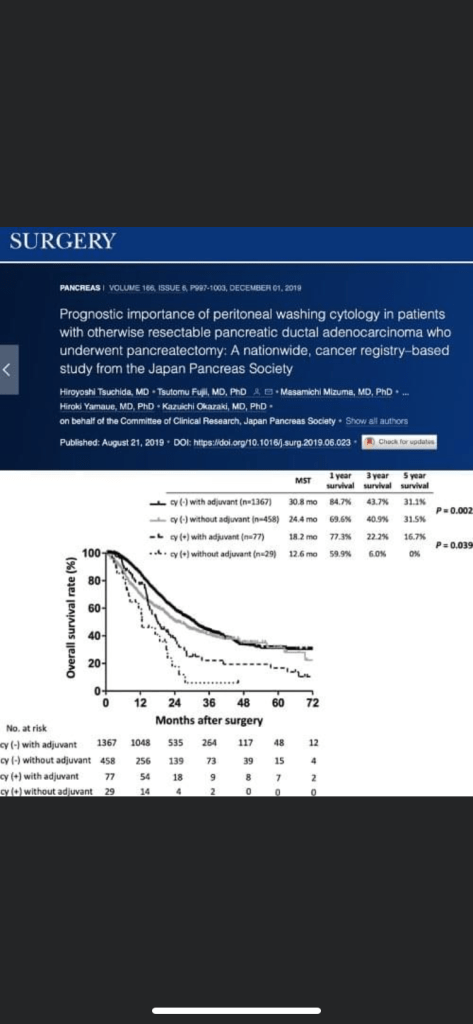
Cowden Syndrome and Breast Cancer

  • PTEN is aĀ tumor suppressor gene:
    • Inherited mutations in this gene can be associated withĀ Cowden’s syndrome
  • Cowden’s syndrome is associated withĀ increased risk of multiple types of cancerĀ including:
    • Breast
    • Endometrial
    • Thyroid
    • Colorectal
    • Melanoma
  • PTEN mutations carriers:
    • Tend to develop cancers atĀ younger agesĀ than individuals with sporadic malignancies
    • Lifetime breast cancer riskĀ with this syndrome is:
      • Up toĀ 85%, as reported by Tan el al:
        • Although it is noted given the limitations in reported studies of women with Cowden’s syndrome:
          • Risk estimates are not stable
    • Hamartomas on the skin or mucous membranes:
      • Are extremely common in this syndrome
    • Macrocephaly:
      • May also be seen
    • PTEN mutations are inherited in anĀ autosomal dominant pattern:
      • With an estimated frequency ofĀ 1 in 200,000 people
    • Loss of PTEN gene expression:
      • At theĀ somatic or germline levelĀ mayĀ affect response to HER2-directed therapies
      • Low levels of the protein in stromal cells:
        • Have been associated withĀ increased risk of recurrenceĀ related to radiation in pre-clinical models
    • Moderate risk genesĀ associated withĀ varying levels are breast cancer riskĀ with the following relative risks reported from a meta-analysis:Ā 
      • PALB2:
        • RR 5.3
      • CDH1:
        • RR 6.6
      • CHEK2 truncating mutations:
        • RR 3.0
      • ATM:
        • RR 2.8
  • References
    • Couch FJ, Shimelis H, Hu C, Hart SN, Polley EC, Na J, et al. Associations between cancer predisposition testing panel genes and breast cancer. JAMA Oncol. 2017;3(9):1190-1196.
    • Gustafson S, Zbuk KM, Scacheri C, Eng C. Cowden syndrome. Semin Oncol. 2007;34(5):428-434.
    • Ngeow J, Sesock K, Eng C. Breast cancer risk and clinical implications for germline PTEN mutation carriers. Breast Cancer Res Treat.2017;165(1):1-8.
    • Tan MH, Mester JL, Ngeow J, Rybicki LA, Orloff MS, Eng C. Lifetime cancer risks in individuals with germline PTEN mutations. Clin Cancer Res. 2012;18(2):400-407.
    • Weiss A, Garber JE, King T. Breast cancer surgical risk reduction for patients with inherited mutations in moderate penetrance genes. JAMA Surg. 2018;153(12):1145-1146.
    • Kim C, Lee CK, Chon HJ, et al. PTEN loss and level of HER2 amplification is associated with trastuzumab resistance and prognosis in HER2-positive gastric cancer. Oncotarget. 2017;8(69):113494-113501.
    • Sizemore GM, Balakrishnan S, Thies KA, et al. Stromal PTEN determines mammary epithelial response to radiotherapy. Nat Commun. 2018;9(1):2783.
    • Easton DF, Pharoah PD, Antoniou AC, et al. Gene-panel sequencing and the prediction of breast-cancer risk. N Engl J Med.2015;372(23):2243-2257.

#Arrangoiz #BreastSurgeon #CancerSurgeon #BreastCancer #SurgicalOncologist #CASO #CenterforAdvancedSurgicalOncology #PalmettoGeneralHospital
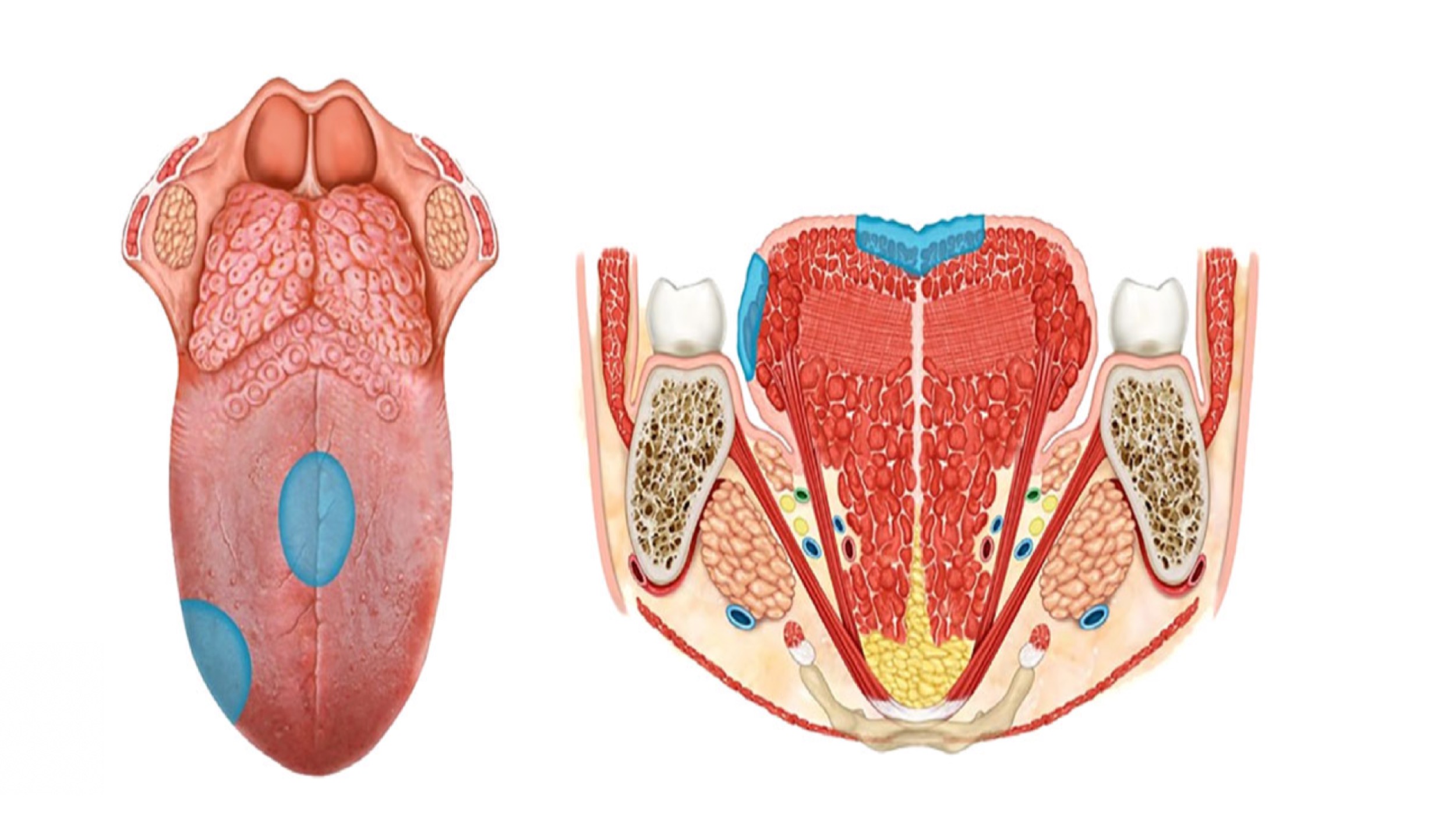
Chemoprevention in Women with High Risk for Breast Cancer

  • Tamoxifen and raloxifene:
    • Reduce the risk of invasive breast cancerĀ in high-risk women when compared to placebo:
      • But are associated withĀ increased vasomotor symptoms
    • In theĀ NSABPĀ P-2Ā /Ā STAR trial:
      • WhenĀ compared to raloxifene, tamoxifen use:
        • Resulted in higher rates of:
          • Uterine cancer:
            • 2Ā /Ā 1000 vs. 1.5Ā /Ā 1000
          • Deep vein thrombosis:
            • 2.29Ā /Ā 1000 vs 1.69Ā /Ā 1000
          • Pulmonary embolism:
            • 1.41Ā /Ā 1000 vs. 0.96Ā /Ā 1000
    • Use ofĀ concomitant hormone replacement therapy with tamoxifen or raloxifene:
      • WasĀ not allowed in the STAR trial:
        • IsĀ discouraged in the 2013Ā American Society of Clinical Oncology chemoprevention guidelines
  • Aromatase inhibitors:
    • AreĀ not associated with a risk of thrombosis
    • In theĀ MAP.3 prevention trial:
      • ExemestaneĀ significantly reduced the incidence of invasive breast cancer:
        • WasĀ not associated with serious adverse effects
        • Resulted inĀ only minimal changes in health-related quality of life
        • However, it isĀ not FDA-approved for chemoprevention of breast cancer:
          • But can be used in an off-label manner
    • Decision tables weighing the risks and benefits of chemoprevention agents are available:
      • Can identify the most appropriate drug with the fewest side effects for each individual patient
    • Compliance with chemoprevention varies by the agent used:
      • In the MAP.3 trial
        • 85% of enrolled women were compliant with exemestane,Ā 
      • Whereas in the NSABP P-1 trial:
        • 76% of women with compliant with tamoxifen
    • In clinical practice:
      • Overall compliance with chemoprevention is even lower:
        • With a study by Flanagan and colleagues:
          • Reporting aĀ 61% rate of completionĀ of planned chemoprevention in high-risk patients.
  • References:
    • Visvanathan K, Hurley P, Bantug E, Brown P, Col NF, Cuzick J, et al. Use of pharmacologic interventions for breast cancer risk reduction: American Society of Clinical Oncology clinical practice guideline.Ā J Clin Oncol.Ā 2013;31(23):2942-2962.
    • Freedman AN, Yu B, Gail MH, Costantino JP, Graubard BI, Vogel VG, et al. Benefit/risk assessment for breast cancer chemoprevention with raloxifene or tamoxifen for women age 50 years or older.Ā J Clin Oncol.2011;29(17):2327-2333.
    • Goss PE, Ingle JN, Ales-Martinez JE, Cheung AM, Chlebowski RT, Wactawski-Wende J, et al. Exemestane for breast-cancer prevention in postmenopausal women.Ā N Engl J Med.Ā 2011;364(25):2381-2391.
    • Nelson HD, Fu R, Humphrey L, et al.Ā Comparative Effectiveness of Medications To Reduce Risk of Primary Breast Cancer in Women[Internet]. Rockville (MD): Agency for Healthcare Research and Quality (US); 2009 Sep. (AHRQ Comparative Effectiveness Reviews, No. 17.)
    • Fisher B, Costantino JP, Wickerham DL, et al. Tamoxifen for prevention of breast cancer: report of the National Surgical Adjuvant Breast and Bowel Project P-1 Study.Ā J Natl Cancer Inst.Ā 1998;90(18):1371-1388.
    • Flanagan MR, Zabor EC, Stempel M, Mangino DA, Morrow M, Pilewskie ML. Chemoprevention Uptake for Breast Cancer Risk Reduction Varies by Risk Factor.Ā Ann Surg Oncol.Ā 2019;26(7):2127-2135.

#Arrangoiz #BreastSurgeon #CancerSurgeon #SurgicalOncologist #BreastCancer #CASO #CenterforAdvancedSurgicalOncology #PalmettoGeneralHospital
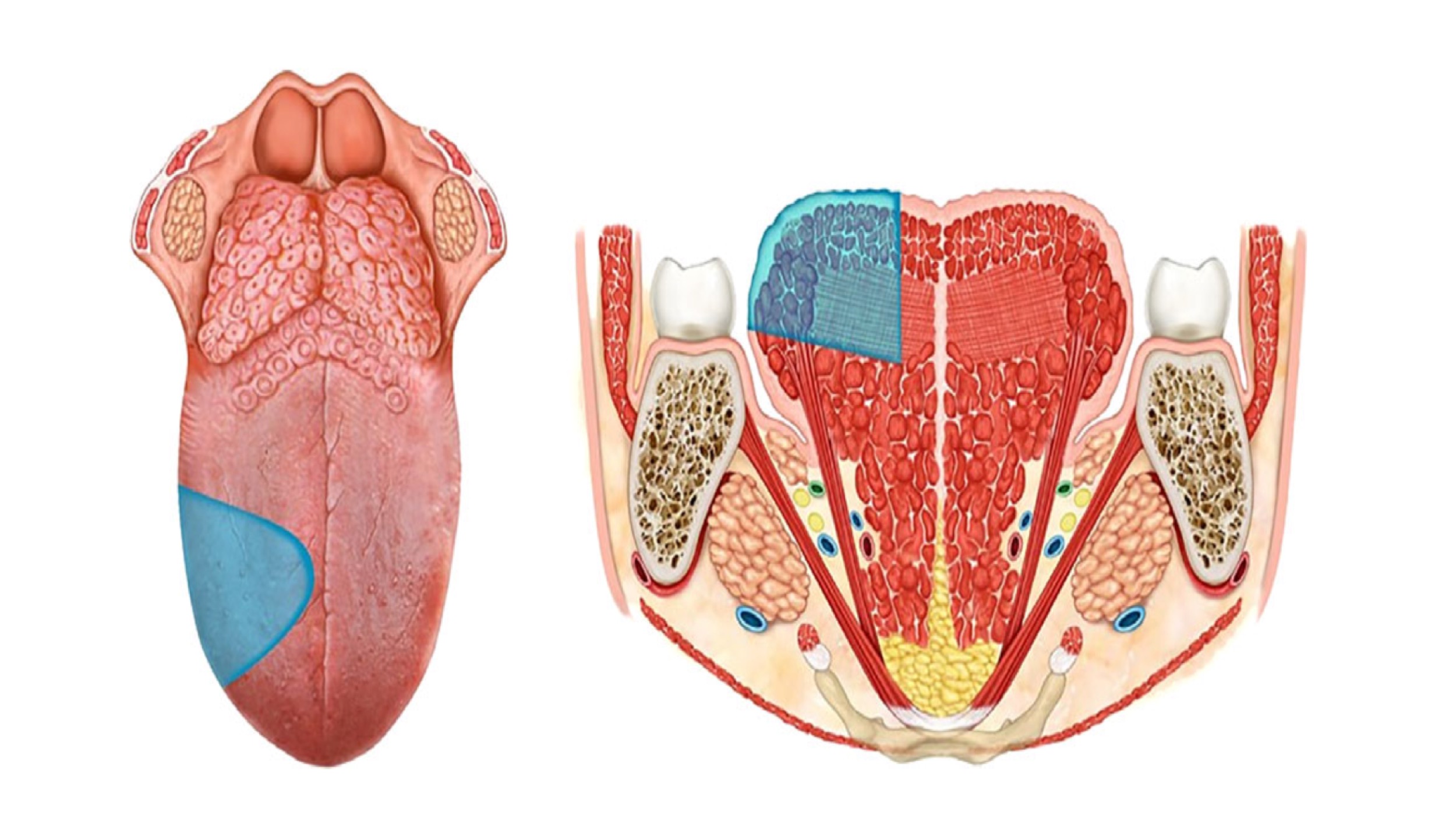
Signos de CĆ”ncer de MamĆ” / Clinical Signs of Breast Cancer

šŸ‘‰Rodrigo Arrangoiz MS, MD, FACS es cirujano oncólogo experto en mamĆ” y es miembro Center for Advanced Surgical Oncology en el Hospital Palmetto General Hospital: ā€©ā€©šŸ‘‰Es un experto en el manejo del cĆ”ncer de seno. ā€©ā€©šŸ‘‰Si tiene alguna pregunta sobre el examen de detección de cĆ”ncer de seno, no dude en comunicarse con el Dr. Arrangoiz.


šŸ‘‰