
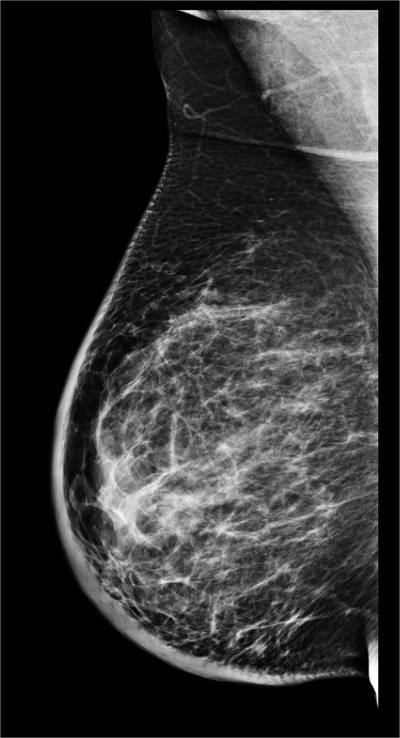
👉Capecitabine is often used to treat breast cancer, but the best use of capecitabine is open for discussion.
👉According to a large meta-analysis of the effects of capecitabine in early breast cancer, capecitabine improves disease-free and overall survival for patients with triple-negative breast cancer, but only when it is added to other systemic therapies and not when it is used as a substitute.
👉The results of the meta-analysis were presented at the 2019 San Antonio Breast Cancer Symposium (SABCS) by Marion van Mackelenbergh, MD, of the University of Kiel, Germany.
👉Overall survival was also improved when capecitabine was given in addition to other therapies.
👉There is no evidence supporting a predictive value of capecitabine-specific adverse events on outcome.
👉It can be concluded that the addition of capecitabine to other treatment may be recommended for patients with triple-negative.
👉The meta-analysis showed no data comparing the effects of capecitabine with carboplatin in triple-negative breast cancer.
👉One trial is recruiting patients to evaluate this in the post-neoadjuvant setting.
👉The effect of capecitabine compared with other systemic therapies, including carboplatin, remains to be investigated.
👉Capecitabine is approved by the U.S. Food and Drug Administration (FDA) for use as monotherapy or in combination with docetaxel in metastatic breast cancer.
👉The meta-analysis results addressed its use in early breast cancer.
👉Several randomized trials have evaluated the effect of capecitabine in early breast cancer, mainly in high-risk patients.
👉The German Breast Group investigators sought to examine the effect of capecitabine in patients with early breast cancer on disease-free survival as the primary objective; secondary endpoints included the effect of capecitabine on overall survival and to determine whether there was an interaction between capecitabine-specific toxicity and treatment effect.
👉Study Details👈
👉The meta-analysis included individual patient data from 15,457 patients enrolled in 12 randomized controlled trials; 7,983 patients with early breast cancer were treated with capecitabine, and 7,474 patients were in the control arms.
👉Five of the trials included in the meta-analysis addressed capecitabine given instead of other therapies, and seven evaluated the use of capecitabine in addition to other therapies.
👉The analysis was performed on the overall study population and in two predefined subsets: patients who received capecitabine in addition to other therapies and those who received capecitabine instead of another systemic treatment.
👉The median age of patients at initial diagnosis was 53 years.
👉Nearly three-quarters of patients had nodal involvement; 56% presented with tumor stage II disease; about 68% had hormone receptor–positive disease; 45% had high-grade disease; 15% had HER2-positive breast cancer.
👉About 80% of the patients were treated in the adjuvant setting and almost 20%, in the neoadjuvant setting.
👉Key Findings👈
👉Among the entire data set, there was no significant effect of capecitabine alone on disease-free survival, but a significant benefit was observed in the patients who received capecitabine in addition to other systemic therapies (hazard ratio [HR] = 0.888, 95% confidence interval [CI[ = 0.817–0.965).
👉Only the CREATE-X trial had positive results for disease-free survival, and no benefit of capecitabine on disease-free survival was observed when capecitabine was given instead of another treatment.
👉A slight benefit for capecitabine was observed in overall survival for the total data set (HR = 0.892, 95% CI = 0.824–0.965; P = .005), which was more pronounced when capecitabine was added to other systemic therapies (HR = 0.837, 95% CI = 0.751–0.933; P = .001).
👉Only the CREATE-X and USON 01062 trials were positive for overall survival.
👉There was no overall survival benefit [in the meta-analysis] when capecitabine was substituted for another systemic therapy.
👉In patients with triple-negative breast cancer, capecitabine improved disease-free survival by 18% when added to standard chemotherapy and overall survival by 22% (P = .004 for both analyses).
👉Only benefit of capecitabine was observed in the triple-negative breast cancer overall cohort and when capecitabine was added [to another therapy].
👉No benefit was observed in triple-negative breast cancer when capecitabine was given instead of another systemic therapy.
👉The most common grade 3 and 4 toxicities associated with capecitabine were mucositis, hand-foot syndrome, and diarrhea.
👉No significant associations were reported between capecitabine-specific toxicities and treatment benefit.
#Arrangoiz
#BreastSurgeon
#CancerSurgeon
#SurgicalOncologist
#SABCS19 #capecitabine #triplenegativebreastcancer #TNBC #breastcancer

 Rodrigo Arrangoiz MS, MD, FACS, FSSO