Blog

Neoadjuvant Chemotherapy in HER2 Positive Breast Cancer

  • Neoadjuvant chemotherapy does not prolong survival compared to adjuvant chemotherapy:
    • However, it does result in decreased disease burden, and can be beneficial at time of surgery:
      • e.g., providing increased opportunity to perform breast-conserving surgery and reducing need for axillary lymph node dissection
  • A meta-analysis of 14 prospective randomized trials of neoadjuvant vs. adjuvant chemotherapy in 5,500 patients with breast cancer:
    • Demonstrated that NAC was associated with an absolute decrease in the mastectomy rate of 16.6% (95% CI 15.1–18.1%):
      • Patients with ER– and HER2 positive breast cancers:
        • Are more likely to experience complete pathologic response than those with ER+ cancers
  • Patients with a clinically positive axilla after neoadjuvant chemotherapy:
    • Should undergo axillary dissection at the time of breast surgery
  • Patients with no residual adenopathy on clinical exam may be considered for sentinel lymph node biopsy (SLNB):
    • Accuracy of SLNB after NAC can be improved with:
      • Localization of previously-clipped nodes
      • Use of dual tracer
      • Increasing the number of sentinel nodes retrieved:
        • SLNB after NAC has a false-negative rate of less than 10% only when ≥ 3 sentinel nodes were identified
  • References
    • Mieog, JS, van der Hage JA, van de Velde CJ. Neoadjuvant chemotherapy for operable breast cancer. Br J Surg. 2007;94(1):1189-1200.
    • van der Hage JA, van de Velde CJH, Julien JP, Tubiana-Hulin M, Vandervelden C, Duchateau L. Preoperative chemotherapy in primary operable breast cancer: results from the European Organization for Research and Treatment of Cancer trial 10902. J Clin Oncol. 2001;19(22):4224-4237.
    • Fisher B, Brown A, Mamounas E, et al. Effect of preoperative chemotherapy on local-regional disease in women with operable breast cancer: findings from National Surgical Adjuvant Breast and Bowel Project B-18. J Clin Oncol. 1997;15(7):2483-2493.
    • Rouzier R, Perou CM, Symmans WF, et al. Breast cancer molecular subtypes respond differently to preoperative chemotherapy. Clin Cancer Res. 2005;11(16):5678-5685.
    • Boughey JC, Ballman KV, Le-Petross HT, et al. Identification and resection of clipped node decreases the false-negative rate of sentinel lymph node surgery in patients presenting with node-positive breast cancer (T0-T4, N1-N2) who receive neoadjuvant chemotherapy: results from ACOSOG Z1071 (Alliance). Ann Surg.2016;263(4):802-807.
    • Boileau, JF, Poirier B, Basik M, et al. Sentinel node biopsy after neoadjuvant chemotherapy in biopsy-proven node-positive breast cancer: the SN FNAC study. J Clin Oncol. 2015;33(3):258-264.
#Arrangoiz #BreastSurgeon #CancerSurgeon #SurgicalOncologist #BreastCancer #Surgeon #Doctor #MounSinaiMedicalCenter #MSMC #Mexico #Miami

Parathyroid Glands

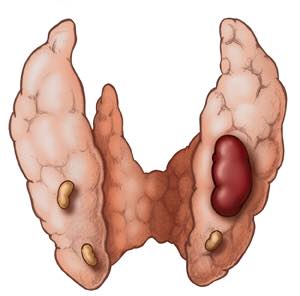
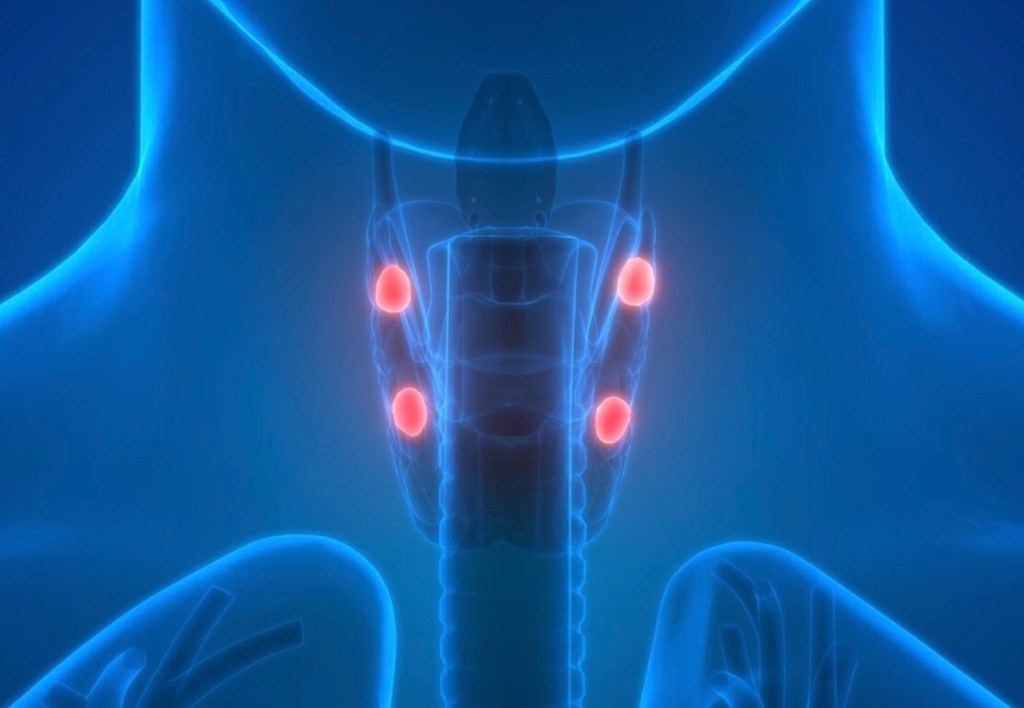
  • There are typically four parathyroid glands:
    • Supernumerary glands:
      • Have been found in up to 13% of people on autopsy
  • They are typically light brown in appearance:
    • Measure 6 mm x 4 mm x 2 mm in size:
      • Each weighs 50 mg
  • The superior parathyroid glands:
    • Are dorsal and lateral to the RLN
  • The inferior parathyroid glands:
    • Are ventral and medial to the RLN
  • Parathyroid glands:
    • Primarily derive their blood supply:
      1. From the inferior thyroid artery
    • Branches of the superior thyroid artery:
      • Can provide up to 20% of the blood supply:
        • Of the superior glands
    • Branches from the thyroidea ima, in addition to vessels to the trachea, esophagus, larynx, and mediastinum:
      • May also be found

#Arrangoiz #ParathyroidSurgeon #ParathyroidExpert #CancerSurgeon #Hyperparathyroidism #MSMC #MountSinaiMedicalCenter #Teacher #HeadandNeckSurgeon #Mexico #Miami

  • BRCA mutation carriers:
    • Face a cumulative lifetime breast cancer risk:
      • Of approximately 60% in BRCA1 and 50% in BRCA2 by age 70
  • Imaging surveillance begins at age 25:
    • With annual breast MRI with contrast:
      • With addition of mammography after age 30
    • Although use of screening ultrasound is evolving in women with dense breast tissue:
      • Its use in BRCA carriers has not been defined.1
  • Surveillance strategies:
    • Have significantly improved early detection but do not prevent breast cancer
  • Bilateral salpingo-oophorectomy:
    • Has been shown to provide approximately 50% relative reduction in breast cancer risk:
      • But ultimately prophylactic mastectomy provides the greatest reduction
  • The optimal timing of surgery depends on multiple factors, including:
    • The patient’s desire for future breastfeeding and ages of family members at diagnosis
  • Several retrospective series and meta-analyses of four prospective studies have supported prophylactic mastectomy in BRCA mutation carriers:
    • While the data demonstrate a 93% relative risk reduction in breast cancers:
      • They do not demonstrate a survival benefit in this population
  • Recent non-randomized studies:
    • Have evaluated use of nipple-sparing mastectomy (NSM) and demonstrated its feasibility and safety in patients with BRCA mutation:
      • Jakub et al. reported data from 548 risk-reducing NSMs in 346 patients treated at 9 institutions:
        • This study included both women opting for prophylactic mastectomies concurrent with treatment for a contralateral breast cancer, and women undergoing bilateral prophylactic mastectomies for risk reduction
        • With median and mean follow up of 34 and 56 months, respectively, no ipsilateral breast cancers occurred after prophylactic NSM
        • Breast cancer did not develop in any patients undergoing bilateral risk-reducing NSMs
  • References
    • Heemskerk-Gerritsen BA, Menke-Pluijmers MB, Jager A, et al. Substantial breast cancer risk reduction and potential survival benefit after bilateral mastectomy when compared with surveillance in healthy BRCA1 and BRCA2 mutation carriers: a prospective analysis. Ann Oncol. 2013;24(8):2029-2035.
    • Genetic/familial high-risk assessment: breast and ovarian. National Comprehensive Cancer Network. Version 2.2019. https://www.nccn.org/professionals/physician_gls/pdf/genetics_screening.pdf. Accessed September 16, 2018.
    • De Felice F, Marchetti C, Musella A, et al. Bilateral risk-reduction mastectomy in BRCA1 and BRCA2 mutation carriers: a meta-analysis. Ann Surg Oncol. 2015;22(9):2876-2880.
    • Ludwig KK, Neuner J, Butler A. Risk reduction and survival benefit of prophylactic surgery in BRCA mutation carriers: a systematic review. Am J Surg. 2016;212(4):660-669
    • Jakub JW, Peled AW, Gray RJ. Oncologic Safety of Prophylactic Nipple-Sparing Mastectomy in a Population With BRCA Mutations: A Multi-institutional Study. JAMA Surg. 2018;153:123-129.
#Arrangoiz #CancerSurgeon #Surgeon #Doctor #SurgicalOncologist #BreastSurgeon #MountSinaiMedicalCenter #MSMC #Miami #Mexico

Five Things You Should Know About Primary Hyperparathyroidism

Rodrigo Arrangoiz MS, MD, FACS cirujano de tumores de cabeza y cuello / cirugia endocrina es experto en el manejo del hiperp

Dr. Rodrigo Arrangoiz is a board-certified surgical oncologist who subspecializes in breast cancer and head and neck cancer. Dr. Arrangoiz earned his medical degree at the Anahuac University Medical School in Mexico City, Mexico and graduated Suma Cum Laude. He completed his internship and residency in general surgery at Michigan State University, where he was named chief resident during his fifth year of residency. Dr. Arrangoiz also completed a complex surgical oncology, head and neck fellowship at the Fox Chase Cancer Center in Philadelphia and at the same time he undertook a master’s in science (Clinical Research for Health Care Professionals) at Drexel University in Philadelphia. Dr. Arrangoiz also participated in a two-year global online fellowship in head and neck surgery and oncology through the International Federation of Head and Neck Societies / Memorial Sloan Kettering Cancer Center.

Dr. Arrangoiz has participated in multiple courses and academic congresses as a lecturer and guest professor and has also participated in several publications on topics related to his specialty that include oral cavity cancer, hyperparathyroidism, thyroid cancer, breast cancer, endocrine tumors, squamous cell carcinoma of the head and neck, and more. He is board certified by the American Board of Surgery, the Mexican Board of General Surgery and the Mexican Board of Oncology.

He is a member of various medical associations such as the American College of Surgeons, American Thyroid Association, American Head and Neck Society, American Medical Association, American Society of Clinical Oncology, Association of Academic Surgeons, Society of Surgical Oncology, The Society of Surgery of the Alimentary Tract, Society of American Gastrointestinal Endoscopic Surgeons, and the American Society of Breast Surgeons, among others.

Specialty:

Head and Neck Surgery
Thyroid and Parathyroid Surgery
Breast Surgery
Complex Surgical Oncology

Areas of Clinical Interest:

Malignant thyroid disease (papillary, follicular, medullary, anaplastic thyroid cancer, thyroid lymphoma, and metastatic disease to the thyroid gland) benign thyroid diseases (goiter, multinodular goiter, substernal goiter, hyperthyroidism), hyperparathyroidism / hypercalcemia, benign and malignant breast diseases, head and neck surgery and head and neck canc

👉https://m.youtube.com/watch?v=AgvQmtz1gnA&time_continue=127

#Arrangoiz #ParathyroidSurgeon #ParathyroidExpert #Hyperparathyroidism #PrimaryHyperparathyroidism #CancerSurgeon #EndocrineSurgery #Teacher #Surgeon #HeadandNeckSurgeon #SurgicalOncologist #ParathyroidAdenoma #Hypercalcemia #ElevatedCalciumLevels #Miami #MountSinaiMedicalCenter #MSMC #Mexico #Hialeah


Epidemiology and Etiology of Primary Hyperparathyroidism

  • PHPT is defined as:
    • Hypercalcemia or widely fluctuating serum calcium levels:
      • Resulting from the inappropriate or autogenous secretion of PTH by one or more parathyroid glands:
        • In the absence of a known or recognized stimulus
  • The most common cause of hypercalcemia in the outpatient setting is PHPT:
    • With approximately 100,000 new cases per year reported in the United States
  • Since the advent of routine laboratory testing, the prevalence of the disease has increased from:
    • 0.1% to 0.4%:
      • One to seven cases per 1000 adults
  • In a study by Yeh et al:
    • The incidence of PHPT fluctuated between 36.3 and 120.2 cases per 100,000 women-years and 13.4 and 35.6 in 100,000 men-year
  • PHPT may present at any age:
    • With the vast majority of cases occurring in patients:
      • Older than 45 years of age
  • The mean age at diagnosis has remained between:
    • 52 and 56 years
  • Women have consistently made up the preponderance of cases:
    • With a female-to-male ratio of 3:1 to 4:1
      • Based on a population based study from Rochester Minnesota the higher incidence of this could be:
        • Secondary (hypothetically) to estrogen deficiency after menopause:
          • That reveals underlying HPT
  • The precise origin of PHPT is unknown:
    • Although exposure to:
      • Low-dose therapeutic ionizing radiation and familial predisposition account for some cases
    • Irradiation for acne could have accounted for a 2 to 3-fold increase in the incidence of this disease at some point in time, and a 4-fold increase was noted in survivors of the atomic bomb
    • Schneider et al:
      • In their study of 2555 patients followed for 50 years:
        • Even low doses of radiation exposure during the teenage years was associated with a slight risk of developing PHPT
      • In this study a dose response was documented in people receiving external- beam radiotherapy for benign diseases before their 16th birthday
      • The latency period for the development of PHPT after radiation exposure:
        • Is longer than that for the development of thyroid tumors:
          • With most cases occurring 30 to 40 years after exposure
      • Patients who have been radiated have similar clinical manifestations and serum calcium levels when compared to patients without a history of radiation exposure:
        • However, the former tend to have higher PTH levels and a higher incidence of concomitant thyroid neoplasms
  • Certain medications have been implicated in the development of hypercalcemia:
    • Lithium therapy has been known to shift the set point for PTH secretion in parathyroid cells:
      • Thereby resulting in elevated PTH levels and mild hypercalcemia
      • The mechanism probably results from:
        • Lithium linking with the calcium sensing receptor on the parathyroid glands:
          • Resulting in PTH secretion
      • Lithium stimulates the growth of abnormal parathyroid glands in vitro and also in susceptible patients in vivo
      • Unusual metabolic features associated with lithium use include:
        • Low urinary calcium excretion
        • Normal cyclic AMP excretion
        • Lack of calcic nephrolithiasis
    • Elevated serum calcium levels have been associated with thiazide diuretic:
      • The overall annual age- and sex-adjusted (to 2000 U.S. whites) incidence was:
        • 7.7 (95% CI, 5.9 to 9.5) per 100,000 individuals
      • The average 24-hour plasma calcium concentrations are:
        • Increased with thiazide diuretic use:
          • But the mean 24-hour PTH levels remain unchanged:
            • In subjects with normal baseline PTH levels and no evidence of hypercalciuria
      • Thiazides diuretics have several metabolic effects that may contribute to increased calcium levels:
        • A decrease in urine calcium excretion is the most likely cause:
          • But in some cases diuretic use has been associates with a metabolic alkalosis:
            • That could also cause an increase in total serum calcium levels:
              • Through a pH-dependent increase in protein-bound calcium
        • Although plasma 1,25 (OH) vitamin D levels are unchanged:
          • Increased intestinal calcium absorption in response to thiazide diurectic use:
            • Has been noted and could also contribute to an increase in serum calcium
          • One last possible explanation for the elevated serum calcium levels associated with thiazide diuretic use is:
            • Hemoconcentration associated with dieresis
  • Numerous genetic abnormalities have been identified in the development of PHPT, including:
    • Anomalies in tumor suppressor genes and proto-oncogenes
    • Specific DNA mutations in a parathyroid cell may confer a proliferative advantage over normal neighboring cells:
      • Thus allowing for clonal growth:
        • Large populations of these altered cells containing the same mutation within hyper functioning parathyroid tissue suggest that such glands are a result of clonal expansion
  • The majority of PHPT cases are:
    • Sporadic
  • Nonetheless, PHPT also occurs within the spectrum of a number of inherited disorders such as:
    • Multiple endocrine neoplasia syndromes (MEN):
      • MEN type 1 (Wermer Syndrome)
      • MEN type 2A (Sipple Syndrome)
      • Isolated familial HPT
      • Familial HPT with jaw-tumor syndrome
        • All of these syndromes are inherited in an:
          • Autosomal dominant fashion
  • The earliest and most common presentation of MEN1 is:
    • PHPT:
      • It develops in approximately 80% to 100% of patients by age 40 years
    • These patients also are predisposed to the development of:
      • Pancreatic neuroendocrine tumors
      • Pituitary adenomas
      • Less frequently to:
        • Skin angiomas
        • Lipomas
        • Adrenocortical tumors
        • Neuroendocrine tumors of the thymus, bronchus, or stomach
    • MEN type 1 has been shown to result from a germline mutation:
      • In a tumor suppressor gene:
        • Called MEN1 gene:
          • Located on chromosome 11q12-13
        • It encodes Menin:
          • A protein that is postulated to interact with:
            • The transcription factors JunD and nuclear factor-κB in the nucleus
            • In addition to replication protein A and other proteins
      • Pre-symptomatic screening for mutation carriers for MEN type 1:
        • Is difficult because generally MEN1 mutations result in a nonfunctional protein and are scattered throughout the translated nine exons of the gene
      • MEN1 mutations also have been found in kindred’s initially suspected to represent isolated familial HPT
      • Screening for mutation carriers for MEN type 1:
        • Has a very high detection rate:
          • Greater than 94%
        • It is used in Sweden for patients with PHPT with:
          • A first-degree relative with a major endocrine tumor
          • Age of onset is less than 30 years
          • Multiple pancreatic tumors /parathyroid hyperplasia is detected
            • Thus these patients should be screened for MEN1 mutations
  • Approximately 20% of patients with MEN type 2A (Sipple Syndrome) develop PHPT which is usually less severe:
    • MEN type 2A is caused by a:
      • Germline mutation of the:
        • RET proto-oncogene located on chromosome 10
    • Genotype and phenotype correlations have been noted in this syndrome:
      • In that individuals with mutations at codon 634:
        • Are more likely to develop PHPT
  • Patients with the familial HPT with jaw-tumor syndrome have an increased predisposition to parathyroid carcinoma:
    • This syndrome maps to a:
      • Tumor suppressor locus HRPT2 (parafibromin) on chromosome 1
  • Sporadic parathyroid adenomas and some hyperplastic parathyroid glands have:
    • Loss of heterozygosity (LOH) at 11q13:
      • The site of the MEN1 gene:
        • In approximately 25% to 40% of the cases
  • Over expression of PRAD1:
    • Which encodes cyclin D1:
      • A cell cycle control protein:
        • Is found approximately 18% of parathyroid adenomas:
          • This was proven to result from a rearrangement on chromosome 11 that places the PRAD1 gene under the control of the PTH promoter
  • Other chromosomal regions deleted in parathyroid adenomas and possibly reflecting loss of tumor suppressor genes include:
    • 1p, 6q, and 15q
  • Whereas amplified regions suggesting on co genes have been identified at 16p and 19p
  • RET mutations are unusual in sporadic parathyroid tumors
  • Sporadic parathyroid cancers are characterized by uniform loss of the tumor suppressor gene RB:
    • Which is involved in cell cycle regulation:
      • 60% have HRPT2 (CDC73) mutations
  • These alterations are rare in benign parathyroid tumors and may have implications for diagnosis
  • The p53 tumor suppressor gene:
    • Is also inactivated in a subset (30%) of parathyroid carcinomas
  • Single gland adenoma is the most common cause of PHPT:
    • 75% to 85% of the cases
  • Lower pole adenomas (in relation to the thyroid):
    • Are more common than are upper pole adenomas
  • Sizes range from:
    • 1 cm to 3 cm
  • The normal weight of a parathyroid gland is approximately 40 to 50 mg:
    • The weight of parathyroid adenomas vary between 553.7 +/- 520.5 mg (range, 66-2536)
  • Ectopic glands can be present:
    • 4% to 16% of cases
  • PHPT is caused by:
    • The enlargement of a single parathyroid gland or parathyroid adenoma in approximately:
      • 75% to 89% of the cases
    • Multiple adenomas or hyperplasia in 15% to 25% of the cases
    • Parathyroid carcinoma as the cause of PHPT is:
      • Extremely rare in most parts of the world (~1%) of patients
    • Multi-gland adenoma arises in a significant number of patients:
      • Double adenomas are seen in approximately 2% to 12% of the cases,
      • Triple adenomas in less than 1% the cases
      • Four adenomas or parathyroid gland hyperplasia in less than 3% to 15% of the cases
  • Most parathyroid adenomas consist of parathyroid chief cell:
    • They are usually encapsulated and in 50% of the cases they are surrounded by normal parathyroid tissue
  • Some adenomas, nevertheless, are composed of oxyphil cells:
    • These adenomas are usually larger than chief cell adenomas
  • Parathyroid adenomas are sometimes located within the thymus and they express a parathyroid-specific gene, GCMB:
    • Contrasting with the normal thymus:
      • Which does not express neither PTH nor GCMB
  • In a study by Ruda et al:
    • 20, 225 patients with PHPT:
      • Parathyroid hyperplasia accounted for approximately 6% of cases
      • In parathyroid hyperplasia all four glands are enlarged:
        • With the lower glands typically being larger than the upper ones
      • The glands are usually composed of chief cells
      • Clear cell hyperplasia is very rare, and is the only form in which the upper glands are larger than the lower ones

#Arrangoiz #ParathyroidSurgeon #ParathyroidExpert #Hyperparathyroidism #PrimaryHyperparathyroidism #CancerSurgeon #EndocrineSurgery #Teacher #Surgeon #HeadandNeckSurgeon #SurgicalOncologist #ParathyroidAdenoma #Hypercalcemia #ElevatedCalciumLevels #Miami #MountSinaiMedicalCenter #MSMC #Mexico #Hialeah

Margins in Breast Cancer

  • Current invasive breast cancer margin guidelines endorse:
    • “No ink on tumor,”:
      • Whereas the ductal carcinoma in situ (DCIS) guidelines:
        • State that 2 mm is an appropriate margin
  • These definitions have raised the question as to how best to manage patients with invasive cancer with associated DCIS
    • These patients should be managed according to the invasive guideline of no ink on tumor:
      • As the biology of the invasive cancer is the primary determinant of outcome and the majority of patients will receive systemic therapy
    • In addition, the presence of an extensive intraductal component does not increase local recurrence:
      • Although it may be representative of a greater residual disease burden
  • References
    • Pilewskie M, Morrow M. Margins in breast cancer: how much is enough? Cancer. 2018;124(7):1335-1341.
    • Morrow M, Van Zee KJ, Solin LJ, et al. Society of Surgical Oncology-American Society for Radiation Oncology-American Society of Clinical Oncology consensus guideline on margins for breast-conserving surgery with whole-breast irradiation in ductal carcinoma in situ. J Clin Oncol. 2016;34(33):4040-4046
    • Bartelink H, Horiot JC, Poortmans P, et al. Recurrence rates after treatment of breast cancer with standard radiotherapy with or without additional radiation. N Engl J Med. 2001;345(19):1378-1387.
    • Park CC, Mitsumori M, Nixon A, et al. Outcome at 8 years after breast-conserving surgery and radiation therapy for invasive breast cancer: influence of margin status and systemic therapy on local recurrence. J Clin Oncol. 2000;18(8):1668-1675.
#Arrangoiz #CancerSurgeon #BreastSurgeon #SurgicalOncologist #Miami #Mexico #MountSinaiMedicalCenter #MSMC

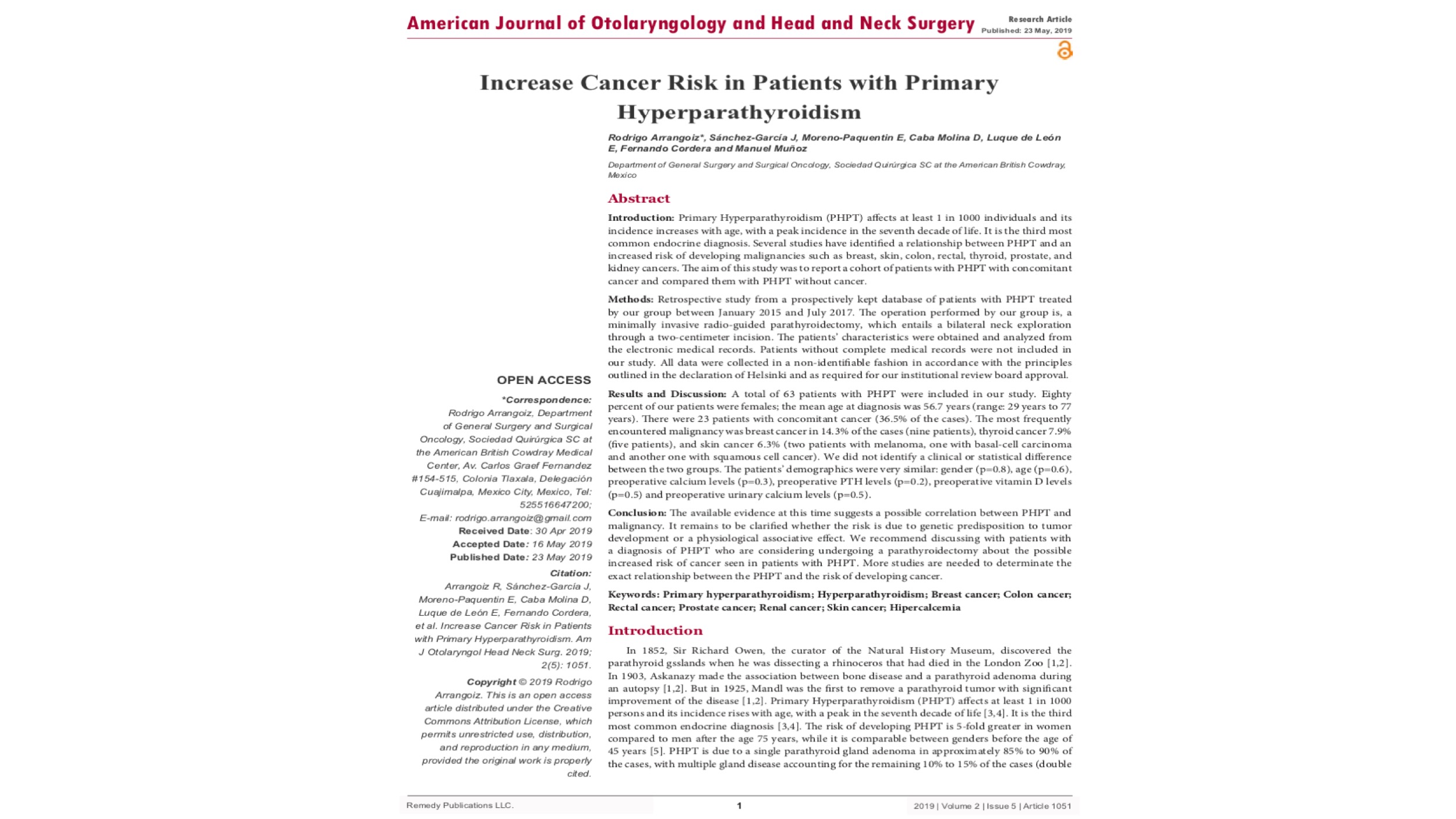
Increase Cancer Risk in Patients with Primary Hyperparathyroidism

Presentation1

Abstract

  • Introduction:
    • Primary Hyperparathyroidism (PHPT) affects at least 1 in 1000 individuals and its incidence increases with age, with a peak incidence in the seventh decade of life. It is the third most common endocrine diagnosis. Several studies have identified a relationship between PHPT and an increased risk of developing malignancies such as breast, skin, colon, rectal, thyroid, prostate, and kidney cancers. The aim of this study was to report a cohort of patients with PHPT with concomitant cancer and compared them with PHPT without cancer.
  • Methods:
    • Retrospective study from a prospectively kept database of patients with PHPT treated by our group between January 2015 and July 2017. The operation performed by our group is, a minimally invasive radio-guided parathyroidectomy, which entails a bilateral neck exploration through a two-centimeter incision. The patients’ characteristics were obtained and analyzed from the electronic medical records. Patients without complete medical records were not included in our study. All data were collected in a non-identifiable fashion in accordance with the principles outlined in the declaration of Helsinki and as required for our institutional review board approval.
  • Results and Discussion:
    • A total of 63 patients with PHPT were included in our study. Eighty percent of our patients were females; the mean age at diagnosis was 56.7 years (range: 29 years to 77 years). There were 23 patients with concomitant cancer (36.5% of the cases). The most frequently encountered malignancy was breast cancer in 14.3% of the cases (nine patients), thyroid cancer 7.9% (five patients), and skin cancer 6.3% (two patients with melanoma, one with basal-cell carcinoma and another one with squamous cell cancer). We did not identify a clinical or statistical difference between the two groups. The patients’ demographics were very similar: gender (p=0.8), age (p=0.6), preoperative calcium levels (p=0.3), preoperative PTH levels (p=0.2), preoperative vitamin D levels (p=0.5) and preoperative urinary calcium levels (p=0.5).
  • Conclusion:
    • The available evidence at this time suggests a possible correlation between PHPT and malignancy. It remains to be clarified whether the risk is due to genetic predisposition to tumor development or a physiological associative effect. We recommend discussing with patients with a diagnosis of PHPT who are considering undergoing a parathyroidectomy about the possible increased risk of cancer seen in patients with PHPT. More studies are needed to determinate the exact relationship between the PHPT and the risk of developing cancer.
  • Keywords:
    • Primary hyperparathyroidism; Hyperparathyroidism; Breast cancer; Colon cancer; Rectal cancer; Prostate cancer; Renal cancer; Skin cancer; Hypercalcemia 

Click to access ajohns-v2-id1051.pdf

#Arrangoiz #MountSinaiMedicalCenter #MSMC #Miami #Mexico

#Surgeon

#Cirujano

#ThyroidExpert

#ThyroidSurgeon

#CirujanodeTiroides

#ExpertoenTiroides

#ExpertoenParatiroides

#Paratiroides

#Hiperparatiroidismo

#CancerdeTiroides

#ThyroidCancer

#PapillaryThyroidCancer

#SurgicalOncologist

#CirujanoOncologo

#CancerSurgeon

#CirujanodeCancer

#HeadandNeckSurgeon

#CirugiaEndocrina

#EndocrineSurgery

#CirujanodeCabezayCuello

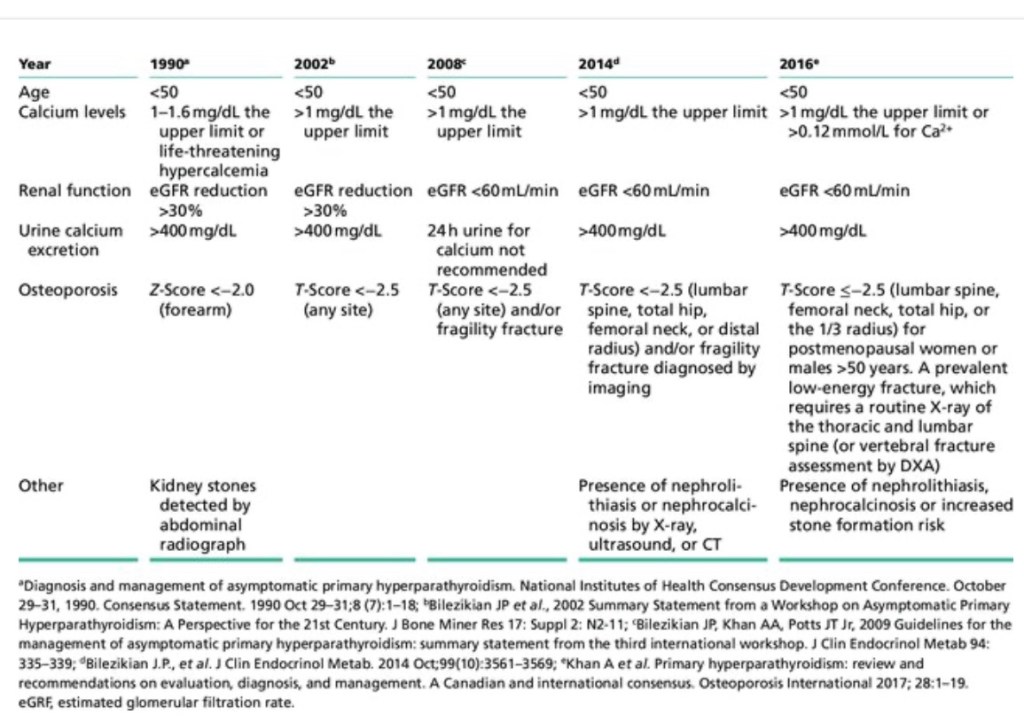
Guidelines for the Management of Asymptomatic Primary Hyperparathyroidism

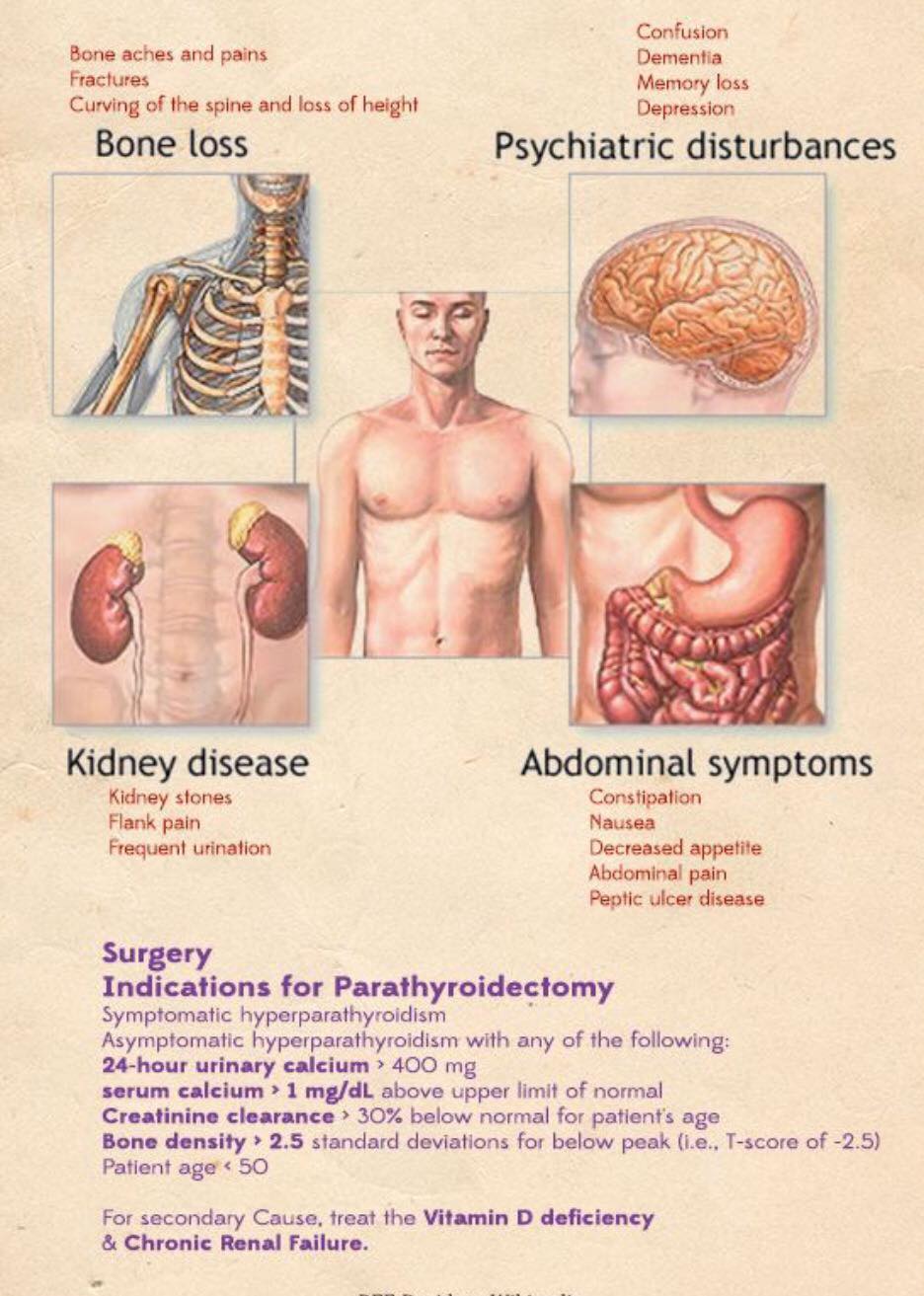
  • In 2014, the fourth international workshop released guidelines for the surgical management of asymptomatic PHPT
  • Guidelines for surgery in asymptomatic PHPT include:
    • Age less than:
      • 50 years old
    • A serum calcium measurement:
      • 1.0 mg/dL (0.25 mmol/L) above the upper limit of normal
    • Bone mineral density by dual-energy x-ray absorptiometry (DXA):
      • With a T-score < −2.5 at lumbar spine, total hip, femoral neck, or distal 1/3 radius
      • Vertebral fracture on x-ray, computed tomography (CT), magnetic resonance imaging (MRI)
    • 24-h urine for calcium:
      • > 400 mg/day (>10 mmol/day)
    • Increased risk of stone formation on biochemical stone risk analysis, or the presence of nephrolithiasis or nephrocalcinosis on x-ray, ultrasound, or CT
  • For patients with PHPT who do not undergo surgery:
    • Monitoring guidelines include at minimum:
      • Obtaining an annual serum calcium
      • DXA every 1 to 2 years
      • Annual estimated glomerular filtration rate (eGFR) / serum creatinine

#Arrangoiz #ParathyroidSurgeon #ParathyroidExpert #Hypercalcemia #PHPT #Hyperparathyroidism #PrimaryHyperparathyroidism #EndocrineSurgery #HeadandNeckSurgeon #CancerSurgeon #Surgeon #Teacher #Miami #Mexico #MountSinaiMedicalCenter #MSMC

Margins in Ductal Carcinoma In Situ

  • The standard adequate margin for patients with DCIS treated with breast-conserving surgery followed by whole-breast radiation is:
    • 2 mm:
    • Negative margins halve the risk of ipsilateral breast tumor recurrence (IBTR) compared with positive margins (defined as ink on DCIS)
  • A 2 mm margin minimizes the risk of IBTR relative to narrower negative margin widths:
    • However, larger margins (> 2 mm) do not significantly decrease IBTR
  • In 2016, margin guidelines related to the treatment of non-invasive breast cancer (e.g., DCIS) in the setting of breast-conservation therapy were developed by the Society of Surgical Oncology, American Society for Radiation Oncology, and the American College of Surgeons in a similar manner:
    • A consensus statement released by a multidisciplinary panel included the optimal margins for pure DCIS and mixed tumors (invasive and non-invasive components within the same tumor) in the setting of breast conservation:
      • Results from the meta-analysis showed that a 2 mm margin decreases the risk of IBTR in pure DCIS compared to closer negative margins:
        • This differs from the previous margin recommendation for invasive cancer, which remains no ink on tumor
      • In the setting of DCIS with micro-invasion (no focus of invasive disease larger than 1 mm):
        • The multidisciplinary panel recommends a 2 mm margin:
          • As these lesions have similar rates of IBTR as pure DCIS
      • However, in the setting of mixed tumors (invasive cancer with a DCIS component):
        • The recommendation for negative margins remains no ink on tumor:
          • As patients with mixed disease are treated as invasive cancer and therefore receive systemic therapy more often than pure DCIS patients
  • Patients with positive margins after breast-conserving surgery:
    • Should undergo re-excision:
      • Patients for whom adequate surgical margins cannot be achieved with lumpectomy:
        • Total mastectomy should be performed
  • Complete axillary lymph node dissection should not be performed in the absence of evidence of invasive cancer or proven axillary metastatic disease in women with apparent pure DCIS:
    • However, a small proportion of patients with apparent pure DCIS will be found to have invasive cancer at the time of their definitive surgical procedure:
      • Therefore, a sentinel lymph node biopsy should be strongly considered if the patient with apparent pure DCIS is to be treated with mastectomy or with excision in an anatomic location compromising the performance of a future sentinel lymph node procedure
  • References
    • Morrow M, Van Zee KJ, Solin LJ, et al. Society of Surgical Oncology-American Society for Radiation Oncology-American Society of Clinical Oncology consensus guideline on margins for breast-conserving surgery with whole-breast irradiation in ductal carcinoma in situ. J Clin Oncol. 2016;34(33):4040-4046.
    • Breast cancer. National Comprehensive Cancer Network. 2018. https://www.nccn.org/professionals/physician_gls/pdf/breast.pdf. Accessed September 9, 2018.
#Arrangoiz #BreastCancer #BreastSurgeon #SurgicalOncologist #DCIS #Margins #MountSinaiMedicalCenter #MSMC #Miami #Mexico

Local Treatment for Ductal Carcinoma In Situ

  • Local treatment for ductal carcinoma in situ (DCIS) involves:
    • Mastectomy or breast-conserving therapy:
      • Which consists of partial mastectomy:
        • Followed in most cases by adjuvant radiation therapy
    • Sentinel lymph node biopsy (SLNB) is not indicated for most patients undergoing breast-conserving therapy for DCIS:
      • Because DCIS is a preinvasive lesion, axillary nodes are rarely involved:
        • Even in cases of extensive multifocal high-grade disease
  • If invasive breast cancer is identified after a breast-conserving surgery is performed for DCIS:
    • SLNB can be performed as a second procedure
  • If a mastectomy is performed as the initial procedure:
    • A sentinel node biopsy should be performed in the event of an occult invasive cancer
  • Radiation therapy alone is not given for DCIS:
    • Although there are ongoing clinical trials comparing active surveillance to surgery with or without endocrine therapy:
      • These are reserved for low- and intermediate-grade DCIS and are not yet considered standard of care
  • References
    • Virnig BA, Tuttle TM, Shamliyan T, Kane RL. Ductal carcinoma in situ of the breast: a systematic review of incidence, treatment, and outcomes. J Natl Cancer Inst 2010; 102:170.
    • Lyman GH, Giuliano AE, Somerfield MR, et al. American Society of Clinical Oncology guideline recommendations for sentinel lymph node biopsy in early-stage breast cancer. J Clin Oncol. 2005;23(30):7703-7720.
    • Intra M, Rotmensz N, Veronesi P, et al. Sentinel node biopsy is not a standard procedure in ductal carcinoma in situ of the breast: the experience of the European Institute of Oncology on 854 patients in 10 years. Ann Surg. 2008;247(2):315-319.
    • Brennan ME, Turner RM, Ciatto S, et al. Ductal carcinoma in situ at core-needle biopsy: meta-analysis of underestimation and predictors of invasive breast cancer. Radiology. 2011;260(1):119-128.
    • Youngwirth LM, Boughey JC, Hwang ES. Surgery versus monitoring and endocrine therapy for low-risk DCIS: The COMET Trial. Bull Am Coll Surg. 2017;102(1):62-63.
#Arrangoiz #BreastSurgeon #BreastCancer #CancerSurgeon #SurgicalOncology #MountSinaiMedicalCenter #MSMC #Miami #Mexico