Blog

Breast Calcifications

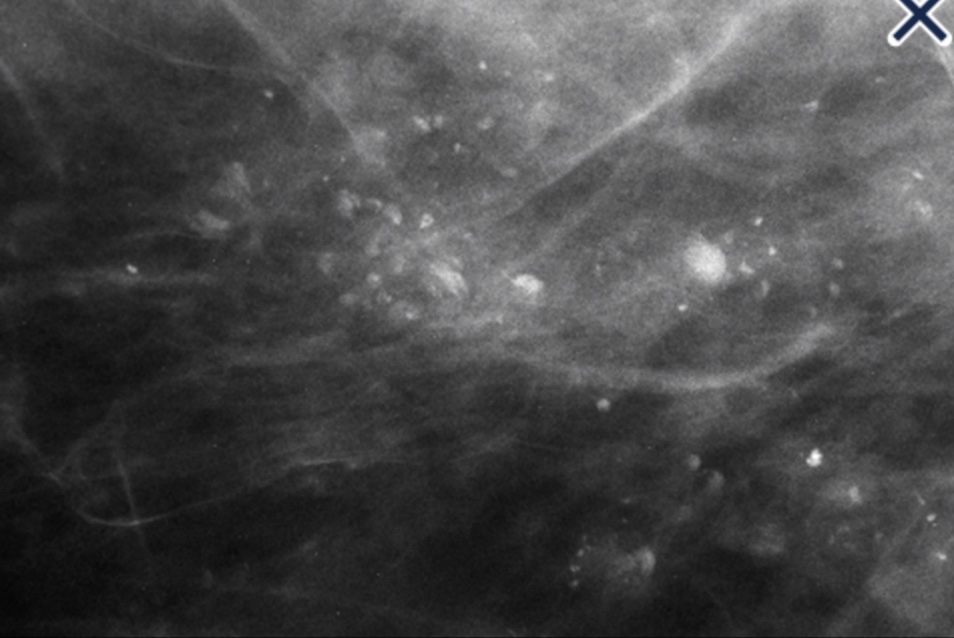
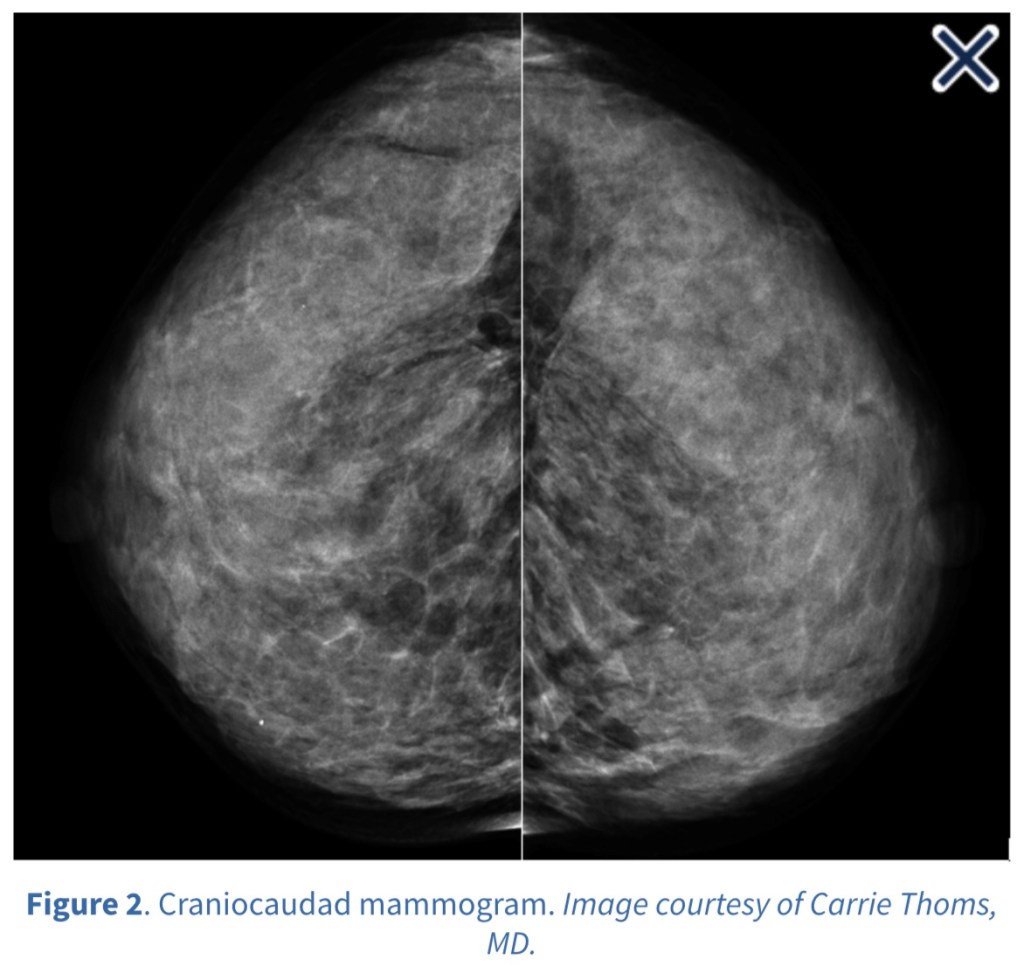
  • Ductal calcifications have a wide variety of presentations:
    • Depending upon the underlying process that created them
  • When coarse rod-like ductal calcifications:
    • Are diffuse, bilateral, and not confined to a single lobe:
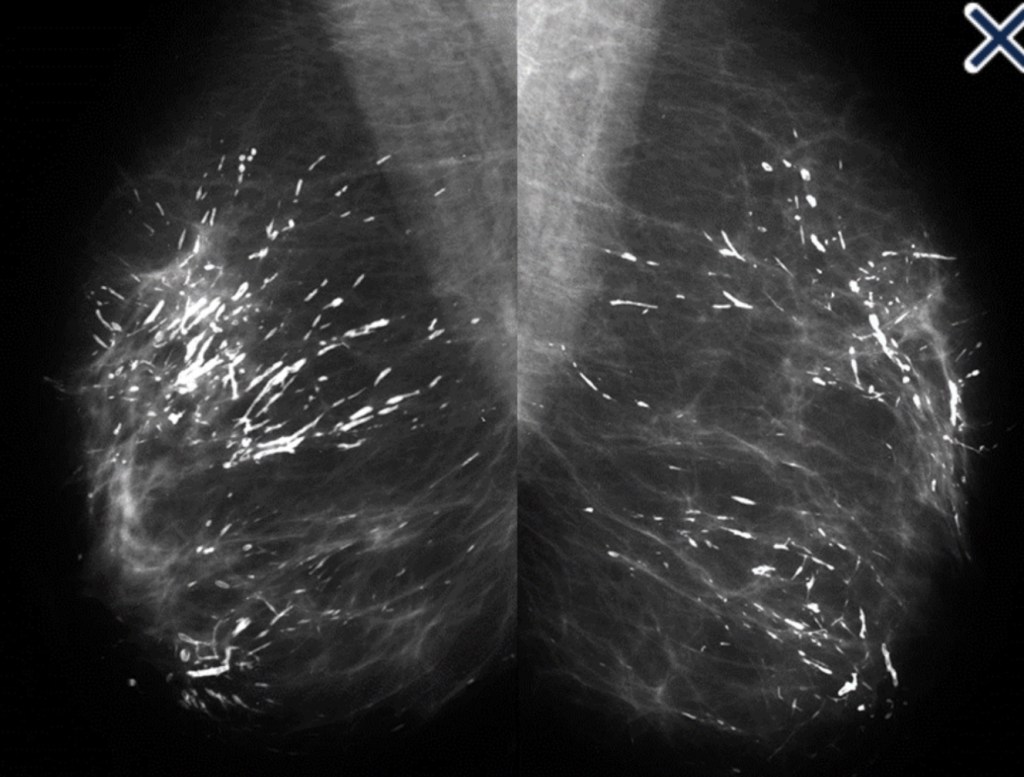
      • They can be confidently assumed to result from plasma cell mastitis:
        • They do not require further evaluation or biopsy (Image)
      • The process is called secretory disease:
        • Because there is a stagnant, viscous fluid that eventually petrifies and results in the smooth contoured calcifications
        • Some of them are branching and look like malignant casting type calcifications:
          • But the key distinguishing feature:
            • Is the diffuse, multilobe, bilateral nature of the process:
              • Calcifications become much more worrisome when they are confined to a single lobe
Coarse rod-like ductal calcifications: Plasma Cell Mastitis
Casting type calcification: fragmented, linear, and branching
  • The most frequent malignant, ductal “casting type” calcifications:
    • Are fragmented, linear, and branching:
      • They are the most reliable mammographic sign of malignancy (Image)
      • The presence of fragmented and / or dotted casting type calcifications on the mammogram:
        • Restricted to one lobe:
          • Is a pathognomonic sign of a diffuse, grade 3 breast cancer subtype that originates in the major ducts and usually has a solid or micropapillary pattern:
            • Traditionally, this subtype has been called “comedo carcinoma”:
              • The cancer cells either produce a viscous, proteinaceous fluid which gradually concentrates and eventually calcifies, or they undergo necrosis (apoptosis) followed by calcification
              • In both instances, the intraluminal pressure increases, distending the ducts considerably
    • Dotted casting type calcifications:
      • Have been referred to as “snakeskin-like calcifications”:
        • They accumulate in the fluid:
          • Produced by either micropapillary or solid cancer cell growth patterns (Image)
Snakeskin type calcifications.
  • The tips of the micropapillary growths may become detached and eventually calcify, contributing to the intraluminal calcifications (Image).
The micropapillary growths break off and calcify in the lumen, resulting in the individual dots of calcification
  • Occasionally, malignant ductal calcifications present in a manner that can be easily mistaken for a benign process:
    • It occurs when fluid production:
      • Rather than necrosis, dominates the picture
    • The intraductal carcinoma can be grades 1, 2, or 3 and a micropapillary and / or cribriform architecture is present
    • Tabár has done extensive work comparing the mammographic images with 3D subgross sections and whole mount histology slides in order to determine that the calcification occurs in large lakes of fluid that calcify, forming round or oval, discoid calcifications:
      • He credits Stavros with suggesting the name “skipping stone” calcifications because they are reminiscent of stones that children skip across a pond (Images 5a, 5b, 6, and 7)
Magnification view of “skipping stone” type calcifications
  • A variation of this type of calcification occurs in grades 1 and 2 fluid-producing intraductal carcinomas when large psammoma body-like calcifications develop in the ducts in a pattern suggestive of a “string of pearls”
#Arrangoiz #BreastSurgeon #CancerSurgeon #SurgicalOncologist #BreastCancer #BreastImaging #MountSinaiMedicalCenter #MSMC #Miami #Mexico

Paratiroidectomia Radioguiada Técnica Realizada por Rodrigo Arrangoiz MS, MD, FACS

Rodrigo Arrangoiz MS, MD, FACS cirujano de tumores de cabeza y cuello / cirugia endocrina es experto en el manejo del hiperparatiroidismo primario.

Introdujo a su país (Mexico) la técnica de exploración bilateral de cuello con valoración de la funcionalidad de las glándulas paratiroides con paratiroidectomia radioguiada:

Rodrigo Arrangoiz is a board-certified surgical oncologist who subspecializes in breast cancer and head and neck cancer. Dr. Arrangoiz earned his medical degree at the Anahuac University Medical School in Mexico City, Mexico and graduated Suma Cum Laude. He completed his internship and residency in general surgery at Michigan State University, where he was named chief resident during his fifth year of residency. Dr. Arrangoiz also completed a complex surgical oncology, head and neck fellowship at the Fox Chase Cancer Center in Philadelphia and at the same time he undertook a master’s in science (Clinical Research for Health Care Professionals) at Drexel University in Philadelphia. Dr. Arrangoiz also participated in a two-year global online fellowship in head and neck surgery and oncology through the International Federation of Head and Neck Societies / Memorial Sloan Kettering Cancer Center.

Dr. Arrangoiz has participated in multiple courses and academic congresses as a lecturer and guest professor and has also participated in several publications on topics related to his specialty that include oral cavity cancer, hyperparathyroidism, thyroid cancer, breast cancer, endocrine tumors, squamous cell carcinoma of the head and neck, and more. He is board certified by the American Board of Surgery, the Mexican Board of General Surgery and the Mexican Board of Oncology.

He is a member of various medical associations such as the American College of Surgeons, American Thyroid Association, American Head and Neck Society, American Medical Association, American Society of Clinical Oncology, Association of Academic Surgeons, Society of Surgical Oncology, The Society of Surgery of the Alimentary Tract, Society of American Gastrointestinal Endoscopic Surgeons, and the American Society of Breast Surgeons, among others.

Specialty:

Head and Neck Surgery
Thyroid and Parathyroid Surgery
Breast Surgery
Complex Surgical Oncology

Areas of Clinical Interest:

Malignant thyroid disease (papillary, follicular, medullary, anaplastic thyroid cancer, thyroid lymphoma, and metastatic disease to the thyroid gland) benign thyroid diseases (goiter, multinodular goiter, substernal goiter, hyperthyroidism), hyperparathyroidism / hypercalcemia, benign and malignant breast diseases, head and neck surgery and head and neck cancer.

Su entrenamiento fue el siguiente:

• Cirugia general y gastrointestinal:
• Michigan State University:
• 2004 al 2010image-48• Cirugia oncológica / tumores de cabeza y cuello / cirugia endocrina:
• Fox Chase Cancer Center (Filadelfia):
• 2010 al 2012image-39• Maestria en ciencias (Clinical research for healthprofessionals):

• Drexel University (Filadelfia):
• 2010 al 2012image-50• Cirugia de tumores de cabeza y cuello / cirugiaendocrina

• IFHNOS / Memorial Sloan Kettering Cancer Center:
• 2014 al 2016image-51

#Arrangoiz

#CirugiadeTumoresdeCabezayCuello

#CirugiaEndocrina

#CirugiaOncologica

#HeadandNeckSurgery

#EndocrineSurgery

#SurgicalOncology

#Hyperparathyroidism

#Hiperparatiroidism

#MountSinaiMedicalCenter

#MSMC

#Miami

#Mexico

Rodrigo Arrangoiz MS, MD, FACS, FSSO

Assistant Professor at the Columbia University Division of Surgical Oncology at Mount Sinai Medical Center
  • My name is Rodrigo Arrangoiz I went to medical school at the Anahuac University in Mexico City, which is one of the most prestigious medical schools in Mexico:
    • I graduated Suma Cum Laude from this medical school and was the president of the medical student council
  • My general surgery training was performed at Michigan State University:
    • Where I was named chief resident during my fifth year of residency which was a great honor
  • My complex surgical oncology fellowship which included  head and neck training was performed at the Fox Chase Cancer Center in Philadelphia, Pennsylvania
  • At the same time, I undertook a Masters in Science (Clinical Research for Health Care Professionals) at Drexel University in Philadelphia, Pennsylvania
  • I performed a two-year global online fellowship in Head and Neck Surgery and Oncology with the International Federations of Head and Neck Societies / Memorial Sloan Kettering Cancer Center
  • I encountered patients with very complex problems, and the greatest lesson I learned was there are always treatment options, utilizing all different types of techniques including radiation, chemotherapy and surgery:
    • This comprehensive training has provided me with an extensive understanding of the multidisciplinary approach to treating patients with cancer
  • I have developed a particularly strong interest in the surgical and multimodal treatment of patients with breast cancerhead and neck cancer (including thyroid and parathyroid cancer), and endocrine diseases (benign and malignant thyroid and parathyroid diseases), using traditional surgery, regional therapies, and minimally invasive techniques
  • I am an expert in the treatment of thyroid cancerincluding; active surveillance for early, small papillary thyroid cancers, minimally invasive thyroid surgery, selective and comprehensive neck dissections
  • For the management of parathyroid disease, I offer a minimally invasive radio-guided technique called MIRP (minimally invasive radio-guided parathyroidectomy) through a 2 cm incision which will allow the patient to have a great cosmetic result and quick return to normal life after the operation
  • I am extremely aware of the impact that a breast cancer diagnosis has on a patient:
    • I do my best to promote a positive atmosphere in which to start my patients’ course of treatment and take the time to explain the pros and cons of each treatment option, so that they can make an informed decision
  • My management philosophy also includes, not just an emphasis on successful treatment, but also preserving a good cosmetic outcome:
    • I feel fortunate to be a fellowship trained, very highly specialized clinician, because this combination of factors allows me, and our treatment team to focus on one thing all day, every day, and do it well:
      • Curing cancer:
        • I think there is nothing more rewarding that I could do as a clinician
  • I hold my patients as my number one priority:
    • I will spend as much time as necessary educating, answering questions and providing guidance for each individual patient to help them throughout each stage of their management
    • I believe in honest discussions, where both the patients and family’s goals and expectations are openly communicated
    • We will work together as a team to put together an evidence based personalized treatment plan
    • My personal goal is to treat and care for every patient with the same compassion and honesty as if they were a friend or family member

Dr. Rodrigo Arrangoiz

Assistant Professor at the Columbia University Division of Surgical Oncology at Mount Sinai Medical Center
  • Rodrigo Arrangoiz MS, MD, FACS:
    • Is a a cancer surgeon that specializes in Breast Surgery, Head and Neck Surgery, Endocrine Surgery, and Complex Surgical Oncology.
  • He graduated Suma Cum Laude:
    • From one of the top medical schools in Mexico called Anahuac University as a medical doctor (MD)
  • He is an Assistant Professor at the Columbia University Division of Surgical Oncology at Mount Sinai Medical Center
  • Dr. Arrangoiz is an expert in managing thyroid cancer, benign thyroid diseases, primary hyperparathyroidism, breast diseases, breast cancer, skin cancer and Head and Neck Tumors.
  • He was trained in the best academic institutions in the United States and maintains certifications by the Board of General Surgery and Surgical Oncology in Mexico and the United States.
  • His training included:
    • General and Gastrointestinal Surgery – Michigan State University (2004 – 2010)
    • Oncological Surgery / Head and Neck Tumors / Endocrine Surgery –Fox Chase Cancer Center in Philadelphia (2010 to 2012)
    • Master of Science (Clinical Research for Health Professionals) –Drexel University (Philadelphia) (2010 – 2012)
    • Head and Neck Tumor Surgery / Endocrine Surgery (2014 to 2016) – IFHNOS / Memorial Sloan Kettering Cancer Center
  • He has participated in multiple courses and congresses as a Lecturer and Guest Professor, and has published multiple articles on topics related to his specialty.
  • He is a member of various medical associations including the American College of Surgeons, American Thyroid Association, American Society of Endocrine Surgeons, American Medical Association, American Society of Clinical Oncology, Association of Academic Surgeons, Society of Surgical Oncology, The Society of Surgery of the Alimentary Tract, Society of American Gastrointestinal Endoscopic Surgeons,and the American Society of Breast Surgeons , among others.
  • Thanks to this, Dr. Rodrigo Arrangoiz is one of the most well respected Head and Neck surgeons in Mexico, in addition to being awarded as one of the 50 best doctors in Mexico in the Top Doctors Awards 2018 and Top Doctors Awards 2019.
  • Specialty:
    • Head and Neck Surgery
    • Thyroid and Parathyroid Surgery
    • Breast Surgery
    • Complex Surgical Oncology
  • Areas of Clinical Interest:
    • Malignant thyroid disease (papillary, follicular, medullary, anaplastic thyroid cancer, thyroid lymphoma, and metastatic disease to the thyroid gland) benign thyroid diseases (goiter, multinodular goiter, substernal goiter, hyperthyroidism), hyperparathyroidism / hypercalcemia, benign and malignant breast diseases, head and neck surgery and head and neck cancer.
Rodrigo ARRANGOIZ MS, MD, FACS, FSSO #Arrangoiz #CancerSurgeon

Assistant Professor at the Columbia University Division of Surgical Oncology at Mount Sinai Medical Center

¿Estás Cansado, Podrías Tener Hiperparatiroidismo Primario

Rodrigo Arrangoiz MS, MD, FACS cirujano de tumores de cabeza y cuello / cirujano de paratiroides / cirugía endocrina / cirugía oncológica miembro de Mount Sinai Medical Center …

¿Estás Cansado, Podrías Tener Hiperparatiroidismo Primario

Paratiroidectomia Radioguiada Minimamente Invasiva

👉https://m.youtube.com/watch?v=AgvQmtz1gnA&time_continue=127

Rodrigo Arrangoiz MS, MD, FACS, FSSO cirujano de tumores de cabeza y cuello / cirugia endocrina es experto en el manejo del hiperparatiroidismo primario.

Introdujo a su país la técnica de exploración bilateral de cuello con valoración de la funcionalidad de las glándulas paratiroides con paratiroidectomia radioguiada

r. Rodrigo Arrangoiz is a board-certified surgical oncologist who subspecializes in breast cancer and head and neck cancer. Dr. Arrangoiz earned his medical degree at the Anahuac University Medical School in Mexico City, Mexico and graduated Suma Cum Laude. He completed his internship and residency in general surgery at Michigan State University, where he was named chief resident during his fifth year of residency. Dr. Arrangoiz also completed a complex surgical oncology, head and neck fellowship at the Fox Chase Cancer Center in Philadelphia and at the same time he undertook a master’s in science (Clinical Research for Health Care Professionals) at Drexel University in Philadelphia. Dr. Arrangoiz also participated in a two-year global online fellowship in head and neck surgery and oncology through the International Federation of Head and Neck Societies / Memorial Sloan Kettering Cancer Center.

Dr. Arrangoiz has participated in multiple courses and academic congresses as a lecturer and guest professor and has also participated in several publications on topics related to his specialty that include oral cavity cancer, hyperparathyroidism, thyroid cancer, breast cancer, endocrine tumors, squamous cell carcinoma of the head and neck, and more. He is board certified by the American Board of Surgery, the Mexican Board of General Surgery and the Mexican Board of Oncology.

He is a member of various medical associations such as the American College of Surgeons, American Thyroid Association, American Head and Neck Society, American Medical Association, American Society of Clinical Oncology, Association of Academic Surgeons, Society of Surgical Oncology, The Society of Surgery of the Alimentary Tract, Society of American Gastrointestinal Endoscopic Surgeons, and the American Society of Breast Surgeons, among others.

Specialty:

Head and Neck Surgery
Thyroid and Parathyroid Surgery
Breast Surgery
Complex Surgical Oncology

Areas of Clinical Interest:

Malignant thyroid disease (papillary, follicular, medullary, anaplastic thyroid cancer, thyroid lymphoma, and metastatic disease to the thyroid gland) benign thyroid diseases (goiter, multinodular goiter, substernal goiter, hyperthyroidism), hyperparathyroidism / hypercalcemia, benign and malignant breast diseases, head and neck surgery and head and neck cancer.

Su entrenamiento fue el siguiente:

• Cirugia general y gastrointestinal:
• Michigan State University:
• 2004 al 2010image-48• Cirugia oncológica / tumores de cabeza y cuello / cirugia endocrina:
• Fox Chase Cancer Center (Filadelfia):
• 2010 al 2012image-39• Maestria en ciencias (Clinical research for healthprofessionals):
• Drexel University (Filadelfia):
• 2010 al 2012image-50• Cirugia de tumores de cabeza y cuello / cirugiaendocrina
• IFHNOS / Memorial Sloan Kettering Cancer Center:
• 2014 al 2016

#Arrangoiz

#CirugiadeTumoresdeCabezayCuello

#CirugiaEndocrina

#CirugiaOncologica

#HeadandNeckSurgery

#EndocrineSurgery

#SurgicalOncology

#Hyperparathyroidism

#Hiperparatiroidismo

Imaging for Hyperparathyroidism

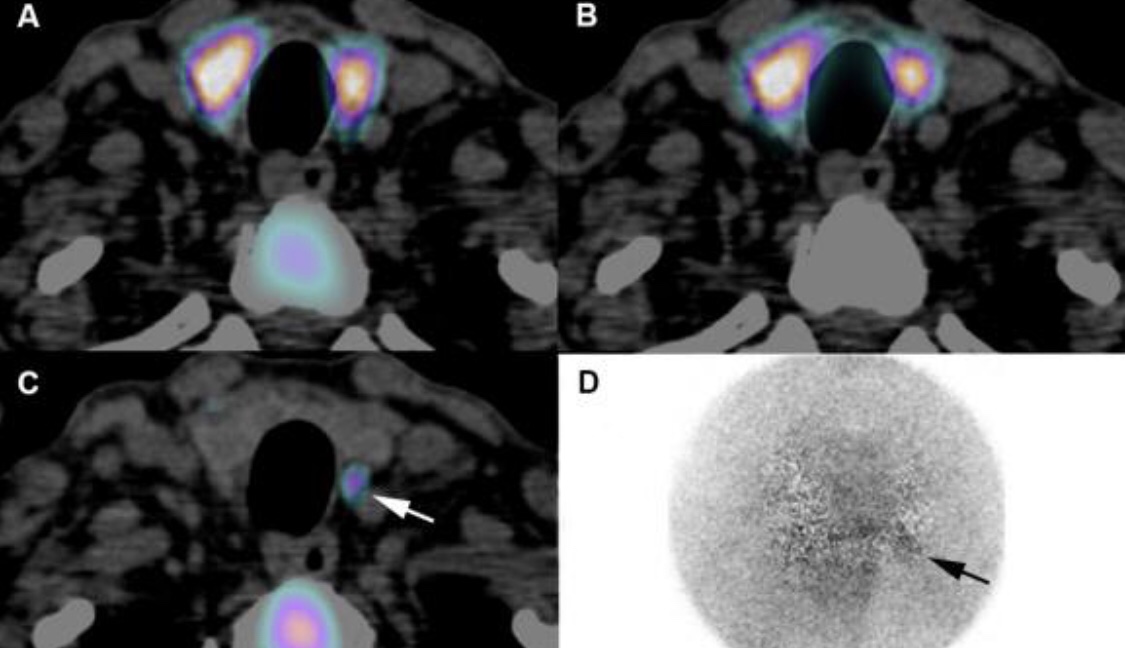
👉The combination of 123I/99mTc-sestamibi subtraction planar pinhole scintigraphy with SPECT/CT and ultrasound improves the specificity of gland localization for minimally invasive parathyroidectomy.

👉https://doi.org/10.1016/j.amjsurg.2018.06.027

👉Rodrigo ARRANGOIZ MS, MD, FACS miembro de Sociedad Quirúrgica SC y pionero en MEXICO de la paratiroidectomia mínimamente invasiva radioguiada

👉For more information: http://www.hiperparatiroidismo.info

#Arrangoiz #ParathyroidExpert #ParathyroidSurgeon #Hiperparatiroidism #Hyperparathyroidism #Hipercalcemia #HeadandNeckSurgeon #MountSinaiMedicalCenter #MSMC #Miami #Mexico #Hiperparatiroidismo #ExpertoenParatiroides

  • Patients with non-palpable breast cancers require localization procedures (either with wires or other devices):
  • To assist surgeons performing breast-conserving surgery
  • Documentation of removal:
    • Is considered the standard of care regardless of the method of localization:
      • This documentation can be accomplished with specimen mammography and / or intraoperative ultrasound
  • Compression of the specimen:
    • Does not result in improved accuracy of detection, and leads to reduction in specimen volume and dimensions:
      • This can result in the “pancake phenomenon”:
        • In which flattening of the specimen leads to the presence of ink within the crevices of the specimen:
          • Resulting in positive margins
        • This phenomenon is independent of age of the patient, breast density, and type of lesion (mass vs calcifications)
  • Reviews comparing accuracy of the specimen mammogram:
    • To predict the presence of negative margins have shown poor results:
      • 32% negative predictive value:
        • However, tumor extending to the edge of the specimen on mammogram does correlate with histologic margins:
          • With 98% predictive value
  • References
    • Performance and practice guidelines for breast-conserving surgery/partial mastectomy. American Society of Breast Surgeons. Version 2.2015. https://www.breastsurgeons.org/statements/guidelines/PerformancePracticeGuidelines_Breast-ConservingSurgery-PartialMastectomy.pdf. Accessed September 19, 2019.
    • Mendez, JE, ter Meulen D, Padussis J, et al. Tissue compression is not necessary for needle-localized lesion identification. Amer J Surg. 2005;190(4):580-582.
    • Graham RA, Homer MJ, Katz J, Rothschild J, Safaii H, Supran S. The pancake phenomenon contributes to the inaccuracy of margin assessment in patients with breast cancer. Am J Surg. 2002;184(2):89-93.
    • Graham RA, Homer MJ, Sigler CJ et al. The efficacy of specimen radiography in evaluating the surgical margins of impalpable breast carcinoma. AJR Am J Roentgenol. 1994;162(1):33-36.
#Arrangoiz #BreastSurgen #CancerSurgeon

When to Get Imaging Studies of the Breast after Breast Conserving Surgery?

  • Previously, there was no consensus on the optimal time intervals for imaging evaluation of patients following breast-conservation surgery:
    • Many practices performed 6-month interval mammography of the treated breast for a variable number of years in an effort to monitor post-procedure changes
  • The usefulness of short-term follow-up mammography:
    • In women undergoing breast conservation has been challenged
  • Local recurrence in the ipsilateral breast following breast conservation and radiotherapy:
    • Occurs at an estimated rate of:
      • 1% in the first year
      • 3% to 9% at 5 years
      • 14% to 20% at 20 years
  • Retrospective studies:
    • Have verified that the yield from a 6-month follow-up mammogram on the affected side:
      • Is low (≤ 1%)
  • Therefore, the ACR and ASCO recommendations:
  • Are to perform a bilateral mammogram at 12 months from the initial mammogram:
    • Which should be at least 6 months following completion of radiotherapy:
      • It should include a diagnostic mammogram on the affected side and a screening mammogram on the nontreated side:
      • Bilateral annual mammography is recommended thereafter
  • Elimination of the 6-month and 18-month interval diagnostic mammograms after breast conservation should spare women unnecessary anxiety, discomfort, and inconvenience while lowering costs and improving efficiency
  • References:
    • https://www.asco.org/research-guidelines/quality-guidelines/guidelines/breast-cancer#/9821 Accessed July 20, 2020
    • Monticciolo DL, Newell MS, Moy L, Niell B, Monsees B, Sickles EA. Breast cancer screening in women at higher-than-average risk: recommendations from the ACR. J Am Coll Radiol. 2018;15(3 Pt A):408-414.
    • Khatcheressian JL, Hurley P, Bantug E, Esserman LJ, Grunfeld E, Halberg F, et al. Breast cancer follow-up and management after primary treatment: American Society of Clinical Oncology clinical practice guideline update. J Clin Oncol. 2013;31(7):961-965.
#Arrangoiz #BreastSurgeon #CancerSurgeon #MountSinaiMedicalCenter

Hypercalcemia – Primary Hyperparathyroidism

👉If I have parathyroid disease but my calcium level is just mildly elevated, do I really need to worry about it?

👉Yes!

👉Even mild elevations lead to problems.

👉Having a “mild” elevation in calcium does not mean that you have mild parathyroid disease.

👉A study by Dr. Boone et al found that in over 20,000 of patients and found that complications from parathyroid disease (osteoporosis, chronic fatigue, kidney failure, etc) were not linked to how high the calcium was.

👉You may have a calcium level that is just above normal for many years – and you will end up with all of the same problems as someone with a much higher calcium.

👉Even “mildly” high calcium needs to be treated. – Dr. Rodrigo Arrangoiz.

👉Check out the article published in Surgery: https://www.ncbi.nlm.nih.gov/pubmed/27863777

👉Find not information at http://www.hiperparatiroidismo.info

👉CheckYourCalcium (realízate un calcio total ensangre).

#CheckYourCalcium #Arrangoiz #ParathyroidExpert #ParathyroidSurgeon #Hyperparathyroidism #Hipercalcemia #CheckYourCalcium #HeadandNeckSurgeon MountSinaiMedicalCenter #MSMC #Miami #Mexico #SurgicalOncologist #HeadandNeckSurgeon