Blog

Merkel Cell Carcinoma

  • Merkel cell carcinoma
    • Is a neuroendocrine neoplasm of the
      skin
    • It is a rare, aggressive neuroendocrine skin cancer:
      • With a high risk of local recurrence, nodal involvement, and distant metastasis
  • The incidence is rising:
    • Particularly among elderly and immunosuppressed patients, and prognosis remains poor, especially in those with advanced disease or immunosuppression
  • A multidisciplinary approach:
    • Is essential for initial workup and staging
    • Histopathologic confirmation and microstaging of the primary lesion are required
  • For patients with clinically node-negative disease:
    • Sentinel lymph node biopsy (SLNB) is recommended to assess occult nodal involvement:
      • As up to 40% of these patients may harbor microscopic nodal metastases
  • Imaging (e.g., PET/CT):
    • Is indicated for patients with clinically apparent nodal or distant disease
  • The majority of these tumors in North America (80%) are:
    • Caused by infections with Merkel cell polyomavirus (MCV):
      • A double-stranded DNA virus
  • Nearly half of all Merkel cell car-
    cinoma lesions:
    • Occur in the head and neck region:
      • The cheek is the most common site:
        • Followed by the upper neck and nose
  • These lesions typically occur in elderly white persons:
    • They appear as a red to violaceous, smooth, dome-shaped lesion with telangiectasias (Figure)
  • These tumors have a high propensity
    for metastatic spread
    :
    • To regional lymph nodes as well as distant
      sites
  • Histologically they are composed of:
    • Basophilic cells with scant cytoplasm and dark powdery chromatin:
      • They may be morphologically similar to other neuroendocrine carcinomas:
        • Hence metastatic small cell carcinoma, malignant melanoma, or primary neuroendocrine (or “small cell”) carcinoma of the parotid gland may be considerations in the differential diagnosis
    • Immunohistochemical stains:
      • For synaptophysin, chromogranin, and cytokeratin 20 (CK20) (demonstrating a characteristic “dotlike” pattern) or the Merkel cell polyoma virus large T antigen (recognized by the antibody CM2B4) are positive:
        • Whereas thyroid transcription factor-1 (TTF-1) is negative
  • Surgical management:
    • Is the primary treatment for localized MCC
    • The National Comprehensive Cancer Network (NCCN) recommends:
      • Wide local excision (WLE) or Mohs micrographic surgery (MMS) with 1 to 2 cm surgical margins to the investing fascia of muscle when anatomically feasible
      • In anatomically challenging sites (e.g., head and neck):
        • Narrower margins may be acceptable, particularly if adjuvant radiotherapy is planned:
          • Studies indicate that local control is excellent with adjuvant radiotherapy, even when margins are ≤ 1 cm
    • The American Cancer Society aligns with these recommendations, emphasizing the importance of complete excision and individualized margin selection based on tumor location and patient factors
    • Elective neck dissection:
      • Is not routinely recommended for clinically node-negative patients:
        • Instead, SLNB is the preferred method for nodal staging:
          • If SLNB is positive, completion lymph node dissection or nodal radiotherapy may be considered
    • For clinically node-positive disease:
      • Fine needle aspiration or core biopsy is used for confirmation, and management includes lymph node dissection and / or nodal radiotherapy
  • Radiation therapy:
    • Plays a central role in MCC management
    • Adjuvant radiotherapy is generally recommended for most patients:
      • Especially those with high-risk features such as:
        • Lymphovascular invasion
        • Immunosuppression
        • Positive or close margins
        • Large tumor size
    • The recommended dose is 50 to 66 Gy:
      • Tailored to the extent of residual disease and margin status
      • Radiotherapy alone is a definitive option for patients who are not surgical candidates

Clinical appearance of Merkel cell carcinoma
  • National Comprehensive Cancer Network guidelines for HNMCC recommend treatment for localized tumors to include:
    • Surgical excision followed by adjuvant radiotherapy or observation, favoring the use of radiotherapy for patients with HNMCC for its potentially limited ability to achieve 1- to 2-cm margins and the risk of false-negative sentinel lymph node biopsy results
    • Furthermore, MCC is a radiosensitive malignant neoplasm, and postoperative radiotherapy has shown improved outcomes, including increased OS and disease-free survival, compared with surgery alone
  • Chemotherapy is not recommended as adjuvant therapy for localized MCC:
    • As it has not demonstrated a survival benefit and is associated with significant toxicity
    • Its use is generally reserved for select patients with advanced or metastatic disease:
      • Often in the palliative setting
  • Immunotherapy has become the standard of care for advanced or metastatic MCC:
    • Immune checkpoint inhibitors such as avelumab and pembrolizumab are first-line agents:
      • Offering durable responses and improved outcomes compared to traditional chemotheraphy
  • There remain areas of ongoing controversy and research, including the optimal surgical margin size, the precise indications for adjuvant radiotherapy, and the management of high-risk or immunosuppressed patients:
    • The rarity of MCC and lack of prospective randomized trials contribute to variability in practice patterns
  • References:
    • Association Between Surgical Margins Larger Than 1 cm and Overall Survival in Patients With Merkel Cell Carcinoma. Andruska N, Fischer-Valuck BW, Mahapatra L, et al. JAMA Dermatology. 2021;157(5):540-548. doi:10.1001/jamadermatol.2021.0247.
    • Merkel Cell Carcinoma. Lewis DJ, Sobanko JF, Etzkorn JR, et al. Dermatologic Clinics. 2023;41(1):101-115. doi:10.1016/j.det.2022.07.015.
    • Survival of Patients With Head and Neck Merkel Cell Cancer: Findings From the Pan-Canadian Merkel Cell Cancer Collaborative. Nayak AL, Pickett AT, Delisle M, et al. JAMA Network Open. 2023;6(11):e2344127. doi:10.1001/jamanetworkopen.2023.44127.
    • Merkel Cell Carcinoma, Version 1.2018, NCCN Clinical Practice Guidelines in Oncology. Bichakjian CK, Olencki T, Aasi SZ, et al. Journal of the National Comprehensive Cancer Network : JNCCN. 2018;16(6):742-774. doi:10.6004/jnccn.2018.0055.
    • Best Practices in Surgical and Nonsurgical Management of Head and Neck Merkel Cell Carcinoma: An Update. Duarte-Bateman D, Shen A, Bullock T, et al. Molecular Carcinogenesis. 2023;62(1):101-112. doi:10.1002/mc.23483.
    • Overall Survival After Mohs Surgery for Early-Stage Merkel Cell Carcinoma. Cheraghlou S, Doudican NA, Criscito MC, Stevenson ML, Carucci JA. JAMA Dermatology. 2023;159(10):1068-1075. doi:10.1001/jamadermatol.2023.2822.
    • Merkel Cell Carcinoma of the Head and Neck: Epidemiology, Pathogenesis, Current State of Treatment and Future Directions. Yusuf MB, McKenzie G, Rattani A, et al. Cancers. 2021;13(14):3506. doi:10.3390/cancers13143506.
    • Narrow Excision Margins Are Appropriate for Merkel Cell Carcinoma When Combined With Adjuvant Radiation: Analysis of 188 Cases of Localized Disease and Proposed Management Algorithm. Tarabadkar ES, Fu T, Lachance K, et al. Journal of the American Academy of Dermatology. 2021;84(2):340-347. doi:10.1016/j.jaad.2020.07.079.
    • Identifying an Optimal Adjuvant Radiotherapy Dose for Extremity and Trunk Merkel Cell Carcinoma Following Resection: An Analysis of the National Cancer Database. Patel SA, Qureshi MM, Sahni D, Truong MT. JAMA Dermatology. 2017;153(10):1007-1014. doi:10.1001/jamadermatol.2017.2176.
    • Merkel Cell Carcinoma – Current Controversies and Future Directions. Steven N, Lawton P, Poulsen M. Clinical Oncology (Royal College of Radiologists (Great Britain)). 2019;31(11):789-796. doi:10.1016/j.clon.2019.08.012.
Rodrigo Arrangoiz, MD (Oncology Surgeon)

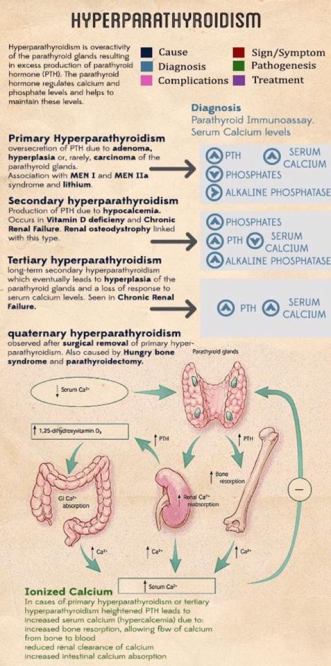
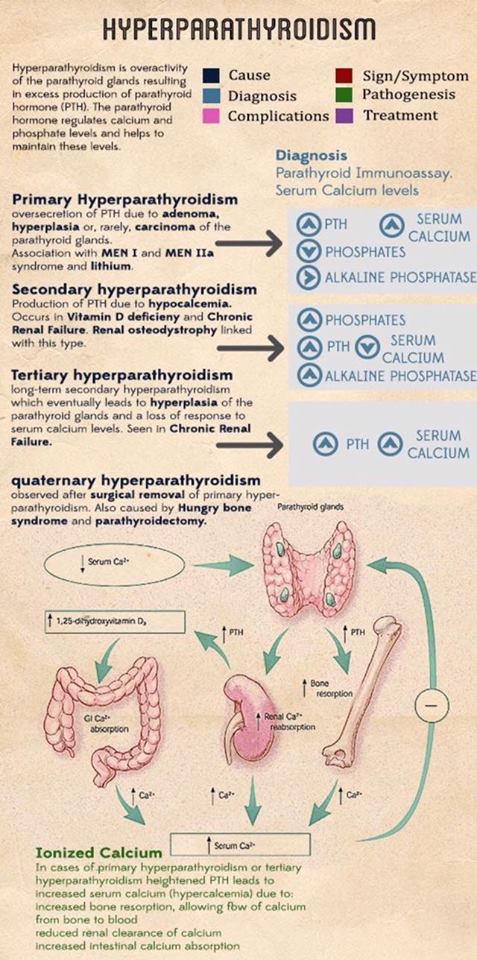
What is Hyperparathyroidism?

  • The overproduction of parathyroid hormone (PTH):
    • Termed hyperparathyroidism (HPT):
      • Can be categorized as:
        • Primary
        • Secondary
        • Tertiary
  • Primary hyperparathyroidism (PHPT) arises from:
    • An unregulated or autonoumous overproduction of PTH from an abnormal parathyroid gland or glands
  • Increased PTH levels may also occur as a:
    • Compensatory response to hypocalcemic states:
      • Resulting from chronic renal failure or
      • Gastrointestinal (GI) malabsorption of calcium
    • This secondary HPT can be reversed by correction of the underlying problem:
      • Kidney transplantation for chronic renal failure
  • However, chronically stimulated parathyroid glands may occasionally become autonomous:
    • Resulting in persistence or recurrence of the hypercalcemia after successful renal transplantation:
      • Resulting in tertiary HPT

#Arrangoiz #ParathyroidSurgeon #ParathyroidExpert #Hyperparathyroidism #PrimaryHyperparathyroidism #CancerSurgeon #EndocrineSurgery #Teacher #Surgeon #HeadandNeckSurgeon #SurgicalOncologist #ParathyroidAdenoma #Hypercalcemia #ElevatedCalciumLevels #Miami #MountSinaiMedicalCenter #MSMC #Mexico #Hialeah

Targeted Therapy for Cutaneous Melanoma

  • Targeted BRAF and MEK dual inhibition (BRAFi /MEKi) in BRAF V600 mutant melanoma:
    • Has been associated with relatively rapid response, high disease control rates, and a survival benefit in stage IV melanoma
    • Unfortunately, this approach has also been associated with limited durability of response, leading some investigators to examine alternate stages of disease for this regimen
  • Long et al. investigated the efficacy of these agents in the adjuvant stage III setting:
    • In a randomized, double-blind, placebo-controlled, phase III trial (COMBI-AD):
      • That randomly assigned patients with completely resected stage III melanoma and BRAF V600 mutations (n = 870) to receive:
        • Oral dabrafenib (150 mg BID) plus trametinib (2 mg once daily) versus placebo in a 1:1 fashion
      • At a median follow-up of 2.8 years:
        • The estimated 3-year RFS was 58% in the combination-therapy group and 39% in the placebo group (HR for relapse or death, 0.47; 95% CI, 0.39 to 0.58; P < .001)
        • In addition, the BRAFi / MEKi group had a significantly higher 3-year OS of 86% versus 77% in the placebo group (HR for death, 0.57; 95% CI, 0.42 to 0.79; P = .0006)
      • Authors noted that this level of improvement did not cross the prespecified interim analysis boundary of P = .000019
      • They concluded that combined dabrafenib plus trametinib in the adjuvant setting resulted in a significantly lower risk of recurrence in patients with stage III melanoma with BRAF V600 mutations and with an acceptable toxicity profile
  • This trial led to the 2018 FDA approval of dabrafenib / trametinib:
    • For use in the adjuvant setting for those with stage III disease and BRAF V600E or V600K mutations

Immune Checkpoint Blockade in Melanoma

  • Immune checkpoint blockade:
    • Has fundamentally changed the management of cutaneous melanoma:
      • Including in the adjuvant setting and for local recurrence after prior therapies
    • These agents, primarily anti–PD-1 antibodies (pembrolizumab, nivolumab) and anti–CTLA-4 (ipilimumab):
      • Work by releasing inhibitory signals on T cells:
        • Thereby enhancing antitumor immunity
      • This mechanism is particularly effective in melanoma:
        • A tumor type with high immunogenicity
  • Historically, adjuvant therapy for resected high-risk melanoma was limited to interferon-α:
    • Which provided only modest benefit and significant toxicity
  • The introduction of immune checkpoint inhibitors:
    • Especially anti–PD-1 agents:
      • Has led to substantial improvements in recurrence-free survival (RFS) and overall survival (OS):
        • With a more favorable toxicity profile compared to ipilimumab or interferon
  • The American Academy of Dermatology and major clinical trials:
    • Have established anti–PD-1 therapy as the standard adjuvant approach for:
      • Resected stage III and select stage IV melanoma
  • Key randomized trials (KEYNOTE-054, CheckMate 238):
    • Demonstrated that adjuvant pembrolizumab or nivolumab significantly improves RFS compared to placebo or ipilimumab:
      • With 3-year RFS rates of 63% to 70% in stage III disease and a reduction in the risk of recurrence or death by 40% to 50%
    • These benefits are observed in both BRAF-mutant and wild-type melanoma:
      • The choice between immunotherapy and BRAF / MEK inhibitors in BRAF-mutant cases:
        • Is individualized based on toxicity profiles and patient preference
  • Despite these advances, local recurrence remains a clinical challenge:
    • Approximately 25% to 30% of patients recur within 1 year of adjuvant anti–PD-1 therapy:
      • With a substantial proportion presenting with locoregional disease
  • Management of local recurrence after prior surgery or intralesional therapy is multidisciplinary:
    • For resectable local recurrences:
      • Surgery remains the mainstay:
        • But systemic therapy is considered for unresectable, multifocal, or high-risk recurrences
    • The effectiveness of immune checkpoint blockade in the setting of local recurrence depends on prior treatment history:
      • Patients who recur during or shortly after adjuvant anti–PD-1 therapy:
        • Have a low likelihood of response to further PD-1 monotherapy:
          • In these cases, escalation to combination immunotherapy (anti–PD-1 plus anti–CTLA-4) or switch to BRAF / MEK inhibitors (for BRAF-mutant melanoma) is recommended, as these approaches have demonstrated higher response rates
      • For patients who recur after a significant interval off adjuvant therapy:
        • Rechallenge with anti–PD-1 may be considered, as some may still respond
        • Retreatment and escalation strategies, including novel combinations, are under investigation, and clinical trial enrollment is encouraged for resistant or recurrent disease
    • Toxicity remains a consideration, with immune-related adverse events:
      • Affecting skin, GI tract, endocrine organs, and other systems:
        • These are generally manageable but require prompt recognition and intervention:
      • Quality of life and patient selection are important, especially in the adjuvant and recurrent settings
  • In summary:
    • Immune checkpoint blockade is the standard of care for adjuvant therapy in high-risk resected cutaneous melanoma and plays a central role in the management of local recurrence, particularly when escalation or combination strategies are employed after prior anti–PD-1 exposure
    • Prospective data on optimal sequencing after adjuvant therapy and in local recurrence are limited, and management should be individualized within a multidisciplinary framework
  • References:
    • Immune Checkpoint Inhibitors in Melanoma. Carlino MS, Larkin J, Long GV. Lancet (London, England). 2021;398(10304):1002-1014. doi:10.1016/S0140-6736(21)01206-X.
    • Neoadjuvant–Adjuvant or Adjuvant-Only Pembrolizumab in Advanced Melanoma. Patel SP, Othus M, Chen Y, et al. The New England Journal of Medicine. 2023;388(9):813-823. doi:10.1056/NEJMoa2211437.
    • Recent Advances in the Treatment of Melanoma. Curti BD, Faries MB. The New England Journal of Medicine. 2021;384(23):2229-2240. doi:10.1056/NEJMra2034861.
    • Guidelines of Care for the Management of Primary Cutaneous Melanoma. Swetter SM, Tsao H, Bichakjian CK, et al. Journal of the American Academy of Dermatology. 2019;80(1):208-250. doi:10.1016/j.jaad.2018.08.055.
    • Adjuvant Pembrolizumab versus Placebo in Resected Stage III Melanoma. Eggermont AMM, Blank CU, Mandala M, et al. The New England Journal of Medicine. 2018;378(19):1789-1801. doi:10.1056/NEJMoa1802357.
    • Novel Adjuvant Options for Cutaneous Melanoma. Dimitriou F, Long GV, Menzies AM. Annals of Oncology : Official Journal of the European Society for Medical Oncology. 2021;32(7):854-865. doi:10.1016/j.annonc.2021.03.198.
    • Monoclonal Antibodies as Adjuvant Therapies for Resected Melanoma. Eljilany I, Garcia JR, Jamal B, Tarhini AA. Expert Opinion on Biological Therapy. 2025;25(5):1-14. doi:10.1080/14712598.2025.2484305.
    • Management of Early Melanoma Recurrence Despite Adjuvant Anti-Pd-1 Antibody Therapy. Owen CN, Shoushtari AN, Chauhan D, et al. Annals of Oncology : Official Journal of the European Society for Medical Oncology. 2020;31(8):1075-1082. doi:10.1016/j.annonc.2020.04.471.
    • Nature and Management of Melanoma Recurrences Following Adjuvant Anti-Pd-1 Based Therapy. Woodford R, McKeown J, Hoeijmakers LL, et al. European Journal of Cancer (Oxford, England : 1990). 2024;212:115055. doi:10.1016/j.ejca.2024.115055.
    • Treatment of Recurrent Melanoma Following Adjuvant Therapy. Malissen N, Grob JJ. American Journal of Clinical Dermatology. 2023;24(3):333-341. doi:10.1007/s40257-023-00762-y.
    • The Concepts of Rechallenge and Retreatment With Immune Checkpoint Blockade in Melanoma Patients. Zaremba A, Eggermont AMM, Robert C, et al. European Journal of Cancer (Oxford, England : 1990). 2021;155:268-280. doi:10.1016/j.ejca.2021.07.002.

KEYNOTE-716 Trial in Melanoma

  • The KEYNOTE-716 trial:
    • Was a randomized, double-blind, phase 3 study:
      • Evaluating adjuvant pembrolizumab (200 mg IV every 3 weeks for up to 1 year) versus placebo:
        • In patients aged ≥ 12 years with completely resected, high-risk stage IIB or IIC cutaneous melanoma (T3b / T4, node-negative)
      • The primary endpoint was:
        • Recurrence-free survival (RFS)
      • Secondary endpoints:
        • Distant metastasis-free survival (DMFS)
        • Safety
    • Patients with recurrence after placebo could cross over to pembrolizumab
  • Key findings:
    • Pembrolizumab significantly reduced the risk of recurrence or death compared to placebo
    • At a median follow-up of 39.4 months, the hazard ratio for RFS was:
      • 0.62 (95% CI, 0.49–0.79)
      • The estimated 36-month RFS was 76.2% for pembrolizumab vs 63.4% for placebo
    • DMFS was also improved:
      • 36-month DMFS:
        • 84.4% vs 74.7%; HR 0.59, 95% CI 0.44–0.79
    • The benefit was consistent across subgroups:
      • Including tumor location and histopathologic features
    • Grade ≥ 3 treatment-related adverse events occurred in 16% of pembrolizumab-treated patients, with no new safety signals on long-term follow-up
    • Overall survival data remain immature, and immune-related toxicity remains a consideration
  • Clinical implications:
    • The KEYNOTE-716 trial established adjuvant pembrolizumab as a standard of care for resected stage IIB / IIC melanoma:
      • Extending the benefit of immune checkpoint blockade to node-negative, high-risk stage II disease
    • The American Society of Clinical Oncology now recommends:
      • Adjuvant pembrolizumab for these patients, with the caveat that the risk of immune-related toxicity must be weighed against the lack of mature overall survival data
  • In context, KEYNOTE-716 complements prior major adjuvant trials:
    • EORTC 18071:
      • Ipilimumab vs placebo, stage III:
        • Improved RFS / OS but high toxicity
    • CheckMate 238:
      • Nivolumab vs ipilimumab, stage III / IV):
        • Superior RFS and safety for nivolumab
    • KEYNOTE-054:
      • Pembrolizumab vs placebo, stage III:
        • improved RFS / DMFS with favorable safety
    • KEYNOTE-716:
      • Is the first to show a significant benefit for adjuvant anti–PD-1 therapy in stage II melanoma:
        • Expanding the population eligible for effective adjuvant immunotherapy
  • References:
    • Pembrolizumab Versus Placebo as Adjuvant Therapy in Completely Resected Stage IIB or IIC Melanoma (KEYNOTE-716): A Randomised, Double-Blind, Phase 3 Trial. Luke JJ, Rutkowski P, Queirolo P, et al. Lancet (London, England). 2022;399(10336):1718-1729. doi:10.1016/S0140-6736(22)00562-1.
    • Pembrolizumab Versus Placebo as Adjuvant Therapy in Resected Stage IIB or IIC Melanoma (KEYNOTE-716): Distant Metastasis-Free Survival Results of a Multicentre, Double-Blind, Randomised, Phase 3 Trial. Long GV, Luke JJ, Khattak MA, et al. The Lancet. Oncology. 2022;23(11):1378-1388. doi:10.1016/S1470-2045(22)00559-9.
    • Pembrolizumab Versus Placebo as Adjuvant Therapy in Resected Stage IIB or IIC Melanoma: Final Analysis of Distant Metastasis-Free Survival in the Phase III KEYNOTE-716 Study. Luke JJ, Ascierto PA, Khattak MA, et al. Journal of Clinical Oncology : Official Journal of the American Society of Clinical Oncology. 2024;42(14):1619-1624. doi:10.1200/JCO.23.02355.
    • Pembrolizumab Versus Placebo as Adjuvant Therapy in Resected Stage IIB or IIC Melanoma: Long-Term Follow-Up, Crossover, and Rechallenge With Pembrolizumab in the Phase III KEYNOTE-716 Study. Luke JJ, Ascierto PA, Khattak MA, et al. European Journal of Cancer (Oxford, England : 1990). 2025;220:115381. doi:10.1016/j.ejca.2025.115381.
    • Systemic Therapy for Melanoma: ASCO Guideline Update. Seth R, Agarwala SS, Messersmith H, et al. Journal of Clinical Oncology : Official Journal of the American Society of Clinical Oncology. 2023;41(30):4794-4820. doi:10.1200/JCO.23.01136.
    • Adjuvant Pembrolizumab in Stage II Melanoma: Outcomes by Primary Tumor Location in the Randomized, Double-Blind, Phase III KEYNOTE-716 Trial. Yoon CH, Ross MI, Gastman BR, et al. Annals of Surgical Oncology. 2025;32(4):2756-2764. doi:10.1245/s10434-024-16642-6.
    • Pembrolizumab Versus Placebo as Adjuvant Therapy in Resected Stage IIB or IIC Melanoma: Outcomes in Histopathologic Subgroups From the Randomized, Double-Blind, Phase 3 KEYNOTE-716 Trial. Schadendorf D, Luke JJ, Ascierto PA, et al. Journal for Immunotherapy of Cancer. 2024;12(3):e007501. doi:10.1136/jitc-2023-007501.

EORTC 18071 Trial In Melanoma

  • The EORTC 18071 trial:
    • Was a landmark, double-blind, phase 3 study that established the efficacy of adjuvant immune checkpoint blockade in cutaneous melanoma
  • In this trial, patients with completely resected high-risk stage III melanoma were randomized to receive:
    • High-dose ipilimumab (10 mg/kg IV every 3 weeks for 4 doses, then every 3 months for up to 3 years) or placebo
    • The primary endpoint was:
      • Recurrence-free survival (RFS)
  • EORTC 18071 demonstrated that:
    • Adjuvant ipilimumab significantly improved compared to placebo:
      • RFS:
        • 5-year RFS:
          • 40.8% vs 30.3%
      • Overall survival:
        • 5-year OS:
          • 65.4% vs 54.4%
      • However, the benefit came at the cost of substantial toxicity:
        • With grade ≥ 3 immune-related adverse events in 41.6% of patients and a 1% treatment-related mortality rate
  • This trial was the first to show a survival benefit for adjuvant immunotherapy in melanoma:
    • Leading to regulatory approval of ipilimumab in this setting
  • The findings of EORTC 18071 provided the foundation for subsequent trials of immune checkpoint blockade:
    • CheckMate 238:
      • Compared nivolumab (anti–PD-1) to ipilimumab:
        • It showed superior RFS and a markedly improved safety profile for nivolumab:
          • 5-year RFS: 50% vs 39%
          • Grade 3 to 4 adverse events: 14% vs 41%
    • KEYNOTE-054 (EORTC 1325):
      • Compared pembrolizumab (anti–PD-1) to placebo:
        • It also demonstrated a significant RFS benefit:
          • 3-year RFS: 63.7% vs 44.1% with lower toxicity than ipilimumab
  • In the context of adjuvant and recurrent therapy:
    • EORTC 18071 established the principle that:
      • Immune checkpoint blockade can reduce recurrence and improve survival after resection of high-risk melanoma:
        • But anti–PD-1 agents (nivolumab, pembrolizumab) have since become preferred due to superior efficacy and tolerability
  • For patients with local recurrence after adjuvant therapy:
    • Management is now guided by prior exposure and resistance patterns:
      • With escalation to combination immunotherapy or targeted therapy as appropriate
  • References:
    • Adjuvant Ipilimumab Versus Placebo After Complete Resection of High-Risk Stage III Melanoma (EORTC 18071): A Randomised, Double-Blind, Phase 3 Trial. Eggermont AM, Chiarion-Sileni V, Grob JJ, et al. The Lancet. Oncology. 2015;16(5):522-30. doi:10.1016/S1470-2045(15)70122-1.
    • Recent Advances in the Treatment of Melanoma. Curti BD, Faries MB. The New England Journal of Medicine. 2021;384(23):2229-2240. doi:10.1056/NEJMra2034861.
    • Systemic Therapy for Melanoma: ASCO Guideline Update. Seth R, Agarwala SS, Messersmith H, et al. Journal of Clinical Oncology : Official Journal of the American Society of Clinical Oncology. 2023;41(30):4794-4820. doi:10.1200/JCO.23.01136.
    • Adjuvant Therapy for Melanoma. Agha A, Tarhini AA. Current Oncology Reports. 2017;19(5):36. doi:10.1007/s11912-017-0594-5.
      Adjuvant Nivolumab versus Ipilimumab in Resected Stage III or IV Melanoma. Weber J, Mandala M, Del Vecchio M, et al. The New England Journal of Medicine. 2017;377(19):1824-1835. doi:10.1056/NEJMoa1709030.
    • Adjuvant Nivolumab Versus Ipilimumab in Resected Stage IIIB-C and Stage IV Melanoma (CheckMate 238): 4-Year Results From a Multicentre, Double-Blind, Randomised, Controlled, Phase 3 Trial. Ascierto PA, Del Vecchio M, Mandalá M, et al. The Lancet. Oncology. 2020;21(11):1465-1477. doi:10.1016/S1470-2045(20)30494-0.
    • Adjuvant Nivolumab Versus Ipilimumab in Resected Stage III/IV Melanoma: 5-Year Efficacy and Biomarker Results From CheckMate 238. Larkin J, Del Vecchio M, Mandalá M, et al. Clinical Cancer Research : An Official Journal of the American Association for Cancer Research. 2023;29(17):3352-3361. doi:10.1158/1078-0432.CCR-22-3145.
    • Adjuvant Pembrolizumab versus Placebo in Resected Stage III Melanoma. Eggermont AMM, Blank CU, Mandala M, et al. The New England Journal of Medicine. 2018;378(19):1789-1801. doi:10.1056/NEJMoa1802357.
    • Adjuvant Pembrolizumab Versus Placebo in Resected Stage III Melanoma (EORTC 1325-Mg/Keynote-054): Distant Metastasis-Free Survival Results From a Double-Blind, Randomised, Controlled, Phase 3 Trial. Eggermont AMM, Blank CU, Mandalà M, et al. The Lancet. Oncology. 2021;22(5):643-654. doi:10.1016/S1470-2045(21)00065-6.
    • Longer Follow-Up Confirms Recurrence-Free Survival Benefit of Adjuvant Pembrolizumab in High-Risk Stage III Melanoma: Updated Results From the EORTC 1325-Mg/Keynote-054 Trial. Eggermont AMM, Blank CU, Mandala M, et al. Journal of Clinical Oncology : Official Journal of the American Society of Clinical Oncology. 2020;38(33):3925-3936. doi:10.1200/JCO.20.02110.

Immune Checkpoint Blockade for Metastatic Melanoma

  • In a phase III, randomized prospective trial, Hodi et al:
    • Evaluated 676 patients who received ipilimumab, ipilimumab plus a peptide vaccine, or peptide vaccine alone
    • Overall response and disease control:
      • Were highest in the ipilimumab alone cohort
    • Median OS was:
      • 10.1 months for this cohort and overall response was 10.9%
    • Disease control was:
      • 28.5%:
        • With 60% of the ipilimumab cohort having a significant response at 2 years
      • In March 2011, the FDA approved ipilimumab as a second-line treatment for metastatic melanoma
  • A subsequent study demonstrated the benefit of ipilimumab in the first-line setting:
    • In a phase III, double-blind clinical trial of 502 metastatic melanoma patients randomized to ipilimumab plus dacarbazine versus placebo plus dacarbazine by Robert et al:
      • The ipilimumab cohort was associated with a significantly higher:
        • OS:
          • 11.2 months vs. 9.2 months
        • Durable response:
          • 19.3 months vs. 8.3 months
    • For patients with metastatic melanoma:
      • The currently approved ipilimumab dose is 3 mg/kg by intravenous infusion given every 3 weeks for four doses
  • The clinical use of PD-1 blocking antibodies has been tested in several clinical trials, including a phase I trial of 296 patients with either advanced melanoma or other solid tumors:
    • Treatment with a monoclonal antibody targeting PD-1 (nivolumab):
      • Was associated with a 28% response rate in patients with metastatic melanoma
      • Long-term responses longer than 1 year in 50% of responders
    • Anti–PD-1-based therapy was associated with a lower rate of grade 3 or 4 adverse events compared to ipilimumab
  • Additional clinical trials have been performed (NCT01295827 / NCT01704287), including a phase III trial with over 500 patients with metastatic melanoma whose disease was refractory to CTLA-4 blockade:
    • In this trial (KEYNOTE-002), patients were randomized to pembrolizumab (2 mg/kg every 3 weeks), pembrolizumab (10 mg/kg every 3 weeks) or chemotherapy (carboplatin plus paclitaxel, paclitaxel alone, dacarbazine, or temozolomide per institutional standard):
      • PFS was the primary endpoint and was significantly improved with both pembrolizumab arms compared to chemotherapy:
        • 6-month PFS was 34%, 38%, and 16% for pembrolizumab 2 mg/kg, pembrolizumab 10 mg/kg, and chemotherapy, respectively
    • Toxicity was limited in this trial; the most common adverse events included fatigue, pruritus, and rash:
      • Grade 3 immune-related adverse events (IRAEs) were seen in two patients treated with pembrolizumab 2 mg/kg (hepatitis, hypophysitis) and in eight patients who received pembrolizumab 10 mg/kg (hepatitis, colitis, pneumonitis, and iritis/uveitis)
Rodrigo Arrangoiz MS, MD, FACS, FSSO – Cancer Surgeon

BRAF Inhibitors in Metastatic Melanoma

  • BRAF mutations:
    • Have been found in approximately 50% of invasive cutaneous melanomas
  • The BRAF gene:
    • Encodes for production of B-RAF:
      • A protein involved in cell signaling and growth
  • BRIM-3:
    • Was a randomized, open-label, multicenter, phase III study
    • It compared a BRAF inhibitor, PLX4032 (vemurafenib), to dacarbazine:
      • For treatment of previously untreated, unresectable, stage IIIC or stage IV melanoma in patients harboring a BRAF mutation
    • The inhibitor targets the common V600E BRAF mutation
    • Interim analysis of 675 patients revealed:
      • Superiority in OS and PFS for vemurafenib
      • The response rate of patients on vemurafenib:
        • Was 48.4% compared to 5.5% for patients receiving dacarbazine
      • While such a response rate for single modality therapy was essentially unprecedented in the treatment of metastatic melanoma:
        • Enthusiasm was tempered, at least to some extent, by the observation that disease recurrence was observed in the majority of patients 6 to 8 months following initiation of therapy
      • Also important was the observation that up to 25% of patients who received vemurafenib developed squamous carcinoma of the skin:
        • Often in the form of keratoacanthomas
  • Dabrafenib, another agent targeting BRAF V600 mutant melanoma:
    • Demonstrated similarly high OR rates in a phase III trial
  • Together, these findings provided the basis for approval of each of these agents as monotherapy in 2011 and 2013, respectively
  • MEK, a kinase downstream of RAF in the MAPK pathway, has been targeted in a similar fashion:
    • MEK inhibitors demonstrated benefit as monotherapy in patients with BRAF-mutant metastatic melanoma:
      • Leading to the FDA approval of trametinib in 2013
    • Of note, MEK inhibitors are rarely used as monotherapy for patients with BRAF-mutant metastatic melanoma
  • Numerous studies have elucidated acquired mechanisms of therapeutic resistance to BRAF-targeted therapy, and insights gained have led to treatment strategies to enhance responses to therapy:
    • An outcome of this is the use of combined BRAF and MEK inhibition:
      • Based on the observation that most BRAF-mutant melanomas demonstrate MAPK pathway reactivation at the time of therapeutic resistance
    • This combination was tested in clinical trials in patients with BRAF-mutant melanoma:
      • Results demonstrated that treatment with combined BRAF and MEK inhibition (e.g., dabrafenib plus trametinib vs. dabrafenib monotherapy):
        • Was associated with:
          • A higher overall response (76% vs. 54%), and with a longer PFS (9.4 months vs. 5.8 months) than with BRAF inhibitor monotherapy
      • In January 2014, the FDA granted accelerated approval to combined dabrafenib and trametinib for use in combination in patients with unresectable or metastatic BRAF-mutant melanoma
    • The following year, the FDA also approved the BRAF / MEK inhibitor combination of vemurafenib and cobimetinib (coBRIM study), and in 2018, encorafenib and binimetinib were added to the armamentarium (COLUMBUS trial)
    • Importantly, neither BRAF inhibitor nor MEK inhibitor monotherapy is currently deployed in the current melanoma treatment landscape
    • It should also be noted that BRAF inhibitors have been shown to paradoxically stimulate growth in patients with wild-type BRAF status
    • The COMBI-MB clinical trial enrolled patients with melanoma brain metastases to receive dabrafenib and trametinib:
      • Across four patient cohorts, intracranial response ranged from 44% to 59%, although duration of response was relatively short:
        • As such, many medical oncologists prefer to use immunotherapy for brain metastases even in BRAF positive patients given the short duration of benefit with targeted therapy

The KeyNote-054 (EORTC 1325-MG) Trial in Melanoma

  • The KEYNOTE-054 (EORTC 1325-MG) trial:
    • Was a double-blind, randomized, phase 3 study:
      • Evaluating adjuvant pembrolizumab (200 mg IV every 3 weeks for up to 1 year) versus placebo:
        • In patients with completely resected, high-risk stage III cutaneous melanoma
  • The trial demonstrated that adjuvant pembrolizumab:
    • Significantly improved recurrence-free survival (RFS) compared to placebo:
      • With a 3-year RFS rate of 63.7% for pembrolizumab versus 44.1% for placebo (hazard ratio [HR] 0.56, 95% CI 0.47–0.68)
    • This benefit was consistent across subgroups, including:
      • BRAF-mutant and wild-type melanoma, and regardless of PD-L1 status
    • Long-term follow-up (median 6.9 years) confirmed the durability of benefit:
      • With 7-year RFS of 50% for pembrolizumab versus 36% for placebo (HR 0.63, 95% CI 0.53–0.74)
    • Distant metastasis-free survival (DMFS) was also improved:
      • 7-year DMFS:
        • 54% vs 42%; HR 0.64, 95% CI 0.54–0.76
    • The safety profile was favorable:
      • With grade 3 to 4 adverse events in 14% of pembrolizumab-treated patients, and no significant long-term impact on health-related quality of life
  • In the context of current management:
    • These results establish adjuvant pembrolizumab as a standard of care for resected high-risk stage III melanoma:
      • Reducing both local and distant recurrence risk
  • For local recurrence after adjuvant therapy:
    • Management is multidisciplinary, and the benefit of rechallenge with anti–PD-1 therapy depends on timing and prior response
  • References:
    • Longer Follow-Up Confirms Recurrence-Free Survival Benefit of Adjuvant Pembrolizumab in High-Risk Stage III Melanoma: Updated Results From the EORTC 1325-Mg/Keynote-054 Trial.
    • Eggermont AMM, Blank CU, Mandala M, et al. Journal of Clinical Oncology : Official Journal of the American Society of Clinical Oncology. 2020;38(33):3925-3936. doi:10.1200/JCO.20.02110.
      Adjuvant Pembrolizumab Versus Placebo in Resected Stage III Melanoma (EORTC 1325-Mg/Keynote-054): Distant Metastasis-Free Survival Results From a Double-Blind, Randomised, Controlled, Phase 3 Trial. Eggermont AMM, Blank CU, Mandalà M, et al. The Lancet. Oncology. 2021;22(5):643-654. doi:10.1016/S1470-2045(21)00065-6.
    • Seven-Year Analysis of Adjuvant Pembrolizumab Versus Placebo in Stage III Melanoma in the EORTC1325 / KEYNOTE-054 Trial. Eggermont AM, Kicinski M, Blank CU, et al. European Journal of Cancer (Oxford, England : 1990). 2024;211:114327. doi:10.1016/j.ejca.2024.114327.
    • Adjuvant Pembrolizumab Versus Placebo in Resected Stage III Melanoma (EORTC 1325-Mg/Keynote-054): Health-Related Quality-of-Life Results From a Double-Blind, Randomised, Controlled, Phase 3 Trial. Bottomley A, Coens C, Mierzynska J, et al. The Lancet. Oncology. 2021;22(5):655-664. doi:10.1016/S1470-2045(21)00081-4.
    • Adjuvant Pembrolizumab Versus Placebo in Resected Stage III Melanoma (EORTC 1325-Mg/Keynote-054): Long-Term, Health-Related Quality-of-Life Results From a Double-Blind, Randomised, Controlled, Phase 3 Trial. Bührer E, Kicinski M, Mandala M, et al. The Lancet. Oncology. 2024;25(9):1202-1212. doi:10.1016/S1470-2045(24)00338-3.
    • Recent Advances in the Treatment of Melanoma. Curti BD, Faries MB. The New England Journal of Medicine. 2021;384(23):2229-2240. doi:10.1056/NEJMra2034861.

CheckMate 238 Trial in Melanoma

  • The CheckMate 238 trial:
    • Is a pivotal Phase III clinical study evaluating the efficacy of nivolumab (Opdivo) versus ipilimumab (Yervoy):
      • As adjuvant therapy for patients with resected stage IIIB, IIIC, or IV melanoma
  • The trial demonstrated that adjuvant nivolumab significantly improved recurrence-free survival compared to ipilimumab, with a more favorable safety profile
  • This benefit was sustained at 4 and 5 years:
    • 4-year RFS rates of 51.7% for nivolumab versus 41.2% for ipilimumab (HR 0.71, 95% CI 0.60–0.86)
    • 5-year RFS rates of 50% versus 39%
  • Distant metastasis-free survival and overall survival were also numerically higher with nivolumab:
    • Though the OS difference was not statistically significant at the time of reporting
  • Importantly, nivolumab was associated with a much lower rate of grade 3 to 4 adverse events:
    • 14.4% vs. 45.9% for ipilimumab:
      • Fewer treatment discontinuations due to toxicity
  • In the context of local recurrence after adjuvant therapy:
    • Post hoc analyses from CheckMate 238 indicate that patients who recur early (≤ 12 months) after adjuvant nivolumab:
      • Have limited benefit from anti–PD-1 monotherapy as subsequent systemic therapy:
        • But may derive greater benefit from ipilimumab-based regimens or targeted therapy if BRAF-mutant
    • Patients with late recurrence (> 12 months):
      • May still respond to anti–PD-1 rechallenge
    • Thus, the trial not only established nivolumab as a standard adjuvant therapy for resected stage III / IV melanoma but also informs management strategies for local recurrence after prior immune checkpoint blockade
  • Trial Summary:
    • Name: CheckMate 238 (NCT02388906)
    • Design:
      • Randomized, double-blind, multicenter phase III trial
      • Population:
        • 906 patients with completely resected stage IIIB, IIIC, or IV cutaneous melanoma (AJCC 7th edition)
      • Intervention:
        • Nivolumab 3 mg/kg IV q 2 weeks
        • Ipilimumab 10 mg/kg IV q 3 weeks × 4, then q 12 weeks (every three months)
          • Both for up to one year or until recurrence or unacceptable toxicity
      • Primary Endpoint:
        • Recurrence-free survival (RFS)
      • Secondary Endpoints:
        • Overall survival (OS)
        • Distant metastasis-free survival (DMFS)
        • Safety
  • Conclusions:
    • Nivolumab significantly improved RFS compared with ipilimumab
    • Better safety profile for nivolumab:
      • Substantially fewer high-grade adverse events
    • Nivolumab became a standard adjuvant treatment for resected high-risk melanoma based on these findings
  • References:
    • Adjuvant Nivolumab versus Ipilimumab in Resected Stage III or IV Melanoma. Weber J, Mandala M, Del Vecchio M, et al. The New England Journal of Medicine. 2017;377(19):1824-1835. doi:10.1056/NEJMoa1709030.
    • Adjuvant Nivolumab Versus Ipilimumab in Resected Stage III/IV Melanoma: 5-Year Efficacy and Biomarker Results From CheckMate 238. Larkin J, Del Vecchio M, Mandalá M, et al. Clinical Cancer Research : An Official Journal of the American Association for Cancer Research. 2023;29(17):3352-3361. doi:10.1158/1078-0432.CCR-22-3145.
    • Adjuvant Nivolumab Versus Ipilimumab in Resected Stage IIIB-C and Stage IV Melanoma (CheckMate 238): 4-Year Results From a Multicentre, Double-Blind, Randomised, Controlled, Phase 3 Trial. Ascierto PA, Del Vecchio M, Mandalá M, et al. The Lancet. Oncology. 2020;21(11):1465-1477. doi:10.1016/S1470-2045(20)30494-0.
    • Outcomes With Postrecurrence Systemic Therapy Following Adjuvant Checkpoint Inhibitor Treatment for Resected Melanoma in CheckMate 238. Weber J, Del Vecchio M, Mandalá M, et al. Journal of Clinical Oncology : Official Journal of the American Society of Clinical Oncology. 2024;42(31):3702-3712. doi:10.1200/JCO.23.01448.
    • Recent Advances in the Treatment of Melanoma. Curti BD, Faries MB. The New England Journal of Medicine. 2021;384(23):2229-2240. doi:10.1056/NEJMra2034861.