
Blog

Improved Overall Survival Observed With Lenvatinib for Patients With Thyroid Cancer and Lung Metastases

Investigators observed a survival benefit for patients receiving lenvatinib who had radioiodine-refractory differentiated thyroid cancer with lung metastases of 1 cm or greater.null

Patients with radioiodine-refractory differentiated thyroid cancer (RR-DTC) who had lung metastases of 1 cm or greater experienced improved overall survival (OS) when treated with lenvatinib (Lenvima) compared with placebo, according to data published in the European Journal of Cancer.

These data were taken from the phase 3 SELECT trial (NCT01321554), for which the research team hypothesized that initiating lenvatinib early may improve the outcomes of patients with RR-DTC.2 The current analysis looked at patients treated on the trial who had any baseline lung metastases.

“Although OS was not significantly prolonged with lenvatinib treatment versus placebo in patients with any lung metastases, it was significantly prolonged in patients with baseline lung metastases of 1.0 cm [or more],” wrote the investigators. “The results of this analysis also suggest that the treatment effect of lenvatinib may be greater when lenvatinib is initiated in patients with a lower burden of disease, rather than delaying initiation until a higher burden of disease is present.”

The study population included 392 patients with RR-DTC who were randomized 2:1 to receive either lenvatinib 24 mg daily (n = 261) or placebo (n = 131). Patients in the current analysis had any baseline metastases (n = 26) and were further grouped via size of target lung lesions at 1.0 cm or greater (n = 199), 1.5 cm or greater (n = 150), 2.0 cm or greater (n = 94), and more than 2.0 cm (n = 105).

For the group of patients with any lung metastases treated with lenvatinib, there was no statistically significant improvement in OS observed compared with the placebo arm (HR, 0.76; 95% CI, 0.57-1.01; P = .0549).

When analyzing the results by metastases size, a significant improvement in median OS was observed for patients with metastases of 1.0 cm or greater treated with lenvatinib at 44.7 months compared with 33.1 months for patients in the placebo arm (HR, 0.63; 95% CI, 0.47-0.85; P = .0025).

Compared with placebo, prolonged OS for patients treated with lenvatinib were observed in the 1.0 cm or greater (HR, 0.63; 95% CI, 0.47-0.85), 1.5 cm or greater (HR, 0.63; 95% CI, 0.45-0.89), 2.0 cm or greater (HR, 0.65; 95% CI, 0.44-0.98), and less than 2.0 cm (HR, 0.63; 95% CI, 0.40-0.99) patient groups. The median OS reported in the 2.0 cm or greater group (34.7 months) was shorter than that of the other subgroups (range, 44.1-49.2 months).

“In the overall population of patients from SELECT who had any lung metastases, a longer median OS was observed following lenvatinib treatment versus placebo, but the difference was not significant,” wrote the investigators. “…Additionally, lenvatinib treatment resulted in longer OS and PFS in all subgroups, regardless of the size of the lung metastasis at baseline.”

Eligible patients were 18 years or older, had measurable RR-DTC via RECIST v1.1, experienced progression within the last 13 months, had 1 prior VEGF or VEGFR-targeted therapy and had adequately controlled blood pressure.

Patients receiving placebo were allowed to transfer to open-label lenvatinib treatment following disease progression.

References:

1. Tahara M, Kiyota N, Hoff AO, et al. Impact of lung metastases on overall survival in the phase 3 SELECT study of lenvatinib in patients with radioiodine-refractory differentiated thyroid cancer. Eur J Cancer. 2021;147:51-57. doi: 10.1016/j.ejca.2020.12.032

2. Schlumberger M, Tahara M, Wirth LJ, et al. Lenvatinib versus placebo in radioiodine-refractory thyroid cancer. N Engl J Med. 2015;372(7):621-630. doi:10.1056/NEJMoa1406470

#Arrangoiz #ThyroidSurgeon #CancerSurgeon #SurgicalOncologist #HeadandNeckSurgeon #CASO #CenterforAdvancedSurgicalOncology


Adjuvant Radiation Therapy After Breast Conserving Surgery

  • OUTCOMES:
    • Survival: Between 1961 and 1989, multiple international randomized clinical trials were performed to directly compare breast-conserving therapy (BCT) with mastectomy
    • These trials consistently demonstrated similar overall and breast disease-specific survival (DSS) between the two approaches
    • Since then, BCT has been considered at least equivalent to mastectomy in survival outcomes
  • Since 2013, a growing number of studies, both in the United States and internationally:
    • Have associated BCT with better survival than mastectomy, regardless of age, stage, tumor characteristics, and cancer phenotypes
    • As examples:
      • One cohort study of over 110,000 Californian women with stage I or II breast cancer:
        • Associated BCT with better overall survival (OS) than mastectomy without radiation (adjusted hazard ratio [HR] 0.81, 95% CI 0.80-0.83)
        • The DSS benefit was more pronounced among women age ≥ 50 with hormone receptor-positive disease (HR 0.86, 95% CI 0.82-0.91):
          • But was seen in all subgroups analyzed regardless of age, hormone receptor status, and cancer phenotypes
      • In a population-based study from the Netherlands that included over 170,000 patients, BCT conferred a survival advantage over mastectomy (HR 0.87, 95% CI 0.81-0.93) following correction for stage, age, and adjuvant therapies
    • However, all of these were observational studies, which could be confounded by selection bias
    • Thus, BCT is still considered “at least” equivalent:
      • Rather than superior to, mastectomy in survival outcomes
    • Both approaches are acceptable options that should be selected based upon multidisciplinary clinician input and patient preference
  • The biologic plausibility of a more limited procedure (BCS) being superior to a more radical surgery (mastectomy):
    • Can potentially be explained by the impact of adjuvant radiotherapy (RT) and the fact that mastectomy may not remove all breast tissue (thus leaving behind microscopic cancer foci)
    • Indeed, we know that the success of BCT is contingent upon moderate-dose RT in eliminating subclinical foci of disease in the ipsilateral breast
    • Adjuvant RT has been shown to substantially reduce the risk of in-breast recurrences
    • Additionally, the isolated axillary recurrence rate after BCT:
      • Has been shown to be lower than that after mastectomy without radiation:
        • 1.1% versus 3.5% in a prospective nonrandomized study with 13 year follow-up
      • In that study, both overall survival (79.5% versus 64.3%) and disease-free survival (90.5% versus 84%) were better after BCT than after mastectomy:
        • Although the ipsilateral breast or chest wall recurrence-free survival rates were not statistically different (90.5% BCT versus 95% mastectomy; p = 0.428)
      • Thus, the survival benefit of BCT should at least be partially attributed to the protective effect of radiation
      • The tangential radiation fields originating from whole breast irradiation may help reduce recurrence by controlling minimal residual disease in the lower axilla
  • Local recurrence:
    • Local control is important to overall survival:
      • Because local failure is a risk factor for distant metastasis
    • Rough estimates indicate that:
      • One patient may die from breast cancer for every four local recurrences
    • A higher locoregional recurrence rate for BCT:
      • Was reported in some of the early trials comparing BCT with mastectomy
    • In randomized studies using variable surgical and radiation techniques:
      • Long-term recurrence rates in the treated breast following BCT range from:
        • 5% to 22%, compared with 4% to 14% with mastectomy
        • In those days, the risk of local recurrence after BCT was estimated to be around 1% per year, or 10% at 10 years:
          • However, the higher local recurrence rate did not appear to negatively impact survival
        • Since then, better imaging, more attention to margins, and more effective and longer durations of systemic therapy have reduced local recurrence rate after BCT to just:
          • 2% at 10 years:
            • Thus, the local recurrence rate after contemporary treatment with BCT is no longer considered higher than that after mastectomy
    • The local recurrence rate following BCT increases with:
      • Young age
      • Positive surgical margins
      • Node positivity
      • Estrogen receptor negativity
      • Absence of radiation therapy
    • It is important to realize that these factors are not contraindications to BCT:
      • But their presence may influence the choice of treatment
  • Cosmetic outcome:
    • In addition to local recurrence, another major goal of BCT is the preservation of a cosmetically acceptable breast
    • With modern treatment techniques, an acceptable cosmetic outcome can be achieved in almost all patients without compromising local tumor control
    • Many surgical factors will play a role in the ultimate cosmetic appearance of the breast:
      • These include the size and placement of the incision, management of the lumpectomy cavity, and the extent of axillary dissection if necessary
      • The surgeon has control over several of these issues, and careful attention to detail will improve the aesthetic results
      • The amount of resected breast tissue is the major determinant of appearance following BCS
      • Oncoplastic surgical techniques allow resection of a breast cancer with wide surgical margins while preserving the shape and appearance of the breast:
        • Patients with either:
          • A large tumor relative to their breast size or a central tumor are candidates for oncoplastic resections
        • Long-term outcomes of oncoplastic surgery are comparable or superior to those of standard breast conservation surgery
    • Adjuvant radiotherapy can also influence cosmetic outcomes by:
      • Causing skin fibrosis:
        • The primary approach to prevention of radiation-induced fibrosis is through the use of appropriate radiation therapy doses and techniques that minimize the radiation exposure for normal tissue
        • For patients with established radiation-induced fibrosis, treatment is primarily symptomatic and includes:
          • A combination of pentoxifylline and tocopherol (vitamin E)
    • Although treatment-related changes in the breast stabilize at approximately three years:
      • Other factors that affect the untreated breast, such as change in size because of weight gain or the normal ptosis seen with aging:
        • Continue to affect breast symmetry
    • Such less-than-ideal cosmetic results can be remedied by reconstruction of the ipsilateral or contralateral breast

#Arrangoiz #BreastCancer #BreastSurgeon #CancrerSurgeon #Miami #SurgicalOncologist #CASO #CenterforAdvancedSurgicalOncology
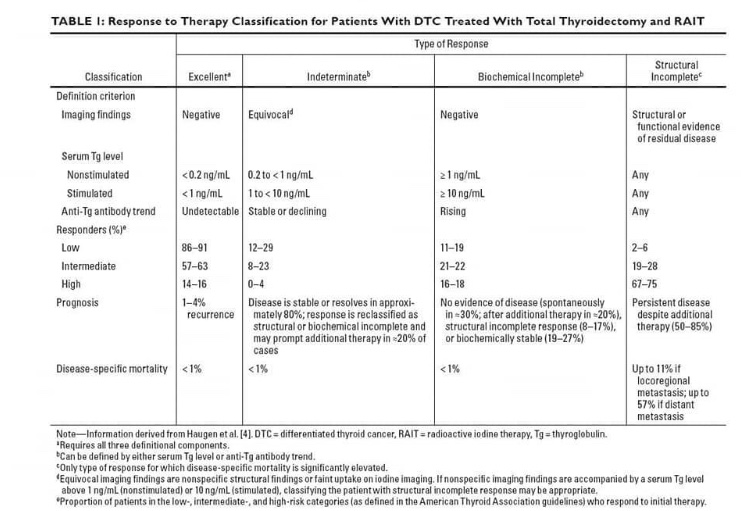
Dynamic Risk Stratification

https://drive.google.com/file/d/1u4JWeR7xE5oBV8f8acmBkmZTGmxabGlr/view

👉Dynamic risk stratification to determine need or benefit of RAI treatment for thyroid cancer patients

https://drive.google.com/file/d/1u4JWeR7xE5oBV8f8acmBkmZTGmxabGlr/view

👉Abstract: The term thyroid neoplasm incorporates tumors that originate from follicular cells and those that arise from parafollicular cells (C cells). Differentiated thyroid cancer, which originates from follicular cells, includes papillary thy- roid carcinoma (PTC), follicular thyroid carcinoma (FTC), oncocytic cell car- cinoma (Hürthle), poorly differentiated carcinoma, and anaplastic thyroid carcinoma (ATC). PTC tends to have an indolent clinical course with low morbidity and mortality. However, this entity has a broad range of biological and clinical behavior that can result in disease recurrence and death, de- pending on patient and tumor characteristics and the initial treatment ap- proach. PTC is the most common form of well-differentiated thyroid cancer (WDTC) and based on the most recent statistics, accounts for approximately 89.4% of all thyroid malignancies. PTC appears as an irregular solid or cystic nodule in normal thyroid parenchyma. PTC has the propensity for lymphatic invasion, but it is less likely to have hematogenous spread. Around 11% of patients with PTC present with distant metastases outside the neck and me- diastinum. This manuscript with review the current understanding of the ep- idemiology, pathology, molecular characteristics, prognostic factors, and dy- namic risk stratification of PTC centered on an evidence-based and persona- lized approach.

👉Keywords
Thyroid Cancer, Papillary Thyroid Cancer, Papillary Thyroid Microcarcinoma, Thyroid Nodule, Thyroid Cancer Treatment, Molecular

👉Arrangoiz, R., De Llano, J.G., Mijares, M.F., Fernandez-Chri- stlieb, G., Vasudevan, V., Sastry, A., Legas- pi, A., Fernandez, J., de la Cruz, F., Corde- ra, F. and Margain, D. (2021) Current Un- derstanding of Papillary Thyroid Carcino- ma. International Journal of Otolaryngolo- gy and Head & Neck Surgery, 10, 184-221. https://doi.org/10.4236/ijohns.2021.103019

👉https://www.scirp.org/pdf/ijohns_2021052114524635.pdf

#Arrangoiz #CancerSurgeon

CAR T-Cell Therapy AIC100 for Certain Types of Thyroid Cancer Earns Fast Track Designation


The FDA granted fast track designation to the chimeric antigen receptor T-cell therapy AIC100 as treatment for patients with anaplastic thyroid cancer and refractory poorly differentiated thyroid cancer, according to the company responsible for this cellular therapy, AffyImmune Therapeutics, Inc.1

The designation allows for the rapid development and review of drug candidates with the potential to serve an unmet medical need. It also means the company will have better access to the FDA with more frequent interactions regarding the development process, earlier approval, and patient access.

“We are pleased to have received Fast Track designation for our first-in-human CAR T-cell product currently being tested in patients with refractory thyroid cancer,” Eric von Hofe, President and COO of AffyImmune, said in a press release. “It highlights the unmet need in treating refractory solid tumors and points to the potential of AIC100 to address that need. We look forward to a close relationship with the FDA to expedite development and future approvals.”

The cellular therapy is currently being examined in a phase 1 trial (NCT04420754) of 24 participants with either relapsed/refractory poorly differentiated thyroid cancer or anaplastic thyroid cancer. Patients are treated in 1 of 4 cohorts by dose levels of 1 × 10⁻⁶, 1 × 10⁻⁷, 1 × 10⁻⁸, or 5 × 10⁻⁸ CAR-positive T-cells. Treatment is planned as a single-dose infusion, but additional administrations may be necessary in the case of partial response or stable disease within 30 days, investigator decision, the absence of dose-limiting toxicities, or available cell doses already manufactured.

The primary end point of the trial is the overall incidence of grade 3 or greater adverse effects (AEs) and the incidence of CAR T-cell therapy–related AEs, such as cytokine release syndrome, immune effector cell-associated neurotoxicity syndrome, hemophagocytic lymphohistiocytosis or macrophage activation syndrome, and tumor lysis syndrome. Secondary outcome measures include detection, expansion, and persistence of AIC100 after infusion, analysis of CAR T-cell subsets in peripheral blood by flow cytometry, assessment and analysis of CAR T-cell infiltrate by tumor biopsy at treatment completion or progression, cytokine levels in plasma samples, and CAR T antibodies in peripheral blood.

Eligible patients will have anaplastic thyroid cancer that is either BRAF wild type or BRAF mutant after BRAF inhibitor failure or poorly differentiated thyroid cancer that has failed surgery, radioactive iodine, chemotherapy, radiation therapy and/or targeted therapies with measurable disease, and ECOG performance status of 2 or lower, and a life expectancy of 8 weeks or more. Adequate hepatic, kidney, bone marrow, and coagulation function and no lingering toxicities from prior anticancer therapy are also required.

AIC100 is 1 of several CAR T-cell therapies being developed by AffyImmune Therapeutics, Inc. to treat solid tumors. It is an affinity-tuned ICAM-1 targeted, third-generation, CAR T-cell product. In addition to indications in thyroid cancer, the therapy is also being explored in patients with gastric cancer and triple-negative breast cancer.2

References

1. AffyImmune Therapeutics’ AIC100 Granted Fast Track Designation for Treating Thyroid Cancer. News release. AffyImmune Therapeutics, Inc. May 17, 2021. Accessed May 24, 2021. https://prn.to/3fL5paW

2. AffyImmune Is Developing a Leading Pipeline of Affinity-Tuned CAR T-cell Therapies to Treat Solid Tumors. AffyImmune Therapeutics, Inc. Accessed May 24, 2021. https://bit.ly/3wwbrDa

#Arrangoiz #ThyroidSurgeon #ThyroidExpert #ThyroidCancer #HeadandNeckSurgeon #CASO #CenterforAdvancedSurgicakOncology

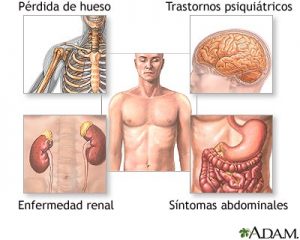
Gastrointestinal Manifestations of Primary Hyperaparathyroidims (PHPT)

  • PHPT has been associated with peptic ulcer disease:
    • In experimental animals:
      • Hypergastrinemia has been shown to result from PTH infusion into blood vessels supplying the stomach, independent of its effects on serum calcium:
        • The fact is that 12% of patients with primary hyperparathyroidism have peptic ulcer-related symptoms
  • An increased incidence of pancreatitis also has been reported in patients with PHPT:
    • Although this appears to occur only in patients with profound hypercalcemia:
      • Ca2+ ⩾12.5 mg/dL
    • Prevalence:
      • 3.6% (range: 1.5% to 15.3%) 
    • Mechanism:
      • Calcium deposition in the pancreatic ducts
      • Calcium activation of trypsinogen
  • Patients with PHPT also have an increased incidence of cholelithiasis:
    • Presumably due to:
      • PTH inhibition of:
        • Gallbladder emptying
        • Hepatic bile secretion
        • Sphincter Oddi motility
        • As well as modification of bile composition:
          • An increase in biliary calcium:
            • Which leads to the formation of calcium bilirubinate stones
    • The incidence has been reported as high as 25%

#Arrangoiz #ParathyroidSurgeon #ParathyroidExpert #HeadandNeckSurgeon #EndocrineSurgery #Hyperparathyroidism #Hypercalcemia #CASO #CenterforAdvancedSurgicalOncology
Physical Examination in a Patient with Multinodular Goiter

  • After documentation of thyroid size:
    • The examiner should note the:
      • Consistency and fixation of the mass:
        • Especially with respect to the larynx and trachea
  • Estimation of goiter size by physical examination:
    • Is clearly an inaccurate method of assessment:
      • Jarlov et al. found substantial errors in the clinical assessment of thyroid size as compared with ultrasonographic assessment
  • Estimated weight based on the physical examination:
    • Generally underestimates multinodular goiter weight:
      • By 25 to 50 g
  • The larynx (landmarks include thyroid notch and anterior cricoid arch) and trachea should be examined for:
    • Deviation from the midline:
      • Typically, cervical goiter will deviate the larynx and trachea to the contralateral side
  • The neck must be examined for:
    • Adenopathy as well as scarring:
      • From past thyroid and other neck surgery
    • Jugular distention and subcutaneous venous redistribution should be noted:
      • Although this may be present with large benign cervical or substernal goiter:
        • True superior vena cava syndrome is generally due to malignant thyroid disease and warrants careful scanning and evaluation
  • It is imperative in all patients with goiter that the larynx be examined:
    • Roughly 2% of patients with goiter present with vocal cord paralysis in the setting of benign disease and no prior neck surgery:
      • Vocal cord paralysis without a history of past thyroid surgery:
        • Implies invasive thyroid malignancy until proved otherwise:
          • It should be noted, however, that benign goiter has also been associated with vocal cord paralysis:
            • Presumably through stretch:
              • Which may recover postoperatively
      • Certainly, such a preoperative finding focuses the surgeon’s attention on the extreme importance of preserving the contralateral RLN
    • The laryngeal examination in patients with large cervical goiter:
      • Can be difficult if there is edematous or redundant supraglottic mucosa, laryngeal compression and deviation, and hypopharyngeal crowding resulting from goitrous extrinsic compression
    • Symptomatic assessment of the voice, like symptomatic assessment of the airway, does not predict objective findings in patients with goiter and should not replace the laryngeal exam:
      • Michel noted in his series of substernal goiters that although hoarseness was described in 26%:
        • Vocal cord paralysis was only found in 3%
          • I recommend that all patients with goiter undergo preoperative laryngeal examination
  • Substernal Goiter
    • In many ways the history and physical examination for patients with substernal goiter overlaps significantly with those for patients with cervical goiter
    • As cervical goiter progresses substernally:
      • Given the restriction of the bony confines of the thoracic inlet:
        • It increasingly compromises the airway
    • In short, substernal goiter evolution is strongly correlated with tracheal deviation:
      • The development of regional airway symptoms, and radiographic airway compression
    • Buckley and Stark noted that:
      • Although the maximum tracheal deviation with substernal goiter usually occurs at the thoracic inlet:
        • It may occasionally occur farther inferiorly
    • Larger surgical series of substernal goiter:
      • Show 70% to 80% of substernal goiter patients:
        • Are symptomatic at presentation:
          • Cervical mass is noted in 69% to 97% of the cases:
            • 10% to 30% of substernal goiter patients:
              • Have no significant palpable cervical abnormality
          • Respiratory symptoms in 42% to 96% of the cases
          • Dysphagia in 26% to 60% of the cases
          • Acute airway presentation in 1% to 5%
          • 3% to 7% present with vocal cord paralysis
        • 4% to 50% are asymptomatic at presentation:
          • Wax and Briant have noted that, with careful questioning:
            • Up to one third of patients who are “asymptomatic” admit to symptoms
      • Pemberton’s sign is described as the development of head and neck venous engorgement with facial congestion, plethora, and venous distention with arms raised over the head:
        • It is sometimes expanded to include the development of transient respiratory insufficiency
        • Pemberton’s sign is thought to indicate goiter extension into the thoracic inlet, with secondary relative venous and airway obstruction
          • Only 4.4% of patients with substernal goiter present with a positive Pemberton’s sign
      • Substernal goiters can also present with:
        • Neck and upper chest pain 
        • Rarely has been associated with:
          • Hematemesis secondary to downhill esophageal varices:
            • Without signs of portal hypertension
          • Abscess formation
          • Horner’s syndrome
          • Chylothorax:
            • Secondary to thoracic duct obstruction
          • Transient ischemic attacks:
            • Through “thyroid steal syndrome
          • Venous thrombosis
          • Intubation injuries:
            • Especially to the posterior tracheal membranous wall
        • Laryngeal shift to the side of a dominant cervical goiter:
          • Suggests contralateral substernal goiter and requires axial imaging of the neck and chest
        • Similarly, laryngeal shift without any palpable cervical findings suggests substernal goiter and similarly requires axial neck and chest imaging
        • Finally, substernal goiter is suspected when the clavicle intervenes before the inferior extent of the thyroid mass can be palpated

#Arrangoiz #ThyriodSurgeon #ThyroidExpert #HeadandNeckSurgeon #CancerSurgeon #ThyroidDisease #ThyroidCancer #MultinodularGoiter #Goiter #SubsternalGoiter #CASO #CenterforAdvancedSurgicalOncology

EDEMA

  • Intubation generally proceeds well in patients with large cervical and substernal goiters:
    • But occasionally it can be difficult
  • When difficult, anesthesia induction and intubation can represent a dramatic and life-threatening process:
    • Given the fact that emergent or “under local” tracheotomies:
      • Generally are not options because of the mass of the overlying goiter
  • In patients with goiter:
    • There may be evidence of substantial laryngeal deviation and perhaps vocal cord paralysis at intubation
  • The surgeon who performs the preoperative laryngoscopy should convey all information regarding the appearance of the:
    • Larynx, presence of deviation, and vocal cord paralysis to the anesthesia staff
    • Both the surgeon and the anesthesiologist should review the preoperative CT scans and examine the patient together before induction:
      • The method of intubation and the size of the tube and contingency plans can be discussed and decided upon through these discussions
  • Typically, a straightforward induction with transoral intubation can be performed:
    • Laryngeal deviation generally does not represent a problem, and tracheal compression generally yields to a reasonably sized endotracheal tube
  • An alternative and safe method that we favor is an:
    • Awake, sitting up, fiberoptic trans-nasal intubation:
      • This is especially a reasonable course of action if there is any doubt as to the adequacy of a sedated mask anesthesia airway, particularly if the larynx is significantly deviated by the cervical component of the goiter
  • Newer video laryngoscopes are also an excellent adjunct for intubation in such patients
  • Maximum tracheal compression in cervical and substernal goiter:
    • Usually occurs at the thoracic inlet but may be present further distally
  • As previously noted, tracheal compression by benign goiter typically yields to a reasonably sized endotracheal tube:
    • One exception is when there is malignant infiltration of the trachea, especially if there is intraluminal disease:
      • In these circumstances, transoral bronchoscopic intubation with bronchoscopic core-out can lead to satisfactory airway
  • Once again, preoperative CT scanning empowers the surgeon
  • Vigilance and recognition of non-thyroid factors, such as:
    • Jaw and tongue size, anteriorly positioned larynx, and available degree of head extension:
      • Are also important determinants of difficult intubation
  • Experience has shown that a significant problem in patients with large cervical or substernal goiters:
    • Especially with bilateral circumferential goiters:
      • Is the development of laryngeal edema with initial intubation attempts by anesthesia
      • The larynx, which represents the extreme distal end of the airway projected into the hypopharynx:
        • Likely has chronically reduced venous and lymphatic drainage as a result of a large, constricting bilateral goiter:
          • Such a larynx is easily made edematous with multiple unsuccessful intubation attempts:
            • This edema can last weeks postoperatively:
              • Sometimes requiring tracheotomy, which usually can be removed after such edema resolves:
                • It is therefore best to intubate once correctly
  • Intubation problems, although rare, can quickly spell disaster
  • The propensity for laryngeal edema from intubation attempts with goiter has been emphasized in the case reports of Hassard:
    • In there series of 200 patients with goiter, they encountered difficult intubation in only four cases (2%)
    • There were no significant predictors of difficult intubation, including size, substernal extension, preoperative compressive symptoms, or radiographic presence of tracheal deviation or compression
    • Tracheotomy was performed in only 3% of patients and was done electively at the time of thyroidectomy
      • Tracheotomy was performed either because of concern about laryngeal edema from multiple intubation attempts or in cases where vocal cord dysfunction was in question in cases without neural monitoring, especially if one vocal cord was known to be paralyzed preoperatively
      • With neural monitoring, greater certainty exists as to the functional status of both nerves during surgery

#Arrangoiz #ThyroidSurgeon #ThyroidExpert #HeadandNeckSurgeon #CancerSurgeon #MultinodularGoiter #Goiter #SubsternalGoiter #CASO #CenterforAdvancedSurgicalOncology

Papillary Thyroid Cancer: Is Surgery Always Necessary?

👉After receiving a diagnosis of papillary thyroid cancer, intuitively, the thought has been that surgery is the next step.

👉While this was the standard in the past, we now know that in specific situations immediate surgery may not be necessary.

👉The incidence of thyroid cancer has increased significantly over the last three decades in large part due to tumors being identified incidentally on imaging studies. It is important to note that despite the increased rate of detection, the mortality rate from thyroid cancer remains very low and unchanged. Therefore, many of these cancers are low risk, and if left alone, would likely not pose a threat to the patient. There has been significant research looking at monitoring low risk thyroid cancers without surgery especially when surgically removing the tumor could potentially do more harm than good. This monitoring approach without surgical intervention is known as active surveillance.

👉In general, to be eligible for active surveillance: the tumor should be 1cm -1.5cm, there should not be any evidence of lymph node metastases, there should not be suspicion of more aggressive subtypes such as tall cell or sclerosing variant papillary thyroid cancer, and the tumor should not be located near a vulnerable area where growth could compromise important structures such as the trachea or the recurrent laryngeal nerve.

👉Active surveillance should be done at a medical center with a multidisciplinary approach and ultrasound expertise. Active surveillance typically entails monitoring with ultrasound every 6 months initially with extension of the surveillance interval over time.

👉While undergoing surveillance, if there is significant growth (≥3mm) of the nodule, evidence of lymph node involvement, extension into adjacent structures, or change in patient preference, then surgical intervention is recommended.

👉Surgery at time of disease progression has been shown to have the same excellent prognosis. There have been ongoing prospective studies on active surveillance over the course of the last twenty years that have shown a low rate of progression (10-15%) and no deaths or development of distant metastasis during active surveillance.

👉The decision to pursue active surveillance is a shared decision between the patient and the physician after discussion of the risks and benefits based on each patient’s unique circumstances. Additional factors when considering active surveillance include: cost and time associated with appointments needed for surveillance, age of patient, medical comorbidities, and the possible increased emotional burden or anxiety that can result from opting to not remove the cancer at time of initial diagnosis.

👉The “best” treatment strategy will differ depending on each patient, so I hope that this information encourages discussion between patients and their endocrinologists to help decide which treatment option is best for them.

References:
1. Sugitani I, Ito Y, Takeuchi D, Nakayama H, Masaki C, Shindo H, Teshima M, Horiguchi K, Yoshida Y, Kanai T, Hirokawa M, Hames KY, Tabei I, Miyauchi A. Indications and Strategy for Active Surveillance of Adult Low-Risk Papillary Thyroid Microcarcinoma: Consensus Statements from the Japan Association of Endocrine Surgery Task Force on Management for Papillary Thyroid Microcarcinoma. Thyroid. 2021 Feb;31(2):183-192.
2. Molinaro E, Campopiano MC, Pieruzzi L, Matrone A, Agate L, Bottici V, Viola D, Cappagli V, Valerio L, Giani C, Puleo L, Lorusso L, Piaggi P, Torregrossa L, Basolo F, Vitti P, Tuttle RM, Elisei R. Active Surveillance in Papillary Thyroid Microcarcinomas is Feasible and Safe: Experience at a Single Italian Center. J Clin Endocrinol Metab. 2020 Mar 1;105(3):e172–80.
3. Tuttle RM, Alzahrani AS. Risk Stratification in Differentiated Thyroid Cancer: From Detection to Final Follow-up. J Clin Endocrinol Metab. 2019 Mar 15;104(9):4087–100.
4. Tuttle RM, Fagin JA, Minkowitz G, Wong RJ, Roman B, Patel S, Untch B, Ganly I, Shaha AR, Shah JP, Pace M, Li D, Bach A, Lin O, Whiting A, Ghossein R, Landa I, Sabra M, Boucai L, Fish S, Morris LGT. Natural History and Tumor Volume Kinetics of Papillary Thyroid Cancers During Active Surveillance. JAMA Otolaryngol Head Neck Surg. 2017 Oct 1;143(10):1015-1020.
5. Miyauchi A. Clinical Trials of Active Surveillance of Papillary Microcarcinoma of the Thyroid. World J Surg. 2016 Mar;40(3):516-22.
6. Ito Y, Miyauchi A, Inoue H, Fukushima M, Kihara M, Higashiyama T, Tomoda C, Takamura Y, Kobayashi K, Miya A. An observational trial for papillary thyroid microcarcinoma in Japanese patients. World J Surg. 2010 Jan;34(1):28-35.
7. ATA Thyroid Patient Information- Microcarcinomas of the Thyroid Glandhttps://www.thyroid.org/microcarcinomas-thyroid-gland/

#Arrangoiz #ThyroidSurgeon #ThyroidExpert #CancerSurgeon #ThyroidCancer #SurgicalOncologist #CASO #CenterforAdvancedSurgicalOncology
Cervical Goiter – History

  • The history of goitrous growth and associated symptoms is critical for determining surgical candidacy:
    • This history should be obtained not only from the patient but also from his or her family
  • Regional symptoms should be addressed relating to:
    • Respiration
    • Phonation
    • Swallowing
    • Presence of globus (lump sensation)
  • As Pemberton emphasized in 1921:
    • Symptoms associated with goiter may be positionally induced
    • Positions that may provoke goiter regional symptomatology include being:
      • Supine
      • Arms raised (as when reaching for an upper cabinet),
      • Extreme neck extension
      • Extreme neck flexion (as with reading a book in bed)
      • Turning the head to the extreme left or right
        • Patients thus need to be questioned about positional provocation of regional symptoms
  • In addition, the family needs to be questioned about nocturnal symptoms:
    • As symptoms may manifest initially in the setting of recumbency and upper airway relaxation during sleep
  • Symptoms may also be associated with exercise and increased oxygen demands
  • A history of preceding upper respiratory tract infection may produce dyspnea in a patient with long-standing tracheal obstruction secondary to goiter:
    • Through new laryngotracheal mucosal edema
  • Patients with cervical or substernal goiter may present with:
    • Cough
    • Dyspnea
    • Foreign-body sensation
    • Neck tightness
    • Change in collar size
    • Wheezing:
      • Some patients may come to the head and neck surgeon with a misdiagnosis of asthma or chronic obstructive pulmonary disease (COPD)
  • Patients with large cervical and substernal goiter:
    • Approximately 25% of patients were asymptomatic
  • Symptoms of hypothyroidism and hyperthyroidism should be reviewed:
    • Hyperthyroidism may slowly evolve in patients with multinodular goiter or may develop acutely in response to significant iodine load such as with CT scan contrast (Jod-Basedow phenomenon) or with the introduction of iodized salt in endemic goiter regions
  • A history of migration from an area of endemic goiter should be obtained, as well as a history of exposure to known goitrogens, notably iodine and lithium
  • A family history of thyroid disease should be obtained

#Arrangoiz #ThyroidSurgeon #ThyroidExpert #HeadandNeckSurgeon #CancerSurgeon #MultinodularGoiter #Goiter #SubsternalGoiter #CervicalGoiter #CASO #CenterforAdvancedSurgicalOncolgy

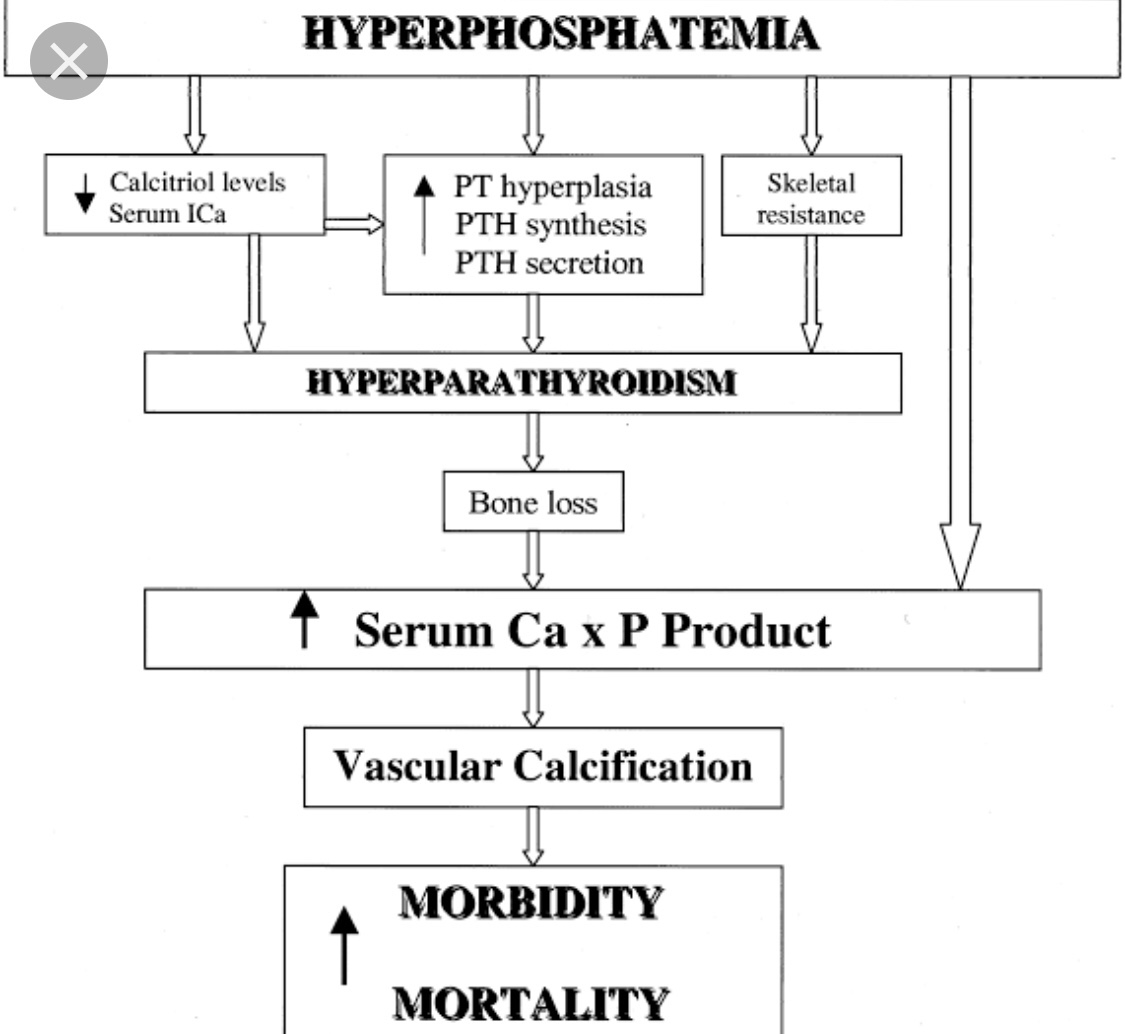
Hiperparatiroidismo y Riesgo de Infarto del Corazón

👉Los cambios en el calcio y el fosfato que resultan del hiperparatiroidismo renal pueden aumentar la calcificación de las arterias y provocar ataques cardíacos y accidentes cerebrovasculares – Dr. Rodrigo Arrangoiz

👉Aprenda más en https://www.atherosclerosis-journal.com/article/S0021-9150(18)31349-2/fulltext

CheckYourCalcium (realízate un calcio total en sangre).

👉Para más información: http://www.hiperparatiroidismo.info

#CheckYourCalcium #Arrangoiz #ParathyroidExpert #ParathyroidSurgeon #Hiperparatiroidism #Hipercalcemia #CheckYourCalcium #HeadandNeckSurgeon #CASO