Blog

Internal Mammary Lymph Node and SNLB After Neoadjuvant Chemotherapy

  • As reported by Veronesi in 1999,:
    • 737 patients were randomized to either undergo:
      • Halsted mastectomy or extended mastectomy with IM node dissection:
        • After 30 years of follow-up, there was no difference in overall survival or disease-specific survival:
          • For the patients eligible with T1, T2, T3, N0, and N1 disease who underwent IM node dissection vs. no IM dissection
  • 2019 retrospective review of 95 breast cancer patients with clinically detected IM nodes (IMNs) at diagnosis:
    • Were treated with surgery and radiation:
      • With median follow-up of 43 months
    • 77 received neoadjuvant chemotherapy:
      • With IMN normalization in 67.5%, and partial IMN response in 24.6%
    • The 5-year IMN failure-free survival, disease-free survival, and overall survival were:
      • 96%, 70%, and 84%, respectively
    • IMN failure-free survival was significantly affected by:
      • Resection margin status
      • Size of IMN
      • Receipt of IMN boost radiation
  • A recently published meta-analysis in the Annals of Surgery found that axillary staging following neoadjuvant chemotherapy:
    • Is best performed with a combination approach of:
      • Sentinel lymph node biopsy with excision of the pre-chemotherapy-marked positive node:
        • With a false negative rate of 2% to 4%:
          • The identification rate was 100%
      • ACOSOG Z1071 reported an overall false negative rate of 12.6%:
        • When sentinel node biopsy was performed after neoadjuvant chemotherapy with documented node-positive disease prior to treatment
        • The false-negative rate decreased to 6.8%:
          • When both sentinel node(s) and the clipped node were retrieved at the time of surgery
  • References
    • Veronesi U, Marubini E, Mariani L, Valagussa P, Zucali R. The dissection of internal mammary nodes does not improve the survival of breast cancer patients. 30-year results of a randomised trial. Eur J Cancer. 1999;35(9):1320-1325.
    • Kim J, Chang JS, Choi SH, et.al. Radiotherapy for initial clinically positive internal mammary nodes in breast cancer. Radiat Oncol J. 2019;37(2):91-100.
    • Simons JM, van Nijnatten TJA, van der Pol CC, Luiten EJT, Koppert LB, Smidt ML. Diagnostic accuracy of different surgical procedures for axillary staging after neoadjuvant systemic therapy in node-positive breast cancer: a systematic review and meta-analysis. Ann Surg. 2019;269(3):432-442.
    • Boughey JC, Ballman KV, Le-Petross HT, et al. Identification and resection of clipped node decreases the false-negative rate of sentinel lymph node surgery in patients presenting with nodepositive breast cancer (T0-T4, N1-N2) who receive neoadjuvant chemotherapy: results from ACOSOG Z1071 (Alliance). Ann Surg. 2016;263(5):802-807.

#Arrangoiz #BreastSurgeon #CancerSurgeon #SurgicalOncology #BreastCancer #CASO #Miami #CenterforAdvancedSurgicalOncology
Tubular Carcinoma of the Breast

  • Tubular carcinoma:
    • Is a distinct histopathologic subtype of breast cancer:
      • Representing 1% to 2% of breast cancers diagnosed
    • It is a distinct entity:
      • From low-grade ductal carcinoma
    • The literature continues to suggest that is has an excellent prognosis:
      • With a very low likelihood of distant metastasis and excellent disease-free survival.
    • In select patients:
      • Adjuvant therapies may be omitted:
        • However, there is a still a risk of axillary nodal metastasis:
          • Sentinel lymph node biopsy is still recommended due to a 10% to 20% risk of lymphatic spread
          • Despite this finding, there is likely to be only one node involved:
            • This histopathologic subtype still conveys an excellent prognosis
    • Tubular carcinoma is more likely to be identified on:
      • Screening mammography and is more common in Caucasians than blacks
    • Emerging data suggest that adjuvant systemic therapy can likely be safely omitted, although it should still be discussed with the multidisciplinary team
  • References
    • Rakha EA, Lee AH, Evans AJ, et al: Tubular carcinoma of the breast: further evidence to support its excellent prognosis. J Clin Oncol. 2010;28(1):99-104.
    • Fedko MG, Scow JS, Shah SS, et al. Pure tubular carcinoma and axillary nodal metastases. Ann Surg Oncol. 2010;17(Suppl 3):338-342.
    • Anderson WF, Chu KC, Chang S, Sherman ME. Comparison of age-specific incidence rate patterns for different histopathologic types of breast carcinoma. Cancer Epidemiol Biomarkers Prev. 2004;13(7): 1128-1135.

#Arrangoiz #CancerSurgeon #BreastSurgeon #SurgicalOncologist #BreastCancer #TubularBreastCancer #CASO #Miami #CenterforAdvancedSurgicalOncology
Oncotype DX 21 Gene Recurrence Score is Better in Predicting Cancer Recurrence Than Traditional Clinical Parameters

  • ER positive tumors:
    • Can be very sensitive to endocrine therapy:
      • Which may allow some patients to safely avoid chemotherapy
  • However:
    • The presence of ER receptors on immunohistochemistry:
      • Does not necessarily mean that the tumor’s growth:
        • Is being driven by ER-related pathways
    • Additionally, other molecular features may influence the tumor cells’ sensitivity to hormonal therapy
  • The development of predictive molecular assays has been a major advancement in the field:
    • The assay measures mRNA expression of 21 genes:
      • Using reverse transcriptase-polymerase chain reaction techniques
    • It can be performed on formalin-fixed paraffin-embedded tumor specimens:
      • Obtained by core biopsy or surgery
    • It has been validated in ER+, node-negative women:
      • Who have not received any prior therapy
    • This assay is more reliable in predicting cancer recurrence than such clinical parameters as:
      • Size
      • Hormone receptor status
      • Nuclear grade
      • Ki-67
    • The assay measures:
      • Downstream ER-regulated genes:
        • To assess the functionality of the ER receptor
    • Patients with low scores (< 18) are considered at low risk for disease recurrence:
      • May not receive any benefit from adjuvant chemotherapy:
        • These patients are now treated with hormonal therapy alone without cytotoxic chemotherapy
      • In fact, the recently published subset analysis of the prospective validation of the 21-gene expression assay in breast cancer:
        • Confirmed that 98.7% of women:
          • With 21-gene signature scores of less than 10:
            • Managed with endocrine therapy alone had no evidence of local, regional, or distant recurrence at 5 years
          • Patients with a high score (> 31):
          • Have been shown to gain a large benefit from the addition of chemotherapy
        • While the assay is not performed on HER2-overexpressing tumors:
          • It does measure HER2 and other proliferative genes
    • It is currently only validated for:
      • Node-negative patients:
        • Although the RxPONDER (SWOG 1007) trial:
          • Is currently evaluating women with:
            • 1 to 3 positive lymph nodes and an 21-gene signature score of less than 25
          • These patients were randomized to receive chemotherapy and endocrine therapy to endocrine therapy alone:
            • We are awaiting the results of this trial
  • References
  • Paik S. Development and clinical utility of a 21-gene recurrence score prognostic assay in patients with early breast cancer treated with tamoxifen. Oncologist. 2007;12(6):631-635.
  • Paik S, Shak S, Tang G, et al. A multigene assay to predict recurrence of tamoxifen-treated, node-negative breast cancer. N Engl J Med. 2004;351(27):2817-2826.
  • Paik S, Tang G, Shak S, et al. Gene expression and benefit of chemotherapy in women with node-negative, estrogen receptor-positive breast cancer. J Clin Oncol. 2006;24(23):3726-3734.
  • Sparano JA, Gray RJ, Makower DF, et al. Prospective validation of a 21-gene expression assay in breast cancer. New Engl J Med. 2015;373(21):2005-2014.

#Arrangoiz #BreastSurgeon #CancerSurgeon #SurgicalOncologist #BreastCancer #OncotypeDx #CASO #Miami #CenterforAdvancedSurgicalOncology
2019 International Clinical Practice Guidelines for the Treatment And Prophylaxis Of Venous Thromboembolism In Patients With Cancer

2019 International Clinical Practice Guidelines for the Treatment and Prophylaxis Of Venous Thromboembolism In Patients With Cancer

  • Initial treatment of established VTE – International Advisory Panel ranking (8.18 out of 9)
    • Low-molecular-weight heparin (LMWH):
      • Is recommended for the initial treatment of established VTE in patients with cancer:
        • When creatinine clearance is ≥ 30 mL per min (grade 1B)
      • LMWH:
        • Is easier to use than unfractionated heparin
      • A regimen of LMWH:
        • Taken once per day:
          • Is recommended, unless a twice-per-day regimen is required:
            • Because of patient characteristics (eg, fragile patients who are at risk of hemorrhage)
    • For patients who do not have a high risk of gastrointestinal or genitourinary bleeding:
      • A regimen of rivaroxaban (in the first 10 days) or edoxaban (started after at least 5 days of parenteral anticoagulation):
        • Can also be used for the initial treatment of established VTE:
          • In patients with cancer when creatinine clearance is ≥ 30 mL/min (grade 1B)
    • Unfractionated heparin:
      • Can also be used for the initial treatment of established VTE in patients with cancer:
        • When LMWH or direct oral anticoagulants are contraindicated, or not available (grade 2C)
    • Fondaparinux can also be used for the initial treatment of established VTE:
      • For patients with cancer (grade 2D)
      • Fondaparinux is easier to use than unfractionated heparin
    • Thrombolysis in patients with cancer with established VTE can only be considered on a case-by-case basis:
      • With specific attention paid to contraindications, especially bleeding risk eg, brain metastasis (guidance, based on evidence of very low quality and the high bleeding risk of thrombolytic therapy)
      • An expert opinion is recommended before using thrombolytics, and the procedure should be done in centers with health-care practitioners who have appropriate expertise
    • In the initial treatment of VTE:
      • Inferior vena cava filters may be considered when:
        • Anticoagulant treatment is contraindicated or
        • In the case of pulmonary embolism
        • When recurrence occurs under optimal anticoagulation
      • Periodic reassessment of contraindications for anticoagulation is recommended, and anticoagulation should be resumed when safe (guidance, based on evidence of very low quality and an unknown balance between desirable and undesirable effects)
  • Early maintenance (up to 6 months) and long term (beyond 6 months) – International Advisory Panel ranking (8.09 out of 9):
    • LMWHs are preferred over vitamin K antagonists:
      • For the treatment of VTE in patients with cancer:
        • When creatinine clearance is ≥ 30 mL/min (grade 1A)
      • Daily subcutaneous injection can represent a burden for patients
    • Direct oral anticoagulants:
      • Are recommended for patients with cancer:
        • When creatinine clearance is ≥ 30 mL/min in the absence of strong drug-to-drug interactions or gastrointestinal absorption impairment (grade 1A)
      • Use caution in patients with:
        • Gastrointestinal tract malignancies, especially upper gastrointestinal tract malignancies:
          • As the available data show increased risk of gastrointestinal tract bleeding with:
            • Edoxaban and rivaroxaban
      • Data for other direct oral anticoagulants are needed as it is not clear whether other direct oral anticoagulants will have the same risk profile
    • LMWH or direct oral anticoagulants should be used for:
      • A minimum of 6 months to treat established VTE in patients with cancer (grade 1A)
      • After 6 months:
        • Termination or continuation of anticoagulation (LMWH, direct oral anticoagulants, or vitamin K antagonists):
          • Should be based on individual evaluation of the benefit–risk ratio, tolerability, drug availability, patient preference, and cancer activity (guidance in the absence of data)
  • Treatment of VTE recurrence in patients with cancer under anticoagulation – International Advisory Panel ranking (8.0 out of 9):
    • In the event of VTE recurrence, three options can be considered:
      • Increase LMWH by 20% to 25%
      • Switch to direct oral anticoagulants:
        • For direct oral anticoagulants:
          • Switch to LMWH
      • For vitamin K antagonists:
        • Switch to LMWH or direct oral anticoagulants (guidance based on evidence of very low quality and an unknown balance between desirable and undesirable effects)
    • Effect of therapy should be monitored:
      • By improvement of symptoms
  • Treatment of established catheter-related thrombosis – International Advisory Panel ranking (8.19 out of 9):
    • For the treatment of symptomatic catheter-related thrombosis in patients with cancer:
      • Anticoagulant treatment is recommended for a minimum of 3 months and as long as the central venous catheter is in place
      • In this setting:
        • LMWHs are suggested and direct comparisons between LMWHs, direct oral anticoagulants, and vitamin K antagonists have not been made (guidance)
    • In patients with cancer with catheter-related thrombosis:
      • The central venous catheter can be kept in place:
        • If it is functional, well positioned, and not infected:
          • With a good resolution of symptoms under close surveillance while anticoagulation therapy is administered
    • No standard approach in terms of duration of anticoagulation is established (guidance)
  • Reference:

#Arrangoiz #Surgeon #CancerSurgeon @Teacher #HeadandNeckSurgeon #ThyroidSurgeon #ParathyroidSurgeon #CASO #Miami #CenterforAdvancedSurgicalOncology #DVT #Thromboembolism
Risk factors for Breast Cancer

  • Demographics:
    • Advanced age
    • Overweight or obesity (particularly in postmenopausal women)
    • White race or Ashkenazi Jewish descent
  • Medical history:
    • BRCA1 or BRCA2 mutation
    • First-degree relative with breast or ovarian cancer
    • History of atypical hyperplasia or lobular carcinoma in situ
    • One prior breast biopsy (regardless of results)
    • Personal history of breast or ovarian cancer
  • Medications and diet:
    • Alcohol consumption (more than one drink per day)
    • Current or prior use of hormone therapy or oral contraceptives
  • Reproductive history: o Menarche before 12 years of age o Menopause after 55 years of age o Nulliparity or age older than 35 years at first delivery • Other: o High breast density on mammography o Prior thoracic radiation exposure

Axillary Staging in Pregnant Women with Breast Cancer

  • Sentinel lymph node biopsy (SLNB):
    • Is the standard of care in patients with early stage, clinically node negative breast cancer
  • Compared to axillary lymph node dissection (ALND),:
    • SLNB has lower morbidity, including a:
      • Lower risk of musculoskeletal limitations and lymphedema
  • In general, SLNB can be performed with the use of:
    • Blue dye
    • Technetium-99 (99mTc), or
    • Dual agents
  • The role of SLNB in pregnancy is not clearly defined:
    • Recently updated American Society of Clinical Oncology (ASCO) Guidelines:
      • Upholds its prior recommendation that SLNB should not be performed in pregnancy:
        • The strength of the recommendation, however;
          • Is described by the ASCO expert panel to be “weak,” as it is based on ”informal consensus” rather than quality evidence.
  • Several retrospective studies have described the safety of SLNB during pregnancy
    • The majority of patients in these studies underwent SLNB with 99mTc alone:
      • However, methylene blue dye was used in some patients
    • One recent retrospective review reported on 145 women with clinical node-negative disease who underwent SLNB during pregnancy:
      • The mapping agents utilized were:
        • 99mTc alone (66%), methylene blue dye alone (9.7%), dual agents (10.3%), and the remainder was unknown
      • Sentinel lymph nodes were identified in 99.3% of patients, with excellent gestational outcomes
    • No neonatal adverse events related to the SLNB procedure were reported
  • Models of fetal radiation exposure have demonstrated that the use of 99mTc for SLNB:
    • Leads to a negligible dose to the fetus of 0.014 mGy or less:
      • Whereas risk of fetal malformation is associated with levels > 100 mGy
    • Lower doses of exposure can be achieved using a 1-day protocol rather than a 2-day protocol
  • The use of lymphazurin dye is not recommended:
    • Due to the 1% to 2% risk of anaphylaxis
  • Historically, the use of direct intra-amniotic injection of methylene blue dye for identification of ruptured membranes led to significant neonatal complications:
    • Recent pharmacokinetic data indicate that the absorption of methylene blue dye used during SLNB is minimal
    • Although the use of methylene blue dye for SLNB has been described, the data are limited in comparison to that of 99mTc
  • Thus, with respect to axillary staging, the risks and benefits of ALND vs. SLNB must be discussed with the patient prior to surgery
  • References
    • Giuliano AE, Kirgan DM, Guenther JM, Morton DL. Lymphatic mapping and sentinel lymphadenectomy for breast cancer. Ann Surg. 1994;220(3):391-398.
    • Lyman GH, Somerfield MR, Bosserman LD, Perkins CL, Weaver DL, Giuliano AE. Sentinel lymph node biopsy for patients with early-stage breast cancer: American Society of Clinical Oncology Clinical Practice Guideline Update.J Clin Oncol. 2017;35(5):561-564.
    • Han SN, Amant F, Cardonick EH, et al. Axillary staging for breast cancer during pregnancy: feasibility and safety of sentinel lymph node biopsy. Breast Cancer Res Treat. 2018;168(2):551-557.
    • Gropper AB, Calvillo KZ, Dominici L, et al. Sentinel lymph node biopsy in pregnant women with breast cancer. Ann Surg Oncol. 2014;21(8):2506-2511.
    • Gentilini O, Cremonesi M, Toesca A et al. Sentinel lymph node biopsy in pregnant patients with breast cancer. Eur J Nucl Med Mol Imaging. 2010;37(1):78-83.
    • Pandit-Taskar N, Dauer LT, Montgomery L et al. Organ and fetal absorbed dose estimates from 99mTc-sulfur colloid lymphoscintigraphy and sentinel node localization in breast cancer patients. J Nucl Med. 2006;47(7):1202-1208.

#Arrangoiz #BreastSurgeon #CancerSurgeon #SurgicalOncologist #CASO #CenterforAdvancedSurgicalOncologist #BreastCancer #BreastCancerandPregnancy

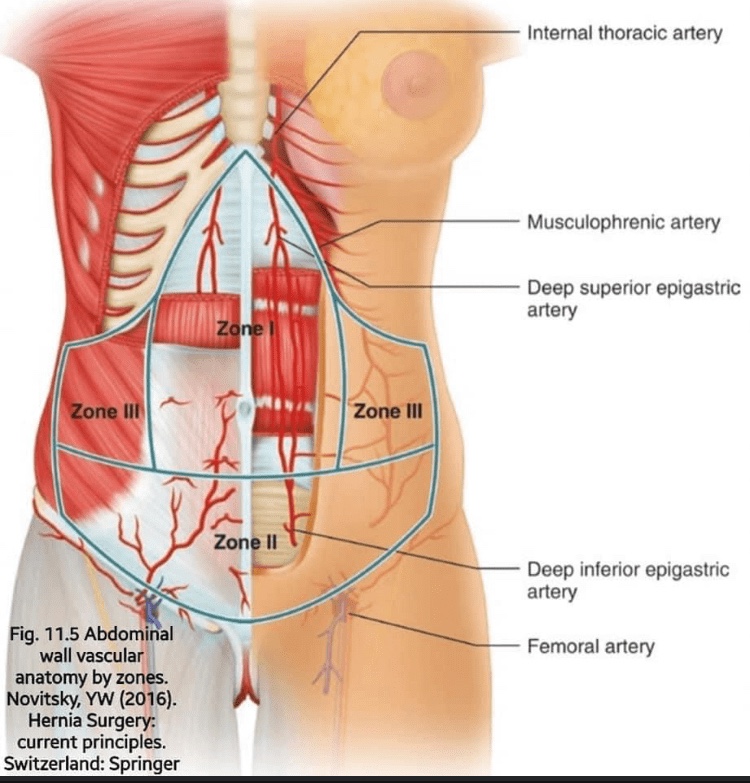
Vascular anatomy of the abdominal wall – V𝗮𝘀𝗰𝘂𝗹𝗮𝗿 𝘇𝗼𝗻𝗲𝘀 𝗼𝗳 𝗮𝗯𝗱𝗼𝗺𝗶𝗻𝗮𝗹 𝘄𝗮𝗹𝗹

👉The vascular anatomy of the abdominal wall is divided into three zones based on the origin of the blood suppl

  • 𝗭𝗼𝗻𝗲 1 is the central upper abdomen
    • Superiorly it receives blood supply from the descending superior epigastric artery, a branch of the internal mammary artery
    • Inferiorly it is supplied by the ascending inferior epigastric artery, a branch of the external iliac artery
    • As the superior and inferior epigastric arteries run posterior to the rectus abdominis muscle, they supply musculocutaneous perforating vessels (the so-called periumbilical perforator vessels) to the overlying tissues
    • The superior and inferior epigastric arteries converge in the supraumbilical region
  • 𝗭𝗼𝗻𝗲 2 encompasses the suprapubic area below the arcuate line
    • The area is supplied medially by the superficial and deep branches of the inferior epigastric artery
    • Laterally, blood supply comes from the superficial circumflex iliac artery as a branch of the external iliac
  • 𝗭𝗼𝗻𝗲 3 is the area superior the arcuate line and lateral to the linea semilunaris
    • It is perfused superiorly by the musculophrenic artery as a lateral branch of the internal mammary artery
    • Inferiority by the deep circumflex iliac artery
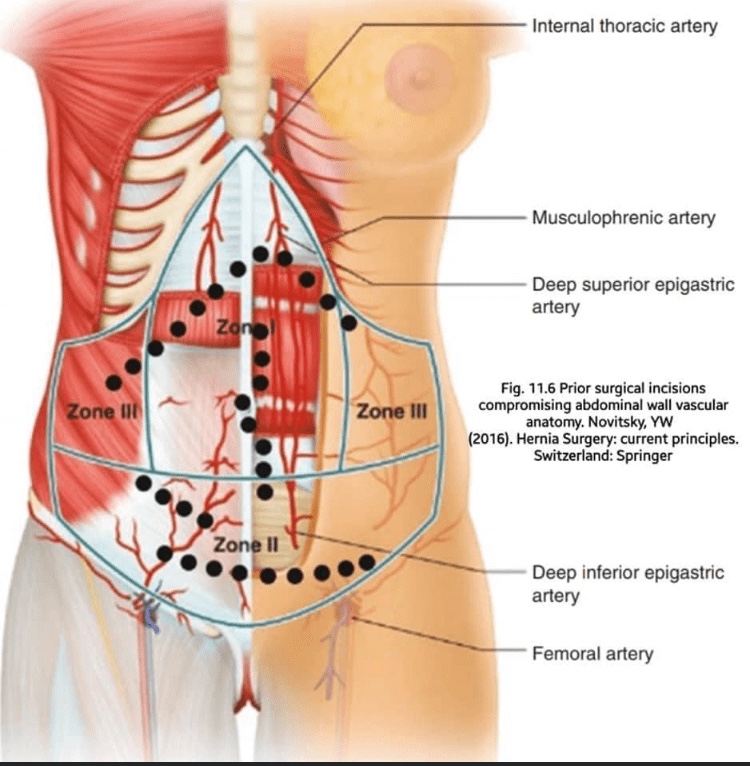
  • When evaluating a patient who requires ventral herniorrhaphy, the blood supply to each zone should be considered as it may be comprised by prior surgical incisions (such as a panniculectomy or paramedian incision) or prior surgical procedure (such as epigastric ligation or abdominal aortic aneurysm repair)
  • 𝗖𝗹𝗶𝗻𝗶𝗰𝗮𝗹 𝗶𝗺𝗼𝗽𝗿𝘁𝗮𝗻𝗰𝗲:
    • 𝗭𝗼𝗻𝗲𝘀 1 and 3:
      • Kocher and Chevron incisions generally divide the right and potentially left superior epigastric artery and must be considered in patients who have had open cholecystectomy, liver resection, or liver transplantation
      • In addition, patients who have had the internal mammary artery harvested for coronary bypass grafting, mediastinal dissection, or mediastinal chest tubes can disrupt the internal mammary, superior epigastric artery, or musculophrenic blood supply to Zones 1 and 3
    • 𝗭𝗼𝗻𝗲 2:
      • Blood supply is at risk with prior paramedian, Mcburney, Rockey-Davis, and Pfannenstiel incisions
      • Additionally the periumbilical region is a watershed area with tenuous blood supply in patients with large umbilical hernias and previous midline scars
      • Failure to excise compromised skin or scar can lead to wound breakdown and surgical site infections

𝗥𝗲𝗳:SAGES manual of hernia surgery, 2019.
By: Hesham Wageh

#Arrangoiz #Surgeon #Teacher

Inflammatory Breast Cancer IBC

  • Inflammatory breast cancer (IBC):
    • Is a clinical diagnosis characterized by:
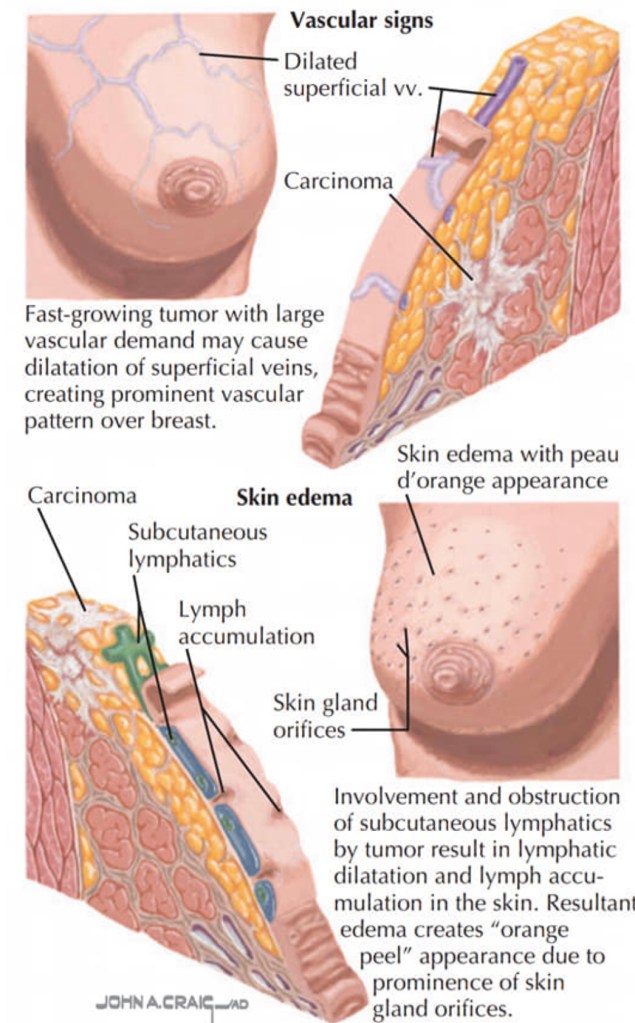
      • The rapid progression of an enlarged breast with skin changes including:
        • Redness
        • Edema
        • Peau d’orange
    • As mentioned previously IBC is a clinical diagnosis defined by the American Joint Committee on Cancer as a:
      •  “Diffuse erythema and edema involving approximately a third or more of the skin of the breast” and is staged cT4d
    • A punch biopsy of the skin:
      • Demonstrates tumor emboli within dermal lymphatics:
        • Approximately 75% of the time
      • A negative skin biopsy does NOT preclude the diagnosis, as it is clinical
    • The appearance may lead to:
      • Misdiagnosis of mastitis or breast cellulitis
    • The rapid evolution of symptoms (within 3 to 6 months):
      • Distinguishes IBC from a locally advanced breast cancer with associated edema
    • IBC is rare:
      • It presents in 2% to 4% of breast cancer patients:
        • Although the reported annual incidence has been increasing.
    • The tumor biology is disproportionately:
      • ER negative and HER2 amplified, compared with non-IBC
    • Patients should be evaluated in a multidisciplinary setting for trimodal therapy
    • Treatment should be initiated with:
      • Neoadjuvant chemotherapy, followed by aggressive local therapy
    • The majority of patients with IBC present with clinical lymph node involvement:
      • Sentinel lymph node biopsy is not reliable in IBC:
        • Due to blockage of dermal lymphatics:
          • Thus axillary dissection should be performed
    • Following neoadjuvant chemotherapy:
      • Modified radical mastectomy is the appropriate surgery:
        • Skin should not be spared so as not to leave behind residual disease
      • Immediate reconstruction should be avoided
    • Patients should receive post-mastectomy radiation:
      • To the skin, chest wall, and regional lymph nodes following surgery:
        • To optimize local control
    • Survival in IBC has improved with trimodal therapy:
      • A recent analysis of Surveillance, Epidemiology, and End Results data evaluated 10,197 patients with non-metastatic IBC between 1998 and 2010:
        • Patients who underwent trimodal therapy had improved 5- and 10-year survival (55.4% and 37.3%) over those that did not receive all three modalities
        • Survival was lowest at 10 years (16.5%) for patients who underwent surgery alone
    • Staging scans, including a CT chest / abdomen/ pelvis, PET scan, and / or bone scan:
      • Should be completed prior to initiating treatment
    • Inflammatory breast cancer is a clinical stage T4d:
      • And the most fatal form of breast cancer:
        • Accounting for 7% of all breast cancer deaths:
          • Real-world observational data have demonstrated that inflammatory breast cancer has significantly worse survival compared to other non-metastatic locally advanced and metastatic non-inflammatory breast cancers
        • Despite this, 5-year survival of IBC patients has increased from:
          • 40% to 50% in the 1990’s to almost 70% in 2008
    • Recent national and international guidelines for IBC recommend:
      • Full staging (PET / CT preferred over CT chest / abdomen / pelvis + bone scan) and bilateral breast and axillary nodal imaging, followed by neoadjuvant systemic therapy, modified radical mastectomy (including level I and II lymph node dissection), and radiation
      • Adjuvant targeted therapy and hormonal therapy should be considered in appropriate cases
      • Notably, lumpectomy is contraindicated
      • Breast reconstruction should be delayed
      • Multi-modal therapy for IBC has resulted in the best overall survival rates
    • For HER2-negative breast cancers:
      • Preoperative chemotherapy regimens should include:
        • Sequential doxorubicin and cyclophosphamide followed by a taxane:
          • To achieve the highest pathologic complete response rate
    • For HER2-positive breast cancers:
      • Chemotherapy should be used with dual anti-HER2-directed therapy with pertuzumab and trastuzumab:
        • To achieve the best pathologic complete response rate
  • References
    • National Comprehensive Cancer Network. NCCN Clinical Practice Guidelines in Oncology. Breast Cancer. Available with login at: https://subscriptions.nccn.org.
    • Fouad TM, Barrera AMG, Reuben JM, Lucci A, Woodward WA, Stauder MC, et al. Inflammatory breast cancer: a proposed conceptual shift in the UICC-AJCC TNM staging system. Lancet Oncol. 2017;18(4):e228-e232.
    • Ueno NT, Espinosa Fernandez JR, Cristofanilli M, Overmoyer B, Rea D, Berdichevski F, et al. International consensus on the clinical management of inflammatory breast cancer from the Morgan Welch Inflammatory Breast Cancer Research Program 10th Anniversary Conference. J Cancer. 2018;9(8):1437-1447.
    • Rueth NM, Lin HY, Bedrosian I, Shaitelman SF, Ueno NT, Shen Y, et al. Underuse of trimodality treatment affects survival for patients with inflammatory breast cancer: an analysis of treatment and survival trends from the National Cancer Database. J Clin Oncol. 2014;32(19):2018-2024.
    • Amin MB, Edge S, Greene F, et al., eds. AJCC Cancer Staging Manual. 8th ed. New York, NY: Springer; 2017
    • Hance KW, Anderson WF, Devesa SS, Young HA, Levine PH. Trends in inflammatory breast carcinoma incidence and survival: the surveillance, epidemiology, and end results program at the National Cancer Institute. J Natl Cancer Inst 2005;97(13):966-975.
    • Menta A, Fouad TM, Lucci A, et al. Inflammatory breast cancer: what to know about this unique, aggressive breast cancer. Surg Clin North Am. 2018;98(4):787-800.
    • Rueth NM, Lin HY, Bedrosian I, et al: Underuse of trimodality treatment affects survival for patients with inflammatory breast cancer: an analysis of treatment and survival trends from the National Cancer Database. J Clin Oncol. 2014;32(19):2018-2024.

#Arrangoiz #BreastSurgeon #CancerSurgeon #SurgicalOncologist #BreastCancer #InflammatoryBreastCancer #CASO #CenterforAdvancedSurgicalOncology
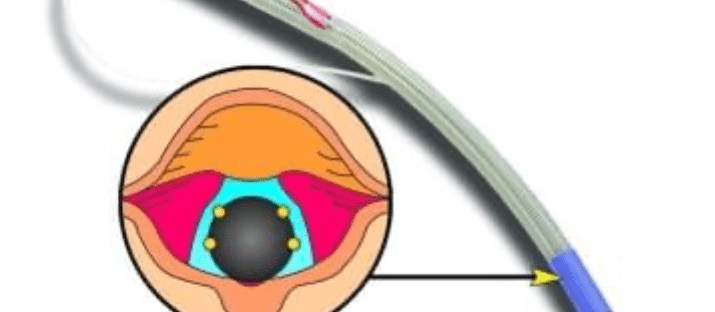
Recurrent Laryngeal Nerve Monitoring

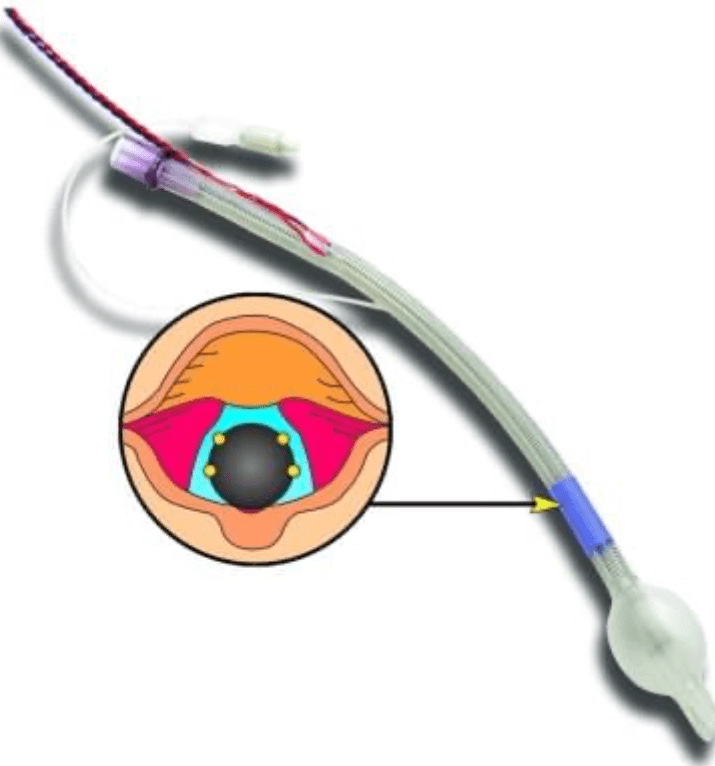
👉Many surgeons use intraoperative recurrent laryngeal nerve monitoring to evaluate nerve function throughout surgery.

👉This is done by using a special breathing tube with sensors near your vocal cords.

Impact of Contralateral Prophylactic Mastectomy (CPM) on Psychosocial Outcomes

  • The decision to undergo CPM:
    • Is intensely personal
    • Frequently driven by:
      • A shifting balance between perceived future breast cancer risk
      • Anxiety over annual screening and potential future diagnostic procedures
      • The unknown physical, emotional, and cosmetic outcomes of the surgery
  • Long-term outcomes for women who have undergone CPM:
    • Report that 86% to 90% of respondents:
      • Were satisfied with the decision to undergo prophylactic surgery
    • With 20 years of follow-up:
      • More than 90 % of women definitely or probably would choose to undergo CPM again:
        • However, many of these same women report dissatisfaction with areas such as:
          • Body image, chronic pain, problems with implants, and sexual changes even though they noted overall satisfaction with their decision making
    • In a study of 296 women who participated in the National Prophylactic Mastectomy Registry and provided detailed responses to a survey evaluating their outcomes with CPM:
      • Only 6 % expressed regrets with the decision:
        • But of these women 39 % reported poor cosmetic outcomes and 22 % reported a reduced sense of sexuality:
          • Studies with longer follow-up had outcome data only on a proportion of the initial cohort, introducing possible bias between responders and nonresponders, limiting the strength of the evidence.
  • Few studies have examined quality of life between CPM and non-CPM patients:
    • One study, approximately 10 years ago:
      • Showed no difference in quality of life between patients undergoing CPM and those undergoing unilateral mastectomy or lumpectomy
    • In a study from Sweden:
      • No differences in overall health-related quality of life were identified up to two years post surgery in 60 women undergoing (delayed) CPM
  • Summary:
    • While 80% to 90 % of women report satisfaction with their decision to undergo CPM:
      • 20% to 30 % of these women report postsurgical dissatisfaction with cosmesis, body image, and sexuality
    • Studies show that CPM does not affect overall quality of life parameters
    • Women should be counseled on the potential long-term outcomes of CPM on body image and sexuality
  • References:
    • Roberts A, Habibi M, Frick KD. Cost-effectiveness of contralateral prophylactic mastectomy for prevention of contralateral breast cancer. Ann Surg Oncol. 2014;21:2209–2217. doi: 10.1245/s10434-014-3588-7.
    • Frost MH, Slezak JM, Tran NV, et al. Satisfaction after contralateral prophylactic mastectomy: the significance of mastectomy type, reconstructive complications, and body appearance. J Clin Oncol. 2005;23:7849–7856. doi: 10.1200/JCO.2005.09.233
    • Rosenberg SM, Sepucha K, Ruddy KJ, et al. Local therapy decision-making and contralateral prophylactic mastectomy in young women with early-stage breast cancer. Ann Surg Oncol. 2015;22:3809–3815. doi: 10.1245/s10434-015-4572-6
    • Geiger AM, West CN, Nekhlyudov L, et al. Contentment with quality of life among breast cancer survivors with and without contralateral prophylactic mastectomy. J Clin Oncol. 2006;24:1350–1356. doi: 10.1200/JCO.2005.01.9901
    • Frost MH, Hoskin TL, Hartmann LC, Degnim AC, Johnson JL, Boughey JC. Contralateral prophylactic mastectomy: long-term consistency of satisfaction and adverse effects and the significance of informed decision-making, quality of life, and personality traits. Ann Surg Oncol. 2011;18:3110–3116. doi: 10.1245/s10434-011-1917-7
    • Altschuler A, Nekhlyudov L, Rolnick SJ, et al. Positive, negative, and disparate–women’s differing long-term psychosocial experiences of bilateral or contralateral prophylactic mastectomy. Breast J. 2008;14:25–32. doi: 10.1111/j.1524-4741.2007.00521.x

#Arrangoiz #BreastSurgeon #CancerSurgeon #SurgicalOncologist #BreastCancer #ProphylacticMastectomy #CASO #Miami #CenterforAdvancedSurgicalOncology