Blog

Axillary Management in Patients with Isolated Tumor Cells (ITCs) and Micrometastatic Disease

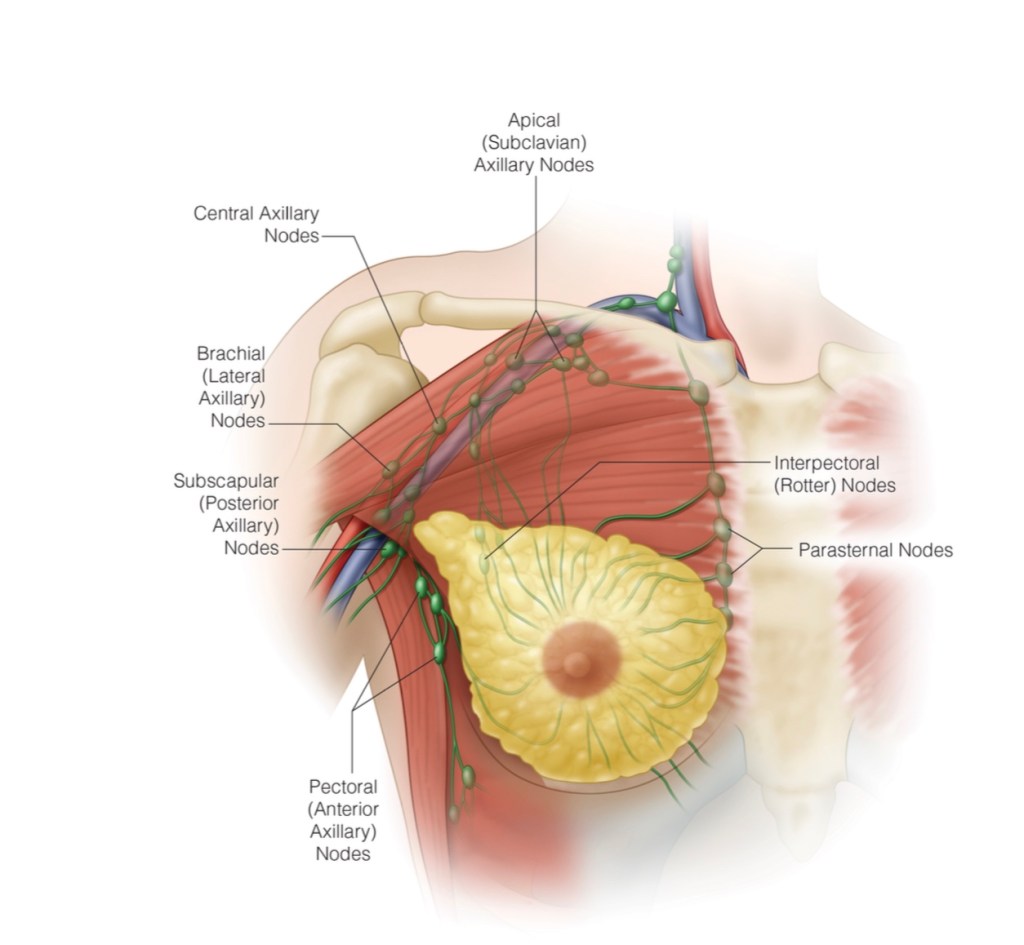
  • It is clear that patients with pathologically negative sentinel lymph nodes:
    • Do not require completion ALND:
      • But the management of patients with ITCs and micrometastatic disease in sentinel lymph nodes:
        • Has extensively been debated
  • Micrometastatic disease is defined as:
    • Tumor deposits spanning:
      • 0.2 mm to 2.0 mm:
        • Within lymph nodes
  • ITCs are:
    • Groupings of cells not greater than 0.2 mm or 200 cells:
      • In a single lymph node cross section
  • According to the American Joint Committee on Cancer (AJCC) staging guidelines:
    • Patients with ITCs are N0(i+)
    • Patients with micrometastases in one to three axillary lymph nodes are N1mi
  • ACOSOG Z0010:
    • Is one of the largest trials to prospectively evaluate the significance of small metastases in sentinel nodes
    • Hematoxylin and eosin (H&E) tumor-free sentinel nodes:
      • From patients with early breast cancer were evaluated in a central laboratory with:
        • Immunohistochemistry (IHC)
    • Micrometastatic or ITC disease:
      • Was found in 11% of 3,326 sentinel lymph nodes
    • With a median follow-up of 6.3 years:
      • Occult sentinel lymph node metastases:
        • Were not associated with differences in overall survival, disease-free survival, or recurrence:
          • When compared with patients with IHC-negative lymph nodes
  • A subset analysis of NSABP-32:
    • Looked retrospectively at patients with occult metastatic disease:
      • Including patients with micrometastatic or isolated tumor cells
    • In patients who were sentinel node negative:
      • 16% had occult metastases detected on further evaluation:
        • 11% of occult metastases were isolated tumor-cell clusters, 4% were micrometastases, and less than 1% of patients had macrometastatic deposits seen on additional sectioning of the lymph node
    • Log-rank tests indicated that patients with occult metastasis:
      • Had worse overall survival (95% versus 96%), disease-free survival (87% versus 89%), and distant disease-free interval (90% versus 93%):
        • When compared with patients without occult metastases
      • Although statistically significant:
        • These differences were not felt to be clinically relevant
    • There was no improvement in overall or disease-free survival:
      • When patients with occult metastasis underwent completion ALND

#Arrangoiz #CancerSurgeon #BreastSurgeon #SurgicalOncologist #BreastExpert #BreastCancer #SLNM #SLNB #SentinelLymphNodeBiopsy #Surgeon #Teacher #MSMC #MountSinaiMedicalCenter #Miami #Mexico
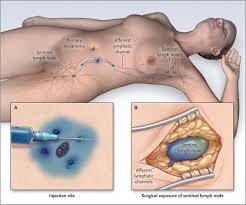
Management of Patients with Tumor-Free Sentinel Lymph Nodes in Breast Cancer

  • Randomized clinical trials support the use of SLNB without ALND:
    • For node-negative patients
  • These studies demonstrated very low axillary recurrence rates:
    • In patients with negative sentinel lymph nodes:
      • Regardless of receptor status
      • Type of breast operation
      • Patient age
  • The ASCO guidelines state:
    • That women with early-stage breast cancer without sentinel nodal metastases:
      • Should not undergo ALND
  • The first use of SLNB without ALND was a prospective observational study in 1994:
    • Which evaluated 125 patients with SLNB alone
  • NSABP B-32:
    • A phase III trial involving 80 centers in Canada and the United States
    • Prospectively randomized 3,989 sentinel lymph node–negative patients to SLNB plus ALND or SLNB alone
    • Patients were stratified based on age, tumor size, and surgical approach
    • Regional recurrence was rare in both patients who underwent SLNB alone and those who had a completion ALND and was not statistically significantly different
    • Of the 22 regional events in both groups:
      • 10 breast cancer recurrences were in the axilla:
        • For a rate of less than 1%
      • Two of these recurrences occurred in patients who were treated with ALND and eight in patients who underwent SLNB alone
      • There was no difference in overall or disease-free survival between groups:
        • And there were fewer complications in the SLNB-alone group
    • The results of NSABP B-32:
      • Have also been seen in other studies
  • Guided by this strong evidence:
    • SLNB alone has replaced ALND for sentinel node–negative patients

#Arrangoiz #CancerSurgeon #BreastSurgeon #SurgicalOncologist #BreastExpert #BreastCancer #SLNM #SLNB #SentinelLymphNodeBiopsy #Surgeon #Teacher #MSMC #MountSinaiMedicalCenter #Miami #Mexico
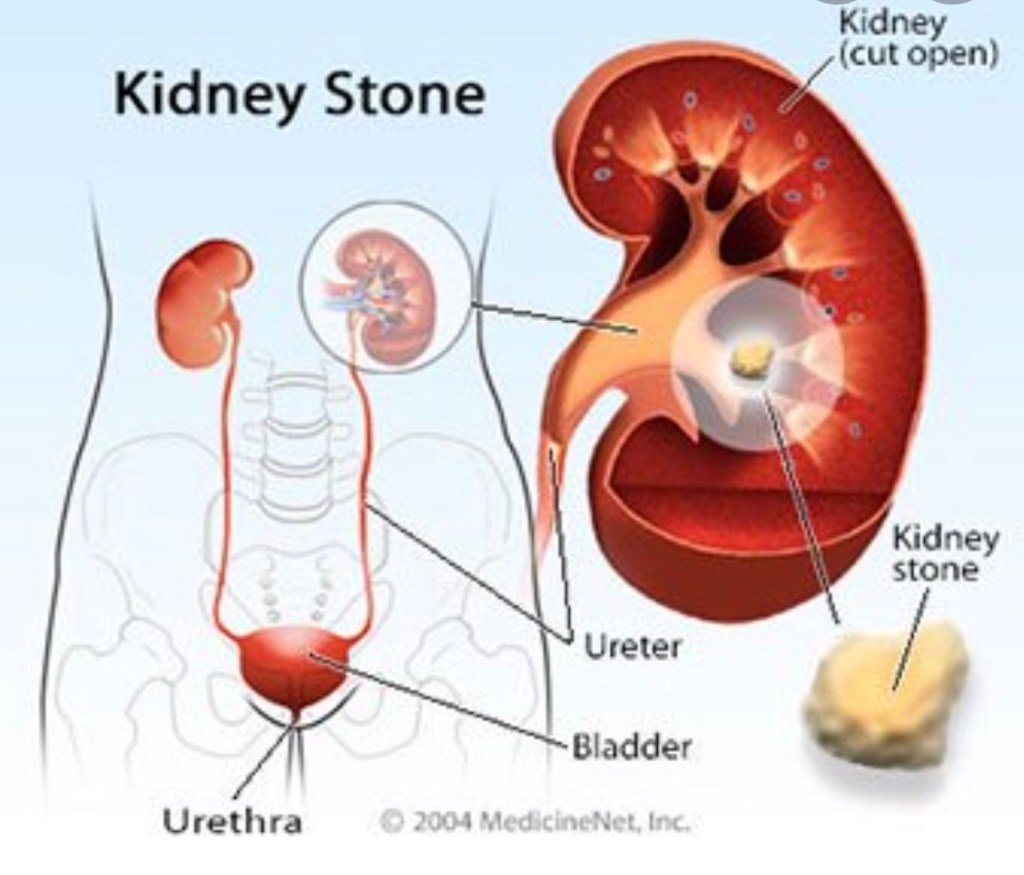
Kidney Stones- July Parathyroid Awareness Month

  • In patients with PHPT and calcium oxalate kidney stones:
    • Surgery for primary hyperparathyroidism (PHPT):
      • Can reduce stone formation by up to 90%

#Arrangoiz #ParathyroidSurgeon #ParathyroidExpert #Hyperparathyroidism #PrimaryHyperparathyroidism #CancerSurgeon #EndocrineSurgery #Teacher #Surgeon #HeadandNeckSurgeon #SurgicalOncologist #ParathyroidAdenoma #Hypercalcemia #ElevatedCalciumLevels #Miami #MountSinaiMedicalCenter #MSMC #Mexico #Hialeah

Suture Techniques

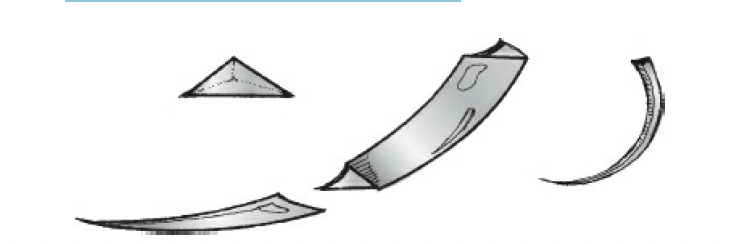
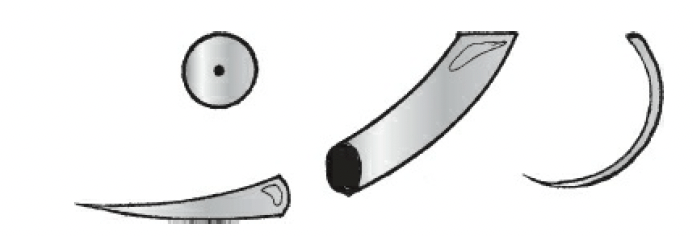
  • What is a taper-point needle?
    • Round body:
      • Leaves a round hole in tissue:
        • Spreads without cutting tissue
    • What is it used for?
      • Suturing of soft tissues other than skin:
        • For example:
          • GI tract, muscle, nerve, peritoneum, fascia
  • What is a conventional cutting needle?
    • Triangular body with the sharp edge toward the inner circumference:
      • Leaves a triangular hole in tissue
    • What are its uses?
      • Suturing of skin
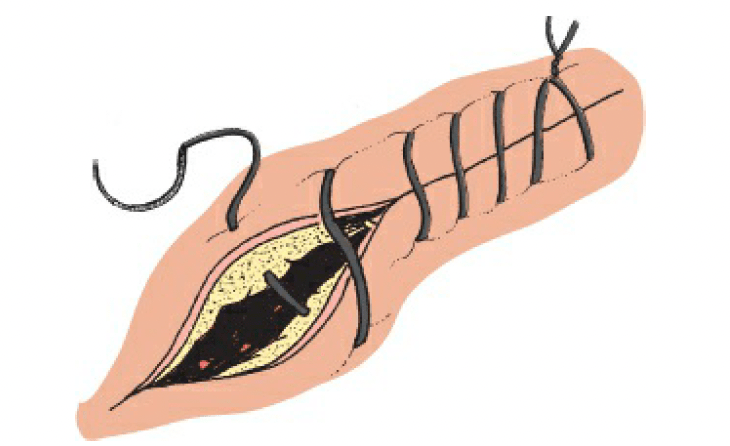
  • What is a simple interrupted stitch?
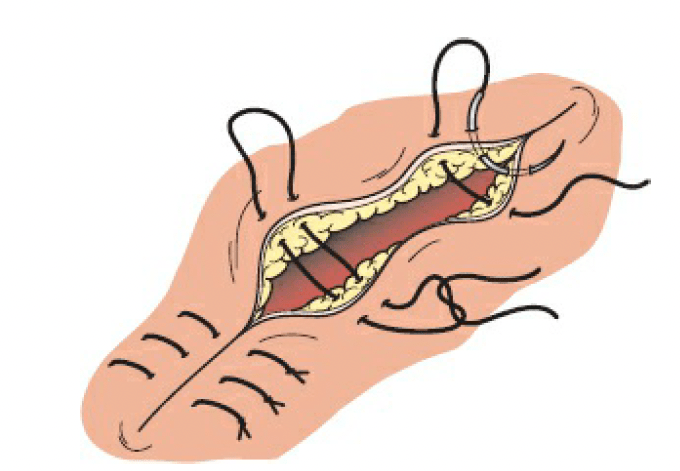
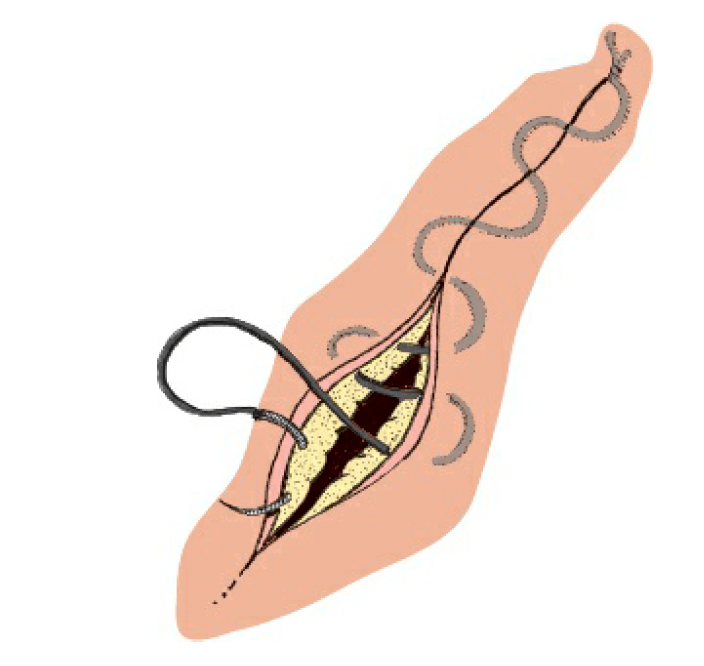
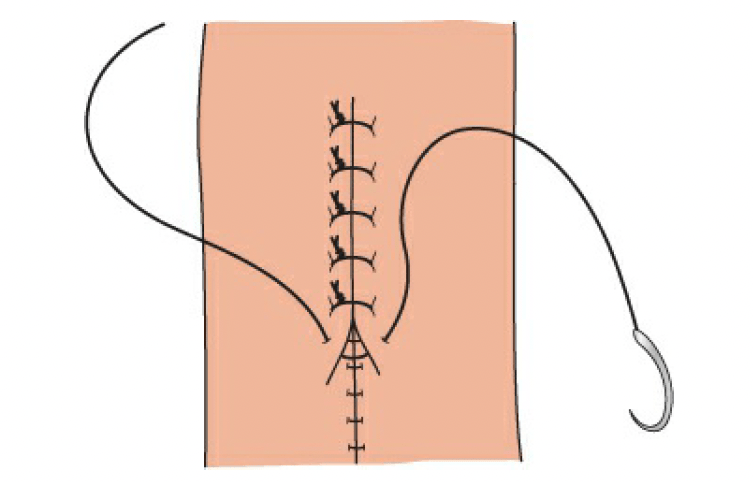
  • What is a vertical mattress stitch?
    • Simple stitch is made;
      • The needle is reversed, and a small bite is taken from each wound edge:
        • The knot ends up on one side of the wound
  • What is the vertical mattress stitch also known as?
    • Far–far, near–near stitch:
      • Oriented perpendicular to wound
  • What is it used for?
    • Difficult-to-approximate skin edges:
      • Everts tissue well
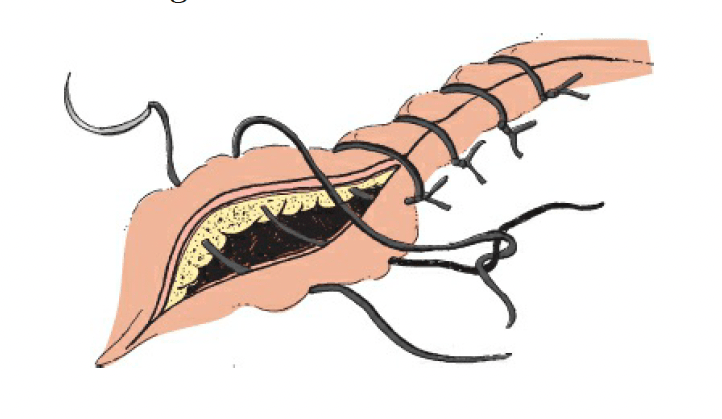
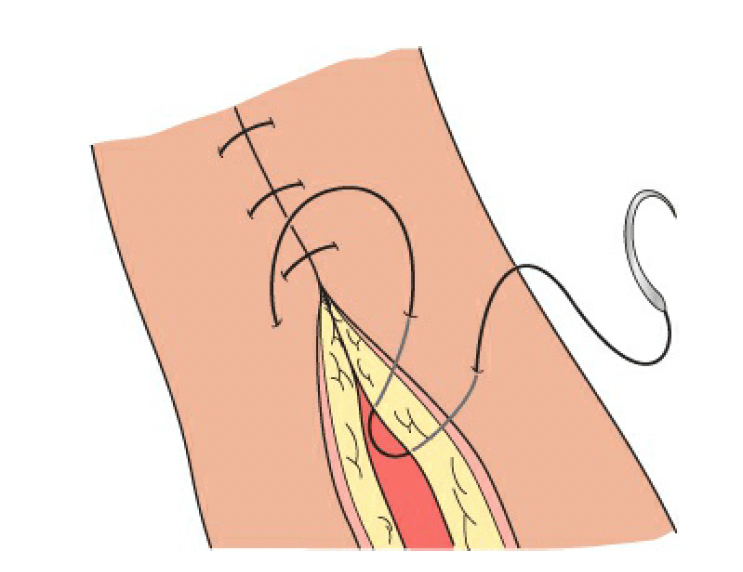
  • What is a simple running (continuous) stitch?
    • Stitches made in succession without knotting each stitch
  • What is a subcuticular stitch?
    • Stitch (usually running) placed just underneath the epidermis:
      • Can be either absorbable or non-absorbable:
        • Pull-out stitch if non-absorbable
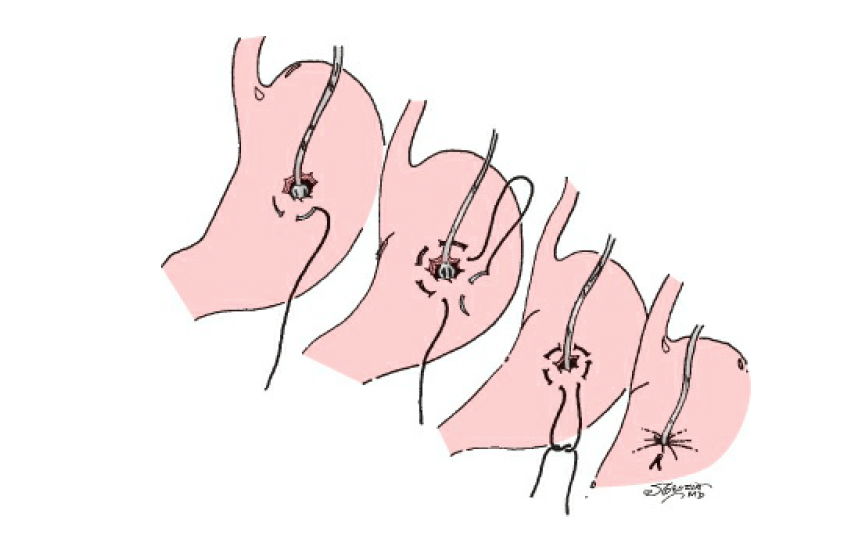
  • What is a purse-string suture?
    • Stitch that encircles a tube perforating a hollow viscus:
      • For example:
        • Jejunostomy tube
        • Gastrostomy tube:
          • Allowing the hole to be drawn tight and thus preventing leakage
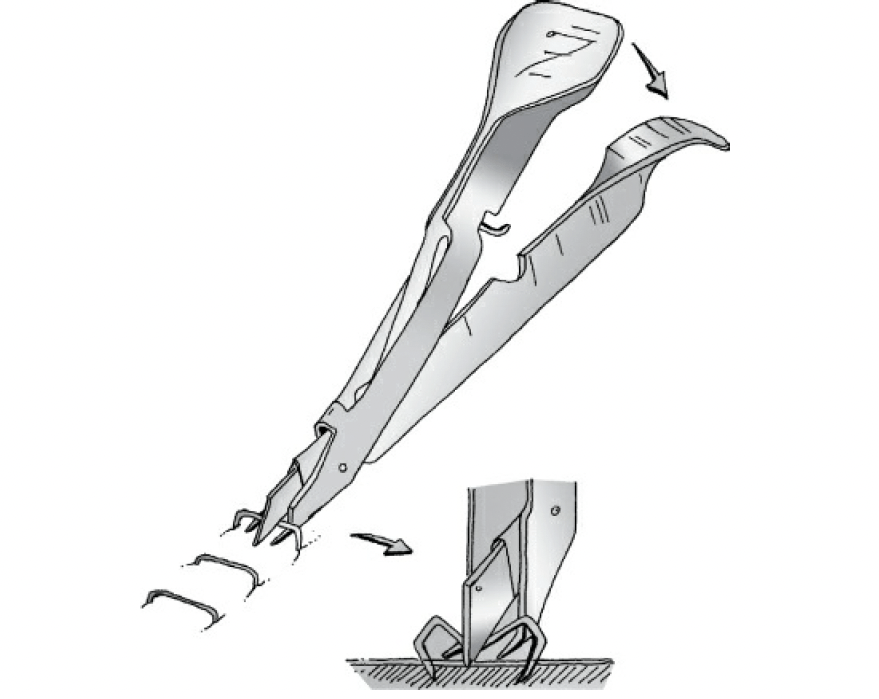
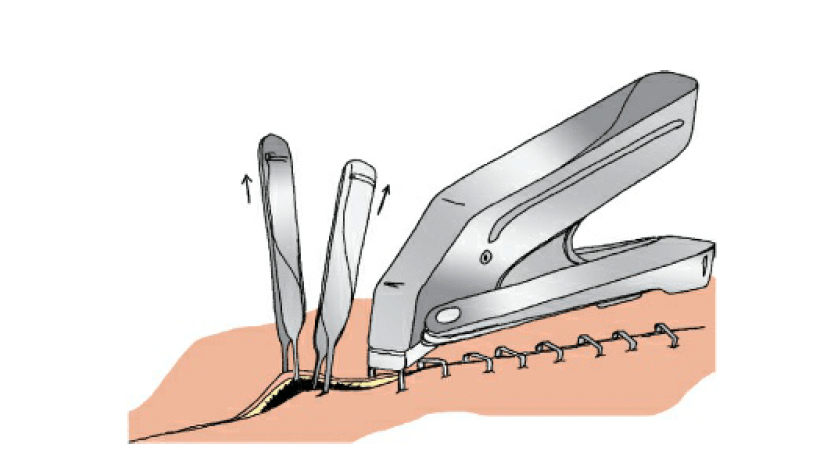
  • What are metallic skin staples?
  • What is a staple removal device?
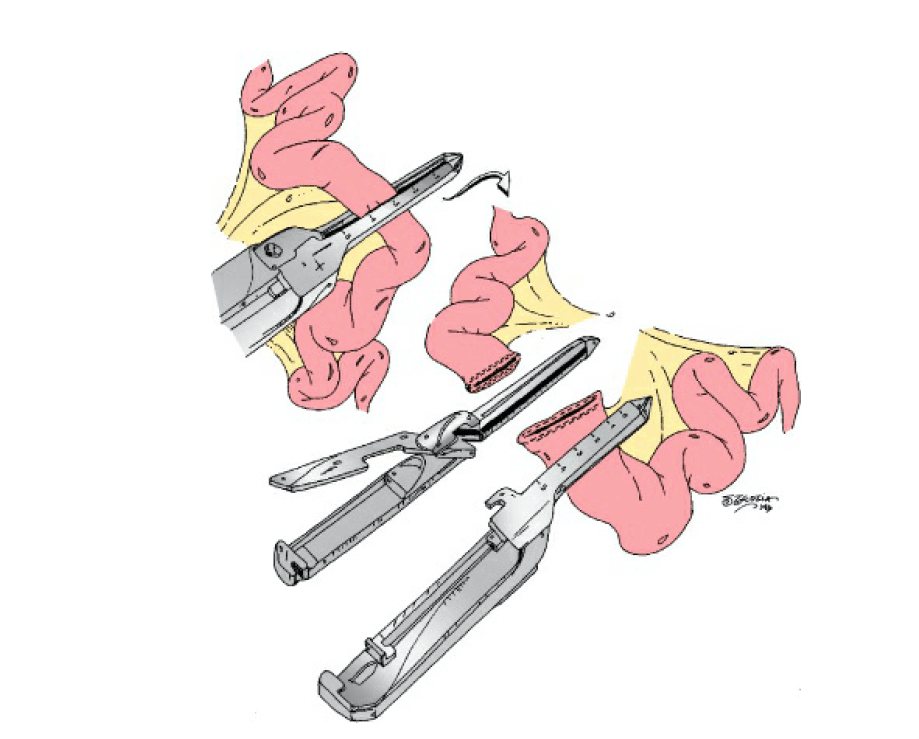
  • What is a gastrointestinal anastomosis (GIA) device?
    • Stapling device that lays two rows of small staples in a hemostatic row:
      • And automatically cuts in between them
  • What is a Lembert stitch?
    • It is a second layer in bowel anastomoses
    • Technique:
      • The needle is inserted perpendicular to the epidermis, approximately 8 mm distant to the wound edge.
      • With a fluid motion of the wrist, the needle is rotated superficially through the dermis, and the needle tip exits the skin 2 mm distant from the wound edge on the ipsilateral side.
      • The needle body is grasped with surgical forceps in the left hand and reloaded onto the needle driver.
      • The needle is then inserted perpendicular to the skin on the contralateral side of the wound edge, 2 mm distant from the wound edge.
      • The needle is again rotated superficially through its arc, exiting 8 mm from the incised wound edge.
      • The suture material is then tied off gently, with care being taken to minimize tension across the epidermis and avoid overly constricting the wound edges
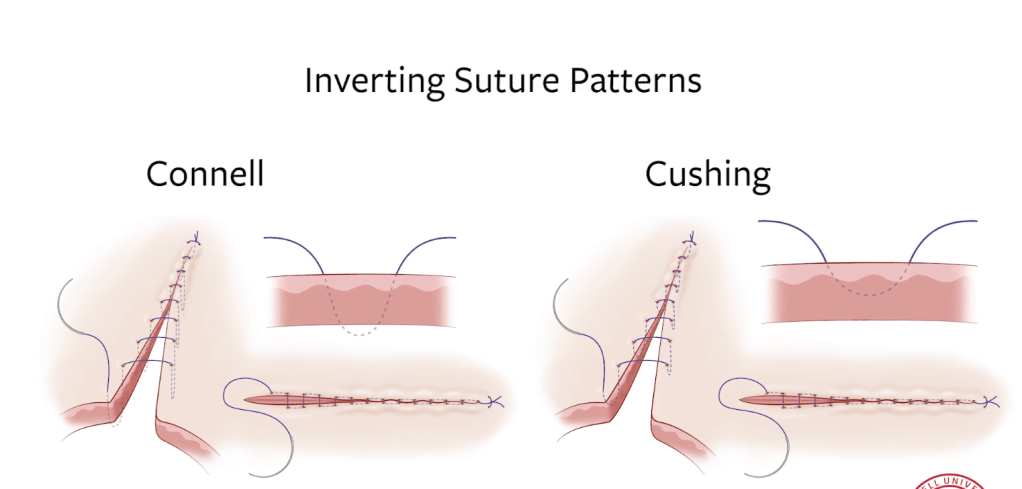
  • What is a Connell’s stitch?
    • The first mucosa-to-mucosa layer in an anastomosis:
      • Basically, a running U stitch
    • The Cushing and Connell suture technique:
      • Is often used to close the incisions in hollow organs such as the stomach, urinary bladder, and uterus
    • In the Cushing suture technique:
      • The suture penetrates into the submucosa without penetrating the organ lumen
      • The suture runs from both sides of the incision:
        • Parallel to each other
    • The Connell suture technique is almost identical to the Cushing suture technique:
      • These two suture techniques are separated according to the tissue they penetrate during suture passage
      • While the Cushing suture technique is also passed through the submucosa, Connell suture technique is used to pass through the lumen
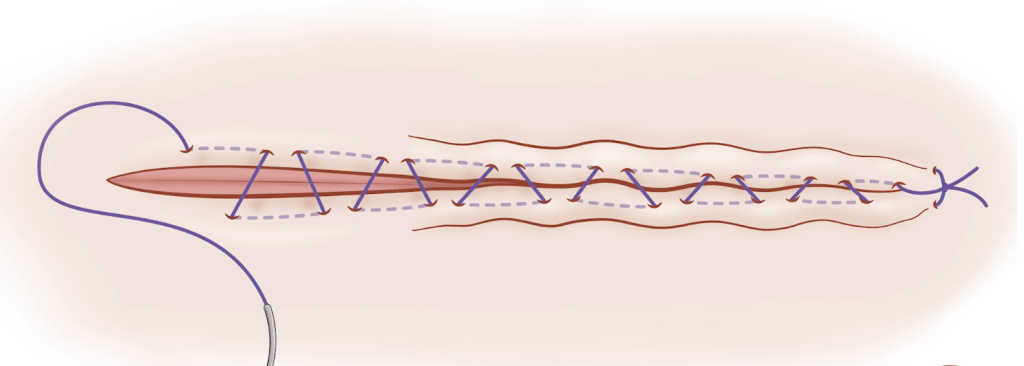
    • While applying these techniques, the following steps are followed:
      • A directionally opposed suture passage is made parallel to the incision.
      • Suture passage is made from the other side of the incision in the same direction as the incision, parallel to the first passage
      • The beginning of the suture line is fixed with a knot.
      • Starting from the back of the knot, a suture passage is made in the direction of the incision
      • A passage is made from the other side of the incision parallel to the first pass and in the same direction
      • When the suture is pulled, the tissue becomes inverted and the knot is buried under the skin
      • A suture passage is made in the direction of the incision
      • A passage is made from the other side of the incision parallel to the first pass and in the same direction
      • The last two steps are repeated throughout the incision
      • After the incision line is crossed, End of suture line is fixed by repeating first three steps
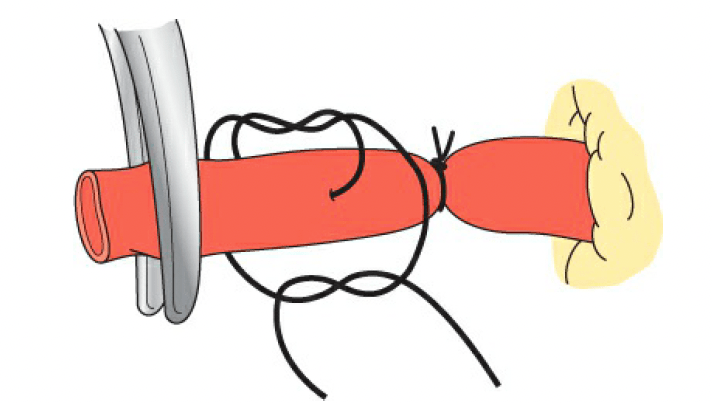
  • What is a suture ligature (a.k.a. “stick tie”)?
    • Suture is anchored by passing it through the vessel on a needle before wrapping it around and occluding the vessel:
      • Prevents slippage of knot-use on larger vessels

#Arrangoiz #Teacher Surgeon #CancerSurgeon #SurgicalOncologist #BreastSurgeon #ThyroidSurgeon #ParathyroidSurgeon #HeadandNeckSurgeon #MountSinaiMedicalCenter #MSMC #Miami #Mexico

Sutures and Stitches

  • General Information:
    • What is a suture?
      • Any strand of material used to ligate blood vessels or to approximate tissues
    • How are sutures sized?
      • By diameter;:
        • Stated as a number of 0’s:
          • The higher the number of 0’s, the smaller the diameter:
            • For example a 2-0 suture has larger diameter than 5-0 suture
    • Which is thicker, 1-0 suture or 3-0 suture?
      • 1-0 suture
  • Classification:
    • What are the two most basic suture types?
      • Absorbable and non-absorbable
    • What is an absorbable suture?
      • Suture that is completely broken down by the body:
        • Dissolving suture
    • What is a nonabsorbable suture?
      • Suture is not broken down:
        • Permanent suture
  • Sutures:
    • Catgut:
      • What are “catgut” sutures made of?
        • Purified collagen fibers from the intestines of healthy cows or sheep
      • What are the two types of gut sutures?
        • Plain and chromic
      • What is the difference between plain and chromic gut?
        • Chromic gut is treated with chromium salts (chromium trioxide):
          • Which results in more collagen cross-links:
            • Making the suture more resistant to breakdown by the body
  • Vicryl® Suture
    • What is it?
      • Absorbable, braided, and multi-filamentous copolymer of lactide and glycoside
    • How long does it retain its strength?
      • 60% at 2 weeks
      • 8% at 4 weeks
    • Should you ever use PURPLE-colored Vicryl® for skin closure?
      • No:
        • It may cause purple tattooing
  • PDS®
    • What is it?
      • Absorbable, monofilament polymer of polydioxanone:
        • Absorbable fishing line
    • How long does it maintain its tensile strength?
      • 70% to 74% at 2 weeks
      • 50% to 58% at 4 weeks
      • 25% to 41% at 6 weeks
    • How long does it take to complete absorption?
      • 180 days (6 months)
  • What is silk?
    • Braided protein filaments:
      • Spun by the silkworm larva:
        • Known as a nonabsorbable suture
  • What is Prolene®?
    • Non-absorbable suture:
      • Used for vascular anastomoses, hernias, abdominal fascial closure
  • What is nylon?
    • Non-absorbable “fishing line”
  • What is monocryl?
    • Absorbable monofilament
  • What kind of suture should be used for the biliary tract or the urinary tract
    • ABSORBABLE:
      • Otherwise the suture will end up as a nidus for stone formation

#Arrangoiz #Teacher Surgeon #CancerSurgeon #SurgicalOncologist #BreastSurgeon #ThyroidSurgeon #ParathyroidSurgeon #HeadandNeckSurgeon #MountSinaiMedicalCenter #MSMC #Miami #Mexico
Surgical Most Commons

  • What is the most common:
    • Type of melanoma?
      • Superficial spreading:
        • 70% of the cases
    • Type of breast cancer?
      • Infiltrating ductal
    • Site of breast cancer?
      • Upper outer quadrant
    • Vessel involved with a bleeding duodenal ulcer?
      • Gastroduodenal artery
    • Cause of common bile duct obstruction?
      • Choledocholithiasis
    • Cause of small bowel obstruction (SBO) in adults in the United States?
      • Postoperative peritoneal adhesions
    • Cause of SBO in children?
      • Hernias
    • Cause of emergency abdominal surgery in the United States?
      • Acute appendicitis
    • Electrolyte deficiency causing ileus?
      • Hypokalemia
    • Cause of blood transfusion resulting in death?
      • Clerical error:
        • Wrong blood types
    • Site of distant metastasis of sarcoma?
      • Lungs:
        • Hematogenous spread
    • Position of anal fissure?
      • Posterior
    • Acute pancreatitis?
      • Gallstones
    • Chronic pancreatitis?
      • Alcohol
    • Cause of large bowel obstruction?
      • Colon cancer
    • Cause of fever less than 48 hours postoperative?
      • Atelectasis
    • Bacterial cause of urinary tract infection (UTI)?:
      • Escherichia coli
    • Abdominal organ injured in blunt abdominal trauma?
      • Liver:
        • Not the spleen
    • Benign tumor of the liver?
      • Hemangioma
    • Malignancy of the liver?
      • Metastasis
    • Pneumonia in the ICU?
      • Gram-negative bacteria
    • Cause of epidural hematoma?
      • Middle meningeal artery injury
    • Cause of lower GI bleeding?
      • Upper GI bleeding
    • Cancer in females?
      • Breast cancer
    • Cancer in males?
      • Prostate cancer
    • Type of cancer causing DEATH in males and females?
      • LUNG cancer
    • Cause of free peritoneal air?
      • Perforated peptic ulcer disease
    • Cause of death ages 1 to 44?
      • TRAUMA

#Arrangoiz #Teacher Surgeon #CancerSurgeon #SurgicalOncologist #BreastSurgeon #ThyroidSurgeon #ParathyroidSurgeon #HeadandNeckSurgeon #MountSinaiMedicalCenter #MSMC #Miami #Mexico
Surgical Percentages

  • What percentage of people in the United States will develop acute appendicitis?
    • Approximately 7%
  • What is the acceptable percentage of normal appendices removed with the preoperative diagnosis of appendicitis?
    • Up to 20%:
      • It is better to remove some normal appendices than to miss a case of acute appendicitis:
        • Which could result in a ruptured appendix
  • In what percentage of cases does an upper GI bleed stop spontaneously?
    • Around 80%
  • What percentage of American women develops breast cancer?
    • 12%
  • What percentage of patients with gallstones will have radiopaque gallstones on abdominal x-ray (AXR)?
    • Approximately 10%
  • What percentage of kidney stones is radiopaque on AXR?
    • Approximately 90%
  • At 6 weeks, wounds have achieved what percentage of their total tensile strength?
    • Approximately 90%
  • What percentage of the population has a Meckel’s diverticulum?
    • 2%
  • One unit of packed RBCs increases the hematocrit by how much?
    • 3%
  • Additional 1 L/min by nasal cannula increases FIO2 by how much?
    • 3%

#Arrangoiz #Teacher Surgeon #CancerSurgeon #SurgicalOncologist #BreastSurgeon #ThyroidSurgeon #ParathyroidSurgeon #HeadandNeckSurgeon #MountSinaiMedicalCenter #MSMC #Miami #Mexico

Sentinel Lymph Node Biopsy in the Setting of a Risk Reducing Mastectomy

  • Prophylactic Mastectomy / Risk Reducing Mastectomy:
    • Rates are rapidly rising in the United States
  • Prophylactic mastectomy:
    • May be associated with a 3.5% to 5% occurrence of occult carcinoma:
      • Depending on the indication for the operation
  • SLNB at the time of prophylactic mastectomy:
    • May eliminate the need for ALND if occult disease is identified
  • A recent meta-analysis reviewed 14 studies where SLNB was routinely performed for prophylactic mastectomy in patients undergoing bilateral mastectomy for unilateral cancer:
    • This study found metastatic disease in the SLNB of the prophylactic mastectomy:
      • In 0 to 4% of patients with contralateral cancer
    • The majority of metastatic disease was associated with:
      • Contralateral axillary tumor spread from the primary tumor:
        • Not an occult primary tumor
    • In patients who were found to have occult malignancy in the prophylactic mastectomy breast:
      • Less than 1% of sentinel lymph nodes were positive for metastatic disease
  • Given the low rates of occult malignancy and axillary metastasis:
    • SLNB is not indicated for patients undergoing prophylactic mastectomy

#Arrangoiz #BreastSurgeon #BreastExpert #BreastCancer #CancerSurgeon #SurgicalOncologist #MountSinaiMedicalCenter #MSMC #Miami #Mexico #SLNM #SLNB #SentinelLymphNodeBiospy

Sentinel Lypmh Node Biopsy in the Setting of Previous Ipsilateral Breast or Axillary Operation

  • Although there are no randomized data:
    • Multiple retrospective and observational studies:
      • Have evaluated SLNB in patients who have had previous breast or axillary operations
  • Previous breast conservation or excisional biopsy:
    • Does not appear to affect the accuracy of the SLN biopsy
  • Completion ALND:
    • Has been routinely recommended for all patients:
      • With local recurrence:
        • However, 60% to 90% of such patients:
          • Are node negative
    • Reoperative SLNB:
      • Has been shown to be accurate after local recurrence:
        • And spares some patients from an unnecessary ALND
  • Successful identification of a sentinel node:
    • However, is inversely related to the number of nodes removed during the initial operation:
      • One study evaluating SLNB after previous axillary operations:
        • Reported successful sentinel lymph node identification in:
          • 68% of patients with less than nine nodes removed previously:
            • But only 38% in patients with nine or more nodes previously excised
    • Rates of extra-axillary sentinel node localization:
      • Range from 8% to 63% in patients:
        • With previous axillary operations
      • Patients who had a previous ALND:
        • Have the highest rates of extra-axillary localization:
          • Preoperative lymphoscintigraphy:
            • In addition to blue dye is recommended for SLNB after previous axillary operation to aid in localization and identification of extra-axillary drainage

#Arrangoiz #BreastSurgeon #BreastExpert #BreastCancer #CancerSurgeon #SurgicalOncologist #MountSinaiMedicalCenter #MSMC #Miami #Mexico #SLNM #SLNB #SentinelLymphNodeBiospy

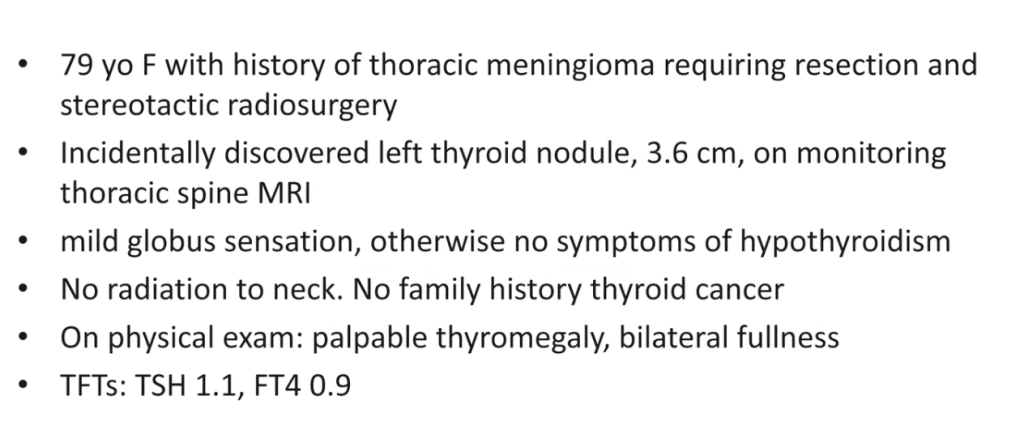
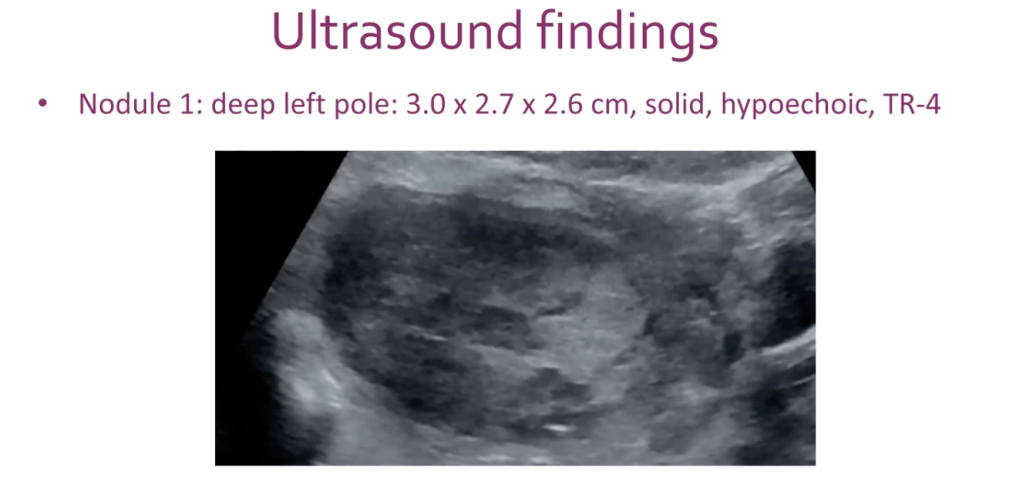
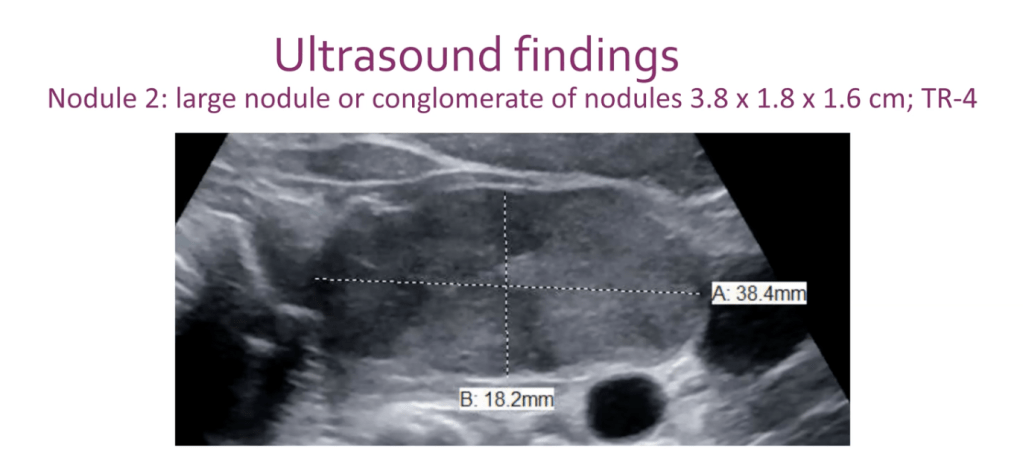
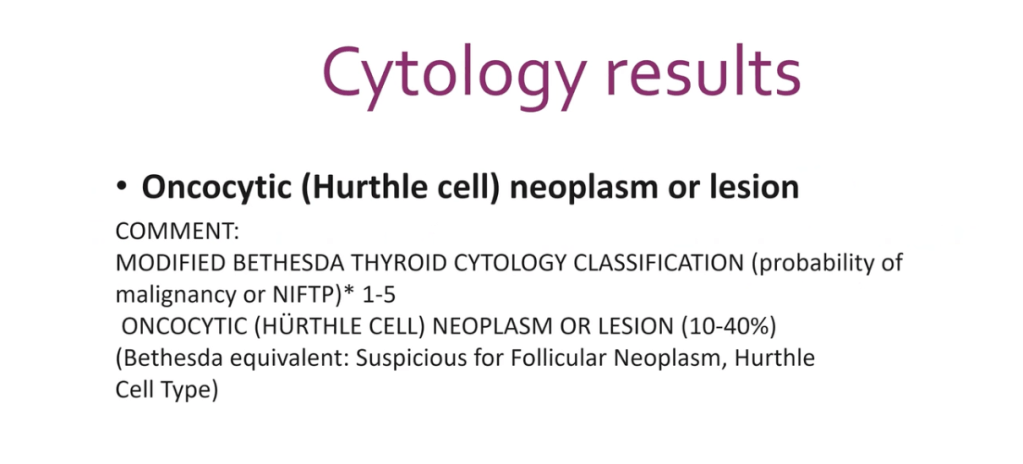
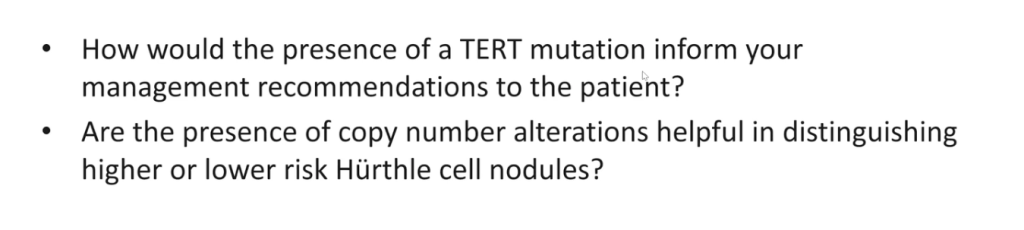
Thyroid Nodule Case # 2

US Guided FNA Performed.
Very close look at the central and lateral compartment lymph nodes on ultrasound, may be CT scan of the neck with IV contrast.

CT scan of the neck and chest, in the future may be PET/CT scan. Postoperative radiation iodine management.

#Arrangoiz #ThyroidSurgeon #HeadandNeckSurgeon #CancerSurgeon #ThyroidCancer #ThyroidNodule #ThyroidMolecularAnalysis #Thyroseq #MSMC #MountSinaiMedicalCenter #Miami #Mexico