Mucinous Carcinoma (Colloid Carcinoma) of the Breast

11843489014_e764b7846e_b

  • Mucinous carcinoma of the breast (also known as colloid carcinoma) is a special type of breast cancer:
    • Presenting with a large amount of extracellular mucin:
      • That is associated with a relatively favorable prognosis
    • These tumors are uncommon:
      • In most series account for approximately 1% to 2% of all invasive breast carcinomas of the breast
  • It is divided into two main subtypes based upon the quantification of cellularity:
    • The pure type:
      • In pure mucinous carcinomas:
        • Over 90% of the tumor is made up of malignant cell clusters floating in pools of mucin (see images)

image.phpimage-1.php

    • Frequently, pure mucinous carcinomas can have posterior enhancement by ultrasound imaging:
      • That can lead to mistaking these lesions for cysts
    • Patients with pure mucinous carcinomas:
      • Tend to be postmenopausal:
        • Between the ages of 59 and 71 years:
          • But it can occasionally occur in patients who are younger than age 40 years:
            • The incidence of mucinous breast cancer in women under 35 years of age is less than 1%

images-4Unknownimages-3

    • The mixed type:
      • Tumors in which 50% to 90% of the mass is composed of malignant cell clusters floating in mucin are considered to be a mixed NOS and mucinous category:
        • Mixed mucinous carcinomas show a less distinct margin, a higher grade, and more mitotically active cytology
      • Their clinicopathologic features:
        • Are similar to those of invasive ductal carcinoma, NOS type
      • Some mucinous breast carcinomas (mainly mixed type) are associated with lobular or ductal neoplasia (in situ or invasive) and some have neuroendocrine differentiation:
        • Mucinous breast carcinoma associated with lobular neoplasia components:
          • Seems to be a biologically distinct subset that frequently shows decreased cell to cell adhesion, loss of cell polarity molecules and lack of neuroendocrine differentiation:
            • Also in this subset of tumors, the neoplastic cells with signet-ring features are most likely to be found
  • Mucinous breast cancer is a slow-growing neoplasm:
    • With an estimated growth rate of one third of invasive breast cancer no special type
    • This malignancy also shows:
      • Fewer axillary lymph node metastases
  • Conventional, pure mucinous carcinomas:
    • Exhibit a rate of metastasis of less than 15%
  • Current studies have shown that a subset of patients diagnosed with mucinous carcinoma:
    • Do not manifest such favorable outcomes:
      • Some authors suggested that specific subtypes of pure mucinous carcinoma:
        • Those with a micropapillary pattern demonstrate significantly worse prognosis:
          • In one  study more than half of the patients with this particular type of pattern were found to have vascular invasion and synchronous axillary lymph nodes
  • A subset of mucinous breast carcinomas shows neuroendocrine differentiation:
    • Defined by cytoplasmic argyrophilia or immunoreactivity to markers such as:
      • Synaptophysin
      • Chromogranin
      • Neuronal specific enolase

Presentation1

    • Although in one study neuroendocrine differentiation:
      • Was associated with a favorable histology and a good outcome others did not find this association

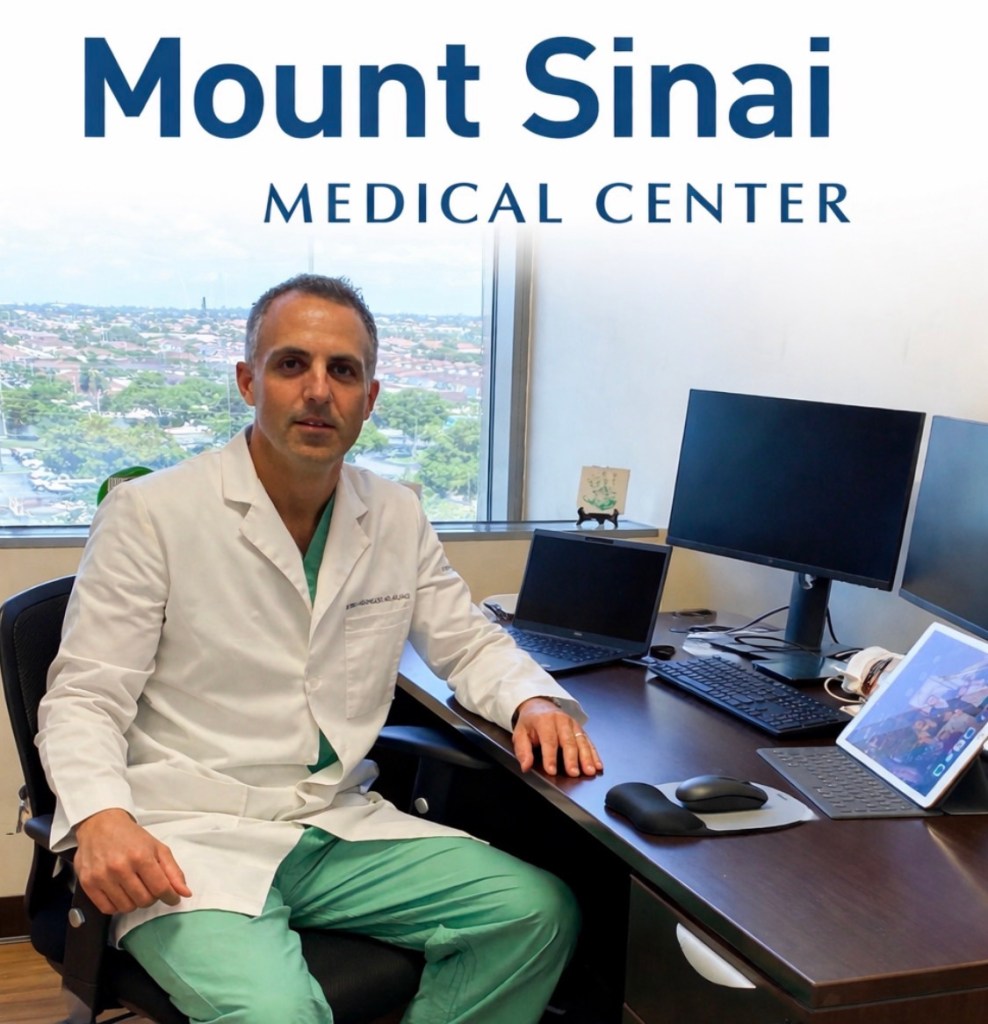
Rodrigo Arrangoiz MS, MD, FACS a surgical oncologist and is a member of Mount Sinai Medical Center in Miami:

  • He is an expert in the management of breast cancer:

    • If you have any questions about breast cancer statistics please fill free to ask Dr. Arrangoiz

Training:

• General surgery:

• Michigan State University:

• 2004 al 2010

• Surgical Oncology / Head and Neck Surgery / Endocrine Surgery:

• Fox Chase Cancer Center (Filadelfia):

• 2010 al 2012

• Masters in Science (Clinical research for health professionals):

• Drexel University (Filadelfia):

• 2010 al 2012

• Surgical Oncology / Head and Neck Surgery / Endocrine Surgery:

• IFHNOS / Memorial Sloan Kettering Cancer Center:

• 2014 al 2016


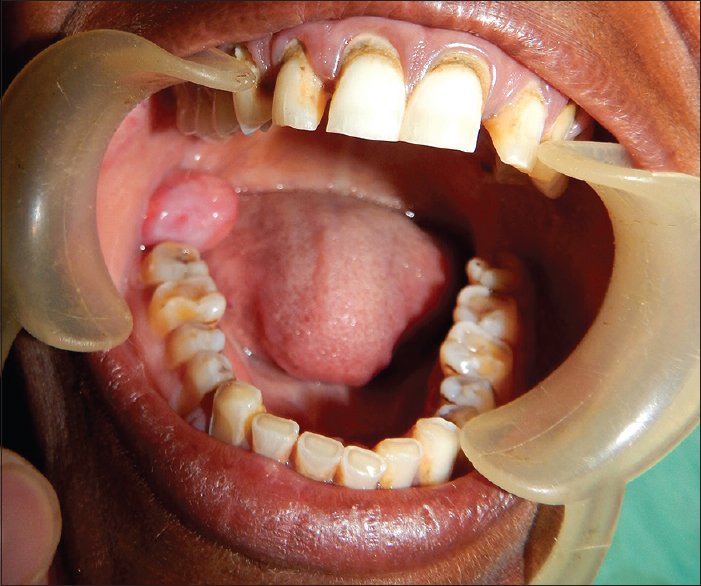
Gingivobuccal Carcinoma

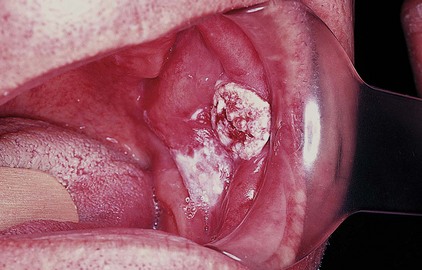
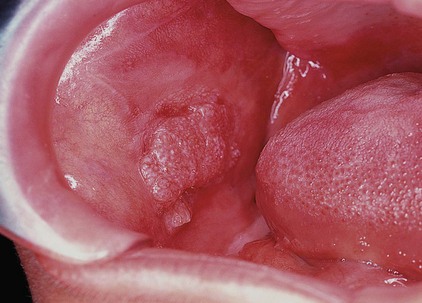
  • Squamous cell carcinoma (SCC) of the oral cavity:
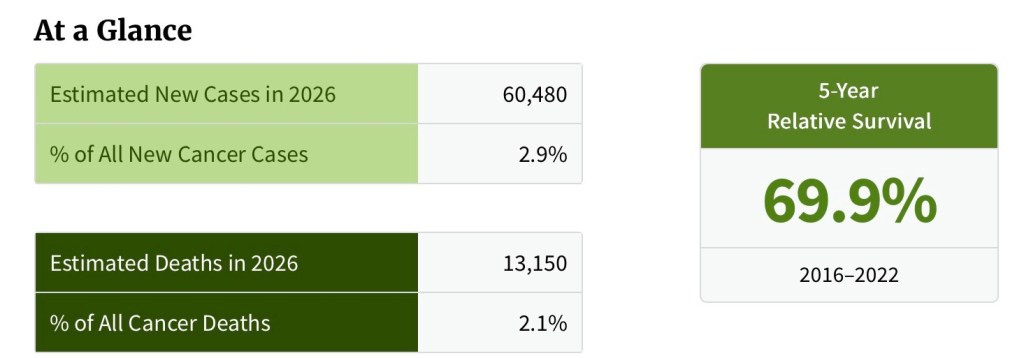
    • Ranks as the 13th most common cancer in the world and 7th most frequent in males
    • There is not only a marked variation in the incidence and mortality from oral cancer between various countries:
      • But also between ethnic groups and regions of one country:
        • This is primarily attributable to variations in the prevalence of major risk factors between populations:
          • However, other dietary and genetic influences may also contribute
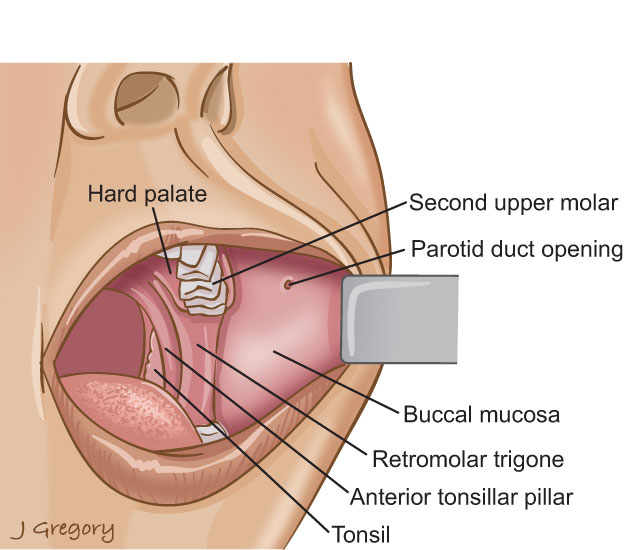
  • The lower gingivobuccal complex:
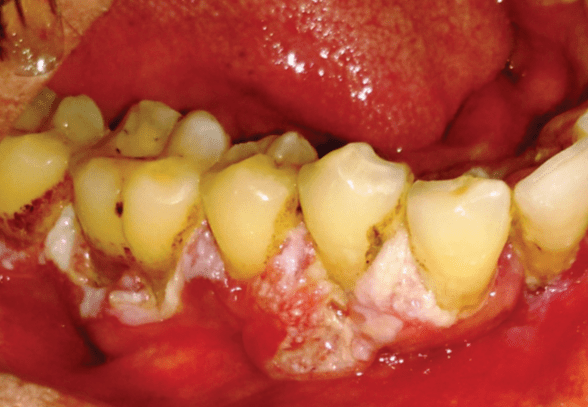
    • Is comprised of buccal mucosa, gingivobuccal sulcus, inferior alveolar ridge, lower gingiva and retromolar trigone
    • It is the most common site for oral cancer in the Indian subcontinent due:
      • To the habit of chewing tobacco
  • The goal of evaluating a patient with gingivobuccal complex cancer:
    • Is to assess the extent of disease and to define the tumor type histologically
    • Patients usually present with:
      • A persistent ulcer or an exophytic growth in the gingivobuccal complex
      • Loosening of teeth
      • Ill-fitting denture
      • Trismus
      • Pain:
        • Is a late feature
    • Patients with advanced disease present with:
      • Orocutaneous fistula
      • Severe trismus
      • Lymph node metastasis
    • Many patients have associated premalignant lesions like:
      • Leukoplakia and erythroplakia or premalignant condition like submucous fibrosis
    • An asymptomatic lesion, with a history of tobacco and / or alcohol consumption:
      • Should raise suspicion of oral cancer and biopsy should be done
  • Examination assesses the extent of involvement of important structures such as:
    • Mandible, floor of the mouth musculature and cervical nodes
    • The presence of trismus:
      • May suggest deep invasion
      • It is important to determine whether this trismus is due to:
        • Associated submucous fibrosis or malignant disease
    • The clinician should evaluate any medical and nutritional problems
      • Common problems in patients with cancer of the oral cavity are:
        • Hepatic disease, pulmonary disease and malnutrition
  • Knowledge of the mode of spread of gingivobuccal complex cancer:
    • Is important for developing a rational therapeutic approach
    • Local spread to adjacent structures:
      • May lead to invasion of the underlying soft tissue, muscles, bone and neurovascular structures
    • Gingivobuccal complex cancer extends:
      • Along surface mucosa and the submucosal soft tissue:
        • To approach the buccal or labial gingiva
      • From this point onwards:
        • The tumour does not extend directly through the intact periosteum and cortical bone towards the cancellous part:
          • Because the periosteum acts as a significant protective barrier
      • Instead:
        • The tumor advances along the attached gingiva towards the alveolus
      • Subsequently:
        • The mandible is involved by infiltration through the dental sockets or the dental pores (in edentulous patients) on the alveolar ridge:
          • These cells proceed along the root of the tooth into the cancellous part of the mandible and then along the mandibular canal:
            • This understanding has led to the development of mandible-sparing, surgical resections
    • Cervical lymph nodes:
      • Are the most commonly involved metastatic site
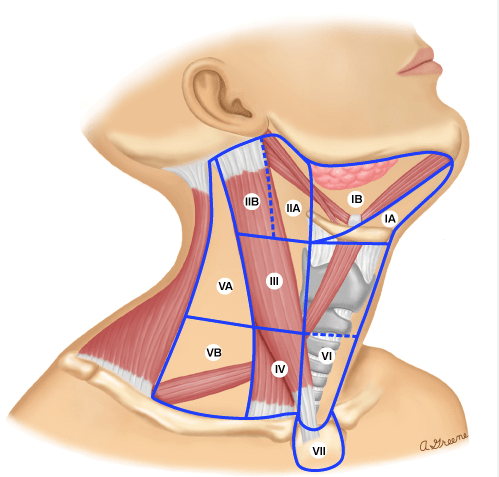
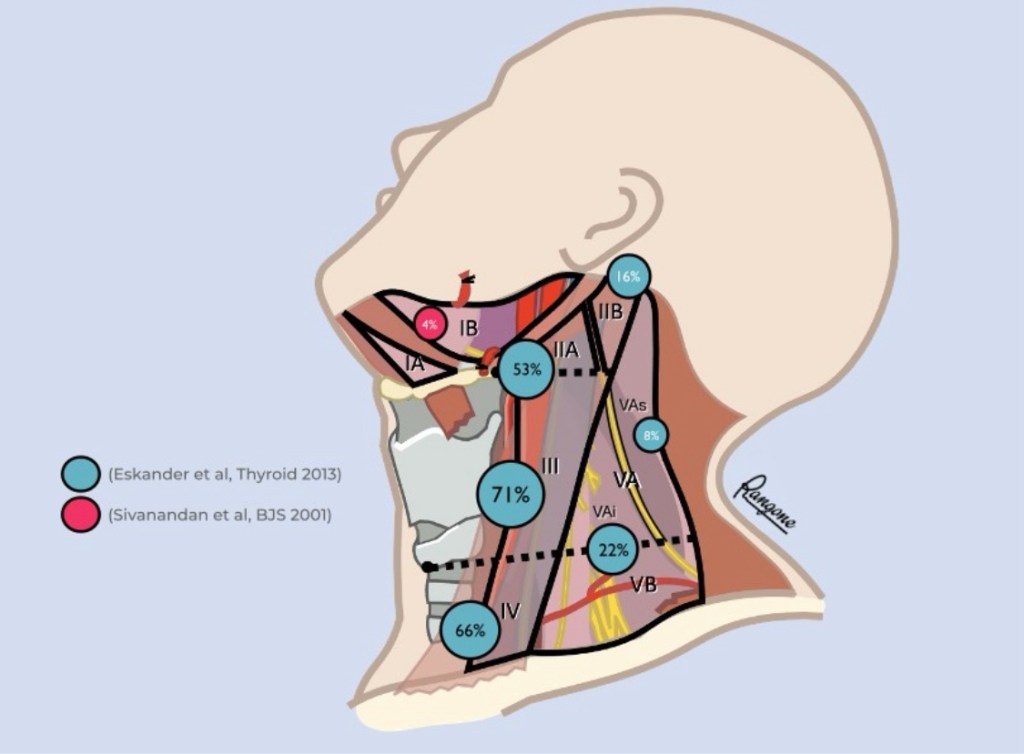
    • The neck has been divided into five nodal levels:
      • For planning treatment of gingivobuccal complex cancer
  • The gingivobuccal complex has a predictable lymphatic drainage:
    • The first echelon lymph nodes are in the:
      • Supraomohyoid triangle of neck:
        • Levels I, II, III
    • Spread to lymph nodes in posterior triangle:
      • In the absence of metastasis at other levels:
        • Is rare
    • Skip metastasis from gingivobuccal complex carcinomas:
      • Are rare
    • Distant metastasis at the time of initial diagnosis is exceedingly rare:
      • When it does occur it is to lung and bones
  • Biopsy of the lesion is mandatory before treatment:
    • Often, this can be done under local anaesthesia
    • The biopsy should be deep and encompass a portion of the tumour as well as adjacent normal appearing mucosa
    • Superficial biopsies are inconclusive and yield negative results
    • In suspected verrucous carcinomas:
      • Where the basement membrane is intact:
        • A deep biopsy is mandatory to reach a diagnosis
  • Imaging work-up depends on the extent of the disease:
    • Patients with early lesions do not need an extensive evaluation:
      • An orthopantomogram or oblique radiograph of the mandible is a cost-effective initial investigation to assess mandibular involvement
    • The accuracy of clinical examination, peroperative periosteal stripping and imaging techniques have been compared:
      • Clinical examination alone was not shown to be accurate:
        • But periosteal stripping at the time of resection was extremely accurate
      • No single imaging technique will accurately predict mandibular invasion:
        • However, a combination of orthopantomogram and bone scintigraphy is recommended in early invasion
        • Magnetic resonance imaging (MRI) is more sensitive than computerised tomography (CT) for mandibular invasion
        • CT scanning gives additional information regarding the extent of mandibular involvement, malignant infiltration and cervical nodal disease
        • MRI can be used to determine soft tissue and perineural involvement
        • However, all patients do not need CT scan or MRI:
          • These are especially indicated in patients with large lesions having trismus and lesions abutting the mandible where marginal mandibulectomy is being planned
        • It is also used to evaluate patients with a clinically negative neck or those with large nodes for presence of carotid involvement
        • Ultrasound guided fine needle aspiration cytology (FNAC) has the highest accuracy in diagnosing cervical nodal metastasis in the clinically negative neck compared to ultrasonography, CT scan and MRI:
          • However, none of the imaging methods can determine occult metastatic nodal disease
    • In view of the risk of multifocal changes:
      • Endoscopic evaluation (panendoscopy) of the upper aerodigestive tract is recommended to evaluate the presence of second primaries:
        • Direct laryngoscopy, bronchoscopy, esophagoscopy and examination under general anesthesia may be done for accurate assessment of the disease and the upper aerodigestive tract
    • Depending on the specific site in the gingivobuccal complex (alveolus, gingivobuccal sulcus or buccal mucosa alone):
      • The extent of the primary tumor and the status of lymph nodes:
        • The treatment of these cancers may be by surgery or radiation therapy used alone or in combination, with or without chemotherapy
    • Early lesions (T1, T2) can be effectively treated with either surgery or radiation as a single modality:
      • Certain factors influence this decision:
        • For example, in the presence of associated submucous fibrosis:
          • Surgery is preferable to radiation therapy
        • Lesions located in lower gingivobuccal sulcus or involving mandible are usually not treated with radiation:
          • Because of proximity to bone and chances of osteo-radionecrosis
      • Advanced lesions require a combined modality treatment
  • Treatment of gingivobuccal complex cancer:
    • Is primarily surgical:
      • The aim of surgical treatment is to excise the entire primary lesion with clear margins (1 cm to 2 cm) three-dimensionally, and also effectively treat the regional lymph nodes
      • This ablative surgery is followed by primary reconstruction:
        • To provide rapid healing, restore function and appearance and thereby improve patient’s quality of life
      • These lesions are resected either by an upper or lower cheek flap with a lip split, visor flap or per-orally:
        • Depending upon the size and location of the primary
      • These cancers often abut or involve the mandible
      • Most of these cancers are not amenable to per-oral resection:
        • Owing to inadequate access:
          • Which may jeopardise the oncological resection
      • Per-oral resection is possible in:
        • Small lesions (usually, 2 cm or less), situated anteriorly, with no or minimal mandibular involvement, and with good mouth opening
      • Radical ablative surgery is followed by reconstructive surgery:
        • Surgical defects may be reconstructed by primary closure, skin graft, locoregional flaps or free tissue transfer from different sites
      • The decision to resect the mandible as part of the management of oral cancer:
        • Should be taken on the evidence of clinical examination, periosteal stripping and at least two imaging techniques that complement each other in terms of specificity and sensitivity
      • Lesions that directly invade the bone:
        • Should undergo a segmental or hemi-mandibulectomy
      • Resection of the posterior part of the body or ramus of mandible leaves very little aesthetic deformity, but there is always functional compromise with segmental resection of any part of mandible
      • Resection of anterior arch of mandible:
        • Results in significant functional and cosmetic deformity and immediate reconstruction should be done by an osteomyocutaneous flap or composite free tissue transfer
          • If immediate reconstruction is not feasible or desirable, the mandibular stirrups should be immobilised by internal, external or interdental fixation
          • Heavy reconstruction plates may also be used in this situation
    • Mandibular sparing techniques like marginal mandibulectomy have gained popularity for lesions with no, or minimal, cortical mandibular invasion:
      • Marginal mandibulectomy has been used for along time in cancer of the floor of the mouth and can also be used for cancers of gingivobuccal complex
      • Mandibular continuity is maintained and a much better cosmetic and functional end result is achieved with marginal mandibulectomy:
        • At least, a 1-cm thick segment of bone must be left inferiorily after a marginal mandibulectomy
      • Marginal mandibulectomy is contraindicated in patients with:
        • Gross clinical and radiological involvement of mandible
        • Invasion of mandibular canal by cancer
        • In deeply infiltrating lesions of gingivobuccal sulcus where there is paramandibular infiltration:
          • As the margin of resection may pass through infiltrated paramandibular tissue
        • It is also contraindicated in previously irradiated mandible
        • Reduced vertical height of the bone in an edentulous mandible is a relative contraindication for marginal mandibulectomy
        • Marginal mandibulectomy is also usually not done in lesions of the retromolar trigone as clearance of pterygoid region is possible only if ascending ramus of the mandible is resected:
          • However, some studies have also reported satisfactory results of marginal mandibulectomy in lesions of the retromolar trigone
        • Results of marginal mandibulectomy for gingivobuccal complex carcinoma show an:
          • Overall local recurrence-free survival rate of 79% and 70% at 2 and 5 years, respectively
        • Other studies have also demonstrated the oncological safety of marginal mandibulectomy in carefully selected patients with oral cancers
  • The management of neck for gingivobuccal complex cancers:
    • Depends on whether the neck is clinically node-negative or node-positive
    • In patients with clinically positive lymph nodes (N1, N2, N3):
      • Radical neck dissection (RND) has been the gold standard
    • However, there is mounting evidence that RND should not be the only therapeutic option for the clinically positive neck:
      • In patients with clinical N1 disease and selected N2 disease:
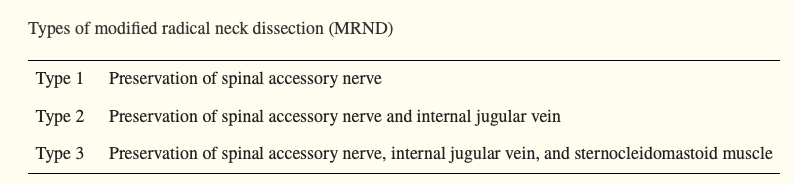
        • A modified radical neck dissection may be done for better cosmetic and functional results
        • Preservation of the spinal accessory nerve, internal jugular vein (IJV) and sternocleidomastoid muscle:
          • Is done in the form of a modified radial neck dissection (MRND)
  • RND, however, is still appropriate for patients with:
    • Massive lymphadenopathy (N3 disease)
    • Multiple positive nodes involving the spinal accessory nerve and / or the IJV
    • Residual or recurrent neck disease after radiotherapy
    • Gross extranodal spread
  • A supraomohyoid neck dissection (SOHND):
    • Clearance of level I, II and III nodes plus postoperative radiation therapy has been advocated by a few authors for N1, level I disease:
      • There are still no prospective, randomised trials comparing SOHND with RND / MRND in clinically positive neck and it is unlikely that studies large enough to answer this question will be carried out in the future
  • Nodal spread can occur to both sides of neck:
    • Especially in lesions:
      • Close to mid-line
    • In patients with bilateral nodal metastasis:
      • A bilateral neck dissection with preservation of IJV on at least one side (the less affected side) is indicated:
        • An alternative to this is to do a staged RND:
          • The IJV resection is done on both the sides with an interval of 4 weeks between them
  • Occult nodal metastatic disease:
    • Is present in 5% to 26% of gingivobuccal complex cancers:
      • Depending on the T-status and grade
    • Management of the clinically negative is thus an important issue:
      • Patients with T1 / T2 cancers (low risk, less than 20% risk of nodal metastasis):
        • Do not require elective neck treatment
      • SOHND should be performed in patients with:
        • T3 / T4 primary (high risk, greater than 20% risk of nodal metastasis)
        • If entering the neck to resect the primary
        • Short-necked individuals:
          • Who require a bulky flap for oral reconstruction:
            • To create space in neck
        • Patients who are unreliable for follow-up
      • Patients who are found to have pathologically positive neck nodes after SOHND:
        • Should receive additional treatment
      • If detected positive intra-operatively (on frozen section):
        • Then SOHND should be changed to RND or MRND
      • Patients with positive lymph nodes, diagnosed on histopathology following SOHND:
        • Should either undergo RND / MRND or postoperative radiotherapy
      • Patients with a single positive, level I node only, without extra-capsular spread:
        • May not need additional treatment
      • A randomized trial comparing SOHND with comprehensive neck dissection in patients with clinically negative nodes:
        • Found no difference in the regional control and overall survival rates between the two groups:
          • However, SOHND alone is inadequate treatment for patients with pathologically confirmed or clinically positive nodes
      • Patients undergoing MRND need adjuvant radiation therapy to the neck if N2 disease is present:
        • Adjuvant radiation provides good regional control
      • The role of ultrasound-guided FNAC of the N0 neck in the decision for elective neck dissection has been reported:
        • However, its application to gingivobuccal complex cancers in particular is uncertain
    • Recently, lymphatic mapping with sentinel lymph node biopsy has been used in N0 oral cancer patients but further refinement of technique and larger studies are needed before this can be recommended as standard treatment
  • Radiation therapy and surgery:
    • Have equal success in controlling early lesions of the oral cavity
    • Radiation is given either as:
      • External beam, brachytherapy or acombination of both
    • For gingivobuccal complex cancers:
      • Radiotherapy is usually not the preferred modality of treatment for early cancers (T1, T2):
        • Due to the close proximity of the tumor to bone and risk of radionecrosis
      • Radiotherapy is used for treatment of early lesions of buccal mucosa and gingivobuccal sulcus:
        • Where the patient is not medically fit or is unwilling for surgery
      • It is also used as an adjuvant treatment for the primary tumor in patients with histologically positive margins on resection:
        • And has been shown to decrease the local recurrence rate
    • In patients with advanced lesions (T3, T4):
      • A combination of surgery and radiation therapy provides a better chance of cure than either modality alone
      • The 3-year survival for stages III and IV disease treated with radiation therapy or surgery alone:
        • Is 41% and 15%, respectively
      • These rates increase to 60% and 35%, respectively:
        • When surgery is combined with postoperative radiation therapy
      • In a randomized trial, Mishra et al:
        • Have reported a significant improvement in disease-free survival in patients with T3 / T4 carcinoma of the buccal mucosa
      • Postoperative radiation therapy is indicated in all patients with:
        • T3 primary tumors
        • T4 primary tumors
        • Patients with positive or close surgical margins
        • Pathologically positive lymph nodes after SOHND
        • Two or more positive lymph nodes after RND / MRND
        • Lymph nodes showing extracapsular spread
      • There is evidence for the use of adjuvant concurrent chemoradiotherapy:
        • In patients of head and neck cancers with poor prognostic factors
    • Definitive radiation or concurrent chemoradiotherapy:
      • Is used in advanced (stage III / IV) disease, if the disease is inoperable or the patient is unfit or unwilling for surgery
    • Concurrent chemoradiotherapy:
      • Has evolved as the standard of care for such locally advanced head and neck cancers
    • The toxicity of concurrent chemoradiotherapy is more than radiation therapy alone and requires aggressive supportive measures:
      • However, evidence for use of concurrent chemoradiotherapy for oral cavity subsite is sparse
  • In clinically node-negative neck cancer, elective neck irradiation is done if the primary is being treated with radiation therapy

Thyroid Awareness Month – Thyroid Cancer in Younger vs Older Patients

Age plays an important role in how thyroid cancer behaves, how it is staged, and how it is treated.

👶 Thyroid cancer in younger patients

More common in women Often presents with lymph node involvement Tumors may look aggressive on imaging 👉 Despite this, prognosis is excellent

✔️ Patients under 55 years are staged differently

✔️ Even with lymph nodes, survival rates exceed 98–99%

✔️ Treatment focuses on curing disease while preserving quality of life

👴 Thyroid cancer in older patients

Less common, but tumors may be biologically more aggressive Higher likelihood of: Extrathyroidal extension Distant metastases Higher-stage disease Outcomes are still often very good, but treatment may need to be more comprehensive

⚖️ Why age matters

Age helps determine:

AJCC stage Expected prognosis Intensity of treatment and follow-up

🧠 Important clarification:

Age alone does not determine outcome.

➡️ Tumor biology, pathology, and response to treatment matter most.

🦋 What this means for patients

Thyroid cancer is not the same disease in every patient.

The goal is personalized, risk-adapted care—not one-size-fits-all treatment.

👨‍⚕️ Dr. Rodrigo Arrangoiz, MD

Surgical Oncologist – Thyroid, Head & Neck, Breast

Mount Sinai Medical Center

📌 Take-home message:

Young patients do extremely well.

Older patients still have excellent outcomes with expert, individualized care.

📚 References

AJCC Cancer Staging Manual, 8th Edition Haugen BR et al. ATA Guidelines for Differentiated Thyroid Cancer. Thyroid Tuttle RM et al. Risk-adapted management of thyroid cancer. Lancet Diabetes Endocrinol

Who Should Receive a Radiation Boost to the Tumor Bed after Breast Conserving Surgery?

  • Updated 2018 American Society for Radiation Oncology (ASTRO) guidelines:
    • State that patients 50 and younger, and 51 to 70 years of age with high-grade tumors or positive margins:
      • Should receive a tumor bed boost
    • A boost may be omitted for women:
      • Older than 70 with hormone receptor positive and low- or intermediate-grade disease with widely negative margins (> 2 mm)
    • If the patient does not meet either of those criteria, individualized decision making is recommended
    • For ductal carcinoma in situ (DCIS):
      • Tumor bed boost may be used for women:
        • 50 years of age and younger
        • Close (less than 2 mm) or positive margins
        • High-grade disease
      • It may be omitted for patients:
        • Older than 50 with screening detected
        • Total size less than 2.5 cm
        • Low to intermediate nuclear grade
        • Widely negative margins:
          • Greater than 3 mm
      • Long-term 20-year follow-up of a phase 3 trial of boost vs. no boost:
        • Reported a benefit in all groups with the largest absolute risk reduction in younger patients
  • References
    • Smith BD, Bellon JR, Blitzblau R, et al. Radiation therapy for the whole breast: executive summary of an American Society for Radiation Oncology (ASTRO) evidence-based guideline. Pract Radiat Oncol. 2018;8(3):145-152.
    • Bartelink H, Maingon P, Poortmans P, et al. Whole-breast irradiation with or without a boost for patients treated with breast-conserving surgery for early breast cancer: 20-year follow-up of a randomised phase 3 trial. Lanc Oncol. 2015;16(1):47-56.

Lymph Node Metastasis in the Head and Neck Generalities

  • The regional state of lymph nodes:
    • Is one of the most important parameters determining prognosis in patients with head and neck squamous cell carcinoma (HNSCC)
  • The presence of only one positive lymph node:
    • Can decrease survival by up to 50% in most HNSCC
  • The risk of lymph node metastasis can be predicted in relation to:
    • Differentiation of tumor:
      • The more poorly differentiated the tumor:
        • The greater the risk
    • To the size and depth of the invasion (DOI)
    • The availability of capillary lymphatics
  • The risk of lymphatic spread:
    • Increases with tumor recurrence
  • Embryologically:
    • The lymphatic system is formed:
      • From its germination from the venous system:
        • Explaining the close anatomical relationship between these two systems
    • Blood capillaries have tight endothelial junctions:
      • That normally do not reabsorb larger molecules and cells
    • However, lymphatic capillaries have relatively open endothelial junctions:
      • That allow molecules and larger cells to be more easily reabsorbed:
        • Explaining the reason for easier lymphatic than vascular propensity
  • The lymphatic system of the head and neck:
    • Is the region of the body composed by more lymphatic capillaries, lymphatic trunks and lymph nodes:
      • Epithelium, bone and cartilage:
        • Are devoid of lymphatic capillaries:
          • While a small minority is found in the periosteum and perichondrium
  • Lymph node arrangement is archetypal and each group receives drainage (directly or indirectly) from specific areas:
    • In a deep cervical group (a terminal group for the head and region of the neck) before finally flowing into the lymphatic duct (right) / thoracic duct (left) in the jugular-subclavian junction
  • Due to the absence of lymphatic vessels in the epithelium:
    • The tumor must penetrate the lamina propria before lymphatic invasion
  • In the superficial layer:
    • The diameter of lymphatic capillaries is usually narrower than it is in the deeper layer
  • The richness of the capillary network in each subsite can increase the relative incidence of lymph node metastases:
    • The nasopharynx, pyriform sinus (hypopharynx), supraglottic larynx and oropharynx:
      • Have the most profitable network of capillary lymphatic vessels:
        • Which is the clinical reflection of the potential presence of neoplastic lymph nodes
    • Paranasal sinuses, middle ear and vocal folds:
      • Have few or no capillary lymphatics:
        • Which is consistent with the low rate of lymph node metastases when the tumor is confined to these sites
  • The involvement of lymph nodes usually follows an ordered progression and, rarely, skip nodal metastasis is revealed (exception lateral ventral tongue)
  • Well lateralized lesions:
    • Determine ipsilateral lymph node metastases
  • Lesions near the midline or lateral margin of tongue or nasopharyngeal lesions:
    • Can also spread contra-laterally or bilaterally:
      • But generally, tend to spread from the side of the lesion
  • Patients with ipsilateral tumor nodal disease are at risk of contralateral disease:
    • Especially if the lymph node exceeds a certain size or if multiple lymph nodes are involved
  • Obstruction of lymphatic pathways:
    • Caused by surgery or radiation therapy:
      • Can divert lymphatic flow on the opposite side of the neck:
        • Through anastomotic channels
  • Finally, it should be remembered that metastases in cervical-cephalic regions:
    • Occur in approximately 10% of patients as neoplastic metastases from unknown primary sites
    • The histopathology of these metastases is generally referable to squamous cell carcinomas in various degrees of differentiation:
      • But metastases of adenocarcinomas, melanomas, or anaplastic tumors can also be found
    • The lymph node level is indicative of possible neoplastic origin
  • Distant metastasis (DM):
    • In the absence of nodal metastasis is very rare in HNSCC
    • Untreated occult disease in the lymphatic venous system:
      • Can produce DM while the lymph node is growing
    • Patients with advanced disease have a high incidence of DM:
      • Particularly in the presence of jugular vein invasion or extensive soft tissue disease in the neck:
        • The rate of DM increases by:
          • Up to 25% to 30% for N3 disease compared to 18% to 20% for N2 disease

Thyroid Awareness Month – Thyroid Staging

Thyroid Cancer Staging (Simplified for Patients)

Staging describes how far a cancer has spread. In thyroid cancer, staging helps guide treatment intensity and follow-up, but it’s important to know that most patients do very well regardless of stage.

🧠 What factors are used to stage thyroid cancer?

The AJCC staging system considers:

Tumor size and whether it extends beyond the thyroid Lymph node involvement in the neck Distant spread (lungs or bones—uncommon) Age (patients under 55 are staged differently and typically have an excellent prognosis)

📊 What do the stages mean?

Stage I–II: ✔️ Most common ✔️ Often confined to the thyroid or nearby lymph nodes ✔️ Excellent long-term survival Stage III–IV: ✔️ Less common ✔️ More extensive local disease or distant spread ✔️ Still often highly treatable with modern, multidisciplinary care

⚖️ A key clarification for patients

Stage is not the same as risk of recurrence.

We also use ATA risk stratification to estimate the chance of the cancer returning and to tailor:

Extent of surgery Use of radioactive iodine Intensity of follow-up

🦋 Why this matters

Staging helps us:

Avoid overtreatment in low-risk patients Focus resources on patients who truly need more intensive therapy Provide accurate reassurance and individualized care

👨‍⚕️ Dr. Rodrigo Arrangoiz, MD

Surgical Oncologist – Thyroid, Head & Neck, Breast

Mount Sinai Medical Center

📌 Take-home message:

In thyroid cancer, stage helps guide care—but prognosis is excellent for the vast majority of patients.

📚 References

AJCC Cancer Staging Manual, 8th Edition Haugen BR et al. ATA Guidelines for Differentiated Thyroid Cancer. Thyroid Tuttle RM et al. Risk-adapted management of thyroid cancer. Lancet Diabetes Endocrinol

Thyroid Awareness Month – Risk Factors for Thyroid Cancer

Most thyroid nodules are benign, and most people with thyroid nodules will never develop thyroid cancer.

Still, certain factors are associated with a higher risk and deserve closer evaluation.

☢️ Strongly Associated Risk Factors

Radiation exposure to the head and neck, especially during childhood or adolescence Prior therapeutic radiation for benign or malignant conditions Family history of thyroid cancer (especially first-degree relatives)

🧬 Genetic & Medical Factors

Certain inherited syndromes (rare, but important) Medullary thyroid cancer associated with RET mutations Autoimmune thyroid disease (e.g., Hashimoto’s thyroiditis) increases nodule prevalence; cancer risk remains low but evaluation is important

👥 Demographic Factors

Female sex (thyroid cancer is more common in women) Age (extremes of age can influence behavior and management)

🧠 Important clarification for patients

Having risk factors does NOT mean you have cancer.

➡️ Most patients with thyroid cancer have no identifiable risk factors.

➡️ Risk factors help guide how carefully we evaluate, not whether we panic.

🔍 What matters most?

High-quality ultrasound Appropriate biopsy when indicated Expert interpretation and risk-adapted management

👨‍⚕️ Dr. Rodrigo Arrangoiz, MD

Surgical Oncologist – Thyroid, Head & Neck, Breast

Mount Sinai Medical Center

📌 Take-home message:

Risk factors inform evaluation — ultrasound and pathology drive decisions.

📚 References

Haugen BR et al. ATA Guidelines for Thyroid Nodules and Differentiated Thyroid Cancer. Thyroid Schneider AB et al. Radiation exposure and thyroid cancer. J Clin Endocrinol Metab SEER Cancer Statistics Review

Extended Endocrine Therapy in Very Young (≤40) Node-Positive HR+ Early Breast Cancer

Extended Endocrine Therapy in Very Young (≤40) Node-Positive HR+ Early Breast Cancer

Very young, node-positive, hormone receptor–positive (HR+) early breast cancer patients represent a uniquely high-risk subgroup, largely driven by persistent ovarian function and aggressive tumor biology. Emerging long-term data suggest that patients who remain premenopausal after completing 5 years of ovarian function suppression (LHRHa)–based endocrine therapy may derive clinically meaningful benefit from extended endocrine treatment.

In this population, extended endocrine therapy was associated with:

Improved invasive breast cancer–free survival (IBCFS) • 5-year IBCFS: 85% vs 78% • Hazard ratio (HR): 0.63, indicating a 37% relative risk reduction Improved distant recurrence–free survival (DRFS) • 5-year DRFS: 91% vs 83% • HR: 0.49, corresponding to a 51% relative reduction in distant relapse

Importantly, these efficacy gains were achieved without a major increase in long-term toxicity. Rates of fractures and cardiovascular events remained low (~1%), reinforcing the favorable therapeutic index of prolonged endocrine therapy in carefully selected young patients.

Clinical Implications

Chronologic age ≤40 years, node-positive disease, and persistent premenopausal status after 5 years identify a subgroup with sustained estrogen-driven recurrence risk. Extended endocrine therapy should be actively discussed in this setting, with shared decision-making that incorporates: Residual recurrence risk Tolerance of prior endocrine therapy Bone health and cardiovascular risk monitoring These data further support a risk-adapted, biologically driven approach to endocrine duration rather than a fixed 5-year strategy in very young patients.

Key References

Pagani O, et al. Long-term outcomes of adjuvant endocrine therapy in premenopausal women with hormone receptor–positive breast cancer. New England Journal of Medicine. 2014;371:107–118. Francis PA, et al. Tailoring adjuvant endocrine therapy for premenopausal breast cancer. New England Journal of Medicine. 2018;379:122–137. Regan MM, et al. Extended follow-up of the SOFT and TEXT trials: recurrence patterns and long-term toxicity. Journal of Clinical Oncology. 2022;40:3697–3708. Burstein HJ, et al. Endocrine therapy for hormone receptor–positive breast cancer: ASCO guideline update. Journal of Clinical Oncology. 2023.

Thyroid Awareness Month – Why Are Thyroid Cancer Outcomes So Good?

Thyroid cancer is one of the most treatable cancers—and outcomes are excellent for the vast majority of patients.

📈 Survival in perspective

Overall 5-year survival >98% for most differentiated thyroid cancers Papillary thyroid cancer (the most common type) has >95% long-term survival Many patients live normal, full lives after treatment

🧠 What drives these excellent outcomes?

Several factors work in patients’ favor:

Slow tumor growth for most thyroid cancers Early detection with high-resolution ultrasound Accurate risk stratification (ATA / TI-RADS) Highly effective surgery when indicated Selective use of radioactive iodine and tailored follow-up

⚖️ Modern management matters

Today, thyroid cancer care focuses on:

✔️ Avoiding overtreatment for low-risk disease

✔️ Escalating treatment only when biology and risk justify it

✔️ Preserving quality of life without compromising cure

🦋 What this means for patients

A thyroid cancer diagnosis is serious—but not all thyroid cancers are the same.

The key is individualized, evidence-based care by an experienced team.

👨‍⚕️ Dr. Rodrigo Arrangoiz, MD

Surgical Oncologist – Thyroid, Head & Neck, Breast

Mount Sinai Medical Center

📌 Take-home message:

With proper evaluation and treatment, most patients with thyroid cancer do extremely well.

📚 References

SEER Cancer Statistics Review Haugen BR et al. ATA Guidelines for Differentiated Thyroid Cancer. Thyroid Tuttle RM et al. Risk-Adapted Management of Thyroid Cancer. Lancet Diabetes Endocrinol

High Risk Breast Lesion – Atypical Ductal Hyperplasia (ADH)

  • Surgical excision of an area of atypical duct hyperplasia (ADH) found on core needle biopsy:
    • Is recommended to rule out underlying occult breast cancer:
      • Which can be found in 15% to 30% of patients
  • Studies consistently show higher rates of upgrade to DCIS (2/3 of the cases) compared to invasive carcinoma (1/3 of the cases)
  • A multivariable model assessing predictors for risk of upgrade at the time of excision of ADH found that:
    • Lesions that were less than 50% removed by core biopsy, compared to those with greater than 90% removed:
      • Had a significantly higher risk of upgrade (OR 3.8)
    • Similarly, ADH with individual cell necrosis (OR 4.3) and with multiple foci of atypia on core biopsy (OR 2-3 foci 2.1; OR >3 foci 3.6 compared to 1 foci) were more likely to have a subsequent upgrade
  • ADH is associated with an increased risk of future development of breast cancer when identified on a core needle biopsy or at time of surgery:
    • With a relative risk of approximately 4
  • Increasing number of foci of atypia:
    • Has also been reported to be associated with increasing future breast cancer risk
  • A study by Degnim and colleagues combined outcomes for women with a history of atypical hyperplasia from the Mayo Clinic and the Nashville Cohort:
    • In the combined analysis, among women with ADH, the relative risk of breast cancer was 2.65 with 1 foci, 5.19 with 2 foci, and 8.94 with >3 foci, p<.001
  • As the vast majority of subsequent cancers in this population are estrogen positive:
    • Patients with ADH may benefit from chemoprevention as demonstrated in the NSABP P-1 study:
      • Which demonstrated a 49% reduction in the development of invasive breast cancer in high-risk patients with the use of tamoxifen compared to placebo (p<0.00001), with the greatest benefit seen in women with atypical hyperplasia or lobular carcinoma in situ:
        • However, tamoxifen did not effect overall survival
  • References
    • Mooney K, Bassett LW, Apple SK. Upgrade rates of high-risk breast lesions diagnosed on core needle biopsy: a single-institution and literature review. Modern Pathol. 2016;29(12):1471-1484.
    • Pena A, Shah SS, Fazzio RT, Hoskin TL, Brahmbhatt RD1, Hieken TJ, at al. Multivariate model to identify women at low risk of cancer upgrade after a core needle biopsy diagnosis of atypical ductal hyperplasia. Breast Cancer Res Treat.2017;164(2):295-304.
    • Hartmann LC, Degnim AC, Santen RJ, Dupont WD, Ghosh K. Atypical hyperplasia of the breast – risk assessment and management options. NEJM. 2015;372(1):78-89.
    • Degnim AC, Dupont WD, Radisky DC, et al. Extent of atypical hyperplasia stratifies breast cancer risk in 2 independent cohorts of women. Cancer. 2016;122(19):2971-2978.
#Arrangoiz #Doctor #Surgeon #CancerSurgeon #SurgicalOncologist #BreastSurgeon #MountSiniaMedicalCenter #MSMC #Miami #Mexico #BreastCancer