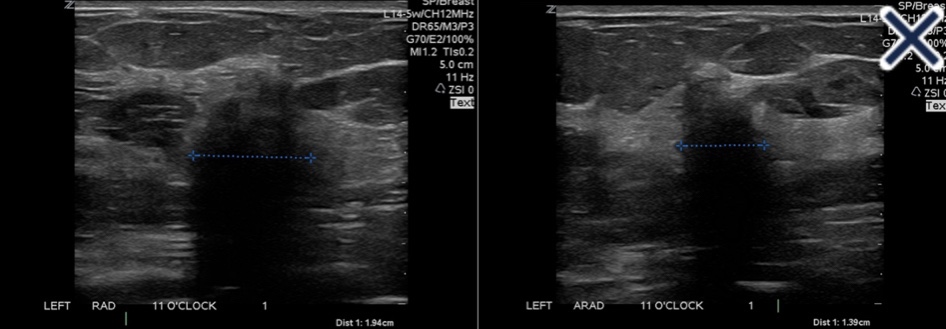
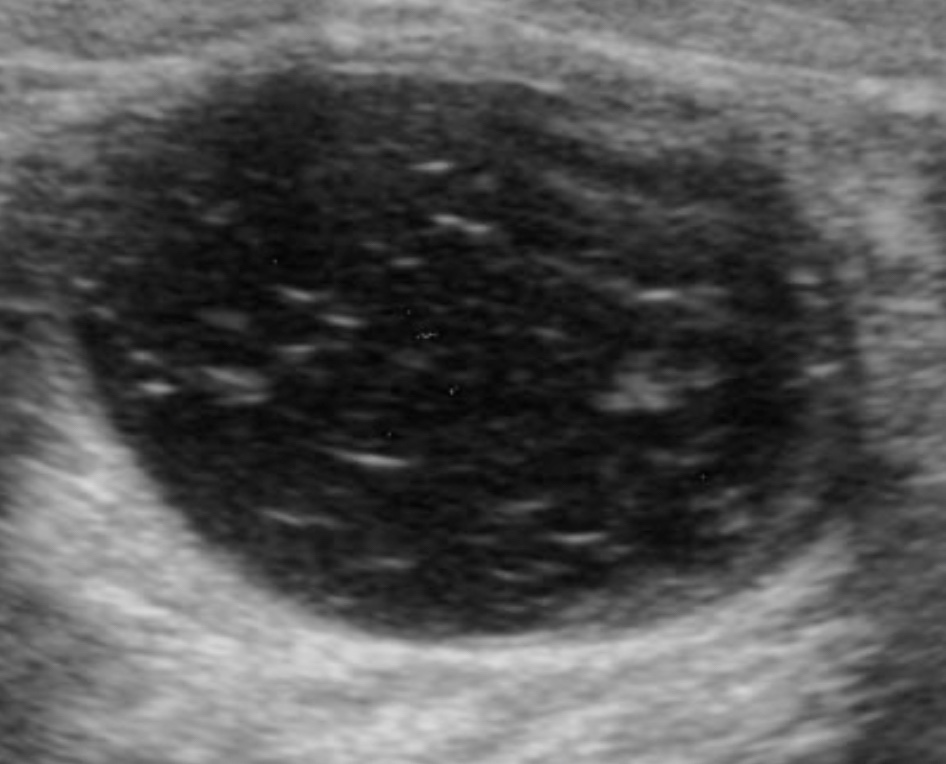
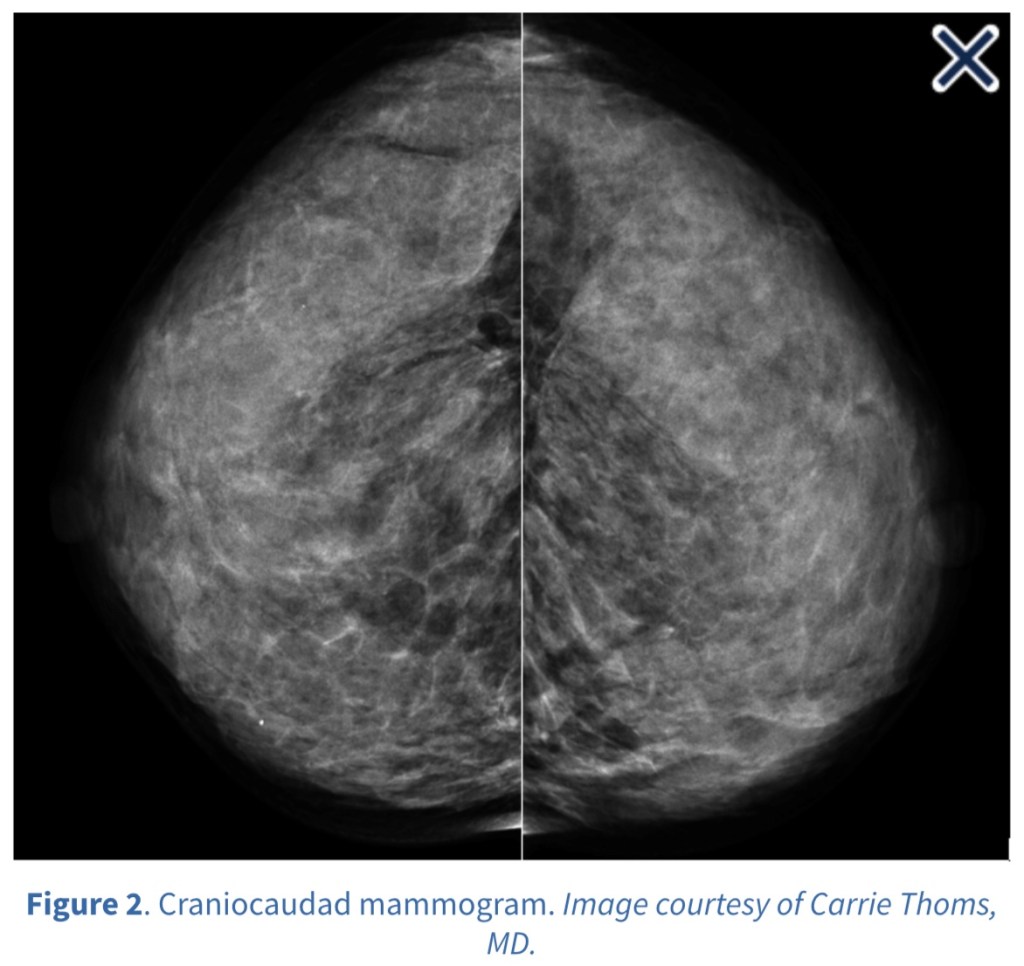
• This axilla ultrasound shows a case of severe eccentric compression and displacement of the hilum to the edge of the node:
    • Favoring metastatic disease:
      • Biopsy of the node provides pathology staging:
        • Which may influence treatment options
  • Typical lymph node ultrasound appearances include:
    • Uniformly mildly thickened cortex:
      • Typical of inflamed or reactive lymph node
    • Eccentric cortical thickening:
      • Favors metastatic disease
Severe eccentric compression and displacement of the mediastinum to the edge of the node
  • Convex indentations of the hilum:
    • Favors metastatic diseased
  • Severe compression of the hilum to slit-like configuration:
    • Can occur in metastatic or severely inflamed lymph node
  • Severe eccentric compression and displacement of the hilum to the edge of the node:
    • Favors metastatic disease
  • Complete obliteration of the hilum and rounding of the node:
    • Favors metastatic disease (can also occur in severe necrotizing lymphadenitis)
  • Perinodal invasion by metastasis:
    • The outer thin echogenic capsule cannot be identified
    • Angular margins
  • References
    • Stavros AT. Evaluation of regional lymph nodes in breast cancer patients. In: Stavros AT. Breast Ultrasound. Philadelphia, PA: Lippincott Williams & Wilkins; 2004:858-859.
    • AIUM curriculum for fundamentals of ultrasound physics and instrumentation. JUltrasound Med 2019;38(8):1933-1935. https://onlinelibrary.wiley.com/doi/epdf/10.1002/jum.15088. Accessed July 16, 2020.
#Arrangoiz #BreastSurgeon #CancerSurgeon #SurgicalOncologist #Surgeon #Doctor #BreastCancer #MountSinaiMedicalCenter #Mexico #Miami

Tissue Harmonic Imaging of the Breast

  • Tissue harmonic imaging (THI):
    • Creates images derived solely from higher frequencies
  • The ultrasound beam:
    • Is transmitted centered at 1 frequency, e.g., 6 MHz, and received centered at a multiple of the transmitted frequency, e.g., 12 MHz
  • Different techniques can be used to process the received signals so that only the returning high-frequency harmonic signal is used to produce the image:
    • Whereas echoes from the fundamental / lower frequencies are rejected
  • THI increases signal-to-noise ratio:
    • Resulting in better tissue contrast
  • THI:
    • Reduces reverberation, clutter, and speckle artifacts:
      • Improving contrast resolution
    • It accentuates real echoes in addition to suppressing artifactual echoes
    • The suppression of speckle artifact by coded harmonics makes solid nodules more hypoechoic and conspicuous than they are with fundamental imaging (Images)
    • It makes the thin, echogenic capsule that surrounds most benign lesions appear to be thinner, more echogenic and more complete than with fundamental imaging
  • THI cannot be combined with simultaneous color Doppler imaging because the resulting frame rate would be unacceptable:
    • When Doppler is required, the image that is interlaced with Doppler must be constructed at fundamental rather than harmonic frequencies
  • THI is of limited value in differentiating benign from malignant lesions
  • Another method of reducing artifactual echoes, improving contrast, and making the thin, echogenic capsule more conspicuous is real time spatial compounding of images
  • In conventional imaging, each frame is created by a single sweep of the beam at a 90 degree angle to the long axis of the transducer:
    • In compound imaging, there are multiple sweeps of the beam from different angles, creating a spatially and temporally compounded image from multiple angles over time
    • Among other things, the lateral borders of lesions can be seen better with compound imaging
Infiltrating ductal carcinoma with fundamental imaging.
The same infiltrating ductal carcinoma as above with coded harmonic imaging
  • References:
    • Mesurolle B, Helou T, El-Khoury M, Edwardes M, Sutton EJ, Kao E. Tissue harmonic imaging, frequency compound imaging, and conventional imaging use and benefit in breast sonography. J Ultrasound Med. 2007;26(8):1041-1051.
    • Cha JH, Moon WK, Cho N, Kim SM, Park SH, Han BK, et al. Characterization of benign and malignant solid breast masses: comparison of conventional US and tissue harmonic imaging. Radiology. 2007;242(1):63-69.
    • Stavros AT. Breast ultrasound equipment requirements. In: Stavros AT. Breast Ultrasound. Philadelphia, PA: Lippincott Williams & Wilkins; 2004:16-41.
#Arrangoiz #BreastSurgeon #CancerSurgeon #SurgicalOncologist #BreastCancer #BreastImaging #MountSinaiMedicalCenter #MSMC #Miami #Mexico

Breast Calcifications

  • Screening mammography:
    • Is important in identifying breast cancer at an early stage
  • Calcifications have many forms:
    • The characteristics of the calcifications:
      • Help identify whether they are associated with a benign or malignant process
    • Smooth, round, large and layering calcium:
      • Are generally associated with benign findings
Round and punctate calcifications. Lobular. This group of calcifications is characterized by relatively monomorphic round and punctate calcifications having some variation in density. No linear forms or linear orientation is seen. BI-RADS 2: Benign finding
  • Fine, irregular, punctate, linear and branching, and pleomorphic calcifications:
    • Are characteristics generally associated with malignant findings
Fine Linear or Fine Linear Branching
These are thin, linear or curvilinear irregular calcifications.
They may be discontinuous.
Their appearance suggests filling of the lumen of a duct, i.e. ‘casting’ calcifications.
These calcifications are classified as Bi-RADS 4C.
On the left calcifications in a segmental distribution.
Some have a linear distribution and some have a branching morphology.
This is highly suggestive of malignancy (Bi-RADS 4C)
  • Magnification views of the calcifications are essential in helping to evaluate the calcifications to determine the appearance and to be able to accurately interpret the findings
  • References:
    • Brant W, Helms C. Fundamentals of Diagnostic Radiology, 5th Edition. Lippincott, Williams & Wilkins; 2019
    • Baldwin P. Breast calcification imaging. Radiol Technol. 2013;84(4):383M-404M.

Breast Nodules on Ultrasound

Targeted ultrasound of mammographic abnormality
  • At first glance, the rounded, almost anechoic sonographic mass could be mistaken for a simple cyst:
    • However, closer inspection shows some small spiculations, angular margins, and a suggestion of an echogenic halo
      • These findings alone make it a BIRADS 4 lesion
    • Even if they were not present:
      • The lesion is rounded and, therefore, does not meet any of the 3 benign definitions:
        • That would allow it to be classified BIRADS 3
    • Although the lesion is small, homogeneous, and does not cause worrisome posterior acoustical artifacts:
      • Cancers this small frequently have no shadowing or enhancement
    • It could be benign:
      • But it has the appearance that a high-grade carcinoma would have when it is less than a centimeter in diameter
  • When a nodule seen on mammogram and ultrasound are in the same location, have the same size and shape, and the same surrounding tissue:
    • They can be confidently assumed to be the same
  • If it were going to be followed, mammograms would expose this young woman to ionizing radiation and thus a small but real risk of developing a radiation-induced malignancy:
    • So a 6-month follow-up ultrasound would be the modality of choice
  • Because the lesion cannot be confidently considered to be less than BIRADS 4a:
    • Evaluation with a needle is required:
      • It is possible aspiration would collapse a small cyst:
        • If not, percutaneous biopsy should be done with a spring-loaded, vacuum-assisted, or intact-removal device, depending on the experience and expertise of the surgeon
  • Steps in the evaluation of breast nodules by ultrasound:
    • You first evaluate the lesion for any of the 10 malignant signs:
      • Shadowing
      • Hypoechoic echotexture
      • Spiculation
      • Angular margins
      • Thick echogenic halo
      • Microlobulation
      • Taller than wide
      • Duct extension
      • Branching pattern
      • Calcifications)
    • Finding none:
      • You move on to the second step in the evaluation process and specifically look for one of the three strictly defined benign signs:
        • If any of them are found:
          • The lesion can be considered BIRADS 3:
            • The three benign findings defined by Stavros are:
              • A purely hyperechoic lesion with no hypoechoic area larger than a normal duct or lobule
              • Elliptical, wider than tall, well-circumscribed and thin echogenic capsule
              • Gently lobulated, wider than tall, well-circumscribed and thin echogenic capsule
          • Combining the elliptical or gently lobulated shapes with the presence of a complete, thin echogenic capsule:
            • Is necessary because many circumscribed carcinomas and most ductal carcinoma in situ are encompassed in a thin, echogenic capsule:
              • However, the shape of circumscribed invasive carcinoma or pure ductal carcinoma in situ:
              • Is rarely elliptical or gently lobulated
      • Because this lesion is elliptical, wider-than-tall, well-circumscribed, and has a thin, echogenic capsule:
        • It is BIRADS 3:
          • A 6-month follow-up ultrasound would be appropriate unless the anxiety of the patient makes core biopsy a better option
  • References
    • D’Orsi CJ, Sickles EA, Mendelson EB, Morris EA. ACR BI-RADS® Atlas, Breast Imaging Reporting and Data System, 5th ed. Reston, VA, American College of Radiology, 2013.
    • Madjar H, Mendelson EB. The Practice of Breast Ultrasound. 2nd ed. Thieme; 2008;141-144.
    • Stavros AT. Breast Ultrasound. Philadelphia, PA: Lippincott Williams & Wilkins; 2004.
#Arrangoiz #BreastSurgeon #CancerSurgeon #SurgicalOncologist #MountSinaiMedicalCenter #MSMC #Miami #Mexico #BreastCancer

Ten Signs of Malignancy During Breast Ultrasound

  • Marked hypoechogenicity with immobile echogenic foci:
    • Representing calcifications
Ultrasound imaging of the palpable breast lesion.
  • The 10 signs of malignancy in breast ultrasound include:
    • Shadowing
    • Hypoechoic echotexture
    • Spiculation
    • Angular margins
    • Thick echogenic halo
    • Microlobulation
    • Taller than wide dimensions
    • Duct extension
    • Branching pattern
    • Calcifications
  • Well-defined smooth border and posterior acoustic enhancement:
    • Are found in both malignant and nonmalignant lesions
  • Layering / teacup mammographic microcalcifications:
    • Are usually associated with benign disease
  • Sonographic mass with a benign mammographic imaging:
    • Is managed based on ultrasound features
  • References
    • Evaluation and imaging features of malignant breast masses. In: Cardenosa G. Clinical Breast Imaging: The Essentials. Philadelphia, PA: Wolters Kluwer; 2015:234-282.
    • Stavros AT. Breast Ultrasound. Philadelphia, PA: Lippincott Williams & Wilkins; 2004.
#BreastSurgeon #CancerSurgeon #Arrangoiz #SurgicalOncologist #Miami #Mexico #MountSinaiMedicalCenter

Trabecular Thickening and Skin Thickening in Mammograms

Right mediolateral oblique image
  • The mammogram shows trabecular thickening and an increased thickness of the skin:
    • Trabecular thickening is an increased prominence of linear structures in the breast:
      • Primarily corresponding to Cooper’s ligaments
    • It is almost always seen in conjunction with skin thickening:
      • It indicates significant breast edema
    • It has a number of different causes, including:
      • Congestive heart failure
      • Renal failure
      • Venous or lymphatic obstruction
      • Diffusely infiltrating carcinoma
      • Radiation
    • When the cause is lymphatic obstruction:
      • The obstruction can be the result of surgery, radiation, or lymphatic invasion by cancer
  • Unilateral breast edema with increased trabecular and skin thickening:
    • Sometimes occurs with congestive heart failure:
      • The pedal edema that develops during the daytime decreases at night:
        • And the fluid accumulates in the dependent breast in patients who sleep on their side
  • References
    • Berg, WA, Birdwell RL, Kennedy A. Diagnostic Imaging: Breast. Salt Lake City, UT: Amirsys; 2006.
    • Verbelen H, Gebruers N, Beyers T, De Monie AC, Tjalma W. Breast edema in breast cancer patients following breast-conserving surgery and radiotherapy: a systematic review. Breast Cancer Res Treat. 2014;147(3):463-471.
    • Wratten CR, O’Brien PC, Hamilton CS, Bill D, Kilmurray J, Denham JW. Breast edema in patients undergoing breast-conserving treatment for breast cancer: assessment via high frequency ultrasound. Breast J. 2007;13(3):266-273.
    • Menta A, Fouad TM, Lucci A, Le-Petross H, Stauder MC, Woodward WA, et al. Inflammatory breast cancer: what to know about this unique, aggressive breast cancer. Surg Clin North Am. 2018;98(4):787-800.
#Arrangoiz #BreastSurgeon

Nerve Injured During Breast Surgery

  • The intercostobrachial nerve:
    • This nerve is a cutaneous branch of the intercostal nerves:
      • Most commonly the second intercostal nerve:
        • Which gives off a lateral cutaneous nerve:
          • Which continues as the intercostobrachial nerve
      • The intercostal nerves arise from the anterior rami of the thoracic spinal nerves
    • The intercostobrachial nerve pierces the serratus anterior:
      • Crosses the axilla to the medial side of the upper arm
    • The intercostobrachial nerve is commonly in the surgical field during axillary lymph node dissections:
      • It may be severed during surgery, or subject to traction or postsurgical inflammation:
        • Thus leading to intercostobrachial neuralgia
    • The larger intercostal nerves:
      • Can be preserved with meticulous dissection
  • Neuropathic symptoms:
    • May be limited to numbness or tingling:
      • But may also include a burning sensation
  • Techniques such as a regional nerve block have been described to alleviate symptoms in severe cases:
    • In a study of 200 patients who underwent axillary dissection:
      • 76% had symptoms of intercostobrachial neuralgia postoperatively
      • Of these patients, 82% reported improvement or resolution of these symptoms within 1 year:
        • Reflecting the richness of the sensory nerve supply to the axilla and upper arm
  • The thoracodorsal nerve:
    • Is a branch of the posterior cord of the brachial plexus:
      • Supplies motor function to the latissimus dorsi
    • If injured:
      • Patients experience weakness with arm abduction, lateral flexion, and difficulty with activities such as climbing, swimming, and using the arms to pull the body up
  • The medial cord of the brachial plexus:
    • Gives rise to the medial pectoral nerve:
      • Which innervates both the pectoralis minor muscle and the pectoralis major muscle
    • The medial pectoral nerve typically pierces the pectoralis minor muscle:
      • But may wrap around the lateral aspect of the pectoralis minor before traveling on to innervate the distal pectoralis major muscle
  • The lateral cord of the brachial plexus:
    • Gives rise to the lateral pectoral nerve:
      • Which innervates the pectoralis major muscle
    • This nerve travels along the medial border of the pectoralis minor muscle, and then along the undersurface of the pectoralis major muscle along with the pectoral branch of the thoracoacromial artery to supply the proximal pectoralis major muscle
  • The medial pectoral nerve bundle:
    • Is often encountered during axillary dissection as it is located lateral to the lateral pectoral nerve
  • If either of these nerves is injured:
    • Pectoralis muscle atrophy can occur:
      • Which can present as a late complication of surgery:
        • With weakness of shoulder adduction, interior rotation, and flexion
  • The long thoracic nerve:
    • Typically arises from anterior rami of the cervical spinal nerve roots C5 to C7:
      • It courses along the chest wall and supplies the serratus anterior muscle
    • Injury to this nerve causes a winged scapula
  • References
    • Sclafani LM, Baron RH. Sentinel lymph node biopsy and axillary dissection: added morbidity of the arm, shoulder and chest wall after mastectomy and reconstruction. Cancer J. 2008;14(4):216-222.
    • Wisotzky EM, Saini V, Kao C. Ultrasound-guided intercostobrachial nerve block for intercostobrachial neuralgia in breast cancer patients: a case series. Prev Med Rep, 2016;8(3):273-277.
    • Roses DF, Brooks AD, Harris MN, Shapiro RL, Mitnick J. Complications of level I and II axillary dissection in the treatment of carcinoma of the breast. Ann Sur. 1999;230(2):194-201.
    • Porzionato A, Macchi V, Stecco C, Loukas M, Tubbs RS, De Caro R. Surgical anatomy of the pectoral nerves and the pectoral musculature. Clin Anat. 2012;25(5):559-575.
#Arrangoiz #BreastSurgeon #CancerSurgeon #SurgicalOncologist #MountSinaMedicalCenter #MSMC

Atypical Ductal Hyperplasia (ADH)

  • Excisional biopsy:
    • Is recommended for most ADH lesions diagnosed on core needle breast biopsy (CNB):
      • The chance of upgrade at excision to ductal carcinoma in situ (DCIS) or invasive carcinoma:
        • Is generally in the 12% to 22% range in the literature
    • The need for routine excision of pure flat epithelial atypia (FEA) has been less clear:
      • Some authors have reported an upgrade rate of 9.6% following excision of lesions that show pure FEA without ADH:
        • When the vast majority of biopsies were done with a 14-gauge spring-loaded core biopsy device
    • It is not clear that biopsy with a vacuum-assisted device would yield the same results:
      • In fact, in one study reporting biopsy of low-risk calcifications with a vacuum-assisted device:
        • Pure FEA never resulted in an upgrade to malignancy
      • An article from the Mayo Clinic:
        • Showed that FEA does not seem to convey an independent risk of breast cancer beyond that of associated proliferative disease without atypia or associated ADH
  • The risk of upgrade at surgical excision for ADH:
    • Has been reported to correlate with the number of ducts or terminal duct lobular units involved on vacuum-assisted core biopsy:
      • With 2 or fewer foci of involvement:
        • There was no upgrade on excision
      • With 4 or more foci of involvement:
        • There was a strong probability of upgrade to ductal carcinoma in situ or invasive carcinoma at excision
  • Work continues to try to define a low-risk group who could potentially avoid excisional biopsy:
    • Particularly those with small areas of calcifications completely removed with core needle biopsy and only focal ADH on pathology
  • Apocrine metaplasia, florid epithelial hyperplasia of the usual variety, and columnar cell change without atypia:
    • Do not confer a significant risk of upgrade and do not require excision
  • References
    • Eby PR, Ochsner JE, DeMartini WB, Allison KH, Peacock S, Lehman CD. Is surgical excision necessary for focal atypical ductal hyperplasia found at stereotactic vacuum-assisted breast biopsy? Ann Surg Oncol. 2008;15(11):3232-3238.
    • Ely KA, Carter BA, Jensen RA, Simpson JF, Page DL. Core biopsy of the breast with atypical ductal hyperplasia: a probabilistic approach to reporting. Am J Surg Pathol. 2001;25(8):1017-1021.
    • Khoumais NA, Scaranelo AM, Moshonov H, Kulkarni SR, Miller N, McCready DR, et al. Incidence of breast cancer in patients with pure flat epithelial atypia diagnosed at core-needle biopsy of the breast. Ann Surg Oncol. 2013;20(1):133-138.
    • Said SM, Visscher DW, Nassar A, Frank RD, Vierkant RA, Frost MH, et al. Flat epithelial atypia and risk of breast cancer: a Mayo cohort study. Cancer. 2015;121(10):1548-1555.
    • McGhan LJ, Pockaj BA, Wasif N, Giurescu ME, McCullough AE, Gray RJ. Atypical ductal hyperplasia on core biopsy: an automatic trigger for excisional biopsy? Ann Surg Oncol. 2012;19(10):3264-3269.
#Arrangoiz #CancerSurgeon #BreastSurgeon #SurgicalOncologist #AtypicalDuctalHyperplasia #AHD #MountSinaiMedicalCenter #MSMC #Miami #Mexico

Surgery for Hyperparathyroidism

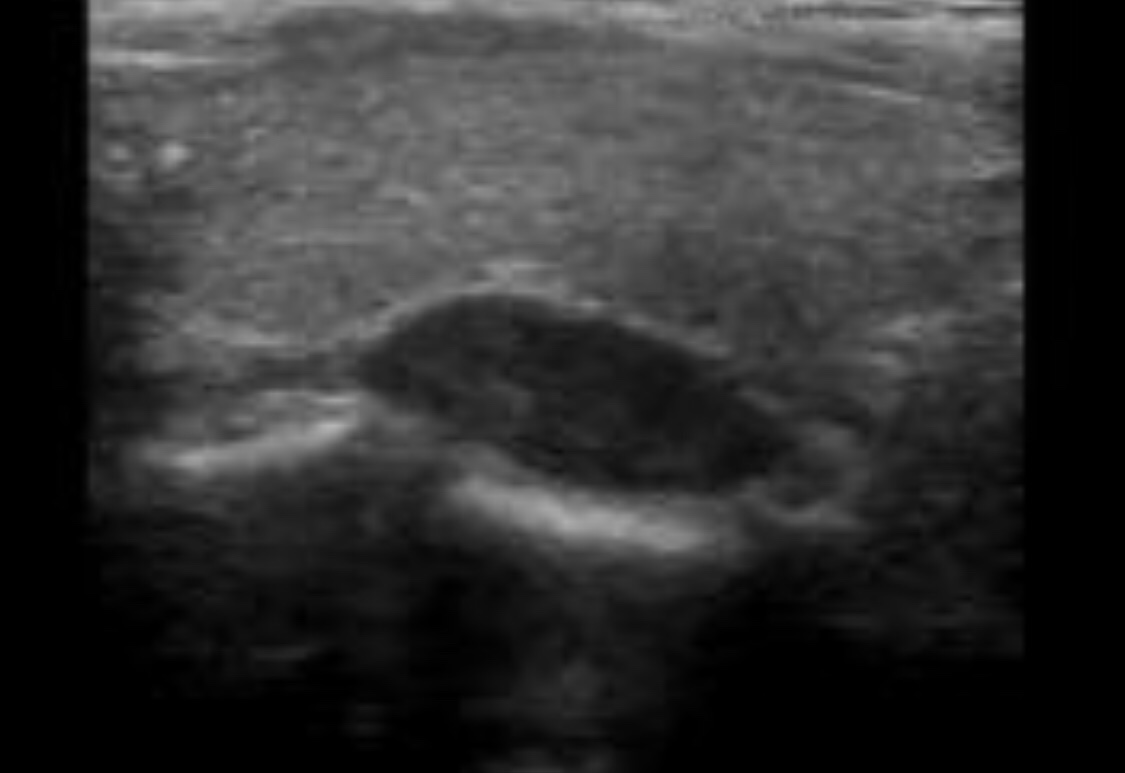
  • Patients who are candidates for surgery for primary hyperparathyroidism (PHPT) but have negative or discordant imaging findings by ultrasound or Sestamibi scan:

#Arrangoiz #ParathyroidSurgeon #ParathyroidExpert #Hyperparathyroidism #PrimaryHyperparathyroidism #CancerSurgeon #EndocrineSurgery #Teacher #Surgeon #HeadandNeckSurgeon #SurgicalOncologist #ParathyroidAdenoma #Hypercalcemia #ElevatedCalciumLevels #Miami #MountSinaiMedicalCenter #MSMC #Mexico #Hialeah
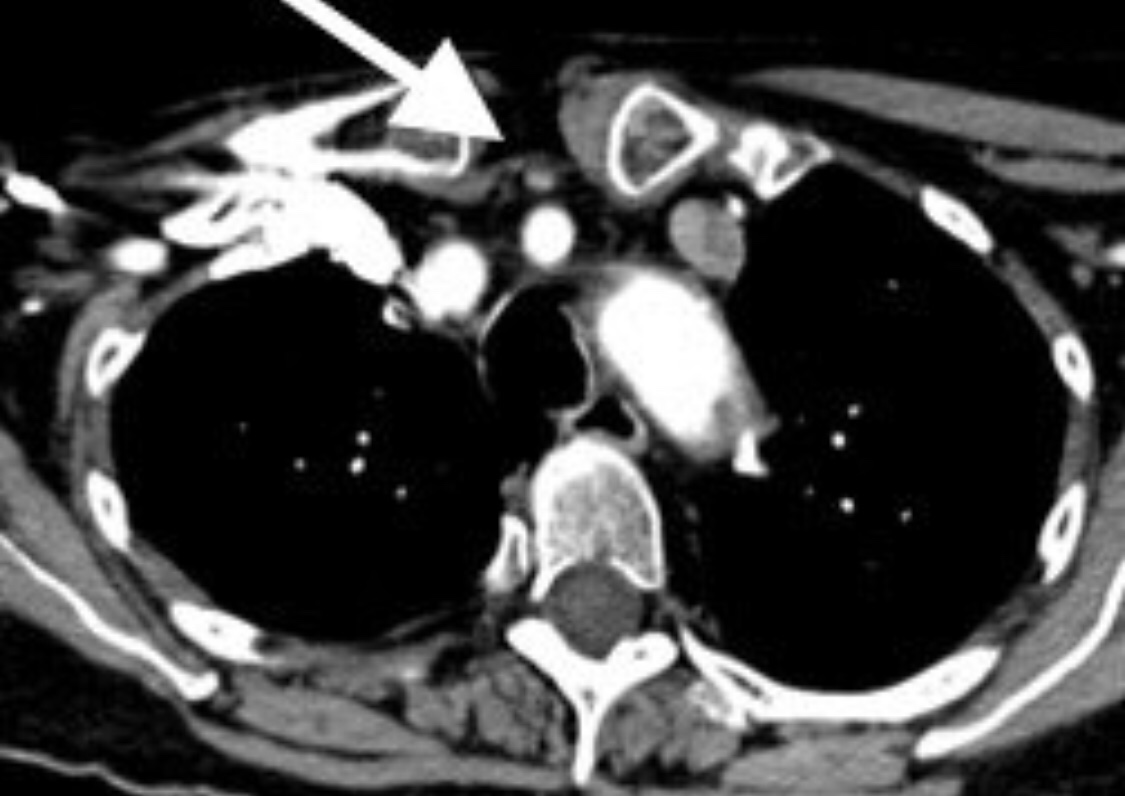
#Arrangoiz #ParathyroidSurgeon #ParathyroidExpert #Hyperparathyroidism #PrimaryHyperparathyroidism #CancerSurgeon #EndocrineSurgery #Teacher #Surgeon #HeadandNeckSurgeon #SurgicalOncologist #ParathyroidAdenoma #Hypercalcemia #ElevatedCalciumLevels #Miami #MountSinaiMedicalCenter #MSMC #Mexico #Hialeah

Mammogram with Tomosynthesis for Dense Breast

  • Debate on adjunct screening in women with dense breasts has resulted from legislation mandating that women be informed if their mammograms show dense breast tissue, including:
    • Informing them that other screening modalities are available
  • In addition to MRI and molecular imaging:
    • Both tomosynthesis and breast ultrasound are additional techniques for enhanced screening in patients with dense breasts
  • Multiple studies show significant benefits from the addition of tomosynthesis to conventional digital mammography alone in screening programs:
    • Ciatto et al:
      • Found an increase in detection rate of invasive breast cancer from 5.3 / 1000 to 8.1 / 1000:
        • While also decreasing the recall rate by 17%
    • Skaane et al:
      • Found a 40% increase in the detection of invasive cancers:
        • With a 15% reduction in false negatives
    • Rose et al. and Haas et al:
      • Showed statistically significant relative reductions in recall rates of:
        • 37% and 30%, respectively
    • A recent retrospective review of 454,850 examinations in 13 screening centers in the United States:
      • Demonstrated a 41% increase in invasive cancer detection, a 15% reduction in call backs, and a 49% increase in the positive predictive value for recall
    • Implementation of tomosynthesis did not lead to a significant reduction in biopsy rates as compared to digital mammography screening:
      • As yet, there are no data that show a reduction in mortality with enhanced screening in dense breasts
  • A prospective multicenter study compared tomosynthesis with bilateral physician hand-held ultrasound screening in 3,231 asymptomatic patients with mammography-negative dense breasts:
    • In all, 24 additional cancers were detected, 23 of which were invasive
    • Tomosynthesis detected 13 cancers, and ultrasound detected 23
    • These data suggest that even though tomosysthesis significantly increases the number of cancers found in dense breasts, in the hands of a skilled breast radiologist:
      • Ultrasound may be even better
  • References
    • Ciatto S, Houssami N, Bernardi D, Caumo F, Pellegrino M, Brunelli S, et al. Integration of 3D digital mammography with tomosynthesis for population breast-cancer screening (STORM): a prospective comparison study. Lancet Oncol. 2013;14(7):583-589.
    • Skaane P, Bandos AI, Gullien R, Eben EB, Ekseth U, Haakenaasen U, et al. Comparison of digital mammography alone and digital mammography plus tomosynthesis in a population-based screening program. Radiology. 2013;267(1):47-56.
    • Haas BM, Kalra V, Geisel J, Raghu M, Durand M, Philpotts LE. Comparison of tomosynthesis plus digital mammography and digital mammography alone for breast cancer screening. Radiology. 2013;269(3):694-700.
    • Rose SL, Tidwell AL, Bujnoch LJ, Kushwaha AC, Nordmann AS, Sexton R Jr. Implementation of breast tomosynthesis in a routine screening practice: an observational study. AJR Am J Roentgenol. 2013;200(6):1401-1408.
    • Friedewald SM, Rafferty EA, Rose SL, Durand MA, Plecha DM, Greenberg JS, et al. Breast cancer screening using tomosynthesis in combination with digital mammography. JAMA. 2014;311(24):2499-2507.
    • Tagliafico AS, Calabrese M, Mariscotti G, Durando M, Tosto S, Monetti F, et al. Adjunct screening with tomosynthesis or ultrasound in women with mammography-negative dense breasts: interim report of a prospective comparative trial. J Clin Oncol. 2016;34(16):1882-1888.
#Arrangoiz #BreastSurgeon #CancerSurgeon #Surgeon #SurgicalOncologist #Miami #MountSinaiMedicalCenter #MSMC #Mexico #Mammogram