Guidelines on the Use of Radioactive Iodine in Low-Risk Thyroid Cancer

  • American Thyroid Association (ATA) Low-Risk of Recurrence Overview:
    • Patients considered low-risk (pre- or post-operative):
      • Intrathyroidal papillary thyroid cancer ≤ 4 cm:
        • T1 to T2
      • No clinical nodal involvement:
        • N0 or minimal N1a
      • No distant metastasis (M0)
      • No aggressive histologic variants
      • No gross extrathyroidal extension
  • Core Randomized Trials:
    • ESTIMABL1 (2012, France):
      • Design:
        • 2 × 2 factorial randomized control trial (RCT):
          • Comparing low-dose (1.1 GBq) vs high-dose (3.7 GBq) radioactive iodine (RAI), and rhTSH stimulation vs thyroid hormone withdrawal for remnant ablation
      • Primary Outcome:
        • Remnant ablation success at 6 to 10 months:
          • ~92% to 95%
        • 5‑Year Follow-Up (2018):
          • 98% no evidence of disease
          • No differences between RAI dose or preparation method 
      • Clinical Meaning:
        • Low-dose RAI + rhTSH is as effective as high-dose with withdrawal
        • Lower toxicity, better patient convenience:
          • Incorporated in ATA 2015 guidelines (New Guidelines Coming Out Fall 2025)
    • HiLo (UK, Mallick et al., 2012):
      • Design:
        • Similar to ESTIMABL1:
          • Compared low- vs high-dose plus rhTSH vs withdrawal
      • Outcome:
        • Comparable ablation success and low recurrence rates 
    • ESTIMABL2 (France, 2022):
      • Design:
        • RCT of low-dose RAI (1.1 GBq) vs no RAI, post-total thyroidectomy in low-risk DTC
      • 3-Year Results:
        • Recurrence:
          • 2.7% (no RAI) vs 1.9% (RAI); non-inferior 
      • Commentary:
        • Non-inferiority holds even at lowest end of risk spectrum:
          • Upholds omission in select patients
    • IoN (“Iodine or Not”) Trial (UK, Lancet June 2025):
      • Design:
        • Phase II / III RCT randomizing 504 low-risk DTC patients to RAI vs no RAI
      • 5-Year Data:
        • 98% disease-free without RAI vs 96% with RAI
        • Omitting RAI improved quality of life and reduced isolation burden 
      • Significance:
        • Largest definitive trial confirming RAI omission is safe in ATA low-risk patients
    • Additional Evidence and Observational Data:
      • Long-term observational studies (> 8 years):
        • Show high remission and low recurrence with low-dose RAI 
      • Meta-analyses and reviews echo findings:
        • Low-dose or no RAI yields excellent oncologic outcomes in strictly low-risk DTC
  • Clinical Take‑Home Points for Surgeons:
    • Low-dose (1.1 GBq) RAI is sufficient for remnant ablation when RAI is used
    • rhTSH is preferred for patient comfort
    • RAI omission is safe in ATA low-risk cases:
      • Per ESTIMABL2 and IoN with:
        • ~ 98% disease-free survival at 5 years
      • QoL benefit and reduced isolation burden when RAI is not used:
        • Especially relevant for younger, family-centered patients
    • ATA 2015 guidelines:
      • Support selective RAI omission, reinforced by current trials
    • Surgical completeness matters:
      • Trials include total thyroidectomy with low /absent nodal burden
      • Partial thyroidectomy or residual disease was excluded
    • Follow-up protocol:
      • Stringent ultrasound and thyroglobulin monitoring essential when omitting RAI
  • Practical ATA-Based Approach:
    • Very Low / Low Risk ATA:
      • Intrathyroidal ≤ 4 cm
      • N0 to N1a
      • No vascular invasion:
        • Omit RAI:
          • Active surveillance with US + Tg (with / without rhTSH)
      • If ablation desired (e.g., Tg monitoring ease):
        • Use 1.1 GBq + rhTSH
    • Intermediate Risk:
      • Minimal extrathyroidal extension
      • > 5 involved nodes:
        • Consider selective RAI at low dose:
          • Decision individualized based on risk tolerance
  • Summary:
    • In ATA-defined low-risk DTC:
      • Low-dose RAI + rhTSH is as effective as high-dose or withdrawal methods
    • Importantly, omission of RAI does not compromise outcomes and offers QoL and cost benefits
    • Surveillance replaces ablation, with triggers reserved for structural or biochemical recurrence
#Arrangoiz #CancerSurgeon #ThyroidSurgeon

Vitamin D Deficiency and Primary Hyperparathyroidism (PHTP)

Obtaining measurements of vitamin D metabolites (usually 25 OH Vitamin D) may be useful to distinguish PHPT from other conditions and it can help confirm the diagnosis of PHPT.

The vast majority of patients with PHPT will have concomitant vitamin D deficiency. In a series of more than 10,000 patients with proven PHPT found that 77% of patients had 25 OH Vitamin D levels below 30 ng/ ml (normal range above 35 ng/ml), 36% had levels below 20 ng/ml, and none of the patients had elevated 25 OH Vitamin D levels.

  • In this study they also found an increase conversion of 25 OH Vitamin D to 1-25 OH Vitamin D.

    • A vitamin D deficiency is something to expect in patients with PHPT with an average value of 22.4 ng/ml.

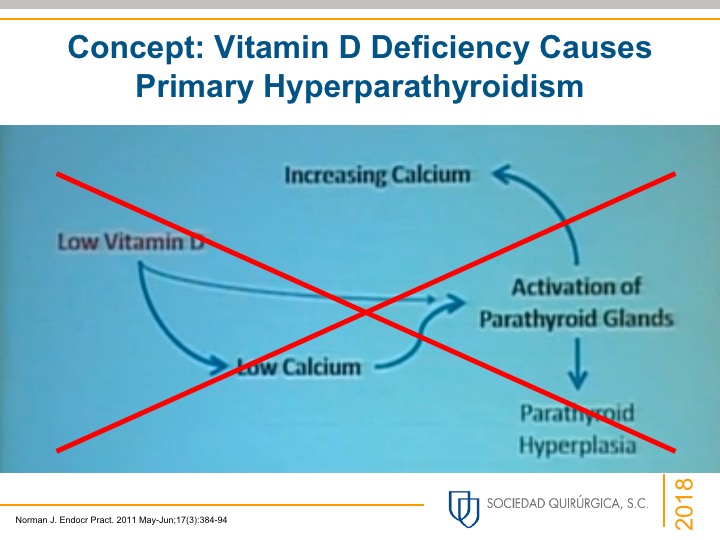
Low vitamin D levels do NOT cause high levels of serum calcium.

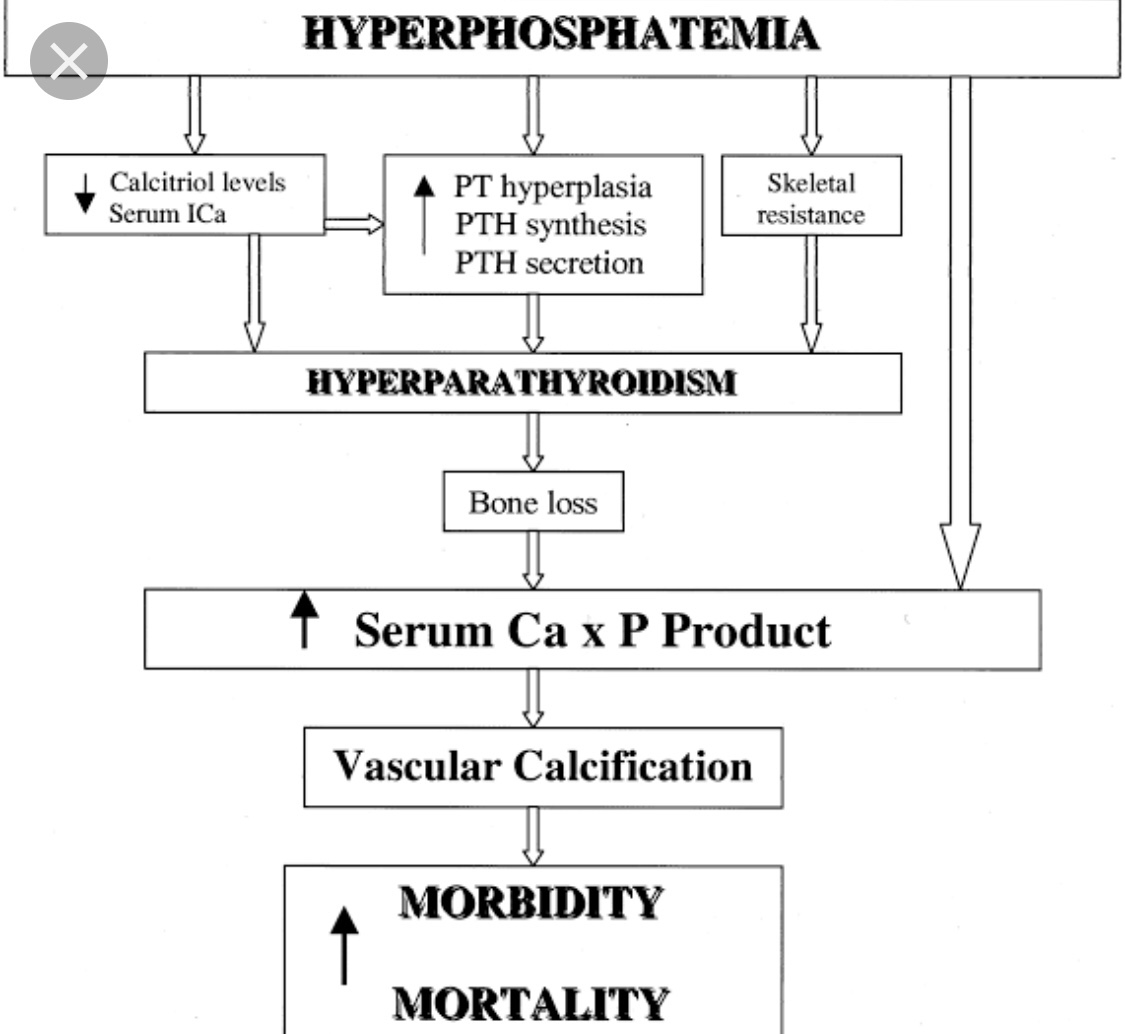
The notion that vitamin D deficiency causes a decrease in the serum calcium levels (because of a decrease intestinal absorption) and that this decrease in serum calcium concentration will lead to an activation of the parathyroid glands, with subsequent parathyroid gland hyperplasia and increase PTH secretion leading to hypercalcaemia should be rethought (Figure).

  • Norman et al., , showed that 98% of the patients in their study who had PHPT with concomitant vitamin D deficiency had a parathyroid adenoma and only two percent had parathyroid gland hyperplasia refuting the current thinking.
  • Shah et al., performed a meta-analysis of the world literature in 2014 and concluded Vitamin D replacement in subjects with PHPT and coexistent vitamin D deficiency increase 25 (OH) D and reduces serum PTH significantly without causing hypercalcemia and hypercalciuria but mentioned that the finding of there study needs to be confirmed by larger randomized control trials.

Slide2

Rodrigo Arrangoiz MS, MD, FACS
Cirugía Oncológica
Fox Chase Cancer Center
Tumores de Cabeza y Cuello / Cirugía Endocrina
Fox Chase Cancer Center
Tumores de Cabeza y Cuello / Cirugía Endocrina
IFHNOS / Memorial Sloan Kettering Cancer Center
Maestría en Ciencias de Investigación
Drexel University
Certificado por el Colegio Americano de Cirugía
Fellow del Colegio Americano de Cirugía
Fellow de la Sociedad de Cirugia Oncológica  
#hyperparathyroidism
#hypercalcemia
#vitaminDdeficiency
#Endocrinesurgeon
#headandnecksurgeon
#MountSinaiMedicalCenter
#MSMC
#Miami
#Mexico

Parathyroidectomy Treatment of a Choice for Hyperparathyroidism

👉Did you know that the only cure for primary hyperparathyroidism is surgery?

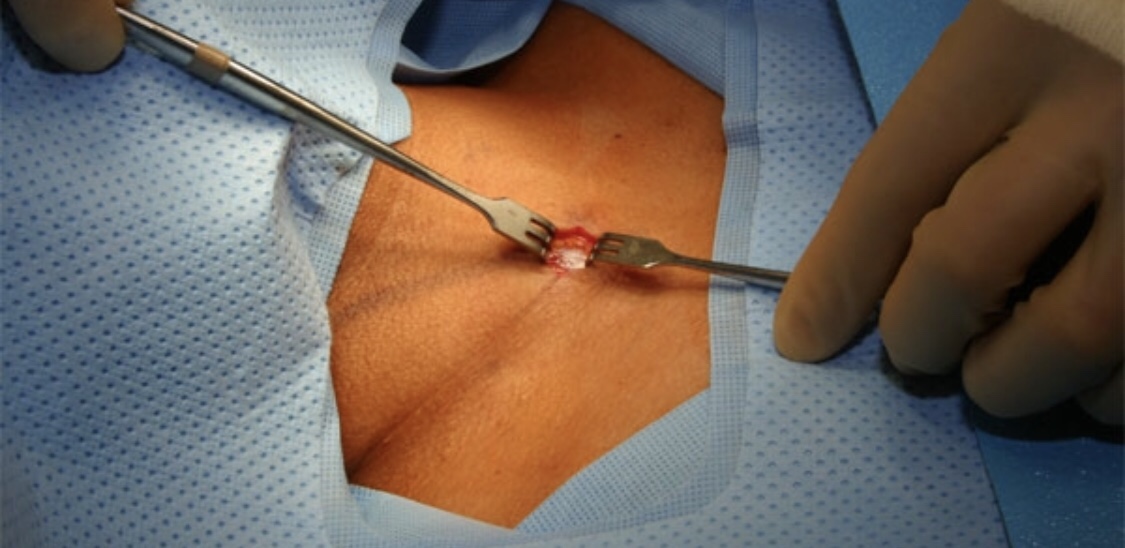
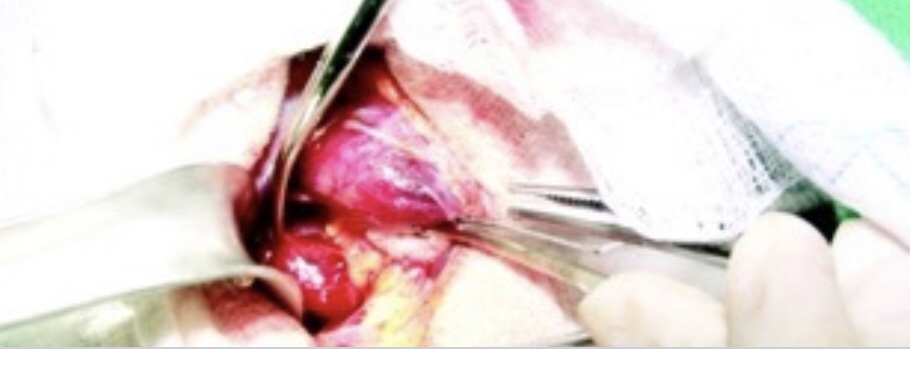
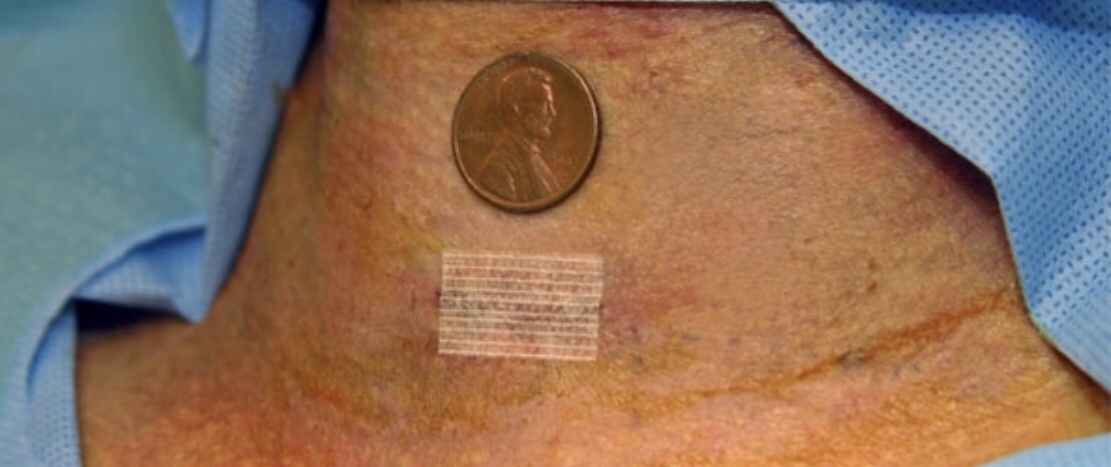
👉Dr. Rodrigo Arrangoiz is Pioneer in Mexico in radio-guided minimally invasive parathyroidectomy.

https://m.youtube.com/watch feature=youtu.be&v=AgvQmtz1gnA

👉Find more info at http://www.hiperparatiroidismo.info

#Arrangoiz

#ParathyroidExpert #ParathyroidSurgeon #Hiperparatiroidismo #Hipercalcemia #CheckYourCalcium #HeadandNeckSurgeon #EndocrineSurgeon

#Hyperparathyrodism

#CirujanodeParatiroides

#ExpertoenParatiroides

#SociedadQuirurgica

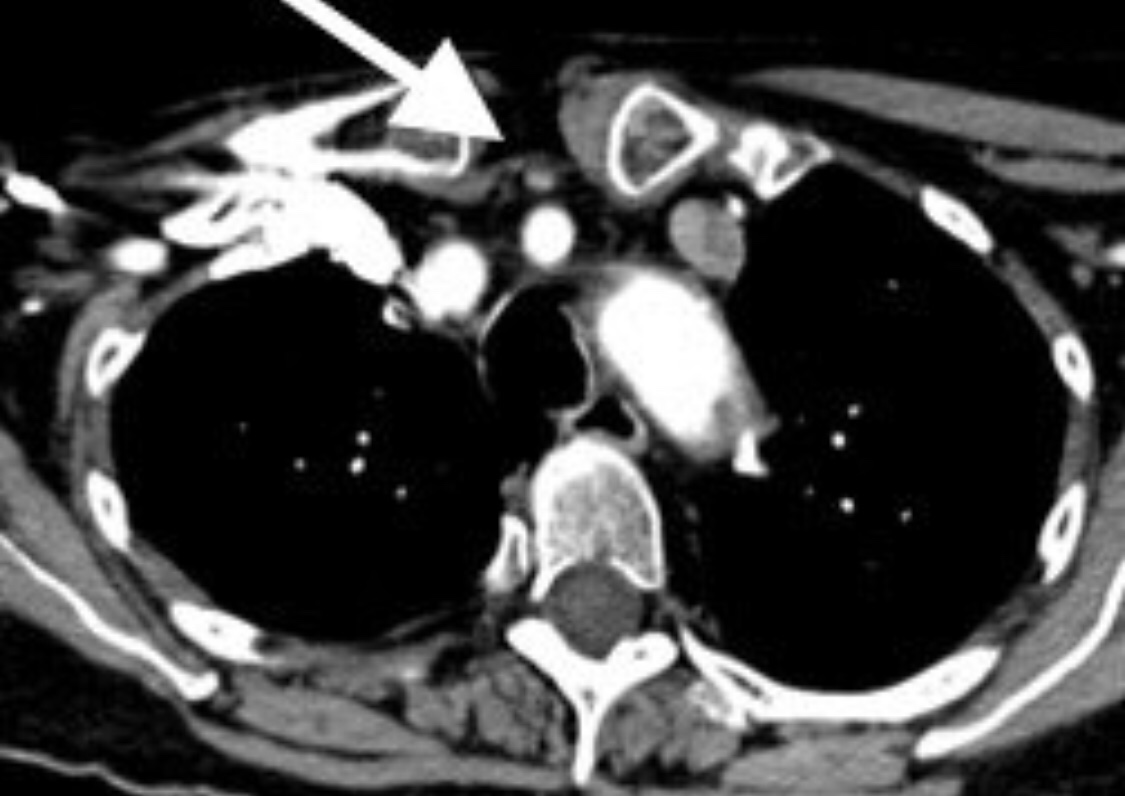
4D-CT Scans in Hyperparathyroidism

👉4D-CT scans are more sensitive than sestamibi scans or ultrasound for tumor localization in recurrent parathyroid disease.

👉CheckYourCalcium (realízate un calcio total ensangre).

#CheckYourCalcium #Arrangoiz #ParathyroidExpert #ParathyroidSurgeon #Hiperparatiroidism #Hipercalcemia #CheckYourCalcium #HeadandNeckSurgeon #MountSinaiMedicalCenter #MSMC #Miami #Mexico #Hyperparathyroidism

👉Find more info at http://www.hiperparatiroidismo.info and https://www.ncbi.nlm.nih.gov/pubmed/29484563

Hyperparathyroidism

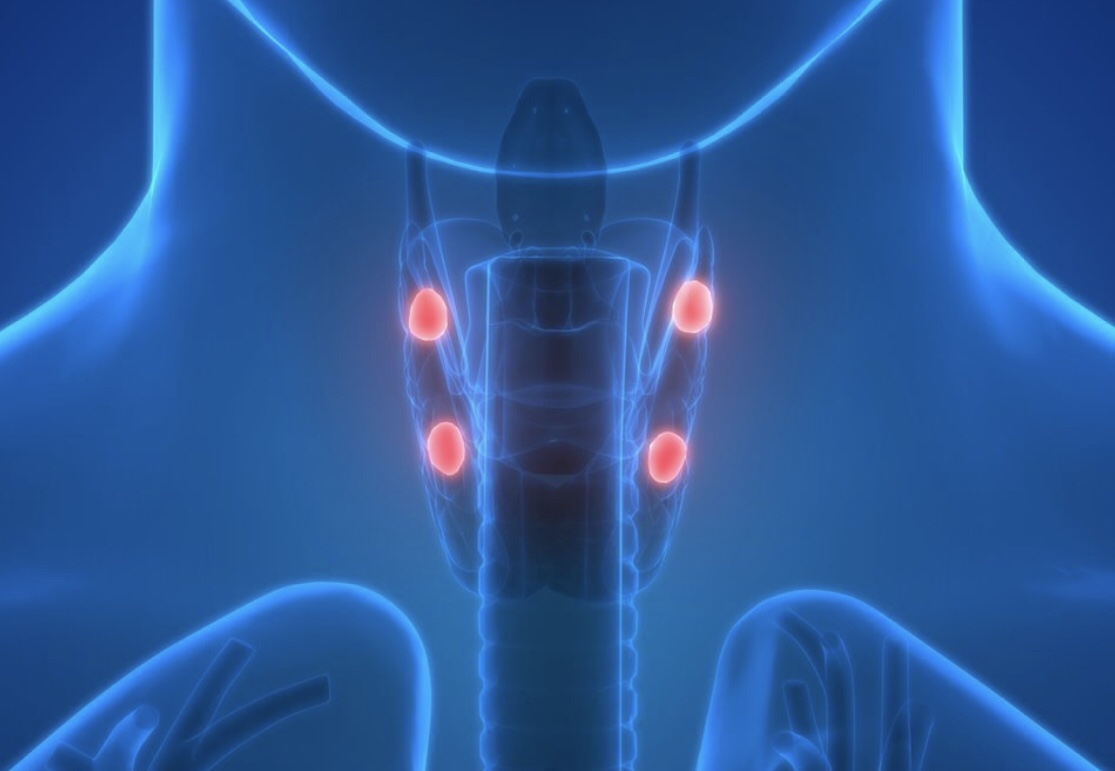
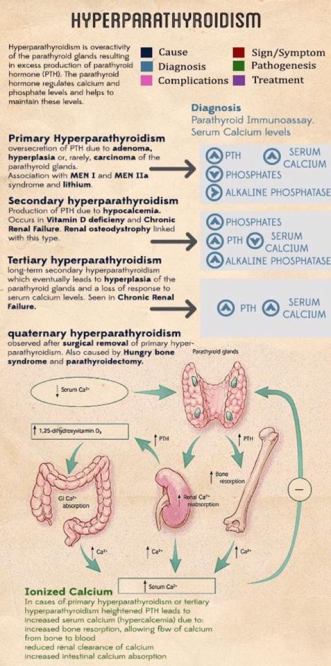
👉The overproduction of parathyroid hormone (PTH), termed hyperparathyroidism (HPT), can be categorized as primary, secondary, or tertiary.

👉Primary hyperparathyroidism (PHPT) arises from an unregulated overproduction of PTH from an abnormal parathyroid gland.

👉Increased PTH levels may also occur as a compensatory response to hypocalcemic states resulting from chronic renal failure or gastrointestinal (GI) malabsorption of calcium. This secondary HPT can be reversed by correction of the underlying problem (e.g., kidney transplantation for chronic renal failure).

👉However, chronically stimulated parathyroid glands may occasionally become autonomous, resulting in persistence or recurrence of the hypercalcemia after successful renal transplantation, resulting in tertiary HPT. This review paper will focus on PHTP

#Arrangoiz #ParathyroidSurgeon #ParathyroidExpert #Hyperparathyroidism #EndocrineSurgery #Hypercalcemia #MountSinaiMedicalCenter #MSMC #Miami #Mexico

Hyperparathyroidism and Risk of Heart Attack

👉The changes in calcium and phosphate that result from renal hyperparathyroidism may increase calcification of the arteries leading to heart attacks and strokes.

👉Learn more at https://www.atherosclerosis-journal.com/article/S0021-9150(18)31349-2/fulltext

👉CheckYourCalcium (realízate un calcio total en sangre).

👉Para más información: http://www.hiperparatiroidismo.info

#CheckYourCalcium #Arrangoiz #ParathyroidExpert #ParathyroidSurgeon #Hiperparatiroidism #Hipercalcemia #CheckYourCalcium #HeadandNeckSurgeon #MountSinaiMedicalCenter #MSMC #Miami #Mexico #Hyperparathyroidism

Focused Parathyroidectomy

  • Focused parathyroidectomy:
    • Is the preferred approach in patients who have a solitary lesion:
      • That is imaged conclusively by:
        • Ultrasound, sestamibi, or other appropriate imaging modalities
  • If the surgeon is not attempting to visualize all four glands:
    • The use of IOPTH:
      • To determine whether all hyperfunctioning tissue has been removed and to document an appropriate drop in PTH levels after the removal of the suspected gland:
        • Is the standard of care
  • The most common criterion used:
    • Is a 50% or greater reduction in the PTH level from the baseline 10 minute after parathyroidectomy
  • The best clinical marker of single-gland disease:
    • Is concordant preoperative imaging:
      • In combination with an appropriate correction of IOPTH levels
  • Previous neck surgery or lack of concordant imaging on two types of studies:
    • Is not a contraindication to attempting focused parathyroidectomy
  • Patients suspected of having multigland disease are managed by four-gland exploration via a smaller incision

#Arrangoiz #ParathyroidSurgeon #ParathyroidExpert #Hypercalcemia #PHPT #Hyperparathyroidism #PrimaryHyperparathyroidism #EndocrineSurgery #HeadandNeckSurgeon #CancerSurgeon #Surgeon #Teacher #Miami #Mexico #MountSinaiMedicalCenter #MSMC

Parathyroidectomy

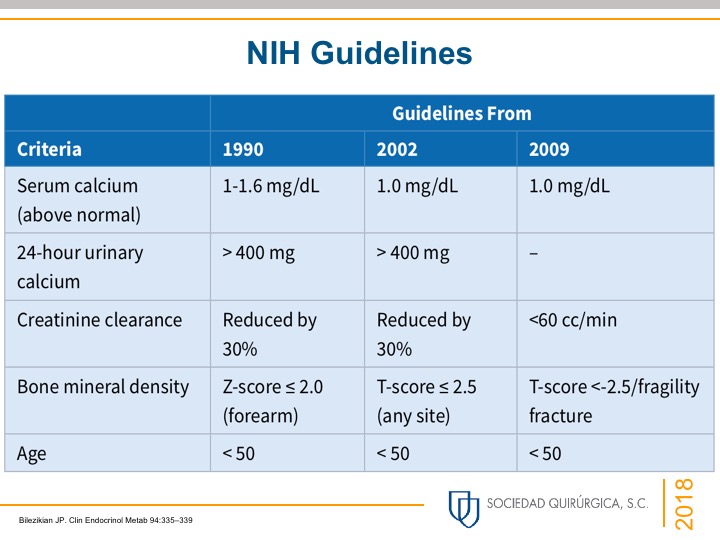
👉Per American Association of Endocrine Surgeons (AAES) Guidelines, parathyroidectomy is recommended for all patients under 50 with a diagnosis of primary hyperparathyroidism, regardless of the presence of symptoms or physical findings – Dr. Rodrigo Arrangoiz

👉https://jamanetwork.com/journals/jamasurgery/fullarticle/2542667

👉For more information: http://www.hiperparatiroidismo.info

#Arrangoiz #ParathyroidExpert #ParathyroidSurgeon #Hyperparathyroidism #Hipercalcemia #HeadandNeckSurgeon #MountSInaiMedicalCenter #MSMC #Miami #Mexico #Hiperparatiroidismo #ExpertoenParatiroides #CirujanodeParatiroides

Identification of the Superior Parathyroid Gland

  • Exposure of the Prevertebral Fascia:
    • The first step in identifying the superior gland:
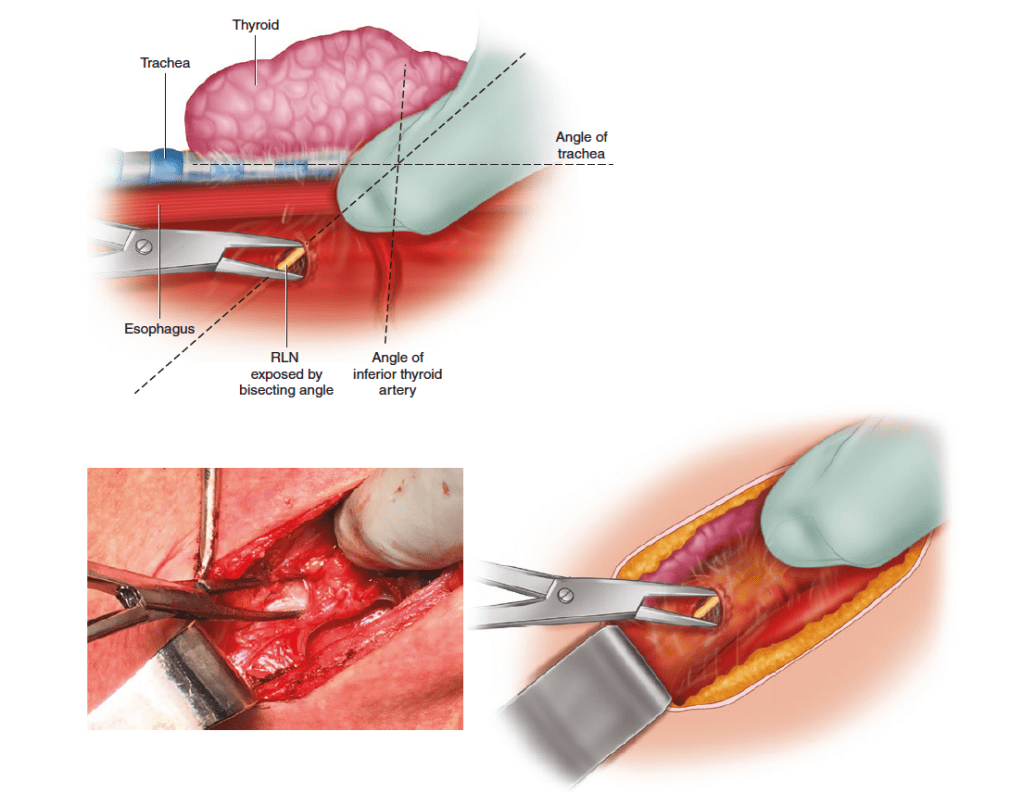
      • Is to locate the inferior thyroid artery (ITA)
    • The ITA is a crucial reference point for the location of the superior parathyroid gland:
      • The superior parathyroid gland is usually found in an area 1 cm cranial to the ITA
    • Once the ITA has been identified, blunt dissection cranial to the artery and directly posterior is performed down to the shiny prevertebral fascia
    • The prevertebral fascia defines the posterior extent of the dissection, and the most posterior location possible for a superior parathyroid gland
  • Visual:
    • Although it is tempting to dive straight in and attempt to dissect the first piece of tissue that resembles parathyroid tissue, considerable time and effort can be saved by slowly and deliberately confirming the key landmarks and looking for some of the morphological features described in section “Pearls for Identification of Parathyroid Glands” (published in a previous Blog)
    • The identification of a parathyroid gland begins withcareful visual inspection:
      • Start by looking for a gland or fat pad in a 1 to 2-cm area cranial to the ITA on the posterior surface of the thyroid lobe (Figure 1)
  • Digital
    • The superior glands can be found in a number of positions in association with structures from the fourth branchial arch, including:
      • Retropharyngeal
      • Retroesophageal
      • Para-esophageal
      • Adjacent the hyoid bone
    • Further, when a superior gland enlarges:
      • It tends to do so in a posterior and caudal direction and can pass behind the ITA to lie below the inferior gland
    • After careful visual inspection in the area 1 cm cranial tothe ITA, these potential positions are digitally palpatedfor using five maneuvers (Fig. 1.4):
      • The index finger is introduced into the space previously created above the ITA and directly down to the prevertebral fascia / retroesophageal space and then swept along the esophagus to feel in the retroesophageal / retropharyngeal positions
      • The finger is then swung caudally until the finger lies vertically with the tip below the ITA
      • The tissue over the tip of the finger is gently balloted, feeling for an enlarged superior gland to contact the tip of the posterior index finger
      • The finger is then swung back to a horizontal position
      • The finger is withdrawn slowly while the tip remain in contact with the esophagus and trachea, deliberately feeling for the trachea-esophageal groove
Fat pads. Visual inspection can yield many clues to aid in the identification of the parathyroid glands. Inspection should begin by looking for a fat pad located where the thymus points to the inferior pole of the thyroid gland for the inferior gland, and 1 to 2 cm cranial to the inferior thyroid artery on the posterior surface of the thyroid gland and anterior to the recurrent laryngeal nerve (as shown)
Digital maneuvers for palpation of the superior parathyroid gland. These illustrations demonstrate the 5 maneuvers performed to palpate for an enlarged superior gland. (a) First, and only after visual inspection, the index finger is introduced down to the prevertebral fascia and into the retroesophageal space and the finger is swept along the esophagus to palpate the retroesophageal/ retropharyngeal positions.
B. Second, the finger is swung caudally until the finger lies vertically with the tip below the inferior thyroid artery. Third, the tissue over the finger is gently balloted with the other index finger, feeling for an enlarged gland contacting the tip of the posterior finger. Fourth, the finger is swung back to the horizontal position, and fifth, the finger is withdrawn while feeling along the side of the esophagus and trachea

#Arrangoiz #ParathyroidSurgeon #ParathyroidExpert #Hyperparathyroidism #Hypercalcemia #HeadandNeckSurgeon #MSMC #MountSinaiMedicalCenter #Miami #Mexico #Surgeon #Teacher

Normocalcemic hyperparathyroidism (HPT)

👉Normocalcemic hyperparathyroidism (HPT) is characterized by normal calcium, high PTH levels, and may be a distinct entity that behaves differently than classical HPT.

👉Rodrigo Arrangoiz MS, MD, FACS cirujano de tumores de cabeza y cuello / cirugia endocrina es experto en el manejo del hiperparatiroidismo primario.

👉Introdujo a su país (Mexico) la técnica de exploración bilateral de cuello con valoración de la funcionalidad de las glándulas paratiroides con paratiroidectomia radioguiada:

https://m.youtube.com/watch?v=AgvQmtz1gnA&time_continue=127

👉Su entrenamiento fue el siguiente:

• Cirugia general y gastrointestinal:
• Michigan State University:
• 2004 al 2010image-48• Cirugia oncológica / tumores de cabeza y cuello / cirugia endocrina:
• Fox Chase Cancer Center (Filadelfia):
• 2010 al 2012image-39• Maestria en ciencias (Clinical research for healthprofessionals):

• Drexel University (Filadelfia):
• 2010 al 2012image-50• Cirugia de tumores de cabeza y cuello / cirugiaendocrina

• IFHNOS / Memorial Sloan Kettering Cancer Center:
• 2014 al 2016image-51

#Arrangoiz

#CirugiadeTumoresdeCabezayCuello

#CirugiaEndocrina

#CirugiaOncologica

#HeadandNeckSurgery

#EndocrineSurgery

#SurgicalOncology

#Hyperparathyroidism

#Hiperparatiroidism

#MountSinaiMedicalCenter

#MSMC

#Miami

#Mexico