
Oral Submucous Fibrosis (OSF)

  • In 1952, Schwartz coined the term atrophica idiopathica mucosa oris to describe an oral fibrosing disease he discovered in 5 Indian women from Kenya.

    • Joshi subsequently coined the termed oral submucous fibrosis (OSF) for the condition in 1953.

  • Oral submucous fibrosis is a chronic debilitating disease of the oral cavity characterized by inflammation and progressive fibrosis of the submucosal tissues (lamina propria and deeper connective tissues):

    • Oral submucous fibrosis results in marked rigidity and an eventual inability to open the mouth.

    • The buccal mucosa is the most commonly involved site, but any part of the oral cavity can be involved, even the pharynx

  • Oral submucous fibrosis (OSF) is a premalignant condition caused by betel chewing:

    • It is very common in Southeast Asia but has started to spread to Europe and North America.

    • The condition is well recognized for its malignant potential and is particularly associated with areca nut chewing, the main component of betel quid.

    • Betel quid chewing is a habit practiced predominately in Southeast Asia and India that dates back for thousands of years.

      • It is similar to tobacco chewing in westernized societies.

    • The mixture of this quid, or chew, is a combination of the areca nut (fruit of the Areca catechu palm tree, erroneously termed betel nut) and betel leaf (from the Piper betel, a pepper shrub), tobacco, slaked lime (calcium hydroxide), and catechu (extract of the Acacia catechu tree).

      • Lime acts to keep the active ingredient in its freebase or alkaline form, enabling it to enter the bloodstream via sublingual absorption.

      • Arecoline, an alkaloid found in the areca nut, promotes salivation, stains saliva red, and is a stimulant:

        • Major constituents of betel quid are arecoline from betel nuts and copper, which are responsible for fibroblast dysfunction and fibrosis.

Unknown

Unknown-1

Oral-Submucous-Fibrosis-Picture

  •  OSF can lead to squamous cell carcinoma, a risk that is further increased by concomitant tobacco consumption.

  • OSF is a diagnosis based on clinical symptoms and confirmation by histopathology.

    • Hypovascularity leading to blanching of the oral mucosa, staining of teeth and gingiva, and trismus are major symptoms:

      • Symptoms of oral submucous fibrosis (OSF) include the following:

        • Progressive inability to open the mouth (trismus) due to oral fibrosis and scarring

          • Oral pain and a burning sensation upon consumption of spicy foodstuffs

            • Increased salivation

            • Change of gustatory sensation

            • Hearing loss due to stenosis of the eustachian tubes

            • Dryness of the mouth

            • Nasal tonality to the voice

            • Dysphagia to solids (if the esophagus is involved)

            • Impaired mouth movements (eg, eating, whistling, blowing, sucking)


  • Oral submucous fibrosis is clinically divided into three stages, and the physical findings vary according:
    • Stage 1:
      • Stomatitis includes erythematous mucosa, vesicles, mucosal ulcers, melanotic mucosal pigmentation, and mucosal petechia.


  • Stage 2:
    • Fibrosis occurs in ruptured vesicles and ulcers when they heal, which is the hallmark of this stage.
      • Early lesions demonstrate blanching of the oral mucosa.
      • Older lesions include vertical and circular palpable fibrous bands in the buccal mucosa and around the mouth opening or lips, resulting in a mottled, marblelike appearance of the mucosa because of the vertical, thick, fibrous bands running in a blanching mucosa.
      • Specific findings include the following:
        • Reduction of the mouth opening (trismus)
        • Stiff and small tongue
        • Blanched and leathery floor of the mouth 
        • Fibrotic and depigmented gingiva
        • Rubbery soft palate with decreased mobility
        • Blanched and atrophic tonsils
        • Shrunken budlike uvula
        • Sinking of the cheeks, not commensurate with age or nutritional status


  • Stage 3:
    • Leukoplakia is precancerous and is found in more than 25% of individuals with oral submucous fibrosis.
    • Speech and hearing deficits may occur because of involvement of the tongue and the eustachian tubes.

Rodrigo Arrangoiz MS, MD, FACS a head and neck surgeon and is amember of Sociedad Quirúrgica S.C at the America British Cowdray Medical Center.He is first author on some publications on oral cavity cancer:

Training:

• General surgery:

• Michigan State University:

• 2004 al 2010• Surgical Oncology / Head and Neck Surgery / Endocrine Surgery:

• Fox Chase Cancer Center (Filadelfia):

• 2010 al 2012• Masters in Science (Clinical research for health professionals):

• Drexel University (Filadelfia):

• 2010 al 2012
• Surgical Oncology / Head and Neck Surgery / Endocrine Surgery:

• IFHNOS / Memorial Sloan Kettering Cancer Center:

• 2014 al 2016

Pathway by which oral cancers invade the mandible

To determine the need and extent of mandible resection, it is essential to understand the pathway by which oral cancers invade the mandible.

  • Primary carcinomas of the lip, buccal mucosa, tongue, and floor of the mouth extend along the surface mucosa and the submucosal soft tissues to approach the attached labial, buccal, or lingual gingiva.

  • From this point, the tumor does not extend directly through intact periosteum and cortical bone toward the cancellous part of the mandible because the periosteum acts as a significant protective barrier.

  • Instead, the tumor advances from the attached gingiva toward the alveolus.

    • In patients with teeth, the tumor extends through the dental socket into the cancellous part of the bone and invades the mandible in that fashion (Figure).

Pathway by which oral cancers invade the mandible
Tumor invasion of the dentate mandible occurs through the dental socket to the cancellous bone and then to the alveolar canal.

  • In edentulous patients, the tumor extends up to the alveolar process and then infiltrates the dental pores in the alveolar ridge and extends to the cancellous part of the mandible (Figure)

Tumor invasion of the edentulous mandible occurs through the dental pores on the alveolar process to the cancellous bone and then to the alveolar canal.


  • Thus even in patients with early invasion of the mandible, a marginal mandibulectomy is feasible because the cortical part of the mandible inferior to the roots of the teeth remains uninvolved and can be safely spared.

  • In edentulous patients, however, the feasibility of marginal mandibulectomy depends on the vertical height of the body of the mandible.

    • With aging, the alveolar process recedes and the mandibular canal comes closer to the surface of the alveolar process.

      • As shown in the Figure, the resorption of the alveolar process eventually leads to a “pipestem” mandible in elderly patients.

Vertical height and location of the alveolar canal in dentate and edentulous mandibles.

  • The ability to perform a satisfactory marginal mandibulectomy in such patients is almost impossible because the probability of iatrogenic fracture or postsurgical spontaneous fracture of the remaining portion of the mandible is very high.

  • Similarly, in patients who have received previous radiotherapy, a marginal mandibulectomy should be performed with extreme caution.

    • The probability of pathological fracture at the site of the marginal mandibulectomy in such patients is very high.

  • When the tumor extends to involve the cancellous part of the mandible, a segmental mandibulectomy must be performed.

  • A segmental mandibulectomy also may be required in patients with massive primary tumors with significant soft tissue disease in the proximity of the mandible. 

Rodrigo Arrangoiz MS, MD, FACS a head and neck surgeon and is amember of Sociedad Quirúrgica S.C at the America British Cowdray Medical Center.He is first author on some publications on oral cavity cancer:

Training:

• General surgery:

• Michigan State University:

• 2004 al 2010• Surgical Oncology / Head and Neck Surgery / Endocrine Surgery:

• Fox Chase Cancer Center (Filadelfia):

• 2010 al 2012• Masters in Science (Clinical research for health professionals):
• Drexel University (Filadelfia):

• 2010 al 2012
• Surgical Oncology / Head and Neck Surgery / Endocrine Surgery:

• IFHNOS / Memorial Sloan Kettering Cancer Center:

• 2014 al 2016

Happy Thanksgiving

Unknown

Happy thanksgiving from Sociedad Quirúrgica S.C.


Happy thanksgiving de parte del equipo de Sociedad Quirúrgica S.C.


Buccal Squamous Cell Carcinoma (SCC)

A. Introduction:

Carcinoma of the buccal mucosa is relatively uncommon in North America, compared with other oral cavity cancers such as carcinomas of the oral tongue or floor of the mouth:

  • Squamous cell carcinoma (SCC) is the most common pathology (greater than 90% of all oral cavity cancers) and more prevalent in those who use tobacco and alcohol.

As the orifice of the upper aerodigestive tract, the oral cavity plays a critical role in breathing, speech, and swallowing:

  • The buccal region is particularly important in bolus formation, preventing food from spilling into the lateral oral gutters or extra-orally during the oral preparatory phase of swallowing:

    • Cancer of the buccal mucosa and subsequent treatment of the disease may interfere with these functions.

Buccal carcinoma has the propensity to become aggressive, with high rates of local and regional recurrence.

  • Diagnosis and treatment at an early stage leads to significantly improved prognosis and function over advanced disease.

08_buccal

B. Epidemiology:

  • SCC of the buccal mucosa accounts for approximately 5% to 10% of all cancers of the oral cavity in North America and Western Europe.

  • It occurs more often in men:

    • With a male to female ratio of 3 to 4:1

  • It is diagnosed most commonly in the 7th or 8th decade of life (in the USA).

  • The incidence of buccal carcinoma is much higher in Asia:

    • In Southeast Asia, the disease is the most common form of oral cavity cancer (in the USA it is tongue cancer).

    • In India, buccal carcinoma is the most common cancer in men and the third most common cancer in women.

      • The higher rate of buccal carcinoma in Asia is likely related to the widespread practice of betel nut chewing:

        • Betel nut, composed mainly of the fruit of the Areca Palm and often mixed with tobacco, is placed along the buccal mucosa to induce a feeling of euphoria:

          • Buccal carcinoma related to betel nut chewing tends to develop at an earlier age, with most cases occurring between the ages of 40 to 70.
C. Etiology:

  • Tobacco and alcohol use are the main etiologic agents associated with the development of buccal carcinoma:

    • In North America, a history of using tobacco is documented in 70% of patients.

  • Although alcohol by itself is not thought to be a significant risk factor, tobacco and alcohol have a well-recognized synergistic effect in the development of carcinoma.

  • In Asia, betel nut is a significant etiologic agent, in addition to tobacco and alcohol.

  • In India, over 90% of patients with buccal carcinoma have a history of using betel nut.

  • Other suspected but not confirmed etiologic agents include poor oral hygiene, and chronic irritation.

  • Premalignant conditions include submucosal fibrosis and lichen planus:

    • The latter has a reported transformation rate of 0.5% to 3%, whereas the former has a malignant transformation rate of 0.5%.

images

D. Presentation:

  • Buccal SCC commonly presents as a slow-growing mass on the buccal mucosa.

Philadelphia Illustration Dept./Elsevier
Synchronous SCC of the buccal mucosa
Philadelphia Illustration Dept./Elsevier
Papillary SCC of the buccal mucosa
  • Small lesions tend to be asymptomatic and are often noted incidentally on dental examination.

  • Pain commonly occurs as the lesion enlarges and ulceration develops.

  • Oral intake may worsen the pain and lead to malnutrition and dehydration.

  • Associated symptoms include:

    • Bleeding, poor denture fit, facial weakness or sensory changes, dysphagia, odynophagia, and trismus.

Rodrigo Arrangoiz MS, MD, FACS a head and neck surgeon and is a member of Sociedad Quirúrgica S.C at the America British Cowdray Medical Center.

He is first author on some publications on oral cavity cancer:

Training:

• General surgery:

• Michigan State University:

• 2004 al 2010

• Surgical Oncology / Head and Neck Surgery / Endocrine Surgery:

• Fox Chase Cancer Center (Filadelfia):

• 2010 al 2012

• Masters in Science (Clinical research for health professionals):

• Drexel University (Filadelfia):

• 2010 al 2012

• Surgical Oncology / Head and Neck Surgery / Endocrine Surgery:

• IFHNOS / Memorial Sloan Kettering Cancer Center:

• 2014 al 2016

Examen Clínico de la Glándula Tiroides

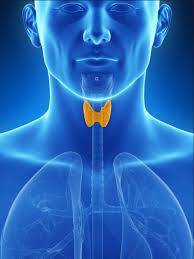
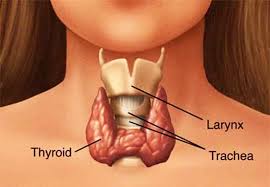
  • La glándula tiroides está situada en la región anterior del cuello (en la unión de los dos tercios superiores con el tercio inferior):
    • Consta de dos lóbulos laterales unidos en su base por un istmo, que le confiere una forma de “U” o de mariposa; y tiene un peso aproximado de 20 a 30 g. 
    • El lóbulo derecho es ligeramente mayor que el izquierdo.
    • Cada lóbulo tiene unos 5 cm de largo y 2 cm de ancho.


  • El examen físico de la glándula tiroides se realiza mediante inspección, palpación, y auscultación. 
    • Normalmente, la glándula tiroides no se aprecia en la inspección y prácticamente, no se palpa, si es de tamaño normal, solo se logra su palpación con especial cuidado y con reglas precisas.
    • Si durante la inspección se detecta un aumento de volumen, se debe realizar también la auscultación de la glándula (presencia o ausencia de soplo en la glándula tiroides vascularizadas) y la medición del cuello.
      • La glándula está unida a la tráquea y se eleva cuando el individuo traga.
      • Para que la inspección y la palpación sean de mayor utilidad, usted debe explorarla también, mientras el sujeto traga; tenga preparado un vaso de agua, para que la persona trague sorbos, cuando se lo indique.
  • Es importante tener presente que la glándula tiroides puede estar aumentada de tamaño, aunque dentro de los límites normales, por distintas circunstancias: país, altitud, pubertad, embarazo, menstruación, etc:
    • Es decir, en los estados fisiológicos de alarma de cualquier orden, en la que puede aumentar de volumen y tornarse más activa fisiológicamente.


  • Inspección:

    • Observe la región anterior del cuello de frente y de perfil, de ser posible con una iluminación tangencial, que puede ayudar a detectar mejor, cambios sutiles en el contorno o la simetría. 
      • Normalmente solo puede verse el istmo glandular, sobre todo al tragar, con mayor frecuencia en mujeres jóvenes.
    • Primero, pida a la persona que mantenga la cabeza y el cuello en una posición normal y relajada. 
    • Observe si existe alguna desviación de la tráquea, así como las delimitaciones del cartílago tiroides y del cartílago cricoides, y fíjese si hay algún aumento de volumen. 
    • Después, pida que extienda ligeramente el cuello, inclinando la cabeza hacia atrás, y que trague un sorbo de agua. 
    • Observe en ese momento, el movimiento simétrico hacia arriba de la tráquea y los cartílagos laríngeos y, de existir algún aumento de volumen, si este también se desplaza.


  • Palpación:

    • En la palpación de la glándula tiroides hay que tener en cuenta básicamente, además de la forma y el tamaño, ya descritos, su consistencia y la sensibilidad. 
    • La glándula normalmente tiene una textura parecida a la de la goma, lo que le confiere una consistencia elástica a la palpación. 
    • No son normales las masas más duras, en forma de nódulos, o que puedan distinguirse de su textura habitual. 
    • La palpación no produce habitualmente dolor, aunque la persona puede experimentar ligera molestia. 
    • Una palpación tiroidea dolorosa es anormal, como se observa en algunas formas de tiroiditis. 
    • La palpación es mejor hacerla con el sujeto sentado, situándose el explorador, primero por detrás, y luego, por delante y por los lados.


    • Abordaje posterior:
      • Párese detrás de la persona, que debe estar sentada con el cuello ligeramente flexionado, para relajar los músculos. 
      • Sé realiza entonces, la palpación del tiroides utilizando la técnica de Quervain, que consiste en rodear el cuello con ambas manos, con los pulgares descansando sobre la nuca y los cuatro dedos restantes hacia los lóbulos de cada lado.
        • Primero coloque ligeramente los pulpejos de sus dedos índice y del medio, por debajo del cartílago cricoides, para localizar y palpar el área del istmo. 
        • Repita la maniobra mientras la persona traga un sorbo de agua, lo que causa elevación del istmo y permite precisar aún más su textura, como de goma o elástica.
        • Después, pídale que incline ligeramente su cabeza hacia el lado izquierdo, para palpar el lóbulo derecho. 
        • Utilice los dedos en el lado opuesto para desplazar la glándula en dirección lateral, hacia el lado derecho, de manera que los dedos que palpan puedan sentir mejor el lóbulo. 
        • Pida a la persona que trague, mientras examina el lóbulo. 
        • Repita el procedimiento en el lado opuesto.


    • Abordaje anterior:
      • Párese frente a la persona, cuyo cuello debe estar relajado, pero ligeramente en extensión, para exponer mejor la glándula subyacente. 
      • Ahora las manos se colocan alrededor del cuello, pero con los pulgares en el plano anterior, que son los que palpan. 
      • Palpe los lóbulos tiroideos utilizando las dos técnicas descritas a continuación:
        • De frente al sujeto, el pulgar de cada mano palpa sucesivamente el lóbulo del lado opuesto, en busca de nódulos (maniobra de Crile).
        • Palpe también los lóbulos laterales, con una variante de la técnica anterior (maniobra de Lahey):
          • Se coloca el pulpejo de un dedo pulgar contra la cara lateral de la tráquea superior, empujando hacia el lado opuesto, con lo que el lóbulo del lado hacia el que se empuja, se exterioriza más hacia delante y puede ser más accesible al pulgar de la otra mano; esta maniobra se completa con la deglución, mientras se palpa.
  • Auscultación:

    • Recuerde la necesidad o no de auscultar el tiroides, especialmente cuando se sospecha hiperfunción de la glándula.

Presentation1Presentation2Presentation3

Rodrigo Arrangoiz MS, MD, FACS cirujano de tumores de cabeza y cuello / cirugia endocrina / cirugía oncológica es experto en el manejo de patología  de la glándula tiroides.

Su entrenamiento fue el siguiente:

• Cirugia general y gastrointestinal:
• Michigan State University:
• 2004 al 2010image-48• Cirugia oncológica / tumores de cabeza y cuello / cirugia endocrina:
• Fox Chase Cancer Center (Filadelfia):
• 2010 al 2012image-39• Maestria en ciencias (Clinical research for healthprofessionals):
• Drexel University (Filadelfia):
• 2010 al 2012image-50• Cirugia de tumores de cabeza y cuello / cirugiaendocrina
• IFHNOS / Memorial Sloan Kettering Cancer Center:
• 2014 al 2016image-51

https://www.cirugiatiroides.com

Goals of the treatment of cancer of the oral cavity

The goals of the treatment of cancer of the oral cavity are:

  • Cure of the cancer

  • Preservation or restoration of speech, mastication, swallowing, and external appearance

  • Minimization of the sequelae of treatment such as dental decay, osteonecrosis of the mandible, and trismus

  • Awareness of the risk of subsequent primary tumors and their management.

Surgery and radiotherapy can be used as a single modality or in combination for the treatment of cancer of the oral cavity.

B9780323055895000081_f008-041-9780323055895

Treatment Approaches:

  • In general, early-stage (stage I or II) head and neck tumors may be treated using a single modality (surgery or radiotherapy), whereas advanced disease (stage III or IV) frequently benefits from multimodality therapy.

    • The best therapeutic approach for the primary tumor depends on the anatomic site.

    • Most neck disease can be treated equally well with surgery or radiation, thus the modality chosen to treat the neck is based on which modality is selected for the primary.

    • When the primary tumor is treated with irradiation, the regional lymphatics “at-risk” are incorporated into the treatment fields.

    • Neck dissections should remain standardized (ie, complete anatomic dissections, as opposed to “berry picking” or random biopsy) in these settings to avoid incomplete surgery.

Philadelphia Illustration Dept./Elsevier
Buccal SCC

Rodrigo Arrangoiz MS, MD, FACS a head and neck surgeon and is a member of Sociedad Quirúrgica S.C at the America British Cowdray Medical Center.

He is first author on some publications on oral cavity cancer:

Training:

• General surgery:

• Michigan State University:

• 2004 al 2010

• Surgical Oncology / Head and Neck Surgery / Endocrine Surgery:

• Fox Chase Cancer Center (Filadelfia):

• 2010 al 2012

• Masters in Science (Clinical research for health professionals):

• Drexel University (Filadelfia):

• 2010 al 2012

• Surgical Oncology / Head and Neck Surgery / Endocrine Surgery:

• IFHNOS / Memorial Sloan Kettering Cancer Center:

• 2014 al 2016

Cancer of the Retromolar Trigone (RMT)

  • The retromolar trigone (RMT) is a small triangular shaped subsite of the oral cavity:

    • It is the portion of mucosa that lies behind the third inferior molar tooth covering the anterior ramus of the mandible.

    • The base of the triangle is posterior to the last inferior molar tooth.

    • The apex is in continuity with the tuberosity of the maxilla behind the last upper molar tooth.

    • It is bounded laterally by the gingival buccal sulcus and medially by the anterior tonsillar pillar.

early_stage_oral_cavity_cancer-fig_1-enAnnMaxillofacSurg_2016_6_2_304_200349_f1

  • Cancerous lesions involving the RMT are almost always squamous cell carcinomas (SCC):

    • Minor salivary gland tumors are sometimes diagnosed in this subset.

  • Because of its continuity with the oral cavity mucosa and its close relation to the mandible, spreading to adjacent structures can easily occur.

  • Because squamous cell carcinoma of the retromolar trigone results in bone infiltration, lymph node metastasis and infiltration to the infratemporal fossa in the early stages, its prognosis is poorer than that of squamous cell carcinoma in neighboring areas, such as the tonsils, oral floor and gums.

Rodrigo Arrangoiz MS, MD, FACS a head and neck surgeon and is a member of Sociedad Quirúrgica S.C at the America British Cowdray Medical Center.

He is first author on some publications on oral cavity cancer:

Oral Tongue Cancer: Literature Review and Current Management

https://www.oatext.com/pdf/CRR-2-153.pdf

Understand Cancer: Research and Treatment Oral Cavity Cancer: Literature Review and Current Management.

https://www.researchgate.net/publication/303366031_Understand_Cancer_Research_and_Treatment_Oral_Cavity_Cancer_Literature_Review_and_Current_Management

Training:

• General surgery:

• Michigan State University:

• 2004 al 2010

• Surgical Oncology / Head and Neck Surgery / Endocrine Surgery:

• Fox Chase Cancer Center (Filadelfia):

• 2010 al 2012

• Masters in Science (Clinical research for health professionals):

• Drexel University (Filadelfia):

• 2010 al 2012

• Surgical Oncology / Head and Neck Surgery / Endocrine Surgery:

• IFHNOS / Memorial Sloan Kettering Cancer Center:

• 2014 al 2016


Pathology of Oral Cavity Cancer

A. Squamous Cell Carcinoma:

– More than 90% of all head and neck cancers in the West are squamous cell carcinomas.

B. Histologic grade:

1. There are three histologic grades based on the amount of keratinization:
– A well-differentiated tumor is characterized by more than 75% keratinization.
– A moderately differentiated tumor, is characterized by 25% to 50% keratinization.
– A poorly differentiated tumor is characterized by less than 25% keratinization.

Unknown6713853577_41cf97059a_b

  • Histologic grade has not been a consistent predictor of clinical behavior.

C. Features that predict aggressive behavior include:

1. Perineural spread
2. Lymphatic invasion
3. Tumor spread beyond the lymph node capsule (Extranodal extension – ENE).

D. HPV-positive tumors tend to be non-keratinizing and poorly differentiated.


  • The most important histological feature of the primary tumor that affects selection of treatment and eventual prognosis is its depth of infiltration.

    • Thin and superficially invasive lesions have a lower risk of regional lymph node metastasis, are highly curable, and offer an excellent prognosis.

    • On the other hand, thicker lesions that deeply infiltrate the underlying soft tissues have a significantly increased incidence of regional lymph node metastasis and an adverse impact on prognosis.

  • The risk of lymph node metastasis and survival rates in relation to the thickness of the primary lesion for T1 and T2 squamous carcinomas of the oral tongue and floor of mouth are shown in the Figure.

B9780323055895000081_f008-039-9780323055895


  • Although it would be ideal to know the exact thickness of the lesion before surgical intervention, in many instances having that information before surgical excision of the primary tumor is clinically impractical.

  • In general, however, thickness of the lesion as appreciated by palpation is a reasonably good indicator of deeply invasive lesions versus superficial lesions to estimate the extent of soft tissue and/or bone resection for the primary lesion and to decide on the need for elective dissection of the regional lymph nodes at risk in a neck with negative clinical findings.

    • Pooled data from the literature on the thickness of the primary tumor for selection of elective treatment of the neck indicate that lesions thicker than 4 mm have a progressively increased risk of lymph node metastasis.

  • The presence of perineural invasion and the presence of lymphovascular tumor emboli are prognostic indicators for tumor control and survival.

  • Local recurrence also is affected by the pattern of tumor infiltration, with single cell infiltration more unfavorable than a broad, “pushing” border.

  • As one would expect, negative margins are another key factor in locoregional control.

    • If a tumor is present less than 5 mm from the resection margin, it should be stated in the pathology report because the presence of lesions (i.e., severe dysplasia/carcinoma in situ and invasive carcinoma) within this distance has been reported to be associated with a significant risk of local recurrence.

    • Histological features of the primary tumor that have an impact on therapeutic outcomes are shown in the figure.

B9780323055895000081_f008-040-9780323055895


  • Rodrigo Arrangoiz MS, MD, FACS a head and neck surgeon and is a member of Sociedad Quirúrgica S.C at the America British Cowdray Medical Center.

    He is first author on some publications on oral cavity cancer:

    Training:

    • General surgery:

    • Michigan State University:

    • 2004 al 2010

    • Surgical Oncology / Head and Neck Surgery / Endocrine Surgery:

    • Fox Chase Cancer Center (Filadelfia):

    • 2010 al 2012

    • Masters in Science (Clinical research for health professionals):

    • Drexel University (Filadelfia):

    • 2010 al 2012

    • Surgical Oncology / Head and Neck Surgery / Endocrine Surgery:

    • IFHNOS / Memorial Sloan Kettering Cancer Center:

    • 2014 al 2016

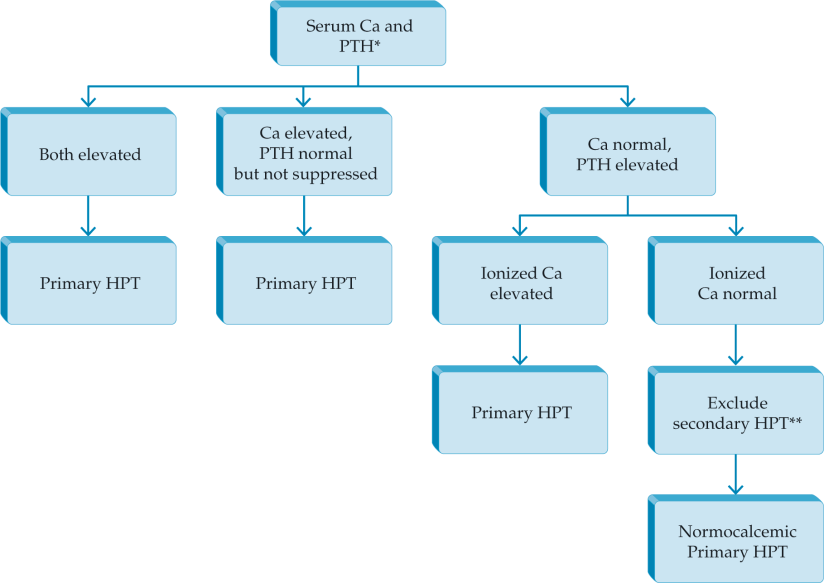
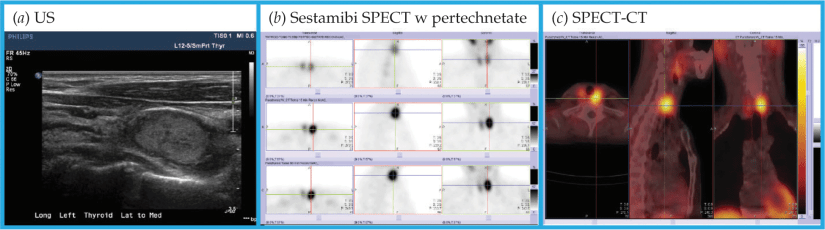
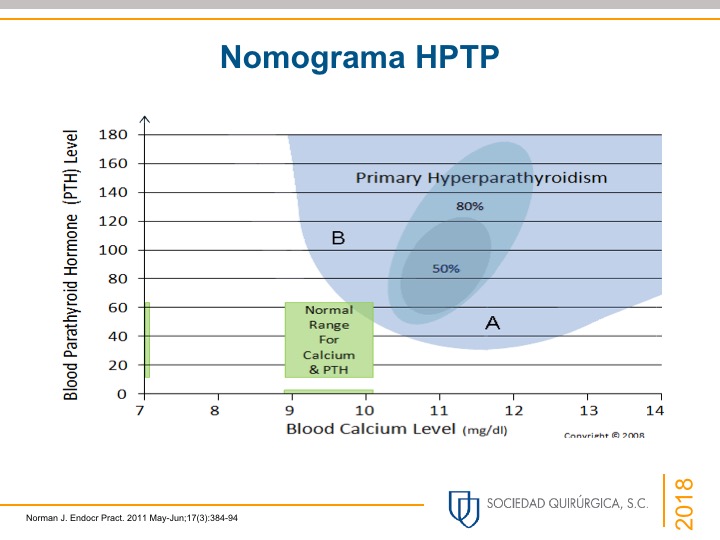
Hiperparatiroidismo Primario

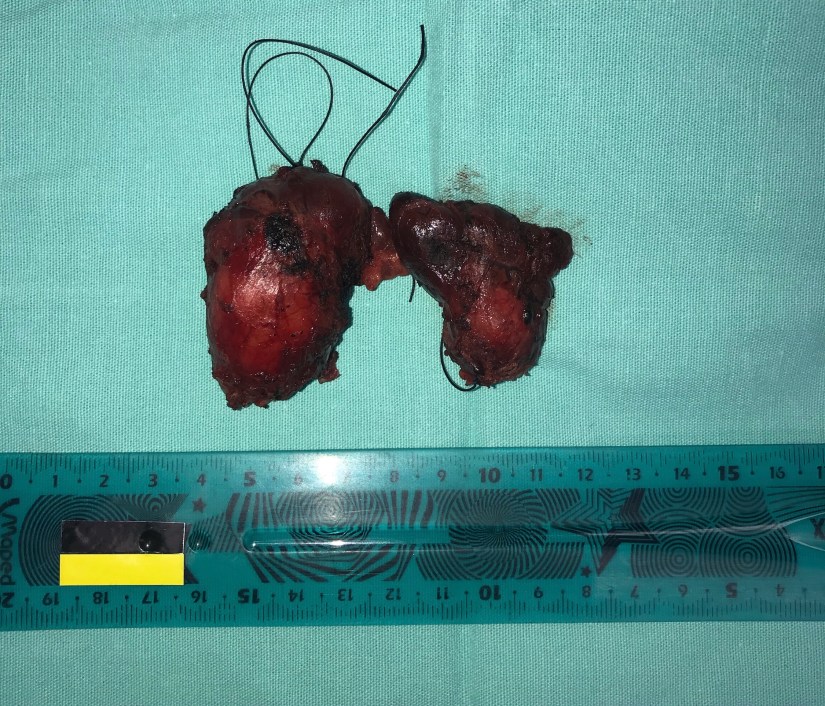
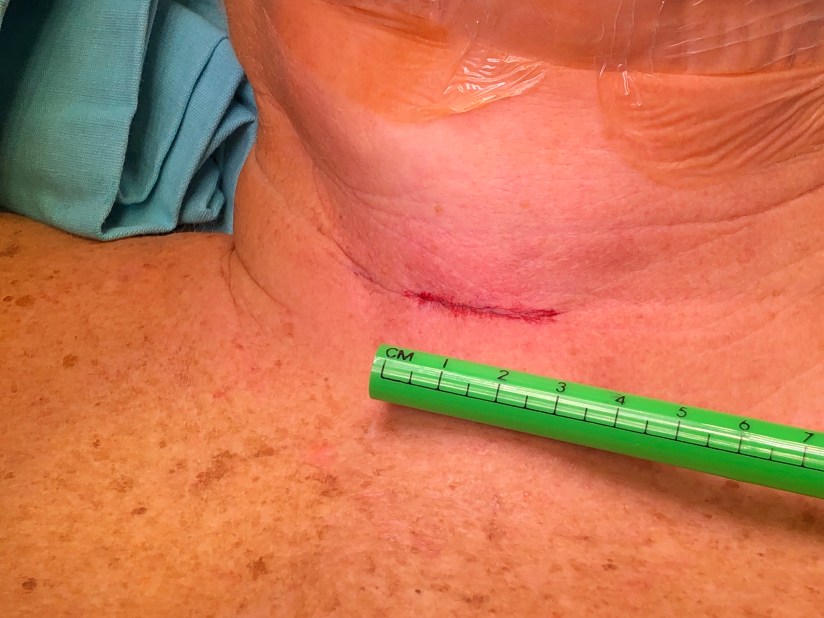
Paciente 69 años con hiperparatiroidismo primario operada por el Rodrigo Arrangoiz MS, MD, FACS miembro de Sociedad Quirúrgica SC

Paratiroidectomia radioguiada con exploración de las cuatro glándulas a través de una incisión de 2 cm de una adenoma paratiroideo

http://www.hiperparatiroidismo.info

Hiperparatiroidismo

Mujer 75 años con hiperparatiroidismo primario #arrangoiz #cirugiaendocrina #cirugiacabezaycuello http://www.hiperparatiroidismo.info