Experto en Tiroides

Rodrigo Arrangoiz MS, MD, FACS cirujano de tumores de cabeza y cuello / cirugia endocrina / cirugía oncológica es experto en el manejo de patología  de la glándula tiroides y paratiroides.

Su entrenamiento fue el siguiente:

• Cirugia general y gastrointestinal:
• Michigan State University:
• 2004 al 2010image-48• Cirugia oncológica / tumores de cabeza y cuello / cirugia endocrina:
• Fox Chase Cancer Center (Filadelfia):
• 2010 al 2012image-39• Maestria en ciencias (Clinical research for healthprofessionals):
• Drexel University (Filadelfia):
• 2010 al 2012image-50

• Cirugia de tumores de cabeza y cuello / cirugiaendocrina
• IFHNOS / Memorial Sloan Kettering Cancer Center:
2014 al 2016image-51

https://www.cirugiatiroides.com

https://hiperparatiroidismo.info


bed1cf48db8f6c6d39001781c7725a8e.jpgcropped-18403652_10206829497335208_5004404657991480104_n1.jpgF1.large20d943b1-6f20-49c3-9754-2f3756051c9312fc1993-1232-40ac-91a0-f394c7a8de2ebd310df2-281c-45ee-84ef-1877498e710a5b081828-c940-488d-bd45-21f33bd5f84f2131cd57-aa86-4187-801d-bb4d2ab2d6ef


Can Low-Dose Tamoxifen Prevent Recurrences With Reduced Toxicity?

For patients with intraepithelial neoplasia (also known as noninvasive breast cancers) treatment with tamoxifen at a dose of only 5 mg/day for 3 years, rather than the standard 20 mg/day, can reduce recurrence at a similar rate to the higher dose, according to the results of the randomized, phase 3 TAM-01 study.

  • The regimen did not significantly worsen menopausal symptoms or major adverse events compared with placebo.

    • Tamoxifen was developed in the 1960s, but the minimal effective dose has never been established, Rodrigo Arrangoiz MS, MD, FACS

Intraepithelial neoplasia represents 15% to 25% of all breast cancers, and includes a heterogeneous spectrum of disorders including atypical ductal hyperplasia (ADH), ductal carcinoma in situ (DCIS), and lobular carcinoma in situ (LCIS). 

  • Tamoxifen is very effective in prevention (risk reducing), but its potential side effects, including:

  • Endometrial cancer, deep vein thrombosis (DVT), and menopausal symptoms, act as a barrier to its use.

De Censi and colleagues hypothesized that a reduced dose and a shorter duration would be effective.

  • That idea was based on a 2003 study from this same Italian group, which showed that 5 mg of tamoxifen was comparable to 20 mg in reducing breast cancer proliferation, as measured by Ki-67 level.

At San Antonio Breast Cancer Symposium (SABCS) 2018, the TAM-01 study which included 500 women aged less than 75 years with intraepithelial neoplasia was presented:

  • They were randomized to receive either tamoxifen 5 mg/day for 3 years, or to placebo

  • The median follow-up in the study was 5.1 years.

  • Patients had a mean age of 54 years, and just under half in both groups were premenopausal.

  • Most of the cohort had DCIS (69% of tamoxifen patients, 70% of placebo patients), followed by ADH (20% in both groups), and LCIS (11% and 10%, respectively).

In total, there were 42 breast cancer or DCIS events:

  • There were 28 such events in the placebo group compared with 14 in the tamoxifen group, for a hazard ratio (HR) of 0.48 (95% CI, 0.26–0.92; P = .024).

    • The placebo patients had a rate of 23.9 events per 1,000 person-years, compared with 11.6 events per 1,000 person-years with tamoxifen.

  • There were 12 cases of contralateral breast cancer in the placebo group, compared with 3 cases in the tamoxifen group, for an HR of 0.24 (95% CI, 0.07–0.87; P = .018).

  • There was one case of endometrial cancer in the tamoxifen group, and none in the placebo patients.

  • There were four other neoplasms with tamoxifen and six with placebo.

  • Both groups had one case of DVT or pulmonary embolism, and both had two cases of coronary heart disease.

    • With 20 mg/day of tamoxifen:

      • 2.7 cases of endometrial cancer and 2.4 cases of DVT/pulmonary embolism would be expected.

  • Notably, the regimen did not appear to significantly worsen menopausal symptoms.

    • There was a significant increase in the frequency of daily hot flashes (P = .05), but the absolute increase was less than one.

    • There was no difference between tamoxifen and placebo with regard to vaginal dryness or pain during intercourse (P = .57), or with regard to musculoskeletal pain/arthralgia (P = .84).

img_0832-2img_0833-2img_0836-2img_0835-2img_0834-2img_0837-2

Rodrigo Arrangoiz MS, MD, FACS a surgical oncologist and is amember of Sociedad Quirúrgica S.C at the America British Cowdray Medical Center in Mexico City:

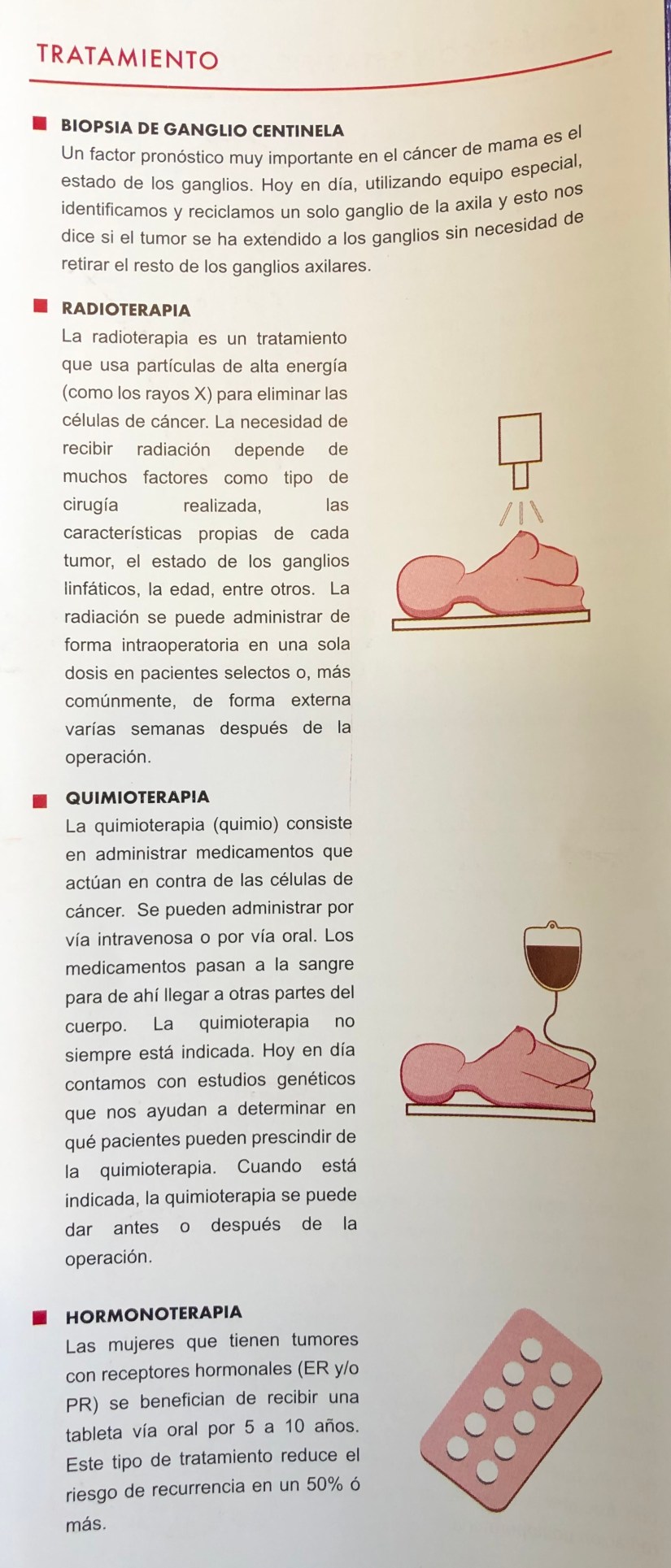
  • He is an expert in the management of breast cancer.

    • If you have any questions about risk reducing therapies for breast cancer please fill free to ask him.

Training:

• General surgery:

• Michigan State University:

• 2004 al 2010

• Surgical Oncology / Head and Neck Surgery / Endocrine Surgery:

• Fox Chase Cancer Center (Filadelfia):

• 2010 al 2012

• Masters in Science (Clinical research for health professionals):

• Drexel University (Filadelfia):

• 2010 al 2012

• Surgical Oncology / Head and Neck Surgery / Endocrine Surgery:

• IFHNOS / Memorial Sloan Kettering Cancer Center:

• 2014 al 2016

Partial Breast Radiation Good for Early Breast Cancer

The NSABP B 39 / RTOG 0413 a 10-year randomized trial could not definitively conclude that partial breast irradiation (PBI) is equivalent to whole breast irradiation (WBI) in controlling local in-breast tumor recurrence, but the absolute difference between the two treatments was very small, suggesting it could be a useful option in some women.

In the effort to improve the quality of life of patients, Frank Vicini, MD, of William Beaumont Hospital in Royal Oak, Michigan, studied whether corn to it would be possible to reduce the treatment time for women undergoing radiation:

  • While WBI can mean 5 to 6 weeks of treatment, a PBI approach could bring that down toward 5 to 6 days.

Vicini presented results of a trial comparing PBI and WBI in 4,216 women with ductal carcinoma in situ, or invasive N0 or N1 breast cancer, at the San Antonio Breast Cancer Symposium (SABCS), held December 4 to 8 (abstract GS4-04).

  • The WBI patients received 50 Gy at 2.0 Gy/fraction or 50.4 Gy at 1.8 Gy/fraction to the whole breast, followed by an additional boost of at least 60 Gy

  • The PBI patients received 10 treatments on 5 days totaling 34 Gy in 3.4-Gy fractions of interstitial brachytherapy or MammoSite balloon catheter, or 38.5 Gy in 3.85-Gy fractions using 3D conformal external beam therapy.

In total, there were 161 ipsilateral breast tumor recurrence (IBTR) events, including 90 events with PBI and 71 with WBI, for a hazard ratio (HR) of 1.22 (90% CI, 0.94–1.58).

  • The trial design required that the upper bound of the 90% CI to be under 1.5, meaning the study failed to meet its primary endpoint.

    • However, the absolute difference in 10-year cumulative incidence of IBTR between the two therapies was only 0.7% (4.6% vs 3.9%).

  • Similarly, the recurrence-free interval slightly favored the WBI group:

    • The 10-year recurrence-free survival rate was 93.4% with WBI and 91.8% with PBI, for an HR of 1.33 (95% CI, 1.04–1.69; P = .02).

    • The 10-year distant disease–free rate was 97.1% with WBI and 96.7% with PBI, for an HR of 1.31 (95% CI, 0.91–1.91; P = .15).

    • Overall survival was also similar, with 10-year rates for WBI and PBI of 91.3% and 90.6%, respectively, and an HR of 1.10 (95% CI, 0.90–1.35; P = .35).

Though the study did fail to meet its primary endpoint, Vicini said the absolute differences mean PBI should not be ruled out:

  • Because the differences relative to both IBTR and recurrence-free interval were small, PBI may be an acceptable alternative to WBI for a proportion of women who undergo breast-conserving surgery.

img_0832-2img_0833-2img_0834-2img_0835-2img_0836-2img_0837-2


Rodrigo Arrangoiz MS, MD, FACS a surgical oncologist and is a member of Sociedad Quirúrgica S.C at the America British Cowdray Medical Center in Mexico City:

  • He is an expert in the management of breast cancer.

    • If you have any questions about PBI please fill free to ask him.

Training:

• General surgery:

• Michigan State University:

• 2004 al 2010

• Surgical Oncology / Head and Neck Surgery / Endocrine Surgery:

• Fox Chase Cancer Center (Filadelfia):

• 2010 al 2012

• Masters in Science (Clinical research for health professionals):

• Drexel University (Filadelfia):

• 2010 al 2012

• Surgical Oncology / Head and Neck Surgery / Endocrine Surgery:

• IFHNOS / Memorial Sloan Kettering Cancer Center:

• 2014 al 2016

Basal-like Breast Cancers

  • Global gene expression analyses using high-throughput technologies have established five breast cancer intrinsic subtypes:

    • Luminal A

    • Luminal B

    • HER2-enriched

    • Claudin-low

    • Basal-like

    • Normal breast-like group

slide_4

  • There is no internationally accepted definition for basal-like breast cancers:

    • Some have used microarray-based expression profiling while others have used immunohistochemical markers as surrogates:

      • Immunohistochemical marker panels that have been proposed include:

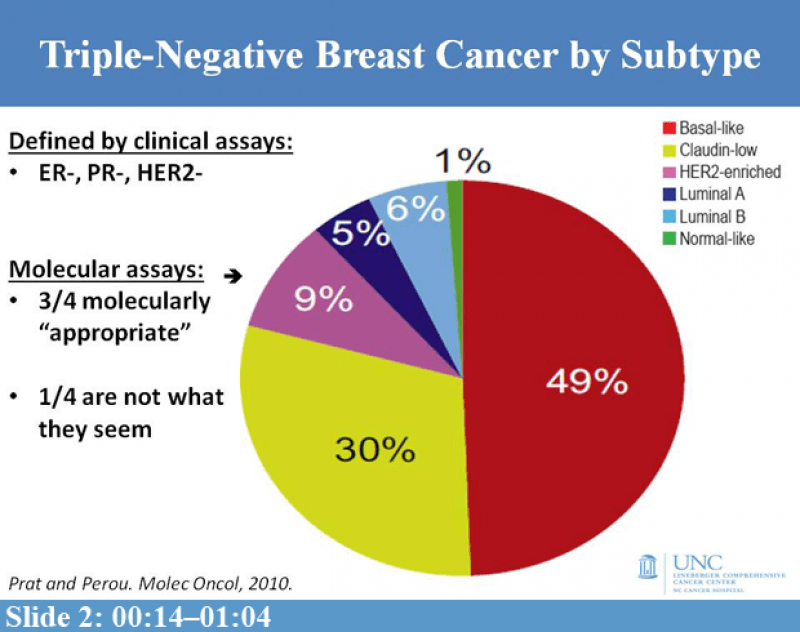
        • Lack of estrogen receptor (ER), progesterone receptor (PR), and human epidermal growth factor receptor (HER2) expression or triple-negative phenotype:

          • Triple-negative breast cancers have been defined as tumors that are devoid of the expression of estrogen receptor (ER), progesterone receptor (PR), and HER2.

        • Expression of one or more cytokeratins (CK5/6, CK14, and CK17)

        • A combination of a lack of expression of ER, and/or PR, and HER2 with expression of CK5/6 and/or epidermal growth factor receptor.

    • Basal-like tumors, which account for approximately 15% of breast cancers  (12% to 17%) have a distinct clinical presentation and response to chemotherapy and tend to be more aggressive than other subtypes.

    • They are found in younger women, in African American women, and tend to present as interval cancers.

    • They cannot be solely defined by their immunohistochemical characteristics though as not all triple-negative tumors will be basal like:

      • In fact, medullary and adenoid cystic cancers tend to be triple negative but are actually indolent, slow growing tumors with very good prognoses.

      • Studies show that 57% of triple-negative breast cancers are basal-like as are nearly 30% of HER2-enriched tumors.

Basal-Like+Carcinoma+Subtype+of+invasive+breast+cancer+identified+through+gene+expression+profiling+studies.

  • Although broad generalizations can be made regarding the tumor subtype using immunohistochemical markers, these generalizations may not be entirely accurate for the whole tumor subtype:

    • For example, approximately 87% of luminal A tumors and 72% of luminal B tumors demonstrate an ER-positive/HER2-negative phenotype.

    • Interestingly, 7% to 8% of the luminal A and luminal B molecular tumors are negative for ER expression by immunohistochemistry.

    • Also, luminal B tumors can show an ER-positive/HER2-positive phenotype in 20% of cases and nearly 34% of the HER2-enriched molecular class is negative for HER2 expression by immunohistochemistry or fluorescence in situ hybridization.

  • Although discrepancies between immunohistochemistry and microarray of tumor genomic profiling exist we currently lack enough data to treat on microarray features alone:

    • In general, treatment decisions are still made based on immunohistochemistry characteristics.

mco-2011-slide-12-j-gligorov-spotlight-session-triple-negative-breast-cancer-an-overview-23-728

  • This category of breast cancer includes other molecular subtypes of breast cancers such as:

    • Claudin-low tumors which have cells with stem-cell like properties

    • Interferon-rich subgroup with better prognosis than the triple-negative breast cancers

    • Normal breast–like subgroup, with a disproportionate high numbers of stromal and normal cells

img_0832-2img_0833-2img_0834-2img_0836-2img_0835-2img_0837-2

Rodrigo Arrangoiz MS, MD, FACS a surgical oncologist and is a member of Sociedad Quirúrgica S.C at the America British Cowdray Medical Center in Mexico City:

  • He is an expert in the management of breast cancer.

Training:

• General surgery:

• Michigan State University:

• 2004 al 2010

• Surgical Oncology / Head and Neck Surgery / Endocrine Surgery:

• Fox Chase Cancer Center (Filadelfia):

• 2010 al 2012

• Masters in Science (Clinical research for health professionals):

• Drexel University (Filadelfia):

• 2010 al 2012

• Surgical Oncology / Head and Neck Surgery / Endocrine Surgery:

• IFHNOS / Memorial Sloan Kettering Cancer Center:

• 2014 al 2016

Adenomyoepitheliomas

Malignant Adenomyoepithelioma

  • Adenomyoepitheliomas, first described in 1970, occur almost always, but not exclusively, in women.

    • They typically arise during the 5th or 6th decade and present as solitary lesions that often have suspicious imaging findings including irregular, microlobulated borders and hypervascularity. 

    • They are characterized by dual ductal and myoepithelial differentiation, and can be classified as:

      • Hyperplastic (adenomyoepitheliosis)

      • Benign neoplasm (adenomyoepithelioma)

      • Malignant neoplasm (malignant adenomyoepithelioma).

    • Pathologic patterns include:

      • Papillary, lobular, tubular, and mixed.

    • Most adenomyoepitheliomas are benign and are cured by local excision, but malignant transformation occurs in up to 25% of cases.

      • Accordingly, complete surgical excision is essential. 

img_0832-2img_0837-2img_0833-2img_0834-2img_0836-2img_0835-2

Rodrigo Arrangoiz MS, MD, FACS a surgical oncologist and is a member of Sociedad Quirúrgica S.C at the America British Cowdray Medical Center in Mexico City:

  • He is an expert in the management of breast cancer.

Training:

• General surgery:

• Michigan State University:

• 2004 al 2010

• Surgical Oncology / Head and Neck Surgery / Endocrine Surgery:

• Fox Chase Cancer Center (Filadelfia):

• 2010 al 2012

• Masters in Science (Clinical research for health professionals):

• Drexel University (Filadelfia):

• 2010 al 2012

• Surgical Oncology / Head and Neck Surgery / Endocrine Surgery:

• IFHNOS / Memorial Sloan Kettering Cancer Center:

• 2014 al 2016

Clinical Series of Patients with Micropapillary Thyroid Cancer

cover_article_857_en_US

  • The Mayo Clinic series includes:

    • 900 patients with an average follow-up of 17.2 years (range of 6 to 89 years):

      • 23% of the tumors were multifocal.

      • 17% bilateral.

      • 2% extrathyroidal.

      • 30% had nodal involvement.

      • 0.3% had distant metastatic disease.

    • Less than 25% were under 5 mm and over a third were 9 to 10 mm.

    • The 40-year cause specific mortalitywas 0.7:

      • All three patients who died presented with lymphadenopathy.

      • One had massive lymphadenopathy

      • One had pulmonary metastases upon presentation.

    • Recurrences occurred in 8% of patients:

      • Most in the cervical lymph nodes, but 1.5% occurred in the thyroid bed.

      • Nodal recurrences occurred in 16% of patients with positive nodes at presentation and only 0.8% of patients without nodes at presentation.

      • Recurrences occurred in 11% of patients with multifocal disease and 4% of patients with unifocal disease.

  • The Noguchi Thyroid Clinic in Japan series:

    • Included 2070 patients with an average follow-up of 15 years.

    • Recurrences occurred in 3.5% of patients at a mean of 10.3 years.

    • Distant metastases occurred in only 0.2% of patients.

    • Recurrence was more likely in patients with larger tumors (greater than 5 mm), more lymph nodes, and invasion (e.g., into the recurrent laryngeal nerve or esophagus), and less likely in patients with coexistent thyroid autoimmunity.

  • The series of 281 patients from the Gustave-Roussy Institute in France includes some patients with sub centimeter follicular thyroid cancers but demonstrates similar rates of recurrence:

    • 2.5% in cervical lymph nodes.

    • 1.4% in the thyroid bed.

  • The series of 203 patients from the Queen Elizabeth Hospital in Hong Kong reports a 4.9% rate of nodal recurrence and a 1% rate of local recurrences:

    • Two patients developed pulmonary metastases (1%), and two patients died.

    • The risk of lymph nodal recurrence was increased 6.2-fold when nodes were present at presentation and 5.6-fold when the tumor was multifocal.

    • The researchers did not find higher recurrencerates in tumors greater than 5 mm, but the larger micropapillary cancers were more likely to have extrathyroidal extension

  • Recurrence occurred in 4.8% of 293 patients reported from South Korea after a median follow-up of 65 months:

    • Cervical nodes at presentation were associated with an increased risk of recurrence.

  • Recurrence occurred in 3.1% of 287 patients from Rome, Italy, and included 2 patients (0.7%) with distant metastases; multifocal disease, extrathyroidal extension, and a higher number of cervical nodes at presentation were risk factors for recurrence.

  • Data from several series show:

    • Multifocality in 20% to 40% of patients.

    • Bilateral disease in 10% to 19% of patients.

    • Extra thyroidal invasion in 2% to 38% of patients,.

    • Cervical nodal involvement in 17% to 43% of patients:

    • Distant metastases in 0% to 3% of patients.

  • In one series of 671 patients from Seoul, Korea:

    • 24% had central nodal involvement.

    • 3.7% had lateral nodal involvement.

Thyroid Cancer Statistics


Rodrigo Arrangoiz MS, MD, FACS a head and neck surgeon and is a member of Sociedad Quirúrgica S.C at the America British Cowdray Medical Center in Mexico City:

  • He is an expert in the management of thyroid cancer.

Training:

• General surgery:

• Michigan State University:

• 2004 al 2010

• Surgical Oncology / Head and Neck Surgery / Endocrine Surgery:

• Fox Chase Cancer Center (Filadelfia):

• 2010 al 2012

• Masters in Science (Clinical research for health professionals):

• Drexel University (Filadelfia):

• 2010 al 2012

• Surgical Oncology / Head and Neck Surgery / Endocrine Surgery:

• IFHNOS / Memorial Sloan Kettering Cancer Center:

• 2014 al 2016

http://www.cirugiatiroides.com

#Arrangoiz #HeadandNeckSurgery #EndocrineSurgery #SurgicalOncology #ThyroidSurgery #ThyroidCancerExpert #CirugiadeTumoresdeCabezayCuello #CirugiaEndocrina #CirugiadeTiroides #ExpertoenCancerdeTiroides #CancerSurgeon


Thyroid Cancer Statistics

Thyroid Cancer Statistics

  • Number of New Cases and Deaths per 100,000:

    • The number of new cases of thyroid cancer was 14.5 per 100,000 men and women per year:

      • In 2007 incidence from the SEER database showed the number of new cases of thyroid cancer was 11.99 per 100,000, men and women compared to only 4.85 per 100,000 in 1975.

    • The number of deaths was 0.5 per 100,000 men and women per year:

      • These rates are age-adjusted and based on 2011-2015 cases and deaths.

  • Lifetime Risk of Developing Thyroid Cancer:

    • Approximately 1.2% of men and women will be diagnosed with thyroid cancer at some point during their lifetime:

      • Based on 2013-2015 data.

  • Prevalence of Thyroid Cancer:

    • In 2015, there were an estimated 765,547 people living with thyroid cancer in the United States:

      • In 2007, the measured prevalence of thyroid cancer  was 434,256.

  • How Many People Survive Five Years Or More after Being Diagnosed with Thyroid Cancer?

    • Relative survival statistics compare the survival of patients diagnosed with cancer with the survival of people in the general population who are the same age, race, and sex and who have not been diagnosed with cancer:

      • Because survival statistics are based on large groups of people, they cannot be used to predict exactly what will happen to an individual patient.

      • No two patients are entirely alike, and treatment and responses to treatment can vary greatly.

Survival Statistics at 5 Years for Thyroid Cancer

  • Survival by Stage:

    • Cancer stage at diagnosis, which refers to extent of a cancer in the body, determines treatment options and has a strong influence on the length of survival:

      • In general, if the cancer is found only in the part of the body where it started it is localized (sometimes referred to as stage 1).

      • If it has spread to a different part of the body, the stage is regional or distant.

      • For thyroid cancer, 67.3% are diagnosed at the local stage:

        • The 5-year survival for localized thyroid cancer is 99.9%.

Thyroid Cancer 5 Year Survival by Stage

  • How Common Is ThyroidCancer?

    • Compared to other cancers, thyroid cancer is relatively rare.

How Common is Thyroid Cancer Compared to other Cancers

  • Who Gets Thyroid Cancer?

    • Thyroid cancer is more common in women than men and among those with a family history of thyroid disease.

    • The number of new cases of thyroid cancer was 14.5 per 100,000 men and women per year based on 2011-2015 cases.

Number of New Cases of Thyroid Cancer Based on Age, Race

New Cases of Thyroid Cancer by Age

  • Who Dies From Thyroid Cancer?

    • Death rates increase with age.

  • The number of deaths was 0.5 per 100,000 men and women per year based on 2011-2015 deaths.

Number of Deaths for Thyroid Cancer

Death from Thyroid Cancer by Age Group.jpg

Rodrigo Arrangoiz MS, MD, FACS a head and neck surgeon and is a member of Sociedad Quirúrgica S.C at the America British Cowdray Medical Center in Mexico City:

  • He is an expert in the management of thyroid cancer.

Training:

• General surgery:

• Michigan State University:

• 2004 al 2010

• Surgical Oncology / Head and Neck Surgery / Endocrine Surgery:

• Fox Chase Cancer Center (Filadelfia):

• 2010 al 2012

• Masters in Science (Clinical research for health professionals):

• Drexel University (Filadelfia):

• 2010 al 2012

• Surgical Oncology / Head and Neck Surgery / Endocrine Surgery:

• IFHNOS / Memorial Sloan Kettering Cancer Center:

• 2014 al 2016

https://seer.cancer.gov/statfacts/html/thyro.html

http://www.cirugiatiroides.com

#Arrangoiz #HeadandNeckSurgery #EndocrineSurgery #SurgicalOncology #ThyroidSurgery #ThyroidCancerExpert #CirugiadeTumoresdeCabezayCuello #CirugiaEndocrina #CirugiadeTiroides #ExpertoenCancerdeTiroides

Papillary Thyroid Microcarcinoma I

thyroid-cancer-shown-1

Introduction

  • Papillary cancers that are 10 mm or less in maximal diameter are called micro papillary cancers:

    • The World Health Organization (WHO) classification suggests the term be used for incidentally discovered lesions.

  • Previously these lesions were called occult papillary cancers, because they were primarily incidental findings at autopsy or following thyroidectomy:

    • However, technological improvements in imaging have made the occult terminology obsolete, as micropapillary cancers are routinely imaged by high-resolution ultrasonography:

      • As a result, the detection of micro papillary cancers has reached epidemic proportions:

        • Accounting for 40% to 43% of the thyroid cancers excised

histology-PTC3-high-powerws

Prevelance

  • The high prevalence of micro papillary cancer has been appreciated from autopsy studies done decades prior to the emergence of high-resolution ultrasonography:

    • In the United States, these studies have shown up to a 13% prevalence of micro papillary cancer, whereas in other parts of the world substantially higher prevalence rates have been noted:

      • In Finland, the prevalence in one study was 36%.

    • The prevalence of micro papillary carcinoma in pathologic specimens is also highly dependent on how carefully one looks for it:

      • In one Spanish study, the initial prevalence based on grossly visible lesions was 5.3%, but when each thyroid was cut into blocks and carefully examined histologically:

        • The prevalence increased to 22%.

  • The prevalence of micro papillary carcinoma in some series was independent of age:

    • In Sweden the prevalence was approximately 7% for patients under age 50 or over age 80, and in Wisconsin in the United States the prevalence was 3% in an autopsy study of young adults.

  • Micro papillary carcinoma is frequently an incidental finding at the time of thyroid surgery and has been reported in 2% to 24% of surgical specimens.

Rodrigo Arrangoiz MS, MD, FACS a head and neck surgeon and is a member of Sociedad Quirúrgica S.C at the America British Cowdray Medical Center in Mexico City.

Training:

• General surgery:

• Michigan State University:

• 2004 al 2010

• Surgical Oncology / Head and Neck Surgery / Endocrine Surgery:

• Fox Chase Cancer Center (Filadelfia):

• 2010 al 2012

• Masters in Science (Clinical research for health professionals):

• Drexel University (Filadelfia):

• 2010 al 2012

• Surgical Oncology / Head and Neck Surgery / Endocrine Surgery:

• IFHNOS / Memorial Sloan Kettering Cancer Center:

• 2014 al 2016

http://www.cirugiatiroides.com

#Arrangoiz #HeadandNeckSurgery #EndocrineSurgery #SurgicalOncology #ThyroidSurgery #ThyroidCancerExpert #CirugiadeTumoresdeCabezayCuello #CirugiaEndocrina #CirugiadeTiroides #ExpertoenCancerdeTiroides

Adenoid Cystic Carcinoma (ACC)

  • Adenoid cystic carcinoma (ACC) accounts for approximately 10% of all salivary gland neoplasms:

    • This is the most common malignant disorder to arise in the submandibular, the sublingual, and the minor salivary glands.

Unknown
ACC of the hard palate
JClinImagingSci_2013_3_2_10_120793_u1
ACC of the sublingual gland.
  • More than two thirds (65%) of them arise from the minor salivary glands:

    • Most commonly located within the oral cavity (palate), followed by the nasal cavity, and nasopharynx.

    • They were considered the most common malignant salivary gland tumor to involve the palate, but polymorphous low-grade adenocarcinoma is rapidly increasing in incidence.

  • ACC arise more often in women than in men and tend to affect adults in their fifth through seventh decades of life, often presenting as an otherwise asymptomatic mass.

  • Its natural history demonstrates a paradox:

    • First, tumor growth is slow, but its clinical course is unyielding and progressive.

    • Second, operative intervention is usually possible, but multiple local recurrences are the norm.

    • Third, metastatic spread to regional lymph nodes is rare, but distant spread to the lungs and bones is common (40% to 50% of the cases).

    • And fourth, 5-year survival rates are expectantly high, but 10 to 20-year survival rates are dismally low.

  • Tumor stage is considered the most reliable indicator of overall outcome, but some authors have questioned the importance of histologic sub-typing:

    • There is a strong positive correlation between site of origin and prognosis.

      • The more favorable outcome with major (relative to minor) salivary gland ACC is attributed to the earlier discovery of the neoplasm at these more accessible locations.

  • ACC is not encapsulated or partially encapsulated and infiltrates the surrounding tissue (the risk of local failure is approximately 50% with surgery alone).

  • Histologically they have a basaloid epithelium clustered in nests in a hyaline storm.

  • ACC can be categorized into three growth patterns cribriform, tubular, and solid patterns:

    • The most common histologic subtype is the cribriform type (44%), characterized by a “Swiss cheese” pattern of vacuolated areas:

      • The prognosis for the cribriform subtype is intermediate.

  • The tubular subtype (35%) carries the best prognosis and is characterized by cords and nests of malignant cells.

  • The solid subtype (21%) has the worst prognosis in terms of distant metastasis and long-term survival.:

    • Solid sheets of adenoid malignant cells characterize this subtype.

salivary-gland-pathology-23-638salivary-gland-pathology-68-638salivary-gland-pathology-66-638

Rodrigo Arrangoiz MS, MD, FACS a head and neck surgeon and is amember of Sociedad Quirúrgica S.C at the America British Cowdray Medical Center.

He is first author on some publications on oral cavity cancer:

Training:

• General surgery:

• Michigan State University:

• 2004 al 2010

• Surgical Oncology / Head and Neck Surgery / Endocrine Surgery:

• Fox Chase Cancer Center (Filadelfia):

• 2010 al 2012

• Masters in Science (Clinical research for health professionals):

• Drexel University (Filadelfia):

• 2010 al 2012

• Surgical Oncology / Head and Neck Surgery / Endocrine Surgery:

• IFHNOS / Memorial Sloan Kettering Cancer Center:

• 2014 al 2016