Familial non-medullary thyroid cancer (FNMTC)

Familial non-medullary thyroid cancer (FNMTC) constitutes 3–9% of all thyroid cancer (TC) cases and is divided into syndromic and non-syndromic FNMTC. In syndromic a FNMTC, patients are at risk of non-medullary thyroid cancer (minor component) and multiple other tumors with syndrome-specific clinical features (Familial adenomatous polyposis, Gardner syndrome, Cowden syndrome, Werner syndrome, Carney complex). The genes for syndromic FNMTC are known.

In non-syndromic FNMTC, thyroid cancer is the major feature of the disease, and the susceptibility gene has not yet been identified.

First, let’s define the diagnosis and management of FNMTC. Population studies have shown that the risk of TC increases nine-fold in patients who have a first-degree relative with TC. Traditionally, FNMTC is diagnosed when two or more first-degree relatives are affected [1]. The probability that a patient’s cancer is FNMTC is greater than 95% when ≥3 first-degree relatives are affected, compared to 31–38% when only two first-degree relatives are affected [2]. However, given the high incidence of TC in the general population, patients with only two first-degree relatives with non-medullary thyroid cancer (NMTC) could represent sporadic disease (a chance occurrence) and not an inherited predisposition [2].

In a prospective screening study at the National Cancer Institute [3], Dr. Klubo-Gwiezdzinska used thyroid ultrasound and physical examination in family members who had at least two first-degree relatives affected with TC and evaluated thyroid nodules according to the ATA guidelines. They found that 4.6% of people in families with two affected first-degree relatives had TC diagnosed on screening, while 22.7% of those from families with ≥3 affected first-degree relatives had a TC diagnosis. All cases diagnosed by screening had smaller tumor size, lower rate of central neck lymph node metastases, needed less extensive initial surgical intervention, and had a lower rate of radioiodine therapycompared to patients who presented with clinical disease. The youngest age of TC detection was 18 years old. They suggested screening with thyroid ultrasound in patients with ≥3 family members affected by FNMTC [3, 4]. However, recent ATA guidelines do not recommend screening and surveillance in non-syndromic FNMTC, citing a lack of evidence. To date, it is unknown whether earlier detection of less-advanced disease via this proposed screening and surveillance approach would result in a lower rate of TC recurrence and TC-related death or in overdiagnosis and overtreatment.

Second, is FNMTC more aggressive than sporadic disease? This is still debated. A meta-analysis of 12 studies with a total of 12,741 participants compared the extent of disease and outcomes in non-syndromic FNMTC versus sporadic NMTC and found that FNMTC was associated with a younger age at diagnosis and higher rate of multifocal and bilateral tumors, extrathyroidal invasion, lymph node metastasis, and recurrence rate [5]. In a recent prospective cohort study comparing 78 patients with FNMTC to 53,571 NMTC patients [6], FNMTC cases presented at a younger age, with a greater rate of lymph node metastasis. On the other hand, a retrospective study in which 67 patients with FNMTC and 375 controls with sporadic disease were followed for 10 years showed similar long-term disease-free survival rates [7]. Some of these discrepancies are due to study design shortcomings, such as variable inclusion criteria/definitions for FNMTC, data based on retrospective studies, and small sample size.

Third, which are the genes believed to cause non-syndromic FNMTC? By performing linkage analyses and whole-genome/-exome sequencing studies, several candidate genes have been found, including the serine/arginine repetitive matrix 2 gene (SRRM2) [8]; HABP2 germline variant, G534E [9]; and genes involved in the MAPK/ERK and PI3K/AKT pathways [10]. However, all these variants appear to be present in only a few patients, are most often not present within all family members affected by FNMTC, and are subsequently not validated across different populations. Unstudied alternative mechanisms, such as epigenetic mechanisms, might be involved in FNMTC and warrant further investigations.

These findings highlight a real black box and the need for future large prospective studies. Ensuing results might help establish improved management guidelines for providers and patients with multiple family members harboring TC and raise their awareness about FNMTC.

References:
1. Malchoff, C.D. and D.M. Malchoff, Familial nonmedullary thyroid carcinoma. Cancer Control, 2006. 13(2): p. 106-10.
2. Charkes, N.D., On the prevalence of familial nonmedullary thyroid cancer in multiply affected kindreds. Thyroid, 2006. 16(2): p. 181-6.
3. Klubo-Gwiezdzinska, J., et al., Results of Screening in Familial Non-Medullary Thyroid Cancer. Thyroid, 2017. 27(8): p. 1017-1024.
4. Sadowski, S.M., et al., Prospective screening in familial nonmedullary thyroid cancer. Surgery, 2013. 154(6): p. 1194-8.
5. Wang, X., et al., Endocrine tumours: familial nonmedullary thyroid carcinoma is a more aggressive disease: a systematic review and meta-analysis. Eur J Endocrinol, 2015. 172(6): p. R253-62.
6. El Lakis, M., et al., Do patients with familial nonmedullary thyroid cancer present with more aggressive disease? Implications for initial surgical treatment. Surgery, 2019. 165(1): p. 50-57.
7. Robenshtok, E., et al., Clinical characteristics and outcome of familial nonmedullary thyroid cancer: a retrospective controlled study. Thyroid, 2011. 21(1): p. 43-8.
8. Tomsic, J., et al., A germline mutation in SRRM2, a splicing factor gene, is implicated in papillary thyroid carcinoma predisposition. Sci Rep, 2015. 5(10566).
9. Gara, S.K., et al., Germline HABP2 Mutation Causing Familial Nonmedullary Thyroid Cancer. N Engl J Med, 2015. 373(5):448-55.
10. Srivastava, A., et al., Whole Genome Sequencing of Familial Non-Medullary Thyroid Cancer Identifies Germline Alterations in MAPK/ERK and PI3K/AKT Signaling Pathways. LID – 10.3390/biom9100605 [doi] LID – 605. Biomolecules 2019. 9(10): p. 605.
Signs and Symptoms of Hypothyroidism

head-neck

  • General:           

    • Weight gain 
    • Fatigue
    • Cold intolerance and hypothermia
    • Hyponatremia
  • Musculoskeletal:

    • Myalgia
    • Muscle cramps
    • Carpel tunnel syndrome
    • Elevation of creatine phosphokinase
  • Skin:    

    • Dry and coarse skin
    • Pretibial myxedema (nonpitting edema) 
    • Dry and coarse hair
    • Hair loss
  • Nervous System:

    • Depression
    • Decreased concentration
    • Dementia
  • Head and Neck:

    • Hoarse voice     
    • Enlarged tongue   
    • Periorbital edema
    • Goiter
  • Cardiovascular:

    • Bradycardia
    • Diastolic hypertension
    • Hypercholesterolemia
    • Pericardial effusion
    • Congestive heart failure

  • Gastrointestinal:         

    • Constipation
  • Reproductive:

    • Irregular menstrual periods / amenorrhea
    • Menorrhagia
    • Galactorrhea with elevated prolactin levels
    • Infertility
    • Increase risk of miscarriage

#Arrangoiz #CancerSurgeon #ThyroidSurgeon #ParathyroidSurgeon #HeadandNeckSurgeon #ThyroidExpert #SurgicalOncologist #EndocrineSurgery #MountSinaiMedicalCenter #Miami #ThyroidNodule  #Hypothyroidism

Management of Hyperthyroidism

  • TNG:
    • Generally causes milder symptoms than Graves’ disease
  • In the absence of contraindications:
    • Beta-blockers may be used for symptomatic relief:
      • While awaiting results of definitive treatment
    • Beta-blockers may also be appropriate for patients with:
      • Atrial fibrillation and rapid ventricular response
    • Propranolol has been widely used to block T4 to T3 conversion:
      • A theoretic benefit
    • selective beta-blocker:
      • Such as atenolol:
        • May be used in patients who cannot tolerate propranolol
    • If beta-blockers are contraindicated:
      • A calcium channel blocker may be useful
  • Definitive Treatment:
    • Toxic Nodular Goiter:
      • RAI therapy (with 131I) and surgery:
        • Are effective options for the definitive treatment for TNG
      • The long-term use of thionamide antithyroid drugs (ATDs):
        • Is not favored:
          • Unless either 131I therapy or surgery is contraindicated
      • Thionamides, however, may be used before surgery:
        • Especially in older patients:
          • Until euthyroidism is restored
      • Radioactive iodine:
        • The clinical utility of RAI therapy in the management of TNG:
          • Is well established
        • If radioactive iodine uptake (RAIU) is adequate and the patient is not a good surgical candidate:
          • RAI is the treatment of choice 
        • Although the dose of 131I may be calculated on the basis of uptake determinations and gland weight:
          • TNGs are relatively resistant to 131I:
            • Because of their larger size and relatively lower uptake of iodine:
              • For these reasons, some clinicians increase the standard dose:
                • By 20% to 50%
        • Frequently, RAI doses between:
          • 15 and 50 mCi (555 and 1850 MBq) are administered
        • In a report from Mayo Clinic, Jensen et al:
          • Treated their patients with a mean dose of 37 mCi (1370 MBq) (range, 6.3 to 150 mCi [233 to 5550 MBq]):
            • After 1 year of follow-up:
              • 16% of patients were hypothyroid
        • Danaci et al. treated TNGs with a fixed dose of 16.6 mCi (631 MBq) 131I and reported:
          • cumulative relapse rate of:
            • 39% at 5 years
          • Cumulative incidence of hypothyroidism of:
            • 24% at 5 years
        • In a large prospective study involving 130 consecutive patients with TNGs and a mean follow-up of 6 years:
          • 92% of patients were cured after one or two treatments with 131I
          • Thyroid volume was reduced by a mean of 43%, and adverse effects were few
          • Patients were treated with a median dose of 10 mCi (370 MBq)
  • Generally, after RAI most patients are euthyroid within 2 to 4 months:
    • Although sometimes achieving euthyroidism may take longer
  • Although most patients treated with RAI achieve long-term euthyroidism:
    • 10% to 24% of these patients eventually become hypothyroid:
      • Regardless of the dose used
    • RAI is associated with a 20% chance of recurrence:
      • In which case patients may receive a second dose of 131I or opt for thyroidectomy
      • These patients should not be given iodide preoperatively:
        • Because of the risk of exacerbating thyrotoxicosis
  • Surgery:
    • Total thyroidectomy:
      • Is recommended for patients with:
        • Large goiters causing obstructive symptoms such as:
          • Choking
          • Dyspnea
          • Dysphagia:
            • Hoarsness
      • For those who refuse RAI therapy
      • Surgery may also be indicated when a suspicious cold or growing nodule is identified in a TNG
      • Surgery is an excellent option for patients who:
        • Decline RAI therapy and also for pregnant women 
    • Two issues with the operation:
      • The extent of thyroidectomy remains somewhat controversial
      • In the past, some clinics have preferred subtotal thyroidectomy to minimize complications such as:
        • Recurrent laryngeal nerve damage and hypoparathyroidism
      • In current practice, most surgeons perform:
        • A total thyroidectomy for bilateral benign nodular goiters:
          • This is what I recommend
      • Also, the trend in recent decades:
        • Suggests that RAI is being increasingly considered as:
          • An attractive, effective alternative to surgery in TNG
        • For example, a study from Mayo Clinic showed that between 1950 and 1974:
          • 83% of patients had surgical treatment
          • 17% had RAI treatment
        • Between 1990 and 1999, the figures were:
          • 53% for surgery and 47% for RAI
  • Thionamide antithyroid drugs:
    • Thionamide antithyroid drugs are the preferred transient treatment:
      • During pregnancyuntil delivery
    • They should also be considered for patients who are not candidates for or who decline definitive treatment
    • Treatment is generally indefinite with thionamide ATDs:
      • Generally because permanent remission is never achieved in TNG
  • Graves’ Disease:
    • In the management of Graves’ disease:
      • Treatment preferences vary substantially by geographic region
    • This was suggested by the outcome of an international survey of endocrinologists from the United States, Europe, and Japan:
      • Among physicians in the United States:
        • Thionamide ATDs were selected as the primary form of therapy for a “typical 43-year-old healthy woman” by only approximately 30%, whereas 69% chose RAI treatment and 1% opted for surgery
      • By contrast, 77% of European physicians and 88% of Japanese physicians selected thionamide ATDs as the preferred primary treatment, with RAI therapy as the second choice.
    • Thionamide antithyroid drugs:
      • Thionamide ATDs inhibit biosynthesis of thyroid hormones:
        • Biochemical euthyroidism is usually achieved within 6 to 8 weeks after initiation of therapy
      • Currently, three thionamide ATDs are available
        • Methimazole
          • Available in the United States
          • Half-life of methimazole in plasma is:
            • 3 to 5 hours
        • Propylthiouracil 
          • Available in the United States
          • Half-life of  in plasma of propylthiouracil is 1 to 2 hours
        • Carbimazole:
          • Which is metabolized to methimazole:
            • Is sometimes used in Europe and Asia
      • Methimazole has a longer duration of action:
        • Although both drugs are effective for more than 5 hours because they accumulate in thyroid cells
      • Initial daily doses range from:
        • 10 mg to 40 mg of methimazole usually once daily
        • 100 to 150 mg of propylthiouracil every 6 to 8 hours daily
        • 15 to 45 mg daily of carbimazole usually in one dose up to three divided doses
      • The decision to use methimazole / carbimazole or propylthiouracil:
        • Is a matter of physician preference:
          • Because both agents are equally effective
        • However, observations over several decadeshave shown that methimazole and its prodrug carbimazole are better than propylthiouracil in controlling more severe hyperthyroidism;
          • But propylthiouracil should not be routinely used because of potential fatal hepatotoxicity
      • This has led to the recommendation that methimazole / carbimazole:
        • Be the first-line drug when ATD therapy is initiated:
          • Either for primary treatment or to prepare a patient for RAI therapy or surgery
        • An exception to this rule has been pregnancy:
          • During which propylthiouracil has been preferred:
            • Because of rare reports of birth defects associated with methimazole
          • Propylthiouracil has also been used in patients with:
            • Minor reactions to methimazole but who, nonetheless, prefer to continue ATD therapy 
          • Propylthiouracil may also be preferable in patients with:
            • Life-threatening thyrotoxicosis:
              • Because of its additional inhibition of T4 to T3 conversion
      • It is crucial to evaluate patients clinically and biochemically (with serum T4 and TSH measurements) regularly:
        • From 6 to 8 weeks after the initiation of ATD treatment:
          • Until the patient is biochemically euthyroid and every 8 to 12 weeks thereafter
        • Once the patient is euthyroid, the ATD dose may be reduced
      • Some clinicians favor adding levothyroxine to the ATD regimen as part of a block-replacement regimen:
        • Without reducing the original ATD dose:
          • To minimize the number of patient visits and maintain a more normal stable TSH:
            • This addition to the regimen causes no difference in the remission outcome compared with titration of ATD alone
          • The concern about compliance and the advantages of ATD alone have ensured that combination treatment (thyroxine and ATD) has not been widely adopted
      • It has been determined from various reports that treatment with thionamide ATDs for 12 to 18 months is optimal:
        • Resulting in long-term remission in 40% to 60% of patients with Graves’ disease:
          • With higher remission rates in women than in men
        • The likelihood of sustained remission:
          • Is greater in patients with:
            • Mild hyperthyroidism
            • Small goiter
            • Low or undetectable TSHR-Ab titers:
              • Than in those with moderate to severe hyperthyroidism or T3 toxicosis, large goiter, and high TSHR-Ab titers
        • If hyperthyroidism recurs:
          • Other modes of therapy (RAI or surgery) are considered
        • Most relapses following cessation of thionamide ATDs;
          • Occur shortly after the ATDs are discontinued:
            • Generally within the first few months:
              • Although they may occur several years later:
                • Therefore, clinical and biochemical evaluation is necessary 2 months after ATD withdrawal and periodically at regular intervals thereafter
      • As with all other drugs, thionamide ATDs may cause adverse effects:
        • As early as 2 weeks after initiation of therapy or later in the course of therapy:
          • It is essential to instruct patients on how to deal with these adverse reactions
      • The most serious and rare complication:
        • Agranulocytosis:
          • Should be ruled out:
            • By obtaining white blood cell and differential counts:
              • If fever and signs of infection such as sore throat occur while the patient is on thionamide ATD therapy
Adverse EffectPropylthiouracil
(100 to 150 mg/day)
Methimazole
(10 to 40 mg/day)
Minor reactions
Fever, rash, arthralgia5% to 20%5% to 20% (dose related)
Major reactions
Agranulocytosis0.2%-0.5% (not clearly dose related)0.2%-0.5% (dose related)
Hepatotoxicity (hepatitis)30% (< 1% severe)Cholestatic (usually reversible, with few deaths reported)
VasculitisANCA +Rare

ANCA, antineutrophil cytoplasmic antibody
  • Inorganic Iodine:
    • Iodine given in pharmacologic doses (as Lugol solution or as a saturated solution of potassium iodide):
      • Inhibits the release of thyroid hormones for a few days or weeks:
        • After which its antithyroid action is lost
      • For this reason it is not used routinely:
        • But short-term iodine therapy is useful in:
          • The preparation of patients for surgery
          • After RAI therapy to hasten the fall in serum T3 and T4 concentrations to normal:
            • Although this is not a routine indication
        • In the treatment of thyrotoxic crisis
      • The usual dose of Lugol solution (5% iodine and 10% potassium iodide in water) is:
        • 0.1 to 0.3 mL three times daily
      • The usual dose of potassium iodide is:
        • 60 mg (1 drop) three times daily
  • Radioactive iodine therapy:
    • In use for more than 60 years:
      • RAI therapy is established as an effective, relatively inexpensive, and safe treatment option for Graves’ disease
    • The objective of RAI therapy is to:
      • Destroy sufficient thyroid tissue to cure hyperthyroidism
    • The goal of treatment is to:
      • Render the patient either euthyroid or hypothyroid:
        • Depending on the willingness of the physician to risk the possibility of persistent hyperthyroidism
    • Much attention has focused on achieving euthyroidism:
      • By adjusting the RAI dose:
        • But there is little consensus regarding the most appropriate dose schedule
    • The regimens used include the traditional method of:
      • Repeated low doses (2 mCi)
      • Fixed doses
      • Doses calculated on the basis of:
        • The size of the thyroid
        • The RAIU
        • The turnover of 131I
    • Because it has proved impossible to titrate doses for individual patients accurately to guarantee a euthyroid state:
      • The majority of physicians in the United States:
        • Prefer to administer a single, relatively large dose:
          • 10 to 20 mCi initially with the intent of:
            • Inducing thyroid ablation and the development of hypothyroidism
        • Thyroid function is then assessed 6 to 8 weeks after RAI administration and possibly every month thereafter:
          • To monitor the development of hypothyroidism:
            • Especially during the first 6 months after RAI treatment
        • When hypothyroidism is detected by TSH elevations:
          • Levothyroxine treatment should be initiated:
            • To maintain the TSH level in the normal range (0.5 to 3 mIU/L)
        • However, if hyperthyroidism persists:
          • Another RAI dose may be delivered:
            • But should not be given until at least 6 months after the first dose
    • Before RAI treatment is started:
      • Patients should be informed of the precautions needed after RAI
      • Rarely patients may experience:
        • Mild anterior neck pain after RAI
        • short-lived exacerbation of hyperthyroid symptoms:
          • Caused by the leakage of preformed thyroid hormones from a damaged thyroid gland
        • Worsening of Graves’ ophthalmopathy:
          • Especially among smokers:
            • May be observed after 131I treatment
          • Risk is reduced by:
            • Cessation of smoking and the administration of glucocorticoids, namely, prednisone:
              • Different regimens are available, but most agree on the regimen of oral prednisone:
                • Administration 1 to 3 days after RAI treatment at 0.3 to 0.5 mg/kg daily, and the dose is tapered until withdrawal about 3 months later
    • Whether to pretreat patients with thionamide ATDs:
      • Until they are euthyroid before 131I administration is a matter of debate:
        • Retrospective studies have shown that the efficacy of treatment with 131I:
          • Is decreased after propylthiouracil:
            • It is best to discontinue ATDs a few days before RAI is given
      • Previously RAI was reserved for adults because of the lack of long-term data in children and adolescents:
        • More recently, in properly administered doses, data have shown that RAI is the ideal form of therapy for Graves’ disease in children
      • It remains absolutely contraindicated:
        • During pregnancy and lactation
  • Surgery:
    • Because of the higher relapse rates seen with subtotal thyroidectomy, or near-total thyroidectomy:
      • Total thyroidectomy:
        • Is the recommended surgical procedure for the treatment of Graves’ hyperthyroidism
    • It usually results in postoperative hypothyroidism:
      • Requiring lifelong levothyroxine replacement
    • Thyroidectomy is preferred in patients with:
      • Large goiters:
        • Especially those with tracheoesophageal compression symptoms)
      • Coincidental suspicious thyroid nodules
      • Contraindications to 131I or ATDs
      • In those who refuse RAI treatment or are pregnant when hyperthyroidism is difficult to control
    • Surgical morbidity, including:
      • Permanent hypoparathyroidism
      • Vocal cord dysfunction caused by recurrent laryngeal nerve injury,
      • Infection
      • Hematoma
        • Is low in experienced centers
    • Any patient with hyperthyroidism scheduled to undergo surgery:
      • Should be treated with thionamide ATDs:
        • To restore euthyroidism
    • Alternative methods of preoperative therapy include:
      • Thionamide ATDs combined with beta-blockers:
        • Propranolol:
          • 40 to 80 mg three times a day or
        • longer-acting beta-adrenergic antagonist:
          • Atenolol, 50 mg/day
      • Potassium iodide:
        • 40 mg three times a day for 10 days
      • Potassium iodide (several drops per day for 10 days) in combination with propranolol (40 to 120 mg per day):
        • May be another alternative:
          • Any of these regimens virtually eliminates the risk of postoperative thyrotoxic crisis
    • Indefinite follow-up is essential after thyroidectomy:
      • With an adequate replacement dose of levothyroxine that maintains TSH within the range of normal
  • Pregnancy:
    • Appropriate management of hyperthyroidism during pregnancy is important for the mother’s health and for the course of the pregnancy
    • Moreover, the quality of management may have considerable impact on the progeny:
      • Both in fetal and in neonatal life and on the long-term health of the child
    • The most common form of hyperthyroidism during pregnancy:
      • Is mostly the result of Graves’ disease:
        • Its adequate control is essential
    • Pregnant hyperthyroid women should be treated with:
      • Thionamide ATDs:
        • Most clinicians prefer propylthiouracil:
          • Although both propylthiouracil and methimazole:
            • Are shown to cross the placenta equally
        • As noted previously, rare reports of birth defects associated with methimazole exist
        • The minimum dose of ATD that keeps maternal thyroid function around or slightly above the upper limit of normal should be used:
          • To avoid fetal hypothyroidism and fetal goiter:
            • Therefore, frequent monitoring of the mother and the fetus is necessary
        • Mothers may experience:
          • Exacerbation of thyrotoxicosis after delivery
        • Newborns may have:
          • Transient thyroid dysfunction when exposed to ATDs or may develop transient neonatal hyperthyroidism resulting from the passage of TSHR antibodies through the placenta
    • Postpartum propylthiouracil:
      • Is also preferred for nursing mothers:
        • Because less drug appears in breast milk than with methimazole
    • Surgical thyroidectomy:
      • In the second trimester of a pregnant woman with Graves’ disease:
        • Is performed only in the case of uncontrollable hyperthyroidism:
          • That threatens the health of the woman or when ATDs are not tolerated
      • If thyroidectomy is performed, this should be followed by a systematic and a careful follow-up evaluation of the thyroid state of the fetus

#Arrangoiz #ThryoidExpert #ThyroidSurgeon #HeadandNeckSurgeon #SurgicalOncologist #ParathyroidSurgeon #CancerSurgeon #Hyperthyroidism #Goiter #GravesDisease #ToxicNodularGoiter #PlummersDisease #ThyroidNodules #Miami #MountSinaiMedicalCenter

Hyperthyroidism

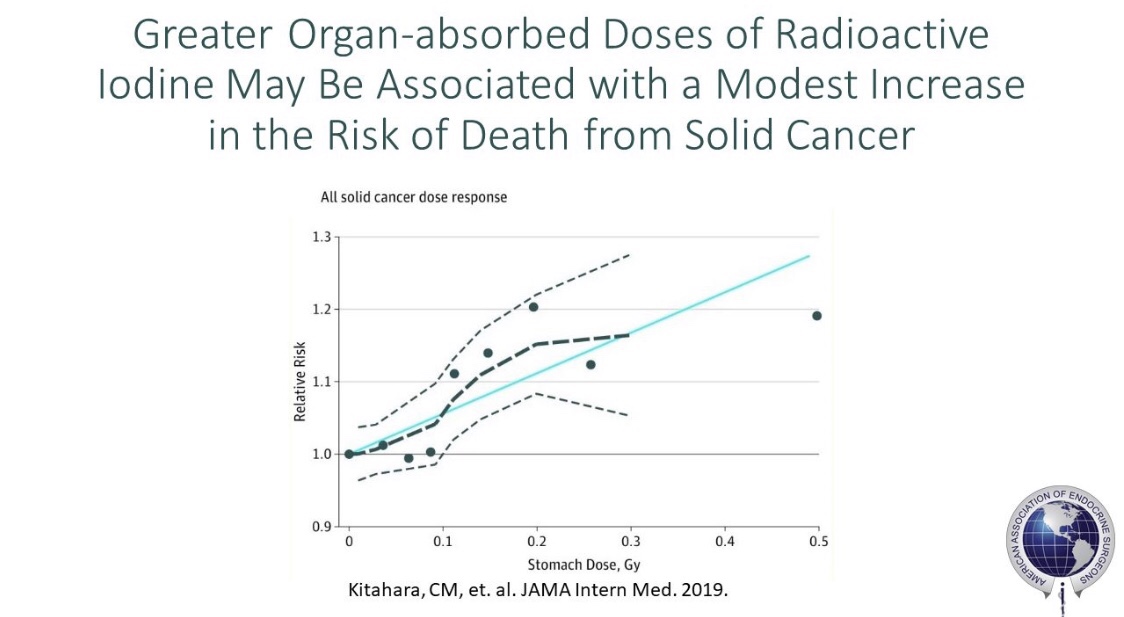
👉In a recent study examining over 18,000 patients with hyperthyroidism, greater organ-absorbed doses of RAI may be associated with a modest increase in the risk of death from solid cancer.

#Arrangoiz

#ThyroidSurgeon

#ThyroidExpert

#Hyperthyroidism

#MountSinaiMedical Center

#HeadandNeckSurgeon

#Surgeon

#Teacher

#Miami

#Mexico

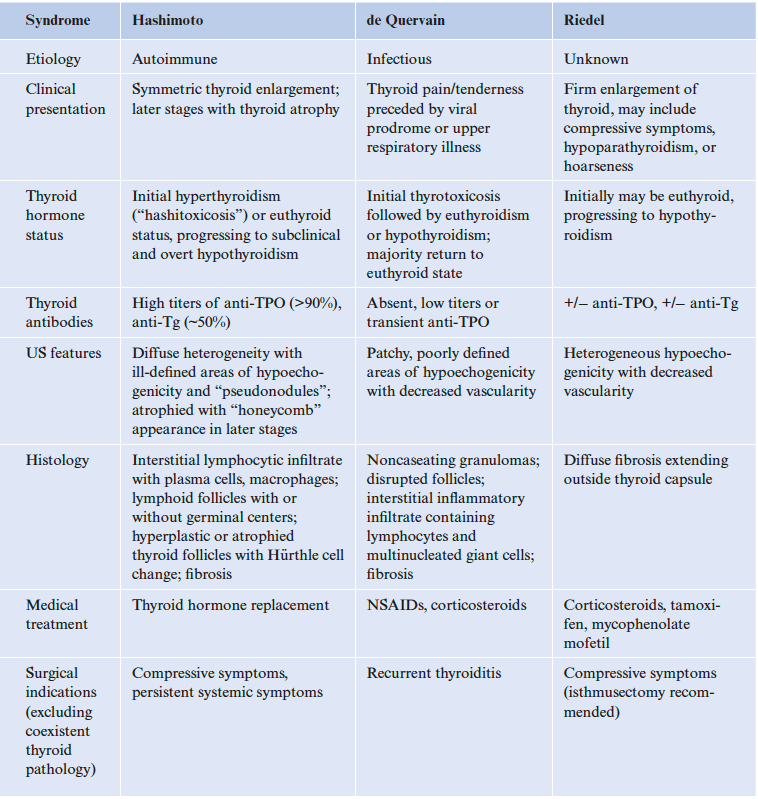
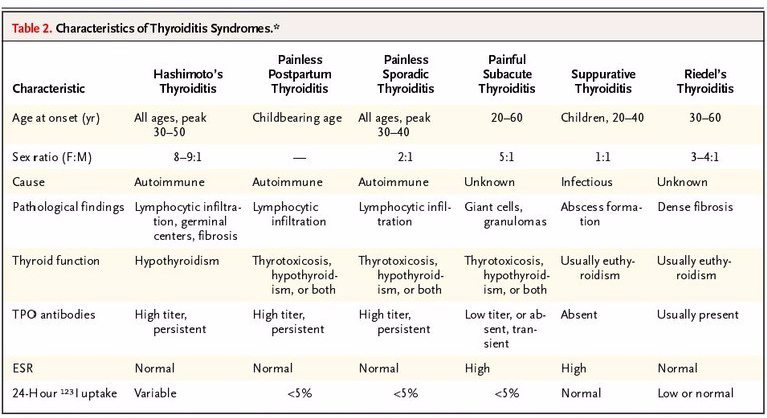
Characteristics and Treatment of Thyroiditis Syndrome

#Arrangoiz #CancerSurgeon #ThyroidSurgeon #ParathyroidSurgeon #HeadandNeckSurgeon #ThyroidExpert #SurgicalOncologist #EndocrineSurgery #MountSinaiMedicalCenter #Miami #ThyroidNodule #ToxicNodularGoiter #TNG #MultinodularGoiter #GravesDisease #Hyperthyroidism #Goiter

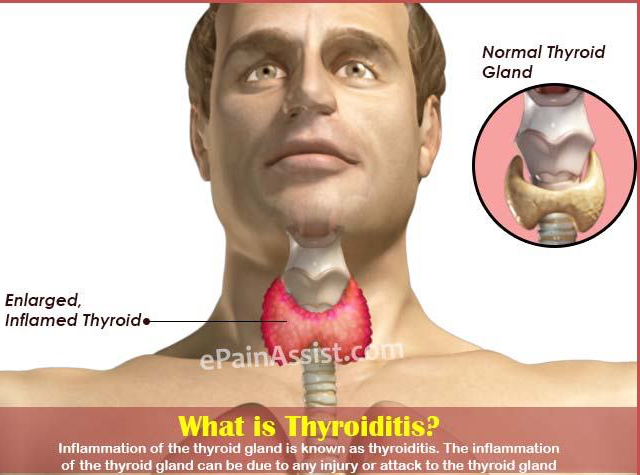
Thyroiditis

what-thyroiditis

  • Thyroiditis comprises a diverse group of disorders:
    • That are among the most common endocrine abnormalities encountered in medical endocrine clinical practice as well as by surgeons managing the thyroid
    • These disorders range from:
      • The extremely common chronic lymphocytic thyroiditis (Hashimoto’s thyroiditis) to the extremely rare invasive fibrous thyroiditis (Riedel’s thyroiditis) 
    • Clinical presentations are also diverse:
      • Ranging from an incidental finding of a goiter to potentially life-threatening illness:
        • From hypothyroidism to thyrotoxicosis.
    • The term thyroiditis implies:
      • That the disorders are inflammatory processes involving the thyroid gland:
        • Although some of the lesions are not inflammatory and are included in the thyroiditis category largely for convenience.
    • A rational approach to such patients:
      • Including history, physical examination, laboratory evaluation, radionuclide or ultrasonographic imaging, and fine-needle aspiration biopsy:
        • Will allow the appropriate diagnosis to be made in the majority of cases.
Chronic lymphocytic thyroiditis (Hashimoto’s thyroiditis)
Subacute lymphocytic thyroiditis:
— Postpartum thyroiditis
— Sporadic silent thyroiditis
Subacute granulomatous thyroiditis (De Quervain’s thyroiditis)
Drug-induced thyroiditis
Radiation thyroiditis
Acute suppurative / infectious thyroiditis:
— Bacterial, fungal, parasitic
Invasive fibrous thyroiditis (Riedel’s thyroiditis)
Miscellaneous:
— Sarcoid, amyloid, traumatic, and palpation-induced thyroiditis

nejmra021194_t2

#Arrangoiz

#Teacher

#Surgeon

#Cirujano

#ThyroidExpert

#ThyroidSurgeon

#CirujanodeTiroides

#ExpertoenTiroides

#ExpertoenParatiroides

#Paratiroides

#Hiperparatiroidismo

#CancerdeTiroides

#ThyroidCancer

#PapillaryThyroidCancer

#SurgicalOncologist

#CirujanoOncologo

#CancerSurgeon

#CirujanodeCancer

#HeadandNeckSurgeon

#CirugiaEndocrina

#EndocrineSurgery

#MountSinaiMedicalCenter

Diagnostic Evaluation of Hyperthyroidism

  • Thyrotoxicosis:
    • Is the common feature of both:
      • Toxic nodular goiter (TNG) and Graves’ disease
    • It may be clinical or subclinical:
      • Subclinical hyperthyroidism:
        • Presents few, if any, mild symptoms ;
          • In the presence of a suppressed TSH with normal free thyroid hormones (T3 and T4)
    • Early in Graves’ disease:
      • Hyperthyroidism may be from:
        • Preferential T3 secretion:
          • So-called T3 toxicosis
  • History and Physical Examination:
    • The clinical presentation ranges from:
      • No symptoms and a suppressed sensitive serum TSH level to overt or obvious clinical hyperthyroidism:
        • The latter includes symptoms associated with:
          • Increased adrenergic tone and resting energy expenditure and other hormonal effects
          • Features related to increased adrenergic tone include:
            • Nervousness
            • Tremor
            • Increased frequency of defecation
            • Palpitations
            • Diaphoresis
            • Irritability
            • Insomnia
            • Headaches
            • Lid retraction and lid lag
            • Muscle weakness
            • Tachycardia
            • Hyperreflexia, and widened pulse pressure
          • Those related to increased energy expenditure include:
            • Heat intolerance
            • Unintentional weight loss without anorexia
            • Warm, moist skin
        • In elderly subjects, the presentation may be subtle, with:
          • Atrial fibrillation
          • Weight loss
          • Weakness
          • Depression
      • Goiter may be detected in patients with either TNG or Graves’ disease:
        • Nodular irregularity is characteristic of TNG:
          • Whereas Graves’ disease is more typically:
            • Diffuse, soft, and rubbery and may have an overlying thyroid region bruit
    • Patients with Graves’ disease often have a:
      • Goiter:
        • Diffuse, soft, and rubbery:
          • May have an overlying thyroid region bruit
      • May present with hyperthyroidism alone, or
      • May have one or more extra-thyroidal manifestations
    • Clinically apparent eye disease may occur in up to a third of patients with Graves’ disease:
      • But orbital CT may detect changes in a majority of patients
      • Signs of eye disease include:
        • Proptosis or exophthalmos
        • Lid lag and retraction
        • Impaired extraocular muscle function
      • Eye symptoms and signs generally begin about six months before or after the diagnosis of Graves’ disease:
        • It is generally uncommon for eye involvement to develop after the thyroid disease has been successfully treated:
          • There is great variability, however, and in some patients with eye involvement, hyperthyroidism may never develop
        • The severity of eye involvement is not related to the severity of hyperthyroidism
        • Early signs of eye involvement may be:
          • Red or inflamed eyes
        • Ultimately, proptosis may develop from the inflammation of retro-orbital tissues
        • Diminished or double vision is a rare problem:
          • That usually occurs later
        • It is not well known why, but problems with the eyes occur much more often in people with Graves’ disease who smoke cigarettes than in those who do not smoke
    • Other features of Graves’ disease include:
      • Onycholysisacropachy, and pretibial myxedema
      • Pretibial myxedema:
        • Is a rarereddish lumpy thickening of the skin of the shins
        • This skin condition is usually painless and is not serious
        • Like the eye disorders of Graves’ disease, the skin manifestation does not necessarily begin precisely when hyperthyroidism starts
        • Its severity is not related to the level of thyroid hormones
        • It is not known why this problem is usually limited to the lower leg or why so few people have it
    • Occasionally symptoms related to the mass effect of a large goiter may occur:
      • Very large goiter may extend retrosternally or substernally, resulting in symptoms and signs of tracheoesophageal pressure:
        • These may include:
          • Dysphagia
          • Cough
          • Choking sensation
          • Stridor:
            • Particularly if severe tracheal narrowing exists
          • The development of facial plethoracyanosis, and distention of neck veins:
            • With raising both arms simultaneouslymay result from deep goiter compression of the structures located within the bony confines of the thoracic inlet (Pemberton sign)
CharacteristicGraves’ DiseaseToxic Nodular Goiter
GoiterDiffuseMultinodular
—SizeSmallLarge
—GrowthRapidSlow
Patient age, y< 45> 50
Hyperthyroid onsetRapidSlow
Histologic featuresFollicles similar, intense iodine metabolismVariable follicular size, shape, and intensity of iodine metabolism

#Arrangoiz #CancerSurgeon #ThyroidSurgeon #ParathyroidSurgeon #HeadandNeckSurgeon #ThyroidExpert #SurgicalOncologist #EndocrineSurgery #MountSinaiMedicalCenter #Miami #ThyroidNodule #ToxicNodularGoiter #TNG #MultinodularGoiter #GravesDisease #Hyperthyroidism #Goiter

Pathogenesis of Hyperthyroidism

  • The natural history of a non-toxic multi nodular goiter (MNG):
    • Involves variable growth of individual nodules:
      • This may progress to hemorrhage and degeneration:
        • Followed by:
          • Healing and fibrosis
      • Calcification:
        • May be found in areas of previous hemorrhage
    • Some nodules may develop autonomous function:
      • Autonomous hyperactivity:
        • Is conferred by somatic mutations of thyrotropin or thyroid-stimulating hormone receptor (TSHR):
          • In 20% to 80% of toxic adenomas and some nodules of MNGs
        • Autonomously functioning nodules:
          • May become toxic in 10% of patients
        • Hyperthyroidism predominantly occurs:
          • When single autonomous nodules are larger than 2.5 cm in diameter:
            • However, in geographic areas with iodine deficiencysmaller autonomous nodules:
              • May produce systemic, clinical manifestations of hyperthyroidism
    • The development of hyperthyroidism in MNG takes many years:
      • The process evolves from:
        • A small gland with one small nodule or more to nodules increasing progressively in number, size, and function
      • Initially, most patients are euthyroid:
        • But with enlarging goiters, autonomy develops:
          • Illustrated by low or suppressed serum thyroid-stimulating hormone (TSH) with normal serum levels of thyroid hormones
  • Graves’ disease:
    • Is a syndrome that consists of:
      • Hyperthyroidism
      • Goiter
      • Ophthalmopathy (orbitopathy)
      • Occasionally a dermopathy referred to as:
        • Pretibial or localized myxedema
    • Hyperthyroidism:
      • Is the most common feature of Graves’ disease:
        • Affecting nearly all patients
      • It is caused by autoantibodies to the TSHR (TSHR-Ab):
        • That activate the receptor:
          • Thereby stimulating thyroid hormone synthesis and secretion:
            • As well as thyroid growth:
              • Causing a diffuse goiter
    • The histology of the thyroid gland in patients with Graves’ hyperthyroidism:
      • Is characterized by:
        • Follicular hyperplasia
        • A patchy (multifocal) lymphocytic infiltration
        • Rare lymphoid germinal centers:
          • The majority of intra-thyroidal lymphocytes are:
            • T cells:
              • Germinal centers (B cells) are much less common than in chronic autoimmune thyroiditis (Hashimoto’s disease)
        • Thyroid epithelial cell size:
          • Correlates with the intensity of the lymphocytic infiltrate:
            • Suggesting thyroid cell stimulation by local B cells secreting TSHR-Ab
      • The presence of TSHR-Ab antibodies:
        • Is positively correlated with:
          • Active diseaseand with relapse of the disease
    • There is an underlying genetic predisposition:
      • Because of an increased frequency of haplotypes human leukocyte antigen:
        • HLA-B8 and HLA-DRw3 in white patients
        • HLA-Bw36 in Japanese patients
        • HLA-Bw46 in Chinese patients
      • However, it is not clear what triggers the acute episodes:
        • Some factors that may incite the immune response are:
          • Pregnancy:
            • Particularly the postpartum period
          • Iodine excess:
            • Particularly in geographic areas of iodine deficiency
        • Lithium therapy
        • Viral or bacterial infections
        • Glucocorticoid withdrawal
    • The etiology and pathogenesis of Graves’ ophthalmopathy are not known:
      • It may involve cytotoxic lymphocytes and cytotoxic antibodies:
        • Sensitized to a common antigen found in:
          • Orbital fibroblasts, orbital muscle, and thyroid tissue:
            • Which may cause inflammation:
              • Resulting in proptosis of the globes
      • It has been suggested recently that TSHR-bearing circulating fibroblasts and fibrocytes:
        • May be activated directly by the TSHR-Ab
    • The pathogenesis of dermopathy may also involve this mechanism:
      • Patients with exophthalmos and particularly those with dermopathy:
        • Almost always have high titers of circulating TSHR autoantibodies:
          • Suggesting that these two clinical manifestations represent the most severe form of this disease

#Arrangoiz #CancerSurgeon #ThyroidSurgeon #ParathyroidSurgeon #HeadandNeckSurgeon #ThyroidExpert #SurgicalOncologist #EndocrineSurgery #MountSinaiMedicalCenter #Miami #ThyroidNodule #ToxicNodularGoiter #TNG #MultinodularGoiter #GravesDisease #Hyperthyroidism #Goiter

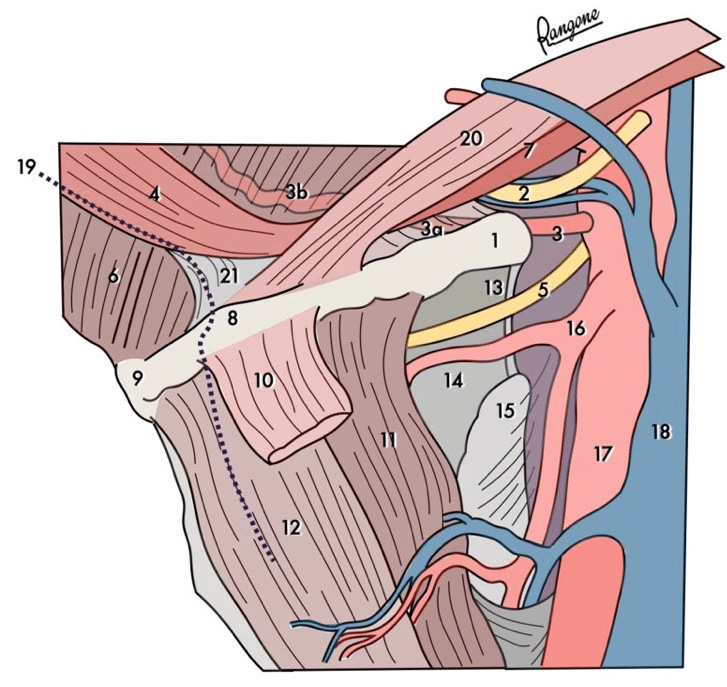
Mayor Horn of the Hyoid Bone

Did you know? 🤔
The major horn of the hyoid bone is a useful repair in lateral neck surgeries.
Its highlight allows us to specify the location:

  • towards the upper: of the hypoglossal nerve next to the ranine veins and of the lingual artery (in the triangle of Beclard).
  • downwards: from the nerve and the superior laryngeal vessels (in the Portmann quadrilateral).

📚References:
1- Major horn (horn) of the hyoid bone.
2- Hypoglossal nerve.
3- Lingual artery: 3a -in the area of the triangle of Beclard, behind the hyoglossus muscle. 3b- in the area of the Pirogoff triangle, behind the mylohyoid and hyoglossus muscle.
4- Anterior belly of the digastric muscle.
5- Superior laryngeal nerve.
6- Mylohyoid muscle (in submental triangle).
7- Posterior belly of the digastric muscle.
8- Minor horn (horn) of the hyoid bone.
9- Body of the hyoid bone.
10- Cranial insertion of the omohyoid muscle.
11- Thyrohyoid muscle.
12- Sternocleidohyoid muscle.
13- Lateral thyroid ligament.
14- Portmann quadrilateral.
15- Upper horn of the thyroid cartilage.
16- Trunk of the superior thyroid artery and superior laryngeal artery.
17- Primitive carotid artery.
18- Internal jugular vein.
19- Projection of the imaginary “safety” line in the Sistrunk operation.
20- Stylohyoid muscle.
21- Fascial sling of the intermediate tendon of the digastric muscle.

Epidemiology Hyperthyroidism

  • Hyperthyroidism in the United States:
    • Occurs in 0.05% to 1.3% of the general population:
      • With the majority of cases consisting of subclinical disease
    • The prevalence of hyperthyroidism:
      • Is approximately 5 to 10 times less than that of hypothyroidism
      • White and Hispanic populations in the United States:
        • Have a slightly higher prevalence of hyperthyroidism than black populations
  • TNG:
    • Is the most frequent cause of thyrotoxicosis:
      • In the elderly
    • It accounts for about 5% to 15% of patients with endogenous hyperthyroidism:
      • But the proportion is:
        • Higher in iodine-deficient geographic regions
    • Changes in the iodine content of salt and in the iodine supplementation of water have been linked to changes in the incidence of TNG:
      • In Switzerland in 1980 and in Spain in 1994:
        • The iodine content of salt was increased, and this was associated with a transient increased incidence of thyrotoxicosis followed by decreased incidence:
          • Mainly the result of reduced TNG incidence
  • Graves Disease:
    • Being the most common cause of thyrotoxicosis in all age groups
    • Graves’ disease accounts for 70% to 80% of endogenous hyperthyroidism
    • The incidence of Graves’ disease is five times higher in females than in males:
      • Occurring generally during women’s reproductive years:
        • Although it may occur at any age
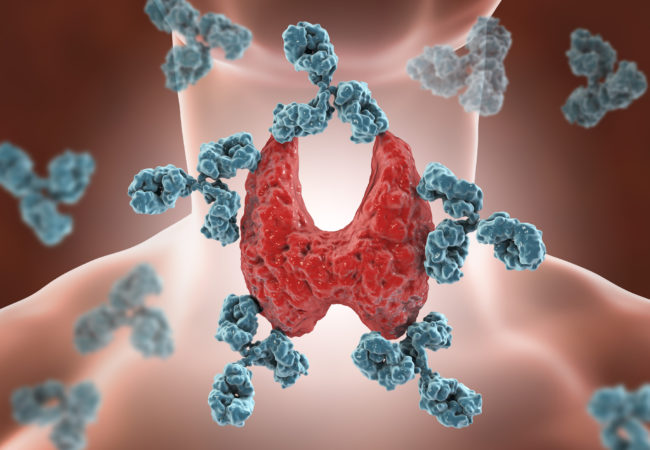
Autoimmune thyroiditis, Hashimoto’s disease. 3D illustration showing antibodies attacking thyroid gland

#Arrangoiz #CancerSurgeon #ThyroidSurgeon #ParathyroidSurgeon #HeadandNeckSurgeon #ThyroidExpert #SurgicalOncologist #EndocrineSurgery #MountSinaiMedical Center #Miami #ThyroidNodule #ToxicNodularGoiter #TNG #MultinodularGoiter #GravesDisease #Hyperthyroidism #Goiter