
Thyroid Nodules
– Thyroid nodules are very common in the general population. With modern high-resolution ultrasound, nodules can be detected in up to 50% to 60% of adults.
👉 The good news: more than 90% of thyroid nodules are benign.
🔍 What is the best way to evaluate a thyroid nodule?
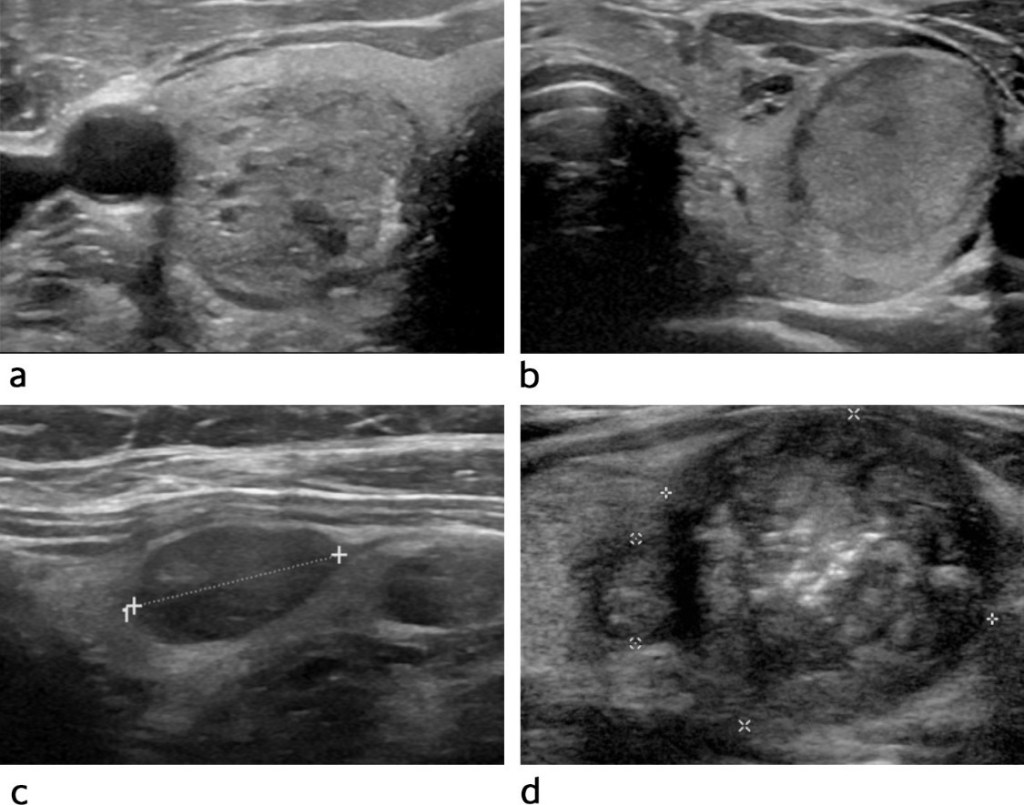
The first and most important test is a high-resolution thyroid ultrasound. It allows us to:
Accurately characterize the nodule (size, margins, echogenicity, calcifications) Stratify cancer risk using validated systems (such as ATA or TI-RADS) Determine whether a biopsy is necessary
🧪 When is a biopsy needed?
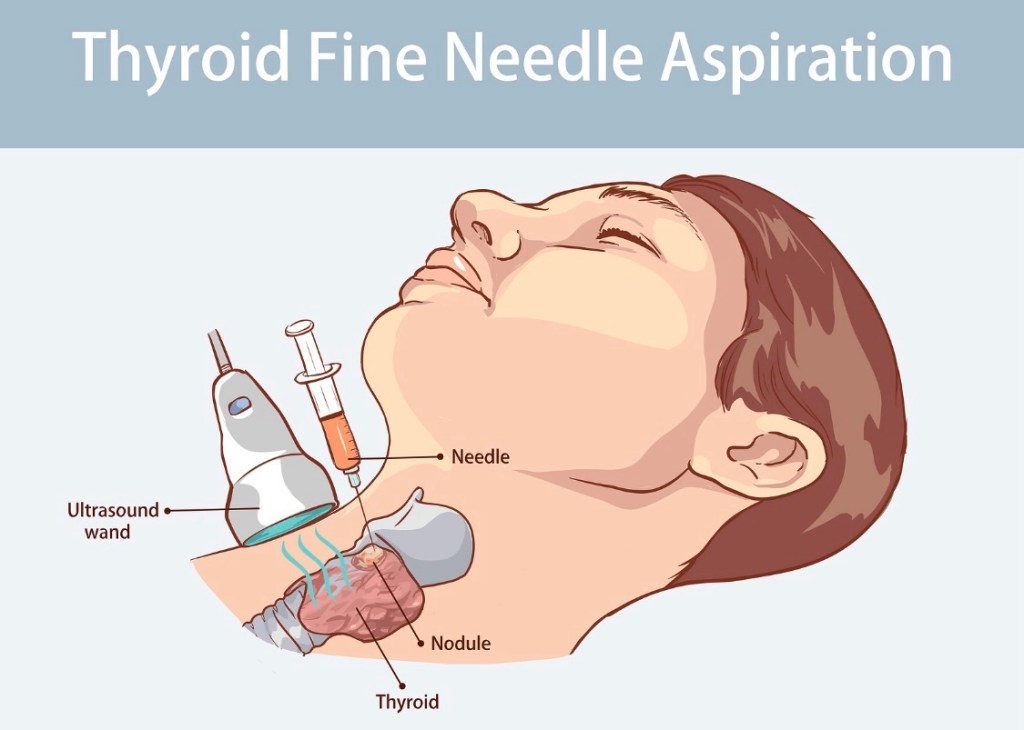
If the ultrasound shows suspicious features, a ultrasound-guided fine-needle aspiration biopsy (FNAB) is recommended.
✔️ This is a safe, minimally invasive, outpatient procedure that provides highly accurate information to determine whether a nodule is benign or malignant, helping avoid unnecessary surgery.
📊 Key facts (evidence-based)
Thyroid nodules are found in up to 60% of adults on ultrasound Only 5% to 10% of nodules are malignant Ultrasound-guided FNAB has high diagnostic accuracy and a very low complication rate
🏥 Experience you can trust
👨⚕️ Dr. Rodrigo Arrangoiz
Surgical Oncologist | Thyroid, Head & Neck, and Breast Surgery
📌 Take-home message: Early detection and proper evaluation of thyroid nodules make a real difference—protecting patients from unnecessary treatments while identifying cancer early when it is most curable.
📚 References
Haugen BR et al. 2015 ATA Guidelines for Thyroid Nodules and Differentiated Thyroid Cancer. Thyroid. Russ G et al. European Thyroid Association Guidelines for Ultrasound Malignancy Risk Stratification (EU-TI-RADS). Eur J Endocrinol. Gharib H et al. Fine-Needle Aspiration Biopsy of Thyroid Nodules. Endocrine Practice. Durante C et al. Long-term Surveillance of Benign Thyroid Nodules. JAMA.

 Rodrigo Arrangoiz MS, MD, FACS, FSSO