👉The goal of multimodality care for DCIS, which may include surgery, radiotherapy, and hormone therapy, is to prevent the development of invasive breast cancer.
👉While mastectomy is associated with a decreased rate of local recurrence (approximately 1% at 10 years) compared to conservative surgery with or without radiation (approximately 10% and 30% respectively, at 10 years), it is rarely necessary in patients with smaller areas of DCIS.
👉An adequate negative margin for DCIS is 2 mm.
👉Whole-breast radiotherapy delivered over five to six weeks following surgery reduces local recurrence rate by 50% to 60% and should be considered in the majority of patients who undergo conservative surgery for DCIS.
👉Efforts to identify subsets of patients with DCIS who undergo conservative surgery and can safely forgo radiotherapy are underway including utilization of the yet to be prospectively validated multigene expression tests such as the Oncotype DX DCIS score.
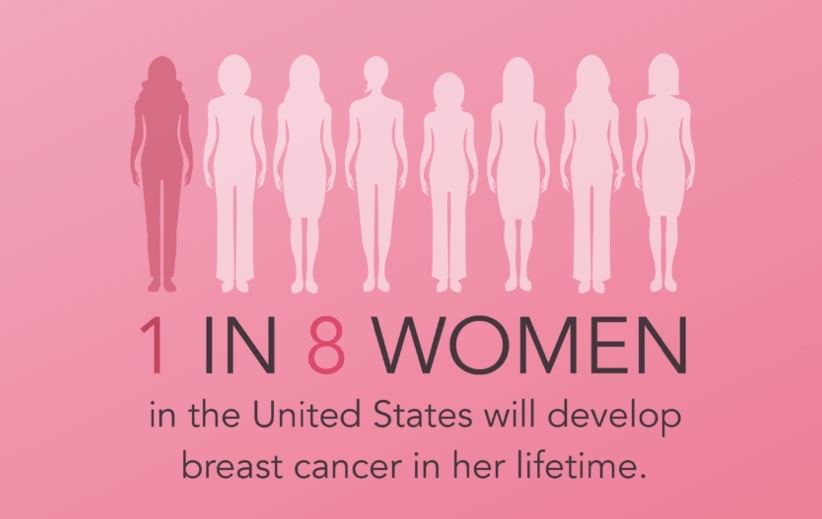
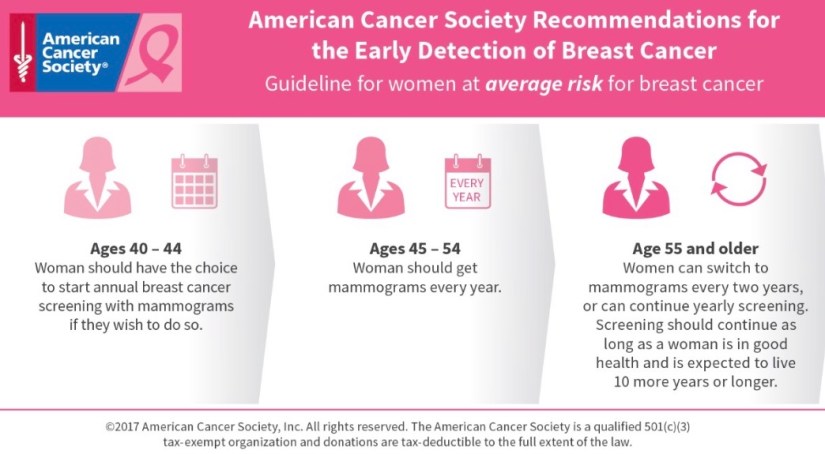
👉Detection of DCIS has dramatically increased following the widespread adoption of screening mammography.
👉Today approximately 90% of DCIS lesions are detected mammographically, and DCIS now accounts for approximately 20% of breast cancer incidence.
👉It is estimated that 14% to 50% of DCIS lesions will progress to invasive breast cancers if left untreated.
👉Identification of features that reliably predict the development of invasive cancer, however, remains elusive.
👉HER2 overexpression is more common in DCIS lesions than in invasive breast cancer.
👉It has been previously estimated that approximately 50% to 60% of high-grade lesions are HER2 / neu-positive.
👉However, preliminary results from the National Surgical Adjuvant Breast and Bowel Project (NSABP) B-43 trial found that 34.9% of patients undergoing breast conservation for DCIS were HER2-positive.
👉The NSABP B-43 trial is evaluating whether trastuzumab added to radiotherapy in patients with HER2-amplified DCIS decreases risk of recurrence compared with patients receiving standard radiotherapy alone.
REFERENCES
- Fisher B, Land S, Mamounas E, Dignam J, Fisher ER, Wolmark N. Prevention of invasive breast cancer in women with ductal carcinoma in situ: an update of the National Surgical Adjuvant Breast and Bowel Project experience. Semin Oncol. 2001;28:400-418. https://www.ncbi.nlm.nih.gov/pubmed/11498833
- Hughes LL, Wang M, Page DL, et al. Local excision alone without irradiation for ductal carcinoma in situ of the breast: a trial of the Eastern Cooperative Oncology Group. J Clin Oncol. 2009;27:5319-5324. http://www.ncbi.nlm.nih.gov/pubmed/19826126
- Katz SJ, Lantz PM, Janz NK, et al. Patterns and correlates of local therapy for women with ductal carcinoma-in-situ. J Clin Oncol. 2005;23:3001-3007. http://www.ncbi.nlm.nih.gov/pubmed/15860856
- Silverstein MJ, Lagios MD. Treatment selection for patients with ductal carcinoma in situ (DCIS) of the breast using the University of Southern California/Van Nuys (USC/VNPI) Prognostic Index. Breast J. 2015;21:127-132. https://www.ncbi.nlm.nih.gov/pubmed/25600630
- Solin LJ, Gray R, Baehner FL, et al. A multigene expression assay to predict local recurrence risk for ductal carcinoma in situ of the breast. J Natl Cancer Inst. 2013;105:701-710. http://www.ncbi.nlm.nih.gov/pubmed/23641039
- Ernster VL, Ballard-Barbash R, Barlow WE, et al. Detection of ductal carcinoma in situ in women undergoing screening mammography. J Natl Cancer Inst. 2002;94:1546-1554. http://www.ncbi.nlm.nih.gov/pubmed/12381707
- Kuerer HM, Albarracin CT, Yang WT, et al. Ductal carcinoma in situ: state of the science and roadmap to advance the field. J Clin Oncol. 2009;27:279-288. http://www.ncbi.nlm.nih.gov/pubmed/19064970
- NSABP B-43: Radiation therapy with or without trastuzumab in treating women with ductal carcinoma in situ who have undergone lumpectomy. https://clinicaltrials.gov/ct2/show/NCT00769379
- Siziopikou KP, Anderson SJ, Cobleigh MA, et al. Preliminary results of centralized HER2 testing in ductal carcinoma in situ (DCIS): NSABP B-43. Breast Cancer Res Treat. 2013;142:415-421. doi: 10.1007/s10549-013-2755-z. Epub 2013 Nov 8. http://www.ncbi.nlm.nih.gov/pubmed/24202240
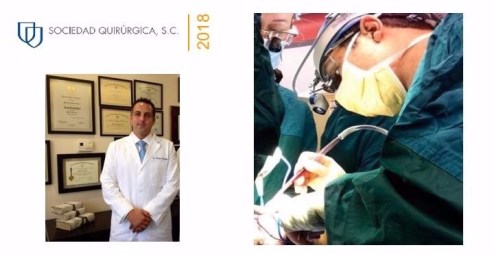
👉Rodrigo Arrangoiz MS, MD, FACS cirujano oncology y miembro de Sociedad Quirúrgica S.C en el America British Cowdray Medical Center en la ciudad de Mexico:
-
Es experto en el manejo del cáncer de mama.
Training:
• General surgery:
• Michigan State University:
• 2004 al 2010

• Surgical Oncology / Head and Neck Surgery / Endocrine Surgery:
• Fox Chase Cancer Center (Filadelfia):
• 2010 al 2012

• Masters in Science (Clinical research for health professionals):
• Drexel University (Filadelfia):
• 2010 al 2012

• Surgical Oncology / Head and Neck Surgery / Endocrine Surgery:
• IFHNOS / Memorial Sloan Kettering Cancer Center:
• 2014 al 2016