Blog

COMET (Comparing an Operation to Monitoring, with or without Endocrine Therapy) in DCIS

  • The COMET (Comparing an Operation to Monitoring, with or without Endocrine Therapy) trial:
    • A randomized clinical trial, investigated whether active monitoring is non-inferior to standard treatment (surgery with or without radiation) for low-risk DCIS (ductal carcinoma in situ):
      • Finding that active monitoring is a viable option
  • Study Purpose:
    • The COMET trial aimed to determine if active monitoring, which involves close surveillance with surgery only if DCIS progresses to invasive cancer:
      • Is as effective as the standard treatment of surgery (lumpectomy or mastectomy) with or without radiation and / or hormone therapy for women with low-risk DCIS
  • Study Design:
    • The COMET trial was a randomized controlled trial, meaning participants were randomly assigned to:
      • Either active monitoring or guideline-concordant care (surgery with or without radiation)
  • Eligibility:
    • The study included women aged 40 and older with low-risk DCIS:
      • Defined as grade 1 or 2, hormone receptor-positive, HER2-negative, with no signs of invasive cancer, and the diagnosis confirmed by at least two pathologists
  • Key Findings:
    • After 24 months of follow-up:
      • The two-year cumulative rate of invasive ipsilateral breast cancer was 5.9% in the guideline-concordant care arm and 4.2% in the active monitoring arm:
        • The difference met the threshold for noninferiority:
          • Meaning that neither treatment was deemed inferior to the other
  • Implications:
    • The results suggest that active monitoring is a valid alternative to surgery for women with low-risk DCIS, potentially reducing overtreatment and improving quality of life
  • Patient-Reported Outcomes:
    • The study also found that overall health-related quality of life remained stable from baseline to 2 years and did not differ significantly between the two treatment arms
  • Funding:
    • The COMET study was funded by the Patient-Centered Outcomes Research Institute (PCORI), the Breast Cancer Research Foundation (BCRF), and other organizations
  • Study Location:
    • The study was conducted across multiple sites in the United States

Benign Follicular Cell-Derived Thyroid Tumors

  • Clinically, the term ‘goiter’ relates to an enlarged thyroid gland:
    • A finding that is associated with various neoplastic and non-neoplastic disorders
  • Goiter often presents as:
    • A nodular and rarely as a diffuse process
  • Most agree that the terms ‘colloid nodules,’ ‘multinodular goiter,’ ‘adenomatous goiter’ and ‘multinodular hyperplasia’:
    • Often used by pathologists are not reflective of the underlying pathology besides the mere confirmation of clinical findings
    • Molecular analyses of individual nodules
      in such cases have revealed that a good proportion of goitrous nodules is:
      • Monoclonal and represents neoplastic
        proliferations
        :
        • Making it impossible to distinguish between non-neoplastic and benign neoplastic follicular neoplasms i.e. adenomas on the basis of morphology alone (Mete & Asa 2012)
    • In addition, most of the adenomatous nodules
      encountered in patients with DICER1, PTEN and PTEN-like syndromes (Harrer et al. 1998a,b, Derwahl & Studer 2002):
      • Also represent multiple follicular adenomas (Wasserman et al. 2018, Cameselle-Teijeiro et al. 2021):
        • Therefore, an umbrella term of ‘follicular nodular disease’ (FND):
          • Has been proposed in the latest WHO classification, to avoid the above-mentioned issues (Baloch et al. 2022)
  • In the 2017 WHO classification scheme of thyroid
    neoplasms:
    • Follicular adenoma was the only entity
      included in the benign follicular cell-derived tumors:
      • However, in the fifth edition, ‘follicular adenoma with papillary architecture’ (previously termed as papillary adenomatous / hyperplastic nodule) is also included in the benign neoplasm category
    • Follicular adenoma with papillary architecture:
      • Is a well-demarcated and non-invasive, often encapsulated tumor with intra-follicular centripetal papillary growth, and the lesional cells lack nuclear features of papillary thyroid carcinoma (PTC) (Mete & Asa 2012, Baloch et al. 2022)
      • These tumors are often associated with autonomous hyperfunction:
        • May therefore appear as hot or warm nodules on radionuclide thyroid scan (Mete & Asa 2012)
      • Molecular analyses have shown that these are driven by:
        • TSHR, GNAS or EZH1 mutations and alterations that activate the protein kinase
          A
          (PKA) pathway (Parma et al. 1993, Gozu et al. 2010)
      • These tumors may also occur in the setting of McCune–Albright and Carney complex syndromes:
        • Both are PKA pathway-related conditions driven by GNAS and PRKAR1A mutations, respectively (Kamilaris et al. 2019, Nosé et al. 2022)
      • Moreover, non-functional follicular adenomas with papillary architecture:
        • Can harbor DICER1 mutations, and a subset of these have been reported in association with DICER1 syndrome (Wasserman et al. 2018, Cameselle-Teijeiro et al. 2021, Juhlin et al. 2021):
          • Thus, the association between thyroid function and related tumor syndromes
            makes the distinction between these tumors clinically significant
      • Furthermore, a diagnosis of oncocytic
        follicular adenoma:
        • Requires >75% of tumor cells to exhibit oncocytic features (Baloch et al. 2022)
        • Overall, oncocytic thyroid tumors represent a distinct entity of thyroid neoplasms, supported by specific genetic aberrations
          including:
          • Mitochondrial DNA mutations and increased copy number alterations (Gopal et al. 2018, Doerfler et al.
            2021, McFadden & Sadow 2021)

Molecular Genetics of Thyroid Cancer Part 4

  • As mentioned previously follicular tumors:
    • Develop through a multistep process where they can be identified via cytopathology at different stages in their development
  • These does not occur in BRAF-like tumors:
    • Where they develop from the early stages as microcarcinomas
  • The problem is that in clinical practice we want the tumors to be classified in a binary distribution (benign or malignant):
    • Which is very difficult because of the multistep process of their development
  • Noninvasive follicular thyroid neoplasm with papillary nuclear features (NIFTP):
    • Has partially resolved this problem (NIFTP would be a seen in the later stages of this multistep process)
  • The diagnostic features of NIFTP include:
    • Follicular architecture
    • Nuclear features of PTC
    • Formation of a capsule with lack of invasion
  • This entity was previously known as
    encapsulated follicular variant of papillary carcinoma
  • The histologic criteria of NIFTP are depicted in
    Table.

Revised Diagnostic Criteria for NIFTP
  • NIFTP should be viewed as a borderline malignant tumor (equivalent to carcinoma in situ):
    • If no invasion is identified on the final pathology:
      • The risk of recurrence is very low:
        • Less than 1%
  • This lesion still requires surgical resection by a minimalistic approach usually is sufficient (thyroid lobectomy)
  • The molecular characteristics of NIFTP include:
    • RAS and RAS-like mutations:
      • BRAF V600E and TERT mutations:
        • Should not be identified in this lesion
  • NIFTP is considered a precursor lesion for:
    • Invasive encapsulated follicular variant of PTC (EFVPTC)
  • The introduction of NIFTP did not resolve the uncertainty in the pathological diagnosis of PTC:
    • A study from four different institutions (Memorial Sloan Kettering Cancer Center
      – MSKCC, Moffit Cancer Center – MCC, Cedar Sinai Medical Center in Los Angeles – CSMC, Mount Sinai Health System in New York – MSHS) with RAS-positive thyroid nodules by Marcardis et al:
      • Identified a wide variation in the prevalence of NIFTP in resected indeterminate thyroid nodules across several institutions:
        • Ranging from 5% to 46%
      • At MSKCC:
        • The most common overall and non-malignant diagnosis in RAS-mutated
          nodules was:
          • NIFTP
      • This was significantly greater than the NIFTP rate at the other three institutions:
        • Where the most common overall and benign diagnosis was follicular adenoma / nodular hyperplasia
      • Significant variations in the rates NIFTP (5% to 13%) and follicular adenoma / nodular
        hyperplasia (63% to 85%) in the other three institutions (MCC, CSMC, MSHS) also occurred
      • This reflects the same issue that some thyroid nodules may be identified at stages in their development where the nuclear features
        of PTC are clearly absent
        , some at stages where the nuclear features are clearly present, while others can be
        identified at different stages in the development of the nuclear features of PTC (in some of these stages the nuclear features of PTC are not fully expressed):
        • Depending on where the pathologist draws the line in this continuum more or less thyroid nodules, will be called cancers or NIFTP, leading to the difficulty in making a
          diagnosis (Figure)

The image depicts one tumor that has areas of well differentiated thyroid cancer, poorly differentiated
thyroid cancer and anaplastic thyroid cancer. The well differentiated tumors preserver all markers differentiation
(thyroglobulin, TTF-1, and cytokeratin) compared to the ATC which losses these markers.

Medullary Thyroid Cancer (MTC)

thyroid-awareness-banner-march-2018

Medullary Thyroid Cancer (MTC) accounts for 1% to 2% of thyroid cancers in the United States.

  • MTC is different from other types of thyroid cancers (which are derived from thyroid follicular cells – the cells that make thyroid hormone), because it originates from the parafollicular C cells (also called “C cells”) of the thyroid gland. These cells do not make thyroid hormone and instead make a different hormone called calcitonin.

MTC can, and frequently does, spread to lymph nodes and can also spread to other organs.

MTC is likely to run in families (inherited forms) in up to 25% of diagnoses, and inherited forms can be associated with other endocrine tumors, in syndromes called Multiple Endocrine Neoplasia (MEN) 2A and MEN 2B.

  • In addition to MTC, patients with MEN2A may have tumors of the adrenal glands called pheochromocytomas or in the parathyroid glands (parathyroid adenomas). Patients with MEN2B, have MTC, pheochromocytomas and neuromas (typically a benign growth or tumor of nerve tissue) in the lining of the mouth and/ or gastrointestinal track.
  • Patients with an inherited form of MTC usually have a mutation in a gene called the RET proto-oncogene. This mutation is present in all of the cells in their body (a germline mutation) and these mutations cause the development of MTC. This is important because in family members of a person with an inherited form of MTC, a blood test for a mutation in the RET protooncogene can lead to an early diagnosis of MTC and, to curative surgery to remove it. However, in the majority of patients (~ 75%) a germline mutation is not found – indicating that MTC is not an inherited or inheritable condition. In these cases, MTC is called sporadic.

Whether MTC is sporadic or familial can be determined by a blood test for the RET protooncogene. Anyone diagnosed with MTC should have this test run to determine whether the MTC is familial (meaning other family members may also have MTC that has not yet been diagnosed) or sporadic.

What are the Symptoms of Medullary Thyroid Cancer?

Medullary thyroid cancer usually presents as a lump or nodule in the thyroid. It may be noted by the patient or discovered during routine neck examination by the doctor. Sometimes, the nodule is discovered incidentally by imaging studies done for other unrelated reasons (CT of the neck, PET scan, or carotid ultrasound). The nodule may cause no symptoms, but in some cases the tumor may have spread to lymph nodes in the neck, which may be enlarged on physical examination.

Patients with advanced MTC may complain of pain in the neck, jaw, or ear. If a nodule is large enough to compress the windpipe or the esophagus, it may cause difficulty with breathing or swallowing. Hoarseness can be present if the cancer invades the nerve that controls the vocal cords.

MTC is usually more aggressive than the other more common types of thyroid cancer, and it is usually easier to treat and control if it is found before it spreads to lymph nodes in the neck or other parts of the body.

Thyroid function tests such as TSH are usually normal, even when MTC is present.

If you have a family history of MTC and have tested positive for the RET mutation, then you should see an endocrinologist to help determine how best to follow you or treat you.

How is Medullary Thyroid Cancer Diagnosed?

A diagnosis of thyroid cancer is usually made by a fine needle aspiration (FNA) biopsy of a thyroid nodule, or after the nodule is surgically removed. Patients in whom the results of an FNA biopsy (or histopathology) are suggestive or indicative of MTC should be further evaluated with measurement of the proteins calcitonin and carcinoembryonic antigen (CEA) in the blood, which are typically elevated in patients with MTC. These tests are useful to confirm the diagnosis of MTC which can help ensure the surgeon plans the correct surgery, and also serve as tumor markers during long-term follow-up to detect any remaining disease or recurrence of the cancer.

What is a RET Mutation?

The RET proto-oncogene is located on chromosome 10. A genetic mutation in the RET oncogene is seen in all cells in the body in patients with the hereditary forms of MTC. Mutations in RET can also be seen only in the tumor cells in patients with sporadic MTC. Since the discovery of the RET oncogene, more than 100 different mutations have been identified in the gene in patients with MTC.

Genetic counseling and testing for RET gene mutations should be offered to patients diagnosed with MTC and first-degree relatives (parents, siblings and children of someone diagnosed with MTC) of all patients with proven germline mutations (hereditary MTC). If close relatives, especially children, are found to have the RET mutation on a blood test, the thyroid gland can be removed before MTC has a chance to develop or at least in its very early stages.

How is Medullary Thyroid Cancer Treated?

The primary treatment for MTC is surgery, and the currently accepted approach is to remove the entire thyroid gland (total thyroidectomy) (See thyroid surgery brochure). Often patients with MTC will have thyroid cancer present in the lymph nodes of the neck or upper chest. These lymph nodes are usually removed at the time of thyroid surgery or sometimes, at a later surgery if found subsequently. After surgery, patients need to take thyroid hormone replacement medication for life.

Unlike papillary and follicular thyroid cancer, medullary thyroid cancer does not take up iodine, and consequently radioactive iodine treatment is not a treatment option for patients with MTC.

Patients with MTC with very high levels of calcitonin should have imaging prior to surgery to determine whether the tumor has spread to sites outside the thyroid and/or outside the neck. If there is evidence of cancer outside the neck, surgery may be more palliative, aimed at reducing local complications caused by the tumor, rather than completely eliminating all tumor. Other treatment options (external beam radiation, or chemotherapy) may need to be used together with surgery after careful discussion with the patient.

New chemotherapeutic agents that have shown promise treating other advanced cancers are increasingly available for treatment of thyroid cancers. Two such agents, Vandetanib and Cabozantinib have been FDA approved for use by patients with MTC. These drugs do not cure advanced cancers that have spread widely throughout the body, but they can often slow down or partially reverse the growth of the cancer. These treatments are usually given by an oncologist (cancer specialist) and require care at specialized medical centers.

What is the Follow-Up of Patients with Medullary Thyroid Carcinoma?

Periodic follow-up examinations are essential for all patients with MTC because the thyroid cancer can return, sometimes many years after successful initial treatment. These follow-up visits include a careful history and physical examination, with particular attention to the neck area. Neck ultrasound is also a very important tool to visualize the neck and look for nodules, lumps or enlarged lymph nodes that might indicate that the cancer has recurred.

Blood tests are also important in the follow-up of MTC patients. All patients who have had their thyroid glands removed require thyroid hormone replacement with levothyroxine. Thyroid stimulating hormone (TSH) should be checked periodically, and the dose of levothyroxine adjusted to keep TSH in the normal range. There is no need to keep TSH suppressed in patients with MTC.

Measurement of calcitonin and CEA are a necessary routine part of the follow-up of patients with MTC. Following thyroidectomy, it is hoped that calcitonin levels will be essentially undetectable for life. A detectable or rising calcitonin level should raise suspicion for possible cancer recurrence. Detectable calcitonin levels may require additional tests.


20d943b1-6f20-49c3-9754-2f3756051c93.jpg

Rodrigo Arrangoiz MS, MD, FACS

Training:

• General surgery:

• Michigan State University:

• 2004 al 2010

• Surgical Oncology / Head and Neck Surgery / Endocrine Surgery:

• Fox Chase Cancer Center (Filadelfia):

• 2010 al 2012

• Masters in Science (Clinical research for health professionals):

• Drexel University (Filadelfia):

• 2010 al 2012

• Surgical Oncology / Head and Neck Surgery / Endocrine Surgery:

• IFHNOS / Memorial Sloan Kettering Cancer Center:

• 2014 al 2016

#Arrangoiz

#Teacher

#Surgeon

#Cirujano

#SurgicalOncologist

#CirujanoOncologo

#CancerSurgeon

#CirujanodeCancer

#HeadandNeckSurgeon

#CirugiaEndocrina

#EndocrineSurgery

#CirujanodeCabezayCuello

http://www.cirugiatiroides.com

http://www.sociedadquirurigca.com

Molecular Genetics of Thyroid Cancer Part 3

  • The second most common type of thyroid cancer:
    • Is follicular thyroid carcinoma (FTC):
      • 4.6% of the cases based on the SEER database between 2010 and 2014
  • Fundamentally all follicular carcinomas are:
    • RAS-like tumors:
      • There profile is different from classic PTC because they do not have BRAF mutations:
        • Most of them have RAS and RAS-like mutations
    • Yoo S.K et al, from Korea showed that the genetic profile of follicular carcinomas:
      • Is very similar to follicular adenomas (FA) because they are related tumors:
        • Most FTC originate from a FA and eventually break through the capsule and become carcinomas
    • Encapsulated follicular variant of PTC:
      • Their molecular profile is much closer to a FA and FTC than to classic PTC
    • Infiltrative follicular variant of PTC has a molecular profile:
      • That is more like classic PTC than FTC
    • The biologic difference between
      follicular pattern RAS-like tumors and classic PTC:
      • Is the infiltrative growth pattern (Figure)
    • The difference between these tumors is not only phenotypically based on gross pattern, but also based on biological and clinical differences:
      • Because follicular pattern RAS-like tumors:
        • Retain avidity to radioactive iodine
      • BRAF-like tumors (classic PTC and infiltrative follicular variant of PTC) have the classic features of PTC:
        • They are infiltrative, they spread to lymph nodes first and later to distant sites, and they lose the expression of genes associated with thyroid differentiation
      • RAS-like tumors (FA, FTC, NIFTP, and invasive encapsulated follicular variant of PTC):
        • May or may not have nuclear features of PTC, they are encapsulated, they spread to distant sites (rarely to lymph nodes), and they retain expression of genes associated with thyroid differentiation
  • The RAS genes (HRAS, KRAS and NRAS):
    • Encode for the interconnected G-proteins:
      • That play a critical role in the intracellular transduction of signals arising from cell membrane receptors
  • RAS protein in its inactive state:
    • Is bound to guanosine diphosphate (GDP):
      • Upon activation, it releases GDP and binds guanosine triphosphate (GTP):
        • Thus activating the MAPK and other signaling pathways, such as PI3K/AKT
    • Typically, the activated RAS / GTP protein becomes promptly inactive:
      • Due to its intrinsic GTPase activity and the action of cytoplasmic GTPase-activating proteins:
        • Point mutations in the domains of the RAS gene either increase its affinity for GTP (mutations in codons 12 and 13) or inactivate its autocatalytic GTPase activity (mutation in codon 61):
          • The consequence of this is that the mutant protein becomes permanently switched in the active position and continuously activates its downstream targets
    • Mutations in the RAS genes are believed play
      an early role in the cellular transformation and may predispose to the progression benign tumors to malignant tumors
    • Point mutations involving the specific sites (codons 12, 13 and 61) of the NRAS, HRAS or KRAS genes:
      • Are identified in roughly 10% to 20% of PTC:
        • PTC holding RAS mutation invariably have follicular subtype histology:
          • This mutation also correlates with significantly less prominent nuclear features of PTC, more common
            thyroid encapsulation, and a lower rate of lymph node metastases
        • A few studies have linked RAS
          mutations with PTC:
          • That have a more aggressive behavior, such as a higher frequency of distant metastases
        • Mutations in the RAS gene are not limited to PTC and also found in other benign and malignant thyroid neoplasms, as well as in tumors from other tissues
        • RAS gene mutations are identified in approximately:
          • 20% to 40% of follicular thyroid adenomas (FTA)
          • 40% to 50% of FTC
          • 20% to 40% of anaplastic thyroid carcinoma (ATC)
      • When a FNA cytology is indetermined and the molecular profile identifies a RAS mutation:
        • The risk of malignancy varies
          between the type of mutation:
          • HRAS = 71%
          • NRAS = 63%
          • KRAS = 33%
  • The concept of progression from benign to malignant tumors is supported by the molecular profile shared by these different tumors:
    • More evidence supporting this concept of cancer progression is the similar morphology that these lesions have, along with experimental mouse data showing very similar results
  • Pathologist observing thyroid nodules have detected this step wise progression
  • The nodule in Figure developed from a single cell driven by the RAS mutation, it continued to grow and grow, it eventually forms a capsule, looking microscopically like a benign adenoma (goiter), then it continues to progress, it accumulates more genetic alterations (micro mRNA, and it involves other molecular pathways), it becomes a tumor, it eventually breaks through the capsule, and it will give you invasive encapsulated follicular variant of PTC:
    • If an FNA is performed of area A it would come back as Bethesda II, in area B it would come back as a Bethesda IV, and in area C as Bethesda V:
      • This has changed the practice of cytopathology with molecular
        testing helping us understand better the biological nature of these tumors

Figure: Molecular Changes Precede Histological Changes. The tumor measures 2.5 cm, it has a thin
capsule (black arrows) and shows an area of flat epithelial cells lining the follicles representing a benign thyroid
goiter (tumor area A). Microfollicular areas with well-developed nuclear features of PTC are seen in tumor area
B representing a probable NFTP. Tumor area C has separation artifact with the formation of papillary structures
with nuclear features of PTC. Molecular studies of each section will show NRAS mutation.

Etiology / Pathogenesis of Medullary Thyroid Cancer

Relationship of Common RET Mutations to Risk of Aggressive MTC

cropped-18403652_10206829497335208_5004404657991480104_n1.jpg

  • What is Head and Neck Surgery?:
    • It is a surgical sub-specialty that deals mainly with benign and malignant tumors of the head and neck region, including:
      • The scalp, facial region, eyes, ears, nose, nasal fossae, paranasal sinuses, oral cavity, pharynx (nasopharynx, oropharynx, hypopharynx), larynx (supraglotic larynx, glottis larynx, subglotic larynx), thyroid gland, parathyroid gland, salivary glands (parotid glands, submandibular glands, sublingual glands, minor salivary glands), soft tissues of the neck, skin of the head and neck region.
        • The head and neck surgeon’s work area:Does not cover tumors or diseases of the brain and other areas of the central nervous system or those of the cervical spine:This is the neurosurgeon field.
    • Among the diagnostic procedures performed by the head and neck surgeon,  are the following:
      • Nasopharyngolaryngoscopy:
        • Performed to examine, evaluate and, possibly perform a biopsy, of oral cavity, pharyngeal and laryngeal lesions.
    • The surgeries most commonly performed by the head and neck surgeon are:
      • Total or near total thyroidectomies
      • Hemithryoidectomies (lobectomies)
      • Comprehensive neck dissections
      • Selective neck dissections
      • Maxillectomies:
        • Total maxillectomy
        • Subtotal maxillectomy
        • Infrastructure maxillectomy
        • Suprastructure maxillectomy
        • Medial maxillectomy
      • Mandibulectomy:
        • Segmental
        • Marginal
      • Tracheostomy
      • Salivary gland surgeries:
        • Parotid gland operations:
          • Limited superficial parotidectomy with identification and preservation of the facial nerve
          • Superficial parotidectomy with identification and preservation of the facial nerve
          • Near total parotidectomy with identification and preservation of the facial nerve
          • Total parotidectomy
        • Submandibular gland resection
        • Sublingual gland resection
      • Resection of tumors of the oral cavity:
        • Glossectomy
        • Resection of the floor of the mouth tumors
      • Resection of tumors of the pharynx
      • Resection of tumors of the larynx
      • Split-thickness skin grafts
      • Full-thickness skin grafts
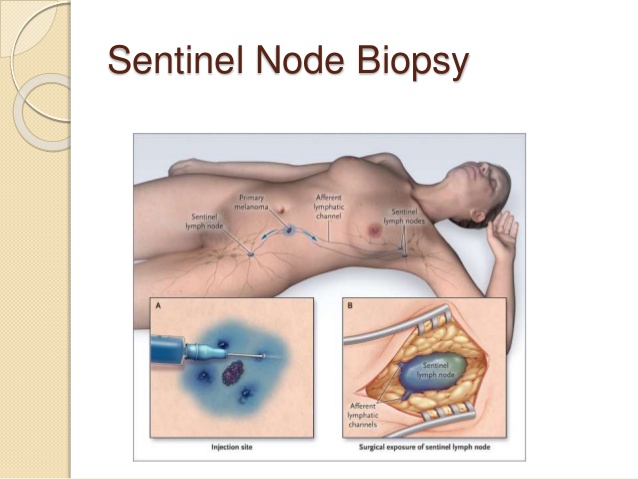
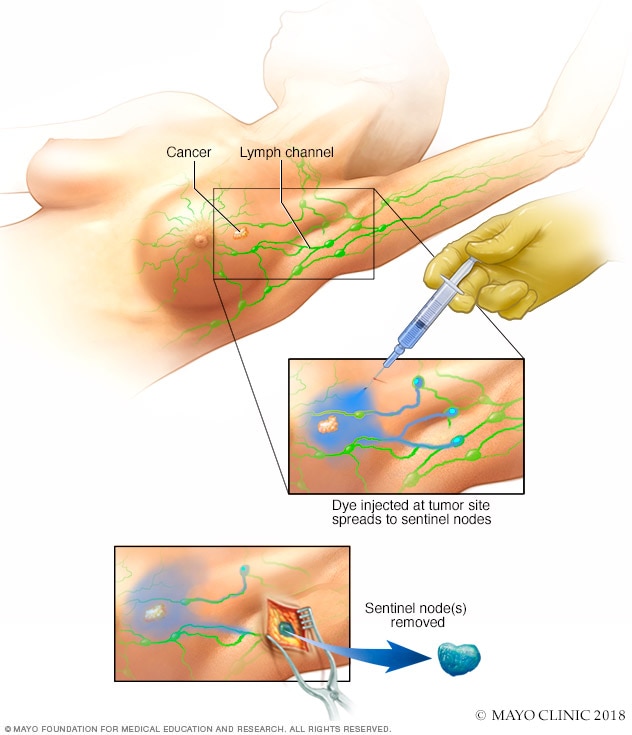
      • Sentinel lymph node mapping and sentinel lymph node biopsy
      • Resection of malignant skin tumors (BCC, SCC, melanoma) of the head and neck region
  • The formation of the head and neck surgeon includes mastering the following subjects:
    • Surgical Anatomy
    • History and Basic Principles of Head and Neck Surgery
    • Epidemiology, Etiology, and Pathology of Head and Neck Diseases
    • Diagnostic Radiology of the Head and Neck Region
    • Tumors of the Scalp, Skin and Melanoma
    • Eyelids and Orbit
    • Nasal Cavity and Paranasal Sinuses
    • Skull Base and Temporal Bone
    • Lips and Oral Cavity
    • Pharynx and Esophagus
    • Larynx and Trachea
    • Cervical Lymph Nodes
    • Thyroid and Parathyroid Glands
    • Salivary Glands
    • Neurogenic Tumors and Paragangliomas
    • Soft Tissue Tumors
    • Bone Tumors and Odontogenic Lesions
    • Reconstructive Surgery
    • Oncologic Dentistry and Maxillofacial Prosthetics
    • Principles of Radiation Oncology
    • Principles of Chemotherapy
    • Molecular Oncology, Genomics and Immunology
    • Nutrition
    • Biostatistic


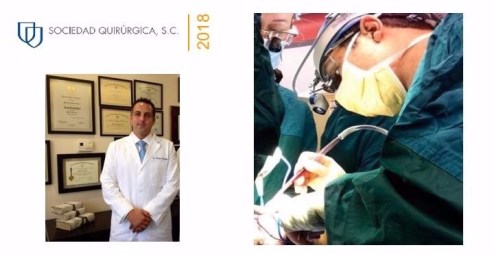
  • Rodrigo Arrangoiz MS, MD, FACS a head and neck surgeon / endocrine surgeon / surgical oncologist and is a member of Sociedad Quirúrgica S.C at the America British Cowdray Medical Center in Mexico City:


prof_739_20190417135234

  • Rodrigo Arrangoiz MS, MD, FACS:
    • Is a member of the American Head and Neck Society

img_4750

    • He is a member of the American Thyroid Association:

Unknown

Training:

• General surgery:

• Michigan State University:

• 2004 al 2010

• Surgical Oncology / Head and Neck Surgery / Endocrine Surgery:

• Fox Chase Cancer Center (Filadelfia):

• 2010 al 2012

• Masters in Science (Clinical research for health professionals):

• Drexel University (Filadelfia):

• 2010 al 2012

• Surgical Oncology / Head and Neck Surgery / Endocrine Surgery:

• IFHNOS / Memorial Sloan Kettering Cancer Center:

• 2014 al 2016

#Arrangoiz

#Teacher

#Surgeon

#Cirujano

#ThyroidExpert

#ThyroidSurgeon

#CirujanodeTiroides

#ExpertoenTiroides

#ExpertoenParatiroides

#Paratiroides

#Hiperparatiroidismo

#CancerdeTiroides

#ThyroidCancer

#PapillaryThyroidCancer

#SurgicalOncologist

#CirujanoOncologo

#CancerSurgeon

#CirujanodeCancer

#HeadandNeckSurgeon

#CirugiaEndocrina

#CirujanodeTumoresdeCabezayCuello

#OralCavityCancer

#Melanoma

Medullary Thyroid Cancer Awareness Month

👉Two articles published by a Rodrigo Arrangoiz on medullary thyroid cancer

http://www.remedypublications.com/american-journal-of-otolaryngology-and-head-and-neck-surgery-abstract.php?aid=218

https://s3.amazonaws.com/academia.edu.documents/57472024/final_published_paper.pdf?response-content-disposition=attachment%3B%20filename%3DMedullary_Thyroid_Carcinoma_Literature_R.pdf&X-Amz-Algorithm=AWS4-HMAC-SHA256&X-Amz-Credential=AKIAIWOWYYGZ2Y53UL3A%2F20200302%2Fus-east-1%2Fs3%2Faws4_request&X-Amz-Date=20200302T210556Z&X-Amz-Expires=3600&X-Amz-SignedHeaders=host&X-Amz-Signature=d78d7b605c8a3e8c49d59b7d9545a3f645b1aa4ff1cbda4f57fb4e274bb30849

#Arrangoiz #ThyroidSurgeon

#ThyroidExpert

Molecular Genetics of Thyroid Cancer Part 2

  • Papillary thyroid carcinoma (PTC):
    • Is one of the best molecularly understood cancers:
      • With more that 97% of the driver mutations identified
  • One of the main goals of the cancer genome atlas research network study (TCGA) thyroid project:
    • Was to detect cancer-initiating mutations, i.e., driver mutations:
      • In those cases that lacked the well-known PTC driver mutations (BRAF V600E, point mutations of RAS genes, and gene fusions involving RET and NTRK):
        • These cases are referred to by computational biologists as “dark matter” cases
    • These very important studies under the umbrella of NCI and NIH analyzed 496 PTCs that permitted several analyses:
      • That showed that approximately 75% of all PTC:
        • Developed through the molecular mechanism of point mutation:
        • The most common been the:
          • BRAF V600E mutation
        • The second most common the:
          • RAS mutation
        • The thyroid most common the:
          • TERT mutation – That constituted a small percentage of tumors but was found to be a marker of aggressive disease
      • Roughly 15% of PTC develop through the mechanism of gene fusions:
        • The most common been RET / PTC,
          NTRK 1/3, ALK, BRAF, PAX8 / PPARG
        • The RET / PTC, NTRK 1/3, ALK have very important therapeutic implications for advanced thyroid cancer:
          • Because of the availability of targeted inhibitors with low toxicity and
            high efficacy for the management of these tumors
      • Roughly 7% of PTC develop exclusively from the molecular mechanism of copy number alterations (CNA) (Figure)
  • Roughly 45% to 75% of PTC (29% to 83%) have a mutation in the BRAF gene:
    • Making it the most frequently known genetic
      alteration in PTC
    • Practically all mutations involve:
      • Nucleotide 1799 and result in a valine-to-glutamate substitution at residue 600 (V600E):
        • This point mutation leads to constitutive activation of BRAF kinase:
          • Resulting in a constant phosphorylation of MEK and downstream effectors of the MAPK pathway (Figure)
      • Other mechanisms of BRAF activation in PTC include:
        • K601E point mutation:
          • Small in-frame insertions or deletions surrounding codon 600
        • AKAP9-BRAF rearrangement:
          • Which is more common in PTC associated with radiation exposure
  • BRAF V600E mutation:
    • Is the prevailing mutation in PTC:
      • With classical histology and in the tall cell subtype:
        • But is rare in follicular subtypes tumors
    • In multiple studies, the existence of the BRAF mutation:
      • Has been linked with aggressive tumor biology such as:
        • Advanced stage at presentation
        • Extrathyroidal extension (infiltrative)
        • Recurrence
        • Lymph node or distant metastases
    • BRAF V600E mutation:
      • Is an independent predictor of tumor recurrence:
        • Even in patients with stage I to stage II disease
    • The ability of thyroid cancers to trap
      radioiodine
      :
      • Has been identified to be decreased in tumors with the BRAF V600E mutations and this may lead to treatment failures of the recurrent disease:
        • Which is due to the dysregulation of the function of sodium iodide
          symporter (NIS) and other genes metabolizing iodide in the thyroid follicular cells
    • In thyroid nodules, the V600E BRAF mutation is limited to PTC, poorly differentiated and ATC arising from PTC:
      • Consequently, the identification of the BRAF V600E mutation in FNA cytology of thyroid nodules:
        • Practically confirms the diagnosis of PTC
      • Testing for the BRAF mutation is very useful diagnostically in thyroid FNA samples with indeterminate results:
        • As it can help to determine the diagnosis of PTC in a important portion of these biopsies
  • Pathologically PTC is one disease and biologically at a minimum PTC has two significantly different groups:
    • Based on multiple type of analysis like gene expression alterations, microRNA alterations, DNA methylation, transcriptomics (Figure)
  • The Cancer Genome Atlas (TCGA) study on PTC highlighted that PTC can be grouped into:
    • BRAFV600E-like and RAS-like tumors:
      • BRAFV600E-like tumors:
        • Also harbor RET fusions
      • RAS-like tumors:
        • Show RAS mutations, the BRAFK601E, and PPARG and THADA fusions
    • The V600E BRAF–like PTC:
      • Are usually classic PTC and tall cell subtype of PTC
    • Clinically when we look at the differentiation score:
      • Which is the expression of genes involved in iodine metabolism and synthesis:
        • BRAF tumors:
          • Loose expression of thyroid differentiation markers
        • RAS-like tumors retain them:
          • Almost at the level of a normal thyroid cell
          • This is important therapeutically because one of the most efficient management options in thyroid cancer is iodine therapy
        • RAS-like tumors:
          • Are usually follicular variant PTC
      • Usually all BRAF mutations are BRAF-like and all RAS mutations are RAS-like:
        • But all other type of molecular alterations can be hidden in either BRAF-like and RAS-like:
          • For example, BRAF K601E mutations are found in RAS-like tumors

Molecular Subtypes of Papillary Thyroid Carcinomas

Graph exemplifying the difference between follicular pattern RAS-like tumors and classic PTC,
which is the infiltrative growth pattern.

Calcitonin

  • Calcitonin:
    • Is produced by the:
      • Parafollicular cells / C-cells of the thyroid gland:
        • Works to oppose the actions of PTH
    • It helps lower ionized calcium levels:
      • Primarily in two ways:
        • First, it inhibits osteoclast-mediated bone resorption
        • Second, it inhibits resorption of calcium and phosphate by the kidney
  • Calcitonin:
    • Has no direct effects on:
      • Intestinal absorption
      • Osteoblast-mediated bone formation
  • It is also used in the treatment of hypercalcemic crisis:
    • 4 IU/kg subcutaneously / intramuscularly
  • It acts quickly (24 to 48 hours):
    • Is more effective when used in combination with glucocorticoids
  • Finally, calcitonin is a useful marker:
    • With regard to surveillance in medullary thyroid carcinoma

#Arrangoiz #Calcitonin #ParathyroidSurgeon #ParathyroidExpert #CalciumHemostasis #Teacher #Surgeon #HeadandNeckSurgeon #CancerSurgeon #MSMC #MountSinaiMedicalCenter #Miami #Mexico

Diagnosis of Medullary Thyroid Carcinoma (MTC)

  • The diagnosis of medullary thyroid cancer (MTC):
    • Is usually made after fine-needle aspiration (FNA) biopsy in a patient who has a solitary thyroid nodule (or a dominant nodule within a multinodular goiter):
      • The sensitivity of FNA is 50% to 80%:
        • Although higher sensitivity can be obtained by the addition of immunohistochemical staining for calcitonin
  • If the clinical suspicion for MTC is high:
    • Patient with diarrhea, flushing, and a thyroid nodule:
      • Calcitonin can be measured in the washout of the FNA biopsy needle:
        • Although this may not be readily available in many commercial laboratories
  • In some cases:
    • The diagnosis of MTC is made after thyroid lobectomy for a suspicious or indeterminate FNA biopsy:
      • Surgical specimens from patients with MTC show:
        • Spindle-shaped and frequently pleomorphic cells without follicle development:
          • Because these cells originate from the calcitonin-producing parafollicular C cells of the thyroid
      • The use of serum calcitonin screening to complement ultrasound and FNA in the routine diagnosis of thyroid nodules is controversial in the United States:
        • Measurement of serum calcitonin has not been a part of the routine evaluation of patients with thyroid nodules in the United States:
          • The high frequency of falsely elevated serum calcitonin values, the inability to confirm the high calcitonin by pentagastrin stimulation in the United States, and the accuracy of FNA biopsy: would argue against a change in this recommendation
        • Further, occasional patients with locoregional metastases or locally invasive MTC will have normal unstimulated serum calcitonin concentrations
  • In some countries (eg, European countries) where pentagastrin is available, however, serum basal and stimulated calcitonin levels are routinely used in the evaluation of thyroid nodules to facilitate the preoperative diagnosis of MTC
  • Differential Diagnosis:
    • The differential diagnosis in a patient presenting with a neck mass:
      • Is extensive and varies with the age of the patient at presentation
    • The majority of these masses represent benign thyroid nodules and cysts
    • Neck masses that are not of thyroidal origin may be from:
      • Congenital
      • Vascular anomaly
      • Inflammatory:
        • Lymph node enlargement
      • Other neoplastic:
        • Primary or metastatic disease disorders
  • In addition to medullary thyroid cancer (MTC):
    • Elevated calcitonin results may also be seen in patients with:
      • Hypercalcemia
      • Hypergastrinemia
      • Neuroendocrine tumors
      • Renal insufficiency
      • Papillary and follicular thyroid carcinomas
      • Goiter
      • Chronic autoimmune thyroiditis
      • Prolonged treatment with:
        • Omeprazole (greater than two to four months)
        • Beta blockers
        • Glucocorticoids:
          • Has been associated with hypercalcitoninemia
  • In addition, the presence of heterophilic antibodies to calcitonin:
    • Can falsely elevate serum calcitonin levels 
  • Elevated carcinoembryonic antigen (CEA) levels can also occur in patients with:
    • Heterophilic antibodies
    • Gastrointestinal tract inflammatory disease
    • Benign lung disease
    • Non-thyroid malignancies
    • Cigarette smoking
  • Evaluation:
    • For patients diagnosed with medullary thyroid cancer (MTC) on the basis of cytologic evaluation of a thyroid nodule:
      • Evaluation should include:
        • Measurement of serum calcitonin, carcinoembryonic antigen (CEA), ultrasonography of the neck (if not already performed), genetic testing for germline RET mutations, and biochemical evaluation for coexisting tumors, especially pheochromocytoma
        • Serum calcitonin and CEA:
          • The serum calcitonin and carcinoembryonic antigen (CEA) concentrations should be measured in patients diagnosed with MTC on the basis of cytologic evaluation of a thyroid nodule
          • These tests can establish that the tumor is capable of hypersecreting the hormones and, if so, the values can be compared with postoperative values
      • Postoperatively:
        • Results may provide a prognostic factor or indicate biochemical cure
  • In a study of 226 patients with MTC:
    • Preoperative serum calcitonin concentrations:
      • Where significantly correlated with tumor size in both the sporadic and familial cases
    • In addition, among 45 patients who had a preoperative serum calcitonin concentration of 50 pg/mL or less:
      • 44 had normal concentrations after surgery:
    • In contrast, only 50 of 120 patients with preoperative serum calcitonin concentrations higher than 50 pg/mL had normal concentrations after surgery
  • In a second study of 224 patients with MTC:
    • 62% of patients without nodal metastases had normal calcitonin postoperatively:
      • 10% of node positive patients had normal postoperative calcitonin levels
  • Assessment of calcitonin and CEA doubling times postoperatively:
    • Provides sensitive markers for progression and aggressiveness of metastatic MTC:
      • Postoperative calcitonin doubling time was a prognostic factor for survival in a study of 65 patients followed for 3 to 30 years:
        • Ten-year survival was: 8%, 37%, and 100% for doubling times:
          • Under six months, between six months and 24 months, and greater than 24 months, respectively
  • Radiologic evaluation:
    • MTC can spread by:
      • Local invasion or metastasis:
        • Within the neck or distantly
    • When MTC is diagnosed by fine-needle aspiration (FNA) biopsy:
      • Ultrasonography of the neck is indicated to look for cervical lymph node involvement
    • For patients with local lymph node metastases on ultrasound or with preoperative serum basal calcitonin > 500 pg/mL (indicating high risk of local or distant metastatic disease):
      • Additional imaging is required to assess for metastatic disease:
        • In this setting, based con literature review I suggest cross-sectional imaging including:
          • Chest computed tomography (CT)
          • Neck CT with IV contast
        • Three-phase contrast-enhanced liver CT or contrast-enhanced liver magnetic resonance imaging (MRI)
        • Axial MRI, and bone scintigraphy:
          • In patients suspected of having skeletal metastases
          • MRI may be superior to other imaging modalities
    • I do not recommend 18-fluoro-2-deoxyglucose positron emission tomography (FDG-PET) imaging or somatostatin receptor imaging:
      • For routine initial screening for metastatic disease:
        • The sensitivity of FDG-PET scanning for detecting metastatic disease is variable:
          • But improves with higher calcitonin levels
          • Sensitivity 78% versus 20% for basal calcitonin value greater than or less than 1000 pg/mL, respectively
      • The use of radionuclide imaging with 111-In-octreotide or 99m-Tc-DMSA:
        • Is not currently recommended for routine initial screening for metastatic disease
        • However, three patients have been described who had regional and distant metastases of MTC detected by somatostatin receptor scintigraphy but not by CT scan
      • How to select patients with a negative CT scan to undergo somatostatin receptor scintigraphy is not clear:
        • Scanning may be more useful in localizing residual or recurrent disease after primary therapy
  • Genetic screening in sporadic MTC:
    • Germline RET testing:
      • In all patients with newly diagnosed C cell hyperplasia or apparently sporadic MTC:
        • Initial germline testing in patients with C cell hyperplasia or apparently sporadic MTC should include:
          • Sequencing of exons 10, 11, and 13 through 16 of the RET gene
        • Sequencing of the remaining exons in the RET gene should be considered in patients with:
          • Clinical features or family history highly suggestive of hereditary medullary syndromes who demonstrate no mutations in exons 10, 11, or 13 through 16
  • While it is possible for clinicians to directly order genetic testing from reference laboratories:
    • It is strongly encourage to have a consultation with genetic counselors who are familiar with both the ethical issues and legal informed consent requirements (which can vary significantly in different regions) that are involved in germline testing
  • When the index patient is positive for a germline mutation:
    • Family members should be offered genetic counseling and genetic screening
  • An important question is what proportion of patients with apparently sporadic MTC have unsuspected germline mutations in the RET proto-oncogene (the underlying defect in MEN2) and, therefore, have heritable disease:
    • Studies of unselected patients with MTC have found, on average:
      • That approximately 6% to 7%  (range 1.5% to 24%) have germline RET mutations
    • In one report, 35 of 482 patients (7.3%) with apparently sporadic MTC had mutations, and in 18 of these 35:
      • Gene carriers were identified in relatives
  • 75% of the familial medullary cases:
    • Had no prior family history:
      • A much higher percentage (approximately 60%) of patients with sporadic MTC have somatic (acquired) mutations in the RET gene within the tumor cells:
        • These mutations are present only in the tumor cells and are not detected by standard genetic testing (ie, using leukocyte DNA)
    • The presence of somatic RET mutations correlate with:
      • Lymph node metastases
      • Persistent disease
      • Lower survival
    • However, in one study:
      • Only mutations in exons 15 and 16 of the RET gene were associated with the worse prognosis:
        • While those in other exons had a more indolent course
  • Since it is unclear how knowledge of a specific somatic (acquired) RET mutation should impact clinical management:
    • I do not routinely test tumor samples
  • Testing for coexisting tumors:
    • Most patients require biochemical evaluation for coexisting tumors (particularly pheochromocytoma and hyperparathyroidism) prior to thyroidectomy:
      • Even when genetic screening is performed preoperatively:
        • The results are rarely known prior to surgery
    • For patients with unknown RET mutational status and for patients who have a germline RET mutation:
      • Serum calcium:
        • To rule out hyperparathyroidism requiring concomitant surgical intervention
      • Plasma fractionated metanephrines:
        • As the initial screen for pheochromocytoma):
          • Normal plasma fractionated metanephrines values exclude a symptomatic catecholamine-secreting neoplasm
          • Mildly elevated values of normetanephrine could be falsely positive in which case additional evaluations including 24-hour urinary fractionated metanephrines, catecholamines, and adrenal imaging may be required to effectively rule in or rule out pheochromocytoma prior to surgery
          • Adrenal imaging should not be performed unless there is biochemical evidence suggesting a possible pheochromocytoma
  • In a patient with negative RET proto-oncogene testing and no family history of MEN2 syndrome:
    • Biochemical testing for coexisting tumors is typically not required
  • What is Head and Neck Surgery?:
    • It is a surgical sub-specialty that deals mainly with benign and malignant tumors of the head and neck region, including:
      • The scalp, facial region, eyes, ears, nose, nasal fossae, paranasal sinuses, oral cavity, pharynx (nasopharynx, oropharynx, hypopharynx), larynx (supraglotic larynx, glottis larynx, subglotic larynx), thyroid gland, parathyroid gland, salivary glands (parotid glands, submandibular glands, sublingual glands, minor salivary glands), soft tissues of the neck, skin of the head and neck region. The head and neck surgeon’s work area:Does not cover tumors or diseases of the brain and other areas of the central nervous system or those of the cervical spine:
        • This is the neurosurgeon field
  • Among the diagnostic procedures performed by the head and neck surgeon,  are the following: Nasopharyngolaryngoscopy:
    • Performed to examine, evaluate and, possibly perform a biopsy, of oral cavity, pharyngeal and laryngeal lesions.
  • The surgeries most commonly performed by the head and neck surgeon are: Total or near total thyroidectomies
  • Hemithryoidectomies (lobectomies)
  • Comprehensive neck dissections
  • Selective neck dissections
  • Maxillectomies: Total maxillectomy
  • Subtotal maxillectomy
  • Infrastructure maxillectomy
  • Suprastructure maxillectomy
  • Medial maxillectomy
  • Mandibulectomy: Segmental
  • Marginal
  • Tracheostomy
  • Salivary gland surgeries: Parotid gland operations: Limited superficial parotidectomy with identification and preservation of the facial nerve
  • Superficial parotidectomy with identification and preservation of the facial nerve
  • Near total parotidectomy with identification and preservation of the facial nerve
  • Total parotidectomy
  • Submandibular gland resection
  • Sublingual gland resection
  • Resection of tumors of the oral cavity: Glossectomy
  • Resection of the floor of the mouth tumors
  • Resection of tumors of the pharynx
  • Resection of tumors of the larynx
  • Split-thickness skin grafts
  • Full-thickness skin grafts
  • Sentinel lymph node mapping and sentinel lymph node biopsy
  • Resection of malignant skin tumors (BCC, SCC, melanoma) of the head and neck region
  • The formation of the head and neck surgeon includes mastering the following subjects: Surgical Anatomy
  • History and Basic Principles of Head and Neck Surgery
  • Epidemiology, Etiology, and Pathology of Head and Neck Diseases
  • Diagnostic Radiology of the Head and Neck Region
  • Tumors of the Scalp, Skin and Melanoma
  • Eyelids and Orbit
  • Nasal Cavity and Paranasal Sinuses
  • Skull Base and Temporal Bone
  • Lips and Oral Cavity
  • Pharynx and Esophagus
  • Larynx and Trachea
  • Cervical Lymph Nodes
  • Thyroid and Parathyroid Glands
  • Salivary Glands
  • Neurogenic Tumors and Paragangliomas
  • Soft Tissue Tumors
  • Bone Tumors and Odontogenic Lesions
  • Reconstructive Surgery
  • Oncologic Dentistry and Maxillofacial Prosthetics
  • Principles of Radiation Oncology
  • Principles of Chemotherapy
  • Molecular Oncology, Genomics and Immunology
  • Nutrition
  • Biostatistic
  • Rodrigo Arrangoiz MS, MD, FACS a head and neck surgeon / endocrine surgeon / complex surgical oncologist and is a member of Mount Sinai Medical Center, in Miami Beach, Florida
  • Rodrigo Arrangoiz MS, MD, FACS:
    • Is a member of the American Head and Neck Society
    • He is a member of the American Thyroid Association
  • Training:
    • General surgery:
      • Michigan State University:
      • 2004 al 2010
  • Surgical Oncology / Head and Neck Surgery / Endocrine Surgery:
    • Fox Chase Cancer Center (Filadelfia):
      • 2010 al 2012
  • Masters in Science (Clinical research for health professionals):
    • Drexel University (Filadelfia):
    • 2010 al 2012
  • Surgical Oncology / Head and Neck Surgery / Endocrine Surgery:
    • IFHNOS / Memorial Sloan Kettering Cancer Center:
      • 2014 al 2016