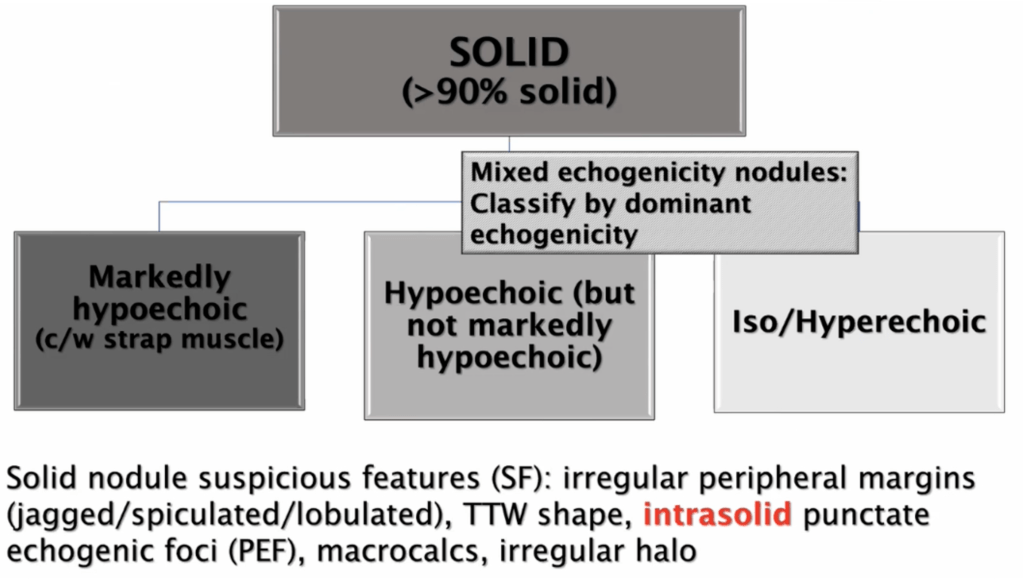
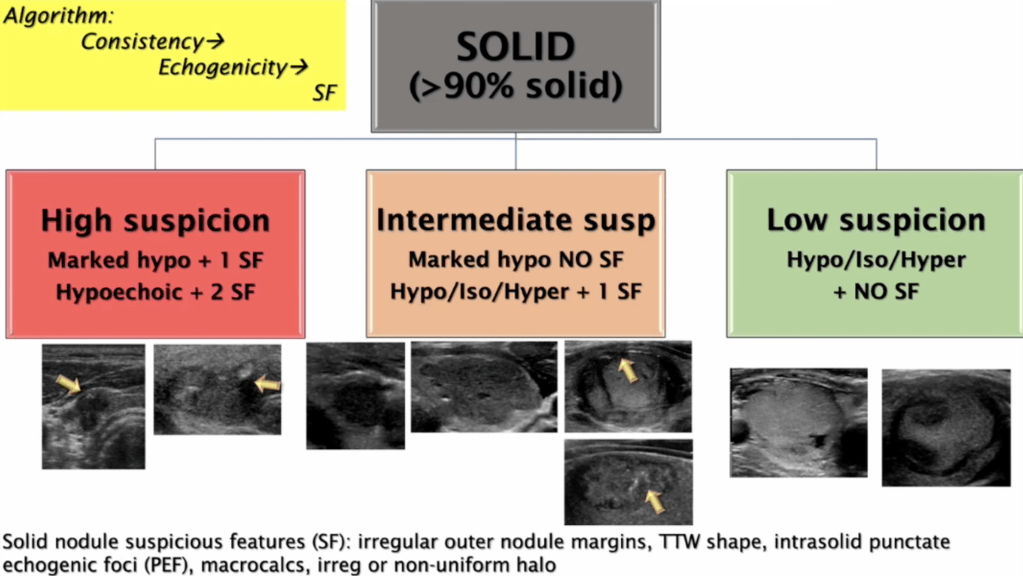
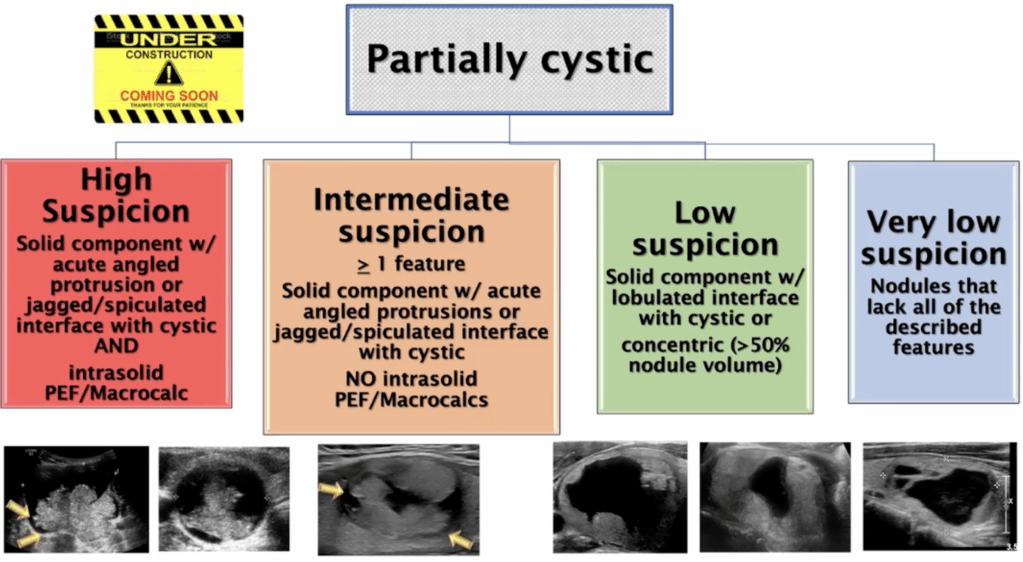
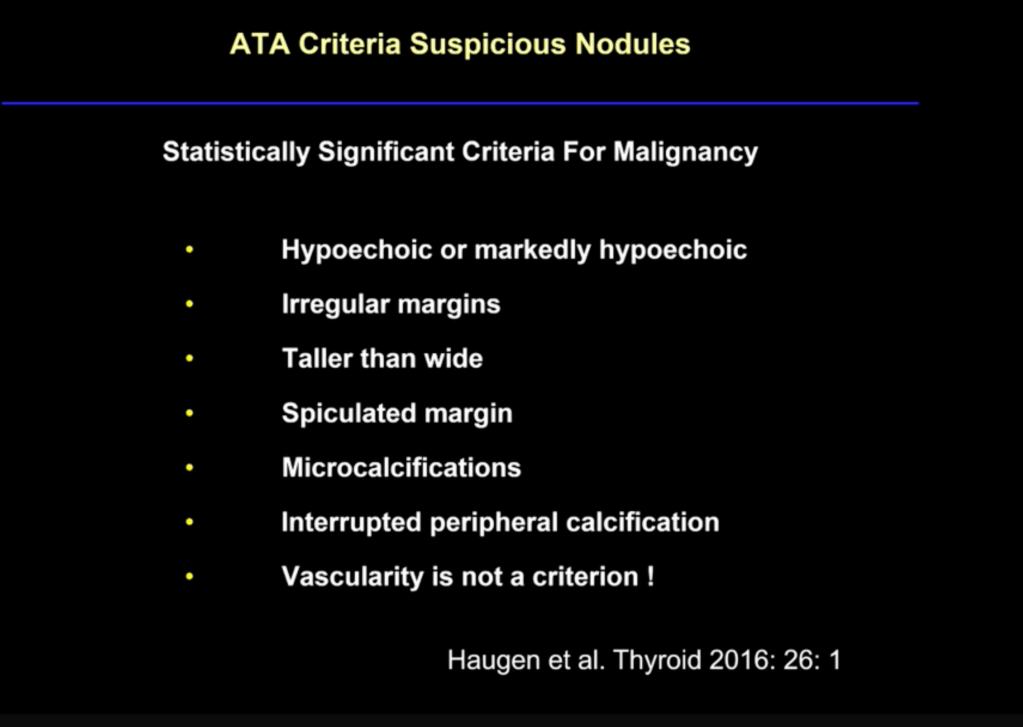
Bethesda III Thyroid Nodules

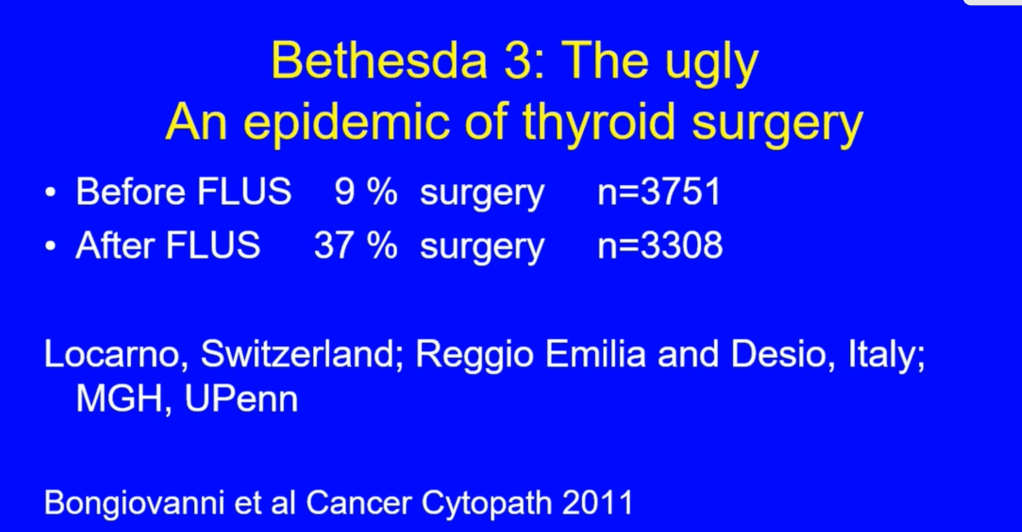
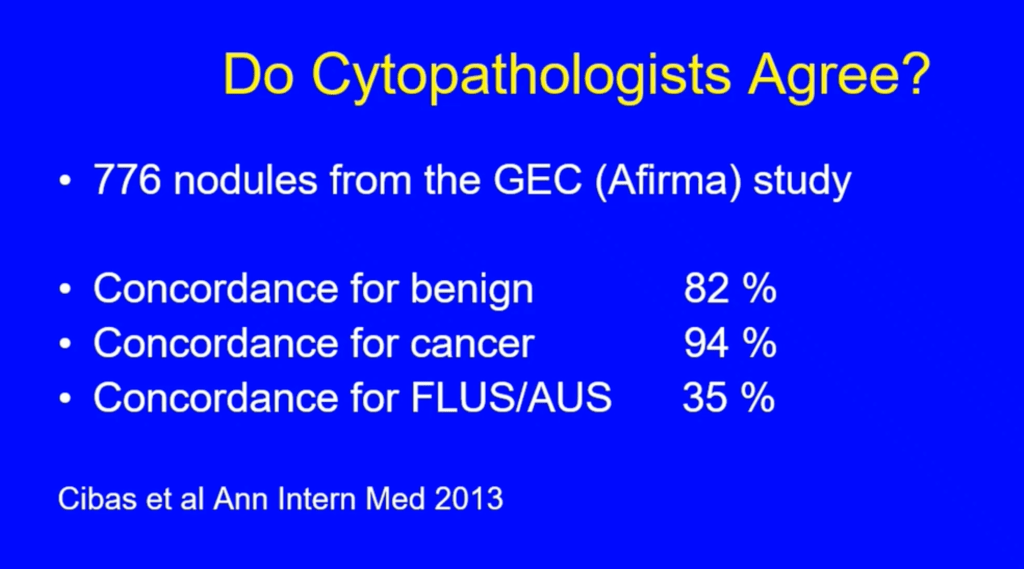
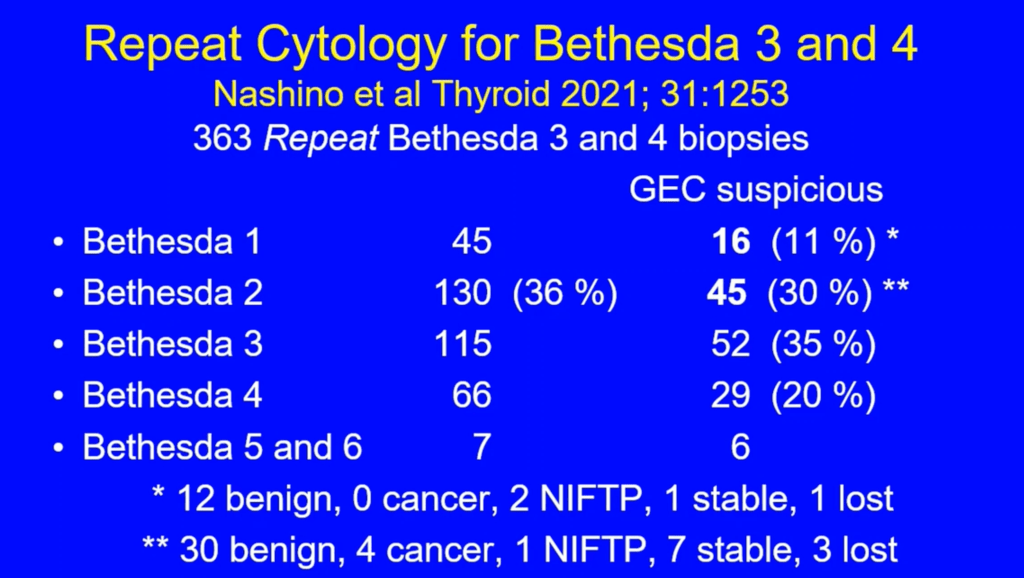
Atypia of Undetermined Significance (AUS) or Follicular Lesion of Undetermined Significance (FLUS) on Cytology

  • Based on the Bethesda system:
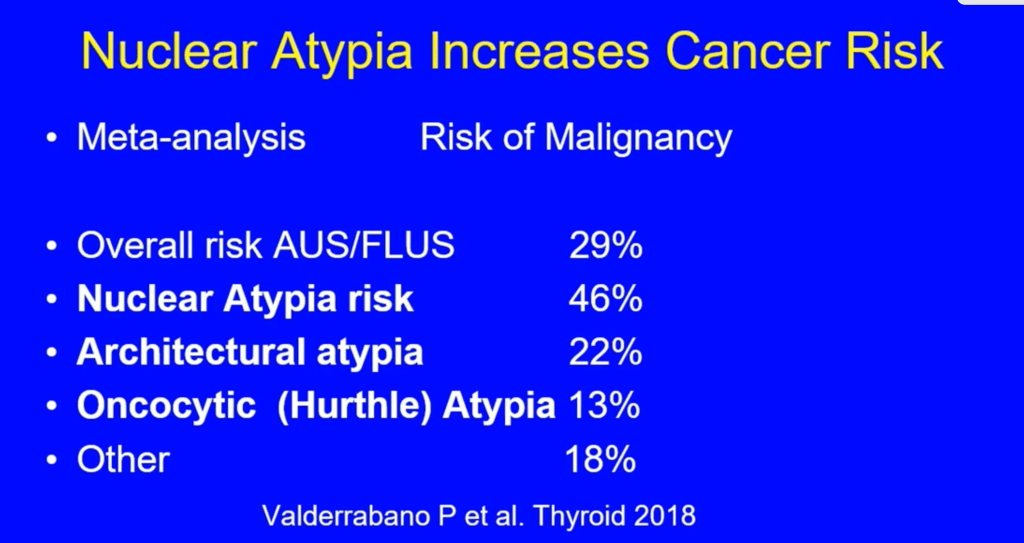
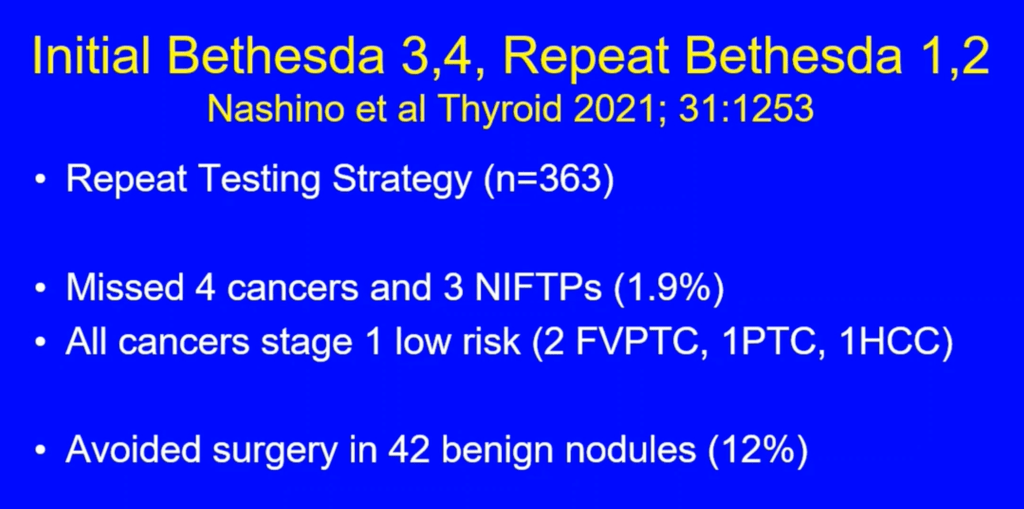
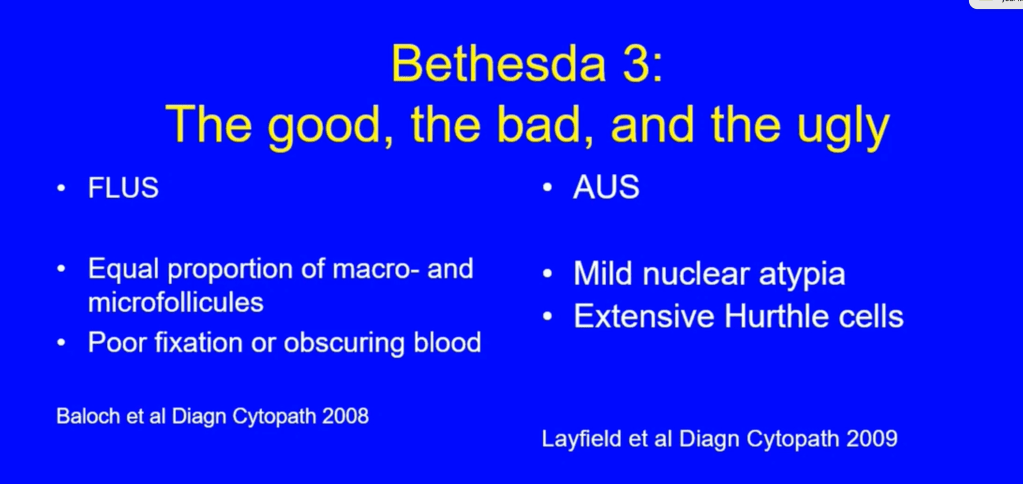
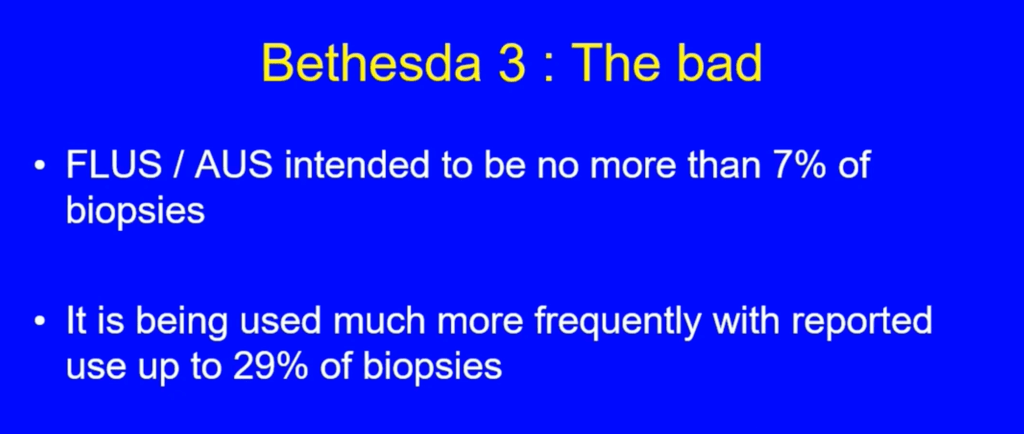
    • This diagnostic category is reserved for specimens that contain cells with architectural and / or nuclear atypia that are more prominent than expected for benign changes, but not sufficient to be placed in one of the highest-risk diagnostic categories
  • In the studies that used the criteria established by the Bethesda system, the risk of cancer for patients with AUS / FLUS who underwent surgery was:
    • 6% to 18% if NIFT (non-invasive follicular thyroid neoplasia with papillary nuclear characteristics) it is not considered cancer
    • 10% to 30% if NIFT is considered a cancer
  • For thyroid nodules with AUS / FLUS cytology after a FNAB, with clinical and ultrasonographic features of concern:
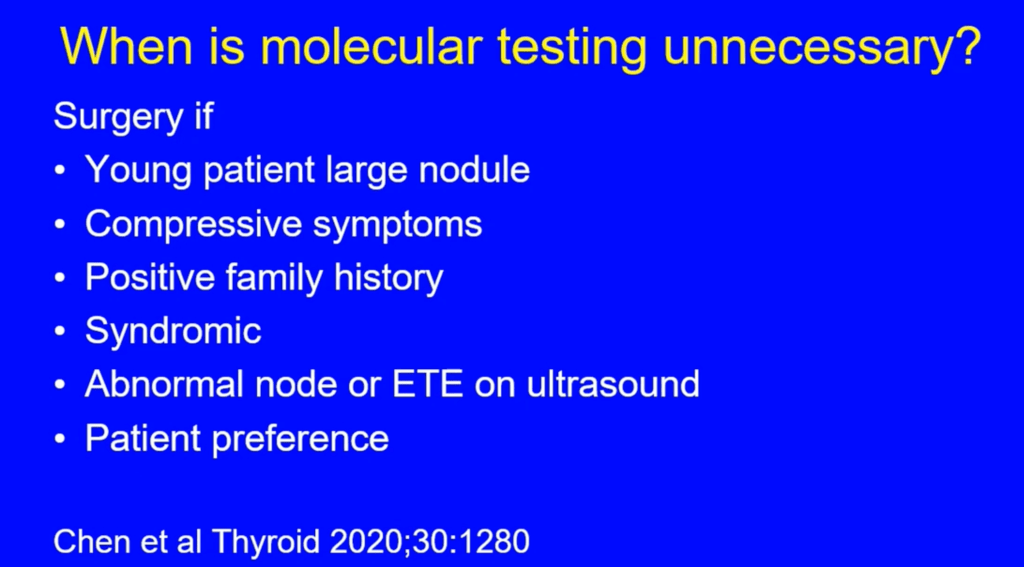
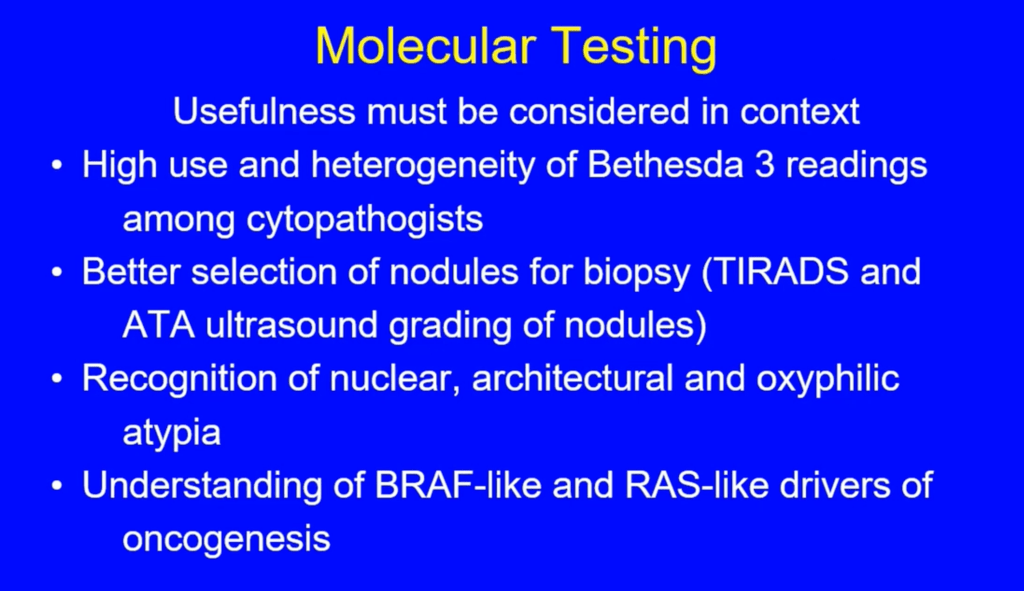
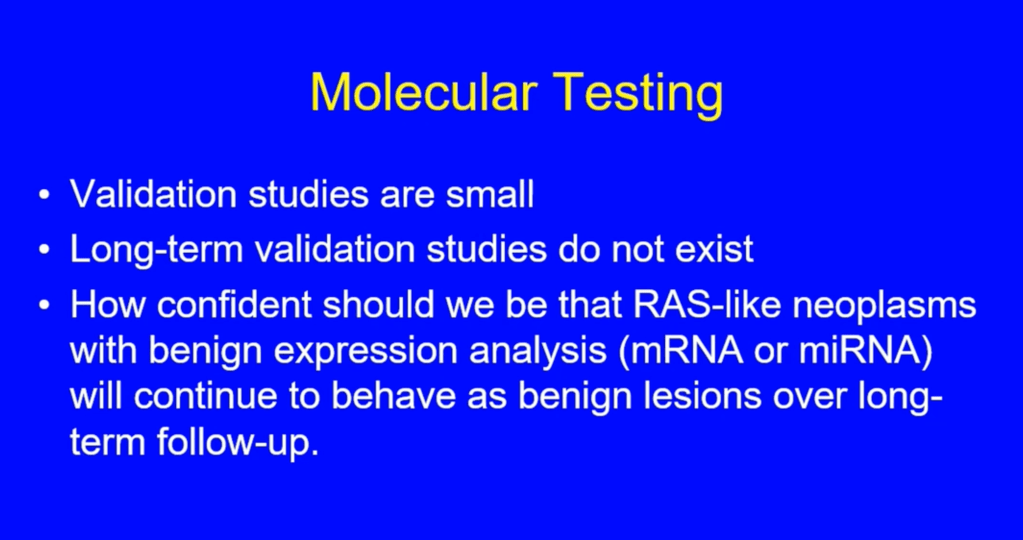
    • The assessment can be continued by repeating the FNAB or if the technology is available, molecular tests can be used to complement the risk assessment of malignancy instead of preceding directly with a strategy of either surveillance or diagnostic surgery (lobectomy)
  • Patient preference should be considered in decision-making (recommendation 15 of the ATA)
  • If FNAB is not repeated, and molecular tests are not performed, or both studies were inconclusive:
    • A diagnostic surgical excision may be performed for the thyroid nodules with Bethesda AUS / FLUS classification, according to the clinical risk factors, the ultrasonographic pattern, and patient preference (recommendation 15 of the ATA)
Male Breast Cancer

Male breast cancer accounts for less than 1% of all breast cancers but it does behave in a similar way to postmenopausal breast cancer in women.

Male breast cancer does not have a worse biology or prognosis then female breast cancer, males just tend to present at later stages and therefore have worse overall survival.

Approximately a third of men will present with stage III disease.

Approximately 4% to 40% of male breast cancers result from BRCA mutations.

The first step in treatment of male breast cancer is surgical excision.

Men should have mastectomy because the small amount of breast tissue is not conducive to breast conservation. Sentinel node biopsy should be performed and followed by axillary dissection only if the sentinel node is tumor-positive; axillary node dissection is not required in all male patients. It is important to note, however, that the ACOSOG Z011 randomized trial did not include men, so omission of completion axillary dissection for a tumor-positive sentinel node is not recommended.

Adjuvant therapy for male breast cancer is similar to that for female breast cancer. Radiation therapy should be administered for larger tumors with multiple tumor positive nodes. Men can receive hormone therapy if the tumor is estrogen receptor (ER)-positive and studies have shown that hormone therapy improves disease-free and overall survival for men. It is not known if aromatase inhibitors improve survival for men because most of the studies involving men have used tamoxifen. Similarly, the indications for adjuvant chemotherapy are similar to those for women but whether taxanes or dose-dense regimens should be administered is not known. In general, guidelines regarding chemotherapy use for women are used for men.

Fentiman IS, Forquet A, Hortobagyi GN. Male breast cancer. Lancet. 2006;367:595-604.

Giordano SH, Cohen DS, Buzdar AU, Perkins G, Hortobagyi GN. Breast carcinoma in men: a population-based study. Cancer. 2004;101:51-57.

Giordano SH, Perkins GH, Broglio K, et al. Adjuvant systemic therapy for male breast carcinoma. Cancer. 2005;104:235-264.

Goss PE, Reid C, Pintilie M, Lim R, Miller N. Male breast carcinoma: a review of 229 patients who presented to the Princess Margaret Hospital during 40 years: 1955-1996. Cancer. 1999;85:629-639.

Meijer-van Gelder ME, Look MP, Bolt-de Vries J, Peters HA, Klijn JG, Foekens JA. Clinical relevance of biologic factors in male breast cancer. Breast Cancer Res Treat. 2001;68:249-260.

While BRCA1 and BRCA2 are well known to be associated with breast cancer risk, a number of other genetic mutations also increase the risk of this disease.

High-penetrance genes include PTEN and p53. Other mutations such as those in CHEK2, ATM, and PALB2 are associated with moderate risk.

While the development of large-panel testing has allowed for the detection of many mutations that may be associated with increased risk, some are of very low penetrance. For example, STK11 was found to be associated with a pathogenic mutation in 0.01% of breast cancers.

Filippini SE, Vega A. Breast cancer genes: beyond BRCA1 and BRCA2. Front Biosci (Landmark Ed). 2013;18:1358-1372.

Lerner-Ellis J, Khalouei S, Sopik V, Narod SA. Genetic risk assessment and prevention: the role of genetic testing panels in breast cancer.

Expert Rev Anticancer Ther. 2015;15:1315-1326.

Patient Management Using Thyroseq V3

  • The ThyroSeq test results refine cancer probability in thyroid nodules with indeterminate cytology, informing the most appropriate management of these patients

There are two classes of negative test results:

ThyroSeq test result: NEGATIVE

  • According to the NCCN guidelines:
    • If molecular testing, in conjunction with clinical and ultrasound features:
      • Predicts a risk of cancer comparable to the risk of malignancy seen in a benign FNA cytology (approximately 5% or less):
        • Observation can be considered
    • Therefore, in those clinical situations where the pre-test probability of cancer in nodules with Bethesda III and IV cytology is less than 45%:
      • A negative ThyroSeq test results:
        • Would confer the cancer probability of 5% or less:
          • Justifying observation in lieu of surgical management in appropriately selected cases
        • Because the probability of cancer in such nodules is comparable to that of benign FNA cytology:
          • The management of patients may follow the recommendations for nodules with benign cytology, which, based on the 2015 ATA guidelines:
            • Should be determined based on ultrasound (US) pattern:
              • Specifically, the recommendation for nodules that have:
                • High suspicion US pattern:
                  • Is repeat US and US-guided FNA within 12 months
                • For nodules with low to intermediate suspicion US pattern:
                  • Repeat US at 12 to 24 months and if sonographic evidence of growth or development of new suspicious sonographic features, the FNA could be repeated or observation continued with repeat US, with repeat FNA in case of continued growth (ATA Recommendation #23)
  • In nodules with Bethesda V cytology and negative ThyroSeq result:
    • The residual cancer risk of approximately 20% does not allow to avoid surgical management:
      • Thyroid lobectomy may be sufficient initial treatment for many of these patients as the majority of these nodules are expected to be benign

ThyroSeq test result: CURRENTLY NEGATIVE

  • Test results are reported as currently negative:
    • When the sample is found positive for a low-risk gene mutation that alone is not sufficient for full cancer development (eg. PTEN, EIF1AX) and found in a subpopulation of cells\
    • Although at the time of sampling most of these nodules are benign:
      • Some of them may undergo clonal expansion and acquire additional mutations.
    • In the absence of high-suspicion US pattern or other clinical risk factors:
      • Many of these patients are likely to benefit from active surveillance with potential repeat of FNA and possibly molecular testing in 1 year.

ThyroSeq test result: POSITIVE

  • For these nodules, the type and level of mutation(s) provide further refinement of the probability of cancer and estimate cancer aggressiveness / risk:
    • According to the ATA risk stratification system for thyroid cancer:
      • The risk of structural disease recurrence can be:
        • Low (1% to 5%)
        • Intermediate (10% to 20%)
        • High (30% to 55%)
  • ThyroSeq test positive for an isolated RAS or RAS-like mutation:
    • Predicts a high probability (approximately 80%) of either:
      • Low-risk cancer or a pre-cancerous tumor, NIFTP.
    • Many of these nodules may be managed by therapeutic lobectomy:
      • Which is currently recommended by the ATA guidelines for low-risk papillary and follicular carcinomas (ATA Recommendation #35) and NIFTP
  • ThyroSeq test positive for an isolated BRAF V600E or BRAF V600E-like mutation:
    • Confers a very high (greater than 95%) probability of cancer that typically is of intermediate risk for recurrence:
      • According to the ATA guidelines:
        • BRAF-mutated less than 1 cm unifocal intrathyroidal carcinoma:
          • Is of low risk for disease recurrence:
            • Therefore may be treated with thyroid lobectomy alone
        • Whereas 1 cm to 4 cm intrathyroidal BRAF-positive PTC:
          • Is an intermediate-risk tumor:
            • Where total thyroidectomy or lobectomy should be considered based on clinical and US findings
  • ThyroSeq test positive for multiple high-risk mutations:
    • Is virtually diagnostic of cancer and predicts an elevated risk of disease recurrence
    • Most of these patients would likely benefit from:
      • Total thyroidectomy, with possible consideration for regional lymph node dissection if one of the mutations is BRAF V600E

#Arrangoiz #ThyroidSurgeon #ThyroidCancer #ThyroidExpert #CancerSurgeon #HeadandNeckSurgeon #ThyroidNodules #Thyroseq

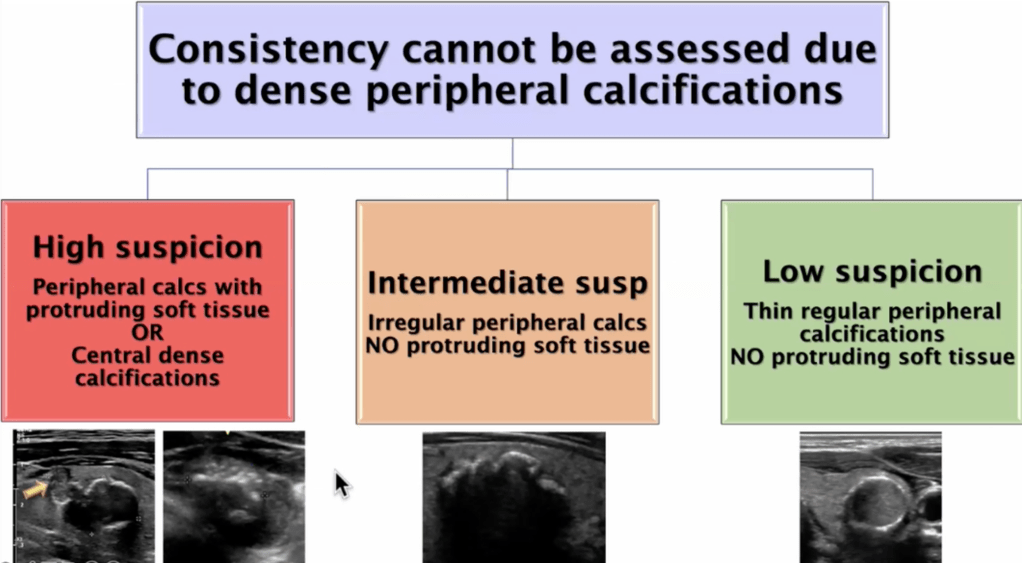
Thyroid Nodules with EggShell Calcifications

Disrupted Eggshell Calcifications have a higher risk of cancer