Adjuvant Therapy in High Risk Breast Cancers

Both chemotherapy and aromatase inhibitors are indicated in high-risk HR+ breast cancer. Studies have shown aromatase inhibitors to be superior to tamoxifen in breast cancer recurrence and mortality in postmenopausal women.

References

Albain KS, Barlow WE, Shak S, et al. Prognostic and predictive value of the 21-gene recurrence score assay in postmenopausal women with node-positive, oestrogen-receptor-positive breast cancer on chemotherapy: a retrospective analysis of a randomised trial. Lancet Oncol. 2010; 11(1): 55-65.

Gnant M, Filipits M, Greil R, et al. Predicting distant recurrence in receptor-positive breast cancer patients with limited clinicopathological risk: using the PAM50 Risk of Recurrence score in 1478 postmenopausal patients of the ABCSG-8 trial treated with adjuvant endocrine therapy alone. Ann Oncol. 2014; 25(2): 339-45.

Early Breast Cancer Trialists’ Collaborative Group, Davies C, Godwin J, et al. Relevance of breast cancer hormone receptors and other factors to the efficacy of adjuvant tamoxifen: patient-level meta-analysis of randomised trials. Lancet. 2011; 378(9793): 771-84.

Francis PA, Pagani O, Fleming GF, et al. Tailoring Adjuvant Endocrine Therapy for Premenopausal Breast Cancer. N Engl J Med. 2018; 379(2): 122-137.

Early Breast Cancer Trialists’ Collaborative Group. Aromatase inhibitors versus tamoxifen in early breast cancer: patient-level meta-analysis of the randomised trials. Lancet. 2015; 386(10001): 1341-52.

Vogel VG, Costantino JP, Wickerham DL, et al. Update of the National Surgical Adjuvant Breast and Bowel Project Study of Tamoxifen and Raloxifene (STAR) P-2 Trial: Preventing breast cancer. Cancer Prev Res (Phila). 2010; 3(6): 696-706.
Endocrine Therapy in Patients with Low to Intermediate Oncotype Score

Studies have shown aromatase inhibitors to be superior to tamoxifen in breast cancer recurrence and mortality in postmenopausal women

The TailoRx trial showed no difference in disease-free survival (DFS) or overall survival (OS) in women with a low or intermediate oncotype score when comparing chemotherapy plus endocrine therapy to endocrine therapy alone

Both tamoxifen and aromatase inhibitors have been shown to significantly improve breast cancer recurrence and survival rates in women with HR+ breast cancer.

References

Albain KS, Barlow WE, Shak S, et al. Prognostic and predictive value of the 21-gene recurrence score assay in postmenopausal women with node-positive, oestrogen-receptor-positive breast cancer on chemotherapy: a retrospective analysis of a randomised trial. Lancet Oncol. 2010; 11(1): 55-65.

Gnant M, Filipits M, Greil R, et al. Predicting distant recurrence in receptor-positive breast cancer patients with limited clinicopathological risk: using the PAM50 Risk of Recurrence score in 1478 postmenopausal patients of the ABCSG-8 trial treated with adjuvant endocrine therapy alone. Ann Oncol. 2014; 25(2): 339-45.

Early Breast Cancer Trialists’ Collaborative Group, Davies C, Godwin J, et al. Relevance of breast cancer hormone receptors and other factors to the efficacy of adjuvant tamoxifen: patient-level meta-analysis of randomised trials. Lancet. 2011; 378(9793): 771-84.
Francis PA, Pagani O, Fleming GF, et al. Tailoring Adjuvant Endocrine Therapy for Premenopausal Breast Cancer. N Engl J Med. 2018; 379(2): 122-137. doi: 10.1056/NEJMoa1803164.

Early Breast Cancer Trialists’ Collaborative Group. Aromatase inhibitors versus tamoxifen in early breast cancer: patient-level meta-analysis of the randomised trials. Lancet. 2015; 386(10001): 1341-52.

Vogel VG, Costantino JP, Wickerham DL, et al. Update of the National Surgical Adjuvant Breast and Bowel Project Study of Tamoxifen and Raloxifene (STAR) P-2 Trial: Preventing breast cancer. Cancer Prev Res (Phila). 2010; 3(6): 696-706.

Affirma Molecular Test

  • Tackling the question of benign versus malignant etiology from a another standpoint:
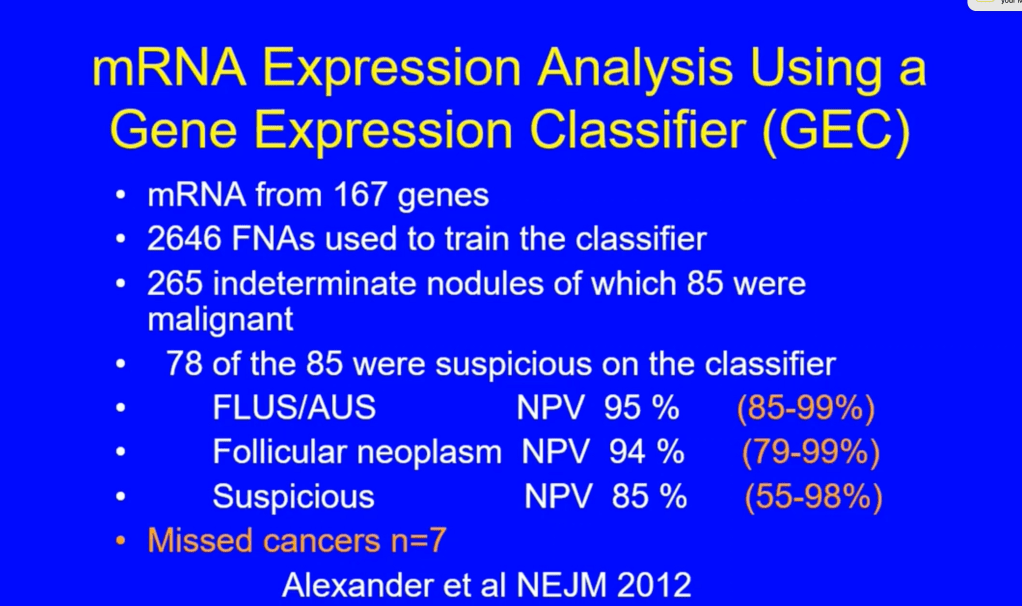
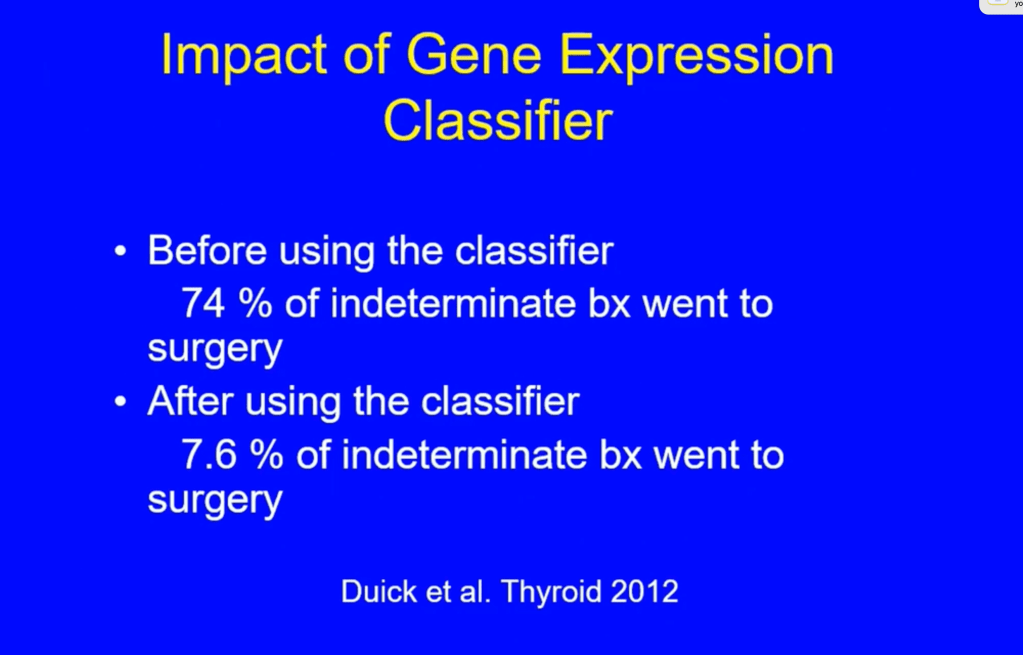
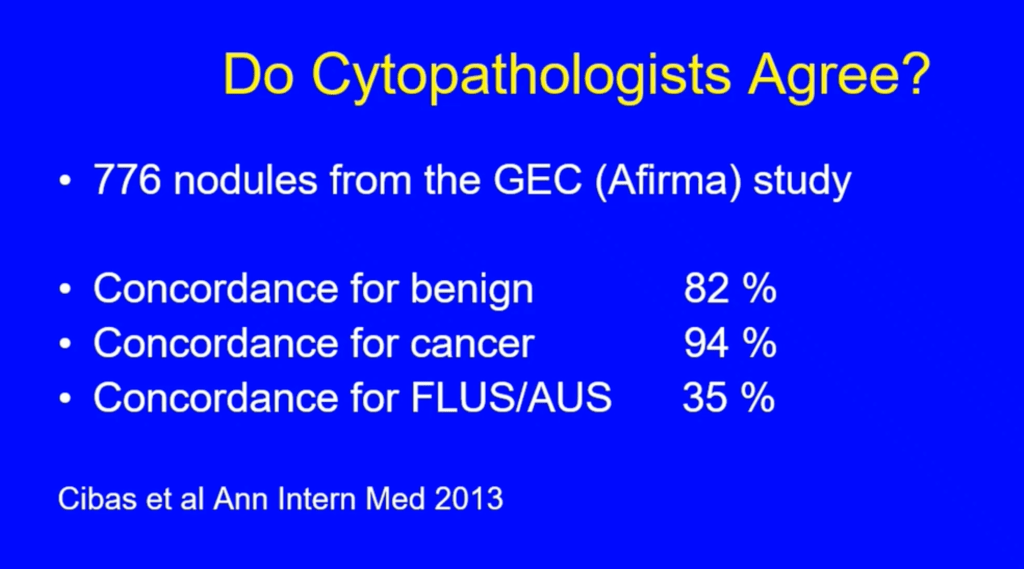
    • A gene expression classifier (GEC) was developed through an iterative process that intended for the test to have a high sensitivity and a high negative predictive value (NPV), analogous to the NPV of thyroid nodules diagnosed as benign on cytology
  • Intended specifically to aid in ruling out malignancy, the Afirma GEC was developed to possibly decrease the rate of diagnostic lobectomies in the case of indeterminate or suspicious thyroid nodules
  • A test with a high sensitivity and high negative predictive value (NPV) can rule-out cancer
  • A test sensitivity:
    • Measures the fraction of cancers that the test identifies as “positive” (Afirma GEC suspicious)
  • The Afirma GEC sensitivity among indeterminate nodules:
    • Is roughly 90%
    • A test NPV measures the fraction of “negative” calls by the test (Afirma GEC benign) that are correct
  • The Afirma GEC NPV is:
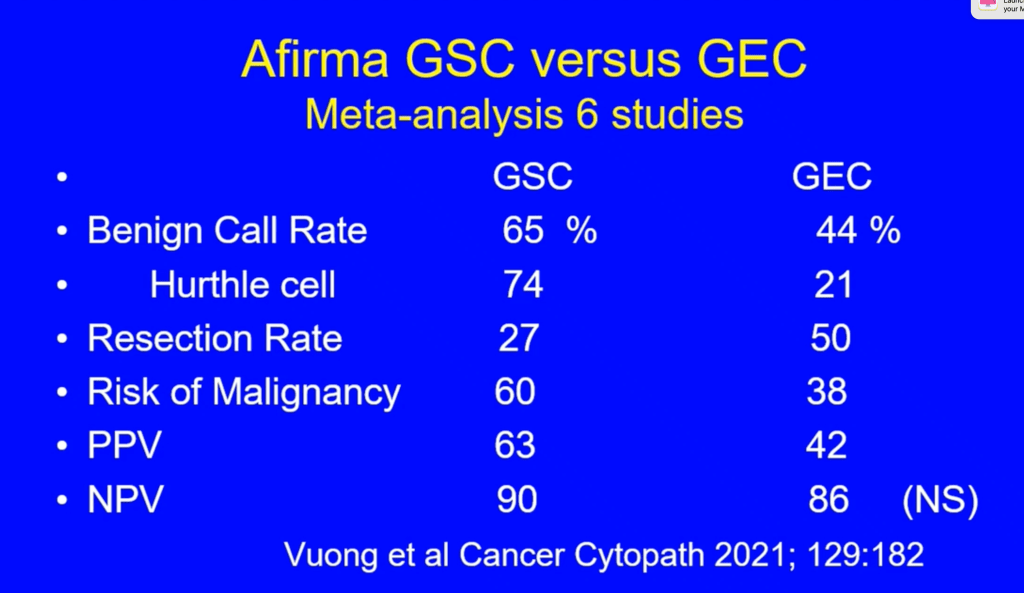
    • 94% to 95% amongst Bethesda III and IV nodules at a cancer prevalence of 24% to 25%
  • Although not mutually exclusive, a test with a high specificity and high PPV:
    • Is able to rule-in cancer
  • A test specificity measures the fraction of benign nodules that are called benign by the test
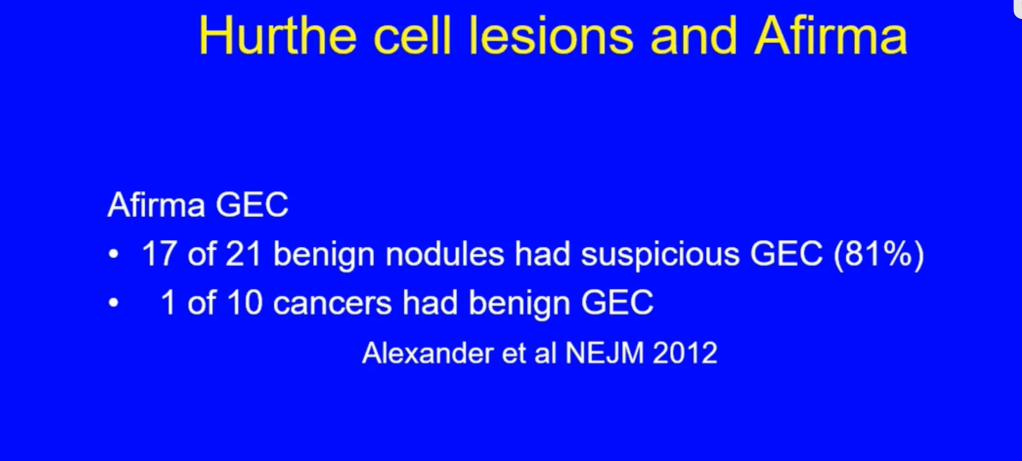
    • The Afirma GEC test specificity is 52%:
      • Signifying that just over half of the benign nodules are called GEC benign
  • A test PPV measures the fraction of “positive” calls by the test (Afirma GEC suspicious) that are correct
    • The Afirma GEC test PPV is 37% to 38% amid Bethesda III and IV nodules
  • Accordingly, the strength of the Afirma GEC is its ability to rule-out cancer (NPV), more than its ability to rule-in cancer (PPV)
  • A rule-in test is of significance when it changes clinical care:
    • Such as altering the extent of thyroid surgery from a lobectomy to a total thyroidectomy:
      • Hence, the effectiveness of a rule-in tests is currently questioned as patient benefit has not been established
  • Given the low specificity (52%) and PPV (37% to 38%) of Afirma:
    • It is not considered a rule-in test
  • Even though an Afirma GEC suspicious result raises the risk of cancer from 24% to 25% to 37% to 38%:
    • It should be clear that the asset of the test is that it finds just over one-half of all benign nodules with Bethesda III or IV cytology as genomically benign, and 90% of all cancers as genomically suspicious irrespective of the cancer prevalence
  • Therefore, when utilized as part of the diagnostic armamentarium for cytologically indeterminate nodules with a risk of malignancy of 25% or less:
    • The estimated accuracy of a benign result (NPV) is 94% or greater
  • Accordingly, the majority of the Afirma GEC benign nodules:
    • Are entrants for clinical observation instead of a diagnostic operation
  • Rare neoplasms that are often difficult to accurately diagnose with cytology such as:
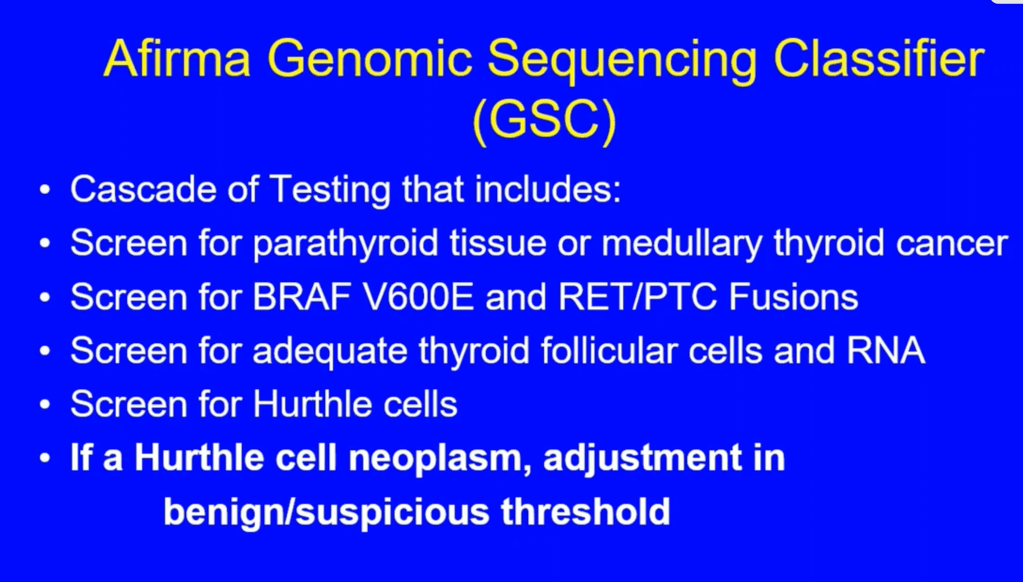
    • Parathyroid neoplasms, medullary thyroid carcinomas (MTC), and metastases to the thyroid from malignant breast, melanoma, and renal cell carcinomas are easily identified by the Afirma GEC
  • Once the test fails to identify one of these rare tumors, the GEC evaluates the expression of 142 genes that are used in a proprietary mathematical algorithm to categorize indeterminate thyroid nodule as either:
    • GEC benign or GEC suspicious
  • The Afirma GEC is founded on the quantification of messenger ribonucleic acid (mRNA) expression
    • There are quite a few diagnostic benefits to using RNA instead of other approaches such as microRNA expression or DNA mutations:
      • The BRAF V600E mutation which is the most common genomic alteration identified in differentiated thyroid cancers, it is usually not identified in cytologically indeterminate thyroid nodules (Bethesda III and IV)
      • The most common mutation among indeterminate thyroid nodules are RAS mutations, but these are identified in both malignant and benign nodules
      • Since benign nodules out-number malignant nodules 4:1 among indeterminate nodules, the PPV of RAS mutations is poor in a multiple of studies
      • The difficulties of using mutational approaches for indeterminate or suspicious thyroid nodules is that many malignancies do not have the known genomic aberrations, and when present, most genomic anomalies are not specific for cancer
  • In the development of the Afirma GEC, instead of discriminately relying on genes formerly detected in the medical literature, analysis of the whole genome (transcriptome) was used to isolate candidate genes, and support vector machine learning methods were used to develop the classifier algorithm
  • The clinical study validating the Afirma GEC was originally performed on a small independent sample of thyroid nodule FNABs within a prospective multicenter, double blind study design
  • The Afirma GEC accomplished a high sensitivity (measures the fraction of cancers that it identifies as positive) and NPV (measures the fraction of “negative” calls by the test (Afirma GEC benign) that are correct), including among indeterminate thyroid nodules
  • The GEC was validated in a second larger independent sample in a prospective multicenter study which included the largest ever prospectively collected set of thyroid FNAB biopsies from 3789 unique patients, with a final validation set of 265 indeterminate nodules
  • Based on the 24% prevalence of malignancy in cytologically indeterminate samples (Bethesda III/IV), a 95% NPV for the Afirma GEC was attained
  • The distinctive and often unnoticed strength of this prospective, multicenter, and blinded validation design is that it supports generalizability of the results
  • The prospective and multicenter study design reduces selection bias and enhances what is likely to occur in the real-world
  • The patients (3789) were prospectively consented and enrolled in the trial before undergoing FNAB at 49 study sites, including academic and community practices, which offers confidence in the external validity of the findings
  • A strong internal validity was established when no differences were found between the final validation cohort of 265 patients compared to the full prospective and consecutive total enrollment cohort
  • The investigators were blinded to the Afirma GEC results, impeding them from being influenced in the decision of which surgery should be recommended
  • These vital study design elements support the internal and external validity of the Afirma GEC study and provide confidence in the broader generalizability of the study findings to every day clinical practice
  • The pre-test risk of malignancy (ROM) determines the PPV and NPV of the Afirma GEC
  • To practice personalized medicine, it is central to consider the individual patient’s pre-test risk
  • The patient’s pre-test ROM includes their individual characteristics (gender, history of childhood radiation, imaging findings, serum TSH among others) and the interpreting cytopathologist’s thresholds to use cytology indeterminate categories
  • Neglecting this very vital step of personalized care and believing that every patient has the same pre-test risk overlooks very important medical information
  • The ATA guidelines allow for either thyroid lobectomy or near-total/total thyroidectomy for thyroid malignancy 1 cm to 4 cm in size without gross extra-thyroidal extension or clinical evidence of lymph node metastases
  • Therefore, numerous factors must be taken into consideration when planning the operation for indeterminate thyroid nodules, such as the risks and benefits, the presence of significant contralateral nodules, long-term follow-up, the role for completion thyroidectomy with or without radioactive iodine ablation if malignancy is found, and patient wishes
  • The 2015 ATA guideline emphasizes ultrasound characteristics to predict the nodule’s ROM
  • The Afirma GEC is anticipated to identify 90% of cancers (sensitivity) as GEC suspicious, and 52% of the benign nodules as GEC benign (specificity), regardless of the pre-test ROM
  • High suspicion ultrasound patterns may be related with a greater than 70% ROM and are found in the minority of nodules with indeterminate cytology
  • Thyroid nodules with such a high pre-test ROM, the NPV of Afirma is expected to be less than 70%, so it may not be useful to avoid surgery in such cases

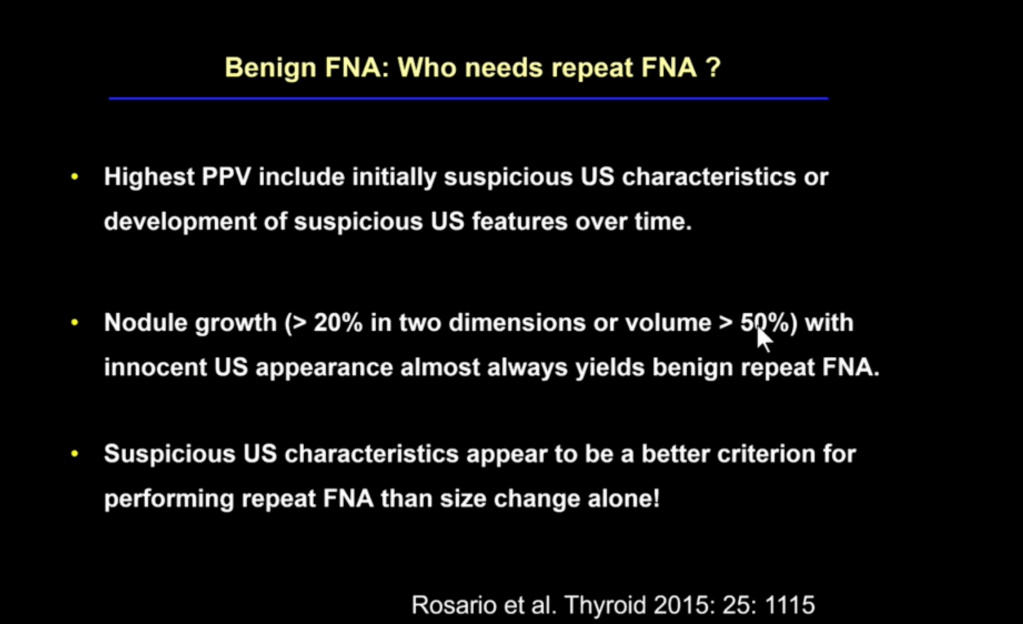
Bethesda 0 Result What to Do?

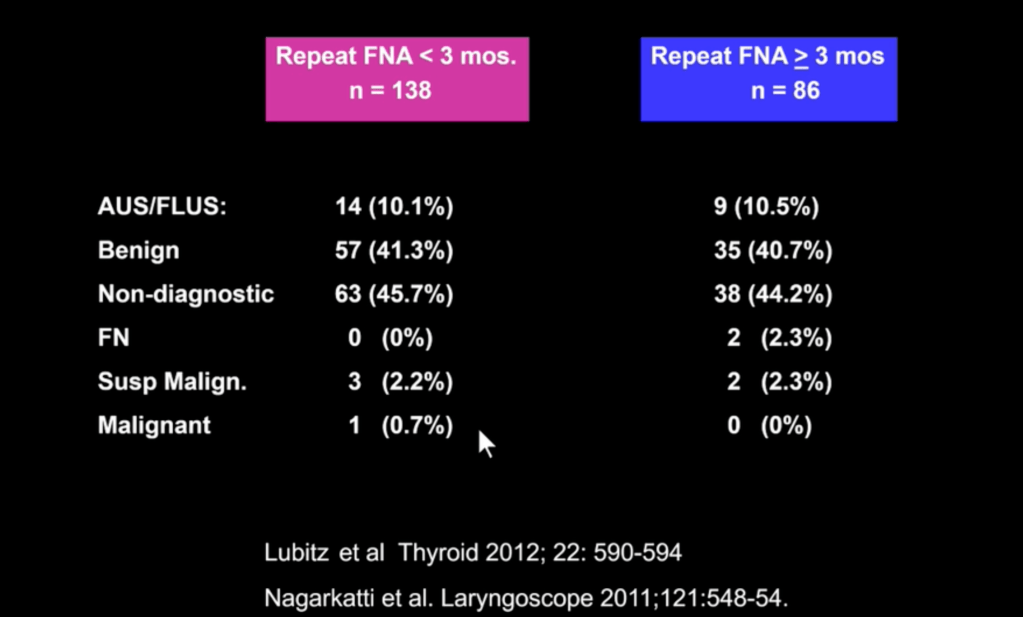
We do not have to wait three months to repeat the Ultrasound guided FNA. NO risk of increased atypia.

Bethesda III Thyroid Nodules

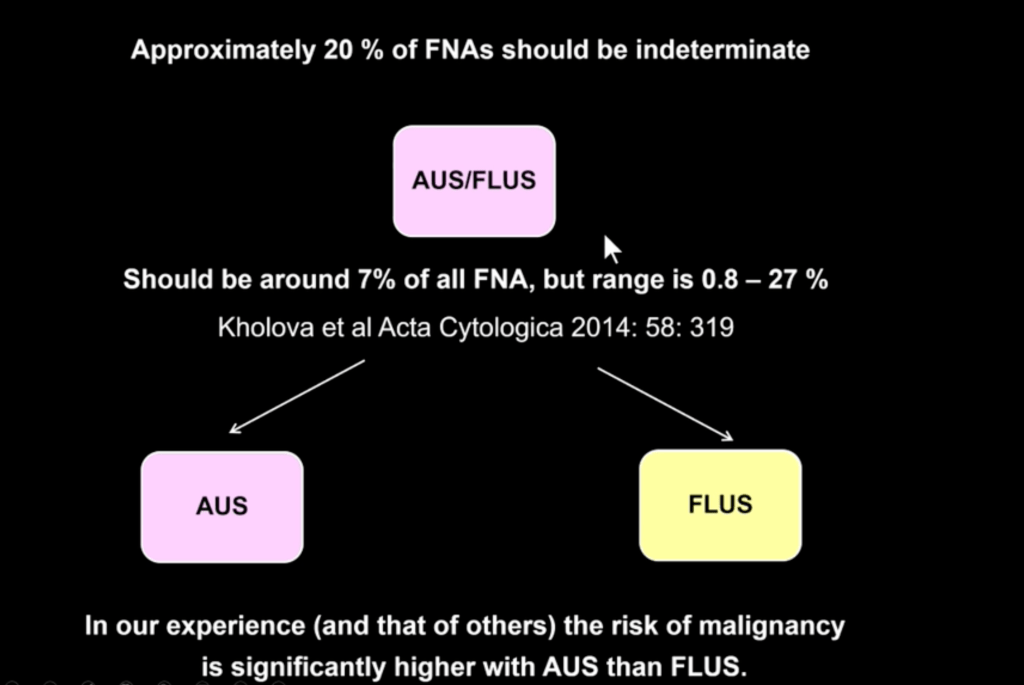
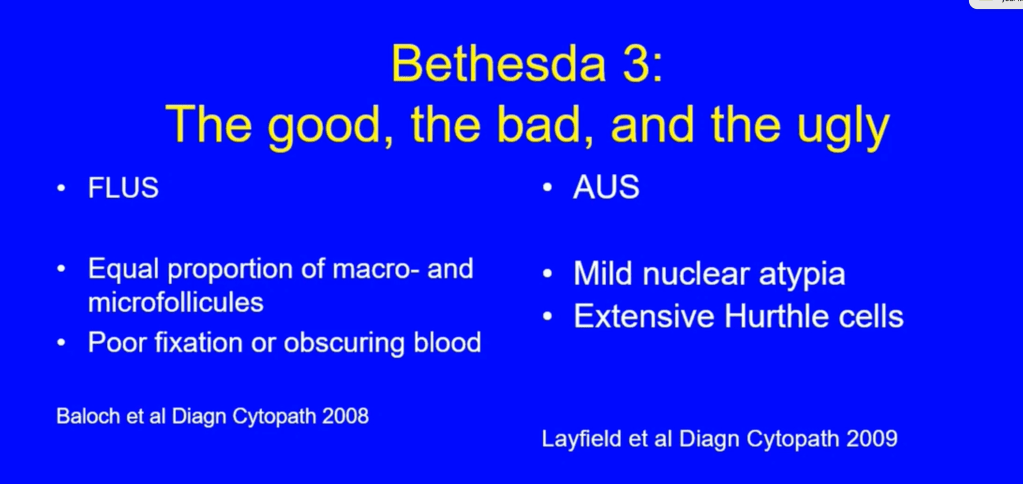
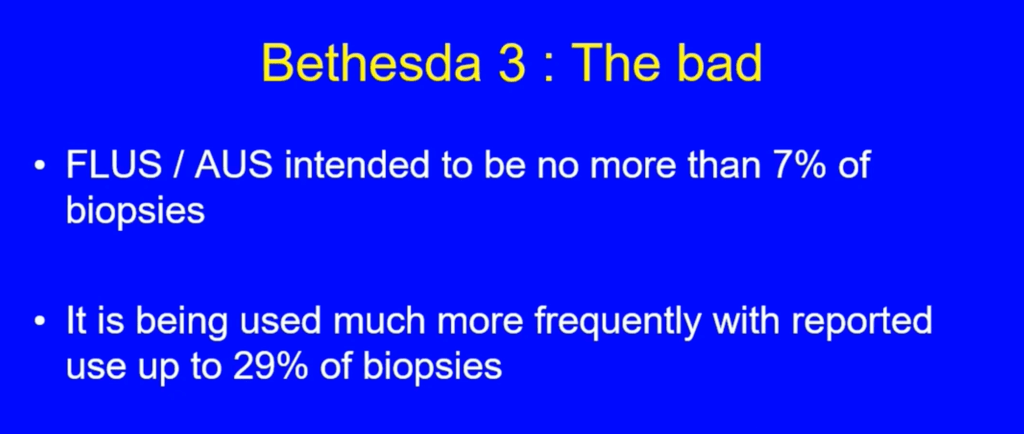
Atypia of Undetermined Significance (AUS) or Follicular Lesion of Undetermined Significance (FLUS) on Cytology

  • Based on the Bethesda system:
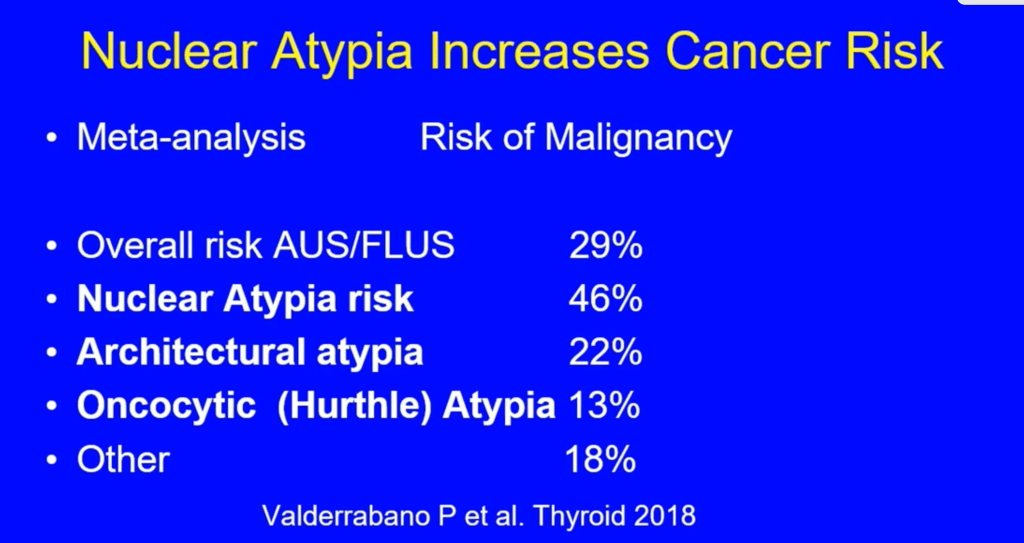
    • This diagnostic category is reserved for specimens that contain cells with architectural and / or nuclear atypia that are more prominent than expected for benign changes, but not sufficient to be placed in one of the highest-risk diagnostic categories
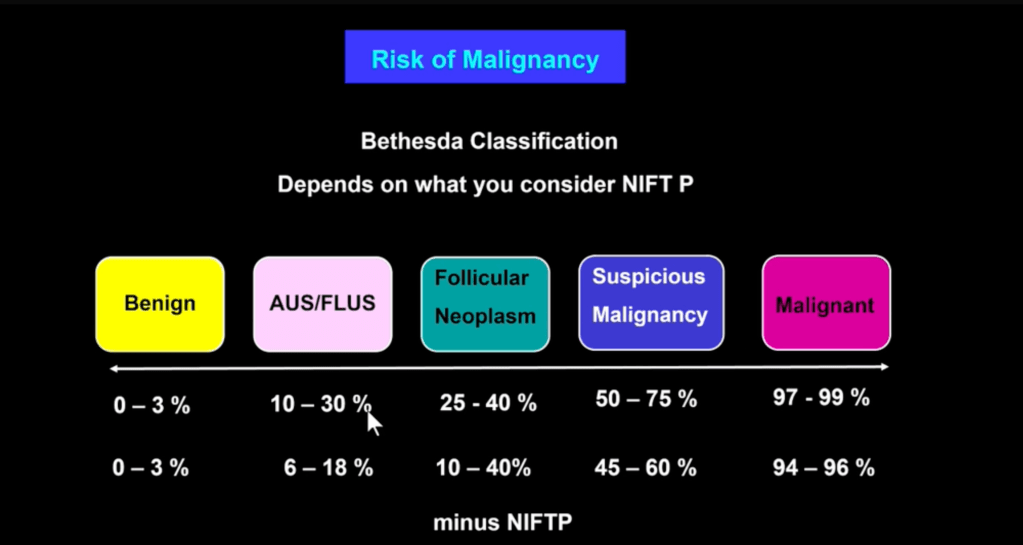
  • In the studies that used the criteria established by the Bethesda system, the risk of cancer for patients with AUS / FLUS who underwent surgery was:
    • 6% to 18% if NIFT (non-invasive follicular thyroid neoplasia with papillary nuclear characteristics) it is not considered cancer
    • 10% to 30% if NIFT is considered a cancer
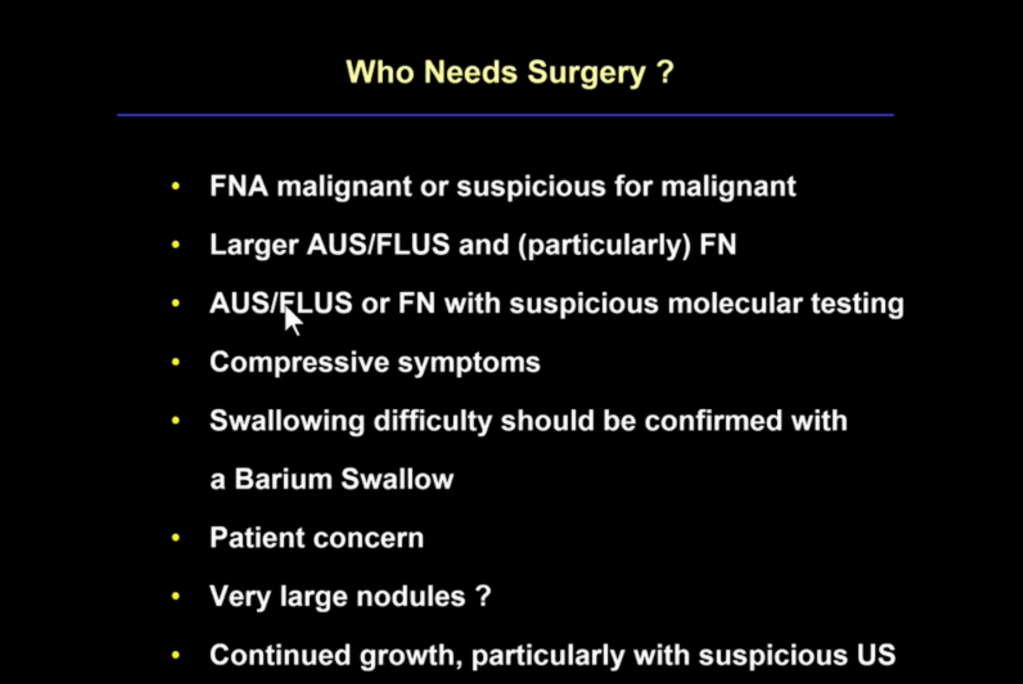
  • For thyroid nodules with AUS / FLUS cytology after a FNAB, with clinical and ultrasonographic features of concern:
    • The assessment can be continued by repeating the FNAB or if the technology is available, molecular tests can be used to complement the risk assessment of malignancy instead of preceding directly with a strategy of either surveillance or diagnostic surgery (lobectomy)
  • Patient preference should be considered in decision-making (recommendation 15 of the ATA)
  • If FNAB is not repeated, and molecular tests are not performed, or both studies were inconclusive:
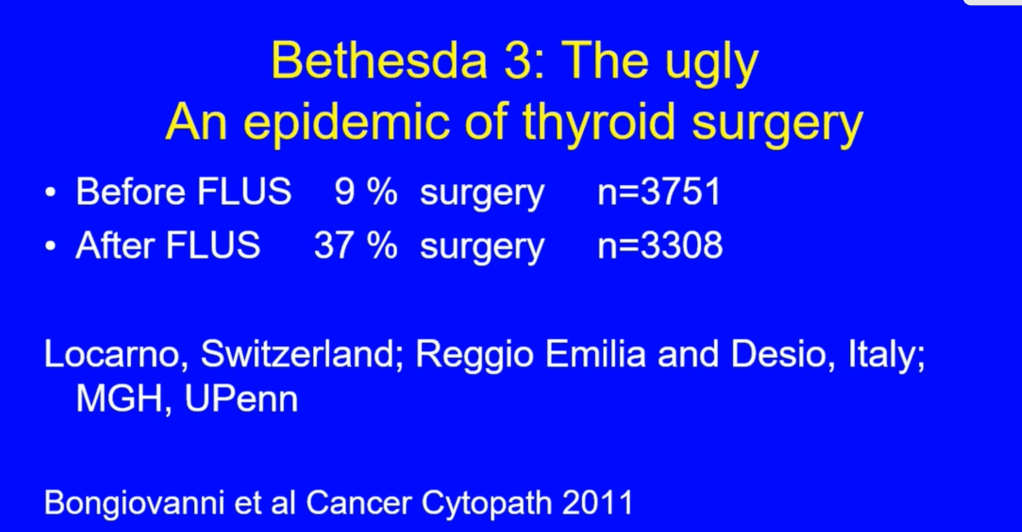
    • A diagnostic surgical excision may be performed for the thyroid nodules with Bethesda AUS / FLUS classification, according to the clinical risk factors, the ultrasonographic pattern, and patient preference (recommendation 15 of the ATA)