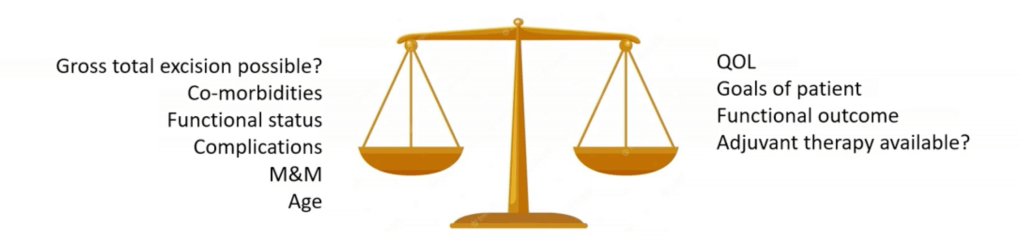
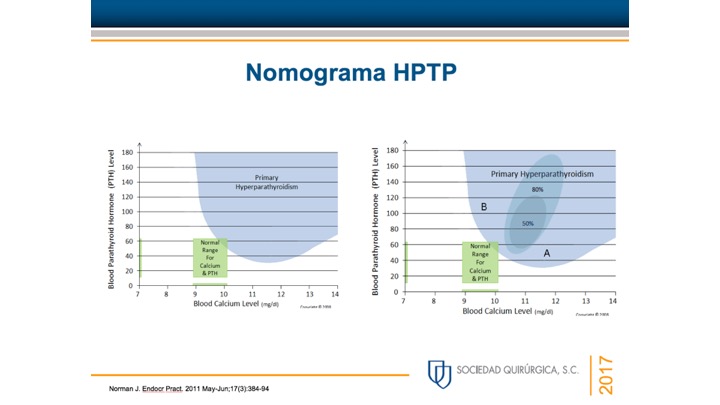
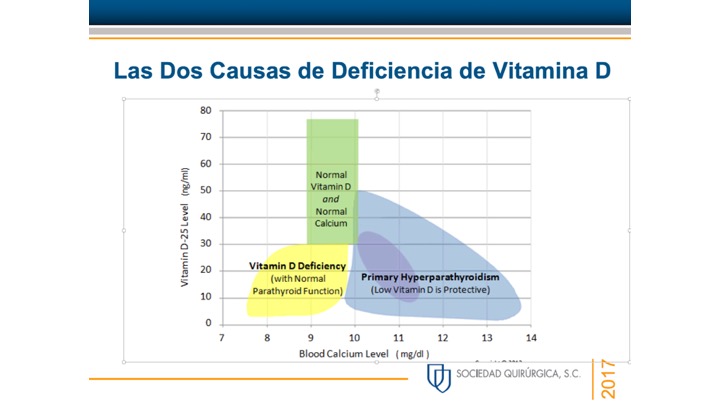
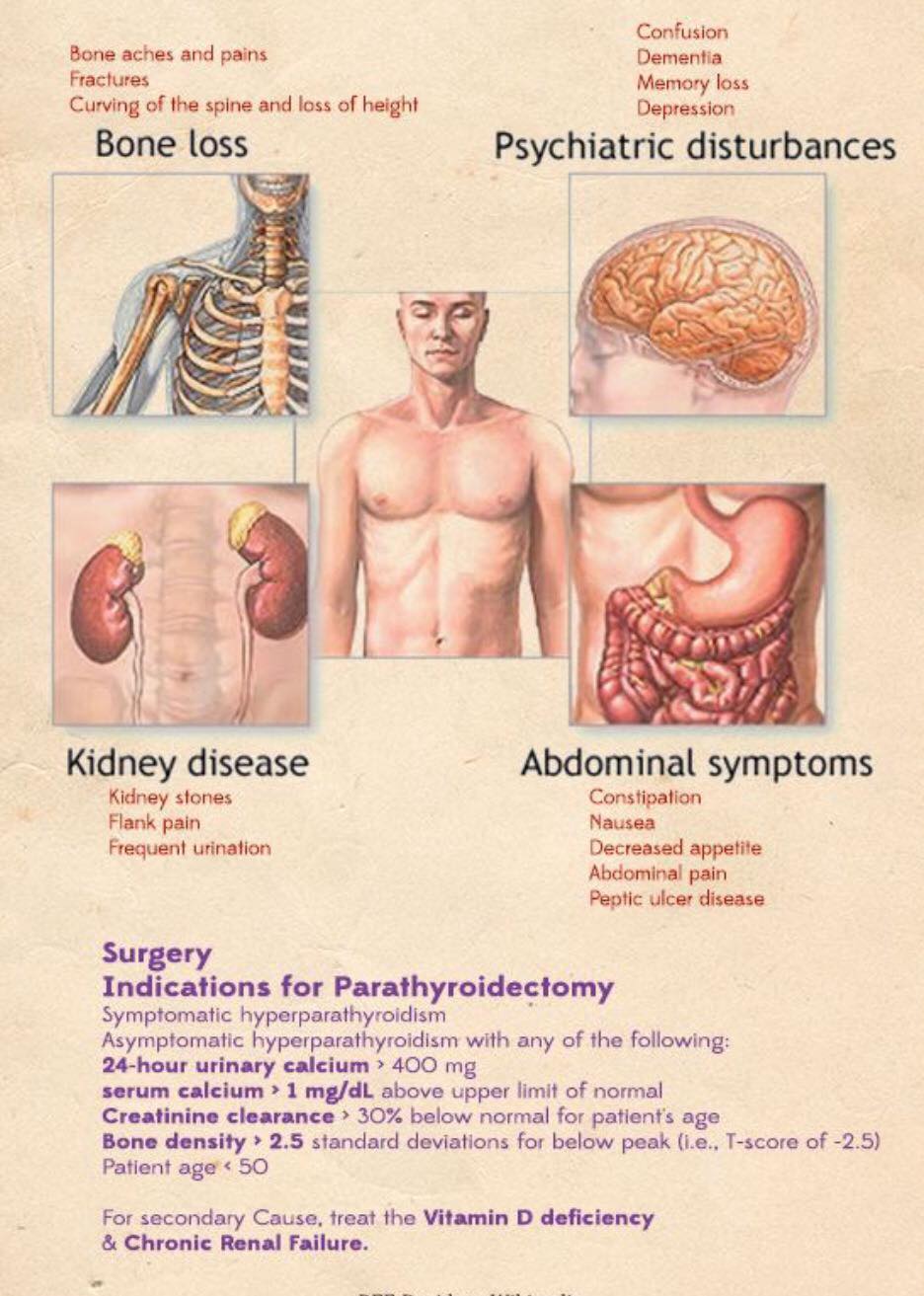
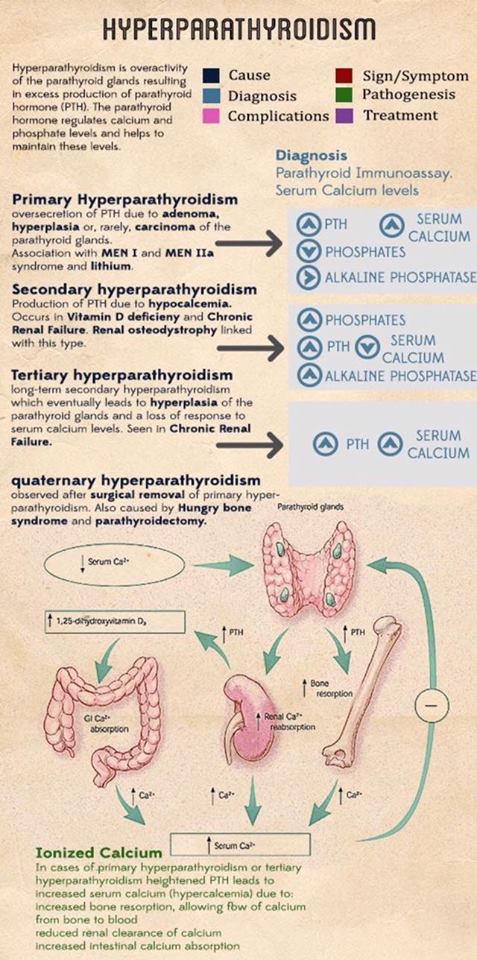
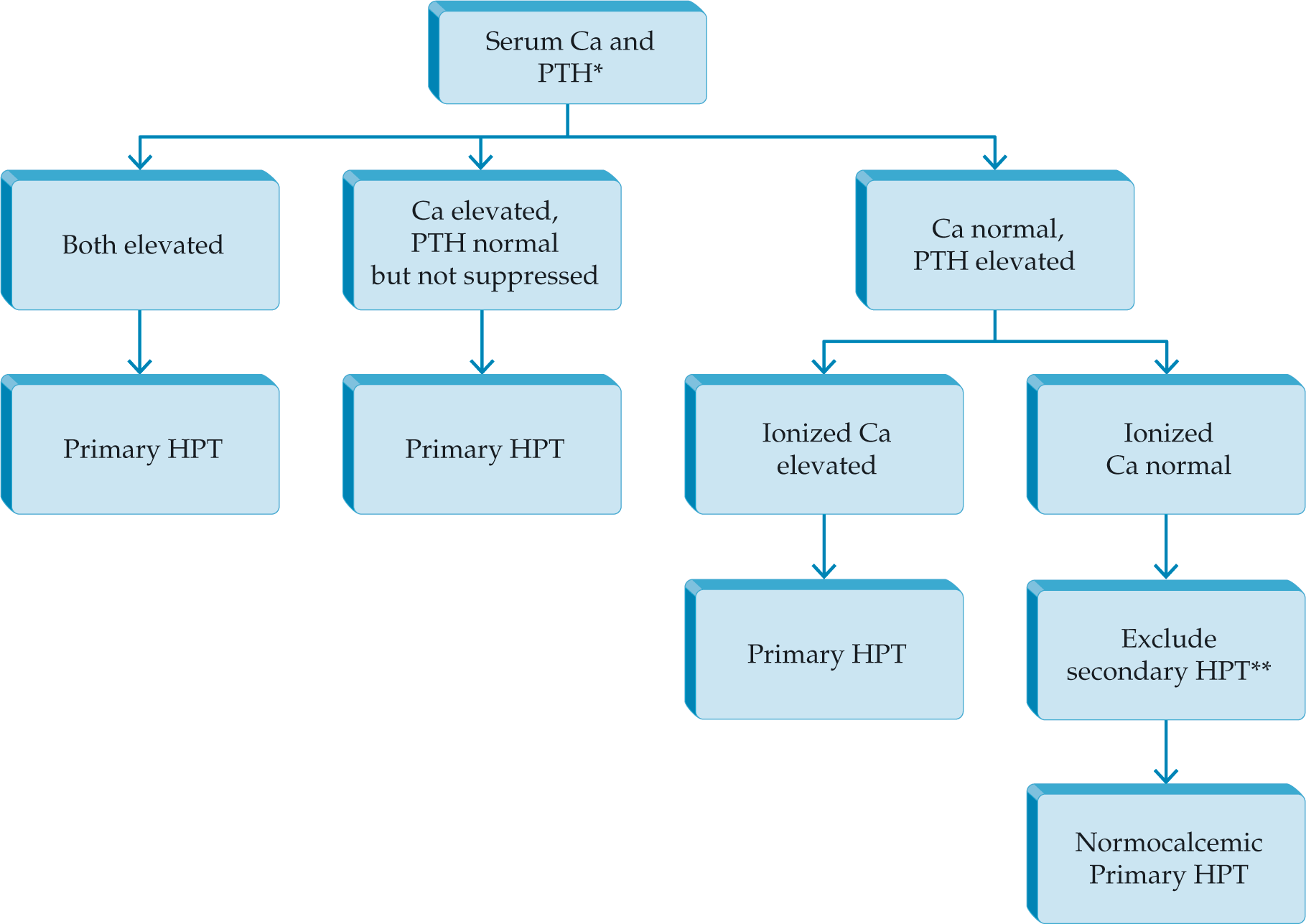
Who is a Candidate for Surgery in Primary Hyperparathyroidism?

👉All patients with primary hyperparathyroidism may be considered for parathyroid surgery, guidelines also include osteoporosis, kidney stones, and very high blood calcium levels as strong indications for surgery

#Arrangoiz #ParathyroidSurgeon #ParathyroidExpert #HeadandNeckSurgeon #MountSinaiMedicalCenter #MSMC #Miami #Mexico #EndocrineSurgery

Clinical Manifestations of Primary Hyperparathyroidism (PHPT)

Unknown-2

  • Despite what most of the literature reports:PHPT is symptomatic in more than 95% of the cases:If proper attention is payed to the subtle symptoms and signs that this disease can produce due to the fluctuating calcium levels.
  • The “classic”pentad of PHPT:Kidney stonesPainful bonesAbdominal groansPsychic moansFatigue overtones The “classic”pentad of PHPT is rarely seen today since the advent and general use of automated blood analyzers in the early 1970s.

d08c5fd8652fdcc2587af403fd2720ba.jpg

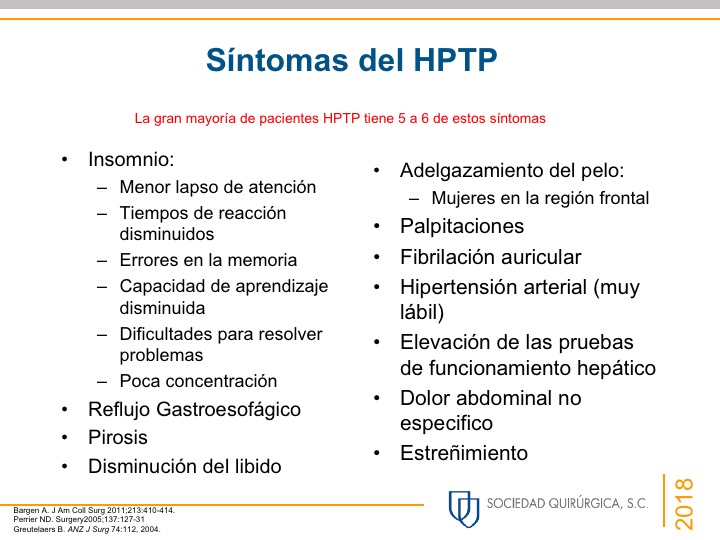
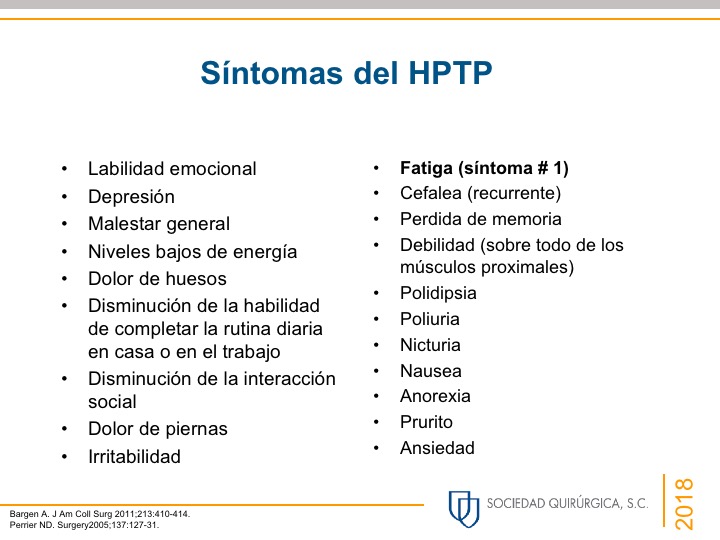
  • Today most patients present with:Fatigue (# 1 symptom)General malaiseDecrease levels of energyAnxietyIrritability leading to decrease social interactionDepression (10% of cases)Memory loss Decrease concentrationDecrease ability to learn new thingsDecrease ability to complete daily tasks at home
    • Decrease ability to complete daily tasks at work
    • Decrease social interaction
    • Insomnia
    • Arthralgia’s (32% of the cases)
    • Myalgia’s (14% to 41% of the cases)
    • Bone pain
    • Muscle weakness (specially proximal muscle groups)
    • Intermittent headaches
    • Polydipsia
    • Polyuria
    • Nocturia
    • Nausea (24% of the cases)
    • Anorexia (15% of the cases)
    • Non-specific abdominal pain
    • Heartburn (30% of the cases)  
    • Constipation (33% of the cases)
    • Palpitations
    • Arrhythmias (usually atrial fibrillation)
    • Elevated blood pressure
    • Thinning of the hair (specially in women in the frontal region)
    • Pruritus

ParathyroidSymptomsCartoon60.gif

  • Patients with PHPT also tend to score lower than healthy controls when evaluated by general multidimensional health assessment tools such as the Medical Outcomes Study Short-Form Health Survey(SF-36) and other specific questionnaires.
  • PHPT that is truly “asymptomatic” is a rare occurrence:Seen in less than five percent of patients:This is important when talking about management based on current guidelines.
  • Patients with PHPT have some degree of renal dysfunction or symptoms:In approximately 80% of the cases:The renal manifestations implicated with PHPT are:Decreased glomerular filtration rate
        • Hypercalciuria
        • Nephrolithiasis:Nephrolithiasis was previously reported in approximately 40% to 80% of patients but now occur only in about 20% to 25% of the cases:The pathophysiology is thought to be related to the filtered load of calcium in the glomerulus that increases proportionately with the degree of hypercalcaemia.
            • Most renal stones in patients with PHPT are composed of calcium oxalate, although slightly alkaline urine may favor the precipitation of calcium phosphate stones:Stone formers are more likely to be hypercalciuric, but less than one-third of the hypercalciuric patients with PHPT actually develop renal stones Hypercalciuria is not a predictor of nephrolithiasis in patients with PHPT and is no longer considered as an indication for surgery
        • Nephrocalcinosis
        • Impaired urinary concentrating ability sometimes leading to polyuria, polydipsia, and nocturia
        • Reduced fractional phosphate reabsorption leading to hypophosphatemia
        • Increased urinary exertion of magnesium

18839633_298526490594970_1808619548355549612_o

Rodrigo Arrangoiz MS, MD, FACS, FSSO cirujano de tumores de cabeza y cuello / cirugía endocrina / cirugía oncológica miembro de Center for Advanced Surgical Oncology (CASO) experto en el manejo del hiperparatiroidismo:

  • Rodrigo Arrangoiz MS, MD, FACS, FSSO es miembro de la American Thyroid Association:

2019 membership certificate arrangoiz, rodrigo

Publicaciones sobre el hiperparatiroidismo del miembro de Mount Sinai Medical Center Rodrigo Arrangoiz MS, MD, FACS, FSSO experto en cirugía endocrina:

Rodrigo Arrangoiz MS, MD, FACS, FSSO cirujano de tumores de cabeza y cuello / cirugía endocrina / cirugía pionero en México de la paratiroidectomia radioguiada mínimamente invasiva:

Entrenamiento:

  • Cirugia general y gastrointestinal:

• Michigan State University: 2004- 2010

image-48

• Cirugia oncológica / tumores de cabeza y cuello / cirugia endocrina:

• Fox Chase Cancer Center (Filadelfia):

• 2010 al 2012

image-39

• Maestria en ciencias (Clinical research for healthprofessionals):

• Drexel University (Filadelfia):

• 2010 al 2012

image-50

• Cirugia de tumores de cabeza y cuello / cirugiaendocrina

• IFHNOS / Memorial Sloan Kettering Cancer Center:

• 2014 al 2016

image-51

#Arrangoiz

#CirugiaEndocrina

#EndocrineSurgery

#HeadandNeckSurgeon

#CirujanodeTumoresdeCabezayCuello

Primary Hyperparathyroidism (PHPT)

  • Definition of problem:
    • Primary hyperparathyroidism (PHPT):
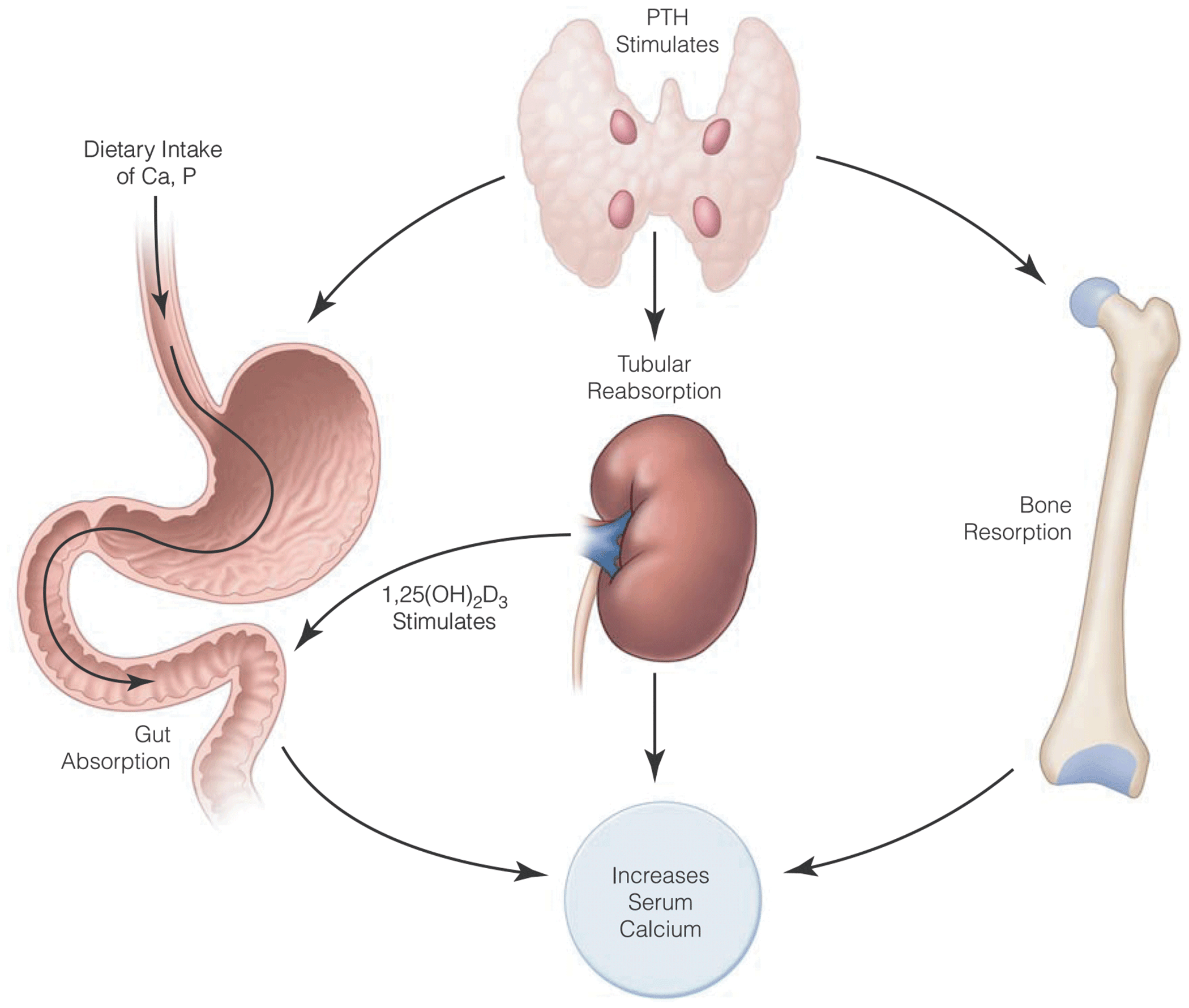
      • Is the unregulated overproduction of parathyroid hormone (PTH) resulting in abnormal calcium homeostasis
  • Frequency:
    • Primary hyperparathyroidism is more common in women:
      • The incidence being:
        • 66 per 100,000 person-years in females
        • 25 per 100,000 person-years in males
    • In a large study of 3.5 million enrollees in Kaiser Permanente of Southern California:
      • The incidence fluctuated over time but was not seen to decrease substantially​
      • On the contrary, the prevalence of primary hyperparathyroidism saw a substantial increase in this population
    • The mean age at diagnosis has remained between:
      • 52 and 56 years
  • Etiology:
    • In approximately 85% to 90% of cases:
      • Primary hyperparathyroidism is caused by:
        • A single adenoma
    • In 15% of cases:
      • Multiple glands are involved:
        • Multiple adenomas:
          • Doble adenomas
          • Triple adenomas
        • Hyperplasia (4 glands)
    • Rarely, primary hyperparathyroidism is caused by parathyroid carcinoma
    • The etiology of adenomas or hyperplasia:
      • Remains unknown in most cases
    • Familial cases can occur as either part of the:
      • Multiple endocrine neoplasia syndromes (MEN 1 or MEN 2a)
      • Hyperparathyroid-jaw tumor (HPT-JT) syndrome
      • Familial isolated hyperparathyroidism (FIHPT)
      • Familial hypocalciuric hypercalcemia and neonatal severe hyperparathyroidism also belong to this category
    • The molecular genetic basis of MEN 1 (Wermer Syndrome):
      • Is an inactivating mutation of the MEN1 gene:
        • Located on chromosome band 11q13
    • MEN 2a is caused by a:
      • Germline mutation of the Ret proto-oncogene on chromosome 10. 
    • Germline mutation of HRPT2 localized on chromosome arm 1q:
      • Is responsible for HPT-JT
  • While FIHPT is genetically heterogeneous

#Arrangoiz #ParathyroidSurgeon #ParathyroidSurgeon #HeadandNeckSurgeon #EndocrineSurgery #Hyperparathyroidism #MSMC #MountSinaiMedicalCenter #Mexico #Miami

Etiology Of Primary Hyperparathyroidism (PHPT)

  • The exact cause of PHPT is unknown:
    • Although exposure to low-dose therapeutic ionizing radiation and familial predisposition account for some cases
    • Various diets and intermittent exposure to sunshine may also be related
    • Other causes include:
      • Renal leak of calcium
      • Declining renal function:
        • With age
      • Alteration in the sensitivity of parathyroid gland:
        • To be suppression by calcium
  • The latency period for development of PHPT after radiation exposure:
    • Is longer than that for the development of thyroid tumors:
      • With most cases occurring 30 to 40 years after exposure
    • Patients who have been exposed to radiation:
      • Have similar clinical presentations and calcium levels when compared to patients without a history of radiation exposure:
        • However, the former tend to have higher PTH levels and a higher incidence of concomitant thyroid neoplasms
  • Lithium therapy:
    • Has been known to shift the set point for PTH secretion in parathyroid cells:
      • Thereby resulting in elevated PTH levels and mild hypercalcemia
    • Lithium stimulates the growth of abnormal parathyroid glands in vitro and also in susceptible patients in vivo
  • PHPT results from the enlargement of a single gland or parathyroid adenoma:
    • In approximately 80% to 95% of cases
    • Multiple gland disease in seen in 15% to 20% of the cases:
      • Doble adenomas 6% to 9% of cases:
        • This entity is less common in younger patients but is more prevalent in older patients
      • Triple adenomas < 0.3% of cases
      • Four gland hyperplasia 3% of cases
    • Parathyroid carcinoma:
      • In 1% of patients
  • It should be emphasized that when more than one abnormal parathyroid gland is identified preoperatively or intraoperatively:
    • The patient has hyperplasia (all glands abnormal) until proven otherwise
  • Genetics of PHPT:
    • Most cases of PHPT are sporadic:
      • However, PHPT also occurs within the spectrum of a number of inherited disorders such as:
        • MEN1 (Wermers Syndrome)
        • MEN2A (Sipple Syndrome)
        • Isolated familial HPT
        • Familial HPT with jaw-tumor syndrome
      • All of these syndromes are inherited in an autosomal dominant fashion
    • MEN type 1 Wermers Syndrome:
      • PHPT is the earliest and most common manifestation of MEN1:
        • It develops in 80% to 100% of patients by age 40 years old
      • These patients also are prone to:
        • Pancreatic neuroendocrine tumors:
          • About 50% of patients develop gastrinomas:
            • Which often are multiple and metastatic at diagnosis
          • Insulinomas develop in 10% to 15% of cases
          • Whereas many patients have nonfunctional pancreatic endocrine tumors
        • Pituitary adenomas:
          • Prolactinomas occur in 10% to 50% of MEN1 patients and constitute the most common pituitary lesion
        • Less commonly, to:
          • Adrenocortical tumors
          • Lipomas
          • Skin angiomas
          • Carcinoid tumors of the bronchus, thymus, or stomach
      • MEN1 has been shown to result from germline mutations in the MEN1 gene:
        • A tumor suppressor gene:
          • Located on chromosome 11q12-13:
            • That encodes menin:
              • A protein that is postulated to interact with the transcription factors JunD and nuclear factor-κB in the nucleus, in addition to replication protein A and other proteins
        • Most MEN1 mutations result in a nonfunctional protein and are scattered throughout the translated nine exons of the gene:
          • This makes presymptomatic screening for mutation carriers difficult
        • MEN1 mutations also have been found in kindreds initially suspected to represent isolated familial HPT
    • MEN type 2A Sippple Syndrome:
      • HPT develops in about 20% of patients with MEN2A:
        • It is generally is less severe
      • MEN2A is caused by germline mutations of the RET proto-oncogene:
        • Located on chromosome 10
      • In contrast to MEN1:
        • Genotype-phenotype correlations have been noted in this syndrome:
          • In that individuals with mutations at codon 634 are more likely to develop HPT
    • Patients with the familial HPT with jaw-tumor syndrome:
      • Have an increased predisposition to parathyroid carcinoma
      • This syndrome maps to a tumor suppressor locus HRPT2 (CDC73 or parafibromin):
        • On chromosome 1
    • Patients belonging to isolated HPT kindreds:
      • Also appear to demonstrate linkage to HRPT2
    • Approximately 25% to 40% of sporadic parathyroid adenomas and some hyperplastic parathyroid glands:
      • Have loss of heterozygosity (LOH) at 11q13:
        • The site of the MEN1 gene
    • The parathyroid adenoma 1 oncogene (PRAD1):
      • Which encodes cyclin D1:
        • A cell cycle control protein:
          • Is overexpressed in about 18% of parathyroid adenomas
      • This was demonstrated to result from a rearrangement on chromosome 11 that places the PRAD1 gene:
        • Under the control of the PTH promoter
    • Other chromosomal regions deleted in parathyroid adenomas and possibly reflecting loss of tumor suppressor genes include:
      • 1p, 6q, and 15q
      • RET mutations are rare in sporadic parathyroid tumors
      • Sporadic parathyroid cancers:
        • Are characterized by uniform loss of the tumor suppressor gene RB:
          • Which is involved in cell cycle regulation
        • 60% have HRPT2 (CDC73) mutations
          • These alterations are rare in benign parathyroid tumors and may have implications for diagnosis
    • Whereas amplified regions suggesting oncogenes have been identified at 16p and 19p
    • The p53 tumor suppressor gene is also inactivated in a subset (30%) of parathyroid carcinomas

Guidelines for the Management of Asymptomatic Primary Hyperparathyroidism (PHPT)

  • Guidelines for the management of asymptomatic primary hyperparathyroidism (PHPT):
    • Were updated in 2013 by the Fourth International Workshop on Asymptomatic Primary Hyperparathyroidism
  • Indications for surgery include the following:
    • Serum calcium :
      • 1 mg/dL above the upper limit of the reference range
    • Bone mineral density T-score:
      • At or below -2.5 SD (in perimenopausal or postmenopausal women and in men aged 50 years or older):
        • At the lumbar spine, total hip, femoral neck, or distal 1/3 radius
    • Vertebral fracture:
      • As evidenced via radiography or vertebral fracture assessment (VFA)
    • Creatinine clearance of:
      • Less than 60 ml/min
    • Twenty-four–hour urinary calcium excretion:
      • Greater than 400 mg/day and increased stone risk as assessed through biochemical stone risk analysis
    • Presence of nephrolithiasis or nephrocalcinosis as determined using radiography, ultrasonography, or CT scanning
    • Age younger than 50 years

#Arrangoiz #ParathyroidSurgeon #ParathyroidExpert #Hyperparathyroidism #PrimaryHyperparathyroidism #CancerSurgeon #EndocrineSurgery #Teacher #Surgeon #HeadandNeckSurgeon #SurgicalOncologist #ParathyroidAdenoma #Hypercalcemia #ElevatedCalciumLevels #Miami #MountSinaiMedicalCenter #MSMC #Mexico #Hialeah

Predictors of Multigland Disease in Hyperparathyroidism

  • No study has yet identified a reliable predictor:
    • For determining which patients with sporadic hyperparathyroidism:
      • Will have multigland disease:
        • The exception is in familial, secondary, and tertiary hyperparathyroidism:
          • Because of the nearly uniform incidence of four-gland hyperplasia:
            • All these patients are managed with bilateral neck exploration:
              • And either total parathyroidectomy with autotransplantation or three-and-a-half gland parathyroidectomy
  • Although some surgeons believe that patients with higher preoperative PTH or calcium levels (or both):
    • Are more likely to have multi-gland disease:
      • This has not been proved to be true in clinical studies

#Arrangoiz #ParathyroidSurgeon #ParathyroidExpert #Hypercalcemia #PHPT #Hyperparathyroidism #PrimaryHyperparathyroidism #EndocrineSurgery #HeadandNeckSurgeon #CancerSurgeon #Surgeon #Teacher #Miami #Mexico #MountSinaiMedicalCenter #MSMC

Genetic Abnormalities in Primary Hyperparathyroidism (PHPT)

  • Numerous genetic abnormalities have been identified in the development of PHPT, including:
    • Anomalies in tumor suppressor genes
    • Proto-oncogenes
  • Specific DNA mutations in a parathyroid cell:
    • May confer a proliferative advantage over normal neighboring cells:
      • Thus allowing for clonal growth:
        • Large populations of these altered cells containing the same mutation within hyperfunctioning parathyroid tissue:
          • Suggest that such glands are a result of clonal expansion
  • The majority of PHPT cases are:
    • Sporadic
  • Nonetheless, PHPT also occurs within the spectrum of a number of inherited disorders such as:
    • Multiple endocrine neoplasia syndromes (MEN):
      • MEN type 1 (Wermer Syndrome)
      • MEN type 2A (Sipple Syndrome)
      • Isolated familial HPT
      • Familial HPT with jaw-tumor syndrome
        • All of these syndromes are inherited in an:
          • Autosomal dominant fashion
  • MEN type 1 (Wermer Syndrome):
    • The earliest and most common presentation of MEN type 1 is:
      • PHPT:
        • Develops in approximately 80% to 100% of patients:
          • By age 40 years
    • These patients also are predisposed to the development of:
      • Pancreatic neuroendocrine tumors
      • Pituitary adenomas
      • Less frequently:
        • Skin angiomas
        • Lipomas
        • Adrenocortical tumors
        • Neuroendocrine tumors of the:
          • Thymus
          • Bronchus
          • Stomach
    • MEN type 1 has been shown to result from:
      • A germline mutation in a tumor suppressor gene:
        • Called MEN1 gene:
          • Located on chromosome 11q12-13:
            • That encodes Menin:
              • A protein that is postulated to interact with the transcription factors JunD and nuclear factor-κB in the nucleus, in addition to replication protein A and other proteins
    • Pre-symptomatic screening for mutation carriers for MEN type 1 is difficult:
      • Because generally MEN1 mutations result in a nonfunctional protein and are scattered throughout the translated nine exons of the gene
    • MEN1 mutations also have been found in kindred’s initially suspected to represent isolated familial HPT
    • Screening for mutation carriers for MEN type 1:
      • Has a very high detection rate:
        • Greater than 94%
      • In Sweden it is used for patients with PHPT with a first-degree relative with a:
        • Major endocrine tumor
        • Age of onset is less than 30 years and/or
        • If multiple pancreatic tumors / parathyroid hyperplasia is detected
  • MEN type 2A (Sipple Syndrome):
    • Approximately 20% of patients with MEN type 2A develop PHPT:
      • Which is usually less severe
    • MEN type 2A is caused by a:
      • Germline mutation of the RET proto-oncogene:
        • Located on chromosome 10
      • Genotype and phenotype correlations have been noted in this syndrome:
        • In that individuals with mutations at:
          • Codon 634 are more likely to develop PHPT
  • Patients with the familial HPT with jaw-tumor syndrome:
    • Have an increased predisposition to:
      • Parathyroid carcinoma
    • This syndrome maps to a tumor suppressor locus:
      • HRPT2 (parafibromin):
        • On chromosome 1
  • Sporadic parathyroid adenomas and some hyperplastic parathyroid glands:
    • Have loss of heterozygosity (LOH) at 11q13:
      • The site of the MEN1 gene:
        • In approximately 25% to 40% of the cases
  • Over expression of PRAD1:
    • Which encodes cyclin D1:
      • A cell cycle control protein:
        • Is found approximately 18% of parathyroid adenomas
    • This was proven to result from a rearrangement on chromosome 11:
      • That places the PRAD1 gene under the control of the PTH promoter
  • Other chromosomal regions deleted in parathyroid adenomas and possibly reflecting loss of tumor suppressor genes include:
    • 1p, 6q, and 15q
  • Amplified regions suggesting oncogenes have been identified at:
    • 16p and 19p
  • RET mutations:
    • Are unusual in sporadic parathyroid tumors
  • Sporadic parathyroid cancers:
    • Are characterized by uniform loss of the:
      • Tumor suppressor gene RB
        • Which is involved in cell cycle regulation
    • 60% have HRPT2 (CDC73) mutations
    • These alterations are rare in benign parathyroid tumors:
      • May have implications for diagnosis
    • The p53 tumor suppressor gene is also inactivated in a subset (30%) of parathyroid carcinomas

#Arrangoiz #ParathyroidSurgeon #ParathyroidExpert #PHPT #HeadandNeckSurgeon #CASO #CenterforAdvancedSurgicalOncology #EndocrineSurgery

Primary Hyperparathyroidism and Pregnancy

  • Hyperparathyroidism can be diagnosed during pregnancy and should be closely monitored to prevent complications associated with hypercalcemia.
  • Mild hypercalcemia in gestational PHPT is generally not associated with an increased risk of obstetrical complications.
  • https://academic.oup.com/jcem/article/100/5/2115/2829737

#Arrangoiz #ParathyroidSurgeon #ParathyroidExpert #HeadandNeckSurgeon #CancerSurgeon #EndocrineSurgery #MountSinaiMedicalCenter #MSMC #Miami #Mexico

Embryology of the Parathyroid Glands

  • During the fifth to sixth week of intrauterine development:
    • The embryonic pharynx is marked:
      • Externally by:
        • Four branchial clefts of ectoderm origin
      • Internally by:
        • Five branchial pouches of endoderm origin
  • The branchial apparatus:
    • Is made up by the branchial clefts and branchial pouches:
      • Together with the branchial arches of mesoderm origin:
        • Found in between them
    • This apparatus undergoes normal involution:
      • Leaving behind some derivatives which include the thyroid gland, parathyroid glands, thymus, ultimobranchial body, Eustachian tube, middle ear, and external auditory canal
  • The parathyroid glands:
    • Develop as epithelial thickenings of the dorsal endoderm of the third and fourth branchial pouches
  • The superior parathyroid glands:
    • Are derived from the fourth branchial pouch:
      • Which also gives rise to the thyroid gland
  • The inferior parathyroid glands:
    • Are derived from the third branchial pouch:
      • Which also gives rise to the thymus
  • The parathyroid glands:
    • Remain intimately connected with their respective branchial pouch derivatives
  • The normal anatomic location of the superior parathyroid glands:
    • Is more constant than the inferior parathyroid glands:
      • With 80% of the superior glands being found near the posterior aspect of the thyroid gland at the junction of the upper and middle portion of the thyroid lobes:
        • At the level of the cricoid cartilage:
          • Each gland with its own capsule of connective tissue
    • Roughly one percent of the superior parathyroid glands;
      • May be found in the paraesophageal or retroesophageal space
    • Enlarged superior glands may descend in the tracheoesophageal groove and come to lie below the inferior parathyroid glands
    • Truly ectopic superior parathyroid glands:
      • Are extremely rare:
        • But may be localized to the middle or posterior mediastinum or in the aortopulmonary window 
  • During intrauterine development, the thymus and the inferior parathyroid glands migrate caudally in the neck:
    • The most common location for the inferior parathyroid glands:
      • Is within a distance of 1 cm from a point centered where the inferior thyroid artery and the recurrent laryngeal nerve (RLN) cross
    • Approximately 15% to 50% of the inferior glands:
      • Are found in the thymus
    • The position of the inferior parathyroid glands:
      • However, tends to be more variable:
        • Due to their longer migratory route
    • Undescended inferior glands:
      • May be found near the skull base, angle of the mandible, or above the superior parathyroid glands along with an undescended thymus
  • The frequency of intrathyroidal glands:
    • Is approximately 2% 
  • There are normally two pairs of parathyroid glands (inferior and superior)
    • The parathyroid gland:
      • Is oval or bean-shaped (Figure)
      • It typically measures 6 mm × 4 mm × 2 mm
      • Weighs 40 mg to 60 mg
  • Most people have four parathyroid glands:
    • Akerström et al, in a series of 503 autopsies:
      • Identified four parathyroid glands in 84% of the cases
      • Supernumerary glands were found in:
        • 13% of the cases:
          • Most commonly in the thymus
        • In the literature, the incidence of supernumerary glands:
          • Is anywhere between 3% and 13%
    • Only in three percent of the cases less than four parathyroid glands are identified
  • The superior glands usually are dorsal to the RLN at the level of the cricoid cartilage:
    • Whereas the inferior parathyroid glands are located ventral to the nerve
Schematic view of the pharynx of an 8- to 10-mm embryo. Locations of the thyroid, parathyroid, and thymic tissues in a 13- to 14-mm embryo 
The lower parathyroids are derived from the third branchial pouch and migrate with the thymus, whereas the upper parathyroids are derived from the fourth branchial pouch and lie in close proximity to the ultimobranchial bodies.

Intraoperative Parathyroid Hormone

👉The first report for using intraoperative parathyroid hormone (IOPTH) level as an adjunct to guide removal of hyperfunctioning parathyroids was published by Dr. G. Irvin the 3rd et al. in 1993.

👉There are many criteria, however, all require judgement to balance risk of removing multiple glands with risk of recurrent / persistent disease, as outlined in this review.

https://www.sciencedirect.com/science/article/abs/pii/S1521690X19300612?via%3Dihub

Dr. Rodrigo Arrangoiz is a board-certified surgical oncologist who subspecializes in breast cancer and head and neck cancer. Dr. Arrangoiz earned his medical degree at the Anahuac University Medical School in Mexico City, Mexico and graduated Suma Cum Laude. He completed his internship and residency in general surgery at Michigan State University, where he was named chief resident during his fifth year of residency. Dr. Arrangoiz also completed a complex surgical oncology, head and neck fellowship at the Fox Chase Cancer Center in Philadelphia and at the same time he undertook a master’s in science (Clinical Research for Health Care Professionals) at Drexel University in Philadelphia. Dr. Arrangoiz also participated in a two-year global online fellowship in head and neck surgery and oncology through the International Federation of Head and Neck Societies / Memorial Sloan Kettering Cancer Center.

Dr. Arrangoiz has participated in multiple courses and academic congresses as a lecturer and guest professor and has also participated in several publications on topics related to his specialty that include oral cavity cancer, hyperparathyroidism, thyroid cancer, breast cancer, endocrine tumors, squamous cell carcinoma of the head and neck, and more. He is board certified by the American Board of Surgery, the Mexican Board of General Surgery and the Mexican Board of Oncology.

He is a member of various medical associations such as the American College of Surgeons, American Thyroid Association, American Head and Neck Society, American Medical Association, American Society of Clinical Oncology, Association of Academic Surgeons, Society of Surgical Oncology, The Society of Surgery of the Alimentary Tract, Society of American Gastrointestinal Endoscopic Surgeons, and the American Society of Breast Surgeons, among others.

Specialty:

Head and Neck Surgery
Thyroid and Parathyroid Surgery
Breast Surgery
Complex Surgical Oncology

Areas of Clinical Interest:

Malignant thyroid disease (papillary, follicular, medullary, anaplastic thyroid cancer, thyroid lymphoma, and metastatic disease to the thyroid gland) benign thyroid diseases (goiter, multinodular goiter, substernal goiter, hyperthyroidism), hyperparathyroidism / hypercalcemia, benign and malignant breast diseases, head and neck surgery and head and neck cancer.

#Arrangoiz #ParathyroidSurgeon #ParathyroidExpert #Hyperparathyroidism #PrimaryHyperparathyroidism #CancerSurgeon #EndocrineSurgery #Teacher #Surgeon #HeadandNeckSurgeon #SurgicalOncologist #ParathyroidAdenoma #Hypercalcemia #ElevatedCalciumLevels #Miami #MountSinaiMedicalCenter #MSMC #Mexico #Hialeah