


Studies have shown aromatase inhibitors to be superior to tamoxifen in breast cancer recurrence and mortality in postmenopausal women
The TailoRx trial showed no difference in disease-free survival (DFS) or overall survival (OS) in women with a low or intermediate oncotype score when comparing chemotherapy plus endocrine therapy to endocrine therapy alone
Both tamoxifen and aromatase inhibitors have been shown to significantly improve breast cancer recurrence and survival rates in women with HR+ breast cancer.
References
Albain KS, Barlow WE, Shak S, et al. Prognostic and predictive value of the 21-gene recurrence score assay in postmenopausal women with node-positive, oestrogen-receptor-positive breast cancer on chemotherapy: a retrospective analysis of a randomised trial. Lancet Oncol. 2010; 11(1): 55-65.
Gnant M, Filipits M, Greil R, et al. Predicting distant recurrence in receptor-positive breast cancer patients with limited clinicopathological risk: using the PAM50 Risk of Recurrence score in 1478 postmenopausal patients of the ABCSG-8 trial treated with adjuvant endocrine therapy alone. Ann Oncol. 2014; 25(2): 339-45.
Early Breast Cancer Trialists’ Collaborative Group, Davies C, Godwin J, et al. Relevance of breast cancer hormone receptors and other factors to the efficacy of adjuvant tamoxifen: patient-level meta-analysis of randomised trials. Lancet. 2011; 378(9793): 771-84.
Francis PA, Pagani O, Fleming GF, et al. Tailoring Adjuvant Endocrine Therapy for Premenopausal Breast Cancer. N Engl J Med. 2018; 379(2): 122-137. doi: 10.1056/NEJMoa1803164.
Early Breast Cancer Trialists’ Collaborative Group. Aromatase inhibitors versus tamoxifen in early breast cancer: patient-level meta-analysis of the randomised trials. Lancet. 2015; 386(10001): 1341-52.
Vogel VG, Costantino JP, Wickerham DL, et al. Update of the National Surgical Adjuvant Breast and Bowel Project Study of Tamoxifen and Raloxifene (STAR) P-2 Trial: Preventing breast cancer. Cancer Prev Res (Phila). 2010; 3(6): 696-706.

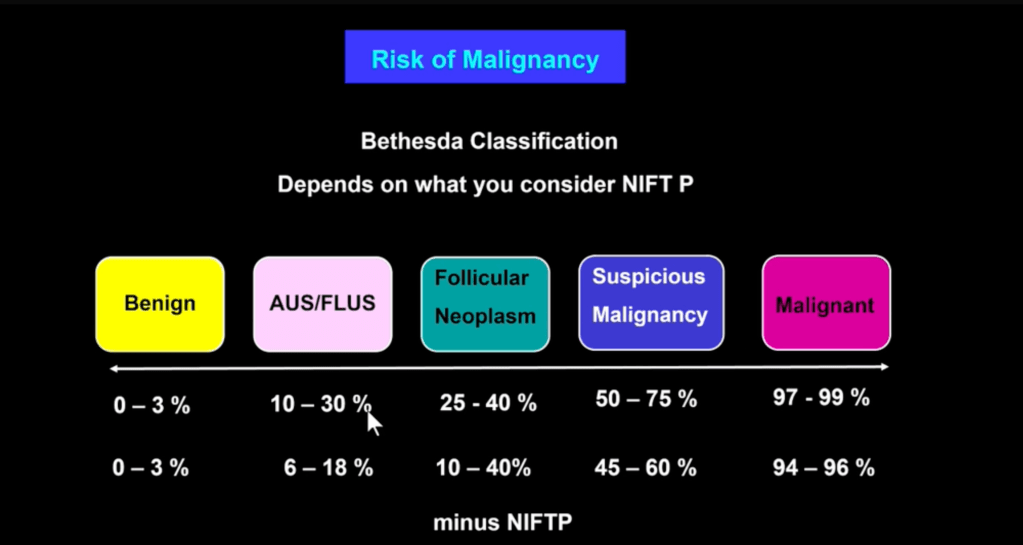

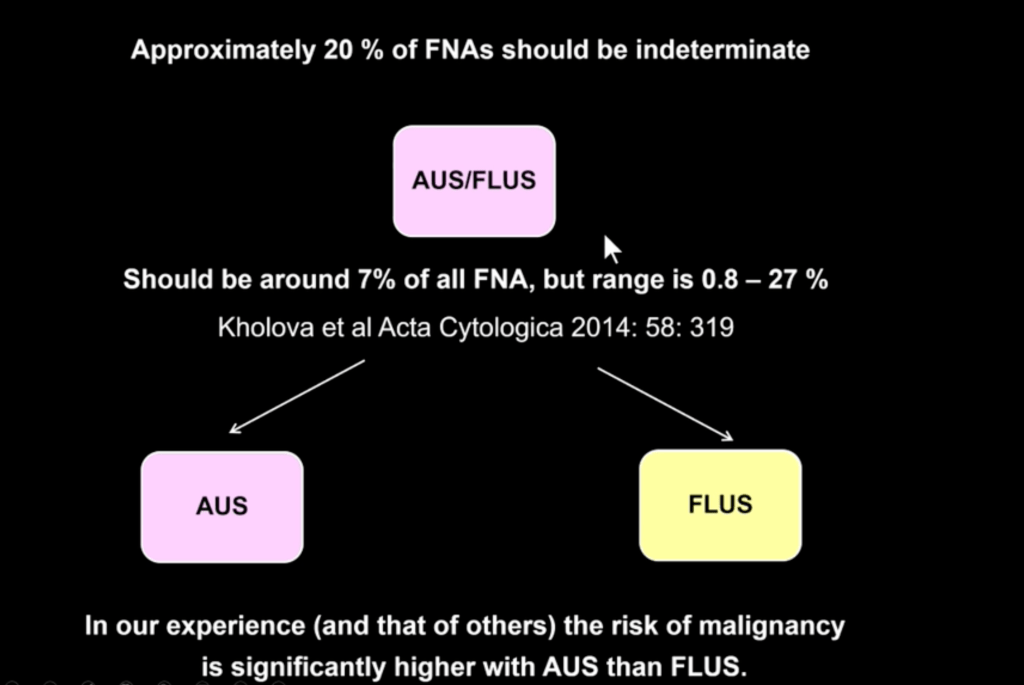


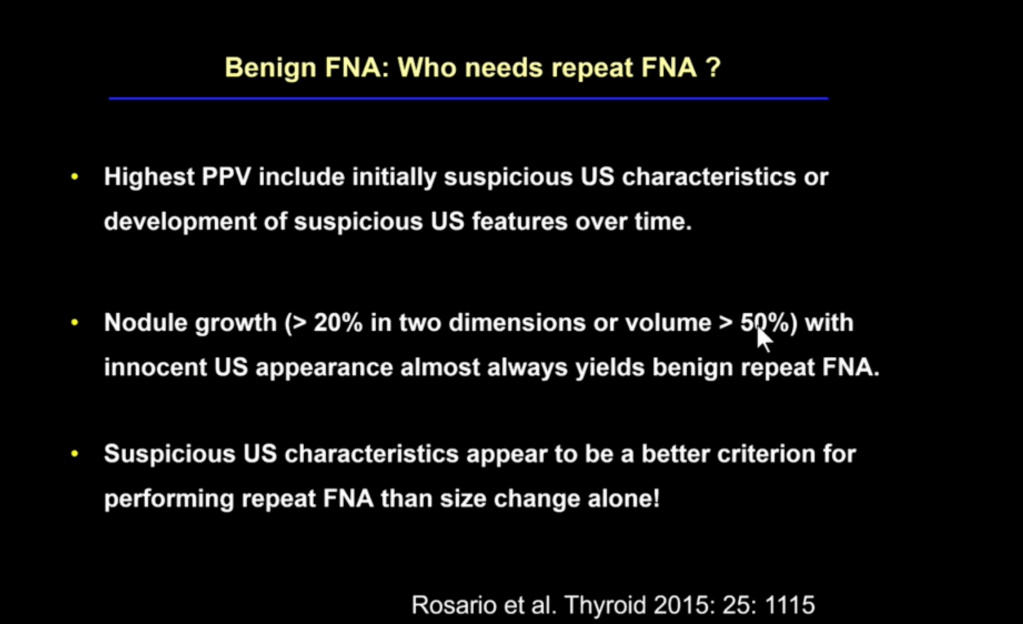
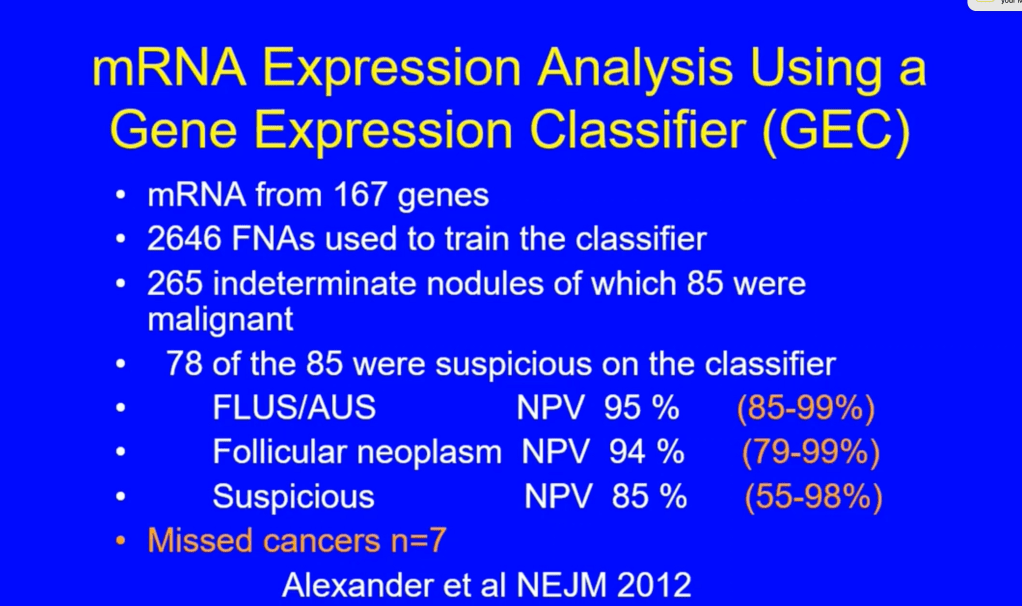
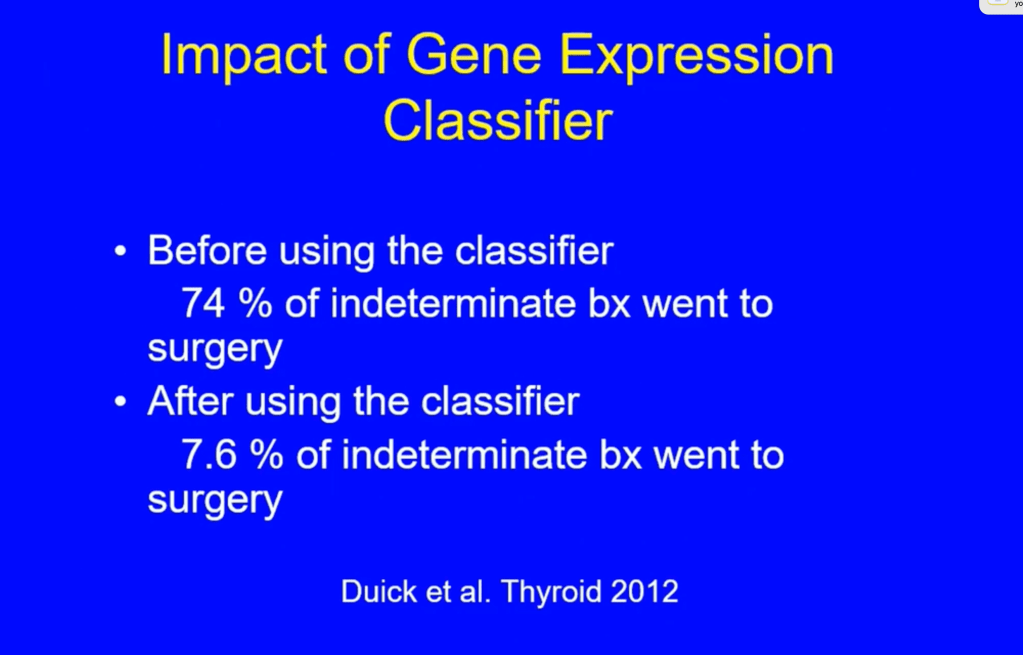
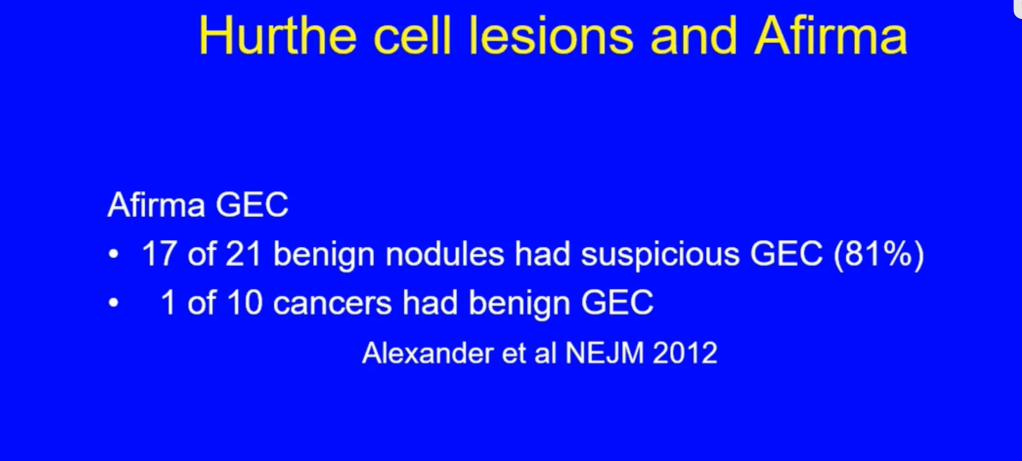
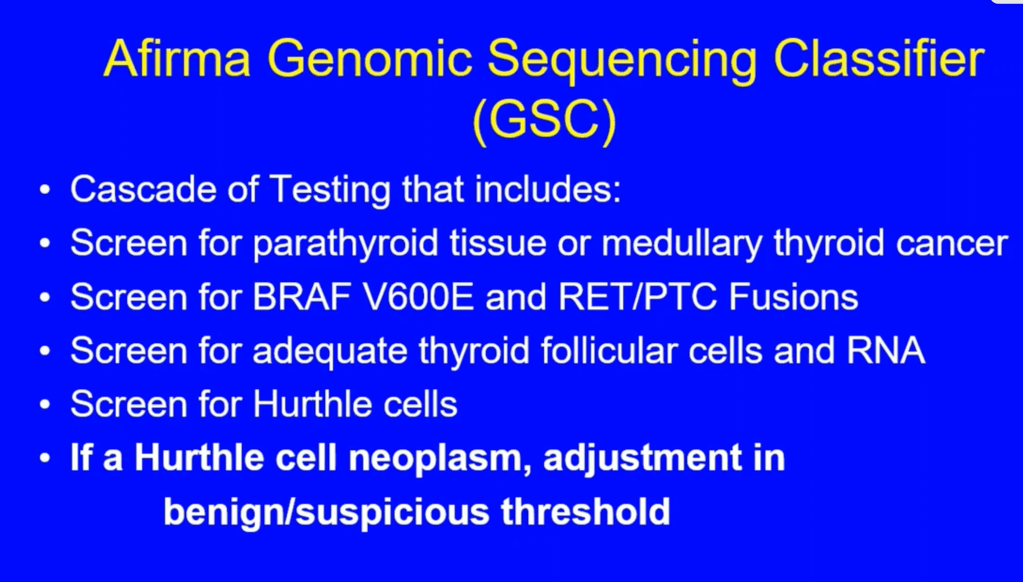
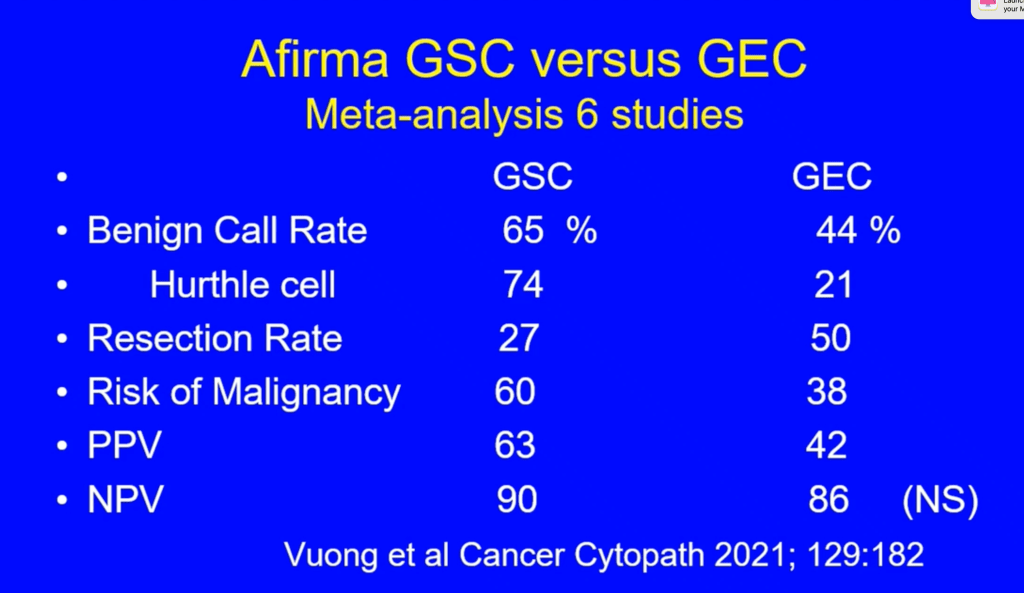


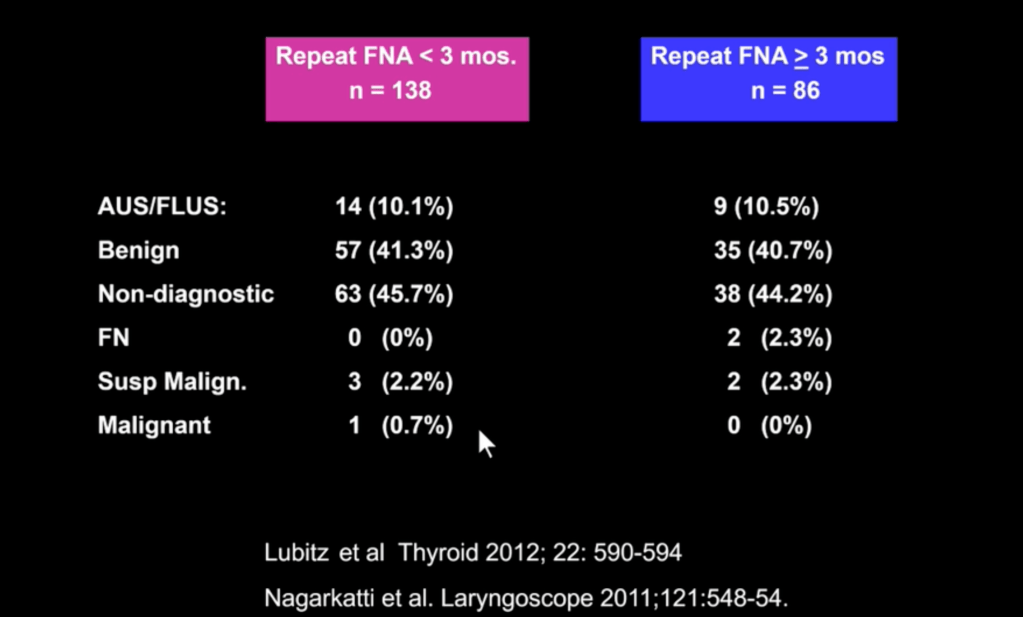
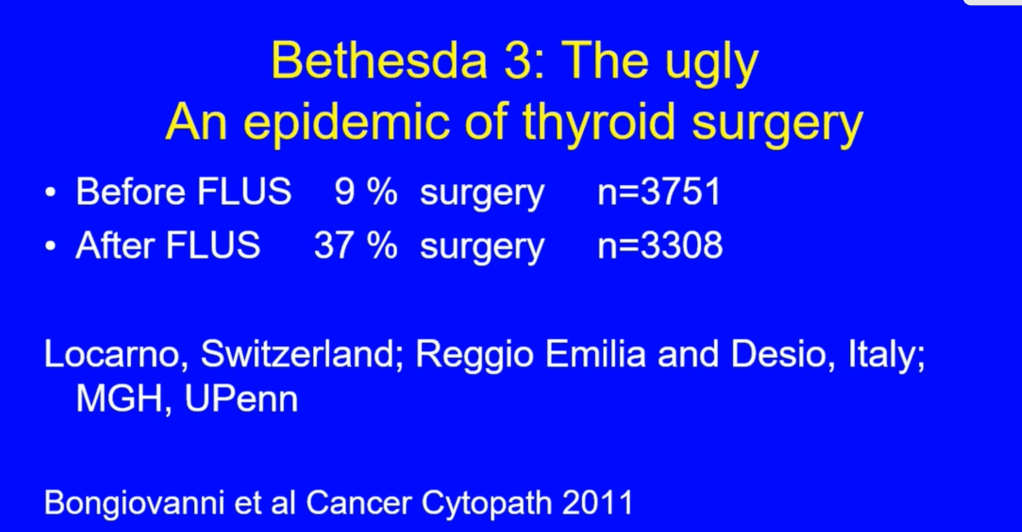
We do not have to wait three months to repeat the Ultrasound guided FNA. NO risk of increased atypia.

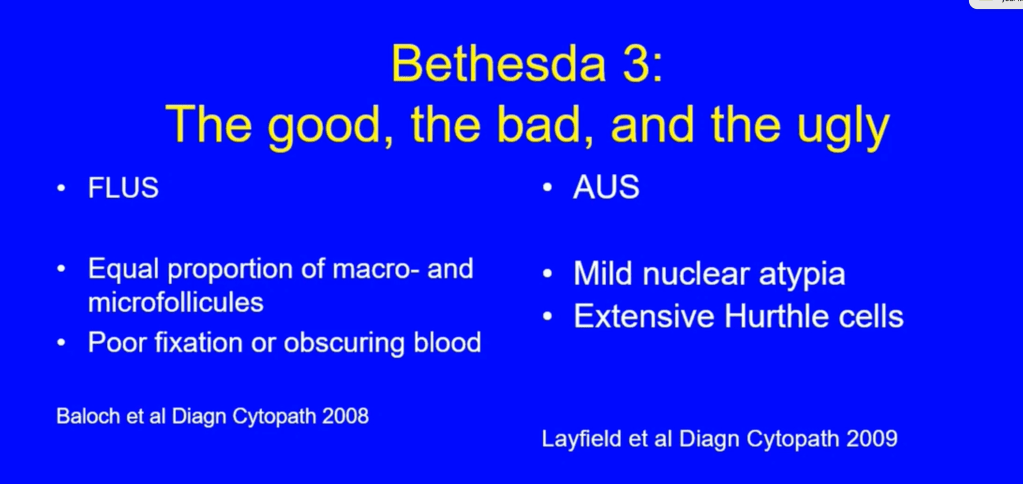
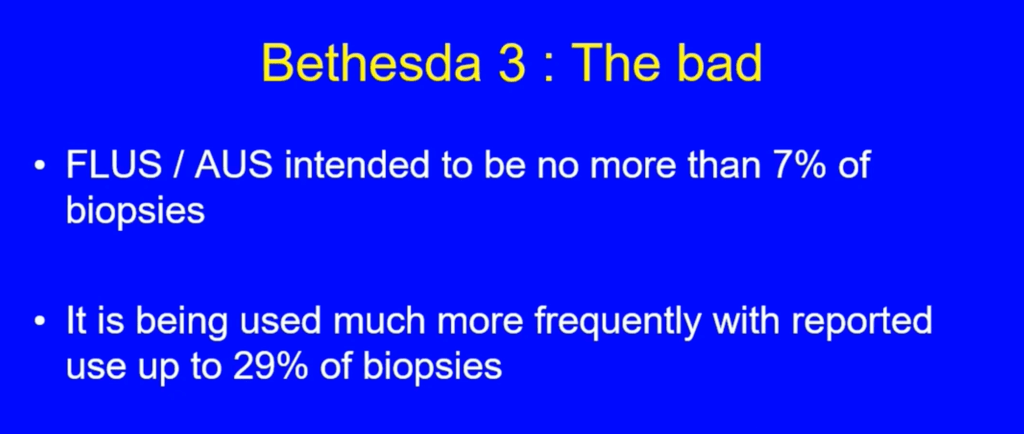
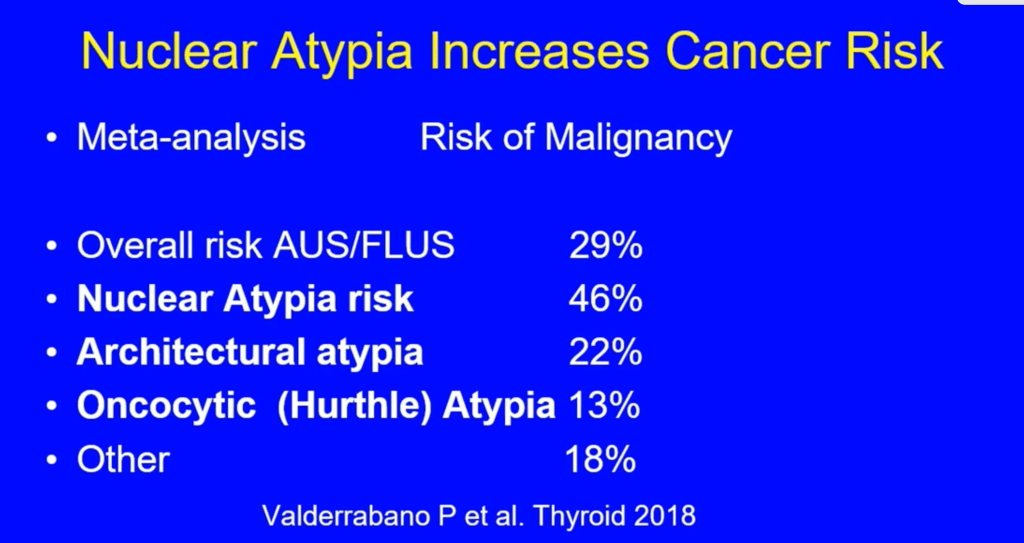
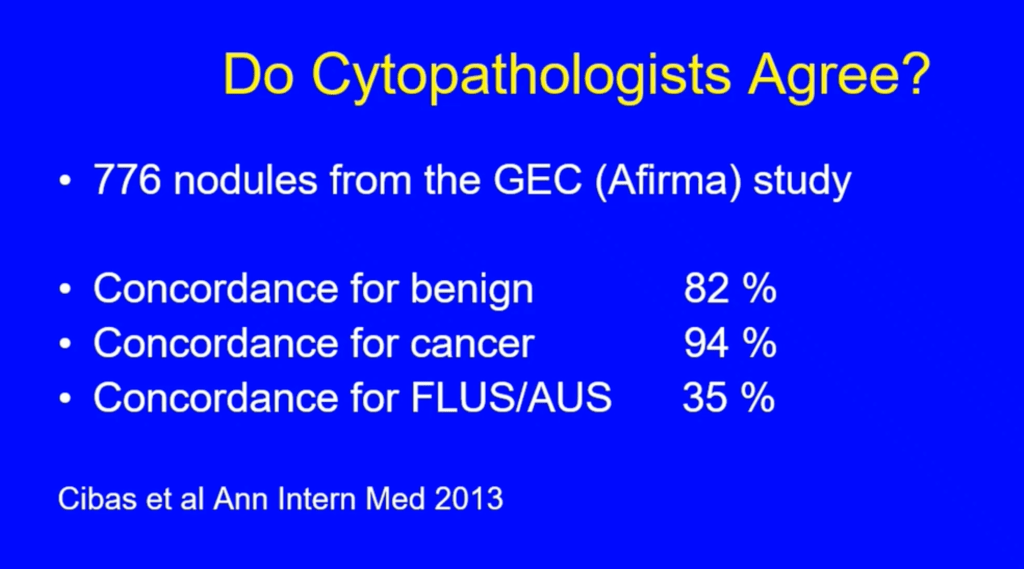
Atypia of Undetermined Significance (AUS) or Follicular Lesion of Undetermined Significance (FLUS) on Cytology

Male breast cancer accounts for less than 1% of all breast cancers but it does behave in a similar way to postmenopausal breast cancer in women.
Male breast cancer does not have a worse biology or prognosis then female breast cancer, males just tend to present at later stages and therefore have worse overall survival.
Approximately a third of men will present with stage III disease.
Approximately 4% to 40% of male breast cancers result from BRCA mutations.
The first step in treatment of male breast cancer is surgical excision.
Men should have mastectomy because the small amount of breast tissue is not conducive to breast conservation. Sentinel node biopsy should be performed and followed by axillary dissection only if the sentinel node is tumor-positive; axillary node dissection is not required in all male patients. It is important to note, however, that the ACOSOG Z011 randomized trial did not include men, so omission of completion axillary dissection for a tumor-positive sentinel node is not recommended.
Adjuvant therapy for male breast cancer is similar to that for female breast cancer. Radiation therapy should be administered for larger tumors with multiple tumor positive nodes. Men can receive hormone therapy if the tumor is estrogen receptor (ER)-positive and studies have shown that hormone therapy improves disease-free and overall survival for men. It is not known if aromatase inhibitors improve survival for men because most of the studies involving men have used tamoxifen. Similarly, the indications for adjuvant chemotherapy are similar to those for women but whether taxanes or dose-dense regimens should be administered is not known. In general, guidelines regarding chemotherapy use for women are used for men.
Fentiman IS, Forquet A, Hortobagyi GN. Male breast cancer. Lancet. 2006;367:595-604.
Giordano SH, Cohen DS, Buzdar AU, Perkins G, Hortobagyi GN. Breast carcinoma in men: a population-based study. Cancer. 2004;101:51-57.
Giordano SH, Perkins GH, Broglio K, et al. Adjuvant systemic therapy for male breast carcinoma. Cancer. 2005;104:235-264.
Goss PE, Reid C, Pintilie M, Lim R, Miller N. Male breast carcinoma: a review of 229 patients who presented to the Princess Margaret Hospital during 40 years: 1955-1996. Cancer. 1999;85:629-639.
Meijer-van Gelder ME, Look MP, Bolt-de Vries J, Peters HA, Klijn JG, Foekens JA. Clinical relevance of biologic factors in male breast cancer. Breast Cancer Res Treat. 2001;68:249-260.

 Rodrigo Arrangoiz MS, MD, FACS, FSSO