

- Tumor biology correlates with rates of breast-conserving surgery and pathologic complete response after neoadjuvant chemotherapy for breast cancer: findings from the ACOSOG Z1071 (Alliance) prospective multicenter clinical trial
- Judy C. Boughey, M.D.1, Linda M. McCall, M.S.2, Karla V. Ballman, Ph.D.3, Elizabeth A. Mittendorf, M.D., Ph.D.4, Gretchen M. Ahrendt, M.D.5, Lee G. Wilke, M.D.6, Bret Taback, M.D.7, A. Marilyn Leitch, M.D.8, Teresa Flippo-Morton, M.D.9, and Kelly K. Hunt, M.D.4 1Department of Surgery, Mayo Clinic, Rochester, Minnesota
- Abstract:
- Objective:
- To determine the impact of tumor biology on rates of breast-conserving surgery and pathologic complete response (pCR) after neoadjuvant chemotherapy.
- Summary Background Data:
- The impact of tumor biology on the rate of breast-conserving surgery after neoadjuvant chemotherapy has not been well studied.
- Methods:
- They used data from ACOSOG Z1071, a prospective, multicenter study assessing sentinel node surgery after neoadjuvant chemotherapy in patients presenting with node-positive breast cancer from 2009 through 2011, to determine rates of breast-conserving surgery and pCR after chemotherapy by approximated biologic subtype.
- Results:
- Of the 756 patients enrolled on Z1071, 694 had findings available from pathologic review of breast and axillary specimens from surgery after chemotherapy.
- Approximated subtype was triple-negative in 170 (24.5%) patients, HER2-positive in 207 (29.8%), and hormone- receptor-positive, HER2-negative in 317 (45.7%).
- Patient age and clinical tumor and nodal stage at presentation did not differ across subtypes.
- Rates of breast-conserving surgery were significantly higher in patients with triple-negative (46.8%) and HER2-positive tumors (43.0%) than in those with hormone-receptor-positive, HER2-negative tumors (34.5%) (P = 0.019).
- Rates of pCR in both the breast and axilla were 38.2% in triple-negative, 45.4% in HER2-positive, and 11.4% in hormone-receptor-positive, HER2-negative disease (P < 0.0001).
- Rates of pCR in the breast only and the axilla only exhibited similar differences across tumor subtypes.
- Conclusions:
- Patients with triple-negative and HER2-positive breast cancers have the highest rates of breast-conserving surgery and pCR after neoadjuvant chemotherapy:
- Patients with these subtypes are most likely to be candidates for less invasive surgical approaches after chemotherapy.
- Patients with triple-negative and HER2-positive breast cancers have the highest rates of breast-conserving surgery and pCR after neoadjuvant chemotherapy:
- Objective:
- Abstract:
- Judy C. Boughey, M.D.1, Linda M. McCall, M.S.2, Karla V. Ballman, Ph.D.3, Elizabeth A. Mittendorf, M.D., Ph.D.4, Gretchen M. Ahrendt, M.D.5, Lee G. Wilke, M.D.6, Bret Taback, M.D.7, A. Marilyn Leitch, M.D.8, Teresa Flippo-Morton, M.D.9, and Kelly K. Hunt, M.D.4 1Department of Surgery, Mayo Clinic, Rochester, Minnesota
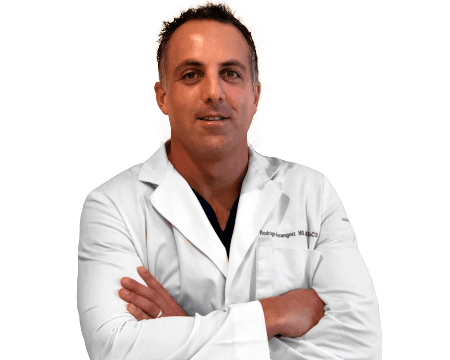
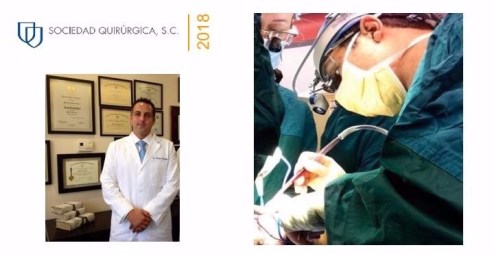
👉Rodrigo Arrangoiz MS, MD, FACS cirujano oncology y cirujano de mamá de Sociedad Quirúrgica S.C en el America British Cowdray Medical Center en la ciudad de Mexico:
-
Es experto en el manejo del cáncer de mama.
👉Es miembro de la American Society of Breast Surgeons:
Training:
• General surgery:
• Michigan State University:
• 2004 al 2010

• Surgical Oncology / Head and Neck Surgery / Endocrine Surgery:
• Fox Chase Cancer Center (Filadelfia):
• 2010 al 2012

• Masters in Science (Clinical research for health professionals):
• Drexel University (Filadelfia):
• 2010 al 2012

• Surgical Oncology / Head and Neck Surgery / Endocrine Surgery:
• IFHNOS / Memorial Sloan Kettering Cancer Center:
• 2014 al 2016

#Arrangoiz
#Surgeon
#Cirujano
#SurgicalOncologist
#CirujanoOncologo
#BreastSurgeon
#CirujanodeMama
#CancerSurgeon
#CirujanodeCancer
👉Plática del Dr. Arrangoiz sobre el cáncer de mama:

 Rodrigo Arrangoiz MS, MD, FACS, FSSO