
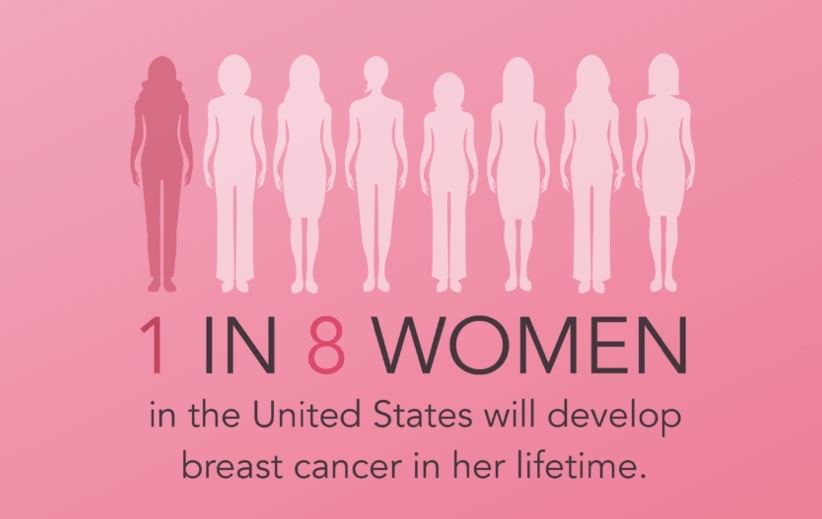
- In the last 10 years there has been a significant focus on the role of contralateral prophylactic mastectomy and the risk of contralateral breast cancer.
- Single-institution studies and SEER data:
- Have found contralateral prophylactic mastectomy rates:
- To be as high as 25%:
- And continue to increase:
- Further, this trend seems to be limited to the United States
- And continue to increase:
- To be as high as 25%:
- Have found contralateral prophylactic mastectomy rates:
- Nichols et al:
- Reviewed the rates of contralateral breast cancer using the SEER database between 1976 and 2006:
- Overall, they found the rate of contralateral breast cancer to be declining:
- Approximately 3% per year since 1985
- From 1990 forward:
- They found this benefit to be restricted to those>
- Presenting with an ER-positive breast cancer>
- With annual incidence rates of contralateral breast cancer of 0.25% to 0.37% when the index cancer was diagnosed after age 30 years
- Presenting with an ER-positive breast cancer>
- The rates of contralateral breast cancer were higher in patients with ER-negative breast cancers:
- But still remained reasonably low:
- With annual incidence rates of contralateral breast cancer of:
- 0.45% to 0.65% when the index cancer was diagnosed after age 40 years
- With annual incidence rates of contralateral breast cancer of:
- But still remained reasonably low:
- They found this benefit to be restricted to those>
- Overall, they found the rate of contralateral breast cancer to be declining:
- Reviewed the rates of contralateral breast cancer using the SEER database between 1976 and 2006:
- Contralateral prophylactic mastectomy is attributed with approximately a:
- 90% to 94% overall reduction in the risk of contralateral breast cancer:
- Not 100%
- Contralateral prophylactic mastectomy does not improve overall survival:
- Recent modeling suggests:
- The added absolute benefit of contralateral prophylactic mastectomy to overall survival:
- Is less than 1.45%
- The added absolute benefit of contralateral prophylactic mastectomy to overall survival:
- Recent modeling suggests:
- 90% to 94% overall reduction in the risk of contralateral breast cancer:
 👉Rodrigo Arrangoiz MS, MD, FACScirujano oncology y miembro de Sociedad Quirúrgica S.C en el America British Cowdray Medical Center en la ciudad de Mexico:
-
Es experto en el manejo del patología de mama:

Training:
• General surgery:
• Michigan State University:
• 2004 al 2010

• Surgical Oncology / Head and Neck Surgery / Endocrine Surgery:
• Fox Chase Cancer Center (Filadelfia):
• 2010 al 2012

• Masters in Science (Clinical research for health professionals):
• Drexel University (Filadelfia):
• 2010 al 2012

• Surgical Oncology / Head and Neck Surgery / Endocrine Surgery:
• IFHNOS / Memorial Sloan Kettering Cancer Center:
• 2014 al 2016



 Rodrigo Arrangoiz MS, MD, FACS, FSSO