
- Angiosarcoma (AS) of the breast is rare:
- Accounting for far less than 1% of all soft tissue breast tumors.
- It presents as a primary tumor of the breast or as a secondary lesion most commonly associated with previous radiotherapy:
- Primary AS has been observed in women ages 30 to 50 years presenting with poorly defined masses.
- It accounts for less than 0.04% of malignant neoplasms.
- Typically arises in the parenchyma of the breast, and has occasional skin involvement.
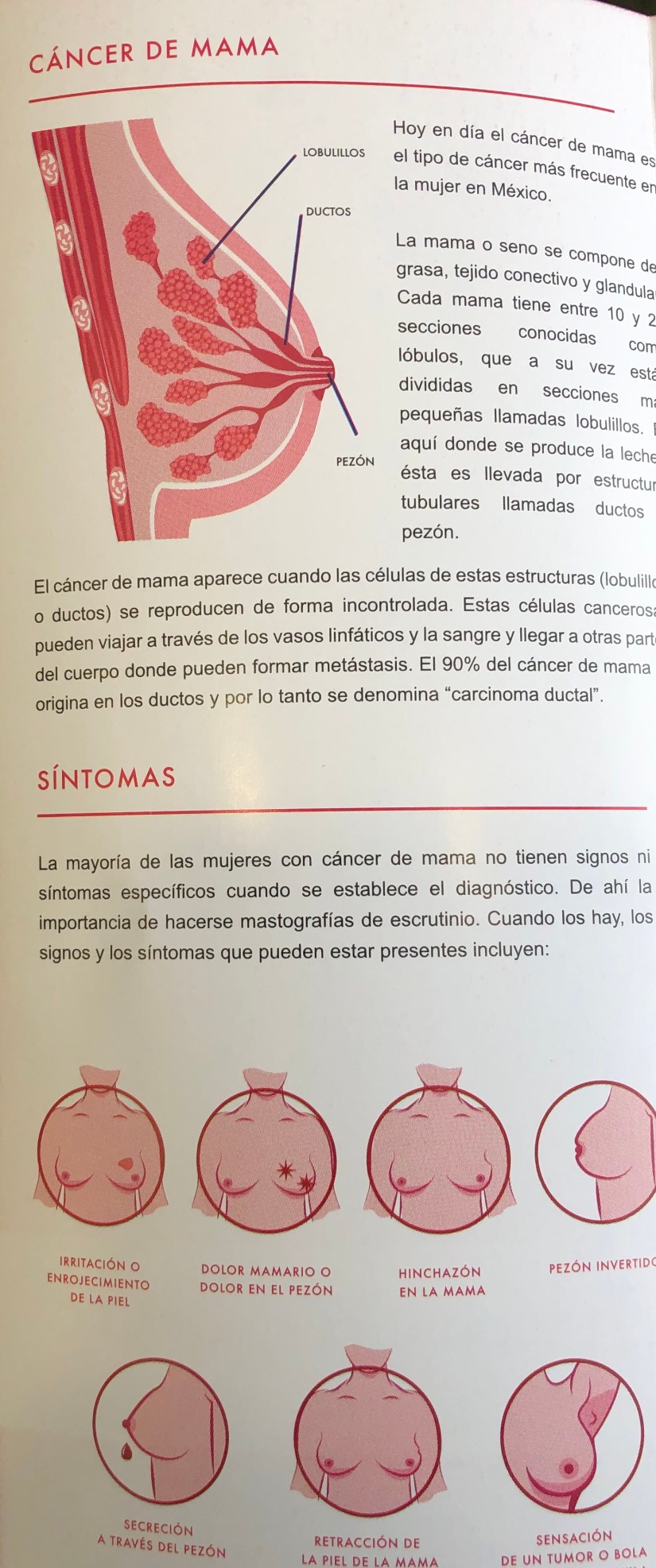
- Women with primary AS usually present with a palpable mass, fullness or swelling in the breast:
- Which at times can be rapidly growing.
- In contrast, secondary AS presents in older women (median age 67 to 71 years) following a median of 10.5 years after radiotherapy for breast cancer:
- The median latency to presentation after radiotherapy in 7 series ranges from 5 to 10 years.
- Although a causal relationship between radiation exposure and AS has not been established, multiple case reports support the increased risk for AS following adjuvant radiotherapy:
- It has been proposed that at radiation doses greater than 50 Gy, apoptosis occurs while at less than 50 Gy DNA damage and instability result.
- Sarcomas frequently occur at the edge of radiation fields where doses and tumor necrosis may be heterogeneous.
- When associated with chronic lymphedema and located outside a radiated field:
- AS in an edematous limb after mastectomy and radiotherapy is referred to as Stewart–Treves syndrome.
- Secondary AS presents as painless bruising that is frequently multifocal but can present with a mass:
- It is often neglected because of its seemingly innocent appearance.
- There are other varied descriptions of the presenting signs including :
- Purplish discoloration, eczematous rash, hematoma-like swelling, and diffuse breast swelling.

- Kasabach–Merritt syndrome, also known as hemangioma with thrombocytopenia, is a rare disease in which vascular tumors lead to platelet sequestration and hemorrhage:
- Although it occurs primarily in infants with hemangioma, rarely has it been reported in angiosarcomas.
- On histopathological analysis the lesions are notable for irregular vascular formations with hyperchromatic and irregular nuclei (Figure ):

- The diagnosis can be clarified by immunohistologic staining for the endothelial marker CD31 as in this case which determines the tumor is of endothelial origin:
- CD31 is the most sensitive and specific indicator of angiogenic proliferation; however, the lesions will also stain positive for the vascular markers:
- Factor VIII, and Fli1, and will usually at least be weakly positive for CD34.
- CD31 is the most sensitive and specific indicator of angiogenic proliferation; however, the lesions will also stain positive for the vascular markers:
Rodrigo Arrangoiz MS, MD, FACS a surgical oncologist and is a member of Sociedad Quirúrgica S.C at the America British Cowdray Medical Center in Mexico City:
-
He is an expert in the management of breast cancer.
-
If you have any questions about angiosarcoma of the breast cancer please fill free to contact Dr. Arrangoiz.
-
Training:
• General surgery:
• Michigan State University:
• 2004 al 2010

• Surgical Oncology / Head and Neck Surgery / Endocrine Surgery:
• Fox Chase Cancer Center (Filadelfia):
• 2010 al 2012

• Masters in Science (Clinical research for health professionals):
• Drexel University (Filadelfia):
• 2010 al 2012

• Surgical Oncology / Head and Neck Surgery / Endocrine Surgery:
• IFHNOS / Memorial Sloan Kettering Cancer Center:
• 2014 al 2016

#Arrangoiz
#Surgeon
#Cirujano
#SurgicalOncologist
#CirujanoOncologo
#BreastSurgeon
#CirujanodeMama
#CancerSurgeon
#CirujanodeCancer
http://www.sociedadquirurigca.com

 Rodrigo Arrangoiz MS, MD, FACS, FSSO